Tag: friendships

  • Dare to Live: 10 Unconventional Ways to Be True to Yourself

    Dare to Live: 10 Unconventional Ways to Be True to Yourself

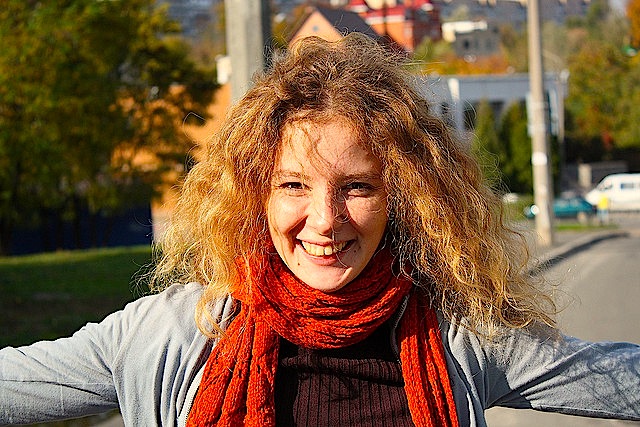
    Smiling

    “It takes courage to grow up and become who you really are.” ~E.E.Cummings

    Have you ever had a clear sign of who you really are and then totally ignored it?

    Maybe it required too much change or taking a big risk. Maybe you were scared to have to convince a loved one how much you needed this. And so you rationalized that “it wasn’t the right time.” Convinced yourself to “be sensible and put it off for a while.” I know how this feels, because I did it too.

    I was twenty-one then, and in my third year of medical school. We were in one of our first psychiatry classes, and the professor was demonstrating to us a patient with conversion disorder.

    I was hooked. In no other class had I been so completely absorbed. I fell in love with a big thud, reading everything I could on neuroscience and the brain.

    Although exhilarating, in my mind, this was also a disaster.

    You see, my dad was (and still is) a prominent eye surgeon who owned several hospitals and had been waiting to hand over his empire to me. My falling in love with psychiatry wasn’t part of this plan.

    I was raised in a culture where kids obeyed their parents. No questions asked. Even more so if you are the first born; added points if you were female. Unluckily, I was both. And so I ignored the sign and buried my desires.

    Then, tragedy hit and my mother unexpectedly died. And just like that, life was turned topsy turvy.

    That’s when I realized that planning to fulfill obligations first and then chase dreams is an illusion. Even the heady immortality of youth is sobered by meeting death up close. I developed this urgent, almost desperate need to be fully alive and true to myself in the time I had left on this earth.

    It has been more than ten years now since I took the plunge. I have become a board certified psychiatrist in the U.S, my siblings have grown and my dad and I have made up.

    But I would not have changed this journey, difficult as it was in some ways, even if I had the chance. Because it taught me, through trial and lots of errors, how to become real.

    Everyone’s journey is unique. And so this is in no way a generic prescription. These things happened to work for me and I share them with the hope that some may help you in your travels as well.

    1. Cherish those special friendships.

    I had (and still have) friends who knew and loved me unconditionally. This is truly invaluable. Make and keep good friends and be honest with them. They can be your moral compass during stormy times. Not just psychologically, but literally, like in share-her-last-sandwich-while-reading-poetry-on-long-afternoons kind of support.

    2. Don’t hate those who stumble; we all do sometimes.

    It would have been so easy, and actually it was, to hate my dad for a while. But as time passed, I was able to see his side too. This guy was so poor while growing up that he had only one meal a day and wore torn rags to school.

    He had to sneak to elementary classes from his day job herding sheep. From there, he had risen to be one of the top surgeons in the country and built an empire. Me rejecting it felt personal, like I was rejecting him.

    We all make mistakes. It’s part of being human. If you can, forgive and allow compassion into your relationships. It makes the ride more beautiful.

    3. Take responsibility for your own life.

    This is the beginning of self-esteem. Although stuff happens, ultimately you are responsible for your actions.

    When we deeply and utterly understand that to be true, life takes on a whole new meaning. Whatever has happened until the past moment is gone. This present moment is again yours. And you have the power to do whatever you want with it.

    4. Have a big vision and keep your goals aligned with your vision.

    I struggled with this one for a while. First, I had no big vision. In fact, I didn’t even know what that meant. So my goals and actions went in circles for a while.

    Make sure to know what kind of person you want to be and what kind of job/life you would like to lead. Then shape your short-term goals so it is moving you in that direction (or at least not away from it).

    5. Remember that death makes life real.

    In the words of Steve Jobs, “Remembering that you are going to die is the best way I know to avoid the trap of thinking you have something to lose. You are already naked. There is no reason not to follow your heart.”

    Death can come at any moment, to any of us. We don’t have forever to be who we are. In fact, we owe it to ourselves and those we love to be truly alive and authentic in each moment. It is the only legacy we can be proud to leave behind.

    6. Don’t worry too much about making mistakes.

    It is better to have tried and failed than to not have tried at all. Think and analyze your decisions carefully, but once you feel reasonably sure you have made a good choice, just trust yourself. Be bold and go forth into the wilderness.

    Whatever happens, you will have gained an experience from it that only the courageous can boast of.

    7. Know your strengths.

    You are unique. There is only one you in this entire universe. No one has exactly your strange and magical mix of genes and experience. Learn what makes you tick. And keep building on that. You will make wonderful things happen.

    8. Be kind to yourself.

    We all mess up once in a while. When it happens and you finally catch on, drop your ego, admit your mistake fully, and make amends. Learn from it so you don’t repeat that same lesson again. Then forgive yourself and move on. Life is hard and we are not made to be perfect.

    9. Be in the moment.

    This present moment is alive and full of potential. Learning to be mindful has helped me tremendously by keeping me in my life, as it happens.

    Whether you are playing, sleeping, working, lazing, watching TV, or hanging out with someone you love, give your awareness to it 100%. I highly recommend a daily mindfulness practice. It has changed the way I relate to life.

    10. Don’t forget to laugh.

    It has gotten me through many a sticky situation. And created hours of pure fun. Include as much good humor in your day as legally possible. And that’s a doctor’s order. 🙂

    So dear readers and future friends, don’t wait to be who you are. You are special and there is a reason you are on this earth. No matter what your situation is, there is something you can do today to move toward your true self.

    Dare to live; your dreams are counting on you.

    Photo by Mourner
  • Dealing with Disagreements with Loved Ones: 5 Helpful Tips

    Dealing with Disagreements with Loved Ones: 5 Helpful Tips

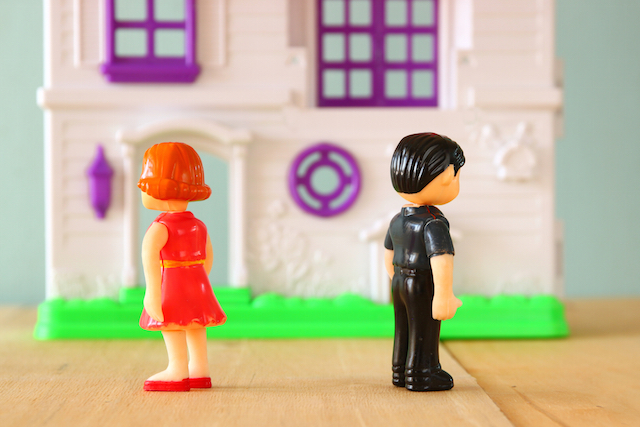
    Fighting couple

    “We find comfort among those who agree with us—growth among those who don’t.” ~Frank A. Clark

    This post is for anyone who has ever disagreed with the people they love the most, to remind them that these disagreements do not have to lead to regret.

    Indeed, they can lead to our deepest growth if we so choose.

    But I’m getting ahead of myself…

    Hi. My name is Sabrina, and despite my best intentions, I don’t always have the most harmonious conversations.

    When it comes to my family, especially my parents, my ego struggles with second-guessing their words, choices, and actions, and in turn, second-guessing my own.

    The truth is, I am no more “right” than they are; in fact, when it comes to making the best choice for oneself, I am a big believer in turning inward in one’s quest for answers.

    Yet I can still get triggered when we don’t see eye to eye, and that’s how I knew this was an area where I had an opportunity to grow.

    So I asked my higher self:

    How can I balance lovingly hearing my parents out without necessarily agreeing with the content of their message?

    And how can I bring loving awareness to the conversation, accepting with my heart while releasing the need to fully comprehend it in my head?

    Here is the answer that I received. (more…)

  • Ending Codependency in Relationships: Find Who You Really Are

    Ending Codependency in Relationships: Find Who You Really Are

    “Be yourself; everyone else is already taken.”  ~Oscar Wilde

    I remember clearly and will never forget the golden moment when I revealed my truth. Out through the locked up, suppressed little voice hidden deep down within, I allowed myself to say, “I always feel as if I need to give people what they want.”

    It was almost as if lighting struck and the clouds parted at the same time. I sat there comfortably in the chair of my therapist’s office, and with a deep breath I knew that “it” was over. I did not know what “it” was, or the amount of work and change that would follow, but I knew that I was ready and willing.

    I grew up codependent. From the influence of an alcoholic, narcissistic father to the string of narcissistic relationships formed afterward, my identity evolved through who I was to others and what I had given to them.

    A relationship with a narcissist defines your existence as not your own, but as a part of theirs. Others saw me as shy and nice, but I didn’t realize that I was lost and without balance.

    I wanted others to be their authentic selves, truthful and free, but I could not do that for myself, so I continued giving up and giving in. Not all was bad—life is beautiful in each form—but I knew I would need to learn something different, as I always struggled with fear and anxiety.

    So I have learned something different. It’s taken a long time, but things have been getting better. If you’ve also realized that you are codependent, these ideas may help you dig down and reveal your true, authentic, beautiful self.

    Create a relationship with yourself.

    Remember the scene in Runaway Bride where Julia Robert’s character decides she will choose what kind of eggs she likes instead of choosing the kinds that her former partners liked? This simple act is where it can all begin. I make an effort to just ask myself honestly, “How are you doing?”

    Take time to focus on your preferences, likes, dislikes, and so on, learning more about the things that make you happy and unhappy, and healthy ways to deal and cope with the latter. It’s important to always stay centered. (more…)

  • Create Meaning By Helping Others (Without Doing it for Validation)

    Create Meaning By Helping Others (Without Doing it for Validation)

    Helping Hand

    “If you light a lamp for someone else it will also brighten your path.” ~Buddha

    Why are you here on this earth? What is your purpose? What are you supposed to be doing with your life? These deep questions burn in all of us. Our souls’ desire is to lead fulfilling lives that have meaning.

    My life’s journey has always been linked to helping other people; I just never saw it as serving them. As I have grown to know myself, I have discovered that I have this huge heart that wants the best for myself and for others. I now live to serve, and this brings me great fulfillment.

    The Difference Between Seeking Validation and Serving

    It wasn’t always easy for me. I spent a great deal of my life questioning why I was here and what my life was all about. I had been through so much pain and had suffered at the hands of others. I couldn’t understand it all until I took a stand. Enough was enough. I needed to be different.

    Little did I know that being different meant discovering myself and not simply changing my circumstances.

    I was always a helpful person, but it was about seeking validation for what I did, not about the difference I could make in others’ lives when coming from a place of inner strength.

    I started learning about who I was and why I was behaving the way I did. I would often be so angry with myself for doing things for other people that I really didn’t want to do.

    I was angry that I didn’t say no when I really wanted to. I was seeking validation in these moments and wanting to be liked. I realized that I could say no, and that I’d been saying no to the wrong person. I needed to start saying yes to me, and that meant no to others.

    I also wanted to be sure that I wasn’t being mean and hurtful to others by saying no to certain requests, and so I started asking them. I realized quickly that true friends are the ones who tell you what you need to hear, not what you want to hear.

    I wanted more of that in my life, and I knew if I were open and honest with others in this same way, I would help them discover something great about themselves. This was true servitude, and it came from a more empowered place.

    The focus was on serving them and not seeking validation for myself. (more…)

  • Relationships Should Complement Our Identities, Not Define Them

    Relationships Should Complement Our Identities, Not Define Them

    “On a deeper level you are already complete. When you realize that, there is a playful, joyous energy behind what you do.” ~Eckhart Tolle

    The first rain after a long draught gets people talking about cozy things. Being with others, being physically close to others, going out in groups, staying in with someone. Sharing affection. Cold weather seems to always entail groups and partnerships.

    What about when those groups and partnerships are missing from the tableau? The other night I was sitting in my apartment with my lanterns on, some incense burning, and some good reading material. The rain was trickling outside my window. The moment was perfect.

    For once in my life, I didn’t have my normal thought: “This moment is so beautiful, but it would be better if someone was here to share it with me.” I was completely at peace, enjoying the presence of my own heart and mind.

    This might not seem like a huge “Eureka!” moment, but it was for me.

    I grew up an only child, so I’ve always craved that group interaction and the comfort of crowds. I made friends easily and was sometimes accused of serial monogamy; I was rarely single for longer than six months. I always felt surrounded—and by being surrounded, I felt protected.

    Three months ago, however, I quit a job that made me unhappy and a relationship that was going nowhere, which had filled most of my time. I was face to face with myself in a frightening and jolting pause. I no longer had the noise of others to fill my silences.

    Friends advised me to go out, work out, or find someone else. I did all three, sometimes in excess.

    It alleviated my pain for a brief time. But I still felt hopeless, directionless. I took the long way in realizing something important: I needed to fall back in love with myself, which meant getting to know myself again, apart from the influences of everything else in my life.

    I had spent so much time being something for others, filling my life with adaptation, that I had forgotten what it was like to be me. (more…)

  • People Aren’t Always Out to Get Us: The Good Beyond Appearances

    People Aren’t Always Out to Get Us: The Good Beyond Appearances

    Waiting for the Train

    “If you judge people, you have no time to love them.” ~Mother Theresa

    Last year, I was on the CTA (Chicago’s public transit) heading to class to take an exam. Rather, I should say that I was rushing to class. I wasn’t running late, but I often got caught up in the hustle and bustle of Chicago during morning rush hour.

    Something about the “rush hour” energy made me feel a bit anxious; and, although I, along with others, am at the mercy of the CTA with its frequent delays, rarely do riders strike up conversations with fellow passengers.

    After making my usual transfer to another train line, I was able to find a free seat (which is hard to come by during rush hour), and I sat down.

    I acknowledged the woman I was sitting near just enough to immediately write her off as being someone I wanted to ignore. She looked at me and smiled, and I gave a half smile back but turned slightly away to make it clear that I didn’t want to engage in chit-chat.

    I am a warm person, hardly ever without a smile, and usually very open, but I was having a day where I just felt nonchalant toward other people, and the last thing I wanted was to feel “trapped” in a conversation with a “lowly” woman on the train who might pester me for money.

    I pulled out my textbook, clutch in hand, to begin “reviewing” for my exam.

    She began engaging me in small talk, and, after a few minutes, my disposition changed. My short answers became longer, and I became genuinely interested in what she had to say.

    A year or so later, I have forgotten the specifics of everything she said to me, but I remember getting off the train feeling light-hearted after she told me a bit about her life. We had a short but beautiful conversation.

    I got off at my stop, walked the couple of blocks to class, and entered the classroom when I realized I left my clutch on the train.

    No time is a good time to lose your wallet, but I was leaving for the Middle East soon and would have to replace everything before my trip.

    Well-played. (more…)

  • 10 Ways to Have Peaceful, Loving Relationships

    10 Ways to Have Peaceful, Loving Relationships

    “Love and compassion are necessities, not luxuries. Without them, humanity cannot survive.” ~Dalai Lama

    Though Valentine’s Day is coming up next month, this is not a post about romance. It’s about any relationship—with your brother, your mother, your coworker, or your friend.

    And I admit I am not an expert.

    I’ve made a million and one mistakes in relationships. I’ve expected too much. Or not asked for what I needed in fear of rocking the boat. I’ve been competitive. I’ve been suspicious. I’ve been dependent. I’d like to think what redeems me from all these mistakes is that I’ve also been honest.

    Being self-aware, in my opinion, is far more valuable than being perfect—mostly because the former is attainable and helpful, while the latter is neither.

    Relationships are not easy. They mirror everything we feel about ourselves. When you’ve had a bad day, the people around you seem difficult. When you’re not happy with yourself, your relationships seem to be lacking.

    If you’ve ever gotten in a fight only to find yourself wondering what you were really upset about, this post may help you. If you’ve ever been disappointed because someone didn’t meet your expectations, this post may help you, too. Feel walked on and unheard? You guessed it—there’s likely something in here that will help you change that.

    We don’t live in a vacuum. We have thoughts and feelings that can be confusing. Other people do too. And just like in the movie Crash, they don’t always collide smoothly.

    When I apply these ideas, I feel confident, strong, compassionate, and peaceful in my interactions. I hope they can do the same for you.

    1. Do what you need to do for you.

    Everyone has personal needs, whether it’s going to the gym after work or taking some alone time on Saturday morning. If someone asks you to do something and your instinct is to honor your own need, do that. I’m not saying you can’t make sacrifices sometimes, but it’s important to make a habit of taking care of yourself.

    Someone once told me people are like glasses of water. If we don’t do what we have to do to keep our glass full, we’ll need to take it from someone else—which leaves them half full. Fill your own glass so you can feel whole and complete in your relationships.

    2. Give people the benefit of the doubt.

    It’s tempting to doubt people—to assume your boyfriend meant to hurt you by not inviting you out with his friends, or your friend meant to make you feel inadequate by flaunting her money. People who care about you want you to feel happy, even if sometimes they get too wrapped up in their own problems to show it well.

    Sometimes they may be hurtful and mean it—let’s not pretend we’re all angels. But that won’t be the norm. It will likely be when they’re hurting and don’t know what to do with it. Odds are they’ll feel bad and apologize later. If you want to get good will, share it by seeing the best in the people you love. When we assume the best, we often inspire it.

    3. Look at yourself for the problem first.

    When you feel unhappy with yourself, it’s easy to find something wrong in a relationship. If you blame another person for what you’re feeling, the solution is on them. But this is actually faulty logic. For starters, it gives them all the control. And secondly, it usually doesn’t solve the problem, since you didn’t actually address the root cause.

    Next time you feel the need to blame someone for your feelings—something they did or should have done—ask yourself if there’s something else going on. You may find there’s something underlying: something you did or should have done for yourself. Take responsibility for the problem and you have power to create a solution.

    4. Be mindful of projecting.

    In psychology, projecting refers to denying your own traits and then ascribing them to the outside world or other people. For example, if you’re not a loyal and trusting friend, you may assume your friends are all out to get you. It’s a defense mechanism that allows you to avoid the discomfort of acknowledging your weaknesses. There’s no faster way to put a rift in your relationships.

    This comes back to down to self-awareness, and it’s hard work. Acknowledging your flaws isn’t fun, but if you don’t, you’ll continue seeing them in everyone around you. And you’ll continue to hurt. Next time you see something negative in someone else, ask yourself if it’s true for you. It might not be, but if it is, identifying it can help create peace in that relationship.

    5. Choose your battles.

    Everyone knows someone who makes everything a fight. If you question them about something, you can expect an argument. If you comment on something they did, you’ll probably get yelled at. Even a compliment could create a confrontation. Some people just like to fight—maybe to channel negativity they’re carrying around about the world or themselves.

    On the one hand, you have to tell people when there’s something bothering you. That’s the only way to address problems. On the other hand, you don’t have to let everything bother you. When I’m not sure if I need to bring something up, I ask myself these few questions:

    • Does this happen often and leave me feeling bad?
    • Does this really matter in the grand scheme of things?
    • Can I empathize with their feelings instead of dwelling on my insecurity?

    6. Confront compassionately and clearly.

    When you attack someone, their natural instinct is to get defensive, which gets you nowhere. You end up having a loud conversation where two people do their best to prove they’re right and the other one is wrong. It’s rarely that black and white. It’s more likely you both have points, but you’re both too stubborn to meet in the middle.

    If you approach someone with compassion, you will likely open their heart and mind. Show them you understand where they’re coming from, and they may be more willing to see your side. That gives you a chance to express yourself and your expectations clearly. And when you let people know what you need at the right time in the right way, they’re more likely to give that to you.

    7. Don’t be afraid to be vulnerable.

    There are all kinds of ways you can feel vulnerable in relationships: When you express your feelings for someone else. When you’re honest about yourself or your past. When you admit you made a mistake. We don’t always do these things because we want to maintain a sense of power.

    Power allows us a superficial sense of control, whereas true, vulnerable being allows us a sense of authenticity. That’s love: being your true self and allowing someone else to do the same without letting fear and judgment tear it down. It’s like Jimi Hendrix said, “When the power of love overcomes the love of power the world will know peace.”

    8. Think before acting on emotion.

    This one is the hardest for me. As soon as I feel hurt, frustrated, or angry, I want to do something with it—which is always a bad idea. I’ve realized my initial emotional reaction does not always reflect how I really feel about something. Initially, I might feel scared or angry, but once I calm down and think things through, I often realize I overreacted.

    When you feel a strong emotion, try to sit it for a while. Don’t use it or run from it—just feel it. When you learn to observe your feelings before acting on them, you minimize the negativity you create in two ways: you process, analyze, and deal with feelings before putting them on someone else; and you communicate in a way that inspires them to stay open instead of shutting down.

    9. Maintain boundaries.

    When people get close, boundaries can get fuzzy. In a relationship without boundaries, you let the other person manipulate you into doing things you don’t want to do. You act out of guilt instead of honoring your needs. You let someone offend you without telling them how you feel about it. The best way to ensure people treat you how you want to be treated is to teach them.

    That means you have to love and respect yourself enough to acknowledge what you need and speak up. The only way to truly have loving relationships is to start with a loving relationship with yourself.

    10. Enjoy their company more than their approval.

    When you desperately need someone’s approval, your relationship becomes all about what they do for you—how often they stroke your ego, how well they bring you up when you feel down, how well they mitigate your negative feelings. This is draining for another person, and it creates an unbalanced relationship.

    If you notice yourself dwelling on pleasing someone else or getting their approval, realize you’re creating that need. (Unless you’re in an abusive relationship, in which case I highly recommend getting help.) Instead of focusing on what you can get from that person, focus on enjoying yourselves together. Oftentimes the best thing you can do for yourself and someone else is let go and give yourself permission to smile.

    What do you do to create peaceful, loving relationships?

  • How We Judge Others Is How We Judge Ourselves

    How We Judge Others Is How We Judge Ourselves

    “Judge nothing, you will be happy. Forgive everything, you will be happier. Love everything, you will be happiest.” ~Sri Chinmoy

    Oh yeah, this has been a big one for me. Huge.

    I’ve had a long, tedious journey toward recognizing that many of my thoughts were based in judgments of others. I didn’t realize it for years.

    I used to think I had strong opinions, was decisive, and able to “evaluate” others. I “got” people. I understood where they were coming from, their motivations, and why they said what they said and did what they did.

    I was a highly skilled definer, and an even better dismisser. Once I’d figured you out, my opinions were set in stone. I didn’t leave much room for changing those opinions either. Once I’d decided, that was it. You were what you were, according to me.

    With the benefit of time and hindsight, I’ve come to realize that since I was actively embracing a life of personal growth (or “working on my stuff,” as I like to call it), I somehow felt that gave me free rein to comment on what others were doing.

    I’ve also realized this is a common behavior in those of us on the personal growth path.

    When we are seeking change for ourselves, we sometimes feel we can comment on (or seek change for) the lives of others—about how they should behave, about what is acceptable for them, and so on.

    I had some inexplicable sense of entitlement that validated my judgmental parts in behaving this way.

    This criticizing behavior was, for the most part, restricted to my thoughts. Outwardly, I was generally a pretty nice gal—helpful, polite, and funny; and I had plenty of friends who liked spending time with me.

    Internally though, my thoughts could be pretty acidic. The judgmental parts of me were constantly criticizing, sizing up, dismissing, and diminishing those around me.

    I slowly started to become more knowledgeable about the internal criticizers as my awareness grew and my judgments diminished in response to some other issues I was tackling.

    While that was a huge relief, I started to realize just how much mental space and energy I was giving those internal judges. I was shocked to recognize just how bossy and mean they could be.

    I also began to wonder how much criticism these internal judges had of me. And man, was I amazed when I started paying attention. I realized I had a pretty constant stream of internal dialogue that was just as critical of me as it was of the outside world. (more…)

  • Learning to Stop Clinging to People: Know That You Are Loved

    Learning to Stop Clinging to People: Know That You Are Loved

    “As long as you make an identity for yourself out of pain, you cannot be free of it.”   ~Eckhart Tolle

    I have a heart condition. Not one that you could see on an x-ray, or even one that you would find in a medical textbook.

    For as long as I can remember, I have felt like my heart has had a gaping hole in it—and I’ve been stuffing anyone, anything into that space to try and feel a little less empty. A little less alone.

    The first day of my freshman year, I met a girl.

    We spent the rest of the day together and discovered we had an uncanny amount in common, including our values and a passion for the violin. We even had the same name. So I decided then and there that she would be that college friend that everyone talks about, that friend with whom you share everything and never lose touch, even after you’re both old and gray.

    I had decided she was the perfect shape to fill the hole in my heart.

    I then proceeded to spend as much time as possible with her and her friends, ignoring the people I had grown close to in my dorm. I even declined invitations from classmates to go out to eat, get a coffee, or even just go with them to the library; I wanted to be available in case she and her friends decided they wanted to do something with me.

    Yet even though I thought I had finally found a group of people that made me feel complete, there was always this underlying fear—a fear that they were just pretending to like me, that I was a second-class citizen in this clique.

    And then she broke the news to me. “You make our group dynamic awkward,” she said. “We think you should go find some other friends.”

    I was devastated.

    My heart now felt even more empty and alone than it did before I met her, because I had built an identity for myself based on a friendship I had forced—a relationship I had made fit simply because it was there and available.

    After that, I slowly started spending time with my other friends and started enjoying their company again, but I still withdrew and isolated myself.

    I couldn’t imagine that anyone would want to spend time with me if she and her friends didn’t, and that perception made it almost impossible to believe anything good anyone said about me. (more…)

  • How to Create Emotional Freedom by Setting Healthy Boundaries

    How to Create Emotional Freedom by Setting Healthy Boundaries

    “I’ve discovered that you can’t change people. They can change themselves.” ~Jim Rohn

     “As much I want you to be happy, I’m realizing that I can’t be responsible for your happiness.”

    I had never spoken truer words in my life. Even as the tears flowed down my cheeks, I felt a profound sense of freedom and lightness.

    My mother suffers from major depressive disorder. For much of my life I truly believed that there was something I could do to bring her out of it. I tried to be the perfect daughter. I minimized my own emotional presence. I did everything I could to make her smile.

    Yet nothing I did seemed to make any difference in her mood.

    Though I couldn’t articulate it as a child, I felt I was to blame. I hadn’t been entertaining, engaging, or good enough to keep her from feeling sad.

    I internalized my mother’s moods until I was no longer able to tell the difference between what she was feeling and my own emotions.

    I didn’t give myself permission to express any of the emotions I perceived to be negative, such as anger, sadness, guilt, or shame. It seemed my mother had sole ownership of these, so I suppressed them within myself.

    As I got older, I began to interact in much the same way with romantic partners, friends, and others I encountered. Like a chameleon, I took on the emotions of other people and was greatly affected by their moods.

    Most of my relationships were unhealthy and unsatisfying, involving varying levels of codependency.

    I felt trapped within myself. I grew tired of pretending. I craved emotional freedom.

    Then my therapist said something that completely changed me: “It is okay to feel angry, sad, disappointed, or frustrated”

    For me, this was a revolutionary idea, and extremely empowering. I didn’t think it was acceptable to be anything other than happy and “perfect.” Once I gave myself permission to feel these things, I noticed that these emotional experiences did not consume me as much as they once did.

    I felt liberated. (more…)

  • How to Overcome Passive Aggression: Meet Your Needs by Communicating Clearly

    How to Overcome Passive Aggression: Meet Your Needs by Communicating Clearly

    A couple of weeks ago, while reading a post on a different personal development site, I found a comment from a reader who seemed to question the blogger’s intentions and integrity, as it pertains to how he does business.

    This reader was direct. She didn’t beat around the bush; she came right out and communicated how she felt. For this reason, and because the comment was based in assumptions, it read as somewhat harsh and judgmental.

    Another reader responded to that comment, starting with something along the lines of, “Wow, now isn’t this a wonderful learning opportunity for both of you!”

    In other words, this experience (of the reader offering a critical comment) provided room for the both the blogger and the reader to learn something.

    However, this reader then went on to defend the blogger with wording that seemed passive-aggressive.

    While she first wrote that it was a learning opportunity for both people, her comment then read like a list of reasons the first reader was completely out of line, albeit phrased with words that seemed positive and constructive.

    I realized that I recognized passive-aggression because it’s something I’ve experienced before—on both sides of the table.

    In our attempts to be “positive people,” we might feel a need to stifle our anger and avoid directly confronting people, as if critical thinking is always negative.

    But sometimes we may want to address something that’s bothered us, whether it’s something that pertains to us or someone else we care about.

    It’s only by having the courage to speak up, respectfully, that we can all help each other learn.

    Speaking up respectfully isn’t the same as phrasing everything positively.

    Speaking up respectfully requires us to be clear and direct with our intentions and message, and to accept the consequences of offering it—meaning, understanding that we can only control what we say, not how it is received.

    You’ve probably been on the giving and receiving end of passive-aggression at least once or twice.

    It’s the note your roommate leaves that reads, “I know you probably meant to do the dishes! Don’t worry—I’ll do them tonight, even though it’s not my turn!”

    It’s the fifth time your boyfriend “forgets” to wash your white clothes separately, and the argument he later makes for why he’s just not good at laundry.

    It’s your wife’s inexplicable hostility, when underneath that is something she wants you to do but without having to nag you to do it.

    (Or it’s your note, “mistake,” or antagonism.)

    It’s anger, suppressed and expressed indirectly—and it’s both ineffective and confusing.

    Someone can only meet our needs when they understand them, and someone can only recognize the potential impact of their actions if we’re brave enough to call their attention to it.

    When I first started trying to become more positive, I quickly squelched all critical thoughts, labeling them as “bad.” Ironically, I did this because I thought it was bad to be critical of other people—and in making that judgment, I set myself up to frequently judge myself.

    What I didn’t realize is that I needed to be more discerning between critical thoughts with some constructive intention and critical thoughts that came from my ego.

    The critical thoughts with a constructive intention served a valid purpose, whether it was to help me maintain my boundaries, communicate my needs, or honor my values.

    The critical thoughts that came from my ego usually had to do with fear, wanting to make someone else wrong to feel superior, or even projecting onto someone else the character traits I wished I didn’t have.

    The first type of critical thought is crucial, since it’s a prerequisite to taking care of ourselves. And sometimes, it may also pertain to taking care of people we love, by speaking up when we see someone mistreating them.

    So how do we recognize and avoid passive-aggressive behavior?

    The first step is to accept that you have a right to feel angry.

    You can still be a positive person and feel emotions we typically label as “negative.” And you can be a loving friend, girlfriend, boyfriend, wife, husband, mother, father, son, or daughter while feeling anger in response to something the other person has done.

    Trying not to feel angry doesn’t make anger go away; if anything, it makes it more powerful.

    The next step is to foster self-awareness about what it is you need, or want to express.

    If you don’t realize why you’re angry, it will be impossible to communicate it to someone else.

    When you’re feeling something that confuses you, step back and take the time to ascertain the deepest root problem.

    Are you really angry about a comment someone made, or does it have to do with something you assume that comment means—for example, that your friend doesn’t respect you?

    Are you really upset over one thing someone failed to do, or is it about a pattern of behavior that you think means something—for example, that your significant other doesn’t take your needs seriously?

    Ascertain exactly what’s bothering you, not just on the surface but also underneath the event itself.

    Of course, it could be just the surface level behavior—someone didn’t do what you expected that person to do, and that upset you. (It’s worth noting, once again, that other people can only meet expectations if we express them clearly.)

    Once you know why you’re angry, ask yourself: Do I have a constructive intention in expressing these feelings, or is this coming from my ego?

    The last step is to have the courage to be clear.

    This isn’t always easy, especially if you’re a recovering people-pleaser like me. Owning your opinion or directly expressing your needs opens you up to a potential confrontation. But confrontation isn’t always a bad thing.

    It doesn’t have to imply an argument or an attack. Confrontation can be direct and respectful—and even when it’s not couched with words that imply positivity.

    It’s perfectly valid to say, “When you don’t return my calls for days, I sometimes assume that means you don’t see me as a priority.”

    That’s a lot clearer than responding to a text with, “Wow, you’re alive! I thought something might have happened to you. Just kidding. I know you have a lot on your plate.” While this might seem more positive and understanding, it doesn’t communicate your feelings. And communicating your feelings is integral to addressing them.

    This is something I’ve been working on for a long time, and admittedly, I still struggle. When you’ve spent years being passive-aggressive, it can feel like a knee-jerk reaction.

    But I know one thing for sure: Every time I am clear and respectful about what I feel, I feel proud of myself for having the courage to own that. And every time I resolve an issue that might grow if left unaddressed, my relationships feel stronger.

    The woman who left that comment on the post, I know she’s a lot like me—and all of us, I imagine. We all feel strongly when we believe someone is attacking or judging us, or someone we care about.

    For me, that was the learning experience—the reminder that we’re allowed to feel what we feel, and we’re most effective when we communicate it clearly.

  • Keeping Our Hearts Open at Work and at Home

    Keeping Our Hearts Open at Work and at Home

    “A person’s world is only as big as their heart.” ~Tanya A. Moore

    I had a great boss. He was a creative spirit, just like me. He gave me total autonomy and creative license, and honestly, I did the best work of my career under his leadership.

    I can remember coming to him with outlandish ideas—never-been-done-before ideas—and he would listen, and then we’d spend hours brainstorming on how to bring them to life. When we brought them to life, we always shared in their success.

    We had a special relationship, and I felt like we could talk about anything.

    And then all of a sudden we stopped talking.

    The business climate changed dramatically. We were in the midst of a severe economic recession. Our industry was hit very hard. We had no time to talk. 

    The recession was a metaphor for all the relationships in my life. Lack, anxiety and shortfalls, disengagement.

    There was no time for questions, no room for ideas. It was too painful to go deep. There was just enough time and energy to stay afloat on the surface.

    I never even realized I closed off my heart. And then something awakened me to this reality.

    I was on a business trip in the mountains of Utah during early summer.

    My then estranged boss and I had a full day of meetings, and our two hosts invited us to take a ride on the chairlift before dinner. Somehow, our two hosts got pulled away to another meeting, so it was just the two of us—me and my boss—for the chairlift ride.

    There we were, two people on a four-person lift sitting as far apart as possible, in total silence, looking out into the distance.

    It was a beautiful evening, and there were many young couples snuggled in warm blankets, riding the chairlifts opposite us.

    They began to heckle me. “Why don’t you sit closer. He won’t bite you!” “Why are you sitting so far apart?” (more…)

  • Dealing with Toxic Friendships: Accepting, Forgiving, and Moving On

    Dealing with Toxic Friendships: Accepting, Forgiving, and Moving On

    “Judge nothing, you will be happy. Forgive everything, you will be happier. Love everything, you will be happiest.” ~Sri Chinmoy

    I used to have a friend who wasn’t good for me. She would put me down at every opportunity. If she saw me laughing and smiling, she would say something to bring me down. If she saw I was making progress, she would try to hold me back.

    Sometimes I’d hear about things she’d said behind my back. Or discover that she had been poisoning other people’s opinions about me. Even worse, I would find that she would tell others about my personal problems—things I’d discussed privately with her.

    Obviously, I knew she wasn’t good for me. For a long time, I actually believed in her putdowns and thought there must be something wrong with me. But I tried very hard to rationalize her behavior because I cared about her.

    I thought perhaps she hurt other people to lift her own spirits. Maybe she was just miserable and a lost soul herself. No matter what the reasons, I tried on many occasions to talk to her but her defenses would come up and she’d get angry.

    In the end, I grew tired of her negativity, realized she was never going to change, shut her out of my life completely, and moved on.

    Months, even years later, when mutual friends mentioned her name, my heart would jump and I’d relive the pain.

    All the old questions such as “Why was she so angry toward me?” and “What did I do wrong?” would re-emerge and I would torture myself.

    For a long time I was extremely bitter and angry about what had happened. I used to fantasize about all the things I would say to her face when I next bumped into her. I’d imagine how great it would feel to really speak my mind.

    But then I saw the light. I realized that my former friend was suffering, just like we all are. I realized that she was unhappy.

    It doesn’t matter how or why she was a bad friend. It matters that she wasn’t happy. It matters that I forgive. And it matters that I move on.

    I also realized that if I continued to have negative feelings toward her, I would be poisoning myself and prolonging the suffering. I would be making myself unhappy when there really was no need to do it.

    Today, I have forgiven my old friend. I am no longer angry or bitter toward her. I don’t take it personally when I still hear negative things she has said to mutual acquaintances. I don’t mind that she is still angry.

    I only hope that she finds a way to make her life as positive and as amazing as possible. Don’t we wish that for all our friends?

    Sadly, this issue of toxic friendships isn’t uncommon. I bet we all have people in our lives who leave us feeling miserable and drained of energy.

    I also think that when we hang around with these characters, we hold ourselves back and increase our odds of becoming negative.

    So what do we do? Do we abandon people if they’re bad for us? Or do we stick around to help them out?

    The answer lies with the person in question. Only they can make the decision to become happy. It’s literally his or her choice, and no one else can force it.

    In the meantime, all we can do is forgive them for their bad behavior and make ourselves happy by surrounding ourselves with positive people.

    When we choose to associate with positive people, we tend to become happier and brighter and enjoy better lives.

    But doesn’t this mean we give up on those negative friends? Surely, if we are to live a compassionate and kind-hearted life, shouldn’t we be there for them?

    Maybe, if they acknowledge their bad behavior, apologize, and make an effort to change. Ultimately, we only want to let people in our lives if they’re prepared to be good friends.

    In my case, I chose to move on. I have deliberately created a life that is full of interesting and positive people. My current friends are genuinely happy to see me happy.

    They don’t get jealous if I’m successful; they encourage me. They don’t say horrible things about me behind my back; they say kind, loving things. They understand I’m not perfect and forgive me for my flaws. They make me laugh, and they enjoy seeing me happy.

    This is what true friendship should be about.

    If you choose to still hang around with bad friends, you can take comfort in the fact that they do make excellent teachers.

    As the Dalai Lama said, “In the practice of tolerance, one’s enemy is the best teacher.” And Martin Luther King, Jr. once said, “Love is the only force capable of transforming an enemy into a friend.”

    If you’re not ready to let go of an old friend who is bad for you, work hard to be there for them. Be patient and kind. Try to understand where they’re coming from.

    If it becomes draining and their behaviors continue, it might be time to let go and move on. You wouldn’t wish to make any of your friends unhappy, so why harm yourself? Sometimes it’s better to understand that letting go is the only way.

    When I think of my old friend, I hope that she is happy. Letting her go didn’t mean that I don’t care. It just means I want to be happy myself. That’s why it’s so important to forgive, love, and move on when you have to: We all deserve to be happy. We have the power to make it happen.

  • 11 Ways to Turn Strangers into Friends

    11 Ways to Turn Strangers into Friends

    “Fear makes strangers of people who would be friends.” ~Shirley Maclaine

    Up until a year ago, I saw the world as a place where very few doors opened for me. At first I thought it was due to being extremely introverted. But as time went on, I started to struggle with making friends.

    I didn’t have many of them—and opportunities only knocked a few times a year. That’s when I realized my problems stemmed from my passivity and fear of actually going out and talking to people.

    My few closest friends always told me to join a club or go to parties. People always told me where to meet people. But they never really showed me how to actually create conversation.

    On top of that, I never really liked going to big social gatherings. I’m introverted and tend to be overwhelmed when a lot of people are around. I like talking one-on-one.

    So I decided to do things my own way. I started talking to strangers on my college campus and in the city because I was tired of staying on the sidelines.

    It was scary for a naturally timid person like me, but I decided to fight the fear.

    Great things come to those who are willing to risk rejection and put themselves out there.

    After two months of doing this, I made some great friends, simply by starting conversations.

    It’s an empowering mindset to be able to create conversation with potentially anyone. There is always the choice to talk to whom I want to talk to.

    I asked people what drink they bought from the coffee shop. I asked someone about her customized bike. I asked people to share opinions on things that affected me.

    Some people opened up to me. Some people stayed shut down. Some of them continued talking about themselves when I put the spotlight on them. Others simply answered my question and left the conversation there.

    All of these interactions allowed me to understand how to engage with people. For example, I learned that tone and body language are more important than saying the right thing.

    Through my experiences, I learned that people are usually friendly and happy to talk to you.

    I’ve been able to meet more people than I ever expected just by opening up to them.

    That’s when I learned that it was up to me to be proactive and create my own doors instead of complaining that none were opening for me. It was up to me to create my own opportunities by connecting with people.

    Besides feeling more connected, I feel happier knowing that I have the power to talk to whomever I want to. More opportunities arrived by networking with others. For example, I was able to pursue photography with a new friend simply because I reached out and asked. (more…)

  • 4 Simple Tips for Confronting Someone Who Hurt You

    4 Simple Tips for Confronting Someone Who Hurt You

    “To get something you never had, you have to do something you never did.” -Unknown

    For many years I maintained a relationship that I was not happy with. I’m sure a lot of people have been there, or are there right now. I didn’t feel there was equality in the relationship; I always seemed to be the one giving, yet I consistently felt I was getting nothing out of it.

    A close friend of mine asked me why I tolerated the behavior of the person in question.

    As usual, a few excuses passed through my mind: the other person was going through a rough time; I felt I should be there for them; they probably wouldn’t respond to how I was feeling anyway, so I should strive to be the “better person.”

    I let these excuses wear on for over a decade, until one day I realized I needed to make a change.

    There was no point in silently wishing this person would be better, or hoping they would eventually acknowledge I deserved the same respect and support I gave them.

    After more than ten years without change, I wondered what on earth I was expecting. Did I think this person would suddenly have an epiphany, maybe another ten years later? Gently, slowly, I started to realize that I had to do something I had never done.

    I decided to confront them about it, without aggression or anger. The next time they treated me in a way that I thought was unacceptable, I would say something. I would let them know that they were being unfair or unkind. I wouldn’t try to sugar coat it—I would just be honest about how I felt.

    The moment came and I said what I needed to say. I was willing to accept that they may never agree with me or apologize, but I had to be true to myself. I had to say something, with no expectations—just a commitment to stand up for myself when it was necessary.

    “Integrity is telling myself the truth. And honesty is telling the truth to other people.” ~Spencer Johnson

    To my great surprise, I received an apology. I would have been okay without it—having come to the conclusion that purely standing up for my beliefs was enough for me—but the heartfelt apology made me realize how unnecessarily I had sacrificed myself and my needs. Since then, my relationship with this person has greatly improved. (more…)

  • 21 Ways to Build Strong Friendships

    21 Ways to Build Strong Friendships

    Friends Jumping

    “To have a friend and be a friend is what makes life worthwhile.” ~Unknown

    I lost my beloved husband from complications following a routine surgery. His sudden death changed every facet of my life and rocked me to my knees. Now, more than a year after his passing, I am openly speaking of my grief experience with others and sharing how I’ve coped being a young widow.

    I was asked recently what was one of the great lessons I learned from losing my husband, and I knew what my answer was without hesitation:  the importance of having a diversified life.

    Your financial adviser will tell you to diversify your investments, rather than putting all your “eggs in one basket.” If one investment is lost, you’ll still have others to rely upon.

    The same is true in relationships. Certainly the relationship with your spouse should be your primary focus, but it cannot, and should not, be your only relationship. Emily Dickinson said, “My friends are my estate,” and I couldn’t agree more.

    As a mother of three boys, I lived in a house full of testosterone. My husband knew that not only was time with girl friends beneficial for my mental health, but also the positive tenor of our home. He encouraged me to participate in “girls’ nights” on a regular basis and to take a yearly trip to the beach with my gal pals, a tradition for almost 20 years.

    Thus, when my husband passed away, I had a fully developed support system of ladies who, even now, are still meeting countless needs and making me feel included even though I am flying solo. They have been my lifeline during this dark time. Don’t get me wrong, my family members have been wonderful, but they don’t live close enough to me to give me the daily encouragement I need.

    Cultivating lasting, loving friendships takes time and effort; however, I cannot impress on you how important the investment in friends is, in both good times and bad. Here are some ways to create and cultivate lasting friendships: (more…)