Tag: fitness

  • The Epiphany That Freed Me from My Body Obsession

    The Epiphany That Freed Me from My Body Obsession

    “Your body is precious. It is your vehicle for awakening. Treat it with care.” ~Buddha

    What is the first thing that comes to mind when you hear or see the word fitness? Do you think of an Olympic power lifting athlete, gymnast, or swimmer? The way we interpret and respond to the word fitness is a driver of physical health, but also our mental health.

    From a young age I associated health with fitness, which, to me, meant fitter is better. Society fed me the image of perfection. And so the chase of fitness became a moving target that could never be achieved.

    “I am strong, I am healthy,” I thought. I saw my physique as evidence of my ever-improving health. My fatigue and sore muscles were the price to pay for optimal health, or so I believed.

    Friends, family, folks at the gym, even strangers reaffirmed me by complimenting me on my body. This fueled my desire to continue “improving” my fitness.

    Like a house, foundation cracks take time to become problematic. For a while the cracks may go unnoticed. But then one day, leaks from a heavy rain begin to appear.

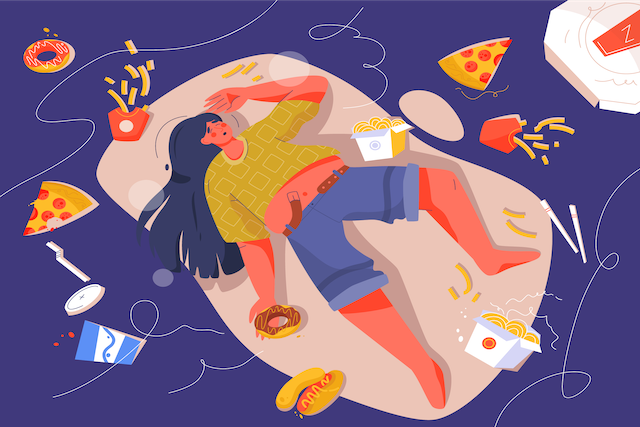
    Swapping nutrition for calorie-dense meals. Chugging shakes void of any enjoyment. Eating was becoming a chore and was no longer guided by my hunger, but instead by the precisely calculated macro nutrients needed to ensure I was meeting my calorie requirements to grow my muscles.

    Physically, I looked good, but I didn’t feel good. “What is wrong with me?” I wondered. I began to search for answers.

    Did I have low testosterone? Were there chemical imbalances that could be blamed for my insomnia, low mood, irritability, and anxiety?

    We hear these things all the time: Exercise your way to a better mood! Exercise helps you sleep! A fit body equals a fit mind!

    I ignored the cracks in the foundation for a while. It was easy given all the positive feedback I was receiving. I kept lying to myself: “This is happiness. I am happy!”

    I travel a lot. I enjoy seeing other cultures and meeting people. However, travel previously presented a problem: deviation from my exercise routine, thus derailing my goal of improved fitness.

    Even preparing for a trip became problematic. I’d find gyms at my destination and ensure the schedule or itinerary could accommodate.

    I never considered that I had an underlying issue as it related to my exercise, fitness, and physique because, again, society and everyone around me were telling me I was healthy in spoken and unspoken ways.

    The Cracks Begin to Worsen

    Fitness is not exponential. In fact, it is quite the opposite. “Gains” are more easily acquired when starting out and have diminishing returns as time passes. Despite knowing this concept from a biological perspective, logic didn’t win the day.

    Eventually, my time and energy yielded fewer tangible results. Maintaining what I had built took diligent planning in terms of nutrition and other activities. Simply stated, my physique started to rule my every move.

    Still naïve to the reality of what was going on, I decided my hormones must have been out of whack. While my testosterone was on the low end, it wasn’t terribly out of range. Even still, I decided to leap into the world of TRT (testosterone replacement therapy) in hopes that this would give me the boost I needed. (Note: This was under the supervision of a physician.)

    Again, the external affirmations began to flow. But something else happened, something more serious. I began paying the price for this new boost in the form of side effects.

    Insight: The Side Effect I Needed

    By now my life was entirely run by my desire for more “fitness.” But I began to wonder, “Do I really want to do this for the rest of my life?” I then experienced somewhat of an epiphany.

    The side effects and challenges with TRT served as a desperately needed wakeup call. I began to scrutinize my goals. I asked, “Are these goals serving me as a whole person? How could I have gotten so far off course? How did my passion for fitness and my desire for self-improvement lead me here? What am I doing to my body?”

    I realized with crystal clarity that I had conflated fitness for health and wellness. And more importantly, I started to understand that “fitness” should not be achieved at the expense of emotional and mental wellness. Fitness does not equal health.

    For some this might sound like a no-brainer. I knew that anxiety disorders and obsessive/compulsive disorders exist. What I didn’t know is that the phenomenon I was experiencing is far more prevalent than one can imagine.

    Blurred Lines

    We are fed from a very young age that fitness means strong, fast, and powerful, and that fitness is something you can see. My goodness, this couldn’t be farther from the truth.

    We are told to exercise and that exercise is good. And exercise is good, in moderation. However, unhealthy exercise is increasingly becoming problematic for a significant number of people worldwide. The obsession of supranormal musculature has gone from nonexistent to shockingly prevalent over the past half century.

    The line between healthy exercise and too much is often blurry because, on the surface, fitness looks healthy. We look at someone with a six-pack and think, “Oh, they’re healthy,” when in reality we have absolutely no way to holistically determine someone’s health just by looking at them.

    As I mentioned before, the calorie-stuffing and arguably obsessive-compulsive behaviors around eating take place at alarming levels in the “fitness” world.

    Body dysmorphia comes in many shades and is defined as a mental health condition where a person spends an excessive amount of time worrying about their appearance (Mayo Clinic).

    Accepting that I suffered from body dysmorphia was both freeing and disappointing. Freeing because I was no longer blind to the true source of my difficulties. Disappointing because I felt powerless on so many levels.

    Somewhere along the line the fruits of my exercise had become a source of validation for my worth and existence. Sure, being strong and fit is good, but at some point, that goal was 100 miles behind me.

    My New Perspective

    The side effects served as my awakening, and it was time to get to work. I know first-hand, from my work, that changing one’s perspective, though difficult, is doable. So I made it my mission.

    This process was slow. Relearning is as much biological as it is emotional in that creating new neurocircuitry doesn’t happen overnight.

    I started to conceptualize fitness as more than the summation of strength or speed. What if I include what I can’t see: how I feel, physically and emotionally?

    I reassessed my values and started making sure my goals were in sync with them.

    This new way of thinking demanded that I approach fitness and self-improvement from the inside out, not the outside in. The driving goal became a desire to feel whole, content, and enough.

    Before, I felt physically drained and fatigued. Emotionally, I felt empty, shallow, and lost. My motivation was external. My relationship with my body was one of disrespect.

    It took time, but I am now able to see physical activity in a new light—as a way to keep my body operating optimally. My relationship with food is driven by my desire to fuel my temple, to connect with nature as a sustaining source of life, and to replenish and nourish my life.

    Where I am Today

    I push myself physically, but not in the same way as before. Today, my body is my temple. I exercise several times a week, but I listen closely to my body’s whispers. Soreness and fatigue are signals that it is time for rest.

    I believe fitness is the byproduct of health, not the driving force. To me, fitness is not the reflection in the mirror. Fitness is how I feel physically and emotionally. Fitness is feeling whole.

    The improved relationship I have with myself is proving to be worth it many times over. My relationships with those close to me have improved. I feel at ease in the company of others because I’m not waiting for their affirmation to boost my self-worth.

    I know there will be good days, weeks, and months along with bad. But now that I have had a taste of stillness and peace, I am confident the good will outweigh the bad.

    My body is my best friend. I now treat it as such.
  • When Things Have to Change: How to Find the Willpower to Achieve Your Goals

    When Things Have to Change: How to Find the Willpower to Achieve Your Goals

    “When it is obvious the goals cannot be reached, don’t adjust the goals, adjust the action steps.” ~Confucius

    Do you want to know my biggest fear?

    I’ve just come out of the closet, my parents have rejected me, and I am terrified, really, really terrified, because I’m completely alone, and the pain is unbearable.

    But it’s not just the rejection that terrifies me—it’s also what happens after that.

    With no one to turn to, I find comfort at the bottom of a bag of chips.

    Three months and thirty pounds later I’ve yet to leave the confines of my bedroom. I’m wasting away, haunted by dead dreams, dirty dishes, and empty soda cans. The depression is unbearable. I feel like I’ll never be able to turn things around.

    I look in the mirror and don’t recognize this person looking back at me. I’ve resigned myself to a life of sadness, solitude, and self-neglect. It feels as though everything is hopeless and I’ll never to amount to anything in life.

    Feelings of depression, lack of confidence, and fear of failure drive me to seek comfort with Aunt Jamima instead of with a new diet plan. This vicious cycle of depression and binge eating leads me to a state of paralysis, and obesity. I’ve completely stopped taking care of myself. I feel like I may as well die because my life is over!

    Yikes! Dramatic much?

    The secret is, not only is this one of my biggest fears, this actually happened!

    Spoiler Alert: Eventually, with therapy, I was able to break out of the depression and drop thirty pounds. Equally important, my parents have grown to love and accept my gayness! But that’s not what this post is about. This post is about the five strategies that helped me crawl my way out of the hole and get back to a healthy place, physically and emotionally.

    If you’re feeling discouraged and unmotivated to create positive change in your life, these five strategies may help you alleviate your emotional triggers, increase your willpower, and achieve your goals.

    Strategy #1: Chunking

    Many of us cannot complete the tasks we set out to do because we get overwhelmed thinking of all the work required, which leads to a state of paralysis. Overwhelm is one of my main emotional triggers, and chunking is a great way to alleviate this and follow through with my goals.

    Chunking is when you take a large task and break it down into smaller, more manageable pieces. With chunking you will find you have increased confidence and willpower and are able to complete more tasks with less stress.

    We basically have unlimited willpower (it’s true! See tip #3: Perception), but when presented with a momentous task the brain becomes overwhelmed and says, “ENOUGH! I’M DONE! BRING ME CHIPS!”

    When my depression was at its height I had many days where I didn’t feel like going to the gym and hitting the weights. When I was in this negative emotional state, I found my mind focusing on the long, tiring workout I had planned ahead while feelings of inadequacy and not measuring up to my peers came creeping in. It’s exhausting just thinking about it!

    It’s called paralysis by analysis—when you’re overthinking something and you get stuck in a place of inaction. During times like this I feel things are hopeless. I plop my ass down on the couch and prepare for a good long Netflix binge, with a side of chips of course! Then comes the uncomfortable feeling of my potential being wasted and my waistline slipping further and further away.

    To get over this state of inaction, I use chunking. I focus on the task at hand and think, “What is the next right move for me in this moment?”

    I tell myself that I’ll go to the gym and I’ll do just a five-minute workout. If I want to exercise more after that, I have the option to do so. After the first five minutes is complete, I tell myself I’ll do five more minutes. And repeat.

    Eventually the resistance to working out subsides, an hour goes by, and the workout is complete! I’m always in a better mood after I leave the gym, and the emotional triggers that were holding me back oftentimes seem insignificant once my workout is complete and I’ve gotten out of the house.

    Strategy #2: Confidence

    Confidence is the belief you have in yourself to achieve your goals. After coming out to my parents and feeling alone and abandoned, my confidence was basically non-existent. I needed to get my confidence back if I was going to be successful. Approaching a task with confidence will decrease the willpower required to complete said task, and feelings of self-doubt and insecurity will begin to melt away.

    How is it possible to increase confidence, you ask? It’s not as hard as you might think! Start by changing the way you frame your goals.

    When I wanted to lose thirty pounds, for example, I felt an extreme lack of confidence pursuing such an ambitious goal. Feelings of inadequacy and self-doubt became debilitating. I felt like I was permanently stuck in a place of inaction, never to achieve my goals.

    The truth is, the way I was framing my goal was setting me up for failure.

    I found success by chunking my goal down into something I felt was easy, manageable, and achievable. I shifted my focus from losing thirty pounds to losing just one pound. One pound is easy to lose, so I felt confident in my ability to achieve this small chunk of my ultimate goal.

    I started paying attention to the small wins and milestones. I began tracking my progress with a fitness app on my phone. A Virginia Tech study found that having a visual representation of your progress provides motivation to reach your goals; the easier a goal is to see, the closer it seems.

    Tracking your progress is another great way to increase confidence. It also decreases the amount of willpower required to stick to your routine and diet.

    With my renewed confidence, a strategically planned diet, and training regime, I achieved my goal weight and lost thirty pounds! Once I truly believed in myself, I was able to accomplish something that I thought was impossible.

    Strategy #3: Perception

    Perception is everything when it comes to maintaining willpower. It will make or break your chances for success.

    A recent study conducted by Stanford University found that if you believe you have unlimited willpower, you will in turn have more willpower than the average person.

    This means that when you believe you have a finite supply of willpower, you’re right! When you believe you have an infinite supply of willpower, you’re right about that too!

    You create your own reality. The beliefs you hold dictate the world around you. The limitations you put on yourself are the limitations that also hold you back. Create a new narrative for yourself, one in which you are empowered to achieve your goals, and you will transform limitations into strengths.

    Remember back when my depression was at its height and I gained thirty pounds in three months? l had lost all respect for myself and my body. I stopped believing I could achieve my goals. Feelings of hopelessness took over. I was sinking deeper and deeper into an intense and painful depression.

    Eventually, I began to realize how my perception was limiting my ability to lose weight. If I didn’t believe in myself, how could I expect to achieve anything? Through meditation, and with a lot of support from some amazing friends, I was able to shift my perception from hopeless to hopeful!

    With this shift in perspective, and a newfound love for myself, I began to take care of my body properly. The weight began to melt off and I became the success story you see today.

    Strategy #4: Identity

    Identity shapes the way we view ourselves and what we believe we are capable of, and it dictates our response to emotional triggers.

    Are you a smoker? Do you love to jog? Are you a fat, lazy slob who will never amount to anything? These are all examples of the identities we create that can hold us back or lead us to success.

    We constantly use our identity to quickly recognize the things we are good at and things we suck at. Did you ever stop to think about how this identity is based out of past experiences—many of which do not even hold true today? These beliefs will hold you back from reaching your full potential if you let them.

    When I gained thirty pounds I had allowed myself to take on the identity of victim, and as a result I became disempowered to change my situation. Eventually I learned to shift my identity from disempowered to empowered, by changing the stories I was telling myself.

    No longer was I a victim of circumstance. I accepted full responsibility for my situation and let go of the victim identity. Once I chose to stop playing the victim, I directed my energy toward creating the life I’ve dreamed of.

    By shifting my identity so that it was aligned with my life goals, I changed the narrative and opened the door for real change in my life. I also decreased the willpower required to achieve my goals and began my journey on the path to success.

    So I know you’re thinking, “How the hell do I change my identity!?”

    You can start by changing the stories you tell yourself. Flip the script!

    I’m reminded of a time when I was trying to quit smoking (for the tenth time). When I had a bad craving I would tell myself things like “I’m not allowed to smoke.” The language I was using—“I’m not allowed”—is of someone who identifies as a smoker. By speaking that way I was creating a sense of deprivation and giving away my power to the identity of being a smoker.

    I found that by changing the story from “I am not allowed to smoke” to “I do not smoke” I decreased feelings of deprivation. It also empowered me to create a new identity of someone who does not smoke.

    With this new identity, I decreased the amount of willpower required to quit smoking. I became empowered to make the changes necessary to achieve my goal, and I was able to successfully stop smoking with a slight shift of identity. I felt so proud of myself for this one too!

    Strategy #5: High-Level Thinking

    We essentially have two types of thinking: high-level and low-level.

    Low-level thoughts focus on how to complete a task, short-term goals, and execution of plans.

    “How am I going to workout today?” is an example of a low level thought.

    High-level thoughts focus on why you want to complete a task, and are charged with a sense of meaning and purpose. They help us to find that extra bit of willpower we need to carry us through tough times.

    “Why do I want to workout today?” is an example of a high-level thought.

    The high-level thought shown above focuses on the motivation behind the goal. It re-enforces the belief that working out is what’s best for me. Thinking in this way reduces the resistance to the task at hand and reduces the amount of willpower required to accomplish goals.

    A study by Professor Fujita in 2006 concluded that people who often engage in higher-level thinking have a higher amount of willpower than those who regularly engage in lower-level thinking.

    When I was in a full-blown depression I found low-level thoughts were much more common than high-level thoughts. With my focus on logistical things like the endless steps involved in getting in shape, I would feel overwhelm and sink deeper into depression. Just leaving the house to go workout became an arduous task.

    Eventually, I changed my focus to why I was going to the gym and connected to my overall goals of being fit and healthy. With less focus on the mundane day-to-day tasks, a lot of the resistance to leaving the house subsided, and I was more frequently able to get my workouts in as planned.

    With continued practice I’ve become more mindful of opportunities to choose between high-level and low-level thinking throughout the day. Just this morning I had an insatiable craving for cream in my coffee! I’m currently experimenting with intermittent fasting, and one of my rules is no cream till after 4:00pm.

    The struggle got real. I was ready to give in and make that coffee creamy and delicious. I didn’t care how wrong it was because it felt so right!

    Suddenly, as I was about to pour the cream, I started thinking at a higher level. I realized this cream would stop me from progressing toward my larger goal of being fit and healthy and inspiring others. After thinking at a higher level, the cream became much less tempting and I was able to put the cream down.

    Thanks to higher-level thinking, I found the willpower I needed to not break my fast!

    Conclusion

    These five strategies—chunking, confidence, perception, identity, and high-level thinking—are all tools to add to your tool box to help you alleviate negative emotional triggers, increase willpower, and ensure you reach your goals.

    These techniques have helped me through some very tough times, but they will help you with any goal in life that requires persistence and dedication. Implement these tools in your life today and see how much they help you!

    Let me know how this works for you—leave a comment in the comments section below!

  • The Surprising Strategy I Used to Stop Bingeing (and Why It Worked)

    The Surprising Strategy I Used to Stop Bingeing (and Why It Worked)

    “Sometimes the thing you’re most afraid of doing, is the very thing that will set you free.” ~Robert Tew

    I recovered from binge eating and bulimia by giving myself permission to binge. Sounds crazy, doesn’t it?

    My decades-long weight and food war started in my teens, immediately after reading my first diet book, about Atkins, to be exact. I spent the following two decades trying to lose weight (only to keep gaining) and struggling with food.

    By my early thirties, I’d finally managed to lose weight, but it hadn’t end the war, it had just started a new one. The war to try to keep the weight off and transform my body even further.

    Thus began the decade of my “fitness journey.” I became an award-winning personal trainer and nutrition wellness coach and even a nationally qualified, champion figure athlete.

    The weight and food war continued through it all.

    I was introduced to clean eating by a trainer I hired before I became one myself. Four days into my first attempt at clean eating, I was bulimic—bingeing out of control then starving myself and over-exercising to try to compensate. Within eight months, I was officially diagnosed.

    Bingeing to the point of feeling like I may die in my sleep became common, and I realized I had two choices: potentially eat myself to death or heal. I chose the latter.

    I sensed that understanding what was driving those behaviors was the key to learning to change it all, so I decided to get busy learning just that.

    And I recognized that meant I had to stop obsessing over (and hating myself for) my food choices. They were not the problem; they were the symptom of whatever was going on in me that was driving those behaviors.

    So I gave myself full permission to eat whatever I wanted, whenever I wanted.

    I even gave myself permission to binge as much as I wanted.

    And I slowly started bingeing less and less. Now it’s been years since I have—the drive is just completely gone.

    I know permission to binge sounds crazy, but has trying to force yourself not to binge or eat “bad things” been working? Is trying to judge, control, criticize, restrict, and shame your way to “eating right” and/or health and happiness working?

    If so, carry on. But if what you’ve been doing hasn’t been working, stay with me while I explain two reasons why permission is so vital, and the helpful versus unhelpful way to practice it.

    Why Is Permission So Vital?

    Permission to eat whatever we want helps reverse two of the biggest reasons we eat self-destructively: restrictions and self-punishment.

    Food restriction (the rules around what we think we should or shouldn’t be eating) caused my cravings, overeating, and even bingeing.

    Science has shown that food scarcity/restriction activates a millennia’s old survival instinct in our brains that triggers cravings, compulsions, and even food obsessions until we “cave.”

    Self-punishment contributes to bingeing because we treat ourselves how we believe we deserve to be treated.

    We’ve been taught that certain foods are good and create “good” bodies, and that certain foods are bad and create “bad” ones. We’re taught that we are what we eat, and to judge weight gain or eating “bad” things as failure, that we are good or bad depending on what we eat and what size we are.

    We punish ourselves by trying to restrict even more, or we go in the other direction and overeat the things we keep telling ourselves we’re not supposed to have, which fuels the cycle.

    How can you want to make nurturing or nourishing choices for yourself when you’re hating, judging, shaming, and criticizing yourself? You can’t.

    That thought, “Oh well, you already screwed up, you may as well eat the rest and start again tomorrow”—that all or nothing thinking, the bingeing, the self-sabotaging—it’s being driven in large part by those two things: restriction and self-punishment.

    Full permission, even to binge, helps start to shift both.

    It stops the feelings of scarcity around certain foods (so they lose their allure), and it helps improve the relationship you have with yourself (so you’re no longer judging and berating yourself for eating “bad things”).

    Now, you may be thinking, but Roni, eating whatever I want got me into this mess. I can’t be trusted to just eat whatever I want.

    Here’s where the biggest lie of all has steered us in such a toxic direction: the idea that our natural compulsion is to “be bad” and eat all that bad stuff is bull.

    We’re not born into bodies that naturally want to eat in ways that make them feel like garbage. We’re not even born into bodies that are “too lazy to exercise.” I call bull on all that too.

    We’re born into bodies that know how to eat and naturally want to move. We’re born into bodies that want to feel good and are actively working to try to keep us healthy 24/7.

    But we’re actively taught to ignore or disconnect from them, and we get so good at ignoring and disconnecting from our bodies’ natural cues that we can’t even hear them anymore.

    We learn patterns of thinking and behaving that get programmed into our brains and end up driving our choices, rather than the natural instincts we were born with.

    It’s not your natural instinct to chow down on a whole bag of potato chips just because they’re there. Nor is it your natural instinct to ignore your body’s cry for some movement. Those are learned behaviors.

    By the time we get to adulthood, the ways we eat, think, and live just become learned patterns of behavior—that can be changed when you stop trying to follow other people’s rules and start understanding how you got where you are.

    When you spend your life stuck in that “on track” versus “off track” cycle you’re completely disconnected from yourself, your body, and what you actually want and need.

    The two things that are driving you and your choices when you live in that place are either:

    1) learned patterns of thoughts and behaviors from old programming (when you’re “off track”)

    or

    2) fear and other people’s rules about what you think you should be doing (when you’re “on track”)

    Neither have anything to do with you—with what you, at your core, actually need or want.

    By giving yourself full permission to eat what you want, when you want (yes, even permission to binge) you’re given space to reconnect with yourself and what’s best for you.

    What You Think Permission Is Vs. What It Actually Is

    There are two ways to do this whole permission thing: the way you think you’re doing it when you’re “off track” and the helpful way.

    Typically, when we “fall off track” or binge, we start “allowing ourselves” all the foods we can’t have when we’re on track, but the whole time we keep telling ourselves it’s okay because when we get back on track, we won’t have it anymore. Then we feel bad and guilty the whole time.

    That’s not permission, it’s a clear example of the food restriction/self-punishment cycle that fuels feeling out of control around food/overeating or bingeing.

    How? It’s restrictive and punishing. We know at some point we won’t be “allowed” to have it anymore—ya know, when we start “being good”—and since we’re already “being bad” we may as well just eat all of it, then we end up not feeling great.

    That’s a food restriction/punishment fueled diet mindset that perpetuates those old patterns.

    True permission means losing all the food rules and judgments. I know it sounds scary and wrong, but it really is key to learning to want to eat in ways that serve you and hearing your body when it tells you what makes you feel your best.

    Begin noticing the things you’re saying to yourself around your food choices and start noticing how the foods you’re eating make you feel after you eat them.

    Do you feel energetic and good when you eat that thing, or do you feel bloaty, lethargic, and sick? How do you want to feel?

    If you’re eating lots of things that are making you feel the latter, just notice that, get curious about why, and most importantly, extend yourself compassion and kindness.

    The next time you’re about to eat something that you know makes you feel terrible, remember how it made you feel last time and ask yourself, do you really want to feel that way right now?

    If you think, I don’t care, ask why? Why do you not care about treating yourself and your body well? Don’t you want to feel good? If you keep hearing, I don’t care, that’s a sign more digging is likely required, but permission is still where you start.

    Notice how often through the day you judge yourself for eating something you think you shouldn’t. How does that judgment affect the choices you make next?

    Remind yourself that what you eat doesn’t determine your worth, and you’re an adult. You’re allowed to eat whatever you want.

    Giving myself permission to eat whatever I wanted, even to binge, was the first step toward a binge-free life because it helped me learn to change the biggest reasons I was bingeing in the first place: destructive thoughts, habits, and behaviors that were caused by food restriction and self-punishment.

    It’s how you start learning to end the food war, to trust yourself and your body, to stop feeling out of control around food, and to start making choices that make you feel your best, because you deserve to feel your best.

  • How I Lost 30 Pounds by Meditating (and All the Things I Gained)

    How I Lost 30 Pounds by Meditating (and All the Things I Gained)

    “Clear your mind. Your heart is trying to tell you something.” ~Unknown

    I recently lost thirty-plus pounds without trying or intending to. I remember excitedly sharing this news on social media one day, after stepping on a scale in my hotel room and being shocked. I don’t own a scale, so between the time when I had last weighed myself and this day, I’d lost over thirty pounds without being conscious of it.

    After my public announcement, people from all directions contacted me asking me questions. Everyone wanted to know how I did it and what could they do to lose weight too. My heart could feel the longing and pleading in their voices. I wanted to help, but what a precarious situation to find myself in! Weight loss has many layers to it, and it is completely individual to each person.

    Many were hoping to hear about what pill they could take, or a new diet-of-the-day to adopt, or hoping for a secret exercise program that they hadn’t yet tried. What was the next Beach Body, ketosis, paleo, juice cleanse, gluten-free, South Beach diet, Crossfit fad—that was actually going to work this time?

    My answer to this riddle was surprising to all and too unbelievable for most of my friends. But there was a handful that said they would consider giving it a try.

    I lost the weight because I’d started meditating. That is the concrete foundation of it all. Many felt baffled by my answer, but it was because of my meditation practice that I naturally made lifestyle changes that led me to lose extra weight I wasn’t even aware I was carrying around.

    I was in grad school at the time, and for homework my professor assigned (prescribed!) meditation. I secretly rolled my eyes when she did this and thought to myself, “I’ll blow this one off.”

    About a month later, at our next teacher/student review, she told me that she could tell I wasn’t doing the meditation homework. She followed her accusation up with, “I understand if you think you don’t need this. But how are you going to lead someone down this road who does need it if you haven’t walked this road yourself?”

    I was shook! How could she possibly tell I wasn’t doing the meditation homework? And the way she just called me out on it? Shamed. As an “A” student, I felt humiliated that she could tell I blew off the assignment. The fact that she knew I wasn’t meditating was enough to get me to do it.

    Right there, humbled down, I began.

    For twenty minutes a day, we were to clear our heads and focus on only our breath. It was excruciating! It was so much harder than I thought it was going to be, which is humorous considering the reason I blew it off in the beginning was because I thought I already knew how to do it.

    I couldn’t even sit still at first. I would wiggle all around. I’d give up and then start again. Over and over. For what seemed like forever I would get angry and think about how this wasn’t working, and I didn’t think I could do it, and maybe meditation was for better people than me. Finally, after struggling daily but keeping at it, a little over two weeks later, a shift happened.

    It was like when you are learning how to snowboard and every day it’s hard, and frustrating, and you spend most of your time falling down, but then with giant relief, you have that moment where you finally link your turns and suddenly you just get it. Everything clicks, and you feel like you are floating on a cloud. Or like the first time you learn how to ride your bike. Or, when you are surfing and struggling and getting beat up by the waves, and then finally you catch your first wave, and suddenly you’re gliding.

    It felt like that. It was a connection. It felt good!

    After that experience, when I tapped into a feeling of complete ease, peace, and surrender, I felt like I finally understood how powerful meditation can be if you keep at it. And then it became easier for me to tap into that feeling each time I practiced. Gradually, it got easier for me to maintain that feeling for longer amounts of time during the meditation.

    Eventually, I was able to maintain that feeling outside of the meditation. And this is when my life really began to change.

    This deeper connection to myself felt really good. This new sense of being gave me a fresh perspective, a renewed reverence for myself, which propelled me to make some changes in my lifestyle. It didn’t seem too difficult because it felt like the next natural step to take. I felt called to live in a new way.

    When you meditate, you grow your self-love muscle. It grows your self-respect. Self-respect means to honor and care for yourself. This new feeling and self-awareness motivates you to make different choices and do healthier activities with your mind, body and soul.

    Meditation trains you to listen to the voice inside of you that is always looking out for your highest good. When we get really good at listening to that voice, we are led to treat ourselves and others with greater care. It is not to be underestimated how life-changing this can be.

    The voice inside of me told me that I needed to start going to bed by 10pm. It urged me to stop eating certain foods. It told me to get my booty moving and do daily exercise outdoors. It nudged me to stop drinking alcohol.

    These were some of the changes I was called to make to take care of myself better, and as a natural byproduct I lost thirty-plus pounds in a matter of months. I watched my body morph into a body so fit that I couldn’t even recognize myself in pictures. All without consciously trying to lose weight. Meditation simply led me to love myself better, and my dream body was the result.

    I don’t know what habits you personally need to change for you to get a healthier, fitter body. But I do know the tool that will get you there. We all have different habits that keep us from our best self, but meditation will give you the clarity to weed out whatever it is that you need to change.

    Meditation clears away our head chatter—everything that vies for our attention and keeps us from being our best selves. Our heart, the voice of love, will always be in a battle with the mind, the voice of our ego. Meditation helps us quiet the ego so the heart can talk.

    When we approach weight loss as something we need to fight, obsessing over calories and punishing our bodies in workouts, it’s an uphill battle that’s difficult to win. An unhappy journey doesn’t lead to a happy destination. This method is exhausting. It doesn’t feel good, and it doesn’t make us feel good about ourselves.

    You don’t have any more time to waste struggling against yourself, disliking yourself, or being unhappy with yourself. It’s time to try a new approach. It’s time to love yourself into better health.

    When we choose to love ourselves more, we have a greater desire to treat ourselves better.

    When I check in with myself before I eat, and ask myself what is the nicest food I can give to my body right now, I make different choices. Before, mostly all of my food choices were emotionally based.

    Most of us don’t eat consciously; we eat emotionally, trying to stuff down feelings from the past or the present.

    When we allow our emotions to rule us in this way, we are ignoring our guidance system—our intuition, our inner wisdom—about what our body needs to function at its best.

    Self-betrayal is when we disregard what’s best for us, which only leads us to more unhappiness and triggered eating. This is a painful cycle to be in, and it comes with a cost. The emotional weight that we carry manifests itself as physical weight. This sets a foundation for stagnancy and disease.

    Meditation stabilizes emotions. It lifts you up out of old patterns of thinking. It can set you free. Free your mind and the rest will follow.

    It also helps you develop self-awareness so you’re less apt to unconsciously reach for comfort food when you’re feeling something uncomfortable. Instead, you’ll be able to ask yourself what inside you needs to be comforted. Then you’ll be able to confront your emotion instead of trying to stuff it down.

    Craving comfort is really a call for love. Craving sweets is a call for more sweetness in your life. Rather than eating for your sadness, you’ll be able to see this craving as an opportunity to give yourself what you are really craving—love.

    Then, over time, as you allow meditation to soothe your mind, your need for comfort dissipates. It helps you recognize that love doesn’t come from outside you; it comes from within you. When you understand this, you will no longer crave it. Love is an unlimited resource located inside you.

    If you’re interested in sustainable weight loss, meditation is your key, though it’s not a quick fix. Nothing worthwhile is. A daily meditation practice will naturally lead you toward some lifestyle changes that will unburden you and lighten your load—mentally, emotionally, and physically. It will take some practice before you get the hang of it, but stick with it. Remember, it took a while for me to get it too. If I can do it, anybody can.

    Now I know how my teacher could tell that I wasn’t doing the meditation homework. So much changes in you when you start meditating daily. I wasn’t connected to my inner guidance, and to those who are connected, it’s obvious when others are not.

    I was living, eating, speaking, and acting unconsciously. I was led by my feelings instead of being grounded in love. So much of the world operates this way, hence why we see so much chaos, drama, and disease.

    Looking back on this now, it astonishes me because I had no problem with the way I had been living, and I had no previous intention to change. I am so thankful I had a teacher who led me to meditation and held me accountable long enough for me to experience the benefits.

    Only you can know what is best for you, and your inner guidance—your heart, your intuition—knows the way. Meditation will help you hear that voice. Don’t delay—begin your best life today!

  • How to Get in Shape When You Feel Lazy and Unmotivated

    How to Get in Shape When You Feel Lazy and Unmotivated

    “Motivation is what gets you started. Habit is what keeps you going.” ~Jin Ryun

    Can I be brutally honest with you for a moment?

    I was the “fat kid” growing up, and I’ve struggled to find the motivation to lose weight and lead a healthy lifestyle my whole life.

    I first realized I was fat when the teacher asked for a volunteer to play Santa in the third grade Christmas play, and Aaron Valadez loudly blurted out, “Tim would be perfect for the role since he’s already got the belly!”

    I literally died right there. Mortified.

    This was the first time in memory when I turned to food to numb my pain and embarrassment. Congratulations to me, I had discovered the emotional rollercoaster known as binging! A rollercoaster which I would struggle to get off of for my entire life…

    I can pinpoint the exact moment when I told myself enough is enough.

    I was devastated after a recent breakup and was feeling lonely, lost, and depressed.

    These were very uncomfortable emotions. And what do I we when I feel uncomfortable emotions? I eat them, of course!

    Luckily I had a box of cinnamon buns ready for the occasion. I became powerless to stop myself, as the rush of the binge and my inner saboteur had taken hold. In a moment of sheer ecstasy and gluttonous pleasure I ate eight cinnamon buns in one sitting.

    And then….

    The rush was over. The sweet taste provided a fleeting moment of relief.

    Now all that remained was an empty box, an empty apartment, and an empty heart.

    Oh god, what had I done??!!

    I shouldn’t be surprised, I had spent the last three weeks repeating this cycle every night before bed.

    But today as I was cleaning up the crumbs, I decided I’d clean up my act too!

    Tomorrow will be different! I finally had found the motivation to stop the binging, stop the bad habits, and stop treating myself like I was worthless.

    Tomorrow, I thought, will be the day I start a healthy diet, start a daily exercise routine, and start treating myself right!

    But tomorrow never came.

    The next day I was back at it again with the sweets. A moment of relief from the pain of loneliness was far sweeter than anything the gym or a healthy lifestyle had to offer.

    Like a moth to a flame I was powerless to resist the sweet temptation, and I didn’t give a damn about my reputation!

    Only after the damage was done and the sweets gone did I feel motivated to clean up my act. Motivation was never there in the moments I needed it most. Where had my motivation gone and how could I get it back!?

    I’ve discovered that motivation was the last thing I needed. I never found the motivation to stop, and it’s the best thing that’s ever happened to me. Motivation is trash.

    Why is Motivation Trash?

    I know we all think motivation is what drives action, but in many cases it’s the other way around—actions create motivation.

    Have you ever felt like you didn’t want to go to the gym, but then once you put on your gym shoes and walked out the door you felt super motivated and ready to go? That’s an example of motivation coming after the action.

    Motivation should never be the sole force driving your actions because it is a temporary emotion. Just like you can’t feel sad or angry all the time, you can’t feel motivated all the time.

    Motivation was not going to save me from my cycle of binging and self-sabotage. My problem was I knew exactly what I needed to do (lose weight), but I didn’t know how or why I wanted to do it.

    I needed to connect to the intention, or the why, behind my goals before I could determine how to follow through on them. It’s not what you do; it’s why you do it that will ultimately drive you to succeed.

    I also needed something that required very little willpower or motivation; what I needed was a habit. 

    The Power of Habit and Intention

    Habits are at the center of everything we do; most waking hours are spent executing one habit after another without even thinking about it.

    What do you do when you wake up? Get out of bed, make the bed, make coffee, drive to work?

    These are all examples of habits that are essential for our daily lives to run smoothly. Because they are so engrained in our brain there is very little thought or resistance that occurs when executing our daily routine.

    In my case, I knew I needed to create a habit to replace my binging and to get off the couch. I wanted to create a habit of a daily fitness routine and get back to the gym.

    Before I could create a habit that would stick, I first had to connect with the intention behind it. A powerful intention is something bigger than just yourself, and is connected to a higher purpose that will have a positive impact on the world.

    A habit infused with a powerful intention is what carries me through to get those workouts in even when I’m not feeling motivated to go.

    How Intentions Can Give or Take Away Your Power

    Intentions are so important because a poorly developed intention can actually drain your energy.

    For instance, when I was stuck in the binge cycle my intention was: I want to lose weight because I don’t want to be a disgusting loser fat slob.

    Surprise, surprise, this intention sucks! The issue is two fold:

    The first problem is that it is not connected to a higher purpose. It’s all about ME ME ME!

    Second, it’s framed in a negative way that reinforces the belief that I am a disgusting fat slob.

    A negative intention like this destroys my self-confidence and willpower and actually makes me more likely to binge again.

    How to Set a Powerful Intention  

    I knew I needed a more powerful intention to carry me through when temptation rears its ugly head!

    My new intention is simple—I want to get in shape to have a healthy life and age gracefully, and I want to inspire others to do the same.

    Notice how this intention is connected to a higher purpose, something greater than just myself—inspiring others.

    With this new intention, it became clear how laying on the couch eating cinnamon buns hurts not just me but those around me as well. This new intention gave me the energy I needed to follow through on my goals and build the right habits into my daily life when motivation was nowhere to be found.

    If you want to create a powerful intention, think about how to connect your goals to something bigger than yourself; this could be having the energy to take care of your family, to help your local community, to save the planet, or anything you want it to be.

    There can be multiple intentions behind a habit; try to find the intention you connect with most and focus on that.

    How Do You Stick to a Habit?

    I found the best way to stick to a habit is first to understand what a habit really is.

    Every habit consists of three parts: cue, routine, and reward.

    Cues are triggers for habits to begin. For instance, my alarm in the morning is the cue that triggers my morning habit, and the routine kicks in. Having a routine is the best because it takes the motivation and decision making out of the process. No longer is energy wasted on the internal debate thinking about if or when I’m going to the gym. There’s no need to make a decision; I just follow the process.

    After the alarm cue I get out of bed, put on my gym clothes, drink a huge glass of water, and then start walking to the gym. When I arrive at the gym I (usually) feel energized and ready to face the workout ahead.

    The most resistance I find to starting a new habit is in this first stage. Remember Newton’s first law of motion? Things in motion tend to stay in motion? Well this law also applies to habits!

    Once you get started, you build momentum and it becomes easier to follow through.

    The Three-Minute Rule

    To encounter the least mental resistance to starting a new habit, the goal is to have the shortest cue time possible. A cue time of three minutes or less is my golden rule. This leaves very little time for willpower to falter.

    Don’t want to exercise? Make putting on your workout clothes the cue that starts your routine. Once your clothes are on and you are in motion you’ll be well on your way to getting that workout in!

    Start Small

    The real secret to creating a new habit is to start out small in the beginning.

    When I wanted to start working out, I told myself I would go to the gym and only exercise for five minutes. After that I would leave. I didn’t plan to exercise; I only planned to show up. I wasn’t worried about the benefits of exercise; I was focused on building the habit.

    I recognized if I didn’t have the habit in place there was no point trying to stick to a routine. Build the habit first and let the rest come naturally.

    The truth is, even today when I don’t want to work out, at the very least I’ll go to the gym for five minutes. Even if all I can manage to do is breathe, that’s okay because I’m keeping my momentum going and my habit intact.

    Of course I almost always stay for more than five minutes; this is a psychological trick I use to get my ass to the gym even when I’m not motivated.

    Importance of Routine

    The second stage of a habit is the routine. This is the actual going to the gym and working out part. Once the cue is complete and the habit solidified in your daily life you can pretty much run on autopilot here.

    Just think of all the times you’ve been driving home from work and arrived in your driveway only to realize you didn’t remember driving home at all. That is an example of a routine that runs on autopilot. Similarly this idea of autopilot can also apply to your workouts once it becomes a habit.

    Reward Reinforces the Habit

    The last stage of any habit is the reward stage. In the case of exercise, the reward for me is feeling energized and focused, and getting the rush of feel good endorphins that follow a good workout.

    Brain activity spikes in the reward stage, and the link between cue and reward is reinforced. This is what makes habits so hard to break. Every time we complete a habit, it gets reinforced in the brain by the reward.

    This means every time I go to the gym it becomes easier to come back because I reinforce the link between the cue and the reward in my brain. Resistance to the workout decreases, and executing my habit of daily exercise becomes easier and easier.

    Pro Tip: Writing out a habit with pen and paper has been shown to dramatically increase follow through.

    Try writing out this sentence (with pen and paper):

    “I’m going to go to exercise on [DAY] at [Time of Day] at [Location]”

     By doing this, not only do you increase your chances of exercising, you also turn your time and space into a cue to commence your new habit. Getting started is the hardest part, so the more cues you have, the greater your chances for success.

    How Working Out Changed My Life

    After I replaced my unhealthy habit of binging with the healthy habit of working out, some rather unexpected benefits occurred in my life. I quit smoking, lost weight, and started making healthy diet choices.

    A healthy diet increased my mental energy and willpower, making it much easier to handle the stress of life. Now, instead of opening a box of cinnamon buns when I’m stressed, I’ll open up my gym bag and head out the door. I now treat myself with the respect I deserve. And it all started by stepping foot in the gym for five minutes a day.

    If you want to make fitness part of your daily life, stop relying on motivation this instant!

    Get connected to the intention behind your goals and make it about something bigger than just yourself.

    Once you have your intention, write down with pen and paper the time and place of your workout to increase your chances for success.

    Create a habit of going to the gym or hiking or practicing yoga or doing whatever exercise you enjoy—the shorter the cue time to begin your fitness routine the more likely you are to follow through.

    Start small and commit to exercising at least five minutes a day. Build the habit before worrying about the actual workouts.

    After you have a habit of exercising, experiment to find a workout plan you find fun and can follow consistently.

    And remember, things in motion stay in motion! Meaning even if you feel like being lazy and sitting on the couch, it’s very likely once you actually get started you will find the motivation for an amazing workout. Remember motivation often comes after the action and not before. Just get started already!!!

    I’m not special. I struggle with my weight and self-image every single day. I have to constantly battle debilitating neurotic thoughts telling me I’m not good and I should just give up. These are some of the tips I used to pick myself up out of a depression and get in shape when I wasn’t feeling motivated. With these tips I know you can do the same!

  • Why Scientists Agree That Dancing Is the Best Way to Get Fit and Live Longer

    Why Scientists Agree That Dancing Is the Best Way to Get Fit and Live Longer

    “You only live once; but if you do it right, once is enough.” ~Mae West

    The other day, I saw a bit of a clip from a video of the Stones’ last world tour. Mick Jagger was prancing round the stage like an eighteen year-old.

    It was a bit depressing. Why can’t I do that still?

    I used to be a demon dancer. Well, I thought I was at the time, like teenagers do.

    I don’t feel like a demon dancer now. I really ought to get some more exercise.

    Do you feel like that? That you ought to exercise, but you can’t really get up the steam to do it? That somehow, it’s all too much hassle, even though we all know how important it is?

    “Take care of your body. It’s the only place you have to live.” ~Jim Rohn

    I’m always looking for some way of doing exercise that I enjoy and will stick with.

    Are you like me? You’ve tried—not just tried; you’ve tried everything?

    But it doesn’t work out.

    I took up swimming before work.

    You have to wear your work clothes and change in and out of them. Your hair gets wet and takes ages to dry. If you’re unlucky, you drop your suit jacket on the muddy changing room floor. So, you go to work with a jacket with a dirty stain on it. Plus, you smell of chlorine all day and get plantar warts.

    When I was well into the corporate life, I went to a gym, but that wasn’t much fun. I was always tired, even before the extra journey to get there. There are all those incomprehensible machines to make you do unnatural things. It’s boring, nobody talks to anyone else, and the changing rooms smell horrible.

    I took up running. That was better, although mostly still nobody to talk to. At least it was outside in the fresh air. I even ran to work sometimes, although you have all the shower and change of clothes difficulties at work then.

    I did a few fun runs and that was a bit of a laugh—but I got quite fit! Then I had a small accident and suddenly running wasn’t a good idea any more. Bad for the back, bad for the knees.

    Since then I’ve been sure to keep on walking. Every day. But it’s rather boring, doing the same walks over and over again. In the town, there’s all that pollution to deal with too. And it isn’t any fun at all when it’s raining.

    No wonder people don’t get enough exercise—it’s all too difficult in today’s world.

    Here I am, still not that fit and getting a bit less fit as each year goes by. Making the same old New Year’s resolutions.

    The Science of Exercise and a Bit of Motivation

    I came across an article about how scientists had determined the best exercise for a long and active life. Yeah, I want to live a nice long time. Show me where to sign up!

    Scientific research shows that the best exercise you can get to live longer and in better health is dancing. What—old fashioned, may I have the pleasure, ballroom type dancing? (Well, it is very popular now.) How can that be the latest, best new exercise hack?

    Did you go dancing when you were young? I did. Friends and laughter, and the music was great! It beat hockey practice, or netball or football or whatever sports we were made to play at school.

    And the scientists agree! Dancing does much more for your body, your muscles, and your brain. You have to be disciplined, coordinated, flexible. You need good posture and strong muscles. You have to control your breathing.

    It keeps your brain active, because you have to integrate so many different things at once—moving your arms, legs, and head in the right way, keeping in time to the music. You have to be aware of others on the dance floor and gracefully avoid them. You have to memorize the steps.

    All that work makes your brain develop more cells and a bigger hippocampus. It helps protect you against memory loss, against cognitive decline.

    It’s great for preserving your sense of balance; dancers don’t fall over as they get older and so they stay out of hospital and live longer.

    It’s sociable; mostly you dance with other people. And you can practice at home if you want.

    It lifts your spirits and stops you from getting depressed.

    You live longer, you’re happier, you have more energy, and you make friends.

    So, lots of scientific reasons to motivate you to get dancing.

    “Exercise is a tribute to the heart.” ~Gene Tunney

    What did the scientists miss, though? They missed that it is loads of fun to dance. They missed that this is something that you can really love doing.

    They missed that there’s a huge variety of styles, that there’s always something new to learn. Tap, salsa, Zumba, ballet, ballroom, country, barn, folk, Morris, Russian, Hungarian, jazz, modern, line dancing—there’s too many types to list!

    They missed out the connection to the music.

    Viennese waltzes by Johann Strauss. Musicals from the thirties, and every decade since. Rock music from the Beatles. Jazz by the likes of Charlie Mingus and Take Five by Dave Brubeck. Folk from Bob Dylan and Joan Baez. Pop from Abba. Latin American. Bollywood.

    I love sixties music best. What can beat the Rolling Stones’ great hit, “Satisfaction” for a great dance number? Look, the Stones are still out there playing to the crowds. They are still dancing and show few signs of giving it up, for all their age. They look as though they love it.

    The scientists missed talking about motivation too. As I was saying, it’s a big issue for exercise, finding the motivation to do it. It’s a big issue for me and loads of people just like me.

    So, we need to do something that actually want to do. We need to find ways of making exercise such fun that we’d rather be doing that than anything else.

    If the music makes your heart sing, then dancing might be the exercise for you. Even if it just makes your feet tap and gives you a bit of an itchy feeling, dancing could be the way for you to get fit again.

    Of course, if you love dancing already, then what’s to stop you?

    With winter coming up (in the northern hemisphere), my husband and I have decided to put on one track a day and dance as hard as we can. We want to have fun together, bask in the nostalgia of music from our younger years, and get fit again.

    We can’t think of a better way to do it.

    Using Your Heart for Motivation to Exercise 

    Let’s follow our hearts and our hearts will look after us. We’ll be doing our brains a favor as well. Hearts and brains both love dancing.

    Exercise won’t be such a struggle, and we’ll reap the benefits down the years.

    Doing exercise right means that we’ll be living our lives right too and the one life we have will be a long, happy, and active one.

    Go dance your heart out like the Stones and I’ll see you on the dance floor. I’ll be the one dancing down those long extra years I’ll gain from sticking with the exercise.

  • 8 Ridiculously Easy Ways to Get (or Stay) in Shape

    8 Ridiculously Easy Ways to Get (or Stay) in Shape

    “The secret of living well and longer is: eat half, walk double, laugh triple, and love without measure.” ~Tibetan Proverb

    For a lot of my life, my weight was a source of great stress.

    Growing up, I was the frequently taunted chubby kid in class. Unlike my sister, who always chose strawberry-flavored everything, I leaned toward chocolate and spent way too much time sitting in front of a TV.

    I had a potbelly (which made me look like a pregnant eight-year-old) that only slightly deflated when a growth spurt shot me up to the towering height of 5’1½”.

    In my adolescence, teens, and early twenties, I struggled with bulimia—a misguided attempt to reclaim my self-esteem through thinness and control the only thing I felt I could control, my weight.

    In the years since I recovered, I’ve learned to value my body, not just for how it looks but also for what it does for me, and to take good care of it.

    When we take care of our bodies, we feel stronger, more energized, and more capable. We breathe and sleep better. We decrease our risk of developing certain diseases, increase our life span, and improve our mood and focus.

    We also open ourselves up to a world of possibilities. When you’re fit, you’re free to weigh your options based on what excites you, not based on your physical limitations.

    Rock climbing sound interesting? You can give it a try and see! Considering a dance class? Why not! Dreaming of doing a marathon or walking tours through your favorite European cities? Sure, you can handle it!

    There’s little more liberating than knowing that you can do what you want to do—that you have the strength, energy, and stamina to experience something that may blow your hair back and make you feel exhilarated and alive.

    That’s what being fit does for us. And that’s why I now do my best to move every day, and also to eat a mostly healthy diet.

    Since this is a popular month for implementing a new exercise plan, I thought it would be the perfect time to share some of my own fitness practices. Perhaps one or more of these will help you get moving and get (or stay) in shape.

    1. Get your 10,000 steps without leaving your living room.

    I first learned about the benefits of walking 10,000 daily steps—the default goal for Fitbit users—back when I worked in mobile marketing. As part of a promotion for pedometers, a team of us covered the country on foot over a three-month period.

    Prior to that time, it had never occurred to me that walking was a viable way to stay fit and healthy (or that it could be fun and exciting). It just seemed too low impact to count as exercise—but count it does!

    Not only does walking improve our overall health and decrease our risk of heart disease, it can also boost our mood and energy and reduce stress, since it has a meditative quality.

    While I prefer to walk outside, since I find it calming to be in nature and enjoy seeing the houses in my neighborhood, there are days when I just can’t make it happen. On those occasions, I find short bursts of time throughout my day to walk in place.

    Most often I’ll do this while working on my laptop or watching a show, if it’s the end of the night and I’m unlikely to do anything else. Is it the best workout in the world? No. But it’s something, and something is always better than nothing. That leads me to my next suggestion…

    2. Give yourself permission to do an incredibly short workout.

    If you’re an all-or-nothing person, like me, you may feel like it’s not worth going to the gym unless you’re going to do a full workout, whatever that looks like for you.

    For me, that would include at least thirty minutes on an elliptical, weights, crunches, and a couple of leg machines. But there are some days when I don’t have the time or energy to do all of those things.

    Recently I’ve been telling myself it’s okay to do fifteen minutes on the elliptical and crunches, and call it a day. Oftentimes I end up doing more than that, but giving myself permission to do the bare minimum helps get me out the door.

    3. Pair exercises with daily activities.

    I know this might seem like an odd recommendation from someone who promotes mindfulness, but I have found it very effective to multitask certain activities that I do daily. For example, I usually do squats while drying my hair.

    This ensures I do multiple reps, since I have several minutes to work with, and also decreases the likelihood that I’ll forget to do my squats, since I’ve linked them to an activity I do every day, without fail.

    Some other ideas to consider:

    • Before putting your Swiffer or broom back, use it as an oblique bar and do a set or two of ab twists.
    • Before cooking, use cans, bottles, bags of rice, or other food items as weights; hold one in each hand and lift your arms out to the side twenty-five times.
    • If you have stairs in your home, every time you need to go up, come down and go back up again, doubling your steps climbed.
    • Do leg lifts or squats while brushing your teeth.

    4. Look into a standing desk.

    Whether you work from home, like I do, or do any kind of computer work in the evening, a standing desk ensures you spend less time sitting. And as they say, sitting is the new smoking. No, I didn’t make that up. “They” really do say it!

    We’re spending far more time sitting than ever before, between driving, working in offices, and binge watching Netflix at night; and it’s increasing our risk of developing a host of different illnesses, such as cancer, heart disease, and Type 2 diabetes.

    If you can’t afford to buy a standing desk, you can easily make your own by piling a bunch of boxes on your dining room table and placing your laptop on top.

    I use this same set up when exercising on a portable elliptical machine—a small piece of equipment that cost me about $100, takes up very little space, and offers a nice alternative to walking in place.

    5. Trade your office chair for a stability ball.

    You may or may not be able to do this at work, but at the very least, you can consider this a viable alternative to a standing desk at home.

    Sitting on exercise ball ensures you keep your spine long, since that’s crucial for balancing, and it also tones your core. Experts recommend using a stability ball in place of a chair for twenty to thirty minute increments, since sitting on a ball puts increased load on your lower spine.

    If you’re anything like me, you may also prefer using a stability ball for crunches to lying on the ground. You work more core muscles balancing on a ball, and it’s a lot easier on your spine, since it’s soft.

    6. Combine exercise and stress relief.

    When I first found yoga in my mid-twenties, I quickly got hooked. After every class I left feeling dramatically calmer, less anxious, and more at peace with myself. And the benefits of class bled into my daily life. When situations arose that would ordinarily cause me stress, I was able to cope with far less internal drama. When your workout simultaneously eases your mental anguish, it’s pretty easy to make it a habit.

    If you think yoga could be a good fit for you, there are tons of different options to meet your individual needs, from hot yoga (far more intense) to restorative yoga (a much gentler practice). You can practice at a studio, in a gym that offers classes, or even find some videos on YouTube to try at home.

    Whether you do a ninety-minute class or a ten-minute video, you’ll see benefits, and will likely get hooked!

    7. Give up the good parking spots.

    I always enjoy integrating easy exercise into my daily life, whether that means taking the stairs instead of the escalator or walking instead of driving.

    When I’m going somewhere specific, it doesn’t feel like a chore—just a way to get from A to B. And I generally enjoy walking outside, since there’s always something around me that catches my interest.

    One easy way to get a little extra exercise is to leave a little early, wherever you’re going, and park a fifteen-minute walk away. This ensures a total of a half-hour of walking. And the best part, you can’t bail on the second half—at least not if you want to get home!

    8. Plank your way to a tighter core.

    I loathe crunches with a passion. As I mentioned, I mind them less with a stability ball, but I don’t have one at home, since my space is limited. So on days when I don’t go to the gym, I plank to tone my core.

    I started by holding the plank for just fifteen seconds, and then every couple of days increased the time by five seconds until I eventually got up to two minutes.

    My stomach isn’t back to what it was before I had fibroid surgery several years back (and it may never be), but the combination of planks, oblique twists, and crunches has dramatically tightened my core.

    I’m a big fan of mixing up my exercise routine, allowing myself lots of options—from hiking, to biking at the beach, to doing yoga or cardio at the gym, to moving in my own home—and I think that’s been the key to my consistency.

    When you give yourself choices to meet your varied moods and needs, you’re far more likely to move regularly. And at the end of the day, that’s all that really matters: that you do something, every day, to get your blood pumping.

    When you do this, you’re far more likely to feel strong in mind and body, good in your skin, and capable of doing whatever you want to do.

  • Why It Doesn’t Pay to Put Wealth Above Health (and 3 Tips to Get Fit)

    Why It Doesn’t Pay to Put Wealth Above Health (and 3 Tips to Get Fit)

    Warrior Pose

    “Man surprised me most about humanity. Because he sacrifices his health in order to make money. Then he sacrifices money to recuperate his health. And then he is so anxious about the future that he does not enjoy the present; the result being that he does not live in the present or the future; he lives as if he is never going to die, and then dies having never really lived.” ~The Dalai Lama

    It was three in the morning. The mean, destructive words that someone had said to me back in high school were replaying in my mind like a broken record.

    “You’re fat! Why are you swimming with your shirt on? Stop eating so much!”

    As I heard each word in the back of my mind, I felt the passion begin to burn within me to help those who were overweight and suffering from self-worth issues, like I once was.

    At eighteen years old, I decided to open up my own fitness business. I had a burning desire to help others because I knew was it was like to feel worthless inside, to hate looking at yourself in the mirror, and to not be able to take your shirt off in front of people because you were embarrassed of your body.

    The desire was so intense that it had me getting up every morning at 3:00am to study, research, and work on my business.

    I was working at the gym, building my business from 5.30am to 9.30pm, five days a week. Other health coaches kept telling me, “Matt, you need to settle down; you’re going to get burned out!”

    But I thought I was Superman at the time, replying with comments like, “You just don’t want this as bad as I do!”

    Time went by, and at a young age I thought I had everything. I was doing what I love, I was getting massive results for my health coaching clients, and I was earning high amounts of money. Business was great! But even though I felt I had everything, there was still one thing missing.

    I was constantly getting sick and taking time off of work. I was sleeping four hours a night. I was getting sleep paralysis. I wasn’t making time to prepare my meals or train myself anymore, and my energy was deteriorating so much that I had my own little bed in the staff room so I could take naps in between coaching clients.

    Day in and day out I was struggling, until one day, I walked into my parents’ bathroom and gazed over at the mirror. Tears started running down my face.

    I slowly crouched down to the ground with both hands on my head. I was shocked at seeing how my own personal standards had dropped so much, to the point where I had gained back most of the body fat I’d once had.

    I suddenly realized that the thing I was missing was my health.

    The sadness quickly turned into anger burning within me. I used the anger as fuel to make a decision that was about to change my life.

    I was sick and tired of being sick and tired. I hated that I wasn’t able to be productive throughout the day because I had no energy to do anything. And I was fed up with not being congruent with what I was teaching my clients.

    I ran down into my basement and grabbed a small notebook. I wrote down everything I was committed to changing and the reasons why I must change it now.

    I made a decision that from that day forward, I wasn’t going to value contribution, success, or wealth higher than my health and body.

    I was going to value health above everything and treat my body like a temple.

    I began cleansing my body with fresh vegetables juices, I started exercising again five days a week, I became vegan, and I began riding to work instead of driving. I started doing little things that mattered and was going to produce more health, energy, and vibrancy.

    I learned a lot of things during this chapter of my life that may be useful to you:

    1. Value health above everything.

    When you value building wealth above your health, you will face massive challenges, either in the short term or in the long term. But when you value health above everything else, the results you create in that area will translate to all other areas of your life.

    You will feel more spiritually connected, you will feel more confident with yourself, you will produce more throughout your day, and you will have pure energy to spend time and be playful with those who matter most.

    2. Schedule, schedule, schedule!

    If you don’t take the time to schedule, it’s mostly like not going to happen. That was true for me.

    It might be helpful for you to take time on a Friday or Saturday to schedule when you will prepare your meals for the week, when you will eat, and when you will exercise, meditate, or do yoga.

    3. Find an accountability partner or coach.

    Although I didn’t have a health coach, I learned the importance of connecting with someone with higher standards than you in the area you’re trying to improve. I actually had an accountability phone call on a Monday morning, where a friend and I would exchange our goals for the week.

    Our goals ranged from running half an hour five days a week to having a green vegetable juice and salad every day. We attached consequences to not following through by making a commitment to each other that we would do 100 squat thrusts if we didn’t accomplish those goals we set out. Ouch!

    Jim Rohn once said, “Take care of your body. It’s the only place we have to live in.” My only hope is that you take his advice and the lessons I’ve learned and start applying them to your life.

    Have you ever valued work above your health? If so, what has it cost you?

    Photo by Jesslef

  • Learning to Love Your Body: 4 Steps to Self-Care

    Learning to Love Your Body: 4 Steps to Self-Care

    Yoga on the Beach

    “Your body is precious. It is our vehicle for awakening. Treat it with care.” ~Buddha

    My life has been one big hate-fest of my body.

    I don’t know when or how it developed, but I have been comparing my body to others’ for as long as I can remember. I was never happy, never good enough. There was always work to be done, goals to achieve.

    Not only was I constantly on the latest diet that most likely was extremely bad for me, but I was also mentally beating myself up every step of the way.

    The self-talk was brutal and relentless. “Why can’t I just lose weight?” “Why am I so fat?”

    The negativity didn’t stop there. I hated others too. Women with “perfect” bodies were a major source of jealousy and envy for me.

    The few times that I achieved some sort of ideal, I found myself uncomfortable with my appearance. I projected my hatred and jealousy of others onto myself, and just kept falling down the negativity rabbit hole.

    Achievements felt shallow, undeserved, and were always short-lived and followed by a period of self-sabotage.

    Finally, after a difficult divorce, left as a single mother raising three young children alone, some sort of light bulb went off in my head. No one else was going to take care of me. I was sick of the misery and mental anguish.

    I realized more than ever that I needed to take care of myself so that I could have the energy to get through my demanding life. Something had to give, and what I was doing was not working.

    I began by simply realizing that I didn’t feel good physically with the way that I was eating. I noticed a daily sugar crash that was leaving me depressed and with no energy. I decided to start there and started eating more whole foods and less sugar.

    Taking a new attitude toward my diet increased my awareness of how good health affected me, and that choice built upon itself daily.

    I researched what else I could do to develop better health, and began to properly care for myself. In turn, my life became more manageable, I felt happier, and I was a better mom and person. As a nice bonus I actually lost 30 pounds and became an athlete.

    If you’re tired of the self-hate game and ready to begin taking care of yourself, you may want to try the steps that I followed. (more…)

  • Being Fit Without Letting Food and Exercise Control You

    Being Fit Without Letting Food and Exercise Control You

    “Being happy doesn’t mean that everything is perfect. It means you’ve decided to look beyond the imperfections.” ~Unknown

    Most people associate fitness with nothing but positive connotations.

    Exercising is the alleged solution to obesity and stress.

    Eating fresh, local, healthy foods is the age old secret to a long and disease-free life.

    But what most people don’t realize is that striving to live a healthy lifestyle can carry some seriously negative consequences if you don’t approach it wisely.

    Don’t get me wrong, I’m all for eating right and exercising, but the moment your life begins to revolve around your fitness, then you’ve already lost.

    Sacrificing Your Life to be Healthy

    In my early attempts to build a healthy and fit body that I could be proud of, I ruined my life.

    My entire life would be structured around my workouts. My meals were planned at exact intervals.

    And if I missed any of my workouts or if my meals weren’t up to my standards, I would consider myself a failure and would get incredibly upset.

    Back then I took an “all-or-nothing” approach to health and fitness. If I had one “bad” day of eating, then the entire week would be considered a waste.

    It was bad.

    My perfectionist approach to fitness began drawing attention.

    I would go to parties and eat nothing but raw veggies and water. People would question me, stare at me for why I was being so phobic about food.  My own parents began getting frustrated with me because I would only eat certain foods.

    My so-called dedication to fitness turned into an obsession, one that overtook my life.

    All that exercising and healthy eating was meant to complement my life, not become it. (more…)

  • Forming A Healthy Habit Starts from Within

    Forming A Healthy Habit Starts from Within

    “The outer conditions of a person’s life will always be found to reflect their inner beliefs.” ~James Allen

    I recently participated in a 21-day online fitness support group. I needed some external motivation to help re-establish a daily habit of fitness activity. My lazy butt was so reluctant to start this! Nevertheless, by the last day of the challenge, I was enthusiastically back into the habit.

    We all know it takes three weeks of daily repetition to form a habit, so my success may not surprise you. What surprised me was why I ultimately met my goal.

    It turned out that nothing about my success was about the physical aspects of daily exercise!

    When I retired a few years ago, somehow that translated into retiring from regular fitness activity. Retirement meant I could rejoice in not having to do anything. No expectations. No shoulds. Just do what I want to do, every minute of every day.

    We’re constantly told we “should” exercise—30 minutes daily, or 3x/week, or 10,000 steps a day, or blahblahblah.

    Yes, but I also have a lifetime resolution to eliminate “shoulds.” My attitude toward exercise had become resistance-based because of all the “should” advice. I’d given myself permission to avoid it. Hey, I’m in charge of my own body, right?

    But now, a few years later, my body has begun to show the deterioration symptoms of being ruled by my retired, lazy butt. I needed to put a stop to that. I decided I “should” exercise.

    Gradually, this 21-day fitness commitment reminded me that my lazy butt is a mental state, not a state of butt!

    First, I realized how easily I’ve been letting anything—whatever—thwart my exercise plans. Any excuse was a good one. Grocery shopping to do? Well then, I certainly can’t fit in that aqua-fit class! Rain? Yay, I don’t have to go for that walk! (more…)