Tag: expectations

  • How Accepting That We’re Ordinary Opens Us Up to Love

    How Accepting That We’re Ordinary Opens Us Up to Love

    “Hardships often prepare ordinary people for an extraordinary destiny.” ~C.S. Lewis

    I was talking to a mentor of mine several months ago, and they cut me off midsentence and said, “Zach, it sounds like you’re trying to be extraordinary. How about you just work at being ordinary?”

    I paused then promptly broke into tears. Yep. Tears. Not ashamed to admit that.

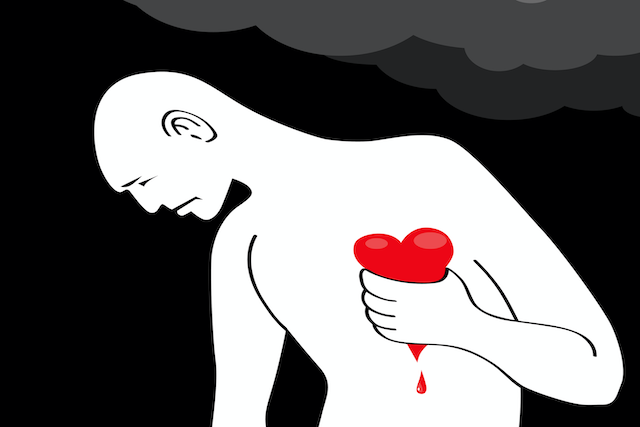
    Tears because the meat of the conversation was about self-worth and being enough. In that moment my deepest childhood wound was tapped into, and ordinary sounded horrible to me.

    Who wants to be ordinary? Not this guy.

    My mentor asked what was coming up for me, and I said my mom. Let me explain.

    My mom was a celebrity. She was an Emmy award winning actress that was on the cover of TV Guide, and she dated one of Hollywood’s biggest stars.

    She died tragically of cancer when I was three-and-a-half years old. One day she was there, the next she was gone.

    I interpreted her death the only way I knew how: I made up a story to make sense of it all. Mom left me because I’m not special.

    Ever since then, for as long as I can remember, the thought of being ordinary hasn’t agreed with me.  Like a taboo subject, I’ve treated ordinary like something society considers a no-no. To me, ordinary equals “not enough,” and not enough equals rejection, aka, abandonment.

    In my mind…

    Ordinary doesn’t get me love and affection. Ordinary doesn’t get me Facebook or Instagram “likes.”

    Ordinary doesn’t get me acknowledged at work. Ordinary isn’t talked about at parties.

    Ordinary isn’t interesting. Ordinary is abandoned just like when I was as a little boy.

    The thought of being ordinary scares the you-know-what out of me. So much so that I’ve spent most of my life trying to be something more.

    It’s been an insatiable quest to fill an empty cup of not enough-ness. It’s been me putting on a mask every day and trying to be someone else. 

    My hair has to look just right out of fear of you judging me. I have to say all the right things out fear of sounding stupid.

    I have to wear the right outfits because I only have one chance to impress you. I have to be the ultimate people pleaser or else you might not like me.

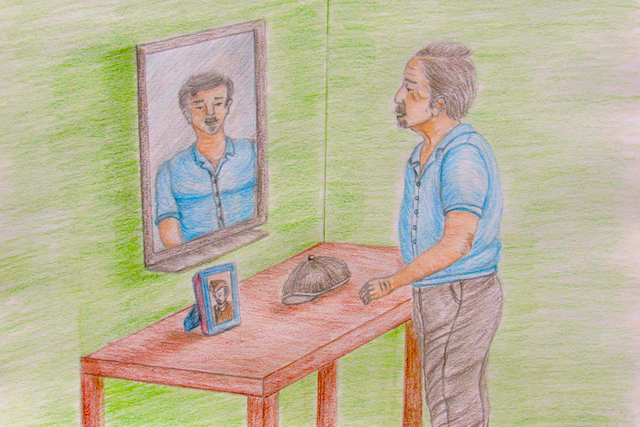
    I have to be extraordinary out of fear of you rejecting and leaving me. I’ve been afraid all these years that if you knew the real me, the ordinary me, you would turn around and go in the other direction.

    Note to self. Hustling for my worthiness all these years has been exhausting.

    And here’s the kicker. The act of me trying to be something is what keeps me alone in the first place because I’m not letting anyone see the real me.

    The definition of ordinary is normal. It doesn’t mean rejected or not enough. Just normal.

    In other words, it’s me being my normal self and not trying to be something else. Ordinary is authentic. Yet for some of us being authentic doesn’t feel safe. So we put on a mask and try and be someone else.

    It’s what our culture does to us and social media glorifies. Status is such a big thing in our lives today.

    But when you try to be something other than your ordinary self, whatever you’re attracting isn’t real because it’s not the real you. You’re not attracting real love or adoration.

    Therefore, you keep looking and you continue the cycle. Once you change your mind about this (and yourself) you will see change.

    Look, I get it. It’s easy to get wrapped up in the stories we tell ourselves. I need to be (you fill in the blank) to be liked and loved.

    But here’s the thing, when we do this, we show up differently in life. People don’t want to be impressed, they want to be understood.

    At the end of the day this was all about me being disconnected from my own inner wisdom. My inner wisdom is the core of my essence, and I was disconnected from this when I was on the call.

    When we try and be something we forget who we are and what love is. Ordinary is your return to love. It’s not you out there looking for love.

    It’s a return to what you were born in to. It’s like a return to grace.

    Here are four questions that I have found to be extremely helpful in shining a light on this subject:

    • Where in your life do you feel like you are struggling to be extraordinary?
    • Where in your life do you want to apply the healing balm of normalcy?
    • Where are you putting pressure on yourself to be extraordinary?
    • Who are you comparing yourself to?

    If you want to explore this area of your life, in a very human and grounded way, journaling around these questions might serve you, if you’re open to it.

    Put down the weight of extraordinary and be your beautiful, ordinary self. Extraordinary people exist within people with the most ordinary lives.

    We’re all unique in our own right and that’s the beauty of being human. We’re all ordinary and we’re all extraordinary.

  • How I Healed My Body and My Life by Embracing My Sensitivity

    How I Healed My Body and My Life by Embracing My Sensitivity

    “I used to dislike being sensitive. I thought it made me weak. But take away that single trait, and you take away the very essence of who I am.” ~Caitlin Japa

    “You’re making people uncomfortable,” my mother would say. “Stop being so sensitive,” she would then quip.

    I have always been sensitive for as long as I can remember. Now I understand there’s a name for it: highly sensitive person (HSP).

    The scientific term is sensory processing sensitivity (SPS). As it turns out, 15-20% of the population has this trait.

    As a highly sensitive person, my nervous system filters less information. I take in more from my environment.

    It’s theorized this can often be a survival mechanism set up during early developmental years—particularly if the environment the baby is in does not feel safe.

    Often, this can be due to the emotional state of the parents, especially if they exhibit emotional unpredictability or volatility.

    This isn’t always the case, but it’s very common. It was the case for me.

    Babies can’t regulate their own nervous system. They need their caregivers to attune to them in order to regulate. If they don’t get that, their little systems figure out what they can do to adapt. Like develop a high degree of sensitivity so they can pick up on any threat at the earliest possible moment.

    It left me highly emotional. I cried a LOT. And got shamed a lot for it.

    I had a hard time with clothes. Seams and tags left me with painful rashes.

    I struggled with loud sounds. They were just too much for my little ears (and still are!). And any new, unexpected loud sound still startles me to this day.

    I had a hard time with people. Anyone upset affected me deeply, and I didn’t know what to do with all of those big feelings.

    It was overwhelming. And I thought something was wrong with me.

    I carried shame, guilt, and doubt around with me for years.

    I tried to hide myself. Make myself small so no one would notice me. So that I wouldn’t make people feel uncomfortable.

    I tried to be who people expected me to be so that I could feel accepted. Because, as a highly sensitive person growing up, I didn’t exactly fit in with my peers. And it left me feeling deeply ashamed of myself.

    So I had to be what others were so that I could fit in. That’s how it works, right?

    Year after year I did the things that I thought would help me fit in—with my family, friends, and society.

    I stayed quiet and kept my thoughts to myself to detract attention.

    I tried to mimic what others were doing so that I could appear “normal.”

    I prioritized others’ needs before my own, because if I could just make sure others were happy and taken care of, then maybe I would be more likely to be accepted.

    I made life choices based on what others wanted and expected, hoping that would lead me to the mysterious normalcy that society advertised.

    But I wasn’t happy.

    I was overwhelmed, confused, tired, and resentful

    I often felt like I was drowning.

    I started to get sick.

    It started with bone-crushing fatigue. Life felt impossible to get through.

    Then the migraines started. It was so hard to think, let alone function.

    The sinus infections followed suit.

    And then the hives, rashes, and weird swellings that doctors had no idea what to do with.

    All non-stop. And none of which could be rectified with any amount of medication. Doctors told me I’d just have to “live with it.”

    I figured out through my own investigation that by cutting out dairy and gluten, my physical symptoms improved. It opened my eyes to a whole new way of thinking about my body and what I put in it that I had never before considered.

    But the anxiety remained.

    That feeling I was drowning worsened. Even though my body felt better. Not great, but better.

    It took going through a dark night of the soul to realize that the path I was on was not right for me. It was not my own. I was doing what other people wanted me to do.

    And ignoring my own personal truth was destroying me.

    I had to make a change. I didn’t have a choice at this point.

    I had to find my own True North instead of trying to comply with what others wanted, because it was making me sick.

    And what a journey it’s been.

    I learned many things along the way, including the fact that I’m an HSP. And that those with HSP have a higher chance of developing conditions of immune dysfunction, like autoimmunity and endometriosis—both of which I also discovered I have.

    When the nervous system is highly active, as is the case with sensory processing sensitivity, messengers called inflammatory cytokines can be produced, which cross-talk with the immune system, triggering over-activity and increasing chances of conditions like autoimmunity and allergies, and worsening their symptoms or progression.

    What I’ve discovered on this journey is that the best way to help all of it is to understand my nervous system, embrace the sensitivity, and find my own personal True North.

    When I stepped into my own uniqueness rather than shaming or hiding from it, everything changed.

    It was a journey to get here.

    To learn that when others react to me with their judgements and opinions, it’s actually about them. They’re reacting to something about themselves they haven’t yet healed, accepted, or integrated.

    It’s not about me at all. It took a long time to learn that lesson. But when I finally did, it liberated me. To follow my own path, despite what the naysayers say. And to take responsibility for my own life, letting go of the need to soothe or heal others. Even if I could feel their pain. Even if they expressed their discomfort.

    The only way I could truly find my own healing so that I’m not suffering was to heal me first. To find my own way first.

    Focusing on trying to keep others happy and comfortable didn’t work, nor would it ever work.

    I learned through my journey that embracing my sensitivity as a gift—as a superpower—is what healed me.

    Improving my diet and lifestyle choices has helped me physically feel better. But only got me so far. They are important, but not the entire solution.

    What got me the rest of the way was learning to love, accept, and embrace myself for who I truly am, sensitivity and all. Find my own unique path and follow it.

    That’s what holds up the light for other souls to follow suit. That’s what can heal the world.

  • Afraid of What People Think? Free Yourself by Realizing How Unimportant You Are

    Afraid of What People Think? Free Yourself by Realizing How Unimportant You Are

    “You wouldn’t worry so much about what others think of you if you realized how seldom they do.” ~Eleanor Roosevelt

    It’s natural to think that we’re always in the spotlight.

    We think that people care about the way we dress, but they don’t.

    We think that people notice our nervous habits, when in reality, they’re worried about whether people are noticing their own.

    We tend to go through life as if our every move is being watched, judged, and evaluated on a moment-to-moment basis by the people around us. Here’s a reality check—you’re not that important.

    I don’t mean that in a brash way. This shouldn’t make you feel small or inferior, it should liberate you. And if it doesn’t, I have a feeling that what I’m about to talk about will.

    The Truth About Funerals

    As you guys know, a funeral procession is broken up into two parts: the funeral and the burial.

    During the funeral, spiritual leaders read various snippets from religious texts about the meaning of death, and close family members are allowed to get up and say a few words about the deceased.

    The burial takes place directly after the funeral, although some religions operate on a different procedure. During the burial, the body is transported outside, and the deceased is put to rest in the grave site.

    Now, you’re probably wondering why I’m spending so much time talking about funeral procedures. I’d probably be asking myself the same question reading this article, so here’s the bottom line.

    The burial takes place outside on grass.

    Do you want to know the number one factor that determines how many people attend the burial after the funeral procession is over?

    The weather.

    If it happens to be raining outside, 50% of people who attended the funeral will decide not to attend the burial and head home.

    That doesn’t mean those people don’t care, just that they’re first and foremost focused on themselves and their own lives and needs, as most of us are. Which means they’re focused on what they’re doing than what you’re doing.

    So why would you worry about what others think of your life choices? Why would you care about what other people say about you if you haven’t done anything to harm them?

    Why would you live life being bogged down by the opinions of others if half of the people attending your funeral will skip the burial because of bad weather?

    Coming across this information struck me like a lightning bolt. And no, I’m not going to sit here and lie to you by saying that reading this factoid about funerals led to some life-changing epiphany and now everything is sunshine and rainbows.

    What I will say is that it had an impact on my mindset. It forced me to really look at my day-to-day life and analyze where my actions were being driven by the opinions of others.

    Realizing just how little people cared about the decisions I made was one of many factors that influenced me to start shutting down the inner critic—that voice that tells you that everything you do is being judged by others.

    The Confessions of a Chronic People-Pleaser

    For most of my life, I let the opinions of other people stop me from living a rich, fulfilling life.

    In social situations, it was more comfortable for me to agree with what was said than express my own beliefs.

    It was more comfortable for me to sit back and watch instead of calling one of my friends out for something that he shouldn’t be doing.

    It was more comfortable for me to avoid the situations I was afraid of instead of diving into them head-first and stretching my limits. The fear of failing publicly in front of other people was absolutely terrifying to me.

    One particular instance from my high school years illustrates this perfectly.

    It was my freshman year, and our first dance of the year had arrived. I showed up in all-white, trying to keep consistent with the “white-out” theme that had been planned for the dance.

    As the dance started and music started playing, students began rushing to the middle of the gymnasium and dancing their hearts out.

    That’s when the fear hit me. My insides felt like they were twisting around each other.

    My breathing matched my heartbeat. It wasn’t calm and collected, it was frantic.

    My mind went into full “stop him from taking action” mode by conjuring up a bunch of scenarios in which I look like a total idiot on the dance floor.

    For the rest of the night, I was glued to that wall. Only thirty feet away, there was a bunch of care-free teenagers having the time of their lives.

    I went to the bathroom about seven or eight times just to make the time go faster. I talked to other people who weren’t really dancing, and we were all playing it off like we were too cool to express ourselves in public.

    The truth is that we were all just terrified of being ourselves in front of other people.

    That moment set the trajectory for the rest of my high school experience. I wish I could go back in time to my fifteen-year-old self and tell him to wake up. I wish I could tell that shy, insecure person that rejection, public failure, and the opinions of other people don’t matter.

    I wish I could tell him that at the end of someone’s life, the biggest factor in determining whether or not people attend their burial comes down to whether or not the sky cries more than the congregation does.

    But I can’t do that. I can only look forward to what’s in store for me now that I’ve finally realized how unimportant my actions are. It’s not a shameful thing to admit that you’re unimportant, it’s liberating. It gives you the freedom to take risks and challenge yourself.

    Life becomes a lot more fun when you realize that everyone around you is so absorbed with their own thoughts and feelings that they couldn’t care less what you do.

    So next time you see someone that you want to talk to, don’t let the fear of rejection stop you, go introduce yourself. I promise you that if you embarrass yourself and the conversation goes nowhere, the person won’t even remember your name tomorrow.

    The next time you feel the urge to call a friend that you haven’t spoken to in a while, but feel like it might come across as “weird,” I promise you there’s a 99% chance that the person will be extremely grateful for the call.

    And if the person isn’t grateful and gives you the cold shoulder? Well, let’s just say that you’re not the one with the problem if you’re trying to be friendly and warm and are flat out dismissed.

    I encourage you to write down the things in your life that you’re scared to do because you’re afraid of what other people will think. And then each day, cross one of those things off your list.

    Constantly remind yourself that everyone is busy thinking about one thing—themselves.

    Going through life with this mindset will make you much more likely to face down the demons that are stopping you from living the life you want.

  • Afraid to Say No Because You Might Miss Out on a Big Opportunity?

    Afraid to Say No Because You Might Miss Out on a Big Opportunity?

    “What you do today is important because you are exchanging a day of your life for it.” ~Unknown

    Are you afraid of saying no in your professional life because you think you’ll miss out on a big opportunity? I’ve learned that a quick yes can sink a lot of ships. God only knows I’ve taken on too much at times because I feared I’d miss out on something life changing.

    We view opportunities as golden nuggets that are few and far between, so we snatch them up before someone else does, even if they don’t really excite us. But many of them are nothing more than fool’s gold—a superficial resemblance to what we actually want.

    It’s just so damn hard to pass on something that sounds promising like a new role at work, a chance to join an exciting new project, or an invitation to pitch your business idea (even if it’s hats for cats). And we’d be stupid to say anything but yes because it’s now or never, right?

    This is a sh*t storm brewing up a triple threat of overcommitted, overwhelmed, and overloaded, when all those exciting opportunities start feeling more like burdens.

    Grace Bonney is an author, blogger, and entrepreneur who knows a thing or two about this struggle. Bonney wrote The New York Times bestseller In the Company of Women, a book featuring more than 100 stories about women entrepreneurs who overcame adversity.

    Bonney had this to share on saying no:

    “The biggest fear most of us have with learning to say no is that we will miss an opportunity. An opportunity that would have catapulted us to success, or that will never come again. And most of the time, that simply isn’t true. I’ve found that the first part of learning to say no is learning to accept that offers and opportunities are merely an indication that you’re on the right path—not that you’ve arrived at a final destination you can never find again. If someone is choosing you, it means you’re doing something right. And that is the biggest opportunity you can receive—the chance to recognize that your hard work is paying off. And if you continue to do good work, those opportunities will continue—and improve—over time.”

    I know what she’s talking about because I used to put myself in this situation at least once a year. I would ignore this lesson and believe that this time would be different (and it never is).

    I remember one time I was sitting on the edge of my bed feeling like I had been kicked out of an airplane without a parachute. I could hear a violent whoosh sound in my ears as my boss picked up. “I don’t think I’m going to be able to come in today, I’m…”

    It was too late. I was already freefalling. I was experiencing my first panic attack. I couldn’t finish the sentence. The tears started coming as I blurted out, “I’m sorry, I’ve taken on too much and it’s hitting me all at once.”

    I was in a full-time job I loved, I had returned to school to become a certified coach, and I was attempting to start a business. As if all of that wasn’t enough, I’d also accepted an invitation to kick off a new innovation team because I thought it would look good on my resume and I was afraid I might never get an opportunity like that again.

    It’s sad to say, but my partner was left with a burned-out, easily agitated shadow of support. In an attempt to give us a better life, I had made life miserable.

    I sucked all the fun out of these exciting opportunities by pushing myself to a limit that clearly wasn’t sustainable.

    But then I did something magical. I started to say no.

    From then onward, I used three questions to help me filter possible opportunities in order to gain clarity.

    What does this opportunity mean to me?

    Why is this opportunity important to me?

    What does this opportunity give me?

    Answering these questions helped me see that I’d put zero thought into a lot of stuff I was saying yes to because I was trying to create a “successful” life.

    But I knew what I wanted my days to look like and what “success” actually meant to me. And more importantly, I understood that success without fulfillment is the ultimate failure.

    My north star of success is freedom. Having the freedom to invest my focus in the things that matter to me. Which means I need to do less so I can enjoy more.

    Now I’m not willing to accept an opportunity unless it truly excites me and I take something else off my plate. I’m unwilling to sacrifice my values. I trust that bigger and better opportunities will continue to come my way (if I keep improving and honing my craft).

    This gives me a measuring stick I can reference before I take on any new opportunities. Because a big part of saying no is the power it gives you to go all-in on something awesome when it comes across your plate (without being overcommitted, overloaded, and overwhelmed by sh*t you don’t care about).

    Bonney shifted my thinking of how I view opportunities. Rather than see an offer as a one-off that I need to jump on, it’s a sign that I’m on the right path. If someone wants to partner with me, it means I’m doing something right. As long as I continue to do what got me noticed in the first place, the opportunities will continue and improve in the future.

    Life is too damn short to be overcommitted, overloaded, and overwhelmed by a schedule of projects and people that bring you no joy. In the words of philosopher Ralph Waldo Emerson, “Nothing great was ever achieved without enthusiasm.”

    Don’t see saying no as letting people down. You’re actually letting people down when you say yes, but don’t have the capacity or the enthusiasm to knock it out of the park. If you won’t say no for yourself, say it for the rest of us, because the world is a better place when you’re working on things you love.

  • How to Stop Sabotaging Yourself and Feel Like a Success Even If You Fail

    How to Stop Sabotaging Yourself and Feel Like a Success Even If You Fail

    “If you love yourself it doesn’t matter if other people don’t like you because you don’t need their approval to feel good about yourself.” ~Lori Deschene

    In 2010, after a surge of post-ten-day-meditation-course inspiration, I publicly announced to the world that I was going to make a film about me winning the kayak world championships.

    A very bad idea in retrospect. But at the time I felt invincible and inspired.

    I had super high expectations of myself and of the film and thought it was all possible.

    Coming out of a four-year competition retirement meant a rigorous six-hour-a-day training schedule, while simultaneously documenting the journey, alone.

    I put an insane amount of self-imposed pressure on myself not only to be the best in the entire world, but also make an award-winning documentary at the same time, without a coach.

    To make a long story short, it was a disaster.

    Three days before the competition, my back went into spasm. I was so stressed out I couldn’t move.

    Jessie, a good kayaking friend, knocked on the door of my Bavarian hotel room.

    “Polly, take this, it’s ibuprofen and will help your back relax. Remember why you are here, you can do this,” she said.

    The morning of the competition I felt okay. I did my normal warm up and had good practice rides. “Okay. Maybe I can do this,” I thought.

    My first ride was okay, but not great. All I had to do was the same thing again and my score would be enough to make it through the preliminary cut to the quarter finals.

    Someone in the crowd shouted at me, “Smile, Polly!”

    I lost my focus, had a disastrous second ride, and made a mistake that I wasn’t able to recover from.

    The worst thing happened, and it all went wrong.

    Humiliated, embarrassed, and disappointed, I went on a long walk and cried.

    My lifelong dream of being a world champion athlete just vanished, and my heartbreak was compounded even more by the public humiliation I’d created for myself.

    I pulled it together and continued to film the rest of the competition and felt some protection by hiding behind my camera.

    “So, what’s next Polly? Are you going to keep training for the next World Championships?” Claire, the woman who won, asked me at the end of the event.

    “No,” I replied without even thinking. “I need to go to India.”

    India had been calling me for years, like a little voice that connected a string to my heart.

    “Being the world champion isn’t going to give me what I thought I wanted. There is more for me to learn. I want to approve of myself whether I win or lose. I want my thoughts to support me rather than sabotage me. I want to feel connected to something bigger than myself,” I told her.

    A year later, I went to the equivalent of the world championships of yoga.

    Three months of intensive Ashtanga yoga study with R. Sharath Jois, in the bustling city of Mysore, India.

    Practicing at 4:15 am every day on my little space of yoga mat, surrounded by sixty other people, with nowhere to run and nowhere to hide, I began the journey of facing my internal world.

    The toxic energy emitting from my mind, in the form of constant internal commentary of judgment and drama, looked and felt like an actual smokestack.

    I felt like a dog chasing its tail and was in a total creative block with editing my film.

    A yoga friend said, “Polly, even if your film helps only one person it is worth finishing it.”

    This was not what my ego wanted to hear.

    My ego wanted to inspire the world and had visions of, if not the Academy Awards, well then at least getting into the Sundance Film Festival.

    It took three years, and I finished the film. However, releasing it to the world brought up all of my insecurities. I felt exposed and like a huge fraud.

    How could I have made such a bold statement, failed, and then remind everyone about my failure three years later?

    I released the film and ran to North India, high in the Himalayas where there was no internet.

    Like leaving your baby on the doorstep of a stranger’s house, I birthed it and bolted.

    Even though Outside Magazine did a great article about the film, in my eyes it was a failure.

    It didn’t get into the big festivals I wanted it to get into and I didn’t bother submitting it to the kayaking film festivals it would have done well in.

    In 2019 I left India and returned to Montana to teach kayaking for the summer.

    It was the twenty-year anniversary of the kayak school where I spent over ten years teaching.

    The school had hired a young woman paddler named Darby.

    She told me, “You know, Polly, I watched your film about training for the Worlds, and it inspired me to train too. I made the USA Junior team and came second at the 2015 Junior World Championships. Thank you for making that film.”

    Humble tears of disbelief welled in my eyes.

    My film helped one person, and I was meeting her.

    The takeaway was that my ego and perfectionism got in the way of possibly helping even more people.

    I shot myself and my film in the foot so that my ego could continue to tell me I was not worthy.

    But this simply is not true.

    Hiding and running to keep my ego feeling safe no longer cuts it.

    The world is in a deep spiritual crisis right now.

    My ego would love to be in a cave in the Himalayas meditating away from it all.

    However, that is not what I have been called to do.

    Putting myself out there still feels uncomfortable, but I know that hiding is not going to help people. I have decided that good is good enough and am now taking small steps in the direction of my discomfort.

    I have learned a huge, humble lesson in self-acceptance, self-love, and self-compassion.

    The top fourteen lessons I now live by:

    1. Listen to the inner voice that whispers and tugs at your heart. If you’re passionate about something, don’t let anyone or anything convince you not to give it a go.

    2. Do the thing first. Enlist support from someone you trust but share about it publicly after you have done it so that you don’t create unnecessary pressure and feel like a failure if you struggle.

    3. Do things one small step at a time so you don’t feel overwhelmed and tempted to quit.

    4. Helping one person is a massive win.

    5. Drop all expectations—the outcome doesn’t have to be anything specific for the experience to be valuable.

    6. Do your best and let go of the results. If you’ve done your best, you’ve succeeded.

    7. Celebrate every small success along the way to boost your confidence and motivate yourself to keep going.

    8. Be proud of yourself every day for these small successes.

    9. Approve of yourself without needing the ego-stroking that comes with massive success and know that the results of this one undertaking don’t define you.

    10. True success is inner fulfillment. If you’ve followed your dream and done your best, give yourself permission to feel good about that.

    11. Do not compare yourself to other people. Set your own goals/intentions that feel achievable for you.

    12. Every “fail” is actually a step in the right direction. It redirects your compass and helps you learn what you need to do or change to get where you want to go.

    13. Growth means getting out of the comfort zone, but you don’t need to push yourself too far. Go to the edge of discomfort, but where it still feels manageable.

    14. If you freak out or feel resistance, take it down a notch. Move forward but in smaller steps.

  • When the Pursuit of Happiness Makes You Unhappy: Why I Stopped Chasing My Dream

    When the Pursuit of Happiness Makes You Unhappy: Why I Stopped Chasing My Dream

    “We must be willing to let go of the life we planned so as to have the life that is waiting for us.” ~Joseph Campbell

    From as far back as I can remember, I was enchanted with music. One of my earliest memories is of circling a record player while listening to a 45 rpm of Simon & Garfunkel’s “Mrs. Robinson.” I made my public singing debut in the third grade, performing Kenny Rogers’ mega-hit “The Gambler.” I sang it a cappella at a school assembly, even though I technically didn’t know all the words.

    At home, I devoured my dad’s records and tapes (pop, show tunes, classical, “oldies”), and started building my own collection at the age of nine (early ‘80s Top 40, and hard rock). For fun, I made up my own bits and pieces of songs and wrote the lyrics down in a notebook.

    After much begging, I finally got my hands on a guitar at the age of thirteen and began lessons. Having discovered The Beatles a year or so before, music became nothing short of an all-out obsession. I practiced relentlessly, paying for my lessons with a job I took at a local record store at the ripe young age of fourteen (I was in there so often they eventually hired me), and within a couple of years began my first serious attempts at songwriting.

    My musical heroes provided such joy, comfort, catharsis, and inspiration during my teenage years that it was only natural for me to emulate them and develop an overwhelming desire to have a music career of my own. Performing for my peers in social situations tended to generate lots of positive attention, which fed my already ravenous appetite to succeed that much more.

    Music also became, for me, a way to mitigate the typical insecurities that come with being a young person.

    In college, I would habitually wander around the dorm with my guitar and offer spontaneous concerts for anyone who would listen. It was a great way to test out new material and connect with others, and few things in life gave me as much pleasure as singing and playing.

    I recall a coffeehouse gig I played on campus that received such a positive response, there was simply no turning back. Being so appreciated for doing something I already loved to do was a euphoric high, so I sought out performing opportunities—formal and informal—even more compulsively.

    Somewhere along the line, music and entertaining became not just my passion, but the thing that made me feel worthwhile. The guitar was like a superpower—with it, I could be wonderful. Without it, I was insignificant.

    After college, I moved to Nashville—a mecca for songwriters of all stripes—and dove headfirst into the music scene. I lived frugally, worked whatever day jobs I needed to, and spent the bulk of my energy on making music and attempting to get a career off the ground.

    I wrote new songs, performed at writer’s nights all over town, and befriended and sometimes shared living quarters with like-minded musicians.

    I recorded a studio demo that was rejected or ignored by seventy-five different record companies. But to me, these rejections were simply part of the dues-paying process and made me feel a spiritual kinship with my heroes, all of whom endured similar trials on their way to eventual success.

    My closest songwriter friends and I became our own mutual-admiration-and-inspiration society, and helped each other endure the slings and arrows that are par for the course pursuing a career within something as notoriously difficult and fickle as the music industry.

    One Sunday morning, I received a call from a DJ who hosted a show on my favorite local radio station, Lightning 100. “What are you doing this evening?” he asked.

    Apparently, he liked the demo I had sent him.

    To my amazement, that same day I found myself on the 30th floor of the L&C Tower in downtown Nashville with a king-of-the-world view of the city, being interviewed live on the air. The DJ played two of the three songs on my demo over the airwaves during my visit. I shouted gleefully in the car afterward and headed straight over to my closest friends’ apartment (they had been listening from home) to share my giddy excitement with them.

    Without record company backing or interest, I ended up financing and overseeing the recording and production of a full-blown studio album myself, while working full-time.

    Once the album was complete, I started my own small label to release it, and quit my day job so I could focus full-time on working feverishly to get it heard. I became a one-man record company (and manager and booking agent, to boot), operating out of my bedroom and sending copies of my finished CD (this was the ‘90s) to radio stations, newspapers, and colleges nationwide. I followed up with them by phone (this was still the ‘90s) in the hopes of securing airplay, reviews, and gigs.

    I contacted hundreds of colleges and universities—mostly on the east coast where the concentration was highest—to book my own tour.

    The idea was to play as many gigs as humanly possible at schools large and small, driving myself from one to the next, selling CDs, and building up a mailing list along the way. This would allow me to eke out a living doing what I loved, in the hopes of gaining greater exposure, building a fan base, and ultimately establishing a bona fide career as a musician/performer.

    It was an incredibly exciting time, but also stressful and intense. I did get some airplay on radio stations around the country, and received some reviews of the CD, but not many. I was racking up debt, working obsessively, and putting everything on the line to make my dream a reality. On the practical side, I figured that whatever attention the CD did or did not attract, I would experience life on the road and most likely at least break even, financially speaking.

    After months of relentlessly following up with the 182 schools that gave me the green light to send my promotional materials, things were looking increasingly bleak. My points of contact frequently changed hands (and were often students in unpaid roles), and promising deals fell apart.

    When all was said and done, I ended up with a single, solitary booking to show for all my efforts. One. This would be the extent of my “tour.”

    What I had not anticipated, aside from such dismal results, was the toll this would take on me. I was exhausted in every way imaginable: physically, financially, emotionally, creatively. Most significant, though, was the toll on my spirit. I had believed that if I just worked hard enough, I would succeed, on at least a modest level. These results suggested otherwise.

    I never expected, regardless of the rejections I had accumulated, to ever stop trying, as this was the only thing I wanted to do with my life. But now it seemed I had no choice. I could barely get out of bed.

    I soon learned that even though I had dutifully kept up with my share of the rent, the housemate I was renting from had apparently not been paying the landlord! A notice I found showed that we were many months delinquent and faced potential eviction at any moment. I needed to find a new place to live. And a new job. All of which would have been a nuisance but doable, had I been my normal self. Alas, I was not. I was a wreck.

    On a phone call with my mom, she said, “Why don’t you just come home?”

    In what was perhaps the biggest testament to my desperate state, I could not come up with a better option. I moved back into my childhood home—for me, the ultimate concession of defeat.

    I had completely lost my way, my direction, my purpose, my drive. A huge part of my self-worth had been tied up in my success—both artistically and commercially—as a musician. I had defined myself by this identity and pursuit. What was I, who was I, without it?

    Though I struggled greatly with accepting it, I found that I had no more energy, zero, to invest in my dream. The immediate task at hand was climbing out of depression. And debt.

    It took a couple of years before I felt the urge to re-engage with life in ways that reflected my natural enthusiasm. Even then, the desire to resume the pursuit of a music career was gone. But once I started to regain a degree of emotional and financial stability (a boring office job helped this cause tremendously), I took some tentative steps in new directions. I enrolled in a few adult education classes, including an acting class that was quite fun and led to trying my hand at some community theater.

    Hiking had been a key factor in my recovery, so I joined the Delaware Valley Chapter of the Appalachian Mountain Club and began hiking with groups of other folks rather than just going out in nature by myself. This led to being invited on my first-ever backpacking trip, which proved to be life-changing and sparked an even greater love of the outdoors.

    Feeling better, and finally regaining a sense of possibility for myself, I moved out to California and did a lot more exploring, both inwardly and outwardly.

    In the twenty-plus years since, I have done things I never imagined I would do, broadening my palette of interests and life experiences in ways that no doubt would have completely surprised my younger self. I also met an incredible partner and got married.

    In other words: I made a life for myself, and became a much happier person, despite never having realized my dream of being a professional musician, nor of even having achieved any notable career success in some other domain.

    Though I abandoned my pursuit of music as a livelihood, I never stopped loving music.

    Over the years I have performed in a variety of settings, sometimes for pay but more often just for the love of it.

    I have shared my passion for music with numerous guitar students, played for hospital patients as a music volunteer, been an enthusiastic small venue concertgoer and fan of ever more artists and styles, continued developing my own skills on guitar and even began taking classical piano lessons.

    I will never stop loving music. The difference is that I finally learned to love myself, regardless of any success in the outer world of the music business or lack thereof.

    We all, to varying degrees, seek external approval, appreciation, recognition, and validation from others, and it can be momentarily pleasurable to receive these things. Being dependent upon them, however, (not to mention addicted to them!) is a recipe for persistent unhappiness.

    The Buddha teaches that all our suffering stems from attachment. While it is perfectly normal and human to desire things, our desires are endless and never satiated for long.

    If we make our own happiness or sense of self-worth dependent upon things going a certain way, then we are signing up for misery. The more tightly we cling to our notions of what should be, it seems, the more profound the misery.

    The good news, as I have learned, is that life is so large that it does not need to conform to our meager ideas about what can make us contented, happy, or fulfilled. It is large enough to contain our most crushing disappointments and still make room for us to experience meaningful and satisfying lives, often via things we never would have expected nor could have anticipated.

    My twenty-something self would likely not have believed it, but I lovingly send this message to him anyway through space and time: It is possible to be happy and live a fulfilling life even if your biggest dream fails to come true. Hang in there! I love you.

  • If You’re Trapped Under a Pile of “Should” and Tired of Feeling Unhappy

    If You’re Trapped Under a Pile of “Should” and Tired of Feeling Unhappy

    “Stop shoulding on yourself.” ~Albert Ellis

    I was buried under a pile of shoulds for the first thirty-two years of my life. Some of those shoulds were put on me by the adults in my life, some were heaped on because I am a middle child, but most were self-imposed thanks to cultural and peer influence.

    “You should get straight A’s, Jill.”

    “You shouldn’t worry so much, Jill.”

    “You should be married by now, Jill.”

    “You should get your Master’s degree.”

    I could go on forever. The pile was high, and I was slowly suffocating from the crushing weight on my soul.

    What’s so significant about age thirty-two? It’s when I decided to divorce my husband of eighteen months (after a big ole Catholic wedding) and ask my parents for money to pay the attorney’s retainer. This is a gal with a great childhood, MBA, and a darned good catch for a husband.

    From the outside, our life looked charmed and full of potential. We’d just purchased our first home, were trying to start a family (despite suffering two miscarriages) and were building our careers. What no one else saw was the debilitating mountain of consumer debt, manipulative behavior, and my intuition’s activated alarm system… sounding off in reaction to the life I’d built and was, for all intents and purposes, stuck in.

    My intuition was done with the low-level warnings. She was sick and tired of being ignored, so she sounded the big one—an alarm that demanded action instead of lip service. I still tried challenging her; what she had presented me with was asinine.

    “But I can’t divorce him. We just got married. What will everyone think? I’m so embarrassed. I should have made better choices. How did I end up here? I did everything right, right? I should suck it up and stick it out; that’s what good Catholics do. This is kind of what life is, I guess… kinda sad, but it seems to work for most everyone else. Ugh, I wanted this… now I’m, what, changing my mind?”

    The alarm was not going to shut off until I sat long enough with those notions to yield honest answers. That was some tough sh*t to sit in. And even tougher to plod through. But it was better than being buried under it.

    This was my first lesson in “There’s only one way out of this mess.” There’s no express lane, no backroad, no direct flight. This ride resembled the covered wagon kind. Bumpy, hot, dirty, and uncomfortable as hell.

    I relented, listened, and tapped into the hidden reserve of courage I didn’t know existed within me.

    The time had come to quit living according to the “should standard” everyone else around me had subscribed to. The time had come to accept this curated life was not the one that would yield happiness for me. The time had come to turn up the volume on this newfound voice and assert to myself (and everyone else) that I was cutting my losses and trusting my inner compass.  

    The time had come to stop shoulding myself.

    Shoulds were my grocery list, my roadmap for life. How was I going to do this adult thing without my instructions???

    I’d already managed to clear a huge should—hello, divorce—and after that, with every should I challenged, another paradigm crumbled. I began to notice shoulds all over the place. After that, my awareness of intention got keener, and I could sniff out the subtle shoulds like a bloodhound.

    SHOULD: When are you having kids?

    CHOICE:  I do not want to have children. (Remember I miscarried twice with my first husband. I was checking boxes on my adulting grocery list. Honesty yielded clarity.)

    SHOULD: He’s too old for you and he has four boys of his own.

    CHOICE:  He is my person. His sons deserve to see their father in a healthy, happy relationship. I can show them love in a new, different way.

    SHOULD: You’re making great money in your job. Why walk away from your amazing 401(k) and great benefits to risk starting your own business?

    CHOICE:  I want to build a life I’m not desperate to take a vacation from. I want to live, serve others, and know when I’m at the end of my life that I chose it and made the most of it.

    Deleting the word “should” is a big first leap in taking ownership of your life. By altering your vocabulary in a simple way, you naturally become mindful of the words you put in its place. Instead of “I should….” substitute with “I choose to….” Instead of “You should…” try “Have you considered…?”

    Keep track of every time you say or hear “should” in a day. Then spend time with each one and get toddler with yourself. Ask why. Ask it again.

    Who says you have to get married or have kids or work a job you hate that looks good on paper? Who says you have to look a certain way or do certain things with your free time that don’t appeal to you? Why are you restless in your life? What idea keeps popping up, begging for your attention? Are you living your truth? What’s in the way? What pile of shoulds are you buried under?

    I get it. We’ve been programmed by our culture and our family traditions to follow the path, stay on course, climb the ladder to success! It’s the only way to be happy, they say. It’s the only way we’ll be proud of you, they insinuate.

    We’ve been indoctrinated with this thought pattern and belief system, and it seems impossible that we have the power to choose otherwise. We have the opportunity, the autonomy, the choice to rewire our iOS and make it what is ideal for ourselves.

    Overwhelm is natural; the antidote is to start small. Find one piece of low-hanging fruit, take a bite, and taste how sweet it is. For example, say no to an invite if you’d rather spend your time doing something else. Allow yourself to do nothing instead of telling yourself you should be doing something productive. Or let yourself feel whatever you feel instead of telling yourself you should be positive.

    Feel how nourishing it is to choose yourself. Experience satiety in your soul. Release restlessness and replace it with intention guided by your intuition.

    Do that and you’ll never should again. Or maybe you will—who says you should be perfect? At the very least you’ll think twice before letting should control you, and you’ll be a lot happier as a result!

  • I Was Addicted to Helping People – Here’s Why It Made Me Miserable

    I Was Addicted to Helping People – Here’s Why It Made Me Miserable

    “As you grow older, you will discover that you have two hands, one for helping yourself, the other for helping others.” ~Maya Angelou

    Growing up in Africa, I was told that the virtue and worth of a woman lies in her ability to take care of everyone around her; that a woman was considered good or worthy when everyone around her was happy and pleased with her. I took this advice to heart, especially since I watched my mother meet this standard to a T. Putting everyone else, including strangers, above herself.

    Most of the Things We Learn as Kids Shape Us

    As a kid, I was taught how to cook, clean, and care for others. As a teenager, I got a lot of practice caring for my younger siblings; at first, it was great, being a caregiver, being the one who everyone went to when they needed something. I loved being needed, and I relished in the label I was given as dependable.

    Family, friends, and even strangers knew that I was the go-to girl for whatever they wanted. If I couldn’t help them with whatever they needed, I would find someone who could. I was determined to never leave anyone high and dry. I loved being needed, and if anyone needed me, I believed that I was their last resort.

    The Joy of Giving

    You see, one thing about giving is that it feels good… until it doesn’t. The moment you get to a place where giving doesn’t feel good anymore, it means that you need to turn the giving around and start giving to yourself. But how does someone who is addicted to being needed realize this?

    When helping people started feeling more exhausting than exhilarating, my first instinct was to give more because I believed that the more I gave to others, the more I would receive from them. But that was not the case. The more I gave, the less I received, and this prompted me to label most of my friends as bad friends because I wasn’t getting as much as I was giving to them.

    When I became isolated from cutting friends off because they were “bad” to me, I realized the problem wasn’t that I was not getting as much as I was giving; the problem was that I was giving to everyone but myself. I had put myself in the back burner and abandoned myself. How can I abandon myself and not expect others to abandon me?

    The Guilt That Comes with Giving to Yourself

    Realizing my deep-seated issues was easy, but addressing them was a whole other thing. Because I was conditioned to believe that my worth was in pleasing others, I always said yes to everyone who needed my help; saying no was extremely difficult.

    This was because I was suppressed by intense guilt and ended up caving in to finding help for the person at my own expense. Everything changed for me when a former classmate said to me out of the blue: “You are nobody’s last resort.”

    You are nobody’s last resort, no matter how bad it is. If you cannot help someone with their problem, another person will. And more importantly, it’s not your responsibility to ensure they get the help they need—it’s theirs.

    This was a turning point in my life because now I knew that telling someone no because I needed the time to invest in my own needs did not mean that they were never going to get help.

    The guilt was still there, but little by little, I persevered in choosing myself over and over again. I started with little things, like saying no to helping a friend walk their dog to stay at home, to take a long bath and read a book (I enjoy reading). And over time I was able to get better at saying no to larger requests that would have been draining and would have negatively impacted my mental health.

    Give to Yourself and You Won’t Expect Too Much From Others

    Slowly but surely, I learned that my worth is determined by me and me alone—by how much love and care I direct toward myself. Guilt still visits me sometimes, but it is not as intense as it used to be.

    I know now it is better to feel guilty for taking care of yourself than to expect others to anticipate your needs and take care of you. News flash: if you don’t take care of yourself from the inside out, no one will.

    Don’t get me wrong, I still take care of my loved ones and help others as well as I can, but I now do it from a complete place, a place of wholeness, knowing that I will be fine whether they invest in me or not.

    I don’t expect much from people, and I don’t get disappointed much because I have learned to prioritize myself. Frankly speaking, I have noticed that the people around me enjoy me more now that I am not a self-righteous person who resents her giving and selflessness.

    “I give and give and give, and what do I get? Nothing.” If you have heard yourself say or think these words, then you are expecting people to make you happy just because you are bending over backwards to make them happy. If you keep bending backwards to make others happy, one day you will break your back. A broken back is very painful to bear, take note.

    Life’s a Journey, Not a Race

    This is not an overnight process; it will take time and patience. I have learned that part of taking care of myself is being nice to myself, whether I’m making progress or not. I’m done talking down to myself. Everything I wouldn’t do or say to another person, I’ve vowed never to do or say to myself.

    There is no glory in stomping all over yourself to please the world, there is no glory in self-deprecation and self-hate. It is not humble to call yourself terrible names or to live in suffering because you don’t want to hurt some else’s feeling or because you want to be called a nice/polite person.

    Our feelings and needs matter as much as anyone else’s, but we can only honor them if we recognize this and prioritize them.

  • 5 Life-Changing Pieces of Advice I Would Give to My Younger Self

    5 Life-Changing Pieces of Advice I Would Give to My Younger Self

    “I’d go back to my younger self and say, ‘Lighten up. Take it easy. Relax. Don’t be so anxious about everything. Try not to have today stolen from you by anxiety about yesterday or tomorrow.’” ~Bill Nighy

    I believe there is great power in looking back at our past to learn from our experiences, mistakes, and regrets.

    The Spanish philosopher George Santayana remarked, “Those who do not learn history are doomed to repeat it.” I might add that the history we need to study the most is our personal history so that we don’t keep making the same mistakes over and over again in our lives.

    If I had the option to go back to my past, this is the advice I would give my younger self.

    1. Express yourself freely and work to overcome your shyness.

    In the past, there were many opportunities that I didn’t take and many friendships that I failed to make because I was shy and often felt uncomfortable and self-conscious. Some people would interpret my shyness as rudeness, so it was crippling to me in many ways.

    Advice to myself:

    Make a conscious effort to interact and express yourself freely around others, no matter how uncomfortable it may make you feel in the moment. If you struggle, take deep breaths to relax yourself and calm your irrational thoughts.

    Nobody is judging you and analyzing you as thoroughly as you may think. Everybody is too absorbed in their own world to spend time caring about every little thing you say and do.

    Try to do the opposite of what a shy person would do in any given situation. Easier said than done, I know, but if you do that long enough, you’ll start creating a new identity for yourself in your mind. That’s really all you have to do to overcome being shy. The more you do it, the easier it gets and the more confident you’ll become, and soon it will feel natural.

    2. Stop fighting your negative feelings.

    For the longest time, I would try to resist and battle my negative emotions, like anxiety,  hoping they would go away somehow. If I felt that familiar knot in my stomach and started thinking anxious thoughts, I’d tell myself I should be positive because our thoughts create our reality.

    A couple of years ago, I finally realized that the way to free yourself of negative emotions, as counter-intuitive as it sounds, is to accept them.

    The more we try to fight our feelings with the underlying thought “I shouldn’t be feeling this way,” the worse we feel. However, these feelings pass much faster when we allow ourselves to feel them without judging them or thinking that they shouldn’t be happening.

    Advice to myself:

    Let go of the need to try and fix your negative emotions with your mind.

    Accept your unpleasant feelings and focus your attention fully on the sensations these emotions invoke instead of thinking thoughts like “I shouldn’t be feeling this way,” “This shouldn’t be happening.”

    When you do this, you will find that the unpleasant feelings dissolve much more quickly, and you will stop making things worse by feeding them with more energy.

    View your feelings as visitors, for they always come and go. Like most visitors, all they want is your attention and acknowledgement, and once you give them what they want, they will be on their way.

    3. Embrace uncertainty.

    In college, I spent a long time desperately trying to figure out my future, wishing for clarity on what I should be doing with my life.

    Many of us have a compelling need to have our whole lives all figured out. We hate not knowing where life may take us, and we seek the comfort of knowing what the future has in store for us.

    But no amount of mental analysis of our future can provide us with the answers. And that’s okay, because we don’t always need to know what we will be doing a year from now.

    Sometimes the only thing you can do is trust in life. Because when we are not trusting, we automatically start worrying, because that’s our mind’s default tendency.

    Advice to myself:

    Know that it’s okay to be confused and not have all the answers. Learn to be okay with not knowing and make room for surprise and mystery, because that’s a big part of what makes life exciting and interesting.

    Most of your fears and worries about the future, if you closely examine them, are nothing more than mental fabrications and do not exist anywhere else than in your mind. Most of the things you worry about won’t actually happen, and even if they do, you might learn and grow from those experiences. Hence there is no need to take your fears so seriously and get worked up over them.

    4. Stop trying to run away from discomfort.

    Our mind tends to prefer the known and comfortable and likes to seek out the easiest way to feel good.

    We’re often hesitant to do things that require effort or make us feel uncomfortable, since our natural tendency is to avoid feeling any discomfort.

    But many of the things that are beneficial for us and worth doing in life will require enduring some kind of discomfort. To run away from discomfort is to run away from growing and evolving as a person.

    That’s exactly what I did for most of my life. I avoided meditating, exercising, journaling, and spending time alone without technology—habits that have all had a positive impact on my life—during the times when I would have benefited from them the most because I felt resistance whenever I tried to get started.

    I also avoided being vulnerable with other people. But I’ve noticed over the last two years that if I stay with the discomfort of interacting with new people instead of running away, as I used to do, the interactions ultimately become rewarding and enjoyable.

    This is true of most things—reward lies on the other side of discomfort, but first we have to push through.

    Advice to myself:

    The mind can be very persuasive and convincing and come up with an endless list of reasons to procrastinate or avoid feeling any discomfort. But don’t let your mind deceive you.

    Discomfort often points toward what you should be doing, not what you should be avoiding. Be willing to dive deep into discomfort and learn to embrace it. It will help you more than you know.

    5. Accept yourself and stop judging yourself.

    When I was in college, I used to judge myself a lot because many of my interests, such as spirituality and metaphysics, were very different from all my friends’ interests.

    It was a few years later that it finally dawned on me that I needed to stop looking outside for validation and permission to accept myself.

    Once you learn to accept yourself, it doesn’t matter what others may or may not think. Other people’s opinions may bother you fleetingly, but you will need to live with what you think about yourself every day, so don’t make it hard by judging yourself.

    Advice to myself:

    You don’t need to judge yourself or feel embarrassed about wanting to spend your free time journaling, meditating, reading books, or enjoying spending time alone by yourself.

    Don’t feel compelled to be like everyone else, and there is absolutely no reason to be apologetic for following and doing what lights you up.

    Because the truth is, it’s okay to be different and unique. Imagine how boring the world would be if we were all the same.

    If you could talk with your younger self, what would you say? What do you think you would have done differently? What advice would you have for them?

  • The Simple Path to Change When You’re Not Satisfied with Your Life

    The Simple Path to Change When You’re Not Satisfied with Your Life

    “Making a big life change is scary, but you know what’s even scarier? Regret.” ~Zig Ziglar

    Fifteen years ago, I made one of the biggest changes in my life. It was something I had wanted to do for so long but had never found the right time, right plan, or courage to do.

    You see, ever since I was in my teens, I had always felt I was meant to be somewhere else.

    The town where I grew up was pretty perfect for raising young kids, but it just wasn’t for me as I entered adulthood. I always envisioned myself somewhere else doing something different than those that stayed and replaced the generations before them.

    When I came back from school in my twenties, I was eager to get my career going and was not in a rush to settle down and have kids like most of my circle. I wasn’t even sure I really wanted to raise a family. I was more interested in exploring this world and not being tied to one way of life.

    At twenty-five I thought, WOW, I finally feel like I’ve got it all figured out.

    I had lived away from home, finished school, had relationships both good and bad, and had a strong work ethic that was instilled in me from a young age. So here I was, ready to take on the world. Build my career, travel, and maybe eventually settle down and start a family… then BANG! Just like that my world started to crumble.

    Within a span of one year, I was dealt some devastating news. My mother and sister were both diagnosed with different devastating diseases.

    My world was crushed. I can still remember the impact I felt on the day I received the news.

    I was in my office when I got the call about my sister, who had lost her speech and ability to move one of her arms and possibly needed emergency brain surgery.

    I was in shock. I had no idea how I felt, what I was supposed to do, or where I was supposed to be. I just sat there with a blank stare for what felt like an eternity but really was likely just five minutes.

    After weeks of testing, it was discovered my sister had MS (Multiple Sclerosis). A life-long debilitating disease, or so I understood at the time.

    Fast forward six-plus months later, my sister was on track with rehabilitation and signs of a full recovery in speech and limb mobility. Then WHAM! My mother received a stage 3 cancer diagnosis.

    I was absolutely devastated and completely torn apart. My mother is everything to me, the woman who inspires me to stand tall and strong no matter what life throws my way. A woman of pure integrity and authenticity, loved by so many.

    After emergency surgery and intense chemo, I am glad to say that both my mum and sister survived their devastating ordeals and have been living life to the fullest since that awful time. But during that time my world was upside down and I was an emotional wreck.

    I had no idea how to unravel all the emotions I was feeling then. I kept myself busy, though, with work, too much partying, and hitting the gym hard. You see, I kept myself looking good on the outside, but I was a complete mess on the inside. I was no longer thriving; I was just surviving.

    I began taking inventory of my life and realized I was not living the life I’d envisioned for myself. I was scared to make a change and also to not make a change.

    Seeing what my family had endured made me realize how precious life is and that I didn’t want to waste mine living a life that didn’t fulfill me in fear I was next for a diagnosis. So, I decided to seek out professional help to gain control and clarity, to heal, and to push through the emotions I was suffering from. Only then would I be able to truly move forward with my life in a positive and productive way.

    Once I had done the “work” on sorting out my emotions, I was able to start creating real change from a healthy, sound perspective.

    I started creating the life that resonated with me one step at a time. You see, change doesn’t happen overnight. It takes time to build. It is a process, and anyone who has made significant change in their lives will tell you that. Their change likely started way before anyone was really aware.

    I wasn’t living the life I wanted, so I thought long and hard about what needed to change and finally took the leap.

    I moved across the country on my own, away from my most significant support, with no job, to start building a life that resonates with me. It wasn’t without challenge or bumps in the road, and it certainly wasn’t perfect. But it’s been absolutely amazing, and I’ve never looked back.

    Besides the emotional trauma, there were so many things holding me back at first—family, friends, familiarity, and fear. But what I’ve come to realize is when you start making positive change in your life, for you, things fall into place over time and you look back and realize the change was worth it.

    People speak from their own feelings, experiences, and fears, don’t let that hold you back from what feels right to you.

    I now live in a place that felt like home from the first time I landed here. I live by the ocean and mountains, which inspire me every day.

    My sister now lives in the same city (in fact, we live the same complex). My brother and his family moved a one-hour flight away now as opposed to across the country. My mother still resides back in the town where I grew up so, I feel I get the best of both worlds. Living in a place that inspires me while having the chance to revisit a vibrant city and old friends to reminisce with whenever I choose to.

    So, what are the top things people say they regret as they get older? I wish I’d….

    • Saved more money or made better investments
    • Worked in a job or career I was more passionate about
    • Treated my body better and had better self-care
    • Spent more time with loved ones
    • Traveled more

    And the list goes on…

    Why do so many people rush through life without taking the time to recalibrate and ensure they are focused on the right things that mean something to them or will enrich their lives? It’s an intricate topic yet simple. Life. Life gets in the way, responsibilities get in the way, others’ opinions, and our own doubts and fears get in the way.

    We’ve all been there, navigating life as it unravels each day, and as things happen, we go with the flow. But have you ever stopped to consider, what’s my “flow”?

    How do I want this day, month, year to go? Why do I keep getting dragged in other directions or the same direction only to live each day with no change? Why does it seem like others are thriving while I am on repeat or treading without progressing?

    You will never know for sure until you take the time to explore what is going on in your life and create awareness around what might be holding you back. With the right support and guidance, you can create change both big and small. In fact, making little changes frequently will add up to making a big change overall.

    Not sure where to start? Here are five proven tips to begin creating change in your life today.

    1. Break the routine.

    Think about what you can give up or take out of your day to switch up your daily routine and do this for a two-week period. This could mean not scrolling mindlessly through social media on your lunch break or not watching TV at night, then seeing what else you could do instead. Which brings me to my next point…

    2. Bring back doing something you love and make it a deal breaker in your week.

    No excuses, make it happen, even you only have a fifteen-minute window for this activity. Same as above, do this for a two-week period, and this next one, as well.

    3. Discover something new.

    What have you always considered trying out or have an interest in that you’ve never explored? Give it a try now.

    4. Journal.

    Keep notes on how you are feeling through the two weeks. Then do it all for another two weeks.

    5. Build intention.

    Each week set the intention that there is time, this is worth it, and you are worth it!

    The purpose of this process is to help you see how even small shifts can change how you feel and add to your life and well-being. This sets the foundation for believing that change gives more than it takes, which helps you find the motivation to seek out new opportunities so you can make larger life changes. Move if you don’t feel thrilled with where you live, sign up for a course to help you change careers, or finally leave the job you hate to do something you love.

    It takes focus, consistency, and perseverance to make change, but everyone has the ability to do it, especially if they start small and take it one day at a time.

    Surround yourself with those that will respect you and the changes you are making. I bet you’ll be surprised to see how many people are inspired and/or motivated to begin making their own changes after watching you. So don’t wait—start today and open up to change so you can live the life you want to live!

  • How I Saved Myself by Surrendering When Everything Fell Apart

    How I Saved Myself by Surrendering When Everything Fell Apart

    “And here you are, living despite it all.” ~Rupi Kaur

    “I surrender!” I said this mantra out loud as my life was spiraling out of control.

    I had spent a summer in college as a camp counselor separated from my fiancé. He sent me no letters and did not keep in touch. Still, I held on. By the time I came back home, we were broken. I had also realized he was emotionally abusing me. It took that separation to make me see it.

    I realized I had been truly alone in the relationship. I was never lonelier than being with someone who refused to listen to me. A summer of independence brought me a new love of solitude, but it also made me realize I didn’t have a soulmate in him after all.

    I was forced to face that this life wasn’t perfect. I wasn’t perfect. But… I was enough. I needed to believe that to keep moving.

    When I said my mantra of surrendering, I was on a rollercoaster of emotions. I didn’t know where my life was going. The wedding planning ended. He called it off through text. I was left emotional and without closure. I didn’t know what would happen next. I just decided to be curious rather than try to control it.

    I woke up to the fact that I didn’t have to know everything. I had to just trust. This both terrified me and propelled me forward. I didn’t know if things were going to be okay, but I knew I would make meaning out of whatever would happen.

    I wanted to teach youth how to surrender too. I figured that would be my legacy since it had healed me of so much in life.

    I had already applied to graduate school, and I would start at Brandeis very soon. I was worried about being on top of it all while going through this heartbreak. I was a Type A student, president of four clubs and an honors student. I didn’t exactly have time for love back then, but I didn’t realize I had a choice to let my ex go if I wasn’t satisfied. I put too much effort into trying to make it work when it wouldn’t.

    I didn’t see that my effort to make everything work was actually blocking better things from coming my way. In other words, I had to stop holding on so tightly to life. I had to let go. I had to surrender to survive. I had to go with the flow to find my flow. I had to learn how to be happy for no reason other than to simply be.

    When I did that, my whole life opened up for me. I practiced radical acceptance and realized my place in this world mattered. I stopped white-knuckling through my problems and pain. I stopped waiting for love and decided to love myself. I started to see myself as capable and good no matter how others mistreated me. I decided by letting go, I would not give up. I made a promise to myself to always be authentic.

    Life didn’t go as planned. I left Brandeis MAT program for teaching because I realized I didn’t want to be a high school English teacher anymore. It was the hardest decision of my life because I also did not have a backup plan.

    So, I surrendered again. And again and again through it all.

    I surrendered when I found other ways to help youth. I surrendered through a bipolar breakdown and a relapse to the hospital years later. I surrendered when I went on disability and all expectations of my life were changed. I surrendered through bad side effects to meds and awful doctors. I surrendered all through my life because I knew despite how hard things could be, I was still doing good. I was still helping others. I was still waking up each morning appreciating being alive.

    It came down to the simple things. I didn’t need certain labels or popularity. I needed to rest, to do nothing sometimes. To breathe. To just live.

    I saw myself as rising in my own ways.

    I realized I couldn’t look back. Here’s what I held onto instead:

    1. Finding Purpose

    When I let go of my need to control, I became more mindful. I started to think about how I wanted to spend my time. Was it for achievements or authenticity?

    I had nothing, so I had nothing to lose when I left Brandeis. Serendipitously, I had a branding internship the same time a brand manager of a large TV personality discovered me. The internship taught me how to manage my own image and ideas while the manager wanted to simply own me like a puppet master.

    I had a choice. I could live on my own terms or have someone take over my life. I turned down advances from this man. I wasn’t going to fall for the same red flags as I did with my ex-fiancé. I let go; I surrendered.

    I decided to make my own way and live authentically as a person, not a brand, sharing my story along the way. I used my mental health journey to help end stigma and my writing for sharing insights on life.

    I did not let walking away from the brand manager stop my story. Instead, I redefined it for myself. I was enough as I was. I didn’t need anyone to discover who I was meant to be. I would live my life for me.

    My purpose became in proving him wrong, that I could make it on my own. Then, it became for me, to show myself I was worth it. I focused on living in the moment and just following my passions without a plan. That’s what saved me. But it wasn’t the only thing.

    Purpose dawned on me one day while I was simply walking my dog through the woods in my backyard. I listened to birds chirping. I grounded myself by looking up at the blue sky. I touched the bark on the trees. I felt my inner voice beckoning me to love this life as it was, not as I wanted it to be. I didn’t have to do anything. I just had to be in this moment. That’s all life was asking of me.

    It took simplicity to make me realize my purpose wasn’t just a to-do list. It wasn’t fixing everything. It wasn’t mastering every skill. It wasn’t making things work when they wouldn’t.

    I had to separate myself from the “shoulds.” I had to find the gift in what I was going through. In taking the time to do nothing but think, far away from a stressful schedule, I realized that my purpose was to be happy without needing a reason to be. That took a different kind of bravery.

    2. Forgiveness

    I wasn’t able to move on from the injustices of my life very easily. I had anger in me from living under others’ control and abuse. I had loss, which I felt every day, etched into my skin. I knew what it was to be alone. I had settled too often and always saw the best in people.

    I grew up walking on eggshells surrounded by abusers. It was an endless pattern I stopped in my twenties. After my ex-fiancé left me, I found a new type of strength. I realized the only power anyone could ever have over me was the one I consented. No one could steal the core of who I was. No one could take certain things away. No one could define me but me.

    I took my power back through forgiveness. It didn’t happen right away. I meant “I love you” to my ex, but then I realized it was governed in fear. Fear of doing this life on my own.

    Sometimes life makes you continually face the very thing you’ve been avoiding. You keep getting redirected to it even as you resist. You find yourself with the same lessons you needed to learn before.

    There’s a quote that reads “You repeat what you don’t repair.” Well, I was there. I was back there constantly in my anger and hate of those who I thought stole something from me.

    But when I decided to forgive them, I released it. I gave it back to the universe and pulled my heart from the chaos. They didn’t deserve it. It wasn’t for them. It was for me. I had to let them go and surrender so I could heal myself. I forgave myself in the process, too, for not knowing enough, for not seeing the truth.

    My heart wanted to hold onto the anger so that I could do something with it. I soothed it, though, with self-compassion. I made meaning of the events of my life by helping others through similar things.

    That meant I had to say goodbye. Goodbye to those who didn’t know me enough to love me right. Goodbye to the me that was in survival mode and didn’t know I could just let go and live. Goodbye to the dark nights of the soul where I felt like giving up and suicidal ideations crossed my mind. Goodbye to the past. Goodbye to the insecurities. Goodbye to the pain. Goodbye to the worst of it all.

    And then I said it. “I forgive you.” I salvaged myself from the wreckage of the storms I had suffered. I pulled myself out of the ruins of an old life. I realized I was the one who decided my fate. I was the captain of my soul. I was finally free.

    3. The Reason

    I found my way by allowing myself to go on the detour. I realized that I was meant to go down the wrong road so I would be sure of the right one. My road was brilliant, one of authenticity, that uplifted me above all that I had gone through. I was able to look at my life and see what really mattered. I suddenly knew what I was here to do.

    I was here to share my gift. Any insight I could. To love.

    I started volunteering, writing, speaking to youth, and advocating for mental health awareness.

    I stopped living in the stigma of struggling and became open about my story.

    I surrendered to what was happening.

    I stopped fighting every little thing that came my way.

    I didn’t need to know what would happen with the lives I touched and the good things I did along the way. I just had to follow my path hoping others would follow it too, making it a little easier for someone else.

    All I had to do was surrender—be still, quiet my mind, allow rather than resist, let go, and find myself even when losing it all.

    Surrendering isn’t easy. In fact, it’s one of the hardest things we can do. That’s because we want control. But sometimes, surrendering is seeing uncertainty as beautiful. We don’t have to know what lies ahead in order to move forward.

    What will you do when you surrender, stop fighting reality, and allow yourself to live in your life as it is?

    Can you improve a situation, share a kindness, give to a greater cause, become a better you, and build a better world? Can you dream of doing such things? That is the first step to resilience. Focus on the beauty found in the broken situation and in you. Focus on the light you can bring into the darkness.

    It doesn’t take away from the horror of any hardship to believe in yourself and your ability to make change from it. That takes its own grieving time. But during that time, you can’t let it consume you. The tragedy that befell you, the heartbreak that happened, the hurt inside that you can’t let go… they are indeed senseless. Hence, it is imperative you don’t get stuck on asking why, as many do.

    Instead of viewing yourself as a victim, it’s time to be a victor. Overcome the odds. Let what hurts and irks you be the fuel to your fire.

    Hardships do not define us.

    What you have been through, your circumstances, do not define you.

    There will be days where you need to prioritize self-care and forgiveness for who you had to be to get to this point. Maybe you were white-knuckling through the pain in your self-care journey, maybe you did what you did in order to survive, but the good news is that today is a new day for you.

    Hold space for the sacred gift of simply being alive on those days.

    It works like a cycle. You will feel all the emotions on the spectrum, which means you will feel anger and sadness and doubt, but you will also feel joy and love and hope again the longer you hold on, the more patience you practice with yourself.

    A reason not for why this happened but why to go on will come to you.

    That reason is everything.

    When you want to give up, that’s when you say, “I surrender,” which isn’t the same thing. Giving up is shutting down. Surrendering is letting go.

    When you surrender, you don’t need things to work out a certain way. You accept life as it comes, which leads to a breakthrough. When you give up, you breakdown. Surrendering is the sacred step to realizing your full potential. It’s realizing you are your own hero, and you must not stop now.

    When you let go, you realize everything could change tomorrow. All it takes is choosing this very moment and living it. Mindfully surrendering is about releasing your fears and doubts so you can see clearly and letting the light come through.

    Don’t wait for life to change to create peace, joy, and purpose. Choose to make the best of what you have in your life, right now as it is. Surrender. Say the words, and it will change your life.

  • How I Overcame the Stress of Perfectionism by Learning to Play Again

    How I Overcame the Stress of Perfectionism by Learning to Play Again

    “What, then, is the right way of living? Life must be lived as play…” ~Plato

    I am a recovering perfectionist, and learning to play again saved me.

    Like many children, I remember playing a lot when I was younger and being filled with a sense of openness, curiosity, and joy toward life.

    I was fortunate to grow up in Oregon with a large extended family with a lot of cousins with whom I got to play regularly. We spent hours, playing hide-and-seek, climbing trees, drawing, and building forts.

    I also attended a wonderful public school that encouraged play. We had regular recess, and had all sorts of fun equipment like stilts, unicycles, monkey bars, and roller skates to play with. In class, our teachers did a lot of imaginative and artistic activities with us that connected academics with a sense of playfulness.

    I viewed every day as an exciting opportunity and remember thinking, “You just never know what is going to happen.” My natural state was to be present with myself, enjoying the process of play

    Unfortunately, my attitude began shifting from playfulness to perfectionism early on. Instead of being present and enjoying process, I started focusing on performance (mainly impressing people) and product (doing everything right). The more I did this, the less open, curious, and joyful I was.

    Instead, I grew anxious, critical, and discouraged.

    I first remember developing perfectionist tendencies when I was in elementary school and taking piano lessons. For some reason, I got the idea that I had to perform songs perfectly, or else I was a failure.

    Eventually I became so anxious, I would freeze up while playing in recitals. I started hating piano, which I once had loved, and eventually quit.

    My perfectionism spread into other areas of my life, too. In school, I pushed myself to get straight A’s, and if I earned anything less, I felt like a failure. I often missed out on the joy of learning because I was so worried about getting things right.

    My perfectionism also negatively impacted my relationship with myself. I believed I had to look perfect all the time. As a result, I often hated the way I looked, rather than learning to appreciate my own unique appearance and beauty. I also remembering turning play into exercise at this time of my life and using it to pursue the “perfect” body.

    Movement, which I loved when I was a child, began to feel exhausting and punishing.

    Perfectionism also hurt my relationships with other people. I felt like I had to be smooth and put together and that I always had to put everyone else’s needs above my own. Not surprisingly, I often felt unconfident, anxious, and exhausted around other people.

    At this time in my life, I believed that if I tried and worked hard enough, I could do everything right, look perfect, and make everyone happy.

    My perfectionism increased in young adulthood until eventually it became unsustainable. In my early thirties, I became the principal of a small, private middle school where I had taught for eight years. I loved the school and was devoted to it.

    In many ways, I was the ideal person to do the job. But I was also young and inexperienced, and I made some big mistakes early on. I also made some decisions that were good and reasonable decisions that, for various reasons, angered a lot of people.

    To complicate matters, the year I became middle school principal, the school underwent a massive change in our school’s overall leadership, and we suffered a tragic death in the community. I worked as hard as I could to help my school through this difficult time, but things felt apart.

    My school, which had largely been a happy and joyful place, suddenly became filled with fighting, suspicion, and stress. These events were largely beyond my control and were not the fault of any one person, but I blamed myself. For someone who had believed her whole life that if she worked hard enough, she could avoid making mistakes and could make people happy, my job stress felt devastating.

    I felt like my life was spinning out of control and that all the rules that once worked no longer applied. I crashed emotionally, and I remember telling my husband at this time, “I will never be happy again.”

    That was one of the darkest times of my life.

    It took me several years to find happiness again. One of the major things that helped me to do so was recovering a sense of playfulness.

    After my emotional crash, I decided I was done with perfectionism. I understood clearly that focusing so much on avoiding mistakes and pleasing-people was the source of much of my suffering. 

    I realized I needed a different way to approach life.

    About this time, my friend Amy and I started taking fencing lessons together. I was quite bad at it, but it didn’t matter. Because I had given up perfectionism, I didn’t care anymore about impressing people at fencing class or performing perfect fencing moves.

    Instead, I cared about being present with myself in the process and staying open and curious, and focusing on joy.

    I had a blast. I felt free and alive, and something flickered to life inside me that had felt dormant for many years. I felt playful again. And I realized that I had been missing playfulness for many years, and that it was part of what had caused me to become so perfectionistic.

    Playfulness is the attitude we take toward life when we focus on presence and process with attitudes of openness, curiosity, and joy. Perfectionism, on the other hand, makes us focus on performance and product and encourages anxiety, criticalness, and discouragement.

    Fencing helped me rediscover play and leave perfectionism behind.

    I fully embraced my newfound playful attitude. It touched every area of my life, and I hungered for new adventures. I began reconnecting with dreams I had put on hold for a while. Eventually I decided to leave my job as a middle school principal and return to graduate school to earn my PhD in philosophy, a goal I’d had since seventh grade.

    Earning a PhD in philosophy may not seem like a very playful thing to do, but it was for me. For six years, I immersed myself in the ideas of great thinkers like Plato, Aristotle, Kant, Hegel, Rousseau, Herbert Marcuse, and Paulo Freire.

    It felt like I was playing on a big, philosophical playground. But I also faced some significant challenges.

    I was thirty-seven when I returned to grad school and was a good ten to fifteen years older than most of my colleagues. Most of them had a B.A. and even an M.A. in philosophy, while I had only taken one philosophy course in college. I had a lot of catching up to do, and I faced some major challenges.

    One of the biggest challenges I faced early on was our program’s comprehensive exams. We had two major exams over thousands of pages of some of the hardest philosophical works ever written. The exams were so difficult that at one point, they had over a fifty percent fail rate. If students didn’t pass them by the third time, the graduate school kicked them out of the program.

    I was determined to pass these comps and spent all my Christmas and summer breaks studying for them for the first several years of graduate school. But I still failed both exams the first time I took them, and I failed my second exam twice.

    It isn’t surprising I failed them, given the high fail rate for the exams and the fact that I was still learning philosophy. But it was painful. I had worked so hard, and I was afraid of getting kicked out of the program.

    I was tempted to revert to my old perfectionist habits because they had once given me a sense of control. But I knew that would lead me down a dead-end road. So, I began applying all the lessons I had learned about playfulness to the comprehensive exams.  

    Rather than focusing on performance and the product, I focused on presence and process. I also focused on practicing habits of openness, curiosity, and joy. Mentally, I compared the comps to shooting an arrow into the bull’s eye of a target. Every test, even if I failed it, was a chance to check my progress, readjust, and get closer to the bull’s eye.

    This turned the comprehensive exams into a game, and it lessened the pain of failing them. It helped me accept failure as a normal part of the process and to congratulate myself every time I made progress, no matter how small it was. This attitude also helped me focus on proactive, constructive steps I could take to do better, like meeting with faculty members or getting tutoring in areas I found especially challenging. (Aristotle’s metaphysics, anyone?)

    I also taught myself to juggle during this time. Juggling not only relieved stress, it was also a playful bodily reminder to me that progress takes time. Nobody juggles perfectly the first time they try. Juggling takes time and patience, and the more we focus on openness, curiosity, and the joy of juggling, the more juggling practice feels like a fun game. 

    I began thinking of passing my comps like juggling, and it helped me be more patient with the process. I eventually mastered the material and passed both my comps.

    Studying for the comps taught me to bring playfulness into all my work in graduate school.

    Whenever I felt stressed out in my program, I reminded myself that perfectionism was a dead-end road, and that playfulness was a much better approach. Doing this helped me relax, be kind to myself, accept failures as part of the learning process, and to take small consistent steps to improve.

    This playful attitude kept me sane and helped me make it to the finish line.

    Playfulness was so helpful for me in graduate school that I have tried to adopt this spirit of playfulness in all areas of my life, including the college classrooms in which I teach. I have noticed that whenever I help students switch from perfectionism to playfulness, they immediately relax, are kinder to themselves, and increase their ability to ask for help.

    I am dedicated now to practicing playfulness every day of my life and to help others do the same. Playfulness isn’t something we must leave behind in childhood. It is an attitude we can bring with us our whole life. When we do so, life becomes an adventure, even during difficult times, and there is always something more to learn, explore, and savor.

  • The 6 Personalities of People-Pleasing and How I Overcame Them

    The 6 Personalities of People-Pleasing and How I Overcame Them

    “The truth is, you’re never going to be able to please everybody, so stop trying. Remember, the sun is going to continue shining even if some people get annoyed by its light shining in their eyes. You have full permission to shine on.” ~Unknown

    I used to be a rebel. I was the girl at the party who would waltz into a room and have everyone in awe, their attention and curiosity caught by my presence. I felt it, they felt it, it was magnetic. I loved it—I had become the girl I wanted to be.

    That was until one night at a party, while I was making a batch of popcorn in the kitchen, someone came up to me and asked, “Why do you need to prove yourself all the time?”

    This question caught me so off guard. I was instantly confused. I was staring into space trying to figure out how I was proving myself all the time. So, I asked exactly how I was doing this.

    It turned out that when someone shared a story about themselves, I would share one of my own, and it came across as bigger and better. This person went on to tell me, “Actually, no one likes it, and it’s totally not necessary to win over your friends.”

    Holy moly. My blood started pumping faster through my veins, my face was burning up, my gut was wrenching at the thought of these people who I called friends not liking me. I thought I had finally found my community of like-minded souls.

    In this exact moment, I made the biggest decision of my life.

    It was time to squash down who I was, again. You see, I was in my mid-twenties, and I finally felt free from my childhood patterns. I was confident. I had friends. I could finally be me—who I was without the filter.

    They needed a toned-down version of me.

    So, I began to hide.

    I would sit in the corner or behind someone else. I wouldn’t share stories of my life adventures. I stopped dressing to impress. I apologized for silly things, and I watched every move I made around these people. It was exhausting, but the fear of them not liking me was crippling.

    Over the years I perfected these new behaviors of how to not be “too much” for the people around me. I went from being a wild, carefree soul to someone who was filled with anxiety in every social scenario.

    These new patterns overflowed into my work, family, relationships, and friendships. I became oversensitive, reactive, and uncomfortable to be around.

    After a decade of self-punishment, I was on a call with someone who I was working with, and they called me out for apologizing for not getting something right, even though it was the first time I had tried what they were teaching.

    Then the words that flew out of my mouth were: I did it again.

    Seriously, here I was, thinking I had it all figured out. I had adapted my behaviors, beliefs, patterns, and values to get through life, all in order to please other people. This was the slap on the face that I needed.

    So, I went on a deep soul journey that involved journaling daily. I took a real good look at myself and what I had created in my life. I began evaluating friendships, my work, the people in my day-to-day life, my family, and my environment.

    I had created a reality where I was no longer happy.

    My life revolved around everyone else’s needs, and I placed them before my own. I had become so aware of people’s energy, reactions, body language, and tone that I felt like I was suffocating.

    And for what?

    To not have friends, to not have people like me, to sacrifice my life for others.

    From that moment forward, I chose me.

    In order to do that, I needed to recognize how I’d formerly denied myself and my feelings so I could become aware of when I was tempted to fall into old patterns.

    Let me share with you the six personality types I lived through for a decade, how they play out in our daily lives, and how I overcame them.

    The Six People-Pleasing Personality Types

    The Approval Seeker

    When I was living in approval-seeking mode, my actions were geared toward praise. I would do anything to be the best employee in my jobs, from working overtime to taking on extra responsibility. I would play by the rules when it came to my family. I would make an effort to be noticed by my friends, all while chasing that sense of belonging.

    Praise was the fuel that kept me going. It reinforced the things I was doing right.

    The remedy to being an approval seeker is self trust, owning my values and my beliefs instead of looking for external validation. I simply started by questioning my motives in my actions.

    If I suspected I was doing something solely or primarily to receive approval, I asked myself, “Would I make this choice if I were being true and fair to myself?”

    The Busy Bee

    As a busy mumma of two, wife, business owner, sister, daughter, and friend, there was a time when I thought I had to keep it all together for everyone around me. I was the person who organized all the parties, Christmas dinners, birthday celebrations, family get-togethers, kids’ school activities, groceries, holidays, and anything else you can think of.

    The people around me saw me as dependable and organized, and they knew that I would do any task to help out. Of course without any fuss because I was being of service to the ones I loved.

    After I spotted a yoga class I really wanted to attend and realized I needed to make time in my schedule, I started to review my weekly routine. I realized I didn’t have to be everything for everyone at all times, which was hard to accept since “acts of service” is one of my love languages. But I knew being less busy was an act of kindness and love for myself.

    The Conflict Avoider

    When people raise their voice or assert their authority to me, I tend to crumble. It looks like I am still standing there, but in my mind, I’m in the fetal position on the floor.

    Speaking up for what I believe in is sometimes easy when I am fueled by passion for topics I love, but there are a few people in my life who turn me back into the conflict avoider in a second.

    In tense situations with these people, I often observe what is about to play out and create an exit strategy. I ask myself, “What do I need to do? Who do I need to be? What do I need to say to get me out of here?”

    When I recognize I’m doing this, I now take a few breaths to ground myself before leaning into the discomfort I’m feeling. I consider how I can stay true to my values and respond in a way that opens the space for discussion.

    The Self-Sacrificer

    This is the most common form of people-pleasing because it’s driven by love. It happens with our nearest and dearest.

    I once had a boyfriend who was into punk music, and slowly, over time, while dating him, I turned into a punk chic. I listened to his music, I wore all black, I tore up my clothes, and I went from blonde to black hair. I would have done anything for his love.

    Self-sacrificing is when we put others’ needs ahead of our own, fitting in with their agendas and adapting to them, yet in this process we lose small pieces of ourselves.

    It’s a personal crime when this happens because it takes years to rediscover all the things we once loved.

    Experimenting is the cure to finding that feeling of pure happiness we once held. I took belly dancing and various yoga classes, went for walks in different places, and challenged myself to try new and old things to see if they lit me up. I also reminded myself that I don’t need to sacrifice my interests and needs for anyone else because, if they truly love me, they’ll want me to honor those things.

    The Apologizer

    Sorry! Oops, sorry. Oh yes, I would apologize for everything from accidentally bumping into someone at the grocery store to taking a long time getting drinks at a bar.

    I eventually realized I apologized all the time because I believed I was at fault in each situation—not just super observant and sensitive to other people, as I’d formerly believed. I blamed myself for all kinds of things, from meeting my needs to taking up space.

    One day I decided to walk the busy city streets with my head held high, no more side-stepping to get out of other people’s way or apologizing for almost bumping into them. I bit my tongue and simply reminded myself that it is okay to have my own agenda, I am not to blame for things that are out of my control, and I have a voice.

    The Sensitive Soul

    Often, I would guard myself against the world, even though I wanted to trust it, because I had a hard time creating emotional boundaries. The word “should” always hung over my head—I should always be available, I should be able to listen whenever someone needs me. But this took a huge toll.

    Everyone would come to me to share their story, offload their junk, and then move on, leaving me with a negative energy load. I would push down my feelings and pretend everything was okay. Also, I felt like I couldn’t share my story with others because they were in a bad mood, feeling sad, or the timing wasn’t right. I was a doormat.

    I needed to address my conditioning in order to stop taking on other people’s problems. Why did my feelings come second to others’? Why were their stories more important than mine? I discovered that I had been putting others on a pedestal and that I needed to dig deep into the “shoulds” and start tackling them one at a time until I was able to speak up and set limits.

    I started people-pleasing because someone told me I was always trying to prove myself, but ironically, that’s what people-pleasing is—trying to prove you’re a good person by doing all the right things so no one will be upset or disappointed. Ultimately, though, we end up disappointing ourselves.

    Since I’ve started challenging these personalities, I’ve slowly offset my need to please. It hasn’t been easy, but I’m now a lot closer to the person I used to be—someone who likes who she is and has nothing to prove to anyone.

    Do any of these personalities sound familiar to you? And how are you going to tackle it?

  • How I Found My Place in the World When I Felt Beaten Down by Life

    How I Found My Place in the World When I Felt Beaten Down by Life

    “Some people are going to reject you simply because you shine too bright for them. That’s okay. Keep shining.” ~Mandy Hale

    After I finished school, I was excited about moving forward with life.

    I thought about the career that I hoped to have, where I hoped to live, and the things that I wanted to accomplish.

    After starting off as a secondary high school English teacher and becoming disappointed with the ongoing changes in the public school system, I went to graduate school for law. I thought it would open up a lot of possibilities, but it did not.

    I never had any dream of being an attorney in a courtroom. Instead, I always wanted to work in Europe or South America with people from different cultures, nationalities, and backgrounds. I wanted to make a positive difference in a humanitarian way by working with people personally to implement change and improve their lives.

    Life had something different in store for me, though. I ended up being rejected endlessly, well over a thousand times for every application that I sent out over a period of years.

    Disillusionment set in. There was the feeling of “why even continue to try anymore?” As the rejections piled up, friends that I had known for years began leaving as well. Their calls and visits became less frequent. They moved on with their lives, careers, marriages, and kids.

    I felt left behind and rejected not just by jobs, but by life in general. The hurts and betrayals were leading me to lose my passion and enthusiasm. Then there were the callous remarks from friends, people in the local community, when I asked if they knew of a position, former professors who couldn’t assist in any way now that I’d graduated, college career center advisors, and even extended family members.

    It took time, but I finally came to the realization that those who were endlessly rejecting me weren’t the ones who really mattered. I would keep shining brightly with or without them.

    Here are the four things that helped me to finally “reject” the non-acceptance and rejection that I was experiencing from others.

    1. Realize that “there is no box.”

    Our background, degrees, friends, teachers, families, and the larger culture as a whole try to get us to conform to a narrow set of parameters. If you went to school to be a teacher, you have to be a teacher.  If you studied to be an auto mechanic, you have to be an auto mechanic. And you have to live in this place or this country, because that’s where your family have always lived.

    Someone once told me, “there is no box.” Society tries to “box” us in and to restrict us to defining ourselves within certain narrow limits. However, I realized that there really is “no box,” and that I could apply my skills and talents in other ways and in other places.

    I didn’t have to conform to where I was or seek acceptance from those who were currently around me.

    I started meeting new people and looking at other places and countries, and I stopped trying to seek the acceptance of those who had already decided that they weren’t going to accept me for who I was. The employers, institutions, and agencies told me I was  “overqualified” or that that there were “many qualified candidates” and I hadn’t been considered, or they’d keep my resume on file.

    It was as though no matter what I accomplished and no matter how hard I worked, it was never “the right skill set” or “enough” for the particular place or person that I was submitting to.

    In a way, I came to accept their rejection, because I knew that the answer was getting out of my box and realizing that someone else would be more than happy to accept me for who I was.

    2. Let go of the need for approval by others.

    Letting go of the need for approval opens up exciting new doors. We are finally free to be who we really are.

    I wanted to live up to the expectations of family and society. I think that’s why it hurt so much to receive so many rejections over such a long period of time. I wanted to be “successful” according to society’s expectations. I wanted to follow the path of what everyone told me was a “regular” and “secure” life.

    I’ve since realized that I get to define success for myself.

    Success, for me, means doing what I love—teaching, reading, traveling, meeting and working with people from throughout the world, studying languages, and experiencing different cultures.

    Everything changed for me when I decided to live my life on my terms now rather than looking for a company, agency, government institution, or some other entity to provide me with the chance or opportunity. I wasn’t going to wait for permission from someone or something else.

    I also realized I can use my skills in the world outside of the narrow and limited context of the jobs and people who were rejecting me.

    For example, I can teach, and I can work to help others, but it doesn’t have to be within the rigid structure of the public education system.

    I can use the skills that I’ve acquired to be a global citizen and to learn and grow every day without confining myself to the parameters of one place, country, or culture. I can be an amalgamation of all of them, as I continue to grow as a person, both personally and professionally, but on my own terms, not those that are dictated to be by someone or something else.

    As I let go of the need for others to approve of me, my world expanded, because now I could go after those things in life that I was passionate about rather than just trying to conform and satisfy others.

    3. Start journaling.

    Journaling and connecting with our true selves, and what really brings us joy, can make us value ourselves again in spite of any opposition and rejection that we experience from the world.

    It can also help us reconnect with the things we used to love when we were younger—the passions we lost after going through years of school and trying to do what we thought we had to do in order to be successful in the eyes of society.

    Journaling helped me get back to my uniqueness as a person and was what really motivated and inspired me. It helped me pay attention to what made me happy again and those things that I’d really like to do or accomplish.

    I was inspired by my experiences in the world that were outside of my comfort zone and by the rich and varied cultures and experiences that were waiting out there. As I continued journaling, I also realized I’d always been inspired by the possibility of teaching and helping others, but in an international capacity.

    As a result, I’ve had the opportunity to help students with autism, to teach English to students and adults internationally, and to write for a variety of places abroad that did accept and value my work. However, I would never have explored these aspects of myself if I had been accepted by those who were rejecting me. Which means really, their rejections were blessings in disguise.

    4. Support those who support you.

    “Your circle should want to see you win.  Your circle should clap the loudest when you have good news.  If they don’t, get a new circle.” ~Wesley Snipes

    We can reject rejection by supporting those who support us through both the good and the more difficult times in our lives. Why support those who are only there for you when life is good?

    The hard times made me realize who really was on my side. The people who stayed with me and continued to believe in me supported me through both the victories and the disappointments. There was a tremendous difference between those individuals and others who no longer answered calls or emails, except when I was “successful.”

    Now, I may not have as many friends as I once did, but those that I do have are an important part of my circle and people that I can rely on.

    Someone once told me, “Now I know who the true believers are.” I feel that way about those who have proudly celebrated my successes and have also been there for me during my darkest moments.

    I hope you’re fortunate enough to have people in your life who genuinely support you, even if it’s only one person. If you don’t, try to open yourself up to new people, and stop giving your energy to people who accept you conditionally or regularly disappoint you. Creating a supportive circle begins with that first step of making a little room.

    It wasn’t easy for me to overcome rejection and non-acceptance, and I still struggle with it at times. No one wants to feel left out or like a failure. But I’ve realized I can only fail by society’s terms if I accept them—and I don’t.

    Instead, I’ve rejected the “box” other people tried to impose on me, gotten outside my comfort zone, let go of the need for approval, started rediscovering what excites me, and shifted my focus to those people who have always supported me, regardless of what I’ve achieved. And I’m far happier for it.

  • The Joy and Power of Realizing I Am More Than My Job

    The Joy and Power of Realizing I Am More Than My Job

    “Authenticity is a collection of choices that we have to make every day. It’s about the choice to show up and be real. The choice to be honest. The choice to let our true selves be seen.” ~Brené Brown

    “What do you want to be when you grow up?”

    “It’s so nice to meet you. What do you do?”

    These are the questions we are asked our entire life. When we’re children, everyone always asks about the future. They excitedly ask, “What will you do?” The subtext of this questions is:

    “How will you be productive in society? How will you contribute?”

    Being asked those questions all the time as children turned us into the adults that ask them. We are in the same cycle and do not seem to know to ask instead, “Who are you?”

    For a long time, my focus and self-identity was tied up in what I did. I would tell people, “I am a filmmaker.” When I was young, I knew I wanted to make films. I loved to tell stories. “I want to be a movie director!”

    When I grew up and actually got jobs in Hollywood, I realized that most people are not movie directors. Most people are not even filmmakers. They work in film. It takes many people to make one, but only a handful of people get any recognition or able to consider themselves filmmakers.

    “What do you do?” people would ask. I would struggle to figure out how to explain that I was a production assistant who worked on films. I was basically a glorified secretary, a personal assistant. But I was not a filmmaker.

    I worked on other filmmaker’s films. I personally had not made any art or films for over six years. I was so busy and tired of trying to work in the industry I wanted to work in that I forgot about myself.

    When I could no longer define myself as a filmmaker, I became disillusioned. If I wasn’t one, then what was I? People always got excited when I said I worked on movies. Their eyes would light up, and they would pester me with questions about the famous people I knew or inside secrets.

    They never wanted to know how much sleep I missed or how many friends and family events I sacrificed for the bragging rights of Hollywood. They didn’t want to know what excited me about life or who I was. They only wanted to know “what I did.”

    This discontentment grew. I became angrier and angrier at the film industry as a whole. I felt used. Worthless. The world was nothing but egos and money. I would never be them unless I sold myself and played their game.

    I wasn’t willing to play the game, find the back doors, penny pinch, or be downright cruel. I was beginning to see that the industry was soulless. The art and stories were being dictated by companies that wanted to earn as much as possible.

    The stories were not chosen for their value and need in the world, but by which would make the most money. They profited on these stories and off the handwork and sacrifices of the below-the-line workers that were seen as disposable.

    Celebrities made millions, and I made minimum wage, but I didn’t have the luxury of a free jet ride back home and an apartment for my girlfriend. I was reprimanded for refusing to work on a Saturday after only five hours off.

    Slowly, I began to question if this was who I was. If this “works in the film industry” was really. me. And I felt guilty! I felt like I was being ungrateful. I was working on big movies! How could I not be happy? I had “made it.”

    I could only go up from here. I could get to be the next Stephen Spielberg, the next Tarantino, the next Lucas? Then I worked for one of these types of famous guys. He was just a human. He wasn’t the god I held him up to be. He was flawed.

    Sure, he got the adrenaline rush of making art, but at my expense. I was lucky to have my name in the credits. I wasn’t part of the golden ones, the actors and producers who were the “real” movie.

    If I didn’t want to play the “Hollywood” game I could go independent. But I felt guilty that I called myself a filmmaker when I hadn’t made a film in years! I didn’t even have any desire to even come up with one.

    I had friends who were making films on the weekends. They dedicated every free second to it. All I did was sleep. Then drag myself for dinner or a date and pretend I had a social life before I had to be back at work. I felt guilty and afraid that if left the industry I would be seen as a failure.

    I was afraid that I would be seen as weak or people would think that I couldn’t hack it. The more angst I felt, the more I turned to my unhelpful habit of Googling advice.  There is nothing helpful about hours of reddit and self-help blogs. They are all contradictory.

    This Googling, however, led to some articles with actual facts. This is when I started to read about Americans’ tendency to identify with our jobs. Our self-worth and identity are wrapped up in what we do.

    We say things like, “I am a lawyer.” “I am a physicist.” “I am a teacher.” We don’t say, “I practice law.” “I study physics. “I teach.” We put the emphasis on the job and not the I.

    I started the long, tedious process of separating myself, the me, from the filmmaker and the woman who worked in film. I realized that I was uncomfortable calling myself a filmmaker because I wasn’t one.

    I struggled to define my title to other because I didn’t really believe that it was who I was. I am a woman who enjoys movies and stories. More importantly, I am energized by stories.

    Filmmaking was just a job. The intense zealotry aspect of the film industry had always sat wrong with me. Now I know why. I am not a job. I am more than the work I do.

    Through this process I came to slowly accept that I wasn’t happy with the work I was doing. There was a disconnect between it and the way I saw myself in life. I needed to walk away for a bit and allow myself to heal from the harm I and the toxic industry had infected upon my soul.

    It is not just the film industry that is toxic. American work culture is. We have created an environment where work has to be our passion. Confucius said, “Choose a job you love, and you’ll never have to work a day in your life.” I disagree. Work is work.

    You might enjoy it, but as long as you are giving your time for money you are participating in a business transaction, and it is work. Just accept it as work and accept that you can be a whole person outside of your job. Your job is only a small sliver of the much larger person.

    Our work culture throws around the phrase “We are like a family.” It is encouraged and suggested that your team members and colleagues are family. They aren’t.

    You can get along with them, be friends with them, but by labeling them as family there is a pressure to feel loyal and not let them down. Our alliances are manipulated to be given first and foremost to work. Any time spend doing something for yourself or your actual family is seen as selfish.

    A year after my last film job I still struggle to see myself outside these identities. I am now enrolled in grad school and I want to label myself as a student. But I am not. I am Dia. I study mythology.

    Sometimes I am a storyteller, but that title does not and cannot encompass the whole and vastness that I am as a person.

    Identifying ourselves by our work is like trying to fill a mug with the ocean. At some point the ocean will overpower the mug, and we will be left wet and feeling bad about ourselves.

    The next time you are at a party, after the pandemic, and you meet someone new, maybe don’t ask, “What do you do?” Instead ask, “Who are you?” Create the space to meet the real, whole person; the person who is vast, deep, and full of wonder for the world.

  • How to Motivate Yourself with Kindness Instead of Criticism

    How to Motivate Yourself with Kindness Instead of Criticism

    I don’t always make the best choices, but today I choose compassion over intolerance, sympathy over hatred, and love over fear.” ~LJ Vanier

    It’s crazy to me now, to look back and realize how freaking hard I was on myself for decades.

    Had I ever talked to anyone else the way I talked to myself, it would surely have left me friendless and jobless, and I definitely would have been kicked out of school.

    Basically, I was a bully. Just to myself.

    If I said something awkward, I called myself an idiot.

    When I couldn’t find the motivation to clean my house, I called myself a lazy slob.

    If I wasn’t invited to a party, I told myself it’s because no one liked me.

    When work projects were hard, and I had to make it up as I went, I told myself that I was going to get fired as soon as my boss figured out that I had no idea what I was doing.

    My parents set high expectations of me. A’s were rewarded and B’s were questioned: “Why didn’t you get an A?”

    They are successful, intelligent people (who somehow also are able to keep a clean house, like all the time), so if I did anything that didn’t meet what I assumed were their expectations, I told myself, “I’m not good enough, I’ll never be good enough.”

    At a certain point, I realized this “strategy” wasn’t working out for me.

    It wasn’t making me any smarter or more successful.

    It wasn’t making people like me more.

    It wasn’t getting my house any cleaner.

    What it was doing was making me feel like crap. Every day. And it got old.

    Looking back, I realize now my catalyst for change was when I finally pushed past my social anxiety and found the courage to take classes at the gym.

    I found that I performed better when in a group because of the positive energy of people cheering me on.

    After a while I noticed I didn’t cheer people on quite as much as they cheered me on, and since it felt good for me to hear it, I busted through my fears and started cheering on everyone else in the class.

    It felt really good.

    It felt even better when it dawned on me that I could talk to myself that way too.

    And that is what self-compassion really is.

    What is Self-Compassion, Anyway?

    Self-compassion is speaking to yourself as kindly and empathetically as you would a friend.

    It involves consciously directing kindness inward.

    Self-compassionate people recognize that being imperfect, failing, and experiencing challenges are all inevitable parts of life, so they’re gentle with themselves when confronted with painful experiences rather than getting angry when life falls short of their expectations.

    Therefore, they speak in kind words—intentionally—to themselves.

    It is recognizing the shared humanity in our suffering and difficult experiences.

    When we’re being compassionate toward someone who is going through a hard time or has made a mistake, we say things like:

    • “You’re not alone.”
    • “Everyone makes mistakes.”
    • “You’re only human.”
    • “I’ve been there too.”

    Because there is comfort in recognizing that pain and making mistakes is part of life, it’s part of the process, it’s how we grow, and we all do it—literally every human.

    When we don’t take the time to say that to ourselves when we misstep, we feel isolated, and isolation breeds shame and separation and makes us feel worthless.

    Why We Are So Darn Hard on Ourselves

    We live in a success-driven, “no pain no gain,” “win at all costs,” “if you have time to lean you have time to clean,” “failure isn’t an option” kind of culture.

    There is nothing wrong with pushing ourselves and driving success.

    The problem is, we are a mimicking species, and when all we see are examples of people being hard on themselves and few or no examples of people being kind to themselves, we don’t know what that looks like.

    So the idea of self-compassion is foreign to most people. As such, we have these misconceptions that keep us from being self-compassionate.

    Myth #1: I need high self-esteem to feel good about myself.

    One of the biggest misconceptions about self-compassion is that it is the same as self-esteem.

    We grow up believing that high self-esteem is the key to feeling good about ourselves.

    The problem is, in our culture, to have high self-esteem, we have to be above average or special in some way.

    It’s almost an insult to be considered “average.” If someone were to say, “There’s nothing special about her” that would make a person feel especially bad.

    So, by this measure, self-esteem is conditional to everyone else’s status in comparison to ours. Our self-esteem (and therefore self-worth) go up and down as those around us go up and down.

    That’s why there are so many bullies in our society—because putting others down is one way to make your self-esteem go up.

    (There are literally studies showing an increase in bullies and narcissism in our society in the past several years, and many psychologists point to the “self-esteem” movement as a big factor.)

    Myth #2: I need to be hard on myself, or I’ll let myself get away with anything.

    A lot of people have the misconception that self-compassion is self-indulgence.

    They worry that they could be too self-compassionate and too soft on themselves, that they need to be hard on themselves in order to keep on track.

    But self-compassion enhances motivation, it doesn’t hinder it.

    Let’s say your friend is upset that she texted someone, and they haven’t texted her back.

    Do you say to her, “That’s probably because you did something wrong. I bet she doesn’t like you anymore, or maybe she never really did. You should apologize even though you don’t know what you did wrong, since she is most likely mad at you for something.”

    Absolutely not!

    Not only is it a mean thing to say, you know objectively that this is almost certainly not true.

    You would likely say, “I know that feeling too. I get disappointed when I don’t get a response from someone. But she likely forgot or is busy, just like a lot of people. Her not replying isn’t a reflection of you, it’s an inaction by her. Don’t worry, she still might message you back, or you can message her again later!”

    Which one of those feels more motivating? Which one feels more stressful?

    Which way do you talk to yourself when you slip up?

    The motivational power of your inner bully comes from fear, whereas the motivational power of self-compassion comes from love.

    How to Practice Self-Compassion

    1. Mindfully recognize when you hear your inner critic talking.

    We get so used to using negative self-talk that we don’t even notice it. We just run with the critical stories we’re telling ourselves.

    But you can’t change anything unless you recognize when you’re doing it by mindfully bringing attention to your thoughts, without judgment.

    First, notice how you feel. Because self-criticism feels crappy. That’s your sign that you need to do a little mindful digging.

    Now, the best tool you can use when you get that sign is to ask, “What is the story I’m telling myself?”

    • The story I’m telling myself is that people at work think I’m a fraud because I’m making everything up as I go, and I’m not giving myself any credit for all that I do know and have achieved.
    • The story I’m telling myself is that I’m not a good mom because I let my house get messy, and I’m not thinking about how happy and healthy my kids actually are.
    • The story I’m telling myself is that I’ll never lose weight because I ate those cookies, and I’m not giving myself permission to make a mistake.

    What is the story you’re telling yourself, and what language are you using to tell it?

    2. Understand the positive intent behind your negative self-talk.

    This is going to help you reframe your negative self-talk into self-compassion.

    Let’s say you’ve been wanting to lose weight, but you look down and realize you just ate an entire box of cookies.

    And now your harsh inner critic is saying, “You’re disgusting, you’ll never be able to lose weight, you have no self-control, this is why you’re so fat.”

    Again, words we would never say to someone else.

    What is the positive intent, what is that self-critic voice trying to achieve?

    • It wants me to be more conscious of when I’m eating and what I’m eating.
    • It wants me to be a little stronger when I have these cravings so I can lose weight.
    • It wants me to make a better choice in the future.

    Right? It’s not trying to beat you up for the sake of beating you up. That voice has a purpose, it’s just using the wrong words.

    3. Reframe that positive intent with self-compassion.

    Restate what your self-critic is saying with the voice of self-compassion by talking to yourself as you would a friend or loved one, recognizing the shared humanity in the experience, and consoling in the fact that this too shall pass.

    Can you look inward and say, “I see what you’re doing here. Thanks, subconscious, for the reminder, I know you’re just looking out for me. Now that we’ve heard what you have to say through the self-critic voice, let’s hear what the self-compassion voice has to say…”

    What would that sound like?

    “I get it, I’ve had a stressful day, I skipped lunch, and I’m tired, so I just fell back on an old habit—I made a mistake. Now that I know why I ate all those cookies, I can make a better decision tomorrow. All is not lost.”

    Which one of these feels better? Which one would motivate you to do better tomorrow?

    4. If you think you can’t be self-compassionate…

    If and when during this growth process, you find yourself thinking, “I just can’t stop talking to myself in that negative way, it doesn’t feel natural to speak positively to myself,” I want you to understand two things…

    First, self-compassion is a habit.

    That negative self-talk you’ve been doing for years has simply become a habit.

    It’s become your habitual reaction to stress, adversity, and failure. And that’s what we’re doing here: breaking old habits and creating new ones.

    It will be a challenge at first, as are all new habits. But with some practice, this is going to get easier and easier. It’s making self-compassion your new default mode.

    It will feel weird and unnatural at first. Don’t let that make you think it isn’t working. The more you practice this, the more you are training your brain to focus on compassionate self-talk instead of criticism, meaning you’ll spend less and less time with that critical language and more time with the compassionate language. In time, this will become your new, natural response.

    Eventually, you’ll reach a point where you say, “Hm, if I did that a year ago, I would have beat myself up for days. Good for me!”

    Second, you have a natural negativity bias that is working hard right now.

    When you feel like you can’t be self-compassionate, understand our natural negativity bias.

    We all have a negativity bias. It’s there with the intention to keep us safe. Your ancestors who were on the lookout for mountain lions lived longer than those who sniffed flowers all day.

    But we are centuries beyond the point in our evolution where we need to be on guard in order to keep safe at all times. When you’re living with chronic stress and anxiety, your negativity bias is sticking in the on position.

    Meaning, all you can see are threats. What could go wrong. What is wrong. What might be wrong. If you get a ninety on a test, you look at that ten that you missed and not the ninety that you achieved.

    Know that you have blinders on to positivity, that your negativity bias is making you focus solely on challenges instead of achievements.

    It’s what I call wearing poop-colored glasses instead of rose-colored glasses. Mindfully notice when you’re wearing them. Then take the glasses off! (They smell and they aren’t helping anything, anyway!)
  • Why I Now Believe Everyone Is Doing the Best They Can

    Why I Now Believe Everyone Is Doing the Best They Can

    “You just never know what someone is dealing with behind closed doors. No matter how happy someone looks, how loud their laugh is, how big their smile is, there can still be a level of hurt that is indescribable. So be kind. Even when others are not, choose to be kind.” ~Andrea Russett 

    Everyone is doing the best they can. When they can do better, they will.

    “I disagree,” you say. “I see people who are not doing their best all the time!”

    Before the year 2006, I had a ton of complaints about the world and the people around me, including my parents, friends, and coworkers. I felt no one cared. Or at least didn’t care enough to try to do better. People seemed to do the bare minimum to get by or only what benefitted them directly. They didn’t care about how they affected others. They certainly didn’t care about me.

    I had issues with my family I couldn’t make sense of, such as how my parents treated me, the way they communicated or lack thereof, and how they were never there for me. Everything I experienced in my family seemed like the direct opposite of how parents love their children was publicized.

    Outside of my own family dynamics, I saw others with a variety of their own family issues. From financial struggles, household duties, to resentment and neglect, even abuse.

    My view of mankind and my hopes to find happiness were dark and pessimistic.

    I went to therapy, attended workshops, tried support groups, but nothing really answered the burning question I had in my mind: “Why do people continue to behave the way they do when they can change? WHY?”

    Then in 2006, I attended a three-day workshop hosted by the late Dr. Lee Gibson. It changed my perspective forever.

    Lee, as we all lovingly called him, was a brilliant behavioral psychologist who taught from a spiritual and energetic foundation. It was my first experience seeing everything from a holistic point of view, and I was hungry for more. I still practice all of his teachings today.

    Among all the Leeisms he shared, it was the insight, “Everyone is doing the best they can. When they can do better, they will” that sparked a lightbulb in my head. It would free me from an emotional trap I had created for myself.

    I will admit, it took me some time to fully grasp and embrace that perspective. I was not going to let everyone off the hook that easily. Every moment I was hurt, ignored, and betrayed flashed before me. What about my uncaring parents, my condescending boss, or my selfish boyfriend? Why should I give them the benefit of the doubt?

    Then it occurred to me that I was, in fact, doing my best at the very moment but still felt sad, angry, not good enough in many areas of my life. Not because I wasn’t trying, or didn’t want to be better, but because I didn’t always know the exact right things to say or do every step of the way. I was filled with confusion and uncertainty a lot of time, bombarded by my own emotional past. And as far as I knew, I had never chosen a lesser option if I knew there was a better way. Turned out I was the first person I needed to give that benefit of the doubt.

    If others are going through similar struggles, bound by emotional pains and egotistical voices, then I can surely believe they are as helpless as I was in breaking free of those patterns until they are aware and have the right tools to do so.

    Life events are arbitrary, and most of us don’t get to practice each scenario over and over again until we get it right (like in the movie Groundhog Day). We are often put in a position to respond to whatever is thrown at us unexpectedly. All we have to go by is what we learned at a young age from our guardians or mentors. Even if we suspect they were not the best ways, we are still unsure what the best ways are.

    It was as if a weight was lifted off my body. My mind felt more open, and I began a sort of social experiment by slowing down, observing the way people react in different situations from an outsider’s point of view, and freeing myself from taking anything personally.

    What I discovered was when I positioned myself at a place of compassion and objectivity, I became less reactive to others’ reactions. The knowledge of everyone is doing the best they can but can’t help themselves gave me a sense of power—a power to disengage from their personal struggles and maintain focus on my own powers.

    Shortly after that shift of perspective, my relationship dynamics began to shift as well. The people around me gradually put down their weapons and began to relax and open up about their internal struggles. They even started to take an interest in how I felt and expressed remorse in how they behaved in situations. It was unbelievable!

    I won’t lie in saying all my relationships have flourished. A few of them remained the same or faded away, while others were brought closer than ever because of my newfound perspective.

    For me, the greatest outcome was knowing that the few relationships that could not progress was not because of my rigid condemning stance of “Why wouldn’t you try to be better?” And that was a new level of emotional freedom.

  • The Joy of Not Getting What We Want

    The Joy of Not Getting What We Want

    “Remember that not getting what you want Is sometimes a wonderful stroke of luck.” ~Dalai Lama

    Let me tell you a story. I first read it in a book on Taoism, but I’ve seen it in at least a dozen other places since then, each with its own variation. Here’s the gist:

    There’s this farmer. His favorite horse runs away. Everyone tells him that this is a terrible turn of events and that they are sorry for him. He says, “We’ll see.”

    The horse comes back a few days later, and it brings an entire herd of wild horses with it. Everyone tells him that this is a wonderful turn of events and that they’re happy for him. He says, “We’ll see.”

    The farmer’s son is trying to break one of the new horses, it throws him, and he breaks his leg. Everyone tells the farmer that this is a terrible turn of events and that they’re sorry for him. He says, “We’ll see.”

    The army comes through the village. The country is at war and they are conscripting people to go fight. They leave the farmer’s son alone because he has a broken leg. Everyone tells him that this is a wonderful turn of events and that they’re happy for him.

    The farmer says, “We’ll see.”

    Now let me tell you who I was when I first heard that story. I was twenty-three or twenty-four, trying to get off of drugs and stop drinking and turn my life around in general. I had recently rolled my car out into a field, lost my wife and most of my friends, and had moved to West Texas to start over.

    I was smart enough to know something had to change, but I wasn’t quite smart enough to know how, so I tried to do what I thought smart people did—I started going to the library.

    I initially got into a bunch of weird stuff like alternate theories about the history of the world, cryptozoology, and things like that. Not really the change I needed.

    One day I went to the library looking for a book about the Mothman, but Stephen Hawking’s A Brief History of Time was sitting in its place. I didn’t know anything about this book or the things it talked about, but the title was cool, and libraries are free, so I checked it out.

    It’s hard to exaggerate how much this book revolutionized my view of the universe and my place in it. It was thrilling to recognize how much there was out there that I didn’t know. Atlantis and Bigfoot were replaced by quantum mechanics and string theory.

    I eventually stumbled onto The Dancing Wu Li Masters by Gary Zukav, rearranging my worldview again. Having grown up in a pretty strict evangelical home, any sort of eastern philosophy was completely outside my frame of reference. This led me to begin studying Taoism and Buddhism, most specifically Zen Buddhism, and to the story I started this post with.

    I started to recognize that I had a mind, but I was not my mind. Meditation showed me how this mind was always grasping and wanting and reaching out for different things. It was a craving and aversion machine.

    It wasn’t long before I realized that it wanted these things solely for the sake of having them, and that none of them were all that important. I just wanted what I wanted because I wanted it.

    This changed everything.

    I had spent the previous fifteen years running from one thing to another in order to avoid anxiety, fear, anger, and depression. I did this through drugs and alcohol and taking crazy risks with my life. These things have consequences.

    These consequences came as car wrecks, jail time, hospitalizations, and a long string of destroyed relationships. I was so captivated by my wants that I was running through life with my eyes closed, blindly chasing them, with predictable results.

    Realizing that I was not my mind gave me a sense of objectivity about the things I wanted and the things I did not want. It taught me that I didn’t have to be so attached to having or avoiding things. This let me stop running.

    I learned that getting our way is overrated. Once we recognize this, we are much less susceptible to the whims of a flimsy, fragile, and fickle mind.

    Why We Have No Business Getting What We Want

    There are three primary reasons we need to be careful about being too invested in getting what we want:

    • We are emotional creatures, driven by things like hunger and a bad night’s sleep.
    • To a great extent we’re wired for short-term thinking. Immediate benefit often outweighs long-term consequences.
    • We experience time in a linear fashion, so the future is completely unknown to us.

    Let’s take a look at these.

    Hungry, Angry, Lonely, Tired

    I often encourage people to memorize the acronym HALTS to use when making decisions. It stands for hungry, happy, angry, lonely, tired, stressed, and sad.

    These are all common emotional states, and they are all terrible times to make a decision. We’ve all heard the advice not to go shopping while we’re hungry, and there’s a reason for that—it’s good advice. You will buy more food than you need, all based on how you feel in that moment.

    I’m not sure I’ve ever seen good decisions come from these emotional states, unless luck intervened and let the person off the hook. It all makes sense when we think about it.

    Anger shuts down the best parts of out brain. Situations go from bad to worse and from worse to unfixable when we decide to address something in a moment of anger.

    When we are sad the entire world seems bleak and it feels like it will never change. This is okay, unless we make long-term decisions based on the idea of an ominous, crushing world.

    Stress makes even the smallest things feel overwhelming. We cannot make good decisions when making our bed or going grocery shopping sound like monumental tasks.

    When we’re lonely we’re likely to let the wrong people into our lives just because we need someone. This opens us up to toxic, manipulative, and malicious people.

    Our brains are slow and sluggish when we are tired, and our decisions are, unfortunately, rarely our best.

    Even the so-called positive emotions aren’t safe. I know I have overcommitted to things on days when I was happy and feeling a little bit better than normal.

    When you take all of this together, it helps us to see that the things we want are flimsy and that they change depending on our mood. The things we want become a lot less important when we realize that we might only want them because we had a bad night’s sleep, or we skipped lunch.

    Short-Term Planning

    Our immediate responses are rarely oriented to the long term. This makes sense, since most of the things our body needs are immediate—food, sleep, protection, sex, using the bathroom, etc.

    The problem arises when we focus on meeting these needs to the exclusion of the things that are good for us long term. I wasn’t stupid—I’d always known that the drinking and drugs were a problem. The problem was that rational James was usually outvoted by crazy James.

    I had good intentions, and they held so long as I wasn’t around any of my temptations. My long-term planning was solid until short-term fun was in front of me. It was infuriating to watch my resolve and dreams go out the window over and over again.

    As I mentioned above, our wants are flimsy when we begin to explore them. Why do you want chocolate? Why do you want a beer? Why do you want to go on a walk? Why do you want to go to Disney World?

    We have all sorts of answers for these questions:

    Because I deserve it.

    Because I need to relax.

    Because it’s a nice day outside.

    Because Disney World is the happiest place on earth.

    These don’t really hold up when we examine them though.

    Why do you deserve it?

    What does it mean to relax?

    What makes it a nice day?

    What makes Disney World the happiest place on earth?

    If we keep going, we always arrive at the realization that we just want to feel good one way or another. We want to feel good for the sake of feeling good. While there’s definitely nothing wrong with this, it is ultimately baseless, and we cannot let it drive our lives.

    Not feeling good is a part of the human experience. You’re going to get sick, you’re going to have days that are not as good as other days, you’re going to have a headache sometimes. These things are unavoidable.

    The things we want right here and right now are rarely the best things for us long term. Because of this, long-term planning requires intentionality and energy. It may be inconvenient but it’s true.

    We Can’t Predict the Future

    As a kid, I remember thinking it was weird that we couldn’t remember the future. If I could remember what happened yesterday, why couldn’t my brain go the other direction?

    This is one of the primary limitations of our species, and the most important reason that we shouldn’t hold the things we want too tightly. We don’t know how anything is going to turn out, including what will happen if we get what we want.

    I used to drive through Lubbock, Texas, once or twice a year to go skiing. Lubbock is a city out in the desert, and while I have come to love it here, I don’t think anyone would describe it as beautiful.

    Lubbock has some dubious honors. We have been voted most boring city in America, worst weather in the world, and I recently read that we have the worst diet in the United States. Our poverty and violent crime rates are roughly double the national average, and we score high on things like child abuse and teen pregnancy.

    I always swore I’d never live in a place like Lubbock when I would pass through here, but moving here twenty years ago saved my life. The place that I loved, Austin, I brought me to rock bottom. it was only a matter of time before I was dead or in prison.

    On the other hand, the place that I swore I’d never live has given me a college education, a family, and a successful business—all things that I thought only existed for other people. I honestly shudder when I think what my life would have looked like had I not moved.

    There have been smaller examples along the way. I was working at a CD store and loved it, but one Sunday corporate came in and said they were shutting the place down. They gave me a two-week paycheck to help them pack the store up and move it out. It was that abrupt.

    It sucked, but this led me to working at hotels, where I was able to get paid to do all my homework and still have time to read for fun. I burned through all the Russian classics, made all A’s, and got to spend a lot of time with my son when he was little. I will always be grateful for that.

    Before opening my practice, I was working at a private university. For someone with sixty-plus jobs in their life (my wife and I made a list), working on a college campus was amazing—it was the first place I saw as a “forever” job.

    When things went bad, they went all bad and it was obvious it was time to leave, but I was comfortable. I ignored some problems I should not have been ignoring, and it caught up with me. By the time I left I was burned out and sick all the time.

    This catapulted me into opening my own business because I didn’t really see any other options. I’d never seen myself as being responsible enough to do this, and people told me I didn’t have the head for it.

    Six years later, my business has been super successful and afforded me more freedom than I could ever imagine, but even this wasn’t the end. I recently closed my office to stay home with my kids, another twist I couldn’t have seen coming.

    We are trapped in linear time, so we don’t know what’s coming right around the corner. Holding on to one thing or another as the right thing or the thing we “should’ have often causes us to miss the amazing things right in front of us.

    Accepting What We Get

    My life has been a series of hard lessons brought about by my self-absorbed, entitled, and foolish choices. They have all, in one way or another, taught me one thing: I don’t know what’s best, so a majority of the time I don’t have any business getting what I want.

    Things like someone shelving a library book in the wrong place, corporate closing the place I worked, and moving to a city I actively disliked have brought about the best things in my life. I would not have chosen any of these if I’d been given the choice.

    We are emotional, shortsighted creatures who have no access to the future. Learning to cultivate acceptance for the things outside of our control often opens up amazing paths for us. I know it has for me.

  • If You Expect a Lot and You’re Tired of Being Disappointed

    If You Expect a Lot and You’re Tired of Being Disappointed

    “Letting go gives us freedom, and freedom is the only condition for happiness. If, in our heart, we still cling to anything—anger, anxiety, or possessions—we cannot be free.” ~Thich Nhat Hanh

    Almost universally, many of the problems we face in life are tied to our own expectations.  Expectations of ourselves. Expectations of others. Expectations of situations. Expectations of the world at large.

    We may expect ourselves to be perfect and successful in all our pursuits. We may expect to feel constantly happy with our lives. We may expect others to think and react like we do. We may expect life to always go to plan, and the world to be uncompromisingly fair.

    To be clear, some expectations are perfectly healthy and reasonable. For example, it’s reasonable to expect that the people we love will not intentionally hurt us, or that they’ll care when we share our feelings. On the flipside, it might not be reasonable to expect they will show their care in a specific way, since we are all different.

    Holding onto expectations can cause us much harm internally.

    It can eat us up, from inside out. It can lead us to frustration, anger, and resentment. We may blame others and ourselves for the way things are. Or perhaps we feel so hurt that we retreat into a shell to try to protect ourselves, withdrawing from those that care about us and the world at large.

    We can then become indifferent to all that life has to offer. Flat, uninspired, and deeply unhappy. At their worst, these festering emotions can lead us to some very dark places.

    To avoid falling into depression and improve our quality of life, we have to look for ways to let go of our unreasonably high expectations.

    This isn’t easy to do, old habits die hard. Letting go of anything can be tough. We grow attached to objects, habits, people, behavior, and everything in between. But it is possible if we practice self-awareness, continually work at letting go, and have patience with ourselves when it’s hard.

    Personal Experiences: Expectations of Others That Have Only Hurt Me

    Over the years, my expectations of others have brought me much frustration, and some degree of hurt. I’ve left myself open to disappointment when others haven’t seemed to give something that’s important to me equal priority, as I perceive it. As I type this, I realize how trite it sounds. I understand this is entirely about my perspective and expectations, but it’s also something I have had to fight hard against at times.

    This outlook has not been reserved purely for those closest to me, either. A former manager (and something of a mentor in a work setting) once said to me, “Carl, you know your problem is you expect too much out of people.”
    And in that succinct sentence is a very large element of truth. Something I have had to wrestle with.

    I’ve recognized that I hold expectations of others in various circumstances, and it always leads to disappointment. It could be frustration with a good friend for pulling out of plans last minute (even if they had a good reason). It could be a work colleague missing a deadline, that I believe they should have taken more seriously. It could even be related to a stranger not acknowledging the fact that I just held the door open for them.

    Any disappointment I feel in any of these cases is entirely about my own expectations. What I expect others to do, or how I expect them to react. Nevertheless, emotions don’t always make perfect sense, so I’ve had to be mindful of when I’m falling into this harmful pattern.

    Bizarrely, I can also get frustrated at my own frustration—because I expect myself to be better. I’m someone who values calm in my life and sees himself as being pretty rational and reasonably emotionally intelligent. When I let any perceived ‘infringements’ shake this calm, I inevitably reflect on how far I still have to come.

    Self-Examination Without Judgment

    Experiences like these, and how I react to them, have made me confront myself.

    Why did I feel slighted or hurt? Is it all ego, or is something deeper at play? If there is something deeper, what can I do to address the bigger issue instead of stewing in my feelings?

    What good did it do me to carry this energy for any length of time? What good would it do my relationships if I voiced my frustrations?

    Was I guilty of not walking my talk and acting in an adult fashion? Is this the person I want to be? Can I do better?

    Do I expect so much of other people because I expect so much of myself? Would cutting myself some slack enable me to do the same for others?

    This self-inventory is an important step for all of us if we wish to develop ourselves in any way.

    We all have our strengths, and we all have areas that need attention. Without beating ourselves up, we need to ask some tough questions of ourselves at times. If we want to avoid negative reactions in the future and get better at handling expectations and emotions, we also need to have an understanding of them.

    In my case, I’ve realized what a waste of precious life it is to hold onto negative energy. I don’t want to be the person that holds a grudge. I don’t want to carry any anger or resentment with me. I don’t want to be the person that becomes bitter. So now I learn a lesson, if there is one to learn, but then release the negative energy so it doesn’t weight me down.

    I’ve realized that some of my frustrations indicate areas of my life that may need attention.

    If it’s related to a friend who keeps breaking promises, maybe we just need to broach the subject directly, have an open chat, and clear the air. Or maybe, that’s just not the friend for me. We can grow in and out of relationships, as much as we may attach ourselves to them.

    I’ve also realized my ego is often at play in these scenarios. I feel slighted because I take things personally—that someone is cancelling on me, or not honoring something important to me, and therefore, they must not value our time as much as I do. But often, when people disappoint me it has little to do with me and everything to do with their own life circumstances.

    This is something I need to watch and work on. I’m far from perfect, but I am getting better, and now less of my behavior is ego-led.

    I have also made peace with the fact that I may not always be as Zen as I’d like to be, but that’s okay.  My journey is my journey. The important thing is for me to recognize what I am and work on being the best version of me I can be.

    Besides, I’m sure even the Zenist of monks are not immune to the odd expectation and frustration, creeping into their day.

    I have also tried to develop a practice and habit of gratitude in my life to offset the pain of unmet expectations.

    When we feel gratitude, true appreciation and joy for something, it’s hard to stay in a negative space.

    Gratitude enables us to celebrate others for who they are instead of vilifying them for not being who we want them to be. We can embrace the fact that we are all different, we are all fallible. We all have our own little weird and wonderful ways. This is what it is to be human. We can choose to judge less. We can choose to accept and move on.

    We can choose to let go.

    Letting Go Is a Journey

    Expectations are a natural part of life. Not all are necessarily negative, but they often need balancing. If our expectations are causing us pain or making us a person we do not wish to be, we must learn to let them go.

    It doesn’t happen overnight. It’s a journey. It means taking the time to ingrain new habits—like self-reflection, ego-challenging, and gratitude—that will support new ways

    And paradoxically, sometimes our unmet expectations signal something else we need to let go—like friendships that are consistently draining or a career path that is persistently unfulfilling. This means we need to check in with ourselves occasionally to make sure we’re on the right path for us. And we need to be brutally honest with ourselves about what it is we truly hold dear in our lives.

    Letting go not only means confronting ourselves and making challenging choices, it also involves facing down some of our biggest internal fears and perceptions. What we thought we needed may not be what we actually need to nourish ourselves fully. For example, we may realize we need to validate ourselves instead of looking to other people for validation and interpreting every perceived slight as proof of our own unworthiness.

    Learning to let go of our expectations is hard, no doubt, but it’s also necessary to maintain our relationships, our peace, and our sanity and become the best versions of ourselves.

    Are you ready to let go?

  • 4 Reasons to Let Go of the Need to Plan Your Future

    4 Reasons to Let Go of the Need to Plan Your Future

    “No valid plans for the future can be made by those who have no capacity for living in the now.” ~Alan Watts

    I went to college a little bit later in life. Because of that, people often mistakenly believed I was operating on a specific (and somewhat urgent) timetable—as though I was running to catch up with the rest of the people my age.

    However, I was already in a career I loved (teaching yoga) that supported me financially. For me, going back to school was mainly about enjoying the process of getting an education without any pressure to get it over and done with.

    As it came time for me to graduate, I frequently got asked, “So, what’s next?”

    I never quite knew how to answer this question, and to be honest, it always made me a little bit uncomfortable. Mostly it made me uncomfortable because I could sense others’ discomfort with my answer, which was: “Nothing’s next.” People seemed to bristle at my reply and worse, give me a list of reasons why they thought it was risky not to have anything lined-up after I graduated.

    Even though their reactions weren’t personal, and for the most part, didn’t really have anything to do with me, the truth was: I was still insecure about making my own way through life and taking the path less traveled—which in this case was teaching yoga full-time and not making any concrete plans for the future.

    People clearly thought I should go out and get a “real” job (as if teaching yoga didn’t qualify as a real job). Another yoga teacher even asked me if I was going to get a “big girl job” when I graduated. Ouch.

    It seemed as though everyone expected me to launch into a new career or go on to higher education, and in spite of myself, I subconsciously agreed that perhaps I should just make a nice solid plan for my life.

    The problem was A) I already had a plan (which was not making any plans) and B) up until that point, my whole life had been spent making plans, and that hadn’t worked out so well. Over-planning had led to a lot of wasted time and energy. Plus, it had become readily apparent that life doesn’t always go according to plan (and thank God for that!).

    While plans aren’t in and of themselves bad, and they can certainly help lend direction to life, equally, I found it was generally in my best interest to leave things wide open to possibility, and here’s why:

    1. Planning tends to solidify life, and life is simply not meant to be frozen solid.

    Cliché as it may sound, life is a lot like water, and making plans is like placing a whole lot of logs and rocks and other obstructions in life’s way—it clogs up the current. Plans create resistance, and life is usually best when not resisted.

    2. When you’re looking for a specific outcome, you’re often not looking at anything else.

    A whole world of fantastic prospects could be surrounding you, but when you have on what I like to call the “focus-blinders,” all you can see is what you think you want, and nothing more.

    3. This one’s sort of an addendum to number two: We might miss out on opportunities.

    For the most part, people are inclined to think they’ll recognize opportunity when it comes knocking, but it’s been my experience that opportunity comes in all shapes and sizes, and it might easily be missed (or severely delayed) if we’re expecting it to look a certain way.

    4. This last one might be the most important, and it’s that over-planning can cause us to overthink and end up second-guessing or compromising ourselves, as well as our values and goals.

    I’ve learned the hard way (on more than one occasion) that having a plan and sticking to it like glue can be a fast path to rock bottom.

    All those years ago, when I was on the eve of graduating from college and on the verge of having a major planning relapse, I looked back at my life so far and could see that everything had always worked out in one way or another, and often in ways I could never have orchestrated (or predicted) myself.

    While the future certainly looked intimidating from where I was standing, I had the sense that I could trust things would continue to work out. Even if I wasn’t the one carefully planning everything out.

    The story we tend to tell ourselves is that if we don’t make plans, then nothing will happen. And if we’re not in control, then things might fall apart.

    But the gentle truth, which is actually the glorious truth, is: we’re not in control, anyway. Not fully. And that’s such a lot of pressure to take off your shoulders. Even if you don’t plan your life down to the last detail, things will still happen. Opportunities will still show up.

    Phew, it’s not all up to you!

    That doesn’t mean you can’t also have some idea of where you’d like to go—there’s nothing wrong with having dreams and goals. But there’s something to be said for staying open instead of being rigidly attached to a specific outcome.

    That compulsive urge to plan comes from the urge to avoid uncertainty, a protective instinct that’s literally hardwired into our biology. Planning is a powerful impulse to minimize risk and ensure our continued safety and security.

    However, if you can find a way of making peace with a future that is largely unknowable, and also recognize that unknowable doesn’t automatically mean bad, it will help soothe that part of your brain that instantly wants to launch into planning mode.

    Ultimately, real security doesn’t come from the outside—from making plans or holding office jobs or earning Master’s Degrees. Real security comes from within.

    The most control we can exercise is to keep on doing the next right thing, taking steps that move us closer to the center of our Self, and living our lives in a way that reminds us of who we are.

    I still occasionally fall under the spell of planning, but every time I get wrapped up in the false sense of security planning offers, I come once more to the realization that life simply does not function according to my made-up agenda (no matter how well-crafted).