Tag: diet

  • Being Skinny Doesn’t Make You Fit or Healthy

    Being Skinny Doesn’t Make You Fit or Healthy

    “Your body is precious. It is your vehicle for awakening. Treat it with care.” ~Buddha

    As a 5’4″ petite, half-Asian, people have always assumed that I’m fit. However, my slender figure hid the sins of a poor diet and exercise routine for a decade.

    The truth is, being skinny doesn’t make you healthy. There are many hidden dangers of being so-called “skinny fat.” (Though this is a commonly used term for unhealthy skinny people, it’s worth noting that bigger doesn’t always mean unhealthy. So perhaps a more accurate term would be “skinny unhealthy.”)

    Skinny fat, also known as “normal weight obesity,” affects both men and women who have seemingly healthy weights and Body Mass Indexes (BMI). However, a 2008 study by the University of Michigan found that nearly one-fourth of Americans of normal weight had high blood pressure or high cholesterol.

    I spent all of my twenties as a skinny fat woman. I haphazardly worked out without any routine or strategy, mainly copying what my friends did or running on a treadmill. I drank too much alcohol and never followed any diet consistently. My idea of a healthy dinner was frozen potstickers over a bed of lettuce.

    This thinking changed after my then-fiancé, now-husband, Ryan, proposed. I kicked it into high gear and used my engineering background to dive into the research. With six months to go before the wedding, I started experimenting with my body, diet, and exercise to have a toned body for my dream wedding.

    How Do You Know If You’re Skinny Fat?

    Dr. Ishwarlal Jialal, director of the Laboratory for Atherosclerosis and Metabolic Research at UC Davis Health says, “They look healthy, but when we check them out, they have high levels of body fat and inflammation. They’re at high risk for diabetes and cardiovascular problems, but you wouldn’t know it from their appearance.”

    Whether or not you’re capable of eating Taco Bell every day for lunch without gaining a pound, don’t be fooled. Bad diets will catch up with you. Here are other descriptions to see if you’re skinny fat:

    • You wake up skinny, but by the end of the day, your stomach has bloated as if you’ve gained twenty pound
    • You have a muffin top yet are slender everywhere else but your midriff.
    • You tend to reduce food intake during the day if you plan to fit into a tight shirt in the evening.
    • People dismiss your weight fluctuations and concerns due to your small or slender size.
    • Despite a sometimes-poor diet, you don’t seem to gain weight.
    • No matter how much cardio you do, your weight also seems to stay the same.
    • You’ve never seen muscle definition.
    • You can’t do a pull up to save your life and have “jelly arms.”

    According to InBody, a body composition device manufacturer, recommended body fat ranges for healthy men are between 10-20%, while for women 18-28%. If your weight is normal or low, yet you have a higher percentage of body fat, then you may be skinny fat.

    The same as being overweight, a bevy of health problems can afflict those men and women who are skinny fat, including higher risks of cardiovascular diseases.

    It took me years to understand that while I was skinny, I wasn’t healthy. Since then, I began taking intentional and systemic steps to get my health back on track.

    Now that we’re all housebound, it would be all too easy to indulge poor eating habits, and it’s understandable and okay if we splurge every now and then. But this could be a great time to develop new habits that can improve our overall health—which is crucial to maintaining a healthy immune system.

    If you’re ready to go from skinny fat to fit, here’s what you need to keep in mind:

    1. Know that it takes time.

    The problem with being skinny fat is that it takes a lot of effort to shift your body composition, a lot more than it often does for others. I can see my husband’s defined muscles after a week of workouts and healthy eating. For me and others who are skinny fat, it may feel like your body simply stays the same. However, you’ll undoubtedly start feeling better, even if you can’t see the results.

    Eating well and working out provides a whole spectrum of benefits, from better sleep to more energy. I felt better within a week although didn’t see any physical results for about two months. Don’t fear. Stay consistent and follow the plan. Good things are happening.

    2. Forget the scale.

    Many men and women are obsessed with the number on the scale. The truth is, the scale can’t tell you if it measures water weight, fat, or muscle. In fact, the scale can be downright misleading for skinny fat people. You may think that you don’t need to change your unhealthy habits because you’re a normal, or even low, weight.

    So, instead of focusing on the weight when you’re improving your diet and fitness, focus on tracking inches or taking photos as the primary data benchmark for success.

    Document your “before” stats by measuring the size of your chest, arms, waist, hips, and thighs. Next, take photos of yourself from the front, side, and back. Date them and store them somewhere safe. Don’t worry. No one ever has to see them. The important thing is creating a benchmark to see your health and body composition improve over time.

    Once you start focusing on eating better and working out regularly, you’ll likely become leaner in some areas, but more muscular and bigger in others. Either way, you’re on track to becoming healthier.

    3. Focus on five or six small meals a day.

    If you’re only going to do one thing, hone in on healthy eating. Eat fiber-rich foods like leafy vegetables and beans while reducing simple carbohydrates and sugars. While someone who is skinny fat may not see the adverse affects of a poor diet, consider this: a single chocolate milkshake is only burned off after sixty minutes running on a treadmill. Be thankful of your body’s metabolism, but don’t take it for granted.

    For all skinny fat men and women, I recommend eating smaller meals more frequently. While it’s a big scientific debate as to whether three or six meals a day are better, studies support that smaller meals help stave off hunger and reduces the potential to overeat or binge.

    As someone who has intermittent fasted, ate a traditional three large meals daily, and also experimented with small, frequent meals, I found that the small, frequent meals were most effective at keeping me the same size throughout the day. It also required advanced meal prepping, which meant extra thought was put into my food and nutrition.

    For me, moving to five small meals wasn’t as hard as I thought. Here was a typical day of vegetarian eating for me:

    8:30 AM – Breakfast smoothie loaded with frozen spinach and peanut butter

    10:30 AM – A snack of pumpkin or sunflower seeds, plus a banana

    12:30 PM – Homemade cup of vegetable soup with a strawberry and goat cheese salad

    3:00 PM – A half-cup of Greek yogurt with low-sugar, high-fiber granola

    6:00 PM – Asian vegetable stir-fry with quinoa

    This plan was enough food to keep me satiated and never hungry—although my colleagues joked that whenever they came into my office, I was always eating! This diet plan along with my workouts helped me move past my skinny fat phase.

    Remember, no matter your size, women should never consume less than 1,200 calories, and men should never consume less than 1,600 calories a day. If your goal is to increase muscle mass, then you might even have to eat more!

    4. Stop the cardio and grab the free weights.

    Hands down, the fastest way to leaving your skinny fat behind is through weightlifting—and you can even use DIY weights, like packages of rice or beans or paint cans.

    Weightlifting is something I would never have tried without my husband first suggesting it. With six months to go before the wedding, I knew my current cardio and running routines wouldn’t get me there! So, I acquiesced and started an online weightlifting program in our home gym.

    Unlike with cardio and aerobic exercise, weightlifting and other anaerobic exercises (like sprints and HIIT) build lean muscle mass. Instead of burning fat and oxygen, your muscles burn stored sugar called glycogen. Then, as you grow more muscle, new benefits follow including more calories burned, faster metabolism, increased bone density, and lowered blood sugar.

    For the first couple of months, I was skeptical that the weightlifting was doing anything. For years my mantra was “the more you sweat, the better the workout.” There were some days when after forty-five minutes of lifting, I didn’t even break a sweat! Before I wrote it off, however, I consulted my “before” stats and photos.

    When I saw the results, my jaw dropped. As someone who kept a never-changing figure since high school, I had put on muscle and looked more vibrant and healthier than ever. Outside of feeling sexier and stronger, the photos revealed that I hid all of my excess fat in my back. To top it off, my small Asian hips grew by four inches.

    As our wedding loomed closer, I realized that my perspective had changed about what my “dream body” looked like. Instead, it was now apparent that being skinny should never have been my goal. My body physique had become even bigger in some places, yet I had never felt so strong, confident, and healthy. I remember leaving my dress fitting the weekend before our wedding giddy, feeling more beautiful than I had ever felt before.

    It’s been an eye-opening journey, but it’s been rewarding to share that yes, men and women can go from skinny fat to fit with a few small dietary and exercise steps.
  • How to Listen to Your Body and Give It What It Needs

    How to Listen to Your Body and Give It What It Needs

    “And I said to my body softly, ‘I want to be your friend.’ It took a long breath and replied, ‘I’ve been waiting my whole life for this.’” ~Nayyirah Waheed

    For more than half my life, I took care of my body “by the numbers.” Every day, I walked a certain number of steps, no matter how sore, sick, or tired I was. I worked a certain number of hours, often going without sleep in order to finish my work and check off all the numbered items on my to-do list, no matter how my body begged for rest.

    For weeks I’d follow a strict diet, counting points or calories or carbs, ignoring hunger pains and my growling stomach. But when the diet was over, I’d stuff myself on sweets and junk food until I felt sick and ashamed. At the same time, I struggled to see a certain number on the scale and to fit into a certain dress size.

    Not only was I miserable physically, but when I didn’t meet these “number goals,” I felt like a failure and told myself there was something wrong with me.

    Maybe some of this sounds familiar to you. Maybe you’re exercising through pain, working beyond exhaustion, and eating in ways that leave you feeling tired, bloated, or sick.

    Maybe, like me, you’re blaming your body for not being strong enough, thin enough, tough enough, or just plain not good enough.

    But here’s the truth: None of this is your body’s fault.

    Whether you know it or not, your body is speaking to you all day long. It’s telling you on an ongoing basis what it needs to keep you healthy, comfortable, and happy.

    The trouble is that we’ve all been taught to ignore what our bodies are telling us in order to please the people around us. From our earliest days we were told when and what to eat. We’re told how we should look, act, and live in order to fit in. And, over the years, we’ve learned to judge ourselves and our lives “by the numbers.”

    But what if you decided to stop letting those numbers run your life and started listening to your body instead? What if you could trust that your body has a deep wisdom you can rely on to keep you healthy and strong?

    Here are some techniques you can use to connect with your body in a way that helps you feel, hear, and then honor its needs. Try them all and see what works for you.

    Listening to Your Body

    1. Respect it.

    Begin by thinking about and speaking to your body with love and respect. If you’re not sure how to do that, try repeating this.

    Dear Body:

    I love you exactly the way you are.
    I thank you for all the things you’ve done for me throughout my life.
    I respect you for all the things you do for me daily.
    I honor you for having the wisdom to know how to heal.
    I trust you to take care of me, and I will take care of you.
    I promise I will always listen to you and give you what you ask for to heal and thrive.
    My beloved body, I will speak to you with love and care for you as long as we’re together.

    Thank you.

    Commit to replacing any negative thoughts you have about your body with thoughts of gratitude for how well your body works and how many ways it serves you throughout your day. If you’d like, pick the body part you like best, and resolve to replace any negative thoughts about your body with a positive thought about what you like about your nose or your hands or your teeth.

    2. Connect body and mind.

    The easiest way to connect your body and mind is to use a combination of your breath and your sense of touch. Begin by putting your hand over your heart. Notice how your heart beats under your palm and how your chest rises and falls with each breath you take. Now close your eyes and draw a deep breath into your belly. Hold it a moment, then exhale slowly.

    As you continue to breathe deeply and rhythmically, bring your focus to the sound of your inhale and the sound of your exhale. Breathe in and breathe out as you continue to relax.

    Now, tune into your body and what it’s telling you.

    Is it tense? Relaxed? Tired? Hungry? Thirsty? Jittery? Notice if there’s a part that’s holding tension. Is that part tight or stiff? Does any part of you feel achy or anxious? Take a moment and really listen. You may be surprised at what you learn about what’s really going on inside you.

    3. Ask what your body needs in the moment.

    Now ask your body what it needs to feel better right away. When it answers, be ready to honor that need.

    • If your body is feeling anxious, try this breathing technique. Pull your shoulders all the way up to your ears, then exhale with a whoosh and repeat until you feel calmer.
    • If you’re hungry, grab a quick, healthy snack.
    • If you’re thirsty, drink some water.
    • If you’re restless, take a break and go for a short walk.
    • If you’re achy or stiff, stretch or try a few yoga poses.
    • If you’re tired, take a nap if you can. If not, try taking a two-minute vacation. Close your eyes and imagine yourself relaxing in a beautiful, peaceful place. Let your worries and exhaustion go for those two minutes while you soak up the feeling of calm relaxation.

    4. Ask what your body needs to stay healthy in the future.

    Next, take some time and ask your body what it needs on a long-term basis to heal and thrive in the future.

    • Do you need to go back to the gym?
    • Do you need to stop eating at night?
    • Do you need to replace your mattress to get a better night’s sleep?
    • Do you need to ask for help at work or at home?
    • Do you need to schedule a massage?
    • Do you need to forgive yourself or someone else?
    • Do you need to start speaking up for yourself?

    Pick the one thing you know your body needs right now to help it heal. Decide on one small step you could take right now to make long-term healthy changes. Commit to taking that step. Then commit to taking another small step tomorrow and the day after that until it becomes a healthy habit.

    5. Stop living “by the numbers.”

    Resolve to stop letting numbers run your life. Instead, commit to allowing your body to be your guide to good health and peace of mind. No more fear of failing, because you can’t get this wrong. Your body always knows what it needs.

    Remind yourself how important you are, not only to yourself but also to the people around you. What you think and feel matters. Your body matters. And when you honor that body by treating it with love and respect, it will respond in kind.

    As Jim Rohn says, “Take care of your body. It’s the only place you have to live.”

  • How I Lost 30 Pounds by Meditating (and All the Things I Gained)

    How I Lost 30 Pounds by Meditating (and All the Things I Gained)

    “Clear your mind. Your heart is trying to tell you something.” ~Unknown

    I recently lost thirty-plus pounds without trying or intending to. I remember excitedly sharing this news on social media one day, after stepping on a scale in my hotel room and being shocked. I don’t own a scale, so between the time when I had last weighed myself and this day, I’d lost over thirty pounds without being conscious of it.

    After my public announcement, people from all directions contacted me asking me questions. Everyone wanted to know how I did it and what could they do to lose weight too. My heart could feel the longing and pleading in their voices. I wanted to help, but what a precarious situation to find myself in! Weight loss has many layers to it, and it is completely individual to each person.

    Many were hoping to hear about what pill they could take, or a new diet-of-the-day to adopt, or hoping for a secret exercise program that they hadn’t yet tried. What was the next Beach Body, ketosis, paleo, juice cleanse, gluten-free, South Beach diet, Crossfit fad—that was actually going to work this time?

    My answer to this riddle was surprising to all and too unbelievable for most of my friends. But there was a handful that said they would consider giving it a try.

    I lost the weight because I’d started meditating. That is the concrete foundation of it all. Many felt baffled by my answer, but it was because of my meditation practice that I naturally made lifestyle changes that led me to lose extra weight I wasn’t even aware I was carrying around.

    I was in grad school at the time, and for homework my professor assigned (prescribed!) meditation. I secretly rolled my eyes when she did this and thought to myself, “I’ll blow this one off.”

    About a month later, at our next teacher/student review, she told me that she could tell I wasn’t doing the meditation homework. She followed her accusation up with, “I understand if you think you don’t need this. But how are you going to lead someone down this road who does need it if you haven’t walked this road yourself?”

    I was shook! How could she possibly tell I wasn’t doing the meditation homework? And the way she just called me out on it? Shamed. As an “A” student, I felt humiliated that she could tell I blew off the assignment. The fact that she knew I wasn’t meditating was enough to get me to do it.

    Right there, humbled down, I began.

    For twenty minutes a day, we were to clear our heads and focus on only our breath. It was excruciating! It was so much harder than I thought it was going to be, which is humorous considering the reason I blew it off in the beginning was because I thought I already knew how to do it.

    I couldn’t even sit still at first. I would wiggle all around. I’d give up and then start again. Over and over. For what seemed like forever I would get angry and think about how this wasn’t working, and I didn’t think I could do it, and maybe meditation was for better people than me. Finally, after struggling daily but keeping at it, a little over two weeks later, a shift happened.

    It was like when you are learning how to snowboard and every day it’s hard, and frustrating, and you spend most of your time falling down, but then with giant relief, you have that moment where you finally link your turns and suddenly you just get it. Everything clicks, and you feel like you are floating on a cloud. Or like the first time you learn how to ride your bike. Or, when you are surfing and struggling and getting beat up by the waves, and then finally you catch your first wave, and suddenly you’re gliding.

    It felt like that. It was a connection. It felt good!

    After that experience, when I tapped into a feeling of complete ease, peace, and surrender, I felt like I finally understood how powerful meditation can be if you keep at it. And then it became easier for me to tap into that feeling each time I practiced. Gradually, it got easier for me to maintain that feeling for longer amounts of time during the meditation.

    Eventually, I was able to maintain that feeling outside of the meditation. And this is when my life really began to change.

    This deeper connection to myself felt really good. This new sense of being gave me a fresh perspective, a renewed reverence for myself, which propelled me to make some changes in my lifestyle. It didn’t seem too difficult because it felt like the next natural step to take. I felt called to live in a new way.

    When you meditate, you grow your self-love muscle. It grows your self-respect. Self-respect means to honor and care for yourself. This new feeling and self-awareness motivates you to make different choices and do healthier activities with your mind, body and soul.

    Meditation trains you to listen to the voice inside of you that is always looking out for your highest good. When we get really good at listening to that voice, we are led to treat ourselves and others with greater care. It is not to be underestimated how life-changing this can be.

    The voice inside of me told me that I needed to start going to bed by 10pm. It urged me to stop eating certain foods. It told me to get my booty moving and do daily exercise outdoors. It nudged me to stop drinking alcohol.

    These were some of the changes I was called to make to take care of myself better, and as a natural byproduct I lost thirty-plus pounds in a matter of months. I watched my body morph into a body so fit that I couldn’t even recognize myself in pictures. All without consciously trying to lose weight. Meditation simply led me to love myself better, and my dream body was the result.

    I don’t know what habits you personally need to change for you to get a healthier, fitter body. But I do know the tool that will get you there. We all have different habits that keep us from our best self, but meditation will give you the clarity to weed out whatever it is that you need to change.

    Meditation clears away our head chatter—everything that vies for our attention and keeps us from being our best selves. Our heart, the voice of love, will always be in a battle with the mind, the voice of our ego. Meditation helps us quiet the ego so the heart can talk.

    When we approach weight loss as something we need to fight, obsessing over calories and punishing our bodies in workouts, it’s an uphill battle that’s difficult to win. An unhappy journey doesn’t lead to a happy destination. This method is exhausting. It doesn’t feel good, and it doesn’t make us feel good about ourselves.

    You don’t have any more time to waste struggling against yourself, disliking yourself, or being unhappy with yourself. It’s time to try a new approach. It’s time to love yourself into better health.

    When we choose to love ourselves more, we have a greater desire to treat ourselves better.

    When I check in with myself before I eat, and ask myself what is the nicest food I can give to my body right now, I make different choices. Before, mostly all of my food choices were emotionally based.

    Most of us don’t eat consciously; we eat emotionally, trying to stuff down feelings from the past or the present.

    When we allow our emotions to rule us in this way, we are ignoring our guidance system—our intuition, our inner wisdom—about what our body needs to function at its best.

    Self-betrayal is when we disregard what’s best for us, which only leads us to more unhappiness and triggered eating. This is a painful cycle to be in, and it comes with a cost. The emotional weight that we carry manifests itself as physical weight. This sets a foundation for stagnancy and disease.

    Meditation stabilizes emotions. It lifts you up out of old patterns of thinking. It can set you free. Free your mind and the rest will follow.

    It also helps you develop self-awareness so you’re less apt to unconsciously reach for comfort food when you’re feeling something uncomfortable. Instead, you’ll be able to ask yourself what inside you needs to be comforted. Then you’ll be able to confront your emotion instead of trying to stuff it down.

    Craving comfort is really a call for love. Craving sweets is a call for more sweetness in your life. Rather than eating for your sadness, you’ll be able to see this craving as an opportunity to give yourself what you are really craving—love.

    Then, over time, as you allow meditation to soothe your mind, your need for comfort dissipates. It helps you recognize that love doesn’t come from outside you; it comes from within you. When you understand this, you will no longer crave it. Love is an unlimited resource located inside you.

    If you’re interested in sustainable weight loss, meditation is your key, though it’s not a quick fix. Nothing worthwhile is. A daily meditation practice will naturally lead you toward some lifestyle changes that will unburden you and lighten your load—mentally, emotionally, and physically. It will take some practice before you get the hang of it, but stick with it. Remember, it took a while for me to get it too. If I can do it, anybody can.

    Now I know how my teacher could tell that I wasn’t doing the meditation homework. So much changes in you when you start meditating daily. I wasn’t connected to my inner guidance, and to those who are connected, it’s obvious when others are not.

    I was living, eating, speaking, and acting unconsciously. I was led by my feelings instead of being grounded in love. So much of the world operates this way, hence why we see so much chaos, drama, and disease.

    Looking back on this now, it astonishes me because I had no problem with the way I had been living, and I had no previous intention to change. I am so thankful I had a teacher who led me to meditation and held me accountable long enough for me to experience the benefits.

    Only you can know what is best for you, and your inner guidance—your heart, your intuition—knows the way. Meditation will help you hear that voice. Don’t delay—begin your best life today!

  • Blinded by Our Diet Culture? How to Stop Hating Your Body

    Blinded by Our Diet Culture? How to Stop Hating Your Body

    “Don’t change your body to get respect from society. Instead let’s change society to respect our bodies.” ~Golda Poretsky

    Age thirteen—that was when my eating disorder kicked into full gear because our diet culture had its tentacles wrapped around me tightly. All I thought about all day was how I was going to control and restrict my food, then how I was going to burn it off.

    I sought to burn off every calorie I ate. I couldn’t go to sleep at night unless I’d burned off most of what I’d consumed. I was obsessed with exercise and trying to morph my body into an unreasonable shape.

    Thinness, that’s what I was seeking. I’d scroll through “ana” or anorexia forums online and gain inspiration from others. I’d swoon over protruding collarbones and thigh gaps. I was in eighth grade.

    I have a distinct memory of tears streaming down my face, when I was fourteen, in the parking lot of the YMCA in my boyfriend’s car. Desperation and regret were washing over me like waterfalls. I couldn’t believe I had eaten something outside of my diet plan.

    I had a roll of cookie dough in hand that I had just binged on. I wrapped it up and angrily threw it on the floor. Then I vowed to burn the sweet off by sweating on the elliptical and to never do that again.

    Though inevitably I had sweets again. Or something that was high in fat. Or something that was too carb-y. There was no winning, I had myself trapped.

    I’d even berate myself when I ate two granola bars because that was too many calories. I’d hide in the bathroom while at the beach in fear of being “too big.” Diet culture dogged my every step.

    I thought there was something fundamentally wrong with me, like I was broken, largely because of the messages I’d received from our culture—that I’d always have something that needed to be “fixed.” I lived my life as if that were true.

    I read in Jes Baker’s book, Things No One Will Tell Fat Girls, that 81% of ten-year-olds are afraid of being fat, and these same ten-year-olds are more afraid of becoming fat than they are of cancer, war, or losing both of their parents.

    That was me, terrified of weight gain. As a teenager headed into adulthood, I let the fear of gaining weight run my life. I developed a binge eating disorder, where I ate in private, and the shame, guilt, and remorse mounted.

    At seventeen years old I was the heaviest I’d ever been, though still small by most people’s standards. My dad was hoping to buy me a car for high school graduation, but instead, I convinced him to pay $4,000 to send me to fat camp for thirty days. There I starved and worked out until I was ill.

    They had us working out for hours a day, barely eating anything, and they restricted us from bringing in food from outside. We’d play running games, but also row on the lake that the camp resided on. Sometimes we would workout for upwards of six hours a day, so I got sick.

    Sun sickness, exhaustion, and insufficient nutrition knocked me on my butt. I went home a few days early.

    I had mixed feelings about the whole thing. The camp felt like a prison, but I also felt good about being there because I was on my way to being thin.

    I hoped that maybe this weight loss would mean that I’d finally be enough. I felt like I had to be good enough for my boyfriend, despite him thinking that I was just fine as I was. I was convinced that I needed to be skinny in order to keep him around.

    My weight continued to fluctuate: up, down, up, down. And you know what? No matter what diet, weight loss plan, or “lifestyle change” I tried, my total disdain for myself remained. When I hit my goal weight, I still hated myself.

    It was baffling. I told myself when I hit x weight I would be good enough, but even when I reached my goal, my level of misery was the same. I was still stuck with me, the same me that is the same no matter what I weigh.

    When I was talking to my AA sponsor about my dang weight plateau (even though I weighed less than my original goal), she asked me, “But, when will the weight loss ever be enough? What weight is ‘enough?’”

    It didn’t hit me like a ton of bricks that day. I had been hearing the sentiment over and over again. When is enough, enough? But I knew then I was sick of the cycle.

    What if I was enough just as I was? I began reading books like Health at Every Size and Bawdy Love. While reading these books I kept asking myself if diets and restriction were really the way to happiness. These books and others taught me, bit by bit, that I might just be an okay human without weight loss.

    I started questioning the way I thought about things and vocalized my feelings about my body. Like, what if I played hockey for enjoyment rather than to burn off food I’ve eaten? What if I stopped berating myself to others and instead chose to talk positively about my body?

    I slowly realized that I had more important things to worry about than how many calories I’d consumed and if I was thin enough for my date. Even before I was calling it body positivity, I was on a journey of self-acceptance.

    I’d been so convinced that I possessed innate badness, but I started to wonder, what if that was a lie? Can I really be all that horrible? What if there was another way?

    I had been studying Buddhism for years but got deeper into it right around the time that I was learning about body acceptance. That was when I found basic goodness, which is Shambhala’s Chogyam Trungpa Rinpoche’s idea of discovering our inherent worth, our fundamental nature that cannot be obscured by anything like body dysmorphia or diet culture.

    It didn’t happen overnight, but I slowly began to learn about my inherent worthiness.

    I fought along the way. For as long as I can remember, I’ve had a sense that there was something fundamentally wrong with me. Trying to turn that around has been quite a feat. It’s taken daily kind self-talk, a body positive community, and professionals like a therapist and a Health at Every Size nutritionist.

    It’s also taken my sangha’s love and wisdom. When I’m in the space of my center, whether it’s my local one or the land center tucked away a few hours north, I feel a sense of peace with myself and the world.

    It’s not always so simple to say everything’s okay. There are many things that feel difficult to accept about me. Some days it’s my “fat” thighs (which are actually average-sized) and other times my jiggly tummy. Neither of these are bad things.

    My “flaws” are actually things to celebrate about myself. My legs are strong enough to carry me around day-to-day and sometimes even go hiking! And I have a belly that digests all the delicious food I eat.

    While it’s important to feel positive about certain aspects of myself, basic goodness runs a little bit deeper. It’s not “good” or “bad” in the sense we’re familiar with, rather it’s a naturalness that’s difficult to describe.

    It started seeping into my life, though, and became very real for me. I started to have this deep feeling in my chest that reminded me that I’m fundamentally okay no matter what mistakes I make or flaws I think I have.

    It helped that I tattooed the words “basically good” in giant letters on my forearm. I needed the reminder!

    It didn’t just affect my relationship with my body, it bled out into different parts of my life. In connecting to my nature and understanding my own worth, I interacted with people differently. For example, I was better at setting boundaries and saying “no” because I realized I deserve respect. I also had more empathy for people who made horrible mistakes.

    When I started to believe in my basic goodness I began to treat myself differently. When I heard those voices in my head telling me that I was broken, I gently dismissed them and moved on with my day. I replaced them with new thoughts like “you’re lovable just as you are.”

    I dove right into body acceptance work. I started to practice intuitive eating, subscribed to the Health at Every Size movement, and became a body positive advocate on social media.

    Experiencing intuitive eating manifested as learning to tune into my body and dropping the “shoulds” and “shouldn’ts.” There were no longer “bad” foods in my life that I “shouldn’t eat,” and there were no longer exercises that I “should” be doing.

    Rather, I learned that my body has inherent wisdom. It sends me hunger and fullness cues. It tells me when it doesn’t like something. It’s naturally emotional, providing me the opportunity to share joy with friends through a birthday cake.

    My relationships with food and exercise go hand-in-hand. Exercise became an outlet to move my body and have fun. What a revelation! I didn’t have to punish myself in order to get moving. I could move just fine by playing hockey and taking walks.

    Health at Every Size taught me many things, one of the biggest being that diets don’t work.

    In the book Body of Truth: How Science, History, and Culture Drive Our Obsession with Weight—and What We Can Do About It, author Harriet Brown cites statistics that show “over 45 million Americans will go on a diet at some point each year. All but 5% of them will gain the weight back in a year, and all but 3% of them will gain the weight back plus some extra in three years.

    Many of us throw ourselves into dieting, thinking that it’s going to cure our problems and we’re finally going to be thin. It’s a sinkhole. The real solution isn’t an attempt to change your body. It’s connecting with that goodness deep inside of you.

    From there, you can take better care of yourself. A meta-analysis of twenty-four studies published between 2006 and 2015 found that people were actually more motivated to exercise when the drive wasn’t from shame and guilt and instead focused on enjoyment.

    The same goes for eating and anything else we do. When shame is the drive, everything suffers. On the other hand, if we’re operating from an understanding of our basic goodness, we actually want to care for ourselves.

    One of the best tools I’ve found to care for myself and connect to my basic goodness is meditation.

    Meditation isn’t the only answer to connecting to your basic goodness, but it’s the biggest. This practice may drum up images of monks on mountaintops, but everyone can do it and everyone can benefit from it.

    It’s not about being perfect. It’s not even really about quieting your mind or becoming happy, though these are often welcomed side effects. Instead, it’s about making friends with what’s going on inside your own mind and in turn connecting with your body and realizing it’s doing a great job.

    To listen to your body, things have to be clear. Pema Chodron made the analogy of a glass of water. If you put a tablespoon of dirt in the water and start stirring, everything’s all muddied.

    This is equivalent to negative diet culture thoughts churning in your mind. Thinking about weight loss, calories burned, and steps taken are the dirt swirling. These kinds of thoughts often take you away from your intuition, or your state of calmness.

    What if you stopped stirring, though? The dirt would go to the bottom and you could see clearly again; you could connect to your body’s needs.

    Pema identifies this as our natural state, or state of basic goodness. When our relationship to our body comes from a place of love instead of punishment, many benefits can occur.

    I’ve done much healing of my relationship with my body (and mind and spirit for that matter). I still have days where the old voices and habits creep in, but I connect to my basic goodness on a daily basis.

    The best advice that I can share is to become connected to a body positive community. Connect with others who are on the same journey. Follow Instagram influencers like Megan Jayne Crabbe, Tess Holiday, and Virgie Tovar.

    Learn about the topic of basic goodness. Chogyam Trungpa Rinpoche writes a lot about it, but you can also find more on the matter in books by Sakyong Mipham Rinpoche and Pema Chodron.

    Tap into that basic goodness. Use meditation to connect and use Health at Every Size and Intuitive Eating practices to be embodied. Know that you are so good, no matter what.

    Drop that diet culture garbage; it isn’t serving you. Remind yourself that your health is about so much more than weight. Lastly, work toward accepting your body; it’s the only one you’ll get.

    For me, it’s a journey. I’ll never achieve the perfect level of accepting my basic goodness and my body. We can talk all day about the best tactics to achieve freedom, but there are going to be plenty of days when I fall short.

    I just want to make it clear that, like many things, having a healthy relationship with our bodies is a practice. Fundamental worthiness and body acceptance have changed my relationship with myself for the better, for sure. But I’ll always be learning and growing.

  • 5 Things I Wish I Knew Before Trying to Lose Weight

    5 Things I Wish I Knew Before Trying to Lose Weight

    “You yourself, as much as anybody in the entire universe, deserve your love and affection.” ~Buddha

    I struggled to maintain a healthy weight for a large part of my life.

    Had I known these five things before my weight-loss journey, I would have had a much easier time shedding the pounds and would have realized that weight loss isn’t a magic fix-all solution to my issues.

    If you’re trying to lose weight, perhaps some of my lessons will be helpful to you.

    Here we go…

    1. This has to be for you, not someone else.

    Growing up as a closeted gay child, I was taught that homosexuality is a sin and anyone who likes members of the same sex is unworthy of love and affection.

    This caused me to develop an internalized belief that I was not good enough, which led me to seek external validation from others as the source my self-esteem.

    Being gay was a very heavy secret I carried, and as a result I became very heavy myself.

    Afraid to be seen, I used weight gain to hide myself from the rest of the world.

    After coming out, I thought if I had the hottest boyfriend then I would finally feel good about myself.

    I lost thirty pounds, transformed my body, and achieved my goal of dating a hot guy. My self-esteem was through the roof… until he broke up with me and I never saw him again (whomp, whomp). I had failed to achieve my goal, and I felt terrible about myself.

    Now I see the issue started when I attached my fitness goal and my self-esteem to something outside myself that I could not control—a guy wanting to date me.

    The reality is, a new body or a new boyfriend was never going to solve my problems. I had to ‘work out’ my inner self before I could feel good about my outer self.

    It’s like having an old, scratched-up cell phone that is super slow, so you put a brand new case on it and suddenly it’s nice and shiny again! However, the original issues are still there, and the phone is still damaged below the surface.

    Like the phone with the new case, I was still that same little boy inside desperately seeking validation from others.

    What I needed was to accept myself and to stop looking to others to validate my self-worth.

    Through meditation and coaching I’ve come to see that feelings of worthiness come from within. I choose to lead a healthy lifestyle for the sake of my own health and well-being, and I recognize that I have inherent value on my own, regardless of my appearance or what other people think.

    Nowadays I set goals that are within the realm of my own power and are not dependant on validation from others like: “I want to lose weight to be healthy and live a long life” instead of “I want to lose weight to have a guy ask me out.”

    Remember: You’re a whole, complete, capable person regardless of how you look. Just because you want to improve for tomorrow doesn’t mean you can’t feel good about yourself today.

    No one has the ability to make you feel a certain way about yourself; only you have that power! When you set goals within the limits of your own power, you will be unstoppable.

    2. You may lose friends, and that’s awesome!

    Let me explain: When I first set out to transform my body, most of my friends were very supportive… until they weren’t.

    A lot of my friends weren’t into health and fitness. As I got closer to my goals, they would say things like, “Who do you think you are? Acting all better than us with your salad and healthy lifestyle!”

    Sometimes it’s the people who know you best who hold you back from changing the most. They met you when you were a certain way, and they want you to stay that way.

    If you surround yourself with people who aren’t used to success, they may become fearful and threatened because you are reflecting back to them something that intimidates them. Not everyone is going to be happy for you.

    In letting go, you create space for other likeminded people who can support you on your path. Having help from people who have been in my shoes helps keep me motivated and allows me to learn from the experience of others. This saves a lot of time and effort and makes the journey more enjoyable.

    You can find supportive people by making friends with people at the gym, joining a running group from meetup.com, or joining a meditation studio. You can even consider working with a trainer or coach if you need a little extra help.

    3. Our self-talk can make or break our progress.

    I used to look in the mirror and focus all of my energy on my flaws. I would tell myself, “I want to lose weight so I’m not gross and disgusting.”

    Every time I thought about my goal I reinforced the identity of someone who is “gross and disgusting.” This negative self-talk was not helpful for my self-confidence, and it often led to binge eating. Not something you want to do when trying to lose weight!

    In order to create lasting change, I had to cut out the negative self-talk by connecting with a positive intention for my goal. So I shifted my intention toward living a healthy life and aging gracefully.

    I stopped putting my attention on the things I disliked about myself, which depressed me, and instead focused on the positive goals I was working toward, which energized me.

    After I changed my view of myself I was finally able to lose the weight—and enjoy the process.

    4. Patience is everything.

    Patience is more than just waiting, it’s the ability to put in the work required to achieve your goals and keep a positive attitude throughout the process.

    After I set out to lose weight, for the first three weeks I felt like nothing was happening and I was wasting my time. The funny thing is, this is when all the work started to pay off. By week four, I could finally see noticeable changes on the scale and I was moving in the right direction.

    It’s the small, seemingly insignificant choices we make every day that add up to something extraordinary. If you don’t have the patience to wait for these things to happen, you won’t make progress on your goals.

    Remember, a journey of a thousand miles is nothing but a series of single steps. Take things one step at a time, and you’ll go far!

    5. To reach any goal, you need to define success, create an action plan, and fall in love with the process.

    I’ve often felt overwhelmed by all the conflicting health and fitness information available. I didn’t know which plan was right for me, so I would try a new one every week and never see any changes.

    The truth is, the best plan for me is the one I stick to and have fun with.

    It’s important to fall in love with the process. Fitness is a lifelong journey, and if you don’t enjoy the process you’ll give up.

    If you’re feeling confused about which plan is best for you, try picking one that sounds fun and stick with it for eight weeks. If you haven’t seen any progress, try something new.

    Also, be sure to define what success looks like for you—whether that means hitting a certain number on the scale or being able to hike a specific number of miles—so you have a clear direction of where you are headed.

    When I set out to lose thirty pounds I had a defined goal in mind. This allowed me to focus my energy and weed out distractions. It also gave me motivation, purpose, and a clear vision for my future.

    Lastly, track your progress as you go, since this will keep you focused and motivated. I resisted doing this for a long time, but it’s made a world of difference. It’s like using a road map. When you see how far you’ve come, it’s a lot easier to stay committed to reaching your destination. Apps like MyFitness pal are great for tracking fitness goals.

    Ultimately, every fitness journey is about more than losing weight and changing your physical appearance. The most successful transformations are those that begin with self-love and require ‘working out’ your inner being as well as your physical being.

    Losing weight was merely a side effect of my bigger goal to lead a healthy lifestyle, and my fitness goals have grown to focus more on the health of my mind, body, and spirit, rather than solely my physical appearance.

    Because I find it hard to prioritize my own needs, I created a daily self-care routine and I devote a minimum of one hour every morning to my health and well-being. Self-care is the secret to my weight loss success because weight naturally falls off when you make healthy lifestyle choices and take care of your body.

    And finally, remember the power of intention! It’s not what you do but why you do it that will enable you to succeed.

    I wish you the best of luck on your journey, and am sending you all my love!

  • How Body-Obsession Made Me Sick and How I Got Better

    How Body-Obsession Made Me Sick and How I Got Better

    “You are not a mistake. You are not a problem to be solved. But you won’t discover this until you are willing to stop banging your head against the wall of shaming and caging and fearing yourself.” ~Geneen Roth

    I’ve spent so much time on the dieting hamster wheel that I am almost too ashamed to admit it. Throughout my teen years I went from one crash diet to the next. When this proved more than unfruitful and disappointing, I changed strategies.

    The next twelve years I spent searching for the “right lifestyle” for me, which would allow me to shrink to an acceptable size, be happy and healthy, and make peace with my body.

    You can probably guess that I never found such a lifestyle. And I’m sure that it doesn’t exist for me. I’m still making peace with my body, but now I know this is internal work. No diet or size can bring me to this place.

    How This All Began

    I first became aware that I was fat when I was four. We had this kindergarten recital, and regrettably, my costume didn’t fit, so I was the only one with a different dress. It was horrible. It didn’t help that my mother was very disappointed in me.

    Years later, I started dieting at the ripe age of ten.

    In my teenage years my focus was mainly on losing as much weight as possible, as quickly as possible. It was exhilarating to get praise from my mother and grandmothers. They were so happy that I was taking charge of my weight and that I could show such restraint and will power.

    I sometimes went months on almost nothing eaten. Eventually, I’d start to get dizzy and nauseous, and I’d get severe stomach aches. I was hospitalized multiple times for gastritis. But no one made the connection between my eating and these conditions.

    When the pains were severe, I knew I needed to get back to eating more regularly, and then the weight would return. You wouldn’t believe the disappointment this elicited in the ones closest to me. If only I could eat like a normal person, but not be fat.

    I was told hundreds upon hundreds of times that if I didn’t find a way to lose the weight, I’d be lonely, no one would like me, I’d have trouble finding a boyfriend, and I’d have almost no chance of getting married. This was so heartbreaking. And I believed every word of it.

    It became a major focus of my life to get my body in order, so I could be a ‘real’ girl.

    When I turned twenty, I learned that my weight was all my fault. That I wasn’t doing enough. That I just wanted results, without doing the work. And that “there’s no permanent result without permanent effort.” So, I decided to find the sustainable lifestyle change that would lead me to my thin and better self. This was just another wild goose chase.

    No matter what I did, the pattern was the same: I would lose ten to thirty-five pounds in about six months. And then—even if I doubled my efforts in terms of eating less and training more—I would start gaining weight and return to close to where I started.

    Even though it was soul crushing, I didn’t give up. Not even for a day.

    I was convinced that I just didn’t know enough, or hadn’t found the right diet for me, the right exercise, or the right combination. Or that maybe I was just doing things wrong, for some reason.

    I hired trainers, dieticians, the whole shebang. It didn’t help.

    This lasted more than ten years and took a lot of money that could have been spent better.

    I was convinced that I was missing something. Obviously, the professionals knew what they were doing, and there was something wrong with me.

    How Things Got Even Worse

    When I got married, even though my husband and I were planning to wait a couple of years before having children, the pressure to prepare for pregnancy was on.

    I went into crazy researcher mode and read every book on the best diet for pregnancy and ensuring healthy offspring.

    It was 2016 and keto was in (as it still is now). I was convinced that keto was the way to go.

    This was a turning point for me. First, because I was so determined to succeed at this point, and second, because keto is one of the most restrictive diets in existence.

    I became super obsessed, and for two years. I couldn’t see that things were going wrong. Very wrong.

    There were both physical and psychological signs. I just didn’t have the mental capacity to notice them. And regrettably, there wasn’t anyone around to point out that something was amiss. My environment was, and still is to some extent, more conducive to disordered eating behavior than to recovery.

    On the physical side:

    • My nails were brittle.
    • My hair was falling out.
    • My heart rate was slow.
    • I lost the ability to sweat, despite the vigorous exercise I did.
    • I was often tired.
    • I was getting dizzy a lot.
    • I was shivering cold all the time.

    On the psychological side:

    • I was irritable.
    • I felt I needed to deserve my food, so I exercised compulsively, at least two hours and up to five hours a day.
    • I had forgotten how hunger feels. I was eating on a schedule, and that was that. Not feeling hunger was even reassuring.
    • But despite the latter, when I got to the bakery or the supermarket, I felt intense cravings. My stomach was tight, but I would start salivating strongly. And I would think about food for the rest of the day, weighing the pros and cons of ice cream and my rights to a little pleasure and indulgence in life. My solution was to order just the ‘right’ food online and go out as little as possible.
    • I started avoiding my friends and family and any outings with food. I couldn’t risk eating anything if it wasn’t prepared by me.
    • On the other hand, I was keeping some sense of normalcy, while cooking normal food and desserts for my husband. I don’t know why, but the pleasure of cooking was somehow enough, and I didn’t get cravings from this.
    • I was also obsessed with food and thinking about what to cook for myself and my husband, and what great things we had eaten, but I could never have again.

    It was a torturous time. And even though my focus was on being my healthiest self, I had never been sicker in my life. I was suffering deeply.

    How I Got Better

    I can’t tell you I had a sudden realization about the errors of my ways. As I said, my whole environment supports the dieting mentality, and I had much more support in my dieting efforts than I do now in recovery. But still, I am managing.

    I started seeing a therapist because I was lashing out at my husband, and I wanted to control my emotions better. By digging deeper into the issues underlying my anger I found a deep sense of inadequacy and not being enough. In the process of unravelling, I was able to make the connection that my problems with food stem from the same place, and I started working on them.

    There are a few things that helped me most.

    The first is meditation. Meditating has made a huge difference in my life because it’s enabled me to distance myself from my thoughts, and stop believing everything I think. This was huge.

    It was important for me to observe this nasty, critical voice and to realize that it’s not mine. It sounded more like my mother. To distance myself from the voice and the emotionally charged image of my mother, I started seeing it like a mean, old witch. By associating a funny image with this chatter in my head, I was able to acknowledge it was there but go about my life, without engaging too much with it.

    This has helped me treat myself much more kindly. And by being kinder to myself I started to accept myself more. I am human and not perfect. In some situations, I still start berating myself. But I catch myself quickly and don’t fall into the rabbit hole.

    Second, I reached out for support from some trusted friends and started to go out more and observe other people. To my surprise, most people were not on the brink of death just because they ate pizza a couple times a month or because they enjoyed a drink or two.

    Also, I started reading more books written by fat activists, and they have been of great help. They are full of humor, compassion, love, and understanding. They have helped me feel less alone, and I’ve benefitted immensely from their recommendation to normalize your view of your body by looking at images of other fat people.

    For me, seeing other women of my size and finding them gorgeous and beautiful helped me accept myself more. Taking more pictures of myself, and getting used to how I look, was also huge for me. Because it’s very different from looking in the mirror. In the mirror you can look at just certain parts of your body and not pay attention to others. In a photo, you don’t have much choice.

    This can be really hard at first. But it gets so much better.

    Also, I found new ways to move my body and enjoy myself, and rekindled my passions for types of exercise I used to enjoy. This has made it so much easier for me to appreciate my wonderful body. I feel grateful for all I am able to do, every single day.

    Choosing what to eat is still a battle sometimes. The disordered voices in my head are not abolished, as I said. But now, I can choose not to pay attention to them or believe them.

    So now, when I am debating between pizza and fish with salad, I do a couple of things differently than before.

    First, I ask myself what do I really want, and why. If I see that I am leaning toward the fish, but only because it’s “better for me,” I remember the sad person I was before. I remember how bad I felt when my life was ruled by rules. And then I clear the rules from my head and imagine what will taste better for me in this moment. And choose that option.

    Of course, I don’t always eat pizza. I strive for balance and make healthy choices on the whole. The point is I don’t constantly deprive myself.

    What helps me not fall into my old patterns is remembering the way I feel now. I know that despite being heavier, I haven’t felt happier and freer in my life. Not having that constant anxiety is my motivation.

    It’s very hard, but I couldn’t be happier that I am going through this journey. I am connecting to myself, my body, and my wishes in a way I was never able to before. And I feel this is the most valuable experience.

    I hope that if you’re battling with the same demons, you’ll win. I am rooting for you. And yes, it is possible.

  • How I Got Stronger and Healthier After Giving Up Animal Products (A Vegan Q&A)

    How I Got Stronger and Healthier After Giving Up Animal Products (A Vegan Q&A)

    “Your body is precious. It is your vehicle for awakening. Treat it with care.” ~Buddha

    Not that long ago, I ate meat every single day. Every. Single. Day. For breakfast, I used to have fried eggs with feta or cottage cheese and turkey ham. My lunch consisted of minced beef or chicken with veggies. My dinner was then either leftovers from lunch or more meat/fried eggs/sometimes fish with veggies and cheese.

    I followed an intense workout routine, went to the gym five to six times per week to lift weights, and on top of that did another two cardio sessions per week in a beautiful park close to my apartment.

    The best I could do for my health, according to my personal trainer, was to stick to a high-protein, low-carb diet with lots of animal protein and avoid refined sugar. That also meant to drink one or two whey shakes per day.

    For some people, this might sound exhausting or even brutal. At the time, though, I loved my fitness lifestyle and was proud to be as lean as I was.

    For two years, this was my life, until I was offered a job abroad, which I accepted totally thrilled. This new opportunity was so exciting and full of possibilities! Sadly, I had to reduce my workouts and started to lapse when it came to my diet, meaning I ate significantly more carbs than before.

    I worked non-stop around the clock. Soon, I started to get sick more often. Despite a job change, things got worse.

    There was always something wrong with my body, either infections or injuries, which prevented me then from working out. The lack of exercise in turn led to feeling weaker. On top of that, I had to deal with a very toxic work environment, constant stress, internal gossip, difficult clients, and a lack of professional structure to only name a few unpleasant job-related factors.

    Whenever I was feeling slightly better, I used to fall ill again. I started to gain weight and lost muscle mass. It was like a vicious circle with no way out.

    The biggest support came from my boyfriend, who was there to take care of me. He was and still is my emotional rock. I don’t know what I would have done without him.

    Once you move abroad, your social circle shrinks considerably (at least mine did), thus making it hard to not feel lonely at times. Most of my closest friends who are my social support system live either in my home country or in other parts of the world making it difficult to connect.

    This state of mental and physical exhaustion lasted for a year and a half until I found the courage to walk away and quit my job. Once I had done that, I’d gotten rid of one of my biggest stress factors. Finally, I had time to focus on taking care of my health, body, and mind again.

    As a documentary lover, I started watching food and health related documentaries. They all had one strong message in common: the promotion of a plant-based diet. According to those documentaries, following a whole-food, plant-based diet solves a lot of environmental and, to my surprise, health issues. I was intrigued!

    I had a couple of friends following a plant-based diet already, so the idea wasn’t entirely new to me. A few weeks before quitting my job, I had suffered another internal infection and, therefore, reduced my meat intake to only once a month, following the advice of my gastroenterologist.

    Questions started popping up in my mind: What if I could get rid of all infections by cutting out animal products completely? What if my body could recover from all the diseases?

    I made my boyfriend watch those documentaries as well. He was shocked about the impact of animal products on our health. It took us a split second to decide that we were more than ready to give the plant-based diet a go!

    The change was easier than expected; there was not a lot we had to get rid of in our kitchen and not a lot of new ingredients to buy either. Cooking and preparing healthy dishes has always been one of our favorite hobbies, and having things like quinoa or amaranth in our kitchen has been normal.

    I quit drinking milk in 2013 and have loved almond milk since then, (Did you know that humans are the only animal species drinking milk from another animal, though this hormonal drink is only intended for baby calves to grow?)

    The only dairy products left in our fridge were five cups of Greek yogurt, a piece of butter, and a variety of cheese. Together with our last organic eggs, everything found a new home in a friend’s kitchen.

    Since the change, I feel so much better. It turned out that my new lifestyle wasn’t as complicated and hard to follow as I first imagined it would be. (I have to admit, having a special someone by your side doing the exact same thing makes it a whole lot easier.)

    The infections in my body have decreased, and I don’t get sick as easy and often as before. Finally, I’m able to go to the gym to work out again. Not as intense as I used to, but on a regular basis.

    I’ve consumed a high amount of animal products in the past, which is kind of the norm in our society. However, triggered by the lack of exercise and paired with a high stress level, it’s likely, that among other things, my high-animal-protein diet led to the many infections, a high level of inflammation, and a variety of illnesses I was struggling with.

    The change to a plant-based diet isn’t a magic bullet, but it plays a big part when it comes to living a healthy life, in my opinion.

    Sure, there are more things to consider like surrounding yourself with loving and compassionate people, regular exercise, being kind to yourself and others, and practicing gratitude, forgiveness, and mindfulness. Having said that, it would go beyond the scope of my post to delve into those topics.

    There’s this cliché and certain image that comes to everyone’s mind as soon as you mention the word “vegan.” Unfortunately, it’s often seen as being difficult or just plain weird. 

    That’s why one thing has been very important to me right from the start: I don’t want to be defined by the diet I follow. What does that mean? I simply don’t broadcast it and especially don’t use it to strike up a conversation. What I choose to eat and what not is not that big of a deal. Even some of my friends still haven’t noticed yet.

    However, when the subject comes up, the questions from friends, family, and sometimes complete strangers are often similar. Some people are really interested in my choice; others judge me for it. That’s the reason I felt compelled to write an honest Q&A, including the challenges I face in my everyday life and the personal benefits of my food choice.

    Being vegan and following a healthy whole-food, plant-based diet shouldn’t come with a stigma in our society. Let’s encourage an open, respectful, and honest conversation instead.

    Honest Q&A

    Why did you change to a vegan diet?

    Mostly because of health issues I was facing. I wanted to know if my health would improve with a plant-based diet. The high amount of animal products that our society consumes increases the likelihood of getting type 2 diabetes, cancer, strokes and heart attacks. All those diseases run in my family.

    What did you have to change in your everyday life?

    Not much, since I ate veggies and fruits lately most of the time anyway. I don’t cook with regular cheese or eggs anymore, which was the most difficult part in the beginning, because I truly was a cheese-aholic. There’s a scientific explanation for that, though. Long story short: Cheese triggers the same receptors in our brains as heroin, which is why I never met someone who doesn’t like cheese. Our society is simply addicted to it.

    Ok… what documentary did you watch?

    The first documentary I watched was Cowspiracy, followed by Food Matters and What the Health? The most comprehensive and objective one, in my opinion, is Forks over Knives. If you’re interested in the topic, I recommend to watch that one first. All documentaries are available on Netflix.

    Will you never eat meat again?

    I’m not entirely sure about that. Right now, being on a plant-based diet is definitely the right thing for me. However, a certain diet doesn’t mean that you have to be abstinent or else you’ll relapse and you have to start from zero again. Everybody should decide that individually since diets are such a personal topic.

    But you’re so limited now! What do you eat? There’s nothing left!

    At first glance, it might seem that way, especially if you’re used to eat only animal products. But there’s so much variety in all kind of different cuisines. So here’s what I eat:

    • Fruits
    • Vegetables
    • Whole-food options

    This Vegan Food Pyramid breaks it down nicely.

    My usual breakfast consists of:

    • Oatmeal with berries, banana, and almond milk
    • Or smashed avocado on dark bread

    For lunch I often have:

    • Stir-fried veggies with brown rice or quinoa
    • Sometimes I order veggie pad thai without any egg
    • Veggie sushi with brown rice (there are many different options at our local sushi stores)
    • A yummy salad with steamed vegetables, nuts, avocado, and pomegranate seeds

    For dinner, I love to make for example:

    • Zoodles (zucchini noodles)
    • Whole-wheat pasta with tomato sauce or pesto
    • Pineapple curry with dhal
    • Guacamole with sweet potato fries
    • A fresh tomato soup

    I currently live in the Middle East, so I also indulge in the local cuisine e.g.:

    • Hummus, one of my favorite dips made of cooked, mashed chickpeas, tahini, and olive oil
    • Falafel, deep-fried balls made of ground chickpeas
    • Baba ghanoush, a dip made of grilled eggplants and diced vegetables
    • Moutabal, another grilled eggplant based dip mixed with tahini
    • Loubieh bil zeit, green beans in olive oil with ripe cooked tomatoes and garlic cloves
    • Mouhammara, a spicy paste-like dip consisting of mashed hot peppers, olive oil, and ground walnuts
    • Alayet banadoura, super yummy sautéed tomatoes stewed with garlic, pine seeds, and olive oil

    There’s a ton of plant-based desserts as well that can be made at home easily. If I ever need a sugar fix, I get a piece of 90% dark chocolate, which also is vegan.

    But what about proteins? You need meat to cover that!

    Yep, I get that a lot. While this is wrong, it’s a strong belief in our society. But here’s a thought experiment: Where do the animals that we eat get their protein from? They eat plants; it’s as simple as that. High protein plant sources for example are lentils or edamame.

    You can’t eat pizza anymore. Or burgers. Don’t you crave those sometimes?

    I do crave pizza and burgers. And I eat them. The funny thing is that I don’t crave the meat or the cheese, but the comforting experience eating with my hands.

    There are vegan pizza ordering options or great recipes for easy plant-based pizza dough and vegan cheese. Same thing with burgers: There often are vegan patties available when ordering in. It’s also easy to make them at home e.g. crispy quinoa patties. And yes, they’re really yummy!

    Isn’t a plant-based diet expensive?

    Surprisingly, it’s not. The most expensive things we used to get at the supermarket were meat and eggs followed by cheese. Now we save up to 30% when we do our grocery shopping.

    I’m sure you’re not getting all your vitamins and nutrients without animal products.

    I hear this often, but it’s not true. A plant-based diet provides a ton of vitamins and minerals. I only take one supplement, which is Vitamin B12. Not only vegetarians and vegans suffer from Vitamin B12 deficiency, though, but also people consuming meat. Apart from that, I don’t lack anything.

    Sometimes, I read that you have to get Vitamin D supplements as well. Vitamin D however is produced by our own body as soon as our skin gets exposed to the sun and not by eating animal products. Other people believe they need to drink milk in order to get their calcium intake for a healthy bone structure.

    Surprisingly, studies confirm that a higher calcium intake leads to weaker bones and a higher amount of bone fractures. If you’re interested in those findings, please read here for further information.

    Don’t you miss anything?

    Surprisingly, not as much as I thought I would.

    What do you miss most?

    One of my favorite drinks was Baileys on ice, which I don’t drink anymore. Sometimes I miss that. And chocolate ice-cream.

    Are you now also a hippie-kumbaya-singing activist who only showers once a week and chains herself to train tracks?

    Okay, I made that one up. But unfortunately that’s the image a lot of people have once you mention being “vegan.” Let’s change that together!

    So you don’t eat fish?

    No, I also don’t eat fish or seafood anymore. But I do eat sushi stuffed with vegetables and avocado.

    Challenges I Face in Everyday Life

    Restricted choice of dishes in restaurants. Some restaurants only offer food options with animal products, and every dish contains at least butter or cheese. I only noticed that once I started studying the menu more intensively, and was really in disbelief.

    The wait staff gets often confused as soon as you mention “plant-based” or “vegan.” So I usually avoid it whenever I can and order instead the vegetarian option “without [insert animal product].”

    Depending on the country you live in, there’s a limited availability of some products. I’ve never seen the vegan Ben & Jerry’s ice-cream, for example, or any vegan cheese options in the U.A.E. In my home country Germany, however, there are even vegan supermarket chains.

    Few coffee shops offer milk substitutes like almond and coconut milk. Okay, this is kind of a first-world problem, but I need to get my daily coffee fix. Some coffee shops offer soy milk as the only milk alternative, but I don’t like the taste of it. Also the many controversial studies regarding soy simulating estrogen in our bodies confuse me, so I try to avoid larger amounts like a cup full of soy milk.

    Endless discussions with so-called friends or acquaintances who feel entitled to judge my food choices. It saddens me.

    Encounters with people who offer their unsolicited advice on how veganism is bad for my health (without having a nutritional background or an interest for healthy diets in general).

    I never try to educate people without them asking me first, but rather respect the choices everybody makes. Sadly, I rarely come upon the same behavior. However, if someone is genuinely interested in my choice, I’m happy to tell them about it and share my experience. I strongly believe in the saying ‘live and let live’.

    Noticeable Benefits of My Whole-Food and Plant-Based Diet:

    I sleep like a baby.

    My digestion improved significantly.

    My life got simpler. I always read the ingredients table on the food packaging in the past. Most of the time, I was worried about the origin of animal products. Did that hen live in a tiny cage in the midst of her feces? What did she eat and where did she lay her eggs? Does “organic” really mean organic? What about antibiotics? Is that really grass-fed beef?

    Since I cut out animal products, I only have to worry about the origin of fruits and veggies. Most of what we buy has organically grown in the U.A.E. or has been imported from Asia. I don’t like the thought of fruits or vegetables being flown around the globe, often only ripening on the plane, so we humans can indulge in whatever is not in season at the moment (or never) in the country we live in.

    My skin got a lot better.

    I feel healthier and more energized.

    I cook and bake more and love it.

    Some people claim that going vegan helps with weight loss. I’d say it depends from which weight and lifestyle you’re starting. I didn’t lose any weight, but my weight and body composition are also considered normal. Still, my goal is to fit into my jeans and tight dresses from my lean past with more ease, thus to reduce body fat. The journey is the destination.

    We spend less money on grocery shopping.

    I believe, that my choice reduces animal cruelty and environmental pollution.

    My action alone might not make much of a difference, but the actions of a lot of people do.

    Have you ever struggled with your health? What was your approach toward getting better?

  • 3 Things That Cause Unhealthy Food Cravings and How to Stop Them

    3 Things That Cause Unhealthy Food Cravings and How to Stop Them

    desserts

    “Reminder: food is fuel, not therapy.” ~Unknown

    I learned about food cravings at a young age.

    My parents divorced when I was six years old. My older brother and I ended up living in another city with our grandmother. We used to spend long hours alone, and we learned soon enough how food could help us lift our mood and suppress our real feelings.

    That was when I started having unstoppable food cravings.

    Eating would make me feel good and bring me peace and calm. Trying to avoid my favorite foods would make me nervous and unsettled, and would bring my real feelings back.

    I was overweight until my teenage years, and I hated it every single day. Over the years, I became afraid that giving into cravings was making me lose control over my relationship with food, my weight, and my body.

    In high school, I learned all I could about calories and how eating better could help me lose weight. I put this knowledge into practice and finally dropped some pounds.

    And I promised myself that I would never, ever be overweight again.

    I decided to learn as much as possible about nutrition so I could find my own my way to manage my weight. That’s why I became a nutrition specialist.

    Learning to control my cravings naturally has helped me overcome my fears of gaining weight again. But paying attention only to the numbers on the scale is not enough, and only when you are in control of your weight you can say you made it.

    In this article, I’d like to share the knowledge I’ve gained over the years and show you how you can stop food cravings naturally.

    It’s Essential to Understand the “Whys”

    Have you ever felt an unstoppable food craving that was stronger than you?

    You knew you shouldn’t go for it, but you couldn’t resist.

    This lack of control is very annoying, isn’t it?

    As with many other things in life, weight management related issues are much better approached when you understand what’s going on in your body, why, and the actions you need to take.

    In this post, I will explain the causes of those uncontrollable food cravings and the biological processes behind them, and I will give you easy to apply recommendations on how you can stop food cravings naturally.

    Just imagine how it feels to be in control of your food cravings and what it would mean for your weight!

    But before we dive in, a disclaimer:

    This is not a scientific paper on food cravings that aims to cover every single aspect of the topic, but an effort to explain the main reasons for food cravings and how to practically deal with them, in understandable terms without going too deep into science.

    The goal of this post is to give you enough information to understand the “whys” behind the food cravings and enough practical means for you to be able to stop food cravings naturally.

    What Triggers Food Cravings?

    Although food cravings can be caused by hormone imbalance or nutritional deficiencies, I would like to declare those food cravings off topic here.

    The way to deal with such food cravings is pretty straightforward: Either accept them and let them pass (pregnancy or PMS cravings, for example), or see a doctor if you suspect a nutrition deficiency.

    Instead, I’d like to focus this post on the unhealthy food cravings that you deal with every day.

    If you’re craving celery sticks, go for it! But if it’s donuts, chocolate, cheeseburgers, and similar foods that you can’t keep your hands away from, it’s dangerous for your health in the long run and you have to stop them.

    So what triggers these unhealthy food cravings that make you feel so powerless?

    Three things:

    • Your emotions
    • High-processed food as a product of food engineering
    • Sugar imbalance in your body

    Many authors cover the emotional part of food cravings, not considering food engineering and biology, but I’m sure you’ve noticed that you can crave food even without emotions involved.

    In this post, I’d like to fill this gap and put the spotlight on food engineering and sugar imbalance as triggers of food cravings.

    Let’s look at each trigger in detail.

    Trigger 1: Your emotions

    You see an apple pie and instantly think about a pie your mom used to make. Your mom lives far away, but that pie is right there.

    You feel lonely, but there is no one around. There is, however, chocolate ice cream in the fridge.

    Your boss is being unrealistic, and there’s nothing you can do about it. So you jump into a bag of chips, as you do every time you feel stressed.

    Many feelings are hard to deal with, and food is an easy way to help you handle them… and there is a physiological explanation for it.

    There are areas in your brain responsible for memory and sensing pleasure, which also act as reward centers.

    Specific foods can send signals that reach those brain centers and “make you feel good,” which will of course help you deal with those emotional needs, like calming you down and reducing your desire and anxiety, at that particular moment.

    The way it works is that the brain recognizes those feelings and knows that certain food can help alleviate them, so the body produces appropriate hormones (for example, cortisol) and other biochemical substances, like the neurotransmitter serotonin to make you crave for the “right” food.

    You can read more about biochemistry of food and food cravings here.

    Trigger #2: High-processed food as a product of food engineering.

    Have you noticed how you go for groceries to pick up “just bread and milk,” but once you’re in the store, you suddenly start craving all this food from the colorful packages aligned so nicely on the shelves?

    This would be fine if all this high-processed food was healthy for you.

    Except it’s not. It is delicious, though, and this is exactly the problem.

    The food manufacturing industry makes a conscientious effort to get people hooked on foods that are inexpensive, but yet tasty.

    They hire food engineers and gather tons of data taking an engineering approach to processed food.

    Although food engineering has been there for many years, the power it has over the consumers has not really been acknowledged until the most recent research and work of Michael Moss, the author of the best article on this topic you’ll ever read: The Extraordinary Science of Addictive Junk Food.

    Food engineering is manipulating your taste buds.

    Food engineers work hard on the food’s taste, which is measured by how much craving this particular food will induce.

    With that idea in mind, manufacturers have been adding sugar to many products that didn’t really need it, like tomato sauce, bread, and crackers.

    They look for the exact amount of sugar that will make the product highly attractive and desirable without making you feel overwhelmed by the intense flavor (they call it “the bliss point”).

    Not only will you crave that product again, but you’ll expect it to taste sweet. As a consequence, your taste preferences will change to prefer food that contains more sugar, and you won’t be satisfied with something that has less sugar.

    Food engineering is also turning you into an addict.

    You may be thinking I’m exaggerating, but numerous studies (like this one and this one, for example) indicate that sugar has similar effect on our brain as the drugs of abuse.

    This is why it is so hard to get off sugar and carbs once you are hooked.

    Trigger #3: Sugar imbalance in your body

    You can experience food cravings even if you don’t get emotional or eat high-processed food.

    In this case, your food cravings will be triggered by sugar imbalance in your body that happened because you’ve been eating your sugar and carbs “the wrong way.” (I’ll explain what I mean by this in a minute.)

    Let’s first look at how your body processes sugar and carbs.

    How Your Body Processes Sugar and Carbs

    The first organ that your biology needs to take care of is your brain. If your brain doesn’t work properly, nothing else will.

    The only source of energy that your brain can use is glucose. When your brain can’t find glucose available immediately, it will find a way to get it.

    The fastest, easiest, and most effective way your body can get glucose is by releasing the right hormones to make you crave food that contains a lot of it: simple sugars and carbs that break easily into glucose.

    But high sugar levels in your bloodstream are toxic, so your body needs to lower those levels. For this, it makes the pancreas release insulin to remove glucose.

    This process is called sugar metabolism.

    The higher the glucose levels, the more insulin is released and the faster all the glucose will be processed, leaving no glucose in the system again, which will start the cycle from the beginning.

    What Causes Sugar Imbalance

    As you can see, your sugar metabolism needs equilibrium for you not to get trapped in the vicious cycle of food cravings.

    This equilibrium, however, gets disturbed if you, in simple terms, eat your sugar and carbs “the wrong way.”

    In this case, eating sugar and carbs “the right way” means making sure the quantity, frequency, combination, and quality of your meals are appropriate.

    Quantity: How much sugar and carbs are in your meals?

    When you consume large quantities of simple sugars (glucose) or carbs (more or less complex forms of sugars that are transformed into simple sugars) in the same meal, your sugar metabolism will be activated in the emergency mode, removing all glucose suddenly.

    As a result, no glucose will be left in your bloodstream, and your brain will activate the mechanism to release the hormones that will make you feel hungry and eat more so it gets glucose again.

    Say hi to another food craving!

    Frequency: How often are you consuming sugar and carbs?

    When you are constantly eating food rich on sugars or carbs, not letting enough time pass between meals to let your sugar metabolism rest, it will end up constantly working, creating a circle of constant eating and hunger.

    When you wait enough time between meals (three to four hours), assuming you had a balanced meal, the sugar metabolism gets to rest and does its work properly.

    Combination: What are you mixing your sugar or carbs with?

    When you eat sugars or carbs alone, with no fiber, protein, or fat, the absorption of glucose will be faster.

    You’ll feel hungry sooner, and as a consequence your brain will trigger a food craving.

    Quality: How “good” are the sugars and carbs you’re eating?

    Simple carbs (like white rice, pasta, and bread, for example) and sugars break down into glucose faster, causing it to be absorbed faster as well.

    When you eat complex carbs (like brown rice, whole grain pasta, and whole grain bread, for example), however, glucose is released gradually.

    It means that in case of simple carbs, your blood sugar level will rise faster than if you eat complex carbs.

    To understand how fast a specific food will break into glucose and how much carbs it contains, you should look at its glycemic index (GI) and glycemic load (GL) values.

    Eating high GI & GL carbs will generate a fast rise in sugar and therefore a faster metabolic response, which will give you another food craving.

    How to Stop Food Cravings Naturally

    In the beginning of this post I promised you that I’d show you how to stop food cravings naturally by fighting the cause and not the symptoms.

    Now, when you know what triggers food cravings and what keeps them reoccurring (i.e. you understand the cause), it becomes clear that to beat those food cravings, you need to fight the triggers—deal with your emotions and resist the temptation of food manufacturing industry on one side, and keep the equilibrium of your sugar metabolism on the other side.

    Let’s look at it step-by-step and identify the practical solutions for each trigger.

    Cravings Caused by Emotions: Recognize That Food Doesn’t Change Anything

    If you think about it, that pie, ice cream, chips, or anything else you’re craving won’t change the way you feel about things in the long run.

    The food that you crave is the specific one that will make you feel better immediately. But the moment you finish your food, those “feel better” compounds will disappear again and you’ll be exactly where you were before, and you’ll probably even having the same cravings again.

    You need to realize that satisfying those food cravings helps only for a short period of time, and that this vicious cycle needs to be broken.

    Recognizing that food, even the most delicious one, does not change anything is the first step.

    Think about what brings up those emotions in you. Learn about yourself so you can predict them. Do your job and fight against them instead of just reaching for a piece of cake.

    Don’t give up by thinking there is nothing you can do.

    There are many hormones that you can’t really control, like your hormones during pregnancy. But many others are released as a consequence of your emotions. Once you acknowledge that you can do something about it, you’ll be able to handle them much better.

    Here are some practical tips on how to stop food cravings that are triggered by emotions:

    • Find other ways to reduce stress. For example, get a relaxing massage instead of hating your boyfriend, boss, and waistline, instead of eating ice cream.
    • Look for ways to manage your emotions (talk to a friend, get a pet, go for a walk or to the movie theater).
    • Eat healthy. It will help you maintain your hormones under control.
    • Call your mom or visit her if you miss her instead of eating her pie.

    Cravings Caused by Food Engineering: Don’t Let Them Trick You

    The food industry has many tricks to manipulate you into eating food that you’ll end up crave more and more.

    Food manufacturing companies are powerful, they hire the best food experts in the field, and they are always one step ahead predicting new trends and developing new ways to hook you on their food.

    But you need to be smarter! Learn their game. Don’t let them decide what and how you eat.

    Be the one in charge of what food you like by changing your buds’ taste and start craving for healthy food instead.

    Here’s how to stop food cravings caused by engineered food:

    • Most probably food engineering has got to your food buds already, so now you need to change your taste preferences back to healthy food. Do it slowly, one change at a time. Otherwise it will be harder to succeed.
    • Cook your own meals, which is the best way to know for sure what your meal consists of exactly. You’ll be able to avoid most of the added sugar and many other undesirable ingredients you will usually find in highly processed food.
    • Find out where the sugar, fat, and salt bombs you are more susceptible to are hiding so you can avoid them. Here are a couple of popular examples: potato chips, crackers, Japanese snacks, sesame sticks, etc.
    • Recognize that the attractive packages can make you desire unhealthy food.
    • Understand that the commercials are there just to trick you into thinking that eating certain foods will improve how you feel about yourself.
    • Visualize:
      • How food engineers are designing new food to hook you on it.
      • How food marketers play with you by making the food they want you to eat look irresistible.
      • How processed food is hurting your liver and adding fat to your abdomen.

    Cravings Caused by Sugar Imbalance: Eat Your Sugar and Carbs “the Right Way”

    Keeping your blood sugar levels under control and preventing sugar imbalance in your body is an essential way to stop food cravings naturally.

    To do so, you need to:

    • Eat only as much as your body really needs (quantity)
    • Let enough time pass between your meals (frequency)
    • Combine your meals properly (combination)
    • Stick to foods with low glycemic index and glycemic load (quality)

    This is how you can practically achieve it.

    Quantity: What are healthy portion sizes for carbs?

    You should learn and stick to healthy portion sizes of any food, not only carbs, of course. But it is especially important for foods that contain a lot of sugar (remember, carbs are a complex form of sugar).

    You shouldn’t eat more than a healthy portion size for carbs, which is one cup.

    Frequency: How often should you eat?

    Don’t eat too often so you are not making your sugar and carbs metabolism work all the time.

    You should eat four times a day: breakfast, lunch, and dinner, and a morning or an afternoon snack, depending on when you need it. Ideally, these meals should be three to four hours apart.

    For example, if you have an early breakfast and a late lunch, you need a morning snack. Otherwise you’ll be too hungry at lunch and definitely overeat.

    Combination: How to combine your meals properly?

    Fiber, protein, and fat make sugar absorption slower and less efficient, therefore reducing the risk of food cravings.

    In fact, the right combination of meals will make them healthy yet filling, which will help you with two previous aspects: quantity (you will be able to stick to healthy portion sizes) and frequency (you will stay satiated longer).

    Have every single meal with the healthy portion size of protein and fat, and avoid having meals that consist only of sweets or carbs.

    Quantity: How to choose what to eat?

    Stick to foods with low glycemic load and glycemic index.

    Such foods will release glucose slower and help you manage your sugar levels properly so you don’t have food cravings.

    To summarize, this is how you prevent food cravings triggered by sugar imbalance in your body:

    • Maintain your healthy portion sizes for carbs, which is one cup.
    • Have four meals a day making a break of three to four hours between them.
    • Compose your meals properly and always have fat and protein with your carbs.
    • Choose foods with low glycemic load and glycemic index values.

    Over to you!

    Do you believe me when I say you can stop food craving naturally? Do you think it’s doable? What are your personal challenges when it comes to controlling your food cravings? I would love to hear from you!

  • Yo-Yo Dieting: How to Free Yourself From the Struggle

    Yo-Yo Dieting: How to Free Yourself From the Struggle

    “Your body is a temple, but only if you treat it as one.” ~Astrid Alauda

    Have you ever guiltily reached for second helpings of a tempting dish or dessert while justifying it with something along the lines of, “It’s okay, I’m going on a diet/detox after this”?

    Or, do you ever find yourself eating really healthy one week, then the minute you cave in and eat something unhealthy, your eating habits suddenly take a turn for the worst?

    Are you really hard on yourself when you don’t feel comfortable in clothes you want to wear and suddenly regret all the unhealthy food choices you’ve made the past few months?

    I’ve experienced all of these scenarios. I used to yo-yo diet for years, and I would cycle through super healthy or restrictive eating plans one week, to eat-whatever-you-like the next week.

    I was always fighting to be a particular weight or to look a certain way. My eating habits were inconsistent, and so were my weight, my energy levels, and the way I felt about my body.

    After years of unhealthy eating habits (that may have appeared healthy on the outside), my body didn’t take it so well anymore. I got to a stage where I would feel sick after most meals and suffered stomach cramps due to a digestive disorder.

    It was frustrating and a daily inconvenience, however it was irritating enough for me to stop and do something about it.

    After years of not looking after my body, the messages became louder and clearer until I made the choice to pay attention and listen to my body.

    I started to re-educate myself about my health from a more holistic perspective. I moved away from using food as a way to control how my body looked and moved toward using food as a way to heal my body of illness.

    By embracing mindfulness with my eating I began to notice which foods my body rejected and which foods fueled my body.

    I also noticed how my eating habits affected my mindset and how I feel much more confident about my body now that I look after it and eat well.

    I redefined what healthy means for me and it no longer means choosing fat-free options or tiny portion sizes.

    On reflection, these are the steps I took to redefine my health and finally be free of yo-yo dieting and controlling eating behavior.

    1. Make it your diet, not a diet.

    The word diet simply refers to the food that a living being eats day-to-day. (Like, the diet of a koala consists of eucalyptus leaves.) However, in modern times, the word diet is more commonly associated with a temporary eating plan that has an end goal of losing weight.

    But, what happens after the weight is lost? Do you go back to eating take-out and chocolate and whatever you can get your hands on? Being healthy is not a temporary thing that is to be attained in the future; it is a way of life that is to experienced now.

    View your health as a permanent thing in your life and see it as something in the present rather than in the future.

    2. Tune into your highest level of motivation.

    For many people the initial incentive to diet is to be thinner; however, this motivation is not always enough when more important things take priority in life, such as passing exams, building a career, and raising children.

    When I developed digestive problems, my motivation shifted and accelerated because attention was now drawn to one of my highest values: my health. I realized that striving to be healthy just so I could be thin was not helping me in the long run if my body was suffering.

    To be truly committed to creating a healthy lifestyle, you need to be driven by something of high value to you, across all areas of your life, such as your health and vitality (what keeps you alive and thriving so you have the energy to play with your kids, excel in your career, travel the world, or do whatever it is that makes you happiest).

    Use this to remind yourself why you need to be healthy to live a fulfilling life now; don’t wait till you’re burnt out and sick to value your health.

    3. Change your beliefs about healthy eating.

    When I started changing my perspective on health, I also realized some of my old beliefs about health were not helping me—i.e.: being healthy means only eat foods with fat-free labels; eat just under daily calorie requirements; never eat avocados, nuts, or any foods naturally high in fat.

    I had to let go of beliefs that held me back and create new ones that brought me toward a lifestyle where I felt energy and vitality to do the things I loved. My new beliefs include: eat whole foods as much as possible, make healthy snacks using nuts and seeds for energy boosts throughout the day, and listen to my body to judge food intake rather than counting calories.

    If you find your current beliefs for optimal health are a little skewed or unattainable, it is time to re-educate and recreate your beliefs about health. Then, visualize yourself living as your healthiest self, and draw on this daily to remind yourself of what is most important to you.

    4. Discover what’s holding you back.

    When we continue with unhealthy habits, even ones we want to change, we become stuck in it, because staying there is fulfilling a need (albeit it in an unhealthy way). Usually, we don’t know what that need is until we look within and be completely honest with ourselves.

    For me, this need was self-acceptance. I was striving to create a perfect body idolized and accepted by society, but the person I really wanted acceptance from was myself. 

    Dieting fulfilled that need because when I lost weight I would like my body; however, when I gained weight I’d dislike myself. Once I started to accept my natural body type and embrace the body I have rather than change it to look like a photoshopped celebrity, I began feeling good about my body all the time, regardless of how much I weighed or what I ate that day.

    Once you dig deeper and understand your why, you can work toward meeting your need for something like self-acceptance in a healthier way too.

    To do this, start with the behavior you see on the surface (such as restricting calories), and ask yourself why you do this. Get your answer and then ask yourself why or what is the purpose of this? Keep asking why until you get to the core of the issue.

    5. Listen to your body.

    Once you have tuned in to what motivates you and what holds you back, you have also tuned into the values that are unique to you. These values have been shaped by who you are and what you need to function as your best self. Therefore, it doesn’t make sense for you to follow a healthy lifestyle carved out by someone else; however, it does help to gain advice and inspiration from other people’s experiences.

    You need to listen to your body and make your food choices intuitively. The easiest way to start this is to keep a food diary. Record what you eat and how you feel after each meal so that you can choose to eat more of the foods that make you feel good and less of the foods that don’t make you feel so good.

    6. Implement your new perspective of health.

    The last step is to take action. In my opinion, the best way to do this is by taking baby steps. Set achievable goals so that you can comfortably introduce healthier behavior into your lifestyle.
    If you decide you’re going to give up all processed food, refined sugars, and gluten, and you’re going to start tomorrow, there’s a good chance you will be overwhelmed and disappointed and quickly return to old ways.

    You need to be realistic and set goals you can start now, that are achievable in a specific time frame. Be honest with your self. Ask, “Is this something I can do in that space of time, and do I believe the outcome will create the healthier lifestyle I envision?” If not, then re-adjust so it does.

    Accept what works for you and move away from what doesn’t. When you work from within you will naturally take action that feels best for you.

    Once you follow these steps and mindfully create a healthier lifestyle that is unique to you, being healthy will become a part of who you are, and not just something you strive for. This is what happened to me.

    I am now very passionate about my health and I love cooking and preparing healthy foods. I have learned how to listen to my body and honor and respect what I need to be at my optimal health. I now have a healthy relationship with food and diets are something of my past.

  • How to Transform Your Body by Coming from Love Instead of Fear

    How to Transform Your Body by Coming from Love Instead of Fear

    “Fear is the opposite of everything you are, and so has an effect of opposition to your mental and physical health.” ~Neale Donald Walsch

    My initial foray into health and fitness started from a deep place of fear.

    I feared my weight and my appearance, always wondering what new trend I’d encounter in a magazine or on social media that would point out the latest way I was inadequate.

    I feared the big health scares that we’re told could kill us at any moment if we aren’t careful. Diabetes. High blood pressure. Cancer.

    Many of us have all been on some part of this same path. But when we let fear sit in the driver’s seat, it actually pushes us in the opposite direction of true health and happiness. We’re driven to make exercise or diet choices that never seem to satisfy, and the body we see in the mirror never seems to be what we want.

    And so like many of us, I hopped from one exercise plan to another. I jumped from one eat-this-but-not-that diet to another. Meanwhile, I never arrived at a place of feeling healthy, whole, and happy.

    This feeling I was seeking—this thing I was trying to get out of my body and my physical pursuits—was a teaching moment for me.

    As each so-called “healthy” lifestyle change led to dead ends, and as I saw friends struggle with weight despite their strongest efforts, I slowly realized that our health is only as good as our mindset.

    See, fear is completely unsustainable as a motivation for our health journey. We don’t like to dwell on all the ways our mortal bodies are threatened. Information alone isn’t heart knowledge, which is why so many of us intellectually know we shouldn’t smoke or eat so much fried food, but maybe we eat French fries for lunch anyway.

    Fear of our own bodies doesn’t work either. Our unhappiness might make us go on a diet, but for every action there’s an equal and opposite reaction, so we inevitably get off of that diet. Then we feel the pang of guilt and more fear, and the fear-driven cycle repeats itself.

    To break this cycle, we have to talk about not just our gym habits or our eating habits or our favorite green juice, but also our mind habits.

    If we change our minds, we change our bodies. The body is the physical incarnation or manifestation of our internal beliefs and thoughts. While so-called “body problems,” like extra weight where we don’t want it, may bubble to the surface on the body level, the answer isn’t solely on the body level but also on the level of our mindset.

    My health path switched lanes dramatically when A Course in Miracles reminded me that nothing real could be threatened.

    The book teaches that our real, inner self is already whole, perfect, and securely loved. That’s real, but we’ve bought into the illusions that Hollywood, magazines, social media, and the world sells to us.

    When we accept that we’re already whole and that this truth cannot be threatened, we can finally release the fear we feel when we perceive a threat to our body. Body image threats—“I’m less if I don’t weigh less” or “I lack if I don’t have more muscles”—lose all of their power and dissolve the moment we hug this truth close to our hearts.

    To paraphrase it in non-religious psychological and philosophical terms, everything that we see around us is simply our minds’ projection—our world, our “reality,” reflecting back to us our own internal beliefs and mindsets.

    This is true when it comes to the types of careers we chase, or the types of friendships we create, or how we relate to money or sex or love. It’s especially true for how we perceive what we see in the mirror and how we care for our body.

    If fear is an unsustainable motivator for weight loss or staying healthy, and if fear actually makes us make unhealthy choices, then we must return to a core place of love.

    We must release the illusion and accept that our real self is whole. Similar to how darkness is just an absence of light, the fear we’re feeling is not an actual thing, but rather an absence of love for our true selves.

    Approach exercise, diet, and physical health with a love-focused mindset, and suddenly we change how we treat our bodies and we begin to see the physical results we’re looking for.

    Remember, when we get healthy on the mind level, the body manifests this new mindset through our subconscious choices.

    There are a few ways that we can each start to center our diet, weight loss, and fitness on a spirit of love instead of a spirit of fear:

    1. Remember who you really are.

    In A Course of Miracles, we’re told that we’re already whole, divine, and full of light, but we’ve just forgotten that and need to be reminded of it.

    Unfortunately, so much of the messaging that we’ve internalized tells us we need a certain waistline or a specific number of abs to be good, whole, and lovable.

    Begin to remember who you really are, and remember that your real you is not threatened. You are divine, and therefore you’re wholly love, wholly lovable, and wholly loving—no matter your physical appearance!

    2. Identify and let go of your triggers.

    So many of our dietary choices are driven by subconscious, fear-based emotions like anxiety and stress. For example, researchers have found that stress—which is really fear of a situation that we can’t control—causes us to crave unhealthy, sugary snacks.

    Fear also causes our body to release cortisol, a hormone that boosts appetite and makes us store extra abdominal fat.

    Every diet we’ve ever tried and failed at focused solely on the physical symptoms, like stopping late-night snacking. But remember, a problem like late-night munchies isn’t just on the body level but on the mind level.

    Take a step back and observe the situation for any underlying triggers—a problem in the office, or maybe a toxic friend—that may be provoking fear.

    Self-care is having the courage to heal by identifying and creating boundaries between you and any toxic situations present, carving out time to relax and de-stress, and saying no whenever appropriate.

    3. Build an abundance mentality.

    It’s time to exercise your mindset muscle just like you exercise your physical muscles. As a certified personal trainer, I have reviewed dozens of psychological studies that show how positive self-talk and a positive mindset motivate us to stick to our health goals. It’s one of the big differences between people who stick to their New Year resolutions and those of us who don’t.

    In our health journey, an abundance mentality means we choose to exercise and bless our physical bodies because we want to add more positivity to our already abundant lives, not because we’re trying to fill some sort of inner emptiness.

    For me, when I walk into the gym with a mindset of abundant success (“I love myself, so I want to sweat a little”) instead of a lack mentality (“I can’t believe I ate that, I need to burn it off now”), it changes everything about my workout endurance and the physical results I see.

    4. Drop the fear-based language.

    When I talk to people, they often refer to their diet struggle. Or they see health as a battle between their mind and their body. “No pain, no gain,” is something athletes yell at themselves as they complete one last mile or one last burpee.

    Struggles, battles, and pain are no way to refer to the physical temple within which our divine love lives. All it does is reinforce the false idea of separation between our spiritual and physical manifestations.

    Your body is not something you need to battle and beat into submission. As we drop fear-based language, we empower ourselves and the people around us to view each of our bodies with more love.

    5. Create love-based diet, exercise, and wellness goals.

    The health stool has three legs: Our internal mindset, scientific research on proven exercise and diet techniques, and actual action. Research may say, “Do XYZ to get stronger,” and we take action. But the mindset aspect is a game changer.

    An action done in fear has a different outcome than the same action done in love. As a personal trainer, I know that it’s our thoughts and beliefs systems that actually transform our bodies.

    For example, every summer, people tell me they want to look ripped or toned for the pool season and that they’re worried about abs or love handles. This is a fear-based wellness goal.

    A love-based wellness goal might look like this: “I want to be more flexible so I can play with my grandchildren.” Or, “I want stronger legs so I can go hiking more.” Goals built around love connect us to positive, abundant life experiences.

    Instead of eating or not eating something because we’re terrified or our body, we can replace this fear with love. If we love our body, because it houses our divine nature, how does that change what we do?

    Love looks like a little bit of sweat at the right time, enough sleep every night, and nourishing, yummy meals that make you feel good.

    The more we stay connected to love instead of fear, the more we’ll see this same love reflecting back to us when we look in the mirror and when we glance down at the bathroom scale.

    Ask yourself right now, “If I am whole, healed, and loved, what changes would I make to feel more of that love in my own body today?”

  • Why Dieting Never Works: 4 Reasons to Stop

    Why Dieting Never Works: 4 Reasons to Stop

    “Your body is precious. It is your vehicle for awakening. Treat it with care.” ~Buddha

    Diets are extremely seductive.

    We get lured in by the promises they make:

    The temptation of a smaller jeans size.

    The possibility of having a beach-ready body.

    The idea that everything would be better if you just weighed ten (or fifteen, or twenty…) pounds less.

    When you’ve overloaded yourself with sweets and feel horrible about your body, it’s easy to get sucked into attempting a diet as a quick-fix to your weight issues.

    In my own life, I struggled with gaining and losing the same sixty pounds for about twelve years. I would start over on Monday, swear off sweets and dessert, and then be knee-deep in a gallon of ice cream by Friday.

    If there was a diet out there, I tried it. Cleanses, detoxes, Paleo, South Beach, Atkins, The Zone Diet, Weight Watchers, and even diet pills.

    Even though I was continually seduced by the promise of weight loss, I never kept it off. I would inevitably end up failing miserably, but would still be seduced by the promise of “well, next time, I’ll really stick with it!”

    So when you’re seduced by the promise of weight loss and tempted to start another diet, let me save you weeks of frustration and tears with what I learned in my twelve years of dieting.

    Here’s why another diet is never the answer:

    Diets fail 100% of the time.

    Diets fail because there is an “on” and an “off.” If you go “on” something, at some point in time you have to go “off” of it. Yes, you may lose weight initially. You may drop a size or two from not eating carbs. But in six months, a year, or five years, has the weight come back?

    No one can sustain the “I’m eating only fruits, vegetables, and chicken” diet forever. When you rigidly restrict what you eat, eventually you’ll get to a point where you give in. This inevitably leads to a slippery downhill slope of overeating and then “starting over” the next day.

    Diets are never successful long term. Failure is built into the very nature of a diet. When you start a food plan, something will come up where you’ll desperately want something not on your diet. And then you feel like a failure because you broke the diet.

    Diets always measure “success” in days, weeks, or months, because the reality is, it never lasts long term.

    Diets set you up to crave even more sweets.

    When you tell a toddler he can’t have the green crayon, what does he immediately want? The green crayon. He throws a temper tantrum if you won’t give him the green crayon. After a while, you get so sick of him screaming about the crayon that you give it to him so he’ll stop his tantrum.

    And so it is with dieting. You tell yourself you can’t have cake, cookies, bread, or chocolate, so what do you think about all day long? The cakes, cookies, bread, and chocolate. You’re consumed with it, you dream about it, and you fantasize about ways you can eat one a piece of cake without having it “count.”

    Your forbidden foods seem to be consuming your thoughts and soon, you’re so sick of fighting an internal battle and thinking about cakes and cookies 24/7 that you give in so all of the fighting stops.

    The nature of something being forbidden means you’re much more likely to want, need, and crave it.

    Diets take you further and further away from learning to listen to your body.

    Diets work in direct opposition to intuitive eating. They’re based on strict rules and foods you can’t eat. There isn’t room to check in with your body, allow your needs/wants to arise, and nourish your body accordingly.

    “Success” is based on adhering to a system that’s prescribed. If there are rules you have to abide by, you can bet that the diet does not encourage listening to your body. Instead of learning how to tap into your body’s own intuition, you only eat what’s on the list of “acceptable” foods.

    Lasting weight loss requires that you are in touch with your body, that you understand what it needs and wants, and that you pay enough attention to yourself that you are aware of how/why you use food. And when you diet, it takes you farther away from listening to your own body’s wisdom.

    Diets create a sense of separation from yourself.

    Because diets operate on strict rules and guidelines, it creates a sense of separation from your body. Your body becomes this “thing” you’re fighting against. You wage war on it, you deprive it, and you punish it.

    The sense of separation grows as you work against your body, attempting to punish it into a place of weight loss.

    A diet is essentially a battle with yourself, and the more you diet, the more the distance you create between you and your body. The way back to hearing your body’s messages is through listening, honoring, and nourishing yourself (which dieting will never do for you!)

    Remember that dieting never brings about the results you truly want. Lasting change begins with awareness, love, and self-compassion as you start to understand your food patterns and behaviors.

  • 5 Simple Practices for a Healthier, Happier Life

    5 Simple Practices for a Healthier, Happier Life

    Happy Woman

    To ensure good health: eat lightly, breathe deeply, live moderately, cultivate cheerfulness, and maintain an interest in life.” ~William Londen

    Who doesn’t want to be healthier and happier?

    Too often we focus on one and not the other and wonder why we achieve neither. We neglect to realize that health and happiness often go hand in hand.

    I spent my teens trying to lose weight because I thought being skinny was the key to happiness.

    I spent my twenties ignoring my health, abusing my body, and looking for happiness in superficial relationships and my status at work. And I got sick.

    In my thirties, I searched for inner harmony through spiritual practices, but I hid my emotions by overeating.

    Finally in my forties, I’ve realized that health and happiness aren’t so complicated, but they don’t come from one aspect of our lives. Not from your dream job, your ideal weight, or even the perfect relationship.

    Each of these fulfills one aspect—physical, mental, emotional, or spiritual. Neglect one and you create a void.  And fixate on another, like your physical health, and you’ll end up imbalanced too.

    Obsessing over weight loss, I neglected my emotional and spiritual voids that caused overeating. When I was consumed with my status at work, I neglected my physical health. Now, I pay attention to all sides with a few simple lifestyle choices. 

    You can achieve a healthier and happier life without feeling overwhelmed. The following five steps will help you along your path.

    1. Eat lightly.

    So you’re thinking, what does it mean to eat lightly? It sounds terrible and impossible, right?

    I used to think so. Until I tried.

    Learning that yoga has a philosophy of eating, based on how foods impact our minds, changed my life.

    Sattvic foods cultivate mental clarity, luminosity, and lightness of spirit. Tamasic foods and overeating create a dull, heavy mind. And rajasic foods make us agitated, hyperactive, and anxious.

    Sattvic foods include seasonal fruits and vegetables, whole grains, and ethically sourced animal products. Eat these, and you won’t feel heavy or dull. Minimize processed, stale, and old food that is tamasic and leave you feeling lethargic and muddled. Use rajasic foods with caution—when you need a perk, have a coffee, a bit of sweet, or spice.

    And eat mindfully by digging a little deeper. Are you really hungry? Are you filling an emotional void? Or maybe just procrastinating? Eat before you’re hungry, and you’ll never know when you’re full.

    Learn to eat lightly for mental clarity and physical health, and you’ll feel better than you thought possible.

    2. Breathe deeply.

    The breath is your gateway to a calm, clear mind.

    Deep breathing creates physical and mental space, strengthens your immune system, and decreases inflammation. I’ve witnessed hundreds of yoga students experience diminished pain, better sleep, and less anxiety thanks to simple breathing exercises.

    A veteran student refused his cortisone injections because the deep breathing and simple chair yoga helped him more. His case worker reported, “I was seriously blown away because he’s been a constant challenge due to his pain. Hes one of those cases where you wonder how to help such a severe case of chronic pain…and then there was yoga!”

    Experience the benefits of deep breathing for yourself with the following simple practices:

    • Lie on your back with bent knees and your feet planted on the floor, hip-width apart. Put a heavy book on your abdomen between the bottom of your rib cage and your belly button. Inhale, and raise the book toward the ceiling. As you exhale, relax your abdomen. Repeat this twenty times.
    • Sit upright on the floor or in a chair.Place your hands on the sides of your ribs, and move your ribs into your hands. Keep the area between your ribs relaxed. Imagine that your lungs inflate like balloons as you inhale, and then deflate as you exhale. Now exhale for double the count of your inhale. If you inhale for four, exhale for eight.

    Practice a few times a week, and create a relaxed, deep pattern of breathing and a calmer mind.

    3. Live moderately.

    Can you distinguish the difference between needs and desires? We need basics such as food, shelter, and transportation. But we desire expensive clothes and fancy cars.

    Satisfying desires doesn’t make you happy, and more possessions create more work. Because the more books, clothes, gadgets, and cars that you have, the more you have to worry about. People in your life bring you more love than possessions.

    Recently, I felt like I was drowning in my clutter. I delved through all my clothes. If I hadn’t worn something in a year and also didn’t love wearing it, goodbye. I gave clothes to friends, and the rest went to Goodwill. Same process with books. Releasing possessions decluttered my mind and home.

    Each day you’re presented with a myriad of choices. Do you eat out or cook at home? Do you buy the new style of yoga pants?

    Find the sweet spot where you have enough to satisfy your basic needs but you’re not over-consuming to satisfy desires. Your body needs nutritious, non-fancy food. Sure, it’s a treat to dine with friends at your favorite restaurant sometimes. But dining out frequently isn’t a need; it’s a desire.

    Your body needs some daily movement for health. But does it need an extreme workout? And is this something you’ll maintain?

    Moderation might not be as sexy as extremes, but it’s better for your long-term health.

    4. Cultivate cheerfulness.

    “Between stimulus and response, there is a space. In that space is our power to choose our response. In our response lies our growth and our freedom.” ~Viktor E. Frankl

    Frankl was imprisoned in the WWII concentration camps of Nazi Germany where most of his family perished. In the midst of his suffering, he realized that his captors couldn’t take away his power of self-awareness. He could decide within himself how his experience would affect him.

    Frankl spent his time rewriting his last psychology book in his head and on scraps of paper. Through his mental, emotional, and moral disciplines, he slowly gained his own internal freedom from his captors. He lived to become famous for his work on our power of choice based on self-awareness.

    The process of cultivating cheerfulness through self-awareness is a key to happiness. Self-awareness is finding your permanent self beyond your emotions, fears, thoughts, and physical body.

    You’re born with inner joy. For many reasons, you lose this state as you mature. You can’t necessarily change what happens to you, but you can change how you respond. Your power lies in your response to your own thoughts and external negativities.

    Do you believe your critical thoughts? Learn to notice them, examine their truth, and challenge rather than believe them.

    For example, like you, I juggle lots of responsibilities. Yesterday, I realized I hadn’t organized a fundraiser, so my first thought was, “Youre behind. Why are you so forgetful and selfish?” Then I examined the thought, “Well, I took care of my son all afternoon, and I had no time to do anything else. Mommy duty wasn’t selfish.”

    See the choice? My final response was self-compassion, different from my initial judgmental thought.

    Allow yourself space to respond rather than react. Over time, you’ll develop the power to separate your true self from your thoughts and emotions. And then you’ll feel happier.

    5. Maintain an interest in life.

    Keep your mind and spirit healthy by pursuing your passions. What makes you happiest and peaks your interest? Is it supporting a cause, supporting your family, your profession, or time in nature? Get clear on what’s important, and make it a priority.

    And being a lifelong student will keep your brain healthy. Our minds are like muscles, and the more we use them, the stronger they get. People who learn more tend to be healthier and happier.

    One of the miracles of the Internet is the wealth of information at our fingertips for little or no cost. Over the years, I’ve taken food photography, writing, marketing, and habit-changing courses.

    Think about the things you’ve always wanted to know more about, create a list, and look for courses and books. Many universities such as Harvard, Stanford, and MIT offer free online courses. Or if you go the non-traditional route, you can find incredible Internet courses on meditation, writing, marketing, psychology, and design all at your fingertips.

    Keep your life interesting by following your passions, even as hobbies, and you’ll feel happier.

    The Power of Simplicity

    Feeling healthier and happier isn’t as complicated or elusive as you think.

    Eating vegetables and fruits doesn’t seem sexy, but when you eat well, you’ll feel great and glow from the inside out.

    Simple breathing exercises might not seem as heroic as acrobatic yoga postures, but they’re a more direct route to your inner happiness.

    Buying less is certainly not always appealing, but less chaos and clutter certainly will promote clarity.

    So stop procrastinating and doubting, and take the first step!

    You won’t believe how far these simple steps will take you toward your health and happiness.

    Happy woman image via Shutterstock

  • Consumed by Food? 6 Lessons on Overcoming Disordered Eating

    Consumed by Food? 6 Lessons on Overcoming Disordered Eating

    “The struggle you’re in today is developing the strength you need for tomorrow. Don’t give up.” ~Robert Tew

    For a good twelve years of my life, I was obsessively consumed with food.

    I had this unhealthy relationship with my body and my eating. I simultaneously loathed myself and desperately desired to be skinnier, while also compulsively binging until I couldn’t move.

    For months I would restrict. I’d eat some fruit for breakfast, green peppers, and ranch dressing for lunch and a few bites of whatever was in my fridge for dinner. I was also hooked on diet pills and exercised until I worked off every single calorie I had eaten (which was not much).

    And then, because no one could ever sustain a diet of 800 calories (if that!), I ended up binging. I’d find myself in this compulsive frenzy, stuffing my face with bowls of ice cream, cookies slathered in icing, leftover brownies, and candy.

    This was followed by fits of depression, a deep loathing of my body, and promises to start again on Monday.

    I lost and gained the same sixty pounds over and over and over again. It was an exhausting and miserable way to live.

    When I began getting help, I thought I would never get to the end.

    My recovery consisted of lots of tears, endless pages of journaling, voraciously reading through self-help books, a mentor who guided me through the process (and kept me afloat when I wanted to give up), yoga, meditation, and lots of lessons learned along the way.

    It took years to get to the place I am today, where I don’t think about what I’m eating 24/7, I’m not consumed with being a size two, and I can relax into a life filled with freedom and ease.

    But every hardship, struggle, and tear was worth the fight because I’m a different person now. I’m the authentic, happier version of that girl I used to be. My life is full; my heart is happy (most of the time). And the lessons I learned on my journey still impact how I live today:

    Here are the top lessons I learned from my crazy, all-over-the-place eating.

    1. Comparing yourself to others only sets you back.

    When you gauge your own progress, your own body, and your own successes against others, it leaves you in an endless game that you’ll never be able to win. Trying to keep up with other people leaves you hopeless and discouraged. Others’ lives are depicted through snapshots; you never get the whole picture.

    Your journey is about focusing on your own milestones and progress. You can never compare your insides, struggles, and hardships with someone else’s, because you never know what is going on deep within them.

    There is a depth to everyone that we aren’t aware of. Each of us has our own battles, struggles, and insecurities. Focusing only on you frees up the energy it takes to create deeper healing.

    2. Your relationship to food mirrors your relationship to your life.

    Your relationship to food reflects your relationship to everything in your life: your family, your friends, yourself, and your mental/emotional state. What you are doing with your body/food is a projection of what you are doing in your mind/spirit.

    Exploring your relationship with food takes you deeper into your relationship with everything else in your life.

    The need for control and certainty is reflected in rigid, inflexible food rules. Fear of loneliness and emptiness is seen in eating for comfort and escape. Hurrying through life, always wanting to be in the next place and achieve the next goal, is reflected in rushing through meals. When we are aware of these connections, we can begin to change.

    When we change our relationship to food, we change the way we live. When we abuse our body, we abuse ourselves. And when we respect and honor our body, we respect and honor ourselves.

    3. You will never be done.

    Dealing with food issues isn’t something you can just ignore, put aside, or avoid. Healing disordered eating means dealing with it every day, multiple times a day, for the rest of your life.

    This is actually good news! You will constantly be refining what works for you, what foods give you energy, how emotions contribute to eating, what way of eating fits into your lifestyle, and what truly serves you.

    When you fall back into old habits, when you find yourself wanting to overeat and restrict, you’ll know it’s a signal to go deeper (see #2).

    4. Perfectionism derails progress.

    Striving to be a perfect eater, have the perfect body, and be a perfect person is stifling and exhausting. When you’re yearning to achieve this unattainable goal, it only sets you up for failure.

    We need to soften our expectations, relax into our imperfect selves, and realize that no one is meant to be perfect in any area of life. In a “perfect” world, everything is stagnant. There is no growth and no evolution. It is only through mistakes, trial and error, and experimentation that we learn and grow.

    When you allow yourself to make mistakes—whether it’s messing up your food plan, getting into a fight with a family member, or realizing your work isn’t satisfying—this is how you learn, incorporate feedback, and chart a new course.

    5. You are really, truly good enough—just as you are.

    I always thought that I had to lose more weight, be thinner, and have a flatter stomach in order to be accepted by others, and that I needed their acceptance to be happy. But the irony is that when you truly believe you are innately acceptable, just as you are, your healing begins to deepen and you’re able to nurture a happiness that isn’t dependent on what other people think.

    6. Disordered eating is your soul desperately crying out for help.

    Our biggest obstacles often turn into our biggest lessons. A screwed up relationship with food forces you to go deeper into yourself to really heal. It gently nudges you to explore the depths within you that you didn’t know were there, to heal all limiting beliefs, emotions, thoughts, and habits, and uncover who you really are.

    This journey is an act of pure, unfiltered courage. It exposes you raw and leaves you vulnerable. And as you realize this truth, you realize this is a gift. This is a chance to go deeper, live more honestly, and be more authentic. And isn’t that what living really is all about?

  • Why Losing Weight Might Not Make You Happy (and What Will)

    Why Losing Weight Might Not Make You Happy (and What Will)

    Love Every Bit of Yourself

    “When I loved myself enough, I began leaving whatever wasn’t healthy. This meant people, jobs, my own beliefs and habits—anything that kept me small. My judgment called it disloyal. Now I see it as self-loving.” ~Kim McMillen 

    Sometimes people ask us questions that change our lives, questions that require us to dig down deep and think about what’s really important. Questions that push the envelope and show us that maybe the direction we’re going in isn’t the one we want.

    My cousin, unknowingly, asked me one of those questions over ten years ago:

    “Well, this is what you always wanted. Are you happy now?”

    I was stunned. It had been such a long time since anyone had ever asked me that. But, much more than that, I was embarrassed that she recognized that “this” is what I always wanted.

    How vain. How trite. How trivial when it came to life as a whole.

    I answered, with a feeling of shame, “Um, yeah, I guess so.”

    And then we walked back upstairs to join the rest of the dinner party.

    I later recognized that, no, I was not happy now that I had “this.” “This” was my weight. I was the smallest I’d ever been.

    I was at a healthy weight before, but it wasn’t enough for me to feel good enough.

    I despised my thick thighs, longed for a leaner tummy, and wished my back fat would just disappear already.

    And now here I was, where I thought I wanted to be, and I couldn’t be more miserable.

    I was shocked. How could this be?

    I’d envisioned feeling so much differently at this weight. Happy. Healthy. Vibrant.

    I’d have a new kick to my step, be the life of the party, and radiate happiness.

    Instead, I was lethargic, grumpy, constipated, and a sense of sadness kept me from ever feeling like me. And trust me, when you can’t feel like your true you, it’s impossible to reflect bounds of happiness and joy. 

    When I realized that I was now “here” and more miserable than ever, it was a turning point. Don’t get me wrong, it was a long slow turn I was going to need to make, but I knew it would be a game-changing one.

    Part of making that turn was recognizing that the number on the scale was never my problem. My problem was that I never felt like I was good enough.

    I thought if I looked a certain way and was thinner, I’d automatically be happier, have more friends, find a loving partner, and be liked more.

    Bottom line: my struggles with body image, food rules, and my weight were symptoms of me not feeling like I was good enough—not actually food. 

    So, I started to address an issue that no diet, food program, meal plan, or fitness routine ever really does: self-love.

    I wasn’t an overnight success story. It took time. And in all honesty, I didn’t even know if I was capable of doing it. (I was.)

    All I knew was that I was ready for my pain to incite change and to grow into a healthier, happier human in body, mind, soul, and spirit.

    Here are some things I learned along my self-love journey that may help you too.

    Being kind to yourself may feel foreign at first.

    Speaking kindly to yourself, appreciating the good in yourself, and treating yourself as you would treat a close friend may seem odd at first. Know that this is normal. Just keep it up and soon it won’t seem so foreign.

    And in all honesty, when you start to do this (and realize how unkind you’ve been to yourself), it won’t be too surprising why you’ve been having a hard time making the next step.

    If there’s one thing I’ve learned it’s that you can’t move along in your journey when your star player is constantly doubting, bullying, and sabotaging him or herself. Be kind to yourself.

    You have to forgive yourself.

    If you’re a sensitive soul, like me, you don’t forgive yourself easily. If the same thing happened to a friend, you’d forgive them in a heartbeat, but yourself, no way.

    When we’re living with blame or shame, we use food to soothe, stay in unhealthy relationships, and let go of all of our boundaries.

    Forgive yourself, just as you would a friend, for the things you’ve been holding on to.

    Let them go so you can move forward without that baggage and live in the light. Write a forgiveness letter to yourself and then burn it, mediate, use mantras, or journal—whatever helps you forgive and let go.

    Until you accept yourself, you’ll keep searching for happiness elsewhere.

    The simple realization that happiness is an inside job is transformative. It’s freeing, really.

    It makes you think about what’s really important to you, what makes you come alive, and what you want more of in your life. You’ll discover it’s not your weight, hair color, or how much money you make.

    When you uncover these questions and discover that self-love and acceptance are the keys to living a life of love, you’ll be consumed with joy.

    You see, a lot of us wait until we get “there” to start doing what we really want to do. But, what if you started doing things because you knew that’s what lit up your soul in the now? I bet you’d get “there” that much faster. 

    You can change your script.

    Remember that at any point, you can change the script of your life. Your past doesn’t define you and neither does your undetermined future. The only thing that matters is now, so make your now one that empowers, strengthens, and fills you with love.

    You have to give love to feel love.

    Smile at others. Give compliments. Express gratitude. You want more love? Then show it. The Universe will throw back at us what we give out, so give good. Give love. And open your heart to the tiny miracles that happen daily around you with thanks.

    When we’re filled with love and gratitude, we make more loving and gracious choices for our bodies, others, and ourselves—and that’s the real food for a journey of self-love.

    Love yourself image via Shutterstock

  • The Most Common Cause for Overeating and How to Overcome It

    The Most Common Cause for Overeating and How to Overcome It

    Woman with Cookie

    “When we run from our feelings, they follow us. Everywhere.” ~Martha Beck, Ph.D

    I’ve tried Paleo, The 4-Hour Body, even Body for Life.

    I’ve tried intermittent fasting. (That was no fun.)

    I’ve tried low-carb, carb-cycling, and carb-binging. (While I don’t think that’s a diet strategy, it was what I experienced.)

    Sure, I lost weight temporarily, but I never felt like I “arrived.” I never felt…good.

    Ironically, it took me gaining weight to learn the secret.

    How Will I Know When I’ve “Arrived”?

    Is there an image inside your head of what you “should” look like?

    I was haunted by those “before” and “after” pictures.

    I could certainly identify with the “before” picture, and I wanted to look like the “after” picture. But no matter how disciplined I ate, no matter how many fitness classes I did, I never felt like I reached the “after” picture.

    Eventually, my husband’s job changed, and stress decided to make itself a nice and comfy spot on the internal couch in my mind.

    I found myself eating in front of the TV after dinner. I would sneak squares of chocolate when no one was looking. I had an extra glass of wine at night.

    Pretty soon, my clothes didn’t fit quite right.

    “Well, I lost the weight before. I can do it again, right?” But this time, my old tricks were not working.

    Not Good Enough

    Early in our lives (especially as women), the world teaches us that we need to have the perfect body in order to be worthy. Worthy of love, attention, validation, you name it. And we learn that lesson well.

    We may not like it, but deep down, how our bodies look really matters.

    And no matter how we look, we don’t look good enough.

    Just spend thirty minutes watching TV and all the commercials will tell you. Nearly every ad campaign is telling us something to the effect of:

    • We are not attractive enough (unless we buy their product)
    • We are not slim enough (unless we buy their product)
    • We are not happy enough (but we will be, if we buy their product)

    Naturally, not being (fill in the blank) enough feels bad.

    What do we turn to in order to help ourselves feel better?

    The commercials have an answer for that too. Their ads perpetuate the lie that food will make us feel better.

    For so many of us, eating is an unconscious way of avoiding pain. The pain of worry, fear, anger, stress, doubt—all of which are normal feelings that are universal to us as humans.

    The thing is, these feelings are signals from our bodies. They are flashing signs with a message that we fail to read because we have our blinders on.

    We end up creating a layer of armor (otherwise known as fat) that protects us from our pain.

    The problem is that running from our pain creates new stresses, like weight gain and health problems, which are more painful than the original painful feelings we tried to escape from.

    You Are Not Broken, There Is No Need to Fix It

    So how do we fix the pain that was caused by avoiding the pain?

    We can remove the armor of fat by letting down our defenses and allowing ourselves to not fix our pain, worry, fear, or anger.

    When we make these feelings okay, we honor ourselves and our bodies.

    We have these feelings for a reason; they are not meant to be ignored.

    If we let ourselves really feel those painful emotions, we can then start the process of letting them go instead of stuffing them down our throats. Once we no longer have to protect ourselves from our pain, then we are able to let go of our excess weight as well.

    “So even if the hot loneliness is there, and for 1.6 seconds we sit with that restlessness when yesterday we couldn’t sit for even one, that’s the journey of the warrior.” ~Pema Chödrön

    I was finally able to simply acknowledge my fear of the unknown. Just naming it helped me to be still with it.

    I began to realize that it was not my extra weight that was the problem. My fear of the unknown was the disease that caused the symptom of gaining weight.

    Gradually, I began (and am still learning) to appreciate my body for showing up for me. If I want to stand up, my legs work. If I want to eat, my insides digest my food. If I wanted to see, I open my eyes.

    For me, acknowledging my feelings is the key to loving my body and letting go of unhealthy weight.

    Letting Go Practice

    Try this quick visualization technique to practice honoring your feelings and letting them go.

    Take a deep breath. Try to name what it is that you are feeling. Just naming it helps.

    Feel where that feeling resides in your body. Is it creating tension in your shoulders; a feeling in the pit of your stomach?

    Imagine this feeling as a gas. Give it a color like yellow, green, grey, or black.

    Pretend that you are able to reach into your body and compress this feeling like a snowball. Make it smaller and smaller until you could hold it in your hand.

    Now imagine that you are able to put a glass sphere around this gas/feeling. See the gas inside of the glass ball.

    Mentally reach into your body and remove the ball of gas. Hold it in your hand and extend your arm.

    Loosen your fingers a little and notice your fingerprints on the glass. You have held it inside your body for so long that it almost felt like it was part of you. But it is separate and you can let it go.

    Imagine opening your fingers and slowly letting the ball drop to the floor. You may feel an irrational desire to scoop it up as it is falling. This is normal because the pain is so familiar that it almost feels scary to lose it.

    Let the ball drop all the way to the floor and shatter. See the gas escape and disappear, washed away in the clean air.

    This may take some practice since we are often good at letting go, and then grabbing our fears back so we can dwell on them. Stick with it.

    You just might find that releasing strong emotions lightens your physical body as well as your spiritual one.

    Woman with cookie image via Shutterstock

  • Stop Crash Dieting: An Enjoyable Approach to Sustainable Weight Loss

    Stop Crash Dieting: An Enjoyable Approach to Sustainable Weight Loss

    Woman in the Park

    “It is better to take many small steps in the right direction than to make a great leap forward only to stumble backward.” ~Proverb

    You wouldn’t believe it now, but in my college days I did my fair share of crash diets.

    The craziest was the one where I tried (and failed) to eat nothing but oranges for nine days. My roommate’s ex’s dad was a veterinarian, and after the good doctor lost fifteen pounds on the same high vitamin C, high fiber, non-sense diet, I decided to try it for myself.

    It was based on a specific number of daily oranges to keep your metabolism and energy levels up. Orange juice was off limits, but I could season the slices with my favorite chili powder to mix it up a bit.

    I was off to a good start and enjoying the attention from friends who couldn’t hide their disbelief or their laughter.

    My resolve crumbled after sundown on the third day. No longer hungry, I had eight oranges to plow through before calling it a night. Instead, I ran to the cafeteria for chicken salad, and that was the end of the infamous orange diet.

    Crash dieting on oranges did nothing for my waistline, but it satisfied a deeper need. It was never about my weight or the way I looked. Crash dieting was fun; it broke the routine and more importantly, it was a distraction.

    My dad had just been diagnosed with an aggressive type of brain cancer, and these food fixations kept my thoughts on something that I could control. Instead of worrying about survival rates, I obsessed over the jeans I couldn’t fit into anymore, or how many hours I had to put in at the gym.

    For years my weight yo-yoed, stabilizing only after Dad passed away. At that point I was no longer binge eating to silence my anxiety, or dieting to lose a few pounds before putting them on again. It took two years for the weight to come off but it never returned.

    My relationship with food is still a work in progress, very much linked to my mental and emotional state of mind. Based on these experiences, I have opted for a more balanced approach to health and well-being.

    It’s about being patient, mindful of our impulses, and compassionate in our self-talk. The word “diet” has no place in my vocabulary. Rather, I take the middle road, eating almost anything in moderation. A few thoughts to consider include:

    1. Is it hunger you’re feeding, or something else?

    Dieting is useless unless we deal with the emotional and psychological issues that lie beneath. Anxiety over my dad’s illness fuelled my crash diets and binge eating. Think about the need that is being filled.

    Are you bored, stressed, or just looking for love in a chocolate bar? Is there a healthier way to satisfy that need? Knowing yourself is the first step; this is where a healthy dose of introspection will come in handy.

    There is plenty of reading material on emotional eating. My favorite so far is Doreen Virtue’s book, Constant Craving.

    2. Focus on maintenance instead of weight loss.

    The weight came off when I began eating as if I were already at my goal weight. That slice of chocolate cake was no longer the enemy. I could treat myself in moderation, so long as I listened to my body and stopped when I was full.

    This approach enabled me to make peace with my appetite. It also made exercise fun again, because I went to the gym when I wanted to, no guilt trips included.

    Pushing ourselves at the gym may be a popular option, but finding an activity that we genuinely enjoy makes staying fit so much easier. Whether it’s kickboxing classes, jogging, or ballroom dancing, make sure you have fun and get those sessions in regularly!

    3. Educate, love, and accept yourself fully.

    Buddhist philosophy teaches that ignorance, attachment, and aversion are the three downfalls of human nature. All too often we fall victim to the illusions of the mind, especially where loving and accepting our physical body is concerned.

    Taken to the extreme, wanting to lose weight because we dislike our current size can involve both attachment to an unattainable ideal and hatred of what is. It’s time we release the need to be perfect, love and accept ourselves for who we are, and make informed food and lifestyle choices.

    4. Follow the middle road.

    In my previous life as a crash dieter, my food choices were anything but moderate. Rich and creamy desserts may not have been my friends, but that didn’t keep me away. Trying to avoid that chocolate cake only made it so much harder.

    Instead of avoiding certain foods because of their perceived sugar, fat, or carb contents, let’s think about the big picture. No single food choice is responsible for our health and well-being, rather it’s the combination of foods we eat, and how they are processed, that makes a difference over time.

    This is where we can use knowledge and patience to our advantage, consulting with a qualified nutritionist to develop a healthy and satisfying nutrition plan that can last much longer than a simple New Year’s Resolution or a crash diet.

    5. There’s no time like the present!

    Start today! Don’t put your new life off to Monday, January 1st, or any other mental milestone. And remember that you are not sacrificing anything. Think of this approach as spicing up your meals with a dash of conscious moderation.

    Woman in the park image via Shutterstock

  • How to Listen to Your Body (and Become Happy Again)

    How to Listen to Your Body (and Become Happy Again)

    “Keeping your body healthy is an expression of gratitude to the whole cosmos—the trees, the clouds, everything.” ~Thich Nhat Hanh

    It’s embarrassing, isn’t it?

    You don’t want to make a fuss about tiny health annoyances.

    But you feel lethargic for no apparent reason. You get constipated, especially when you travel. You have difficulty sleeping.  And your hormones are all over the place.  You hold onto that niggly five or ten pounds like your life depends on it.

    Sound familiar? I’ve been there too.

    I was working at a dream job and living on the French Riveria. I was paid a lot of money to help Fortune 500 Companies with their IT strategies.

    I worked in cities like Paris, Dublin, London, and Manchester during the week, staying in luxury hotels and flying to my home in Nice on weekends. We partied like rock stars on the beaches, and in exclusive clubs and glamorous villas. At twenty-nine, I was a management-level executive on the cusp of becoming a partner.

    Meanwhile, my body wasnt happy. I was chronically tired. I slept poorly. And despite daily exercise and yoga, I couldnt figure out my weight gain.  

    I tried the radical Master Cleanse—drinking lemon juice and maple syrup for a week. But the extra weight would creep back.

    My hormones went crazy. When I stopped birth control pills, my menstrual cycles stopped. I wasn’t sure if that was the reason for my blotchy skin and depression. And the worst part was my mood. I wasn’t happy, despite all the glitzy outside trappings.

    The One Thing Most People Never Learn To Do

    Then I did something most people never learn to do: I listened.

    I felt great after practicing yoga. I took a baby step: I practiced more yoga and eventually attended teacher training sessions. Fast-forward a couple years….

    I quit my job, packed my belongings, and moved to a yoga retreat center in Thailand. The move felt natural and organic.

    I lived simply in a tiny bungalow and taught yoga retreats to tourists. And my health improved. I was sleeping well. My periods eventually returned. I felt better and better, and my sparkle returned too.

    The first and most important step is to stop and listen. Your body and mind are intimately connected. Listen to your body and you’ll learn a ton. Start with tiny steps and you’ll reach your pot of gold quicker than you’d expect.

    You can do this.

    You’d think doing so would be impossible, but it’s not. I’ll tell you how.

    But first, let’s look at three core principles that could save you.

    Don’t Make This Monumental Mistake

    Most people ignore their small but annoying health issues. Nothing about your health is inconsequential. Everything matters. Your digestion. Your ability to lose belly fat. Your bowel movements.

    You’re not alone if you want to run screaming and bury your head in the sand. How about changing your mindset?

    Rather than categorizing what is wrong with you, notice how your body throws you clues. For example, you aren’t going to the bathroom every day. Usually for a very simple reason—lack of dietary fiber. Try adding an apple and ground flax to your breakfast and see what happens.

    The Alarming Truth About Stress

    It can make or break your healthiest intentions. When we perceive danger, stress is our body’s natural response.

    For cave people, stress came when a lion was about to pounce; we needed to run like lightning.

    Under stress, we optimize our resources for survival and shutdown non-essential functions. Translation? Your digestion grinds to a halt, your sex hormones (estrogen, progesterone, and testosterone) convert to cortisol, and your blood sugar skyrockets.

    This is okay now and then. Are you in a state of constant, low-grade stress? Imagine the havoc and inner turmoil.

    A few condition-linked stresses include IBS, constipation, weight gain, insomnia, high blood sugar, and hormone irregularities—for women, missed or absent periods, severe PMS, and fertility issues. And these are just the tip of the iceberg.

    Your body and mind are like the matrix.

    The Western approach to medicine is to examine each problem separately, so you end up with a different specialist for each malady.

    In Eastern medicines, your body is a united whole rather than a constellation of unrelated parts. Your insomnia may be the result of high stress. Or your constipation and weight gain may be due to a complete absence of fiber in your diet.

    Now let’s talk about what you need to do.

    But first, I must introduce you to your personal, world-class health advocate. And it’s not your doctor, your chiropractor, or even your yoga teacher.

    It’s you.

    1. What silence can teach you about listening.

    Set aside time to listen to your own deepest wishes. I searched for answers outside of myself, looking for rigid rules and diets. I used food to shut off my thoughts. It was hard, but I gradually let my truths surface. I know you can do it too. Decide on a time, and set aside ten minutes each day. Breathe deeply and listen.

    How are you feeling physically, mentally, and emotionally?

    Have a journal nearby to jot down any thoughts. Notice what pops into your head. Bring yourself back to your breath if you start to get lost in thoughts.

    2. What would happen if you followed your passions right now?

    You can do this right now in tiny steps. Make time to do the things you love.
    How do you most want to spend each day? Write a list of your priorities and brainstorm easy solutions.

    Exercise: wake up twenty minutes earlier. Do a series of sit-ups, push-ups, leg lifts, squats, etc.
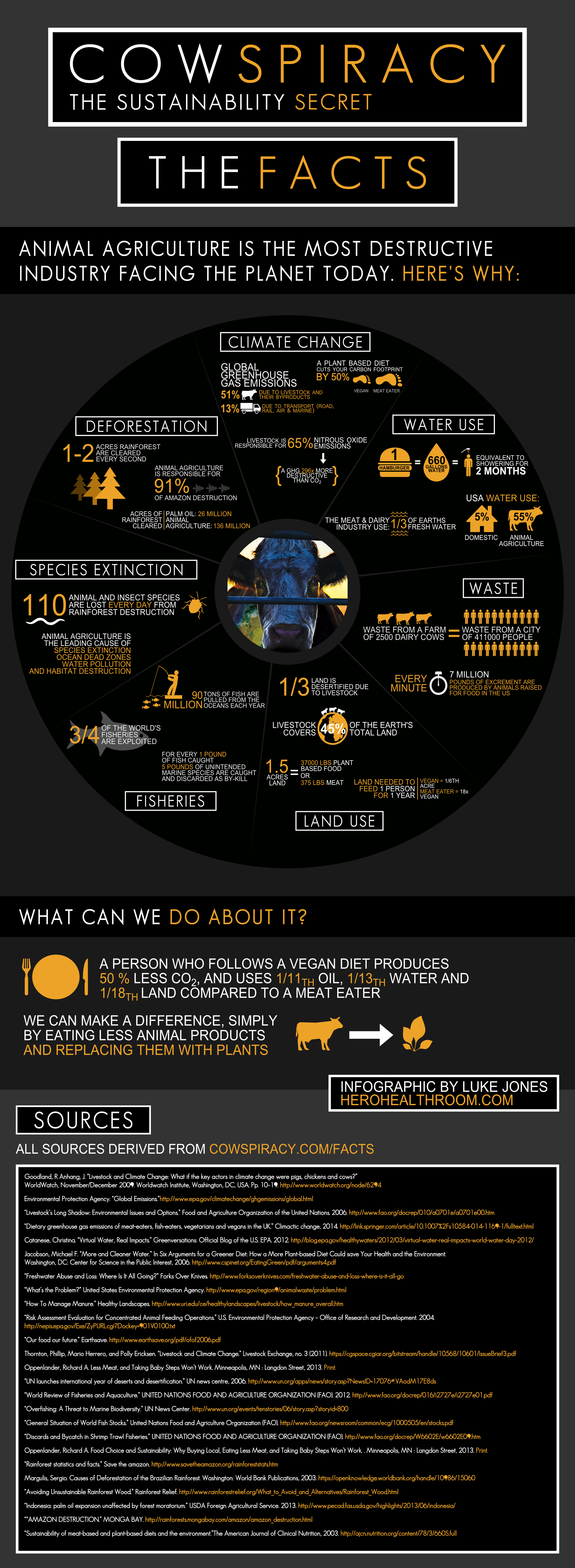
    Time with your children: say no to superfluous activities—committees, boards, etc.

    More creative time: schedule your time on weekends for writing, painting, or whatever you love.

    Treat it like a priority appointment.

    When I worked at a corporate job, I’d wake early to practice yoga at home before work. I didn’t miss the sleep, and I was much more productive and happier during the day. I couldn’t control the rest of the day, but I relished my sacred morning ritual.

    3. Say goodbye to your job if it makes you unhappy.

    Right now, maybe you need it to support your family. No problem. Make sure you limit your working hours. Make the rest count.

    Turn off your TV and put away your iPhone. Spend engaged time with your family. Thinking about work takes you away from important leisure activities.

    Your people will always be important—your children, parents, siblings, friends, and your tribe. Don’t sweat the little things. Cultures with high longevity emphasize personal relationships, support networks, and family. The elders are the big shots, not the richest in the village.

    4. How to glow from the inside out.

    We are genetically wired to thrive on a whole-foods diet. A rule of thumb: the more processed the food, the less you should eat.

    Most of the diets that actually work—paleo, low-carb, and vegan—all have whole foods at their base. They vary in content, but all encourage vegetables, fruits, and good-quality protein sources.

    Return to those niggly health issues. Take an honest look at your diet. What could you do better? What things would you be willing to change?

    I used to systematically overeat healthy foods. My diet was great, but I used foods, even healthy ones, to quell my inner unhappiness. I hated my job. I felt lonely and isolated.

    Start with one change per month. Not more. Drink a glass of water with your meals and skip sugary drinks.Or eat a salad with your lunch or dinner.

    5. Here’s a little-known secret about your mind.

    How do you feel after eating a plate of fried foods? Or a big meal in a restaurant followed by dessert? I feel fuzzy and sluggish.

    What about after eating a bowl of candy? Like a space cadet? Sugar spikes our blood sugar and makes concentration impossible.

    Want to keep your mind clear and alert? Choose fresh vegetables and fruits, high-quality animal products, legumes like lentils and beans, healthy fats from nuts and seeds, and high-quality cold-pressed oils.

    Why Most People Fail Miserably

    Simply put, they don’t prioritize their own health. Don’t fall down that rabbit hole.

    Your job is not to put everyone else’s health above your own.

    Your job is not to make excuses about what you should be doing but aren’t.

    Your job is to be your most enthusiastic health advocate. You must fight tooth and nail to make stellar choices for your health.

    Your good intentions are worthless if you never take action. I’ve been there too. I’ve ignored my body. It was a mistake.

    Start making tiny changes, like having oatmeal and an apple for breakfast. Notice how much better you feel. You’ll be chomping at the bit to do more.

    Living well makes you feel better and happier. But it requires a little courage and determination.

    Start with one tiny step in the right direction. Take five minutes now and decide what your first step is.

    You know you deserve a healthier life.

    And more happiness.

  • How to Get Lasting Results: The 4 Laws of Permanent Change

    How to Get Lasting Results: The 4 Laws of Permanent Change

    “Sometimes, it’s the smallest decisions that change your life forever.” ~Keri Russell

    Seven years ago I was that athletic, hyperactive person you could look at and admire.

    I was madly in love with cardio, and I could easily work out twice a day, six days a week, without a single complaint, not to mention jogging at 6:00AM five days each week.

    In college I went through lots of rough times, especially in my senior year. I was always stressed, I procrastinated a lot, and I couldn’t care less about working out, until one day I woke up and realized that I had gained forty-six pounds in less than a year.

    In just twelve months, I found myself transforming into a less attractive, obese young man who couldn’t breathe properly or even fit into an old pair of jeans. I also had stress problems and a non-stop bad temper.

    I tried hard to get back on track and get my old self back again, but with so much stress in my life, it was only a matter of days until I gave up and went back to my bad eating habits.

    I would plan my diet, stick to it for a couple of day or weeks, and then give up. Working out was no longer easy for me, the gym was boring, and healthy food was unbearable.

    For seven consecutive years I faced lots of difficulties and tried to lose weight more than 100 times. All failed. I was desperate, I was helpless, and I felt stuck, until one day I asked myself:

    Why don’t I start small?

    Why don’t I forget about doing too many things at once, and change only one thing and see what happens next?

    Why don’t I just go to the gym—without caring about how much I eat, how much weight I lift, how fast I run, and without even sticking myself to a specific schedule?

    Why don’t I just put my shoes on and walk myself to the gym three days every week, and consider my daily goal done once I step into the gym. No more doubts and no more worries—I’ll just try to be someone who goes to the gym more often.

    I did it, and it was the best thing I ever did for myself.

    In a matter of three months, I have lost thirty-eight pounds, gained control over my life, and become more disciplined. And junk food has finally no control over me.

    I did that by following a set of universal laws that most people neglect when trying to change their lives. I strongly believe that if you manage to follow these universal laws, changing your life is guaranteed.

    I have summarized them in four simple rules that are applicable to almost all types of human behavior. Whether you’re trying to lose weight or build self-confidence, follow these four rules and you will see results.

    Rule 1: Make it easy to start.

    I asked myself: What are the obstacles that make me hate going to the gym?

    The answer was:

    • Feeling bad when I fail to reach the specific number of reps for each exercise, or when I don’t lift a lot of weight.
    • Feeling bad when I can’t push myself to run on a treadmill.
    • Feeling like I’m not disciplined enough and I lack control over my life whenever I miss a workout (even if I have a busy schedule).

    So I decided to eliminate all the obstacles and make it easy to go to the gym consistently.

    I knew that if I kept lifting weights and running even with 50% of my strength, my body would change and I would see progress. That’s why I decided to:

    • Lift only what I could, especially when I wasn’t in the mood to lift a lot of weight.
    • Do only what I could when it came to cardio. If the ideal intense cardio workout is made of four intervals, then I’d be satisfied if I did two or more.
    • Be less strict with timing. I’d hit the gym any day at anytime, as long as I go there at least three times each week.

    I did that and I realized something very strange. When I dropped the stress off my shoulders, I started to lift more weight, run faster, and go the extra mile in almost all of my workouts. And that made me stick to the habit more than ever because I made it easy for myself to progress.

    If you want to see results, you must make it so easy to start that there is no place for thoughts of quitting or backing up. Life is already hard. Don’t make it harder.

    Rule 2: It`s all about consistency.

    No matter who you are, you will have some sort of resistance to change. This resistance is at its minimum when you introduce change into your life step by step until it becomes a part of who you are, or face any kind of emotional trauma or a situation when change is a must (like losing your job or getting a divorce).

    Since you don’t want to put yourself in a traumatic situation, and because your reasons are sometimes not strong enough to weaken your inner resistance immediately, the best way to change your lifestyle is by starting small and being consistent.

    Focus on one—and only one—thing to change at a time (so you don’t stir up your inner resistance) and take consistent actions toward this goal until you have a new way of life.

    Take my dieting example:

    It was hard for me to exercise regularly and introduce a healthy lifestyle to my daily routine, so I changed only one variable (going to the gym) and left the rest unchanged. Within a month I found myself changing my eating habits completely without feeling bad about it.

    Why? Because being a gym-goer had changed the image I had of myself, which made overeating seem less exciting.

    I simply didn’t want to lose the calories I’d worked hard to burn in the gym on a can of soda or a cheeseburger.

    Consider change as a snowball; all you need is to build a small ball, clear the path, and let the ball roll.

    Start small now and build on it. It’s the tortoise that wins in real life, not the lazy rabbit.

    Stop trying to revolutionize your life in a single shot. Small and consistent is what you need to explode.

    Rule 3: You never start at the end line.

    When playing a new video game, the best way to show fast progress is to start at the amateur mode and get used to it for sometime before you move to the pro level.

    The same goes with real change; you start at the bottom in the amateur mode and keep progressing until you become a pro.

    Your goal is to move from the beginner level to the pro one fast and safe, and to do so you must know that:

    • When you demand too much too early, you lose.
    • When you be over-judgmental and beat yourself up too often, you lose.
    • And when you choose perfection over progress, you still lose.

    Don’t look far and forget where you’re stepping. You have two eyes; keep one on the sky and the other one under your feet.

    Rule 4: Regret is a complete waste of time.

    I had my moments of relapsing. I have cheated many times but I haven’t allowed such mistakes to ruin my diet because I realized that regret is useless.

    When changing your life, keep in mind that it’s immediate action that fixes a mistake, not crying over it. It is your reaction toward a mistake that counts, not the mistake itself.

    Get over your mistakes fast, and you will be amazed by how far you will go with your life.

  • Why It Doesn’t Pay to Put Wealth Above Health (and 3 Tips to Get Fit)

    Why It Doesn’t Pay to Put Wealth Above Health (and 3 Tips to Get Fit)

    Warrior Pose

    “Man surprised me most about humanity. Because he sacrifices his health in order to make money. Then he sacrifices money to recuperate his health. And then he is so anxious about the future that he does not enjoy the present; the result being that he does not live in the present or the future; he lives as if he is never going to die, and then dies having never really lived.” ~The Dalai Lama

    It was three in the morning. The mean, destructive words that someone had said to me back in high school were replaying in my mind like a broken record.

    “You’re fat! Why are you swimming with your shirt on? Stop eating so much!”

    As I heard each word in the back of my mind, I felt the passion begin to burn within me to help those who were overweight and suffering from self-worth issues, like I once was.

    At eighteen years old, I decided to open up my own fitness business. I had a burning desire to help others because I knew was it was like to feel worthless inside, to hate looking at yourself in the mirror, and to not be able to take your shirt off in front of people because you were embarrassed of your body.

    The desire was so intense that it had me getting up every morning at 3:00am to study, research, and work on my business.

    I was working at the gym, building my business from 5.30am to 9.30pm, five days a week. Other health coaches kept telling me, “Matt, you need to settle down; you’re going to get burned out!”

    But I thought I was Superman at the time, replying with comments like, “You just don’t want this as bad as I do!”

    Time went by, and at a young age I thought I had everything. I was doing what I love, I was getting massive results for my health coaching clients, and I was earning high amounts of money. Business was great! But even though I felt I had everything, there was still one thing missing.

    I was constantly getting sick and taking time off of work. I was sleeping four hours a night. I was getting sleep paralysis. I wasn’t making time to prepare my meals or train myself anymore, and my energy was deteriorating so much that I had my own little bed in the staff room so I could take naps in between coaching clients.

    Day in and day out I was struggling, until one day, I walked into my parents’ bathroom and gazed over at the mirror. Tears started running down my face.

    I slowly crouched down to the ground with both hands on my head. I was shocked at seeing how my own personal standards had dropped so much, to the point where I had gained back most of the body fat I’d once had.

    I suddenly realized that the thing I was missing was my health.

    The sadness quickly turned into anger burning within me. I used the anger as fuel to make a decision that was about to change my life.

    I was sick and tired of being sick and tired. I hated that I wasn’t able to be productive throughout the day because I had no energy to do anything. And I was fed up with not being congruent with what I was teaching my clients.

    I ran down into my basement and grabbed a small notebook. I wrote down everything I was committed to changing and the reasons why I must change it now.

    I made a decision that from that day forward, I wasn’t going to value contribution, success, or wealth higher than my health and body.

    I was going to value health above everything and treat my body like a temple.

    I began cleansing my body with fresh vegetables juices, I started exercising again five days a week, I became vegan, and I began riding to work instead of driving. I started doing little things that mattered and was going to produce more health, energy, and vibrancy.

    I learned a lot of things during this chapter of my life that may be useful to you:

    1. Value health above everything.

    When you value building wealth above your health, you will face massive challenges, either in the short term or in the long term. But when you value health above everything else, the results you create in that area will translate to all other areas of your life.

    You will feel more spiritually connected, you will feel more confident with yourself, you will produce more throughout your day, and you will have pure energy to spend time and be playful with those who matter most.

    2. Schedule, schedule, schedule!

    If you don’t take the time to schedule, it’s mostly like not going to happen. That was true for me.

    It might be helpful for you to take time on a Friday or Saturday to schedule when you will prepare your meals for the week, when you will eat, and when you will exercise, meditate, or do yoga.

    3. Find an accountability partner or coach.

    Although I didn’t have a health coach, I learned the importance of connecting with someone with higher standards than you in the area you’re trying to improve. I actually had an accountability phone call on a Monday morning, where a friend and I would exchange our goals for the week.

    Our goals ranged from running half an hour five days a week to having a green vegetable juice and salad every day. We attached consequences to not following through by making a commitment to each other that we would do 100 squat thrusts if we didn’t accomplish those goals we set out. Ouch!

    Jim Rohn once said, “Take care of your body. It’s the only place we have to live in.” My only hope is that you take his advice and the lessons I’ve learned and start applying them to your life.

    Have you ever valued work above your health? If so, what has it cost you?

    Photo by Jesslef

  • 5 Simple Yet Powerful Ways to Take Care of Your Body

    5 Simple Yet Powerful Ways to Take Care of Your Body

    Stretching

    “Your body is precious. It is our vehicle for awakening. Treat it with care.” ~Buddha

    Our bodies are not indestructible, and there is only so far we can push them before they start to fail. I should know.

    Roughly three years have passed since my body became unwell, for whatever reasons. Despite suffering from extreme exhaustion and constant joint and muscle pains, like those you get when you have the flu, I’ve only just started to listen.

    I guess the reason it’s taken me so long to do this is because I’m still holding onto the life I had before my usual activities began putting me in bed for days at a time. (I finished my degree at university and then went on to another part-time course for two years, while holding down two part-time jobs and running a student newspaper.)

    After a year, I swapped being an editor for being a teacher and took up my teaching qualification. Amidst all of that, I moved onto a wreck of a boat, was without a bedroom for around four months, suffered a bereavement, and struggled to skim the edges of a mental breakdown as my depression reached critical mass.

    My mental health has always been open to interpretation and discussion, but in my many years of happy insanity, my physical health has never suffered like it does now.

    I’ve spent nearly a year improving my mental health by changing my attitudes, being more mindful, and practicing compassion and happiness. These things are ongoing, but I’ve given very little time to my body in the process.

    When we’re stressed, we take time out to breathe and think happy thoughts, but what do we do for our bodies? Maybe we sometimes forget about that part. I know I do. So what can we do for our bodies alone when things are getting tough? (more…)