Tag: care

  • How to Slow Down and Take Care of Yourself

    How to Slow Down and Take Care of Yourself

    “You are worth the quiet moment. You are worth the deeper breath. You are worth the time it takes to slow dow, be still and rest.” ~Morgan Harper Nichols

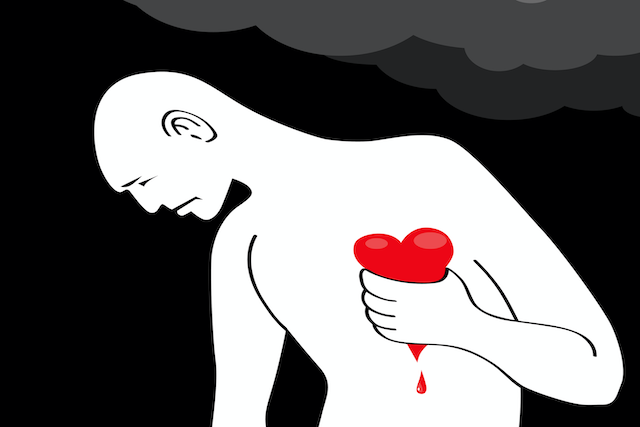
    “It’s great to see you without three laptops and two phones,” my cardiologist quipped. I nodded, remembering how, a year earlier, I’d sat in the ICU tethered to my to-do list while having a heart attack. Even as the doctors were attaching wires and monitors to me, I couldn’t put my laptop down. I believed that everything would fall apart if I stopped to take care of myself.

    It had taken two years—and a lot of work—but I was no longer the same person who’d sat in the ICU, unable to disconnect from work.

    “Your EKG looks great,” my doctor announced. “You are perfect!”

    “I’m not sure what you are doing, but keep doing it,” he added, after letting me know that my blood pressure was back to its baseline (which, for me, runs lower than average). Not only that, but I could also discontinue several of the medications he’d prescribed after my heart attack.

    I’d met him in the emergency room of the local hospital, and thankfully, he recognized that, although I was not clutching my chest and my symptoms were not typical, I was having a heart attack. Just four weeks earlier, I’d gotten cardiac clearance from another cardiologist, so a heart attack hadn’t even crossed my mind.

    But come to find out, I had a 90% blockage in my left main artery. A stent was placed, and I dutifully showed up to all my follow-up appointments, though I always hauled my laptops and phones along with me, still unable to disconnect.

    As a woman—specifically as a woman of color—I thought I had to carry the world. I had to prove myself. I had to show that I wouldn’t drop any balls, no matter what was going on in my personal life. I always had to be going, doing, striving. I didn’t believe I could just sit, rest, and take time to be.

    But with time, and a lot of work, I slowly learned how to take care of myself. I left my corporate career (and a seventy-eight-mile commute) and realized that my priorities needed to shift. Today, I look back at the woman clutching her laptops in the ICU, and I am thankful I am no longer stuck in the place of believing I couldn’t disconnect to take care of myself.

    These are the lessons I learned as I healed. If you, too, need to learn how to slow down and take care of yourself, I hope these lessons can help you on your journey.

    Sleep

    I know that getting at least eight hours of sleep is some of the oldest advice in the book when it comes to taking care of yourself, but it’s also some of the most ignored. How many times have you heard that advice and shrugged it off, thinking, “That’s fine for other people, but it doesn’t apply to me?”

    I used to brag about how I could get away with only four or five hours of sleep a night, and while I was technicallygetting away with it, I was doing damage to my body in the process. Sleep is critical.

    According to the NIH, “Good sleep improves your brain performance, mood, and health. Not getting enough quality sleep regularly raises the risk of many diseases and disorders. These range from heart disease and stroke to obesity and dementia.” (NIH, April, 2021). 

    Self-care

    It’s taken me a long time to get to a place where I can make time for myself without feeling guilty (as evidenced by the three laptops and two phones I took with me to the ICU), but I’ve finally realized that taking intentional time for myself helps me recharge. That’s nothing to feel guilty about.

    Sometimes self-care is as simple as pampering myself with a homemade face mask or taking a relaxing bath with candles. Other times, I splurge on a full spa day. Pushing myself to run on empty doesn’t do anyone any favors—not only is it a quick path to burnout for me, I also am unable to give my best self to my responsibilities if I’m exhausted and drained.

    Exercise

    I’m not running any marathons, but I’m dedicated to walking daily. Getting my steps in is an easy but effective way to make sure that I’m exercising. I don’t need any special equipment, and I can walk anywhere.

    Research shows that even short bursts of walking (like taking the stairs instead of the elevator or choosing to park on the far side of the parking lot) can make a difference. You don’t have to embark on a complicated, time-intensive, or expensive exercise routine to make a difference in your health; just put one foot in front of the other.

    New experiences

    Life is meant to be enjoyed. Opening yourself up to new experiences changes your perspective. Whether I’m planning a trip to a country I’ve always wanted to visit, or I’m choosing to enjoy a drive on the back roads with an audiobook playing instead of fighting the turnpike, doing something a little out of the ordinary makes me appreciate life more. Next up: I’m planning on taking a cooking class to get out of my comfort zone in the kitchen.

    Family time

    Whether I’m planning a date night with my husband of twenty-eight years or spending the day with my daughter or my dad, spending time with my family is a crucial part of my well-being. When my mom passed away in June of 2022, the reality that we never know how many days we have left hit me hard. Making the most of the time I have with my family gives my life meaning and purpose.

    Learning to meditate

    I’d heard about the benefits of meditation for years and had even given it a half-hearted try a few times. But after my heart attack, I knew I needed to figure out a way to clear my thoughts and calm my mind. I gave meditation another shot, and this time, it worked. Now, daily meditation is a key part of my routine, and I’m finally seeing the benefits I’ve heard others talk about for years (like lower blood pressure, better sleep, and less anxiety).

    If you feel like you are carrying the weight of the world, like if you stop to take a breath everything will crumble, I’m here to tell you: that’s not true. You can (and should) take time to take care of yourself.

    Learn from my lessons before you end up trying to tackle your to-do list from the ICU.
  • The Simple, Old-School Acts of Kindness Our World Badly Needs

    The Simple, Old-School Acts of Kindness Our World Badly Needs

    “Whatever is in memory is also in soul.” ~Saint Augustine, Confessions

    Memories of my father are etched deeply in me—not for what he accomplished as a surgeon, a pilot, and an outdoorsman, but for what he was about, a truly gentle and generous man. Ironically, one of the most important lessons I learned from and about him came from a stranger.

    I was alone in my family’s large Victorian-style house in the heart of the Midwest on a muggy Saturday afternoon. My mother had taken my siblings to a summer reading program at the public library, and my dad had been called to the emergency room of the local hospital. But I was not alone for long.

    While watching The Game of the Week with Dizzy Dean and Pee Wee Reese, I heard a thunderous noise at the front door. The power and volume of repeated pounding frightened me. I scampered to the front entry way but was too afraid to show my face from behind the beveled glass panels of the door.

    But I managed to peek outside and saw a giant of a man, dressed in mud-stained overalls, a sweaty blue long-sleeved work shirt, and a beat-up old hat—the kind that train engineers once wore. He was now wiping his hands and neck with a wadded-up red bandana, as though taking a time out before assaulting the front door again.

    I froze in place, for surely this monster-man was a stranger to me. His rough features and seeming impatience made me wonder if I should answer the door at all. But soon, garnering what courage I could as a shy ten-year-old boy, I slowly pulled the heavy walnut door open just a crack, and nearly whispered, “Yes, can I help you?”

    Without pause, the man bellowed with an unmistakable country drawl, “Hey, boy! Is the Docta home? I got somethin’ for him.”

    Still wondering who he was or what he wanted, I meagerly replied, “No, and my mom isn’t here either.” I realized in a flash that I had violated my parents’ warning to never let anyone in the house when no one else was home. Now it was just me, a man that might be some kind of deranged mental case, and an open door between us.

    “Well, son. I bet your dad is out fishin’ or somethin’. It’s a Saturday and hope he’s not workin’ cause he does too much as it is. Two months ago, my missus had to drive me to the ‘horspital’ on a Sunday because my appendix was killing me. Oh, Lord did it hurt!

    “Your dad come down there in his work clothes. Before I know’d it, I was wakin’ up in a horspital room. And there was your dad standin’ at the foot of my bed tellin’ me I was gonna be fine.

    “I come to his office a couple of weeks later to get a checkup. I told him I wanted to pay my bill, but things were a little thin, as the flood had ruined the corn crop that spring.

    “Well, sir. He just told me not to worry about the bill at all—that he knew all about floods and droughts, and what it was like to grow up on a farm, especially in bad times. I’m tellin’ you son, that dad of yours is somethin’ special. I’ll never forget it.

    “Well … now I got somethin’ here—you give it to your mom, but you tell your dad that Ole Jim from Wever dropped by. My place is down by Highway 61 near the Skunk River. He’ll know—he likes to duck hunt there in the fall.”

    Before I could say a word, he bent over and slid a huge bushel basket through the front door to my feet. It was brimming with ears of Iowa sweet corn, clusters of ripe tomatoes, bunches of carrots and beets with their green tops, several large cantaloupe melons, a head of cabbage, and a large bag of green beans. And a small sunflower was tucked in the middle of this cornucopia—a perfect touch that no doubt came from Ole Jim’s wife.

    Without another word, he swiveled and quickly made it to his rusted GM pickup truck and backed it down the driveway and set course out of our private lane. With the grinding of gears and belches of exhaust from the tailpipe of his pickup, he was gone. But he waved goodbye to me, as only farmers can do, with the subtle lift of his right index finger in my direction, his eyes staring straight ahead.

    I was relieved he was gone and felt embarrassed by how out of place I felt with him, as our home was expensive and sat across the lane from the country club. I could tell he didn’t have much money and from the location of his farm, I knew it was “bottomland,” which was sandy soil in a flood plain—not worth all that much. But I could tell he was a proud man and had enormous respect for my dad.

    Over the years I have replayed this moment with Ole Jim many times, and I’ve come to realize how much the generosity of my dad and the old farmer down by the Skunk River have affected me.

    Bartering goods for services was an accepted way of doing business in an era gone by. But in today’s world of corporate medicine and mandatory co-pays, it is difficult to imagine how millions in our country get medical treatment without cash or a credit card, let alone have a costly treatment given as a gift, simply because it was the right thing to do.

    I was blessed to live on my grandparents’ farm during summers, and many times I watched simple acts of kindness and home-grown goods exchanged with neighbors and townspeople. This struck me then simply as their way of life; but now I see more clearly these exchanges were also transactions of the heart. But you would never know it, as generosity was given without fanfare or notice—simply bestowed as subtly as a single index figure raised to say hello or goodbye.

    My dad was like that. He never lectured me about the responsibility to treat others equally, and with respect and dignity. Nor did he draw attention to his many gestures of charity or a quiet helping hand to friends, patients, and complete strangers. But I caught him in the act many times, and often heard stories about his generosity and gentle way in dealing with others.

    He simply acted with kindness and good faith to everyone he met. I am sure he was that way because it was how he was raised, not formally taught how to be his best self, but modeled in that way by my grandparents: humble, charitable, and understated—old school.

    Maybe that’s the only way we can learn about what is most important in life—by example, not by books or lectures. The ineffable qualities of goodness and kindness may stream to us from our ancestors if we are lucky to have had such men and women come before us. We are doubly lucky when those qualities quietly stream through us to our children.

    I am a psychotherapist and I have a set fee policy on my website. But when I can tell that a prospective client cannot pay $150/hour, I make it clear I am not in the therapy business just to make a buck. I often let the client set the fee they can afford, even if they cannot pay a dime, and then quickly move on to the work. No fuss.

    In those moments, I can feel their gratitude, as well as their surprise. I often flash back to Ole Jim’s best way to express his gratitude and pay what he could afford. As for my dad, he never talked of such things, even though every now and then, a string of fish would be sitting in an old ice-chest on the back porch, or a gift certificate to the downtown rod and gun store would arrive in the mail without a name.

    Such memories and lessons speak to my soul. I see more clearly today that these simple acts of kindness and generosity—so badly needed in today’s world—were indeed acts of grace. Pure, simple, and subtle, like the farmer’s wave. Old school.

  • 5 Simple Yet Essential Self-Care Tips That Can Change Your Life

    5 Simple Yet Essential Self-Care Tips That Can Change Your Life

    “Never be ashamed to say, ‘I’m worn out. I’ve had enough. I need some time for myself.’ That isn’t being selfish. That isn’t being weak. That’s being human.” ~Topher Kearby

    Years ago, my extended family, who I am very close with, migrated from Vietnam to America as permanent residents. Four separate families had a couple of kids in each family. They are nice, kind, and loving people, and their kids were super cute and respectful.

    My relationship with my extended family has taught me a lot of lessons throughout my life so far, but this was one of the most impactful ones to date.

    Throughout the first few years of their residency here in the USA, they struggled with the language barrier and navigating an unfamiliar setting. As with most people who choose to migrate to another country, it was challenging for them to learn how to adapt to their new normal here in the United States.

    I couldn’t bear seeing them struggle, so I decided to step in to help them through this huge transition they were facing. I took them to most of their doctor’s appointments, brought them to work on time, helped them out with school conferences for their kids, and supported them in the completion of other tasks that they weren’t able to do on their own.

    I didn’t see this as a burden at all. In fact, I was having fun helping them because I love them so much.

    If you’re like me, you will understand this. When I am helping people that I care about, I tend to forget about taking care of myself. Slowly, this began to be the case.      

    The love I have for my family fueled my energy, which made me overlook the importance of caring for myself. Sure enough, after a while of supporting and caring for my family through their transition, I started to feel emotionally depressed and physically drained.

    I couldn’t find an explanation for why I was feeling this way, so I decided to check in with my doctor. My doctor explained that I had nothing to worry about regarding my physical health.

    After determining that I was healthy, I realized that there must have been a deeper explanation for why I was feeling that way. That’s when I knew my exhaustion was coming from overly helping and caring for my family. After all, I was taking on responsibility for everything in their lives from the little things to the important things.

    At this point, there was a little voice inside my head saying that it was time to sit down with myself and re-evaluate how I was spending my time and energy. Deep down I knew that this would be the only way for me to feel healthier and happier.

    For the sake of my well-being, I decided to implement positive change in my life, Once I did, I was amazed at how my physical and emotional well-being began to improve.

    I didn’t want to leave my family hanging, so I made sure that I took the time to show their kids what they needed to know so that they could help their parents and themselves. I knew that they had other family members that were willing to step in when they needed assistance with tasks.

    It took me a while to make this decision because I didn’t want to leave them without ensuring that they would be cared for. Thankfully, their children were confident taking over some of the tasks and helping their parents and their own families with the transitions that they were making.

    Sometimes, setting healthy boundaries with the people you care about also comes with setting a boundary with yourself.

    You cannot control how other people will react to your choices, no matter how badly you would like to be able to. With that said, it will bring you comfort knowing that you are doing what is best for you.

    In my case, I knew I needed to take better care of myself. I also took comfort in knowing that the choices I made for myself wouldn’t bring harm to anyone else. In time, I hope that my family will come to understand; but if they don’t, that’s okay too.

    I will always be wishing the best for them and sending them the brightest blessings in their life, regardless of if it is from a distance or up close.

    It was through this experience that I learned that the best way to care for others is to begin with caring for yourself. This may seem selfish or unnatural at first. However, with time, you will find that you are more capable of adequately caring for others when you are well cared for yourself.

    Once you master the art of self-care, you will find that you have more time and positive energy to put toward caring for those around you. Here are a few tips on where to begin on your journey toward self-care.

    1. Stay in touch with your feelings.

    If you’re honest with yourself about how you feel, you’ll be better able to meet your needs. It can be a challenge to be truthful with yourself and others about your feelings, but if you don’t, you’ll end up burnt out and resentful. This was my first step toward taking care of myself: telling my family I was feeling depleted.

    Ask yourself: How do I feel about how I currently spend my time? Am I honoring my needs and priorities? How do I feel about how much I give in my relationships? Am I overextending myself or giving more than I receive?

    2. Spend time with others.

    You can’t spend all of your time alone and remain emotionally healthy. Part of self-care is surrounding yourself with people who uplift, encourage, and support you.

    The ideal amount of human contact varies greatly from one person to another. No matter how much of a loner you might be, though, spending time with others matters because human connection brings happiness, joy, and belonging.

    When I realized I needed more time for reciprocal relationships, I set out a schedule to hang out with some of my closest friends.

    Call some of your friend or relatives to catch up, and ask them to get together. You’ll feel more connected, and if you open up about what’s going on in your life, you’ll be able to receive support instead of always being the one who gives it.

    3. Spend quality time alone.

    When you spend time alone, you’re able to get in touch with yourself on a deeper level. You get to reflect, introspect, and make a plan for anything that needs to change in your life. This will help you accomplish your goals, and you’ll feel more grounded as a person.

    Again, how much time you need to spend alone is an individual preference. It can be hard to refuse requests or say no to gatherings, but if you find the right balance for you, you can stay connected to other people while keeping up with your personal goals.

    4. Exercise regularly.

    When I decided to prioritize myself, I committed to keeping myself active and in shape. I personally enjoy weight training, pilates, dancing, and taking long walks by the lake. Not only do I feel physically stronger, I have more energy and get a boost of feel-good chemicals every time I exercise.

    Any physical activity is better than nothing, but you’ll feel a lot better if you can devote thirty minutes each day to movement, whether you play a sport, dance, or participate in a group exercise class. Your body is designed to move, so when it’s not using its potential, it creates stagnation.

    5. Manage stress.

    Take frequent breaks throughout the day to relieve tension and restore your energy before tackling your next task. Check in with yourself regularly to look for signs of stress, including physical exhaustion, getting irritated easily, having a lack of focus, and mindlessly eating junk food.

    When you notice your stress level rising, practice deep breathing or utilize any other relaxation methods that work for you.

    I generally like to get a massage, go for a walk, meditate, and journal. I like to write out all the stress on paper and burn it away.

    Another stress relief practice that I often do is chanting. It’s a healing method to help you clear any worries, stress, fears. When I chant for a period of time, my energy always shifts, bringing me back to a more grounded state.

    If you take on other people’s energy, you may want to practice energy cord cutting. This can be as simple as visualizing yourself detaching a cord connecting you to someone who drains you.

    Practicing forgiveness for yourself and others is also a powerful stress-release method. I highly recommend the Ho’opononopo practice; if you’re not familiar with it, you can go on YouTube and look it up.

    The quality of your self-care is a great barometer of your overall well-being, and it can keep you firing on all cylinders. If you’re feeling down and out, give extra attention to your self-care. You deserve the time and attention. A regular self-care practice also demonstrates that you truly recognize your own worth.

  • If You’re Afraid to Ask for Help Because You Don’t Trust People

    If You’re Afraid to Ask for Help Because You Don’t Trust People

    “Ask for help. Not because you are weak. But because you want to remain strong.” ~Les Brown

    I sat in the doctor’s office, waiting—linen gown hanging off me, half exposed—while going through the checklist in my mind of what I needed help with. I felt my breathing go shallow as I mentally sorted through the aches and pains I couldn’t seem to control.

    Fierce independence and learning to not rely on others are two of the side effects of my particular trauma wounds, stemming from early childhood neglect and abandonment. During times of heightened stress, my default state is one of significant distrust.

    Letting people in and asking for help has never been my strong suit.

    Not only did it prove painful at times, asking for help has also proven to be unsafe. I’ve been given poor and damaging advice from people I assumed knew more than me. I’ve emotionally attached to people who disappeared when I least expected it. I’ve been lied to, betrayed, and left behind when my help was no longer useful.

    I’ve been injured both physically and emotionally when relying on others to care for me and have been let down more times than I can possibly recall.

    I have plenty of reasons to convince myself that no one can help me. That I’m in this life all alone. Some days I feel just that.

    Other days, I sit in my doctor’s office ready to make myself vulnerable one more time looking for support that I’ve been unable to give myself. Hoping, fingers crossed, that maybe this time I’ll be seen, heard, and cared for.

    When the doctor walked in, I was writing a note on the depression screening form justifying why I feel sad some days. I know it’s normal to feel sad doing the work I do as a mental health therapist. Working with people’s sad can be sad. I wanted to be upfront.

    And also, I’ve been focusing on healing the trauma in my body that injured my nervous system starting in infancy. Actively inviting my body to retrieve its pain to set it free and regulate my system to a state that is considered normal. Except I don’t know what normal feels like.

    Her very first questions to me: “Are you getting back what you put into your work? Is it worth it?”

    I blink, unsure if I heard her correctly.

    “Are you asking me if the work I’m doing is more depleting than rewarding? Am I receiving as much as I’m giving?” I ask.

    “Yes,” she responds assuredly.

    I exhale.

    She sees me. She actually sees me. I ask myself this very question every day.

    This one question cracks me wide open. I know I can trust her.

    I hear words pouring out of my mouth explaining the work I’ve been doing with myself. My intention to heal my nervous system and my body, how hard it’s been to feel all the emotional pain that’s come up and the subsequent physical pain that comes and goes to remind me just how deep all this stuff runs.

    I shared with her my most recent discovery—my earliest known physical trauma at nine months old, when my mother gagged me to make me throw up to “protect” me.

    When her behavior was discovered, she was admitted to a hospital for psychiatric services for over a month. My brother and I were placed in the care of anyone who was available to watch us.

    At the most important time for healthy attachment and trust to form, I was taught that survival meant staying clear of those who are assigned to protect you. They can hurt you. And the world was not a safe place.

    This was the first of many experiences in my life that would drill in the same belief. My body spent years trying to protect me by tensing up, shaking, or wanting to flee when I sensed any kind of danger—being trapped, pressured, controlled, or trusting authority figures was high on my list of subconscious nos.

    To me, there was no logic to the way my body reacted to what seemed the smallest threat, so I shamed myself for it.

    I couldn’t understand why driving on the highway put me in an instant state of hypervigilance. Why I would wake up in the middle of the night unable to breathe. Why the bright lights and enormous amount of stimuli in the grocery store made me freeze the moment I walked in. Why perceived conflict made me want to curl up into myself or attack and bail.

    All I knew was I was not “normal,” and I felt like I had no control over it.

    I recall the first infomercial that serendipitously came across the screen during a sleepless night while I was traveling in my early twenties. At the time I always slept with the television on to drown out the noise of my thoughts in the silence of night. A woman talked about her struggle with anxiety and the way it internally took over her life. I immediately tuned in.

    She was talking about me. She was talking about so many of us. I couldn’t believe someone understood what I desperately tried to hide and despised about myself.

    It was the first of many books, programs, methodologies, and practices I would try. It was the first time I felt seen and sought help.

    It wasn’t that I didn’t want help. I just didn’t trust it, nor was I comfortable with being vulnerable enough to ask for it. Particularly because I had proof that when I did rely on people, they could turn on me, or even worse, leave.

    And then there was the cultural push to just “suck it up” or accept that “it is what it is.” Key words to encourage us to abandon ourselves.

    Sucking it up is exhausting, and it doesn’t help. It doesn’t change what’s hard, and from what I can tell, years of sucking it up never made me stronger. Just more certain I was stuck in this mess of myself alone.

    Even though I help people for a living, and fully understand that I am the help I encourage people to seek, I forgot that I, too, was able to ask for help.

    This meant I had to have the courage to let my guard down. To let go of the feeling of burden I was afraid to put on another. To remember that every single one of us has our hardships, and we actually want to be needed and helpful to another when we have the space.

    It’s why we are here as humans. To give love and receive it. When I give someone the opportunity to love or support me, it gives them the chance to feel the fullness of my gratitude. To receive love back from me in return and feel needed and wanted as well. It is also the most solid reminder for both of us that we are never actually alone.

    We need each other.

    It is a practice for me to remember this. It’s also a practice to remind myself that I have been cared for far more often than I’ve been hurt. That those who have harmed me or left me had their own burdens to bear that I was not meant to be a part of. And that every time I do ask for help, like in my doctor’s office, and receive it wholeheartedly, I am able to keep myself filled and balanced to be able to help the people I care about even more.

    I exhaled when my doctor acknowledged me. I knew it was safe to let her in, yet I still swallowed tears while I did so. Her validation of my challenge felt comforting; her support, the extra oxygen I needed. Knowing the value of support has never made it easy for me to ask, but it has made it easier.

    As humans we are regularly encouraged to give, yet it is equally important to learn to receive. We need both to keep ourselves balanced and in flow so we can be the love we want to feel. To give is a powerful feeling, while receiving can make us feel a little vulnerable. That’s okay. The more courage we use to ask for help, the more strength we have to give out in return.

    If you are feeling resistance to seeking help, ask yourself where your fear lies. Is it a current concern or is it one from the past? Does vulnerability make you uneasy or bring up insecurities you have around being judged or feeling like a burden? Or do you feel it’s hard for you to let your guard down and trust another?

    When resistance lingers, choose people who’ve been loyal and consistently supportive in the past. If you don’t have any relationships like that, or if involving your personal relationships feels too uncomfortable, consider professional support. There are affordable and even free resources available, if money is an issue.

    The key is to remember that you, too, deserve a place to be you and invite in the help that everyone needs at times. To release your burdens so you can stand back up and move forward with more ease and a lighter load. So you have the strength to be a support for others and also for yourself.

    When feeling weighed down, ask for help—whatever that looks or feels like for you. The past may have taught you what you don’t want, but you have the power to choose what you do want in the present. There are people out there who you can rely on and who want to be there for you. They are simply waiting for you to ask.

    So go ahead and let someone in. No one needs to or is expected to navigate this wild life alone. Not even you.

  • All It Takes Is One Person to Start a Chain Reaction of Caring and Kindness

    All It Takes Is One Person to Start a Chain Reaction of Caring and Kindness

    “People will never know how far a little kindness can go. You just may start a chain reaction.” ~Rachel Joy Scott

    One afternoon a while back, after stepping onboard to a full train car with no available seats, I situated myself in the standing section.

    A couple of stops later, two passengers vacated their seats, allowing me the chance to sit. I embraced the opportunity to people-watch. The woman in front of me began chapter four of her book, titled How to Jump for Your Life. The girl next to her alternated between the Tinder app and a school report. A little dog ruffed from the black duffel bag on the lap of the woman across the aisle from me.

    One minute I was staring down at my iPhone screen—earphones in, listening to a podcast. The next I was looking up to a group of teenagers yelling at a middle-aged man. The man was seated next to his bike in the bike section. I didn’t see what he’d done to provoke them.

    Their voices grew louder. Removing my earphones, I watched as the man stood up, chest puffed out. Barely an inch of space separated his face from the younger man’s. His opponent bridged this distance by stepping closer and punching him square in the eye. The older man hit back.

    As the spat escalated into a physical altercation, each hit delivered with more force than the last, passengers (myself included) watched incredulously. Headlines broadcasting the recent senseless murder of Nia Wilson on BART (Bay Area Rapid Transit) flashed through my mind, and I wondered if one of these men would pull out a weapon.

    I wondered how long they would fight for, and I wondered what would put an end to it. Was there anything we witnesses could or should do (and if so, what?)—or were we just captive audiences to the violent scene occurring in front of us?

    Visibly shaken, and with tears in her eyes, a woman passenger with dark curly hair, who looked to be in her early thirties, got up from her seat. “Stop. STOP!” she yelled, her voice at once insistent and pleading.

    About twenty seconds later the train came to its next stop, and the teenage boy and his group of friends ran off. The older man with the bike stayed behind—left side of his face twitching, injured eye watering heavily (he seemed unable to keep it open).

    Though I’d witnessed violence like this on television, this was the first time I’d been so close to actual, real-life physical aggression. That the fight had occurred between real people rather than actors— powered by raw anger and heightened emotions—and that it hadn’t been manufactured for audiences to consume from behind a screen both jarred and disturbed me.

    Still, the initial collective response seemed no different than had we all just watched a scene from Orange is the New Black together.

    Some BART riders put their earphones back in. Others appeared minimally affected, yet still somewhat removed and distanced from the spectacle. Almost everyone remained seated.

    Everyone except for one woman—the one who had been noticeably shaken by the altercation. The one who had cried and pleaded with the two men to stop.

    This woman marched over to the intercom and reported the assault to the station agent, asking that he please send a person to attend to the injured man. She then sat with the man, allowing him to use her phone to provide his information to the police.

    Once he hung up and handed her phone back to her, I felt suddenly compelled to leave my seat. The woman’s actions had emboldened me to push past my apprehensions. After getting up, I approached and offered the man some water to wash out his eye with.

    And then I watched as other people followed suit.

    One woman handed him eye-drops. Another conjured towelettes with disinfectant from her bag. A third offered Ibuprofen.

    I observed, and felt calmed by, the prosocial Domino effect playing out in front of me. And the precipitator of it—that woman in her thirties with the dark curly hair—stayed in my mind for a long time after.

    Since then, I’ve reflected a lot on the initial collective response. I don’t think it’s specific to our time; our desensitization in the presence of large groups of strangers is nothing new, as much as we might like to blame it on the disconnection from one another that technology has engendered.

    What came to mind was the bystander effect, a social psychological phenomenon in which individuals are less likely to offer help to a victim when other people are present” (Wikipedia). In short, according to this theory, the more people there are, the less likely it is that any one of them will step forward to help in a given situation.

    One of the most famous examples of the bystander effect took place in 1964 Queens New York, when Kitty Genovese was brutally stabbed, sexually assaulted, and left to die while returning home from work on foot at 3 am. The New York Times reported that thirty-eight witnesses watched the stabbings and did not try to intervene. They did not call the police until the assailant was gone and Genovese had already passed away.

    It’s disconcerting to read what the worst-case scenario of bystander effect can lead to, but at the same time I think we can glean a hopeful message from it. I think we can use it as evidence that any one of us may take it upon ourselves to model responsible, prosocial behavior for one another.

    I think a lot of times people shut down and check out when they don’t see a way to be useful or help the situation. To me, it’s comforting to know that all it takes is one person to get the helping momentum going, though.

    One person can drag us out of this paralysis by leading by example, perhaps motivating others to be that initial precipitator in a future scenariothe one who steps up and steps in, encouraging others to follow their lead.

    Imagine what the world would be like if we all did just that?

  • The Only Way to Form Meaningful Relationships with People Who Get You

    The Only Way to Form Meaningful Relationships with People Who Get You

    “A friend is someone who gives you total freedom to be yourself.” ~Jim Morrison

    When I left my full-time position at an ad agency and ventured out on my own, I had a clear goal in mind—to connect with like-minded people who align with my highest good. As far as how I was going to do that, I had little clue.

    My life was full of relationships built from forced, sometimes toxic circumstances where we found each other out of need or convenience. I am grateful for each of those people because they were there when I needed them most, but there was always a part of me that felt unknown or misunderstood. They did not speak my language.

    After a couple of decades of those experiences, it became natural to think that no one understood who I was, and no one ever would.

    Being an idealist, I’ve always believed in true heart-to-heart connections with other human beings as the most fundamental component of strong relationships, above cultural backgrounds, titles, properties, or romance.

    Most of the people around me, however, seem to pursue relationships to either avoid being alone or to create financial security, without the desire to form a deeper connection with others. Perhaps they don’t believe in the type of connection I know exists and think of it as a fantasy. In the past, I was often criticized as being naive and impractical.

    My idealistic nature often shows up in work environments, too, unguarded and without an agenda, while I watch others focus only on their own goals.

    I’ve always cared about coworkers as well as clients, and I’ve been enthusiastic about creating great designs to help them succeed. Those efforts were often seen as an agenda to get promoted, even perceived as a threat at times by supervisors fearing I was after their job. So, I finally gave into conformity and kept these idealisms to myself and pretended I had the same drives as everyone else.

    I wanted to be perceived as professional, to have friends, and to live every day drama-free, so I showed the world just enough of me in order to fit in comfortably.

    It is no wonder, in hindsight, I never met anyone who truly got me, because no one really knew about the existence of that part of me. And if I ever mustered enough courage to share those deep thoughts and visions, the slightest pause in our conversation or a split-second blank stare would scare me back into my shell all over again.

    Interestingly enough, after my “release” into the ocean (as I like to call it) from the corporate pond, and since taking full advantage of my freedom to work with whomever I choose, I find myself attracting more and more like-minded people. Whenever I marvel at the miraculous synchronicities, I begin to realize more and more why that is…

    I unknowingly started to come out of my shell and show the world all that I am.

    I was no longer met with judging eyes, passive-aggressive statements, and indirect criticisms that conditioned me to refrain from expressing myself in ways that I wanted to. Without having to deal with constant judgment and negativity, I naturally opened up and let my walls down.

    I spent the three-month grace period I granted myself following the leave nurturing feelings of self-appreciation and comfort and self-reflecting. What kind of relationships did I want moving forward? And what type of professional relationships would I want to build for my long-term success? The answer from deep within brought tears to my eyes—whatever business endeavors awaited, I always wanted to be as happy as I was right then.

    This morning, on an introductory Zoom call with a client who came to us for marketing and PR services, I had déjà vu listening to her echoing my own recent experiences.

    She is a veteran in her industry, well-educated across all subjects, has a rich cultural background, and is already a highly successful entrepreneur; yet she expressed discomfort in telling her personal story because she felt she would be seen as weird and unrelatable, at the same time wondering how her unique perspective and her desire to better the world could come across to the right clients.

    I immediately felt my pulse a little stronger, blood flowing, and wasted no time in sharing what I had just gone through.

    I gave her the following advice in hopes she would be encouraged to share all that she is with the world and build the clientele she truly desires. I got my confirmation immediately when her eyes lit up and her wonderfully mischievous childhood stories began to flow out naturally and comfortably… (Joy!)

    Your “weirdness” is your uniqueness.

    Since I’ve allowed myself to be more authentic, I’ve crossed paths with many people who share the same fear of being seen as “weird.”

    Many of us carry this heavy weight, the shame we felt perhaps from a young age of being judged, reprimanded, or made fun of, just for being ourselves. We then spent decades trying to fit in, prove we were “normal,” and worthy of love and respect. We diminished all the amazing qualities that make up exactly who we are as unique individuals.

    If you ever feel the need to hide your history, struggles, or emotions to appear “normal” to the rest of the world, consider this: You are actually depriving the world of getting to know you.

    What if the world needs your unique personality? What if the world is waiting to hear your personal story? Every single one of your qualities, even those some may consider “weird,” is a contribution to who you have become and what you have to offer the world.

    If you have read this far, you most likely have a desire to be known, to be acknowledged, and you are likely already sharing pieces of yourself with others, at least on a surface level. I encourage you to gently peel off another layer and share a deeper part of yourself. Because not doing so will keep you wondering and feeling caged.

    Like-minded people are trying to find you, too.

    Finding people who click with you can seem like a challenge, even if you lead a dynamic and interesting life and/or have a rich inner world.

    As I get older, I value deep connections more and more because I enjoy getting into a state of flow over effortless, meaningful conversations. I spent many frustrating years trying to figure out how exactly to meet the right kind of people, but it had never occurred to me they were looking for me, too. And I hadn’t made it easy for them to connect with me.

    When I met new people, I stuck with superficial conversations because, again, I didn’t want to be perceived as “weird” and be rejected. When I formed a friendship, I tried to maintain it the same way I had earned it, by not being who I truly am. Needless to say, those relationships were unfulfilling and short-lived.

    Sharing who you are authentically in each present moment not only helps connect you to those similar to you but also filters the relationships that are incompatible from the get-go. By bringing your inner world to light, you acknowledge your own uniqueness and allow others to fully see you, thereby making a connection with you.

    The more you let other people in, the deeper the connections you will form.

    The levels of connection you can create with another person can be exhilarating but also a little intimidating. Relationships can form from a fun-loving, surface-level interaction into something that touches the most intimate parts of your souls. But you have to be willing to risk discomfort and rejection in order to find the right people.

    If you are tired of superficial relationships that bear little fulfillment and want deeper connections you can build on, then your only option is to be brave, open up about your inner world, and let other people in.

    How deep the connections are will depend on how vulnerable you allow yourself to become and whether or not others reciprocate. Not everyone will, and that’s okay. It’s worth opening up to people who’ll reject you to find the one who won’t.

    Conversely, you need to be prepared to reciprocate just the same when someone else trusts you enough to show you their inner world. While this may take some courage to build up to, it’s also well worth the risk.

  • Why “Find Your Purpose” is Bad Advice and What to Do Instead

    Why “Find Your Purpose” is Bad Advice and What to Do Instead

    “The meaning of life is to find your gift. The purpose of life is to give it away.” ~Pablo Picasso

    I was fifty-two when I found my purpose. I wasn’t even looking. It literally just smacked me upside the head. That’s a funny thing about life. It throws things your way, and you either grab them and run with them or you turn a blind eye and walk on by.

    I used to turn a blind eye. I don’t anymore. These days I’m taking in all that life tosses my way. The good, the bad, and the ugly.

    How My Purpose Found Me

    I had just left an abusive relationship and declared bankruptcy. You could say my life was a complete mess. I had also just hit rock bottom and was starting the grueling climb out. It was frustrating and exhausting.

    During my healing and self-discovery journey I did something that changed the entire course of my life. I started volunteering at a homeless shelter.

    I’ll be honest with you, I did that for two reasons. One was selfish. The other, humanitarian (and sincere).

    I desperately needed to take my mind off all my problems, and I figured the only way to do that was to surround myself with people whose problems were way bigger than mine. And it worked. But something else happened.

    I fell in love with the homeless people I met and found a deep sense of purpose. Phew! I sure didn’t see that coming.

    I then made it my mission to do more of that. Help people, all people, even animals. I just wanted to help everyone and everything anyway I could, as often as I could.

    I had found my purpose, and that was to do my part to make the world a better place.

    I Never Understood the Meaning of “Find Your Purpose”

    I honestly thought that phrase was overrated and overused.

    It seems to suggest purpose is something outside ourselves that we miraculously stumble upon someday. “Oh, did you hear? Mary found her purpose today.”

    And it also creates a lot of stress and pressure to hurry up and figure it out. “I’m still looking for my purpose, and I’m frustrated that I’m having such a hard time with this.”

    I couldn’t understand why everyone was desperately seeking their purpose. I was just trying to navigate life the best way I knew how in order to have inner peace and be happy, while others were searching for this holy grail.

    I questioned myself. Should I be looking for this too? Do I need to find it before I die? Will my life be incomplete if I don’t? Will I die with regret then?

    I was confused. What’s the big deal about finding your purpose? It was starting to freak me out.

    My Aha Moment

    After my first night at the homeless shelter, I knew without a shadow of a doubt that I wanted to do that for the rest of my life. Just give and serve and make people happy. I wanted to turn frowns upside down and get hugs and make people’s lives better, any way I could.

    Did I finally discover my purpose without even realizing it? Was this what everyone was talking about?

    I assumed it was. I assumed that this was it! I’d found my purpose and now my life was complete. Or was it?

    I was puzzled by something.

    Isn’t This Everyone’s Purpose?

    I couldn’t understand why me serving homeless people and helping humans and critters in any way I could was some special purpose.

    Shouldn’t we all be doing that? As humans sharing the same planet in the galaxy, shouldn’t we all be doing our part to help other human beings (and critters)?

    It’s more than that, though. It’s so much bigger than that. It’s about finding joy and peace in knowing you did your part to make the world a better place.

    That’s what the definition of purpose should be.

    Stop Looking for Your Purpose

    Maybe we should just ditch the word purpose and replace it with something that doesn’t sound so foreboding. Maybe instead of saying, “I’m trying to find my purpose in life” we should try saying, “I’m doing my part to make the world a better place.”

    It just has a nicer ring to it.

    There’s so much anger, hurt, hatred, and frustration in the world today. The world needs more love. People need more love. When we see things and people through the eyes of love and compassion something magical happens.

    We understand, we don’t judge, we feel for each other, and it brings us all one step closer to having inner peace and joy.

    So how can you make the world a better place?

    What special gift, talent, or skill do you have that you can offer the world?

    It doesn’t have to be what you do for a living, though that’s clearly the ideal, since we spend so much time at our jobs. Maybe it starts as something you do on the side and grows over time. Or maybe it doesn’t, but maybe having something that fills you up will help make your 9-5 more tolerable.

    The important thing is that you find some way to help people that leverages your unique passions and interests. Then even if you don’t love your job, you’ll feel a sense of meaning, and you’ll feel good about yourself and the difference you’re making.

    Maybe you love animals and can volunteer at a shelter.

    Maybe you make people feel good about themselves by simply sharing kind words to strangers.

    Or maybe you’re passionate about  knitting or sewing or singing and you can find ways to use those talents to brighten other people’s lives. I mean, the possibilities are endless.

    We need to do more things that spread joy, hope, and love to the people around us, even if it’s something small. Sometimes it’s the smallest acts that have the biggest impact.

    If you’re stressing about the fact that you are getting older and haven’t found your purpose yet, stop. It’s overrated. Instead, find ways to serve and in turn, inspire others to serve.

    It’s not about finding your purpose. It’s about living your life to the fullest and knowing at the end of the day that you did your very best to make someone else’s day brighter and better. It’s about doing that every day until you die. That’s a life well-lived. And if you want to call that your purpose, so be it.

  • I Was Addicted to Helping People – Here’s Why It Made Me Miserable

    I Was Addicted to Helping People – Here’s Why It Made Me Miserable

    “As you grow older, you will discover that you have two hands, one for helping yourself, the other for helping others.” ~Maya Angelou

    Growing up in Africa, I was told that the virtue and worth of a woman lies in her ability to take care of everyone around her; that a woman was considered good or worthy when everyone around her was happy and pleased with her. I took this advice to heart, especially since I watched my mother meet this standard to a T. Putting everyone else, including strangers, above herself.

    Most of the Things We Learn as Kids Shape Us

    As a kid, I was taught how to cook, clean, and care for others. As a teenager, I got a lot of practice caring for my younger siblings; at first, it was great, being a caregiver, being the one who everyone went to when they needed something. I loved being needed, and I relished in the label I was given as dependable.

    Family, friends, and even strangers knew that I was the go-to girl for whatever they wanted. If I couldn’t help them with whatever they needed, I would find someone who could. I was determined to never leave anyone high and dry. I loved being needed, and if anyone needed me, I believed that I was their last resort.

    The Joy of Giving

    You see, one thing about giving is that it feels good… until it doesn’t. The moment you get to a place where giving doesn’t feel good anymore, it means that you need to turn the giving around and start giving to yourself. But how does someone who is addicted to being needed realize this?

    When helping people started feeling more exhausting than exhilarating, my first instinct was to give more because I believed that the more I gave to others, the more I would receive from them. But that was not the case. The more I gave, the less I received, and this prompted me to label most of my friends as bad friends because I wasn’t getting as much as I was giving to them.

    When I became isolated from cutting friends off because they were “bad” to me, I realized the problem wasn’t that I was not getting as much as I was giving; the problem was that I was giving to everyone but myself. I had put myself in the back burner and abandoned myself. How can I abandon myself and not expect others to abandon me?

    The Guilt That Comes with Giving to Yourself

    Realizing my deep-seated issues was easy, but addressing them was a whole other thing. Because I was conditioned to believe that my worth was in pleasing others, I always said yes to everyone who needed my help; saying no was extremely difficult.

    This was because I was suppressed by intense guilt and ended up caving in to finding help for the person at my own expense. Everything changed for me when a former classmate said to me out of the blue: “You are nobody’s last resort.”

    You are nobody’s last resort, no matter how bad it is. If you cannot help someone with their problem, another person will. And more importantly, it’s not your responsibility to ensure they get the help they need—it’s theirs.

    This was a turning point in my life because now I knew that telling someone no because I needed the time to invest in my own needs did not mean that they were never going to get help.

    The guilt was still there, but little by little, I persevered in choosing myself over and over again. I started with little things, like saying no to helping a friend walk their dog to stay at home, to take a long bath and read a book (I enjoy reading). And over time I was able to get better at saying no to larger requests that would have been draining and would have negatively impacted my mental health.

    Give to Yourself and You Won’t Expect Too Much From Others

    Slowly but surely, I learned that my worth is determined by me and me alone—by how much love and care I direct toward myself. Guilt still visits me sometimes, but it is not as intense as it used to be.

    I know now it is better to feel guilty for taking care of yourself than to expect others to anticipate your needs and take care of you. News flash: if you don’t take care of yourself from the inside out, no one will.

    Don’t get me wrong, I still take care of my loved ones and help others as well as I can, but I now do it from a complete place, a place of wholeness, knowing that I will be fine whether they invest in me or not.

    I don’t expect much from people, and I don’t get disappointed much because I have learned to prioritize myself. Frankly speaking, I have noticed that the people around me enjoy me more now that I am not a self-righteous person who resents her giving and selflessness.

    “I give and give and give, and what do I get? Nothing.” If you have heard yourself say or think these words, then you are expecting people to make you happy just because you are bending over backwards to make them happy. If you keep bending backwards to make others happy, one day you will break your back. A broken back is very painful to bear, take note.

    Life’s a Journey, Not a Race

    This is not an overnight process; it will take time and patience. I have learned that part of taking care of myself is being nice to myself, whether I’m making progress or not. I’m done talking down to myself. Everything I wouldn’t do or say to another person, I’ve vowed never to do or say to myself.

    There is no glory in stomping all over yourself to please the world, there is no glory in self-deprecation and self-hate. It is not humble to call yourself terrible names or to live in suffering because you don’t want to hurt some else’s feeling or because you want to be called a nice/polite person.

    Our feelings and needs matter as much as anyone else’s, but we can only honor them if we recognize this and prioritize them.

  • 10 Ways to Give the Gift of Your Presence (The Best Gift You Can Give)

    10 Ways to Give the Gift of Your Presence (The Best Gift You Can Give)

    A couple weeks back I shared a quote on Facebook that really spoke to me:

    “A child is going to remember who was there, not what you spent on them. Kids outgrow toys and outfits, but they never outgrow time and love.”

    I love this quote because it puts things in perspective, and it’s true not only for kids but for all of us. Sure, shiny things are nice and appreciated, but what we all really want is love, and time with the people who mean most to us.

    For those of us who are fortunate, the holidays are all about connecting with family—whether that means the family we were born into, the one we married (or chose not to marry) into, or the one we pieced together with a ragtag group of misfits just like us.

    But being with the people we love isn’t the same as being present with the people we love. Especially if we see these people all the time, it’s easy to be there but not.

    I know, because I’ve fallen into this trap myself. I’ve listened to my boyfriend talk while wondering about completely random, inconsequential things, like when my favorite show will start up again or whether I should cut my bangs.

    Or, on my worst days, I’ve held a full conversation with someone while rehashing painful memories in my head or worrying about the many things I can’t control.

    It’s human nature to sometimes do these things, but there’s no denying it can make a huge difference for the people we love when we’re fully present with them, and that presence is the best gift we can give. How can we do that? Read on…

    1. Take care of your own needs.

    This may seem like an odd start to this list, since the point is to be present with other people. But it’s much more difficult to be present when we’re exhausted, overwhelmed, or deprived of the things we need to function at our best.

    I know this from recent experience. For a number of personal reasons, I haven’t been sleeping well lately, and I haven’t been getting as much exercise as usual because I’ve felt so drained.

    As a result, every time I talk to someone I have to consciously repeat what they said in my head, because my tired brain often interprets their words as something sounding like the teacher from Peanuts. I also have to resist the urge to be short with them, which, I’m embarrassed to admit, I sometimes do when I feel tired and sluggish.

    Especially if you have kids, it might be tough to get a good night’s sleep, tonight in particular. But do what you can to take care of your needs. Eat a healthy breakfast. Get out for a solo walk to clear your head. Set boundaries with people who drain you. As the saying goes, “You can’t give from an empty cup.”

    2. Fully listen—even if it’s a story you heard a million times before.

    Everyone wants to feel important, seen, and heard. Give your full attention instead of just waiting to talk, even if it’s a story you could repeat verbatim because you’ve heard it many times before.

    We often retell the stories that bring us the most joy—or alternatively, rehash the situations that have brought us the most pain.

    You don’t have to be an all-day sounding board for repetitive complaints (boundaries, remember?), but it could make a huge difference to lend your ear, your compassion, and your support, even if just for a while.

    3. Drop the judgmental story and accept people for exactly how they are in the moment.

    I shared a Winnie the Pooh-related meme on Facebook the other day that really resonated with me. The quote reads:

    “One awesome thing about Eeyore is that even though he’s basically clinically depressed, he still gets invited to participate in adventures and shenanigans with all his friends. And they never expect him to pretend to feel happy, they just love him anyway, and they never leave him behind or ask him to change.”

    Accept the people you love who are depressed. Accept the people you love who struggle with anxiety. Accept the people who can’t seem to get into the holiday spirit, maybe because they’re grieving or coping with a pain they never discuss.

    I don’t know about you, but I’ve been all of these people before. And I appreciated the people who didn’t expect anything more than I could be and give.

    It’s such a massive weight off our shoulders to know we can simply show up as we are, without pretending or having to justify why we feel how we feel.

    4. Talk first, tech later.

    These days we’re all essentially living double lives—the one where our feet take us from place to place and the one we’re our hands swipe from dopamine hit to dopamine hit. (For those who are unfamiliar, dopamine is essentially the “feel good” chemical that gets activated when we experience some type of reward—e.g.: social praise.)

    I know how seductive tech connection and social media can be, but try to be fully available to the person right in front of you—even if you’re tempted to text other people “Happy holidays!” during a real-life conversation, or post your ugly Christmas sweater pic on Instagram.

    As I’ve said before, your texts will be there later, but the person in front of you will not.

    5. Don’t be the Ghost of Christmas Past.

    If you’re reliving happy Christmas memories, then sure, go for it. But if you’re comparing this year to years past unfavorably, try to let it all go. Especially if you’re feeling bad about what you did last year versus what you did this year.

    So what if you gave more expensive gifts last year? No one reflects with a calculator in hand; they remember the love and thoughtfulness. So what if more people showed up last Christmas? Time with anyone you love is precious, whether it’s one, ten, or more.

    This is something I’ve had to work on this year. I’ve only missed one Christmas with my family in my entire life, but for personal reasons, I wasn’t able to fly back this year.

    Given that this is my favorite annual tradition, I’ve resisted, at times, that I won’t get to join “the ginzo convention,” as our gatherings have been called. (My apologies to any Italians who are offended; we actually find this more endearing than derogatory.)

    But this year I’ll be with my boyfriend and his parents. And it will be different but no less wonderful. There will be other Christmases with my family, but this is the only opportunity to appreciate and enjoy this year’s plan.

    6. Notice the little things.

    When we’re caught up in our heads, dwelling on the past or anticipating the future, or otherwise distracting ourselves from the moment, we miss the details.

    You can only compliment your sister’s taste in holiday décor if you look up, look around, and take it all in.

    You can only notice your grandmother’s new brooch (or is it only mine who had an impressive gaudy Christmas pin collection?) if you’re not just looking at her but really seeing her too.

    We all love compliments, and the best ones come from people who pay enough attention to notice the little things.

    7. Let people know their presence matters.

    Okay, so this one isn’t really about giving presence but rather appreciating someone else’s. Because really, that’s what this all comes down to—showing people they’re important to us.

    As I mentioned, I didn’t go home this year, and my family knows this has weighed on me. So each of them sent me Christmas cards with gift cards inside. My brother sent his with a Disney gift card, because he knows my boyfriend and I are annual pass holders. But that’s not what touched me most.

    Inside the card, he wrote, “Not home, but not forgotten.” Cue the waterworks.

    Not that I didn’t already know this, but this reinforced that I’m an important part of my family. My presence matters. I matter. I can’t think of a better gift than that.

    8. Sing a song, play a game, watch a home video, or do something that becomes a tradition.

    I don’t know about you, but I look forward to certain holiday traditions every year, and because these are things that only happen once a year, it’s instinctive to be fully present.

    For example, my brother and I watch A Very Brady Christmas—an incredibly cheesy movie that we enjoy nonetheless. And, though this one isn’t an annual tradition, my family and I regularly re-watch one specific home video from my grandmother’s house, from when I was about five.

    My sister, cousins, and I all sang songs (mine being Wudolph the Wed-nosed Weindeer—I was five, remember), and my grandmother had us reenact the story of Jesus’ birth, which she narrated.

    Though I no longer hold the same religious beliefs, it still touches me to watch this, especially since my grandmother’s now gone.

    If you don’t have a holiday tradition, start one now—something everyone will love and look forward to, or love to mock but fully show up for nonetheless.

    9. Get people talking about their passions.

    While it’s a beautiful thing to give people the gift of your presence, it can be equally beneficial to give them the gift of their presence—and most people find it much easier to be in the moment when they’re talking about something they love.

    When someone’s passionate about something, it’s like everything else falls away, kind of like in the movies when the spotlight turns on, the background noise fades, and it’s just the star, the light in their eyes, and they story they can’t not tell.

    One of my cousins is really into theater, and she’s in her early twenties, so she’s just coming into her own and figuring out who she wants to be. Whenever she talks about plays or auditions or the many impressive things she’s doing to give this a go, her enthusiasm is magnetic.

    And not only does this get her excited, it reminds me to keep pursuing what sets my heart on fire—to keep dreaming, keep trying, and keep filling my life with possibilities. So really, this is a gift we give and a gift we get.

    10. If you have trouble being present, just be present with yourself.

    Sometimes, despite our best intentions, we struggle to do all the ‘right’ things. I’ve often been hard on myself when I struggle because I want to do everything perfectly. I want to be perfectly considerate. Perfectly open-minded. Perfectly compassionate. Perfectly present.

    But we’re only human. Sometimes all these great practices are just plain hard to apply. Sometimes we’re tired, or sick, or overwhelmed, or anxious. Sometimes we can’t let go of the pain someone once caused, or can’t stop thinking about pain that might come.

    And I’ve decided that’s okay. It’s okay to not be perfect. It’s okay to briefly be present and then get lost in our head for a bit. It’s okay to accept someone in front of us then judge someone else—so long as we eventually recognize what we’re doing.

    All we can really do in these human moments is be aware, accept ourselves as we are, and give ourselves permission to be perfectly imperfect. The best way to get present again is to accept that we sometimes won’t be, let go when we struggle, and then try again.

    Happy holidays everyone—and thank you for your presence here on Tiny Buddha! You make a difference, and you’re appreciated.

  • 52 Ways to Tell Someone You Love and Appreciate Them

    52 Ways to Tell Someone You Love and Appreciate Them

    “The most important thing in this world is to learn to give out love and let it come in.” ~Morrie Schwartz

    As a child, I never heard the phrase “I love you.” Now, I hear people say it all the time—at the end of phone calls and whenever parting ways.

    When I moved away from my hometown of Adelaide, South Australia, twenty years ago, I noticed how much less I felt loved interstate in Melbourne, Victoria. Even though I didn’t hear “I love you” when I was in Adelaide, somehow I knew people cared.

    Soon after I arrived here, I had two wonderful children who’ve taught me all about love. They regularly tell me they love me, and I often overhear them telling their friends.

    This got me thinking: how can we let people know we care, beyond simply saying “I love you?”

    I decided to make a list of some expressions that we can all say more often to family, friends, partners, and even colleagues. Perhaps you could use one of these each week for the next year.

    1. You are special to me.

    2. I feel amazing when I spend time with you.

    3. You give me goosebumps.

    4. I feel safe sharing my secrets with you.

    5. I accept you as you are.

    6. I understand how you feel.

    7. Is there anything I can do to help?

    8. I always have fun when I am with you.

    9. Please tell me how it is for you so I can understand.

    10. Can I hold your hand?

    11. Can I give you a hug?

    12. You inspire me.

    13. I really appreciate it when you…

    14. You are one of the most amazing gifts I have ever received.

    15. I value everything you’ve taught me.

    16. The insights you have shared mean the world to me.

    17. Your thoughtfulness is a delight to receive.

    18. I will never forget how you…

    19. I feel so relaxed and happy when you…

    20. Seeing you when … happened made it all okay.

    21. I can feel it when your heart sings because it makes my heart sing too.

    22. I could sit next to you and not say anything and be at peace.

    23. The way you handled … showed me that you are truly…

    24. Your comments about … helped me enormously.

    25. I’m thankful to have you in my life.

    26. I could go anywhere with you.

    27. I believe your intentions for me are always good, even when I cannot understand what you do.

    28. I trust you.

    29. I can go outside of my comfort zone with you.

    30. Knowing you gives me courage.

    31. The world is less scary when I am with you.

    32. I appreciate that your suggestions help me make difficult choices.

    33. I lose all concept of time when I am with you.

    34. If something serious happened to me, you’re the first person I would call.

    35. You are so generous in spirit.

    36. Surprise me more often because I like your surprises.

    37. I love how you … whenever I need to …

    38. I hear your voice even when we are not in the same place.

    39. I feel connected to you even when I cannot see you.

    40. Your wisdom has saved me.

    41. I feel refreshed and renewed around you.

    42. I enjoy your sense of humor.

    43. Whenever I see a photo of us together, I smile.

    44. I appreciate that you think about my feelings before you do and say things.

    45. Your smile makes me smile.

    46. I love that you know me so well.

    47. When I think about you, I often remember when you…

    48. I want to keep you in my past, present, and future.

    49. I can be me when I am with you—I hope you feel the same way.

    50. Circumstance brought us together; choice keeps us together.

    You are so lovable.

    I love you.

    I know that the positive feedback I’ve received in the past has kept me going during the darkest moments of my life.

    I hope that by saying “I love you” in many different ways, the special people in your life will have good memories that can sustain them during the more difficult moments in their lives.

    How do you let people know you love them?

    I love you image via Shutterstock