Tag: cancer

  • The Wind That Shakes Us: Why We Need Hard Times

    The Wind That Shakes Us: Why We Need Hard Times

    “The pessimist complains about the wind; the optimist expects it to change; the realist adjusts the sails.” ~William Arthur Ward

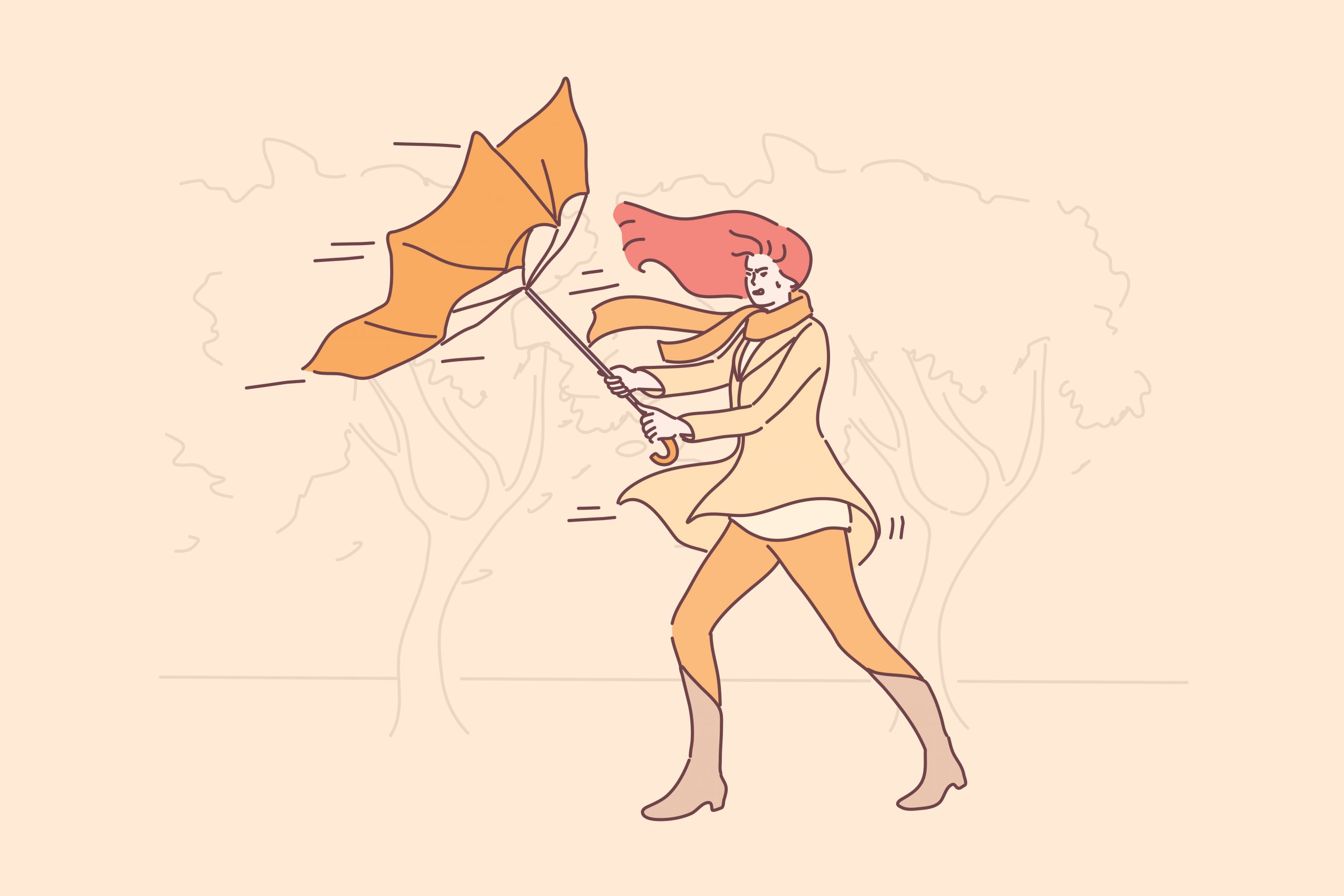
    I live in the windiest city in the world—Wellington, New Zealand. Perched between the North and South Island, this colorful little city gets hammered by wind. The winds from the south bring cold, and the winds from the northwest seem to blow forever. My body is regularly under assault. But amid all that blustering lies the answer to one of life’s great questions: How do we feel at home in the wind? Or better phrased, how do we live with the hard things that blow our way?

    This research can shed some light.

    The Biosphere 2 was a scientific experiment in the Arizona desert conducted in the eighties and nineties. A vast (and I mean massive) glass dome housed flora and fauna in a perfectly controlled environment. It held all of nature: trees, wetlands, deserts, rainforests. Animals, plants and people co-existed in what scientists thought was the perfect, optimal environment for life—purified air, purified water, healthy soil, filtered light.

    Everything thrived for a while.

    But after some time, the trees began to topple over. When the trees reached a certain height, they fell to the ground.

    This baffled the scientists at first. That is until they realized that their perfect environment had no wind, no stormy torrential weather. The trees had no resistance. The trees had no adversity.

    The scientists concluded that wind was needed to strengthen the trees’ roots, which in turn supported growth. The wind was the missing element—an essential component in the creation of tall, solid, and mighty trees.

    What can this science experiment teach us about real life?

    Everything.

    A life without storms is like the Biosphere 2. Sure, it sounds idyllic. But that’s just a perception. And I fell for it hook, line, and sinker.

    I thought a perfect life would make me happy. And it did, for a while. Good job, great husband, lovely home. But I knew deep down that something was missing. I always had a sense that life was incomplete. I longed for something; I just didn’t know what. It baffled me, just like it baffled the scientists.

    Without knowing it, I, too, had placed a biosphere around my heart. If any pain, any resistance, blew my way, my biosphere stopped it from penetrating. That is until I was diagnosed with blood cancer, and things began to crack. 

    Sitting in the office of a psychotherapist a few months after my diagnosis, nervously hunched and with hands under my thighs, I simply said, “I am really scared about my cancer.”

    That moment that I assumed was weakness turned out to be the exact moment my biosphere, my armor, began to crack.

    My diagnosis, my adversity, was nothing more than an opportunity to step outside of comfort and tell someone I’m scared. It jolted me enough to put me on an unexpected path of inner enquiry.

    Was it scary to open up? Hell yes! I wanted to stay in the biosphere. I really did. I kept searching for comfort within it, but I was unsatiated, and the wind crept in anyway and just grew stronger: I lost someone I loved to cancer, a close friend backstabbed me, my postpartum body broke, more wind, more pain, all while dripping in very small children. Just like those felled trees, I, too, toppled to the ground.

    When I could no longer withhold the wind, when I had to step out of the comfort of my biosphere and talk about my fears and look at my darkness, only then did I grow tall enough to find what I was looking for: I was longing to know the fullness of myself.

    I knew my old habits of perfecting and controlling life to avoid pain, numbing pain, or distracting myself from pain no longer worked. Those strategies did not lead me to the thing I wanted most: completeness. I had to go through the pain. Sit in it. Let it wash over and into me. I had to feel what it’s like to have cancer, be lonely, get hurt, lose someone I love, have a broken body. Only by going through it did I realize I could transcend it.

    Liberation was on the other side of pain. It existed outside of my biosphere. One therapy session at a time, one book at a time, one podcast at a time, one meditation at a time, one hard conversation at a time, slowly, things began to crack. Inch by vulnerable inch, eventually (like, years later), my biosphere crumbled to the ground.

    Brené Brown calls life outside the biosphere “living in the arena.” She said, “When we spend our lives waiting until we’re perfect or bulletproof before we walk into the arena, we ultimately sacrifice relationships and opportunities that may not be recoverable.”

    She also said, “I want to be in the arena. I want to be brave with my life. And when we make the choice to dare greatly, we sign up to get our asses kicked. We can choose courage or we can choose comfort, but we can’t have both. Not at the same time.”

    The courage to be vulnerable is the springboard out of the biosphere.

    If you’re in adversity right now—in lockdown, or the doctor’s office, or separated from a loved one— perhaps your biosphere, too, can no longer protect you from pain. COVID-19 has cracked open our collective armor and shown us how little control we have. It’s hard. It’s painful. But it is also an opportunity. When the outside world is crumbling, the only way is inward.

    When I look back, I see that pain or resistance only ever asked one thing of me—to look at it. It was a nudge (or a shove in my case) to look inward, get vulnerable, talk about my feelings, unpack my darkness, cry, unearth, read, listen, meditate, move forward in my awareness, expand my consciousness.

    And with time, I grew beyond the safety of the biosphere to a height that was inconceivable while I was in it. Without the wind, I would never have seen the height I could reach.   

    This process of unearthing all my fears and darkness eventually lead to a place of power. Now I have the awareness and power to choose when to act from fear and when to ignore it. The wind no longer rules me. I am at home in it—figuratively and literally.

    Living in the middle of Middle Earth has proven one thing: the wind is constant. We can’t avoid hardship any more than we can avoid day turning into night. The hard things in our life will keep on coming—more lockdowns, more sickness, more hurt—and the only way to be at home in the wind is not to fight it, to learn to live with it.

    We have a saying here in Wellington: You can’t beat Wellington on a good day. It’s true. When the sun is shining, Wellington is the most glorious city on earth. The wind has blown away the cobwebs, and majesty remains. The craggy coastlines glitter and the city’s heartbeat thumps and vibrates and enters the hearts of all who live here. On these days, the thrashing wind is forgiven, and we fall in love with our city again. And again. And again.

    Without the wind, there’d be nothing to forgive. There’d be no falling in love process. Life would exist on a flatline. Yes, there would be no gale. But we’d also miss out on awe. Life is both wind and sun, pain and beauty. By staying in the biosphere, we risk missing the magic that sits outside of it.

    I’m so glad I took that first vulnerable leap of faith all those years ago. Life outside the biosphere isn’t scary like I imagined. I didn’t remain on the ground like a rotting felled tree. I grew.

    I grew to a place where the air is clearer. I can breathe. Frustration or hurt or pain isn’t held onto for any sustained length of time. The waves of emotions come in, then go out. I observe it all without a sense of lasting entanglement. Fear is in the backseat. Pain is softened. Beauty is heightened. Love is everywhere, even in the wind.

    Deepak Chopra said, “The best way to get rid of the pain is to feel the pain. And when you feel the pain and go beyond it, you’ll see there’s a very intense love that is wanting to awaken itself.”

    That’s what is waiting for you outside the biosphere.
  • My Cat Had Cancer and Taught Me How to Cope with Illness

    My Cat Had Cancer and Taught Me How to Cope with Illness

    “A cat purring on your lap is more healing than any drug in the world, as the vibrations you are receiving are of pure love and contentment.” ~St. Francis of Assisi

    We all know what it is like to be sick. At some point in our lives we get the flu or a bad cold, but we know the course—get lots of rest and before you know it you are as good as new. But for some of us, we live with chronic illness.

    Chronic illness brings with it day-to-day symptoms, the ones you cannot get away from. Coping with chronic illness is really tough.

    You wonder if you will ever get well, grieve the things you used to do or want to do but can’t, stress about how to maintain employment, and feel invisible to those who don’t know what it is like to be sick.

    Autoimmune illnesses affect 50 million people in the United States and includes over 100 illnesses (aarda.org). I have an autoimmune disease—Crohn’s disease. It is a chronic inflammatory bowel disease.

    Crohn’s disease has many symptoms, which fluctuate day-to-day, and like all autoimmune diseases has remissions and relapses. I don’t know when I wake up if I am going to have a good day or a really bad day.

    Some days it is overwhelming, but others I feel supported and hopeful that I will get better.

    When my twenty-year-old cat Yochabel was diagnosed with bladder cancer, now two of us in the same home suffered with a chronic condition. As we faced our health challenges together, something remarkable happened.

    She became a mirror of myself. I thought I was coping, but she challenged my current perceptions of illness. I had room for improvement as Yochabel, my dear cat companion, offered me lessons for coping.

    Obviously, I didn’t have feline bladder cancer, but her condition, similar to my own, was chronic, and unpredictable. Similarly, treatment direction was unclear and despite seeing diverse specialists, opinions were confusing and conflicting.

    Whether it is cancer, autoimmune disease, or another illness, there are common themes among them. I think of illness as painful, uncomfortable, disorienting, stressful, frustrating, and even depressing from time to time.

    But to my surprise, Yochabel introduced me to a positive aspect of illness. Illness brought irreplaceable gifts to both our lives, one of which is gratitude.

    Notice and Appreciate the Small Things in Life

    When we know our time is limited with those we love, suddenly our perspective shifts. Instead of focusing on what we don’t have, we focus on what we have. Each day Yochabel was physically able to walk to her litter box I was grateful.

    First thing in the morning, I ran into the room where she was sleeping, and when I saw her big beautiful green eyes wide open and heard her purring, I felt gratitude. I noticed that while I was able to appreciate these things in Yochabel, I couldn’t in myself.

    My body, just like hers, was giving me many moments to be grateful for. Despite living with Crohn’s disease for decades, my body gifted me with the ability to walk to see Yochabel, the senses to see and hear her, and a heart that filled with love when I thought of her.

    My body gave me life—a life that I could make the most of because it was my choice regardless of illness.

    Being Present: One Step, One Moment at a Time

    Throughout the ups and downs of adjusting to the bladder cancer, I noticed the stark contrast between Yochabel’s responses and my own. I wanted the answers to be clear and results from treatment immediate. I was impatient and outwardly frustrated.

    Meanwhile, Yochabel’s life was consumed with frequent trips to her litter box. Back and forth each morning I watched her squat to urinate, return to her bed, and start the process all over again. Her pacing made me anxious and angry.

    I asked myself again and again why is this happening to her? She didn’t deserve it.

    I watched her take one step at a time, as though each trek to the litter box was a new one. I, on the other hand, accumulated her sufferings, each trek to the litter box being “stacked” on top of the prior ones as I angrily said, “Here we go again!”

    Meanwhile she was calm and present in each step.

    I wondered how does she do it?

    Then I concluded, it was truly about being in the moment—taking one symptom at a time. The more we accumulate and stack symptoms, the harder it is to cope. One symptom at a time is more manageable.

    I wondered if I could handle my symptoms one at a time.

    It is almost as if she knew this was a process that her body had to unfold in its own time.

    As I watched her presence and approach to a very annoying constellation of symptoms, I realized how much energy I expel trying to rush healing, obtain immediate answers, and get to the end of treatment. This negative response steals energy away from my healing in the form of stress.

    Stress doesn’t help healing, it makes it worse. It was a major difference: Yochabel seemed to manage stress much better than I do.

    It is All About Perception—We Are What We Think

    One side effect of bladder cancer is bleeding. Despite my knowing this can be a common symptom of cancer, my perception of blood is “scary,” and painful.

    In fact, it causes me to freak out!

    Yochabel didn’t perceive blood as alarming. Therefore, every time she urinated blood, while I panicked, Yochabel remained present and calm until my nerves and actions alarmed her.

    To my amazement, even while bleeding, she still purred and sought my companionship and meals.

    I wondered if I could be this calm as my body did strange things; it would certainly be useful.

    It was all about my perceptions.

    Joy and Illness Can Coexist

    The most perplexing to me was Yochabel’s ability to show a joy and zest for life despite what I perceived as uncomfortable—cancer.

    While bleeding, urgently urinating, and dealing with her own lifestyle changes she was upbeat, kind, patient, and obviously joyful.

    I couldn’t think of a day in my life where I exuded outward or inward joy while in a Crohn’s flare. Not to mention, I was irritable towards those around me when I was suffering.

    Yochabel, staying in the moment, never allowed her illness to displace her joy or relationship with me.

    She was always kind and full of gratitude.

    Pet Companions Help Us Heal

    Living with chronic illness inspires me to continue developing and refining what my body and mind need to heal.

    Through the years I have explored many approaches for healing Crohn’s disease and strengthening my immune system.

    I tried physical interventions: diet, routine blood work, and taking vitamins and supplements and emotional interventions: seeing a licensed mental health therapist and addressing the impact of childhood trauma and stress on my health.

    These were all effective in their own ways, but sometimes healing can be simpler than we think.

    Our pet companions are critical assets to our healing.

    Not only do they provide us unconditional love and support, but they are some of our greatest teachers. In the presence of a pet companion, there is no such thing as invisible illness.

    They see us for who we really are and their wisdom and intuition is something all humans can benefit from.

    Hold on to the Gifts in Front of You

    Illness is life changing for caretakers and patients.

    However, the greatest lesson I learned from Yochabel is that some of the difficulty is of my own creation.

    Rushing the human body beyond its natural ability to heal is counterproductive, anger and frustration toward loved ones and oneself is damaging, negative perceptions create stress and confusion.

    Just because illness is present in our lives does not mean we have to surrender to it. We still have our joy, quality time with loved ones, ability to make decisions moment to moment, and hope that things can get better.

    While Yochabel had the cancer, I seemed to be the victim and the “sicker” of the two of us.

    Why?

    Because she didn’t let go of any of these gifts.

    Her focus was holding on to them moment by moment and when I do the same, I can cope much more easily.

    *You can read more about Yochabel’s wisdom, and her end-of-life story, here.

  • How to Love Yourself Through Cancer or Any Other Terrifying Diagnosis

    How to Love Yourself Through Cancer or Any Other Terrifying Diagnosis

    “If you want to see the sunshine, you have to weather the storm.” ~Frank Lane

    One minute your life is just humming along, and out of nowhere you’re hit with a devastating diagnosis. Cancer.

    Believe me, I know what it’s like to get the news you have cancer and to live with the trauma that follows, because I’m not only a licensed psychotherapist, I’ve been treated for both breast cancer and leukemia.

    I know how that diagnosis changes everything. I know how the world around you can still look the same, but suddenly you feel like a stranger in your own life.

    You have trouble getting up in the morning. You have trouble getting to sleep. When you finally get to sleep you’re jolted awake by nightmares. Or maybe you sleep all the time. You can’t eat, or you can’t stop eating.

    You’re drinking too much. You’re smoking too much. You’re terrified, exhausted, and have no idea how you’re going to get through the next few hours, let alone the days, or weeks ahead.

    When I was going through chemo for breast cancer, I read all the books about surviving cancer I could get my hands on. I talked to my oncologist and to other women going through the same thing, trying to find the way to “do cancer right.”

    I worried myself sick that I would get things wrong, until a friend said, “You know, everybody does things differently. Just find what works for you, and do that.” Those words changed everything for me.

    I realized there wasn’t “a right way” to do cancer. There was just the way that worked best for me.

    I believe it’s the same for you. No matter what kind of diagnosis you’re facing, it’s up to you to find what works for you and do that.

    To get you through those tough first days, I’m offering you some thoughts and techniques that worked for me. I hope some of them will work for you, too.

    Be Gentle With Yourself

    When you’re going through a tough time, you may not have the time or energy keep up your usual self-care routine. So, why not let the big things go and start looking for little things you can do instead?

    If you can’t get to the gym, go out for a ten-minute walk at lunch. If you don’t have time to cook a nutritious dinner, add a salad or vegetable to your take-out order.

    Instead of trying to check things off your to-do list, think of ways to make life easier for yourself. If you don’t have time to do something yourself, hire someone, or ask for help.

    Focus on what’s best for you, and that means speaking up for yourself. If you don’t have the time or energy to do something, say “no,” and don’t feel guilty about it.

    Find the Joy

    Be sure to do something you love every day, even if it’s just for a few minutes: sit on a beach, gaze at the stars, read a book, go for a walk, watch a funny You Tube video or TV show. Smile when you can and laugh as often as possible, because laughter connects you with the world in a way that eases anxiety and heals the heart.

    Affirm Courage, Love, and Safety

    What you say to yourself matters. And when you’re going through a tough time, positive self-talk can make a real difference in how you think and feel.

    When I was struggling to find even one positive thought, I found it really helpful to focus on powerful affirmations instead. So, if you find yourself spiraling downward into the depths of negativity, try the following process to break that cycle.

    Healing Affirmations

    Begin by saying your name out loud. Then remind yourself that you’re safe and secure in the moment. Let that feeling soak all the way in to your belly and your bones.

    Once you feel safe, affirm:

    “I have the spirit, will, and courage to meet any challenge ahead.”

    “I can handle anything, one step at a time.”

    “I am always surrounded and protected by light and love.”

    “I speak to myself with loving kindness. I treat myself with loving kindness. I care for myself with loving kindness.”

    “I am always moving in a positive direction toward a positive future.”

    “I am safe.”

    End by promising you will always treasure yourself and honor your beautiful spirit. Affirm courage, love, and safety.

    Nourish Yourself

    Experts recommend eating well, and eliminating sugary and processed foods, alcohol, and caffeine when you’re under stress.

    But maybe you’re having trouble eating anything at all. Or maybe you’re living on chicken noodle soup, pretzels, and chocolate doughnuts.

    Please, give yourself a break. When you’re going through a traumatic experience it’s no time to be following a strict diet or to beat yourself for not eating a balanced diet. Instead, focus on making healthy food choices when you can, and letting go of judgment when you can’t.

    If you find you’re having trouble eating, choose foods you can tolerate and enjoy smaller portions more often through the day.

    If you’re over eating, try eating fruits and vegetables first. Commit to eating only when you’re sitting down. Focus on eating more slowly.

    But if you’ve tried everything you can think of and are still struggling with food, please let your health care provider know what ‘s going on. They’re there to give you support and help in all aspects of your health care.

    Rest

    A good night’s sleep is an important part of healing your body, mind, and spirit, but if you’re struggling to get enough sleep there are a number of things you can do.

    Try going to bed an hour earlier each night. The extra time in bed can give your body some needed rest.

    Once you’re in bed, do your best to keep your focus off your troubles. Relive happy memories, or imagine yourself vacationing in a place where you can relax and enjoy.

    If you haven’t fallen asleep after twenty minutes, get up and do something calming. Write in your journal, do a crossword puzzle, or sip a cup of herbal tea.

    Finally, if you aren’t able to get enough sleep at night, take a nap during the day. Make it a non-negotiable part of your daily schedule. If time is an issue, try scheduling all your activities and responsibilities before lunch, leaving your afternoon for napping or resting.

    Seek Support

    It’s important not to go through this alone. And asking for help is a sign of strength and courage, not weakness.

    When things get rough, call a friend or a family member and ask for support and help.

    If you’re completely overwhelmed and don’t know where to turn, consider getting some professional help. Talking to a mental health provider can give you new insight, hope, and bring you peace.

    Finally, you may also want to consider working with a support group. There’s great power in knowing you’re not the only one suffering this kind of challenge. There are people who are in the same boat and know exactly how you feel.  They may be able to offer comfort and advice in the days ahead.

    Give

    Giving is another powerful way to connect with the people around you. It reminds you of the gifts you still have, and that you’re not the only one going through a tough time.

    There are lots of ways to lend a hand. Offer to drive a neighbor to a medical appointment. Walk the dogs at your local animal shelter. Write a check to your favorite charity or drop a few coins in the donation can as you pass by. Send a card or text to a friend to help them through the day.

    If you’d like to make a longer term commitment, volunteer at your local library, food bank, or senior center.

    And if you think you don’t have any energy or time or left to give, give a compliment. Share a smile or a kind word. You never know how that one small gift could change a life.

    Give Yourself a Healing Hug

    Hugging is a way to give yourself comfort and peace in the middle of any storm. Acupressure is a powerful way to bring ease to both body and spirit.

    I combine both techniques in what I call a healing hug, and highly recommend it to ease fear and panic that can be a part of these tough days.

    Begin by crossing your arms over your chest. There are two important acupressure points located in the soft tissue just under your collarbones called the “letting go” points.

    Chances are that by crossing your arms, your fingertips have landed on those “letting go” points. Take a moment and feel around until you find the spots, about two inches above your armpit crease and an inch inward.

    Once you’re found the points, pull your arms close around you in a comforting, self-hug, and gently massage those “letting go” points with your fingertips. Continue to breathe, noticing on each exhale how the tension and fear flow down your spine and out of your body.

    No matter how difficult or scary your diagnosis, treating yourself with love and kindness will make the journey through the those first tough days easier, and give you a head start on enjoying the sunshine waiting for you on the other side.

  • Why Cancer Was the Beginning of My Life, Not the End

    Why Cancer Was the Beginning of My Life, Not the End

    “It is health that is real wealth and not pieces of gold and silver.” ~Mahatma Gandhi

    Cancer.

    I’ll never forget the moment the words fell from my doctor’s mouth. In one fell swoop, the “perfect” persona that I’d spent thirty-plus years carefully constructing received what would ultimately become a fatal blow. Following that fateful day of demarcation, my life would never again be the same.

    But let me back up a bit.

    By the time I’d arrived at my early thirties, I was cloaked in all the trappings of outward success: a lucrative career in the high-paced, high-stress world of high-end commercial real estate; a swanky West L.A. apartment filled with pretty things and a closet full of designer clothes; and a perfect size-two body that I’d finally learned how to punish and deprive myself into maintaining.

    At that time, I was what I would now refer to as an expert in applying “Band-Aids.” Desperate to avoid confronting anything uncomfortable—whether in the realm of my body, mind, or emotions—I numbed myself with a creative array of distraction techniques.

    High-carb, sugary desserts were my go-to for suppressing painful feelings—and, soon after, toxic processed foods, diet pills, and eventually drugs became my go-to for managing the resulting weight gain.

    When work became too stressful, I’d buy yet another new outfit, round up my crew of girls, and throw back a few cocktails to drown out my day while rocking the dance floor late into the night.

    If I could hide the not-so-pretty painful stuff behind some slim fit designer jeans, a fresh highlight, and a smile, I thought, all would be a-okay. That I had no energy, got sick all the time, and generally felt like crap most of the time seemed acceptable, even normal.

    I had a collection of Band-Aids to mask those symptoms, too.

    A few weeks after I heard the c-word fall from the mouth of my doctor, I found myself staring up at a bright white light as the doctor cut an incision down the bridge of my nose.

    I felt nothing, but I knew in that moment that my life would never be the same.

    I just didn’t realize at the time how it was going to change. The significance of surgery on my face did not escape me.

    This was not on my ankle, but instead front and center where everyone would see it. My bangs were not going to hide this scar. Nothing could hide this outward reflection of my inner disconnect.

    The truth was there was no more hiding from anything. I knew my body was speaking to me at a whole new level. This was my wakeup call; it was time for the Band-Aids to come off.

    Wake Up!

    My body had finally captured my undivided attention, and I had questions: Why was this happening to me when I was so young? What was I doing wrong? How could I make sure this wouldn’t happen again?

    I had been worrying for so long about outer appearances that I had completely forgotten about my inner being. In an attempt to right my wrongs and heal my body, I started researching foods and other natural remedies to effect a deeper healing for all of the little ailments I’d been masking for years.

    I emptied out my freezer of all its frozen dinners and snacks, started eating whole foods, and began taking a few key supplements. In the beginning, these changes were no picnic; I had embarrassing gas, a rumbly tummy, extremely smelly armpits to the point that I had to get rid of all my shirts, and worse skin outbreaks than when I was a teen.

    But even though I felt utterly terrible, I was equally hopeful at the same time.

    It turns out that when I stopped applying Band-Aids that only concealed deeper imbalances, my body became free to heal and excrete all the physical toxins along with the toxic thoughts and emotions that I had been holding onto for decades.

    It was quite the experience.

    Think of a long-term smoker. While they are still smoking they may have only a small hacking cough, but once they quit, they will start coughing deeply all of the time. This is because once the exterior assault has ended, the body is actually able to start clearing out the damage and repairing tissue from years of daily abuse.

    That was me—the girl that had metaphorically just quit smoking and was now hacking up a lung in more ways that I care to admit. It was a heartbreaking, difficult, beautiful, painful, and everything in between.

    I bow at the feet of the human body. When I gave mine half a chance and a little support, it became a healing machine.

    I Am Awake!

    Changes started happening in my body. I began to have more energy. The detoxification became easier.

    My body felt better and the tinge of depression that I thought was just part of my personality began to fade and make way for a much more joyful existence. It was crazy how good it felt to actually feel good. But the thing I never expected when I started to heal my body is how much of my inner truth would fly up in my face.

    The voice of my inner truth became so darn loud that it pushed me right out of the type “A” designer life I had created and into one that was much more hippy-esque, loving, and accepting.

    I started to see life in new ways, I began to dislike things that I thought that I loved, and at times I barely recognized myself. Of course, this didn’t happen overnight, but it happened pretty quickly, and I knew that I could never go back to the self-punishing way of life that I had been living. Things had changed because I had changed from the inside out.

    In the ten years since c-a-n-c-e-r provided a catalyst for my own awakening, I have realized three powerful gifts that I received from this seemingly tragic experience.

    1. The truth heals.

    We human beings do a lot of crazy things so we don’t have to feel uncomfortable emotions or to run from ugly thoughts.

    We elude ourselves so we don’t have to admit that our relationship sucks, or we feel so painfully insecure that we need liquid courage to go out at night. We tell ourselves stories so we don’t have to face the deepest truths that lie under the surface, and yet those hidden truths are exactly how we heal.

    Cancer gave me the biggest opportunity in my life.

    It woke me up to deeper truths that I had been running from most of my life: Running from the pain of my parents’ divorce when I was ten years old, running from the twenty pounds I gained as a result of eating my feelings, running from the sadness of being a “bigger” girl, and never feeling good enough at anything even if I excelled at it.

    My overachieving size-two designer life was never going to fix these hurts of the past. You can’t run fast enough to escape the truth.

    It is always there whether you choose to acknowledge it and no matter how many Band-Aids you apply in an attempt to escape the inescapable.

    The running, the avoiding, the lying to myself had finally manifested as an illness, and it was going to kill me either literally, figuratively, or both. And I don’t know which one is worse, actually dying or just feeling dead inside. I am glad I never had to find out.

    2. Listen to the whispers of your soul.

    I never would have thought twice about the way I was eating, taking care of myself, or the way I was living my life until illness rattled my cage.

    It caused me to pay attention, to seek new learning and to evaluate my life.

    Sometimes we all need a wake up call. No one wants it to be a diagnosis, but I have come to realize that I had been given so many mini wake up calls, but I refused to listen.

    I was always catching colds and flus, but kept living on fast food and frozen yogurt. I continued my upward climb in a career that gave me anxiety and stressed me out to the point of not sleeping well and having chronic stomachaches. I was having pre-cancerous lesions burned off my legs and arms every time I visited the dermatologist, but I paid no attention, made no adjustments, asked no questions.

    My diagnosis had been building under the surface for years, quietly gaining momentum, and I ignored it all.

    I now know that it always works best to get the lesson at the point of a whisper, but for some of us we just don’t listen until our door gets kicked in. At least that was my experience and now, I have learned to get quiet.

    To listen early on and to make little adjustments as need be. To sense the subtleties, create the space for peace and quiet, and to live in a way that honors health.

    3. Build an authentic life.

    I knew deep down inside I was living a life that was not really reflective of who I was—or of who I was becoming. I knew it.

    I wouldn’t have admitted it, but I knew it.

    Occasionally, I would get these little whispers from my soul that I should make some changes, but my ego won out time and time again until I was diagnosed and I began to reset, re-evaluate, and reconnect to myself, to the true me.

    The person I was before I built this persona. To the little girl inside of me who just wanted to be loved and accepted.

    I found my way back to her and started to build a better life. One that actually felt good inside. It is never too late to discover who you really are, to continually seek to understand yourself better and allow yourself to evolve.

    You are always being supported to return home to you and live an authentic life.

    I have come to realize that we are all here to evolve, and every realization—even those that come about on the heels of illness, loss, or upheaval—is designed to support us in discovering and reclaiming more of our truth and getting used to owning it and expressing it.

    It takes courage. Oh boy, does it take courage.

    Life has its way of pulling you in all kinds of directions, but when you get quiet, when you connect to your soul, you know, you simply know, and all you have to do is muster up the courage to follow that knowing, one step at a time.

    And if you follow it, you will find the pot of gold at the end of the rainbow—or better yet, know that you are it.

    It turns out, the word cancer was not the end of my life; it was the beginning, a gateway to a higher way of living that I may never have found, or even thought to look for, otherwise.

    It was a soul whisper that became loud enough to command my attention, and, as soul whispers always do, it led me right to the perfect place.

    While it was impossible ten years ago to fathom all the ways I would evolve and expand, or the many insights that would open up along the way as my body healed, I now see that this entire experience lead me to a truth—a truth that is so powerful, it heals all.

    When we are willing to listen, illness can be our greatest teacher.

  • 5 Ways I’ve Lived Life More Fully Since My Cancer Scare

    5 Ways I’ve Lived Life More Fully Since My Cancer Scare

    Couple on a mountain

    “There are only two ways to live your life. One is as though nothing is a miracle. The other is as though everything is a miracle.” ~Albert Einstein

    A few months ago, I had my first mammogram. I have two first cousins who died of breast cancer very young, as well as an aunt that recently passed away from the disease, so I started my mammograms a bit earlier than most.

    This mammogram was quite routine, except that a few days later they asked me to come back for another one, as well as an ultrasound. This second visit was more like those shows or movies when you feel someone is about to get very bad news.

    People kept staring at the screen with very serious looks but ignoring me. They called in more people, who also stared at the screen and scrunched their foreheads. Then the doctor came, and stayed for about an hour, looking at the screen and not telling me anything. After about three hours, I was told to come back for a biopsy.

    The biopsy went quite smoothly, and I was told that the results would be ready in about ten days.

    For these ten days, I was mostly sure that it would all be fine, but a part of me felt that perhaps the long life I always assumed I would have could be cut short. Rather than stressing about it, I began to live as if I could die, very very soon.

    Here are the things I started doing. Now that I gratefully found out that I am cancer-free, I continue to live this way and it has greatly enhanced my quality of life:

    1. Each morning in bed when I first wake up, I take a moment to notice I’m alive.

    I take a breath in and feel what is true for me in that moment. Even if I feel heavy, dark, tired, or afraid, I let myself feel that. Then I bring some love and compassion to whatever state I’m in. I feel my body, my breath, and feel a sense of gratitude for just being here, awake, alive.

    Next, I envision the day ahead. From the outset, I acknowledge that all the things I wish to do may not get done. I allow room for imperfection.

    Lastly, I bring to mind my highest aspiration, to be a calm and peaceful presence, to be of service to others as best I can, to live as best as I am able. Then I get out of bed.

    The lesson: Remember that many people went to sleep last night and did not wake up this morning. Today is a gift. Recognizing that each morning gives you a powerful start to the day.

    2. I prepare myself for the day as if it was a special occasion.

    Before my cancer scare, I used to save my best dresses for parties or holidays. I wore makeup only once in a while. My regular workdays were a matter of pulling on my most comfortable sweater, putting my hair up, and getting out the door.

    These days, I wear my best outfits all the time. I invested in some makeup that makes me feel beautiful, and I take the extra five minutes each morning to put it on.

    By the time I walk out the door, I feel as if I’m ready to take the world on by storm, welcoming and honoring the day as the profound miracle that it truly is, and each task as an opportunity to bring my best self forward.

    The lesson: Imagine you were going to star in a movie today. How would you get ready for the day? Don’t forget that each day, you star in the movie of your life. Make it count!

    3. I fully embody today instead of living as if there is some better place ahead I have to get to.

    I used to think that what I was doing in any given moment was okay, but there would be a time when it would be just a bit better. Eventually, I’d take on some promotion at work, get in a groove with my business, and really feel that I had made it and my life had some sort of order and permanence to it.

    My cancer scare showed me that this time never comes. We have this fantasy of thinking life is about to get started, and then it ends, just like that. The only time we can get started living is in this moment.

    I no longer wait for a better time to become more engaged in my work, more loving to my family and friends, more committed to my mindfulness practice. I do it all now, as best I can.

    It will never feel orderly or permanent, and I will make many mistakes along the way. But I no longer hold back. A better time will never come, so I choose to jump in 100% today.

    The lesson: Are you waiting to reach a particular goal or milestone in order to really start living? What would happen if today, you started living as if you had already gotten there? Ultimately, what we are searching for is the feeling of living our purpose, and we can choose to do this every single day.

    4. I think of what I would like people to say about me when I am gone, and live this way.

    Sometimes, I look at people who have something “more” than me and wish I had it—a higher position, a better yoga practice, more friends, a relaxed way about them.

    While very easily noticing someone who has more than us can make us feel inadequate, in other ways, it can help us define who we want to be today.

    Each day, when I contemplate my highest aspiration, I ask myself, what qualities do I want people to remember me by? I think of the people I admire most, and notice that it is not necessarily the highest ranked or the most flexible.

    It’s the openness, the kindness, the presence, the joy in being together that I remember. So I find these qualities in myself, and let them shine. As best as I am able.

    The lesson: Think about the qualities that you most admire in your best friend, a mentor, guide, or teacher. Can you allow these same qualities to shine within you? We all have within ourselves the potential for greatness. Don’t be afraid to let your own light shine.

    5. I take opportunities to notice nature throughout the day.

    My highly active mind often leads to me getting somewhere without actually knowing how I got there. I get stuck in planning, organizing, analyzing in my head, and miss the beauty that is present along the way.

    My yoga teacher Felicia recently challenged me to notice nature each time it is available. It may be only a small tree in a busy city corner, or a flower in the middle of a row of cubicles. Nature reminds us of the wonder of just being alive, without needing anything else at all.

    Now, I take more time to notice the buds in the trees, the squirrels running around, and the dogs that are so happy not to be freezing anymore. They bring a smile to my face and reconnect me with my inherent sense of aliveness and wellbeing.

    The lesson: Today, on your walk home from work, take a moment to notice nature. Even if it’s a small tree or the clouds in the sky, focus on this. When your mind wanders to something that happened earlier, or what you will do next, kindly but firmly bring it back to nature. Can you feel how you too are part of this miracle of life?

    My short encounter with my own mortality reminded me that there is beauty in the ordinary. A life well lived is not necessarily full of glory and admiration, but one of clear intention and authenticity.

    Being true to myself and bringing kindness to each moment as best I can empowers me to know that when my last day does come, I will have truly lived.

  • 6 Lessons from a Cancer Survivor to Help You Get Through Anything

    6 Lessons from a Cancer Survivor to Help You Get Through Anything

    “Oh, my friend, it’s not what they take away from you that counts—it’s what you do with what you have left.” ~Hubert Humphrey

    Last year I was diagnosed with breast cancer three weeks after my wedding, at twenty-seven years old. After months of grueling chemotherapy treatments, I am now recovering from surgery and can look back with tremendous appreciation at what my body has accomplished.

    One question I get, after the gasps and looks of incredulity have faded, is how I got through it all.

    Now, for a long time, my toughest challenges in life were those brought on by my own anxiety and societal expectations.

    Driving home in bumper to bumper traffic, growling and snarling all the way while turning up the music on my radio, hoping to blast out the perceived injuries to my life: clients with severe meltdowns, working long into the night, a crippling fear that I was somehow not good enough at my job despite being awarded employee of the month. I didn’t like my life much.

    I suspect you may be a lot like me. Drained, stressed, overworked, underpaid, dreaming of breaking the cycle but sighing in the knowledge that life simply isn’t that simple. Angry that you have been sold on the possibility of happily ever after and betrayed by the realization that, despite knowing better, you bought it.

    Here’s a fact, though: You can get through anything. No, really, you can.

    I could go on and list the obstacles, side effects, financial losses, relationship struggles, and hundreds of other daily realities of being a young cancer patient in America. But I won’t. Because my struggle is not actually bigger than yours.

    No, really.

    We need to stop pretending that others are not struggling. Everyone is struggling in some way or another. Let me repeat that—everyone is struggling.

    Here are the lessons that got me through my struggle:

    1. Now is the perfect time to finally let go.

    The trials of your past may not seem to haunt you until you are actually faced with your mortality.

    But when you recognize that you might die tomorrow, you may find yourself reviewing your life. And believe me, even after years of my own personal therapy, there were skeletons in those closets that deserved my recognition, respect, and final burial.

    For example, I acknowledged the damage inflicted by my first boyfriend. His emotional detachment and choice to use me as the scapegoat for any and all ills in the relationship echoed deeply, creating a subconscious love of self-reliance that bordered on obsessive.

    While I had presumed I had mended all issues relating to my inability to trust, cancer taught me otherwise.

    When you are unbearably sick, you must rely on others—your choice in the matter quickly succumbs to need. You need others to help get through the day, and suddenly I had to trust that my partner, friends, and family would be there for me, and would not resent me as a burden.

    As I cried, cursed, and flailed my way through bout after bout of debilitating nausea, hair loss, and weight gain, my husband remained steadfast in his care.

    When I realized he had seen me at my most vulnerable, depressed, and physically destroyed—and had no intention of leaving—my heart cracked open. I finally saw that my ex-boyfriend’s curse had been holding me captive for years, and was horrified by how much power I had given to his memory.

    Your past can and does affect you in ways that you might find embarrassing, upsetting, or difficult to discuss. And while there is a brief discomfort in admitting to these feelings, I guarantee the emotional freedom gained is invaluable.

    One tip for letting go of something for good: Honor your emotional breakthroughs with ritual.

    In my case, I drew a bath, added flowers and essential oil to mark the occasion, then, with a washcloth, I slowly cleansed myself of any shame, anger, or sadness regarding my ex.

    I imagined the memories, and with each one breathed deeply until I could see the moment from a place of empathy. Then I unplugged the drain and imagined all the hurt and connection to this person flowing down and out, neutralizing in the earth.

    2. Your dreams are more important than you think.

    I had always wanted to be a writer before cancer, and only because of my diagnosis did I actually sit down and start typing again.

    I realized suddenly how sad it would be if I had spent my entire life wanting something, but due to my own fears or presumption that I could do it later, never showed the world my true colors.

    I remember holding my breath, hovering over the “publish” button on the website that would now host my blog, and only after the diagnosis taking that leap of faith.

    We often do not pursue our dreams out of fear—fear that we will not make money, fear of judgment or ridicule, fear of failure. But in doing so, we allow those untapped dreams to fester into feelings of inadequacy, anxiety, anger, or disappointment.

    What helped me break free was asking myself, if I were to die tomorrow, what would I regret not having done with my life?

    Imagine it. See yourself on your deathbed with fluttering eyelids, knowing that they may not open again. Or envision yourself as a ghost looking back on this moment. Would you be happy with what you saw? What would you like to see in your life instead?

    Remember this anytime you are on the brink of moving forward with a dream, whether it is finally purchasing a set of paints and canvas, or stepping onto a stage, or fiddling with the strings of an old guitar: How would your ghost feel if you turned away at the last moment and spent the day watching TV instead?

    3. You are your true judge.

    Isolated due to my condition, my self-esteem took a nosedive. I realized slowly that my former self-confidence came from external praise or experiences, not my own internal beliefs.

    It took a lot of work, but one day in the middle of a meditation, I looked around and realized no one was there.

    Then I shouted, “No one gives a damn what I’m doing right now, except me!”

    I shouted it again. And again. I laughed from deep within and finally understood: Who cares what others think? I could meditate however I wanted—do the Macarena, recite Humpty Dumpty—and no one would care.

    Why could this not translate to every other day in my life? Of course, there are practical reasons for not streaking though your office party, but I believe this desire pales in comparison to the measures we all take to prevent being judged.

    We act as if we are being watched so thoroughly that we second-guess everything, from the clothes we wear, to the food we eat, even down to the friends or partners we choose.

    Who would you be if you lived every day in isolation? Are you happy with yourself, inside and out, when sitting alone in a dark room? Who would you want to be if no one was there to judge you?

    At the end of our lives, it is only you who has been through it all. You are the one that needs to be happy with yourself, not others, because they haven’t witnessed all the evidence that comes through actually being you.

    Do yourself a favor: Spend some time alone with yourself every day to get in touch with who you are, without all the fear of judgment.

    4. Do not wait to release your anger.

    One of the major challenges I experienced through treatment was an incredible, incendiary anger.

    I was angry at having cancer so young; I couldn’t understand why I deserved it. I often cursed at the imagined causes of my illness—God, pesticides, the chemicals in literally everything, a distinct lack of kale growing up.

    So, what was the fact that I had rebelled against my entire life, the thought that had caused me so much anger? That life is unfair. We live in a world of unmet expectations, and no matter how tremendous of a person you are, bad things may still happen to you. And no, there is nothing you can do about it.

    You may have a hundred reasons for why you feel angry, but there is only one reason to let it go: You will find freedom. I had to work incredibly hard—meditate, write, shout, cry, and talk to a therapist—but I can say that with each recognition of anger, I felt myself lighten and grow happier.

    5. Be completely, honestly, and openly yourself.

    One of the reasons behind my anger was that I had spent a great portion of my existence trying to mask everything unique and interesting about me. I was afraid that if I did not fit the mold, I would not be valued. Then I might never be hired, or succeed in life, or be loved.

    This is a lie. It is a horrible, incorrigible lie we tell ourselves, and I am here to state that it is has never been true. You can be loved, just the way you are.

    After my diagnosis, I came out as a pagan to my family and friends. I had always been terrified of doing so, for fear of persecution or rejection, and because the negative myths surrounding my faith are plentiful. I prepared for a backlash. And found none.

    I can now speak freely and openly about my beliefs with all of my family and in-laws. I have even been open with previous colleagues and found nothing but support or curiosity.

    This is just one example, but I guarantee, you can actually be you. Because, while you may not always find immediate support, those who reject you will fall away and leave room for those who will adore you. Because you deserve to be loved, just the way you are, each and every day.

    But the first person who needs to do that is you.

    6. Actually love yourself.

    I found myself in awe of what my body could survive while going through chemotherapy. I was on the brink of death, walking as if on a fine-toothed comb, bracing myself for any possibility. But I survived, and I suddenly fell in love with my body as never before.

    I used to lament every curve, every cell of fat out of place, every remotely visible wrinkle drawing new lines on my face. Now I see strength, I see scars of survival, I see power. I am like a battled-hardened jaguar: ferocious, proud, and unafraid.

    I love myself. I am unique, different, talented, and I am the only one who can see the world through my eyes. And so are you. Everyone struggles, everyone has faced a battle, everyone has had at least one day in their lives where they questioned if they wished to see the next.

    But you truly are so much stronger, so much more deserving of love than you think. And while I know I will have to work hard to keep this excellent relationship with myself going, I now have a little song I sing to myself whenever I feel bad.

    Feel free to sing it to any melody you life, and use anytime you feel a lack in self-love.

    I am in love with my soul, just the way I am.

    I am in love with my heart, just the way I am.

    I am in love with my form, just the way I am.

    I am in love with myself, just the way I am.

    Just the way I am.

    You do not need to have had cancer to make these changes in your life. In fact, I beg you, do not wait until disaster strikes to pursue your dreams. Life-threatening circumstances should not be the permission you need to finally turn things around.

    You are your judge, you are worthy of love, you have every right to be yourself, and you deserve to be happy and pursue your greatest desires.

    I cannot promise you a happily ever after—no one can. But I can tell you that as long as you are alive, you have far more power than you think, for you are not a ghost; don’t live your life as one.

  • 5 Lessons on Living Life Fully from a Breast Cancer Survivor

    5 Lessons on Living Life Fully from a Breast Cancer Survivor

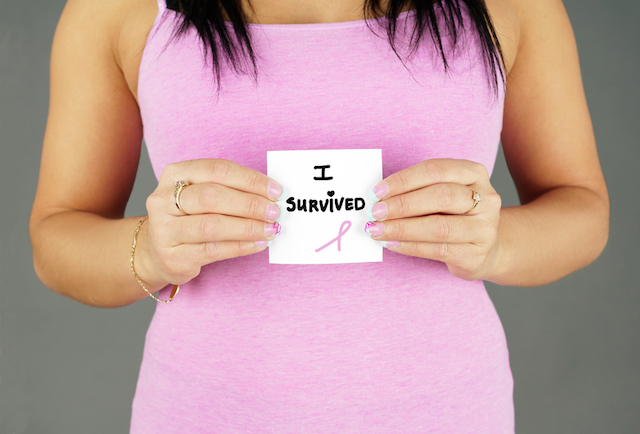
    I Survived

    “We all have two lives. The second one begins when we realize we only have one.” ~Confucius

    When I was diagnosed with stage 2 breast cancer in September 2014 I tried to spin this life curveball on its ugly head and find some lessons from this journey.

    That’s how I dealt with the blow.

    The truth is, I didn’t want people to feel sorry for me. I never wanted to be a victim.

    I wanted to be a survivor from day dot.

    Throughout this process I learned five powerful lessons that I’d like to share with you so that you can live life more fully—without a cancer diagnosis.

    The reality: Cancer changed my appearance.

    The treatment for cancer took away my hair, my eyebrows and eyelashes, and my breasts. All the lovely feminine assets I had were tampered with or lost temporarily.

    The lesson: Love goes beyond looks.

    The people who matter love me no matter how I look. One day when I was heading toward the end of my chemotherapy, my five-year-old boy found a picture of me with all my hair and eyebrows and said, “We love you however you look, Mummy.” That makes me feel blessed beyond belief.

    You’re likely blessed in the same way, and that’s something worth acknowledging and celebrating.

    The reality: Chemotherapy is horrible.

    It saves our lives but the process is yuck. I experienced all sorts of symptoms that were pretty uncomfortable. I almost got used to them as time passed by, yet I had to keep going back for more. For five months.

    The lesson: Don’t take health and energy for granted.

    To get up in the morning and feel healthy, comfortable, and full of energy is a beautiful thing. To feel normal is extraordinary. I will never take my health for granted again. I will never again consider normal days, when nothing exciting happens, mundane or time to kill a chore.

    Each morning when you wake up, even if that day seems ordinary, take a moment to appreciate the extraordinary gifts of your health and vitality.

    The reality: Life is short.

    When I was diagnosed with cancer there was a short amount of time while waiting for the test results when there was a possibility my life would come to an end a lot quicker than I thought. My mortality smacked me in the face.

    The lesson: Life is precious.

    Somehow it’s taboo, and I was a little in denial that my life is short and a tremendous gift. Awareness of my mortality gave me a big kick up the bum to live my life fully.

    Every day is a gift.

    The reality: I experienced fear and anxiety like never before.

    As I went through the cancer journey, my mind could easily have been consumed with worry about what the future holds and thoughts about the past—Why me? What did I do to deserve this? I could potentially be filled with a lot of fear and anxiety.

    The lesson: Love always conquers fear.

    I had never experienced such a feeling of presence. I felt so utterly aware of what matters and how much I have to be grateful for.

    When something like this happens all the petty stuff that fills our lives and relationships falls away, and all that is left is love.

    I have never felt fear in the same way that I have in the past few weeks, but the love I have received from friends and family has stepped up to meet me, and my fear has dissolved instantly.

    Whenever fear comes to meet you in life, try to flip it around and find love. Consider all that you love and everyone who loves you. Like me, you may find fear dissipates immediately.

    The reality: I had to create a lot of change in my life.

    As a mother of two small kids, I am so used to putting myself last and forgetting to look after my needs.

    After my diagnosis, I took myself on a journey of healing, immersed myself in creative projects, meditation, kinesiology, sound healing, distant healings, chakra cleansing, Ayurvedic lifestyle changes and supplements, journaling, and getting back to basics with my relationship with food. 

    The lesson: Everything starts with you.

    I really made myself a priority—because I had to. I had to give myself love. I had to nurture myself. In doing so, I realized how important it is. For me and for everyone around me. The ripple effect it has had on my kids, my family, and friends has been profound.

    Everything starts with your relationship with yourself. Accept, love, and be kind to yourself always.

    In some bizarre ways I feel almost grateful to have been through this experience. Somehow it has shown me to step past fear and be invincible. So I hope I can share this with you, in some way, and give you an element of this perspective.

    Your life is a miracle.

    Every birthday is a blessing and every moment is fleeting.

    I survived image via Shutterstock

  • Students Sing “I’m Gonna Love You Through It” to Teacher Diagnosed with Cancer

    Students Sing “I’m Gonna Love You Through It” to Teacher Diagnosed with Cancer

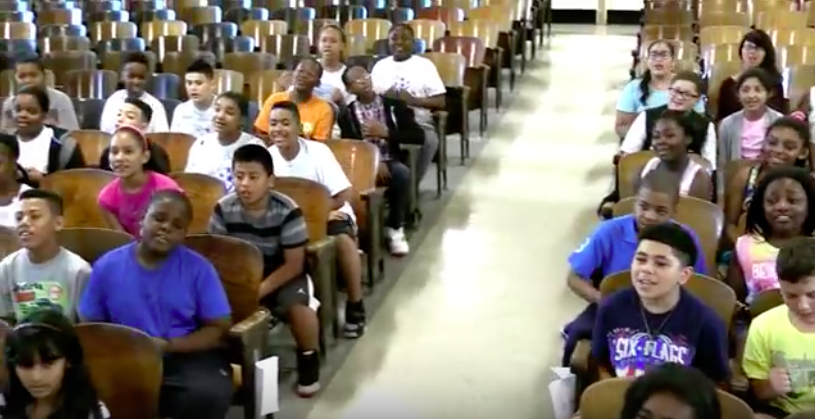
    When Adriana Lopez’s students serenaded her with the song I’m Gonna Love Through It, after she received a breast cancer diagnosis, they brought her to tears. And I can see why—they brought me to tears too!

  • Lessons from Almost Dying: How to Appreciate the Everyday Awesome

    Lessons from Almost Dying: How to Appreciate the Everyday Awesome

    “We’re so busy watching out for what’s just ahead of us that we don’t take time to enjoy where we are.” ~Bill Watterson

    “Rare as hell.” That’s how my doctor described my leukemia.

    The cancer had gotten real aggressive, real quick, and I’d need some heavy-duty chemo and a risky bone marrow transplant if I had any chance of surviving. How good a chance? “Forty to fifty percent,” said my doctor.

    Oof.

    As an otherwise healthy twenty-seven-year-old, cancer had been the furthest thing from my mind. Now, every waking thought was consumed by it. But I wasn’t ready to die. I decided to do whatever I could to beat the odds. It started with a list.

    One night during my initial stay at Princess Margaret Hospital in Toronto, I pulled out my journal.

    At the top of a new page I wrote the words “reasons to fight.” I then proceeded to write anything and everything that came to mind about what made life so awesome and so worth fighting for. Before I knew it, my list was 118 items long.

    Reviewing my hastily scrawled list, a number of things stood out. First, I was surprised how much food made the cut. The fact that “bagels with cream cheese” preceded “mom” should tell you something about how hungry and sick of hospital food I was when I wrote the list.

    Food bias aside, the people in my life certainly made a strong appearance—parents, brothers, sisters, friends, cousins, aunts, uncles. Finally, the list burst at the seams with life’s simple pleasures and experiential riches. Things like:

    • Gin and tonics (#40)
    • Hiking in the Fall (#19)
    • Tobogganing (#22)
    • Summer road trips (#81)
    • Building a fire (#35)
    • Slow-dancing (#46)
    • Writing (#66)
    • Beach sunsets (#77)
    • Skinny-dipping (#79)
    • Summer parties (#82)
    • Good conversation (#90)
    • The smell of campfires (#72)
    • Wedding receptions (#110)

    In our goal-oriented culture that places so much emphasis on reaching the next milestone, it was interesting to look back at my list.

    Lying on what could very well have been my deathbed, I wasn’t worried I’d miss out on getting a bigger house, fatter paycheck, or sexier job title. I wanted to live so I could continue to enjoy the little, everyday things with the people I loved.

    The Power of Being Present

    My near-death revelation call is hardly a new idea. For millennia, philosophers and world religions have been touting the virtues of living in the moment and appreciating the little things.

    In Buddhism, the Eightfold Path to achieving enlightenment includes Right Mindfulness: the practice of being completely present and paying full attention to the situation at hand.

    In 23 BC, the Greek poet Horace was penning Odes, famously reminding us to carpe diem—to seize the day and place no trust in the uncertainty of tomorrow.

    And in the 1800s, Henry David Thoreau strove to “live deep and suck out all the marrow of life” during his simple living experiment at Walden Pond. “You must live in the present,” he concluded, “launch yourself on every wave, find your eternity in each moment.”

    Even 900-year-old Yoda had strong feelings about living in the moment, chiding Luke for having his head in the clouds. “All his life has he looked away… to the future, to the horizon,” the Jedi Master scolded. “Never his mind on where he was. Hmm? What he was doing. Hmph.”

    That ancient wisdom is backed up with a growing body of modern research.

    In one study, researchers out of Harvard University developed an iPhone app to track the happiness levels of its participants at random intervals.

    The volunteers would reply with information about what they had just been focused on and how happy they felt. The results? People are at their happiest when they are living in the moment and focused on what they are doing.

    Other research shows that learning to savor small, positive moments can significantly increase your happiness.

    Similarly, studies show people who foster an “attitude of gratitude” for everyday activities are shown to sleep better, be in better physical health, and have lower stress levels.

    Mind Your Mibs

    Whether it’s daydreaming about the weekend, brooding about an argument you had last week, or burying your head in your smart phone, it’s easy to find ourselves in a million places other than the here and now.

    Furthermore, in our milestone-obsessed society, we tend to look to achievements down the road for fulfillment.

    I’ll be happy when I’m married… when I’m making 80k… when my I have a thousand followers on Twitter. We become so preoccupied with the destination that we lose sight of the journey, of the adventure in getting there.

    And don’t get me wrong: goals and milestones are important. They inspire us to be better, to try harder, to reach new heights.

    But as my list reminded me, as great as accomplishments are, there’s tremendous satisfaction to be found in the little Moments In Between—or “mibs” as I like to call them.

    Learning to embrace your mibs and live in the moment is an important way to find happiness on a daily basis.

    Easier said than done, of course, and I certainly still struggle with it. I even caught myself obsessing about edits I wanted to make to this article while I was out for a walk, instead of appreciating the fresh air and sunshine.

    But I’m trying. And with a little discipline, I think anyone can get better at minding their mibs. Here are a few suggestions:

    1. Enforce a no-phone rule.

    Sure, technology has the power to connect. But it’s also got a nasty habit of pulling us away from the moment. Commit to phone-free dinners and give your full attention to the people you’re with.

    2. Go for a “one-sense walk.”

    If you find yourself worrying about the million things you need to get done or obsessing about something in the past, lace up your sneakers and go for a walk. Choose a sense to focus on and start a mental inventory of everything you encounter.

    For example, you may choose “sight” and pay close attention to the colours of the houses or the different types of trees in your neighbourhood. Or you might choose to focus on the things you hear, like the birds chirping or the crunch of your footsteps.

    3. Make your own list.

    My reasons to fight list was a great reminder of all the simple, amazing things around me. Whether it’s making a list of your own, starting a gratitude journal, or getting into the habit of thinking about the little things you’re grateful for while you’re brushing your teeth, make time to regularly acknowledge life’s everyday awesome.

    4. Collect memories, not things.

    My list overflowed with life’s little adventures and amazing experiences. When opportunities arise to try something new, say yes. If it’s a choice between a new pair of designer jeans or a weekend camping trip by the lake, choose the lake.

    More than six years after writing my reasons to fight list, I’m thrilled to say I’m completely cancer-free. And while it was a gruelling journey, it was an enlightening one as well.

    It taught me to not pin my hopes for happiness on far-off or one-off accomplishments. It reminded me to live in the moment and helped me embrace the everyday awesome—whether it’s sunrises (#78 on my list), sandwiches (#99) or a freshly made bed (#50).

    In short, it taught me to mind my mibs.

  • You Have the Strength and Wisdom to Thrive Through Hard Times

    You Have the Strength and Wisdom to Thrive Through Hard Times

    Strong Woman

    “And in the end, it’s not the years in your life that count. It’s the life in your years.” ~Abraham Lincoln

    Nothing can ever really prepare you for a cancer diagnosis, but it can quickly turn your life into an unplanned story.

    Diagnosed at the age of twenty-eight with ocular melanoma, I was treated with surgery and proton beam therapy, and gratefully continued on with my life (though certainly a changed person).

    But every year I went for a MRI of my liver/abdomen because if ocular melanoma spreads, it most likely goes to the liver. And every year when I got a clean bill of health, I felt grateful.

    I didn’t live my life waiting for the other shoe to drop, though there had been other challenges along the way—being hit by a car and having shoulder surgery, struggling with infertility for years, and finally becoming pregnant only to have a miscarriage.

    For each of these challenging situations, I would cry and experience the heartbreak, but then ultimately dust myself off and get back into being an active participant in my own life.

    On August 27th 2013, I was diagnosed with Stage IV liver melanoma. After a misdiagnosis at one hospital I had switched care, and essentially spent almost two months in limbo about the state of my health.

    Now, being treated at one of the best facilities in the world and going through two rounds of treatment in the past year for an incurable cancer, I have quickly learned a thing or two about life, and how I want to live it.

    My hope is that by sharing how I approach a life-changing situation, it may empower you to think about your own health and happiness.

    Follow your heart and your gut.

    When you face a cancer diagnosis—or any life-altering crisis—it can seem like your internal GPS is off-kilter, or sometimes even broken altogether.

    What I’ve learned is to throw that map out the window: forget about where you think you’re “supposed” to go and listen to your heart (and your gut).

    You have the answers inside of yourself; you just need to find a quiet place where you can sit with your thoughts and breathe, gently blocking out the commotion of the outside world.

    Meditation can greatly help with this. All the direction that you really need is already within you, it’s just a matter of tuning into it and really paying attention. When you listen to your heart, you can never really be lost.

    Advocate for yourself.

    Listening to your gut comes especially in handy when dealing with a medical diagnosis or some other kind of life quandary. It’s important to gather all of the information, bring somebody with you, and get second and even third opinions.

    The first hospital that found lesions on my liver through a MRI dragged out the process of having it biopsied, telling me along the way that if it came back as cancer it would be Stage IV and “very hard to treat.” I was given few treatment options and even less information, which all led to a very scary few weeks.

    When the biopsy results finally came back, they were negative, but my gut was telling me that it would be still be smart to find out what these lesions could be. So, despite the fact that both my oncologist and my primary care doctor at the time said that I didn’t need to see a liver specialist, I decided to see one anyway.

    It’s because I advocated for myself and listened to my internal GPS that I was able to put together an amazing team and start treatment at a different hospital. My gut told me this was the place to be, and I’m glad that I listened.

    It is more than okay to want to be happy and healthy; it is your birthright. Gratitude swells for my doctors, who are amazing, and we need these medical professionals greatly to heal. However, it is still so incredibly important to get multiple opinions, ask questions, and speak up if something doesn’t feel right.

    Your health is in your hands, and nobody else’s. You’re not being difficult, you’re being smart.

    Make friends with your inner ally.

    I’ve also learned to listen to my gut much more when it comes to what is best for me. In the past I felt sucked in by what I thought I “should” be doing. A people-pleaser by nature, it was often very difficult for me to say “no” to things that I didn’t really want to be doing (and truth be told, it still can be).

    It took a cancer diagnosis for me to admit that what my life coach calls my “inner ally” had been right all along: it is more than okay to often times say “no,” create boundaries, and take better care of myself by reducing as much stress in my life as possible.

    Though there are still plenty of times when I have to do things that I don’t want to do, just like everybody, or I give of myself because I want to (and because there are so many in my life who deserve that), being “selfish” sometimes just feels like putting my health as a priority, and my gut (and heart) is a lot happier for it.

    I’ve also learned that, most of the time, people get over your “no” a lot faster than you would suspect, and you wind up feeling grateful that, instead of doing something that you didn’t really want to be doing, you took that time and devoted it to yourself.

    Tapping into your “inner ally” can be a powerful way to figure out what will truly make you happy and healthy.

    Pay attention to the dark days.

    There will be some, especially if you are being told that you’re facing a challenge like cancer.

    There are some days when I feel so angry and resentful of those around me who don’t have to worry about the things that those with cancer do: dying at a young age, leaving a spouse, and perhaps never being able to have children.

    These are real fears for me, and if I ignored them, I wouldn’t be giving myself permission to grieve for the life that I had before I was diagnosed.

    I try to allow myself to cry or feel angry when I need to, which then enables me to be able to move forward with my life with more authenticity.

    My positive outlook on life and on the situation is because I listen to what that inner voice is telling me, which is not to ignore the pain. It’s through the processing of this anguish that I can then recharge my batteries and gather the strength to do what needs to be done: continue on with my KBCP (Kick-Butt Cancer Plan).

    Tap into whatever is going on for you, and while it can be scary, you may actually feel lighter afterward.

    Journal, meditate, cry, get in touch with that anger in a way that feels like afterward, you can then release it and move forward. But don’t go it alone; see a therapist or lean on anybody in your life who you feel truly understands you, and will listen.

    Believe in yourself.

    When I was about sixteen years old I was diagnosed with a learning disability.

    I was attending a private school, and my parents were told by my math teacher at the time that I would never be able to pass her class, and therefore would never graduate from high school. So did I want to try and re-take the class with a different teacher, or did I want to transfer to the public high school and take an easier math class?

    I couldn’t stand the thought of somebody telling me that I couldn’t do something. So, when doctors insinuate that people with melanoma may not live past a certain age, I take it with a grain of salt and listen to my own inner strength, which tells me that they don’t really know what I’m capable of.

    And that math class? I re-took it, got a B, and not only graduated from high school, but from college and graduate school as well.

    Finding quiet times to tap into what direction my gut is guiding me toward has served me well, and what I love the most about my internal GPS is that it’s mine. Wherever I go, whatever happens, nobody can take that away from me.

    It is because of these life experiences that I now know that deep down inside of myself I have the strength and the wisdom to thrive. And you do too.

    Strong woman on mountain image via Shutterstock

  • Keep Hope Alive: How To Help Someone Who’s Struggling

    Keep Hope Alive: How To Help Someone Who’s Struggling

    “He who has health has hope and he who has hope has everything.” ~Proverb

    I write this today seemingly healthy.

    My doctors say I’m healthy. I feel healthy. I look healthy. But over the last six months this was not the case.

    In April of this year I was diagnosed with Stage 3 Melanoma. I am thirty-five years old. I am a wife and a mother to a four-year-old and six-year-old. I have my own business. I am busy. I did not have time for cancer.

    But cancer had time for me.

    I’ll never forget the day that I got the call letting me know that not only did I have this “Melanoma,” but it had spread to my lymph nodes as well. More surgery and an immunotherapy called “interferon” would be necessary, and the rate of return even after treatment? Thirty percent.

    The first response inside of me was acceptance. I skipped past all the other emotions because, well, quite frankly, I had so long neglected the mole on my neck that I knew when the whole process started that cancer (and an advanced one at that) was likely.

    But I’m not here to talk about cancer today. I’m here to talk about hope. A hope that springs eternal in the name of community. A rallying around me of family, friends, and even strangers upon this diagnosis. A support system that boldly lifted me and my mindset through every step of the way.

    Dinners, childcare, cards, surprises on my doorstep, texts, calls, long-term visits—this community that I’m so very blessed with rallied in a big way, in a way I never, ever thought possible.

    Even in my darkest and sickest of hours there was always something to be hopeful for because the love that came at me was indescribable.

    It was made of sterner stuff.

    It gave me hope because every time I even remotely started feeling bad, the community would take hold and lift me up in ways that were exactly what I needed right in the moment that I needed it.

    My phone would buzz: “Thinking of you today. Hoping you’re okay. Sending love your way.”

    My email would ding: “You’re amazing through this. Truly.”

    Visitors would stop by: “Let yourself be loved. Let yourself be cared for.”

    This whole cancer thing has taught me, once again, in the beauty of humanity. It has shown me that, even in our darkest hours, others can (and will) lift our spirits. When we are faced with our hardest struggles, it is then that we see the beauty in all that surrounds us.

    Cancer is a bringer of all emotions. It is an un-hinger of all truths and perceptions. Things that once were important are no longer relevant. There is suddenly more beauty in the everyday.

    This I learned not only because I was sick, but because my family, my friends, and perfect strangers showed me how to someday support someone in the same way they supported me.

    So I offer you this: a list of ways to show your support when someone is having a hard time or is going through an illness.

    Make a meal even when they say they don’t need it.

    This was lifesaving for me! Drop it on the doorstep and tell them to freeze it.

    Send texts.

    Little joy buzzes, I like to now call them, sweet messages offering support, jokes, and updates from the outside world.

    Leave a message.

    Hearing the voices of my friends and family as I drifted in and out of consciousness (the treatment I had to endure was five days a week for four weeks, and it was tough) was the most uplifting.

    Drop off trinkets.

    There were times when I was well enough to go outside and sit for a bit in the summer sun. Often, I would find little gifts at my doorstep. I see these now in my office, in my home, in my bedroom, and they make me smile thinking of those who dropped them by.

    Don’t give up quickly.

    Whatever support you would like to offer, know that there may be some “Oh, we couldn’t possibly” or “That’s okay—we’re okay.” People often say this when they could really use the support, so it helps to offer more than once and be clear that you really want to be there for them.

    Help delegate tasks.

    Create a rotating schedule for bringing meals, giving rides, and offering help.

    Admit that it stinks—empathize and then uplift.

    Something from the emotional perspective that I learned during my cancer diagnosis and treatment was that when I told someone about it, they often didn’t know what to say. There was always a silence and then a pause. A loss for words.

    We naturally want to make things “better” and keep it upbeat, which can go a long way in lifting someone’s spirit. That being said, the very first thing I loved hearing from family and friends before the upbeat was “Wow. This sucks.”

    Those words allowed me to connect emotionally with my supporters. Even if they had never had cancer or had never gone through something like this before, the fact that the words were out there anchored me into a place where I could then build up with hope.

    The best response I heard from a friend was this: “This sucks. I don’t like it. It’s going to be hard, but we will get through it and you’re not alone.” So, when in doubt empathize and then offer support.

    Stay long-term if you can.

    If you are able, try and be with your loved ones during the most difficult times. Stay for two days, a week, whatever works. This reprieve is huge.

    Ask yourself: What would I want?

    And then do that very thing.

    Community support can provide a lot of hope, and as the quote says: “He who has hope has everything.”

    As I ride the wave of newfound health, I know deep down that I have a net of support that. If the cancer returns, I’ll still have a battalion of loved ones behind me and they’ll help me keep hope alive.

  • Grandma Betty: Inspiring 81-Year-Old Instagram Celebrity

    Grandma Betty: Inspiring 81-Year-Old Instagram Celebrity

    She’s a “simple southern girl” who exudes joy, positivity, and hope, in spite of her lung cancer diagnosis—and in spite of having lost both her husband and daughter to cancer.

    Grandma Betty has inspired more than half-a-million followers on Instagram with her infectious energy and smile. And now perhaps she’ll inspire you. She’s certainly inspired me.

    When asked why she’s so happy, Grandma Betty responded, “I’m happy cause I’m living. And I’m taking one breath at a time. I don’t take no more. I take one breath and one step at a time.”

    It’s a message we all need to remember: take it one breath and one step at a time—and do it with a smile.

  • A Flash Mob of Love for a Terminal Cancer Patient

    A Flash Mob of Love for a Terminal Cancer Patient

    In 2012, Amy was diagnosed with stage 3C metastatic cancer. After surgery and months of chemo, her family thought she was in the clear.

    Recently, the family learned the cancer returned, and this time it would be terminal.

    On the day before Amy’s fifty-sixth birthday, fifty of her closest family members and friends gathered together to show her—flash mob-style—that she’s surrounded by love.

    If you’re anything like me, this video may put tears in your eyes and a smile on your face!

  • Emily’s Hair: The Tale of an Inspiring 3-Year-Old

    Emily’s Hair: The Tale of an Inspiring 3-Year-Old

    At three year old, Emily had hair long enough to make a wig for a child with cancer. In this short clip, she tells us why she decided to do it. To learn more about this adorable, inspiring little girl, visit flypressfilms.com.

  • A Man, a Pink Tutu, and His Smiling Wife, Who’s Undergoing Chemo

    A Man, a Pink Tutu, and His Smiling Wife, Who’s Undergoing Chemo

    One woman. One cancer diagnosis. One man. One pink tutu. One inspiring mission. More smiles than can possibly be counted. Bob Carey, you are my new hero.

  • Happiness Doesn’t Make Us Grateful; Gratitude Makes Us Happy

    Happiness Doesn’t Make Us Grateful; Gratitude Makes Us Happy

    Thankful

    “In daily life we must see that it is not happiness that makes us grateful, but gratefulness that makes us happy.” ~Brother David Steindl-Rast

    A few years ago, my life was chaotic. I drank too much, slept too little, and always went with the flow. I didn’t look out for myself emotionally and physically. I burned the candle at both ends and eventually wore myself out.

    I often felt depressed. After my parents’ divorce when I was 18, I lost the closeness I used to feel with my family. My entire focus was on what I didn’t have anymore.

    I was in a never ending loop of feeling depressed, turning to alcohol, disappointing the people closest to me, then feeling more depressed. I had envisioned that I would grow up and my parents would still be a part of my life, but instead I felt like everyone was going their separate ways.

    My dreams of my parents being there for my future wedding were dashed. Celebratory events in my life would never include both of my parents. I was frustrated. It was draining and costly to my soul.

    I wasn’t aware of it then, but I also carried around so many regrets and resentment from childhood. When I was 7 years old, a stranger abused me during a field trip with my ballet troupe.

    The shame and confusion I felt from this experience followed me like a dark cloud. I regretted being too scared to tell anyone. I think in some ways I resented the fact that no one was able to help me.

    When my parents divorced I felt abandoned and it brought back a lot of those terrible feelings. It was like I was slowly imploding. I thought about the past and talked about the past while completely missing the present.

    After years of letting this build up inside me, it finally hit a breaking point. The hurt I was causing myself and family had boiled over. Something had to change.

    I was diagnosed with breast cancer in 2011. The world as I knew it came crashing down.  When you’re told you have a life-threatening illness it’s interesting how quickly everything else falls to the side. Time stands still and the past disappears. All you have is now.

    Being thrust into the present I no longer had time for resentments or any negativity at all. I needed all of my energy to fight for my life. Everything I carried with me for so long seemed insignificant to the battle I was about to face.

    Treatment for cancer can have a way of de-humanizing you, at least at first. It strips you down to your basic core self. I felt like a child most of the time. I was completely dependent on my doctors.

    It was like I was scrambling around in the dark, reaching for a hand to pull me out. I was vulnerable and had zero control over the outcome.

    I think sometimes in life we walk around with the illusion we’re in control. To some degree we are, but when faced with an illness you can very quickly be brought to your knees.

    We have a tendency to take life for granted. We just assume we’ll wake up everyday and be healthy. I got so comfortable with the day to day of my life that I forgot what a gift it actually is. It took almost losing that gift for me to finally open my eyes.

    Toward the end of treatment I felt reborn. All of the negative feelings I had about my parents’ divorce faded away. I was finally able to just let it go. My spirit felt calm. I felt optimistic about life again. My spirituality was soaring at heights I had never experienced before.

    Through sickness I found myself. I discovered who I really am and what I’m really about.  I was flooded with forgiveness toward my parents and I was ready to ask for forgiveness for all my crazy behavior.

    During the course of cancer treatment I was able to mend and rebuild my relationship with my parents. I now have happiness that I only dreamed of before. I realize now how much time I wasted being unhappy and I’ll never do it again.

    I wake up every morning grateful to have another day, to have another chance at this wonderful experience called life.

    I make it a priority to eat well and exercise. I rarely drink. I have a disciplined sleep schedule. I go to great lengths to take care of myself on an emotional level, everyday. My body really held up for me during treatment and now I’m paying it forward!

    Recovery from cancer has not always been an easy road. I won’t pretend there aren’t any bumps. My new outlook on life doesn’t allow me to wallow in it; instead, I count all my blessings and keep pushing forward.

    I feel like I turned the most negative experience of my life into a positive experience by taking the lessons I learned while sick and really making the necessary changes in my life. I’m thankful to be given a second chance.

    And, the life I had envisioned for myself? This is what I figured out. I don’t have to hang on so tight for something that isn’t working.

    By letting go of the one that wasn’t working, I naturally created a new vision. This is one of the most freeing things I have ever done for myself. My new vision is attainable, my new vision is already happening. I’m living it now.

    Instead of focusing on what isn’t working in your life, give some love and attention to the things that are. Take a mental inventory each morning of all the things to be grateful for.

    You will soon notice the negative way of thinking will begin to shift and you’ll be able to experience the happiness that is waiting for you.

    Photo by Zaiq Ali

  • 3 Lessons to Help You Find Peace When Fighting a Hard Battle

    3 Lessons to Help You Find Peace When Fighting a Hard Battle

    “He who has health has hope, and he who has hope has everything.” ~Proverb

    August 3, 2001. I still remember it like it was yesterday. It was around six o’clock in the evening when she sat us down. Luther Vandross was singing in the background on the radio: “And it’s so amazing and amazing, I can stay forever and forever. Here in love and no, leave you never.”

    Quite ironic when you think about the news I would soon receive.

    I had just finished summer school and my sister had just returned from an internship on the East Coast. My mother had such a pensive, yet positive look on her face when she asked us to come into the living room.

    “This is hard for me to say, so I am just going to say it: I have cancer.”  

    Immediately, my sister and I  broke into tears because, up until that point, every single relative or friend who had battled cancer lost. And in my shocked state, I thought it was perhaps time to start saying goodbye because I was already feeling quite defeated.

    The person who had always been the anchor in our family would soon become lighter due to weekly radiation and chemotherapy appointments. Although she physically grew weaker, her actions taught me a few lessons I will never forget.

    Today, I would like to share three of them with you:

    Learn to Let Go

    Impermanence. Everything fades away and nothing lasts forever.

    My mom used to have long, beautiful black hair with a sheen that many envied.

    Unfortunately, the type of chemotherapy she was being treated with slowly killed her hair cells. As for many women, this was very hard for her to accept because it was a part of her identity, her femininity, and it’s generally what society deems to be beautiful.

    But as the appointments stacked up and the strands dwindled away, she had to face a reality that was quite sobering: most of her hair was gone, and she needed to find the courage to ask my father to completely shave her head.

    Then the day finally came.

    As the remaining hair fell to the ground, Black Rapunzel was replaced by a cancer patient who learned to be grateful for what was instead of trying to hold on to something that no longer existed.

    As Steve Maraboli wrote, “The truth is, unless you let go, unless you forgive yourself, unless you forgive the situation, unless you realize that the situation is over, you cannot move forward.”

    My mother learned to let go and finally made the decision to move forward.

    Inspire Yourself with Your Journey

    “That it will never come again is what makes life so sweet” is something my mother would say. “So write it all down—the victories, the setbacks, the magical moments, the not so loving moments, and the moments of complete loneliness. Write it all down to serve as a reminder.”

    Each day we awaken, we are given a pen with 86,400 seconds of ink to write with.

    During her first week of treatments, my mother picked up a journal to write about her fight with the Big C and how she planned to defeat it, even though she was sometimes the one knocked down for a while. Nevertheless, she persisted.

    Sure, she wrote about her hair loss, the pain at night, and the sadness she sometimes felt. But she also wrote about the joys of raising her children, the extra energy she could sometimes muster up to walk a bit further, and the faith and hope that was keeping her grounded.

    She saw her journal as a way to inspire herself when she wanted to look back and see how far she had come on her journey thus far.

    Love Well and Far

    Cancer woke us up to the fact that nothing lasts forever, and words that go unsaid may never be spoken.

    After my mother’s diagnosis, my close family got even closer as she expressed her desire for us to show more love to each other, and to be grateful not only for the fun, easy times, but also for the tougher times.

    That’s what it means to love well and far: loving unconditionally even when it’s hard. Sharing your love even when it’s difficult. Being there for the people you love when they need you the most.

    So I ask you these three important questions: Is there anything in your life that you feel you need to let go of? Are you recording the magic moments from your life? Are you reaching far with your love?

    I wanted to share these three lessons not only to pay tribute to my mother, who has been in remission for the past twelve years, but also to serve as a beacon of hope for those who may be dealing with something similar right now. It’s hard and it hurts, but now is the time to be stronger and more loving than ever.

    Now is the time to love well and far.

    Photo here

  • Flash Mob of Cancer Survivors: Closer to Free

    Flash Mob of Cancer Survivors: Closer to Free

    I’m a huge fan of flash mobs. There’s something about a seemingly random, slow-building display of mass creativity and joy that never fails to make me smile. This one, featuring a group of cancer survivors and a children’s choir, gave me goosebumps. Beautiful voices. Beautiful spirit. Beautiful message of hope.