Tag: calm

  • Managing Anxiety: 5 Steps to Open Your Mind and Calm Your Heart

    Managing Anxiety: 5 Steps to Open Your Mind and Calm Your Heart

    Calm Woman

    “Don’t wait for your feelings to change to take action. Take action and your feelings will change.” ~Barbara Baron

    I’ve struggled with anxiety for as long as I can remember. From the time I was very young, I would worry about things—my life, my parents, my house, the state of the world.

    I would experience a tightness in my chest and an overall sense of fear that only got worse the more I worried. The more I worried, the more afraid I became of the unseen factors that plagued me.

    Anxiety is distress, caused by fear of danger or misfortune, and over the years this worry has driven me. It’s helped me to be high-achieving and extremely productive, all the while depleting my nervous system and creating exhaustion throughout my entire being.

    As an adult, I have recognized how this unnecessary fear has limited my ability to enjoy and be fully present within my life.

    I’ve learned that taking action, or guiding my thoughts down a more positive path, can transform my feelings to a much more grounded and peaceful place. I’ve created my own road map to navigate stress, anxiety, and worry in five steps.

    1. Slow your roll.

    When anxiety hits, everything around us seems to speed up. Physically, we feel our heart rate quicken or breath become shorter; and mentally, we might start to head down a rabbit hole of worst-case scenarios.

    When this happens, slow down. Shift activities, call a friend, watch a funny YouTube video, go for a run—anything that interrupts the cascade of worry and overwhelm that can create a mountain out of any molehill.

    2. Ask yourself: “What is true or what is actually happening right now?”

    Sometimes, just labeling exactly where you are in time and space (i.e. “I am driving to work.” “I am sitting at my desk.”), helps to refocus the brain and disrupt the physiological response that happens when stressors arise.

    Focusing on what is actually happening instead of “what if” helps us to minimize our initial reaction of panic and fear to awareness.

    3. What do I fear losing if this is true?

    Because anxiety is driven by fear, it is both empowering and helpful to label where the fear actually stems from. Many times, this can be from a fear of losing something—security, money, friendship, or love.

    By noting mentally what we are afraid might happen in a given situation, we can easier recognize the worry for what it is, most often, a fear of loss. The next time you feel anxiety coming on, it may be helpful to ask yourself which of these areas you fear losing?

    4. Where might I be limiting myself within this belief?

    As human beings, we have a tendency to focus on what is not going well, limiting our beliefs to those that focus on scarcity or lack. When anxiety is high, it can be much easier to focus on all that is wrong or bad instead of what is working or going well.

    By simply pausing and recognizing where you might be holding on too tightly or limiting your possibilities, you may notice that the picture is, in fact, much bigger than you had originally thought.

    5. Could there be a hidden gift or silver lining amidst this situation?

    We often learn from problems, mistakes, or painful events. Reminding yourself in a moment of panic that you’ve always landed on your feet can help you to see the light at the end of the tunnel.

    Envisioning yourself on the other side of this stress, lesson in hand, can be enormously helpful in actually getting you there. Sometimes simply reframing the situation to seek the lesson or hidden positive at the onset of a stressful situation can be useful in diffusing some of the anxiety.

    I have learned, through years of exploring and recognizing my own anxiety triggers, how to create a sense of peace and calm even when things seem dire.

    As human beings, we are capable of creating our experience and have the power to choose whether we lead with fear and anxiety or an open heart and mind. Which do you choose? What experience will you create?

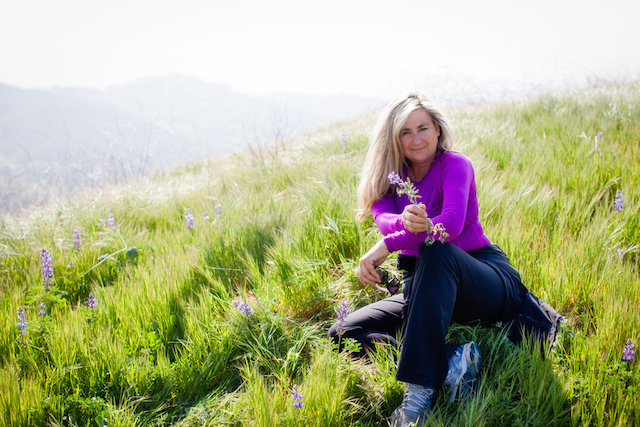
    Woman in a field image via Shutterstock
  • How to Beat Panic Attacks: 3 Simple Mindfulness Techniques

    How to Beat Panic Attacks: 3 Simple Mindfulness Techniques

    “By living deeply in the present moment we can understand the past better and we can prepare for a better future.” ~Thich Nhat Hanh

    When I was in high school, a hit-and-run car accident changed my world. My boyfriend at the time lost his nineteen-year-old brother to the accident. I had never met his brother, but it didn’t matter; a dark veil had been cast over my life.

    In the days, weeks, months, and years following the accident, I sank into a deeper and deeper depression. I started to have panic attacks and I cut myself daily, trying to feel anything other than terror and despair. I sought treatment, met with therapists, tried dozens of medications, and routinely turned back to alcohol when nothing worked.

    Before long, I fell in love with a man who was also deeply depressed. Six months after our marriage, I found him collapsed on our living room floor after trying to kill himself by overdosing on his medication.

    I called the authorities, supported him through the ensuing hospital stay, and turned right back to my unhealthy methods of dealing with the pain.

    For years, I muddled through the darkness, thinking I was destined to lead a miserable existence. Over and over, I told myself life would have been so much better if that hit-and-run accident had never occurred. I was convinced it was the one pivotal factor that had destroyed my life.

    Eventually, the stress of living this way caught up with me. In addition to the depression and anxiety, I began to have migraines, uncontrollable nosebleeds, and excruciating muscle pain. I went to doctor after doctor and at one point was taking seven prescription medications every day, with no relief in sight.

    Finally, it was clear I needed to take a different course of action. I decided to look into meditation. Before long, I had accumulated three meditation methods to try.

    The first method was a simple practice of closing my eyes and counting each breath. I tried this until it became evident that I could never get past the number one before my brain started reliving events from my past. Closing my eyes, it seemed, took me too far away from the present moment.

    Instead of closing my eyes, I had more success keeping my eyes open and silently but consciously acknowledging my surroundings. Whether I was at home, on the train, or walking down the street, I could practice mindfulness by saying, “Hello, carpet,” or “Hello, tree,” and I was immediately grounded into the present.

    Perhaps it seems strange to greet inanimate objects, but it helped me maintain a more immediate experience of the present moment, so I went with it.

    After that, I tried body scan meditation, or moment-to-moment awareness of sensations within the body. Taking some time to recognize sensations as they occurred turned out to be a great help in training my mind to accept and acknowledge discomfort until it passed. Seeing that discomfort was a passing experience was a life-changing realization all on its own.

    Throughout my meditation experiments, I continued to have trouble staying present for more than a few seconds at a time, but I could see it was beginning to have some benefits.

    When I returned to counting breaths, I began to reach two or three or sometimes even ten. With growing faith that mindfulness meditation was having a positive effect on my life, I kept meditating until finally one day my meditation was interrupted by the sound of an ambulance siren.

    As I listened to the siren, I felt a panic attack coming on. The siren made me think back to the day of the hit-and-run accident, and when I finally let go of that thought, I thought back to the day of my husband’s suicide attempt.

    I braced myself against the panic attack and desperately tried to remember a mindfulness technique I could employ in that moment.

    During a panic attack, bodily sensations are extreme, so it made sense to me to try and focus on body awareness and how I was relating to my surroundings.

    Despite the inner voice that kept telling me I was going to die, I resolved to experience this panic attack mindfully, from beginning to end. I turned my attention to my breathing and faced that panic attack like it was an ocean wave I was going to allow to wash over me.

    While every muscle in my body began to tighten, I consciously tried to let go of the tension and simply notice what was happening in my body, without judgment or blame.

    Almost instantly, I experienced a massive muscle spasm that made my entire body lurch. Awareness of my surroundings became a feeling that I was falling through the floor, and I worried this really was the panic attack that would kill me.

    But then, the panic, the terror, and all that muscle tension passed through my body in what I can only describe as an enormous wave of energy.

    I felt that wave pass from the top of my head through every last finger and toe, and just as suddenly as it had begun, the panic was gone. As I returned to my breathing, I listened again to the siren and, for the first time, I heard a siren that had nothing to do with me or my past. I heard a siren that was a siren and nothing more.

    In the five years since this experience, I haven’t had a single panic attack. In my case, panic was an extreme expression of resistance to thoughts and memories I didn’t want to experience. When I learned to stop resisting, I learned to beat panic.

    I can’t guarantee that anyone else’s experience will be the same, but perhaps I can share some suggestions based on what worked for me. If you are one of the millions of people in the world who suffer from panic attacks, here are a few methods you can try the next time you feel one approaching.

    Counting Breaths

    Notice your breathing. Is it rapid and shallow? Is it becoming shallower the more you panic? Take a moment to close your eyes and turn your attention to counting breaths.

    If you find you are counting very quickly, see if you can focus on just one or two long inhalations and exhalations. Don’t worry if you can’t get past one or two. If you notice your mind has strayed from counting, congratulations! You have experienced a moment of mindfulness under extremely challenging conditions.

    Acknowledging Your Surroundings

    If, like me, you find that closing your eyes makes you panic more, open your eyes and start acknowledging your surroundings. Say hello to your hands, your feet, the ground, the ceiling, a chair, a tree, or anything at all you spot around you. If you feel like this is ridiculous, it is! Allow yourself to chuckle and have a sense of humor about it.

    Body Awareness

    Turn your attention to what you are feeling in each part if your body. Are your muscles tightening? Can you feel your fingers and toes? What happens if you try to wiggle them? Does the sensation change as you continue to breathe in long inhalations and exhalations? Whatever you are feeling, try to let it happen without resistance.

    What I learned from my experience was a lesson I will not soon forget: I only found my inner strength when I stopped trying to fight.

    Panic gains momentum from the energy we put into fighting it, and the fact is, we don’t always need to fight it. Life happens to you and me as it happens to all people, whether we are ready for it or not, and all we really need to do is be open to experiencing it one moment at a time.

  • How to Stop Hurting When You Feel Like You’ve Been Wronged

    How to Stop Hurting When You Feel Like You’ve Been Wronged

    “At any given moment, you have the power to say: This is not how the story is going to end.” ~Christine Mason Miller

    Several months ago my partner’s father (we’ll call him D) verbally attacked me. A couple weeks later it happened again, except this time it was more aggressive and more personal.

    When I calmly told him that his behavior was unacceptable, he became angry and spent the next several months using every tool in his vast arsenal to put space between my partner and me.

    And for a while it worked.

    Suddenly I found myself constantly obsessed over the confrontation, playing it back in my head like a bad movie that wouldn’t quit. I was sad all the time over the continued aggression, as well as the loss of the illusions I had unconsciously subscribed to. (“But we’re a family!” and “It’s supposed to be different than this!”)

    Most importantly, though, I found myself removed from the happy, joyful person I was before. Instead, I was consumed by feeling angry, wronged, and resentful, seemingly unable to climb out of the hole of alienation and anger.

    We all want to be accepted, seen, and loved, but it’s hard to feel any of those things when we’re too busy feeling victimized or picked on.

    There’s no doubt that my partner’s father was out of line and that his behavior was disrespectful and hurtful, but there’s also no doubt that I allowed myself to be affected by it.

    We’ve all heard that nothing ever goes away until it’s taught us what we need to know, and now that I’ve learned my lessons, I can tell you about some of the ways I was able to move past the anger and hurt:

    1. Remember that people who seek to make others miserable are miserable themselves.

    Most of us couldn’t imagine consciously attempting to tear down another human being through our words, and that’s because most of us are not in a place of such deeply rooted despair and self-loathing.

    I had a very hard time understanding the hurtful things D said to me, and for many months I insisted on making it about my own inadequacy and wondering why I wasn’t good enough for him.

    This went on until I came to understand that a person who is so accustomed to violence from within does not know how to function without creating external violence as well.

    Understanding this does not excuse the action of the aggressor, but by recognizing the source of the aggression, we can choose to extend compassion and understanding rather than returned aggression and venom.

    2. Just do right.

    As D’s attacks continued to get more and more violent, my partner’s family began to push me to appease D in order to smooth things over. The thing about this approach, however, is that although smoothing things over would’ve been expedient, it wasn’t exactly right; and as such, I didn’t want to do it.

    I wanted to hold out. I wanted to insist upon better treatment, yes, but mostly I felt the need to stay true to myself and to uphold my own moral standards. As author Maya Angelou has said, “Right may not be expedient, it may not be profitable, but it will satisfy your soul. It will give you the kind of protection that bodyguards cannot provide.” And, of course, she’s right.

    Part of freeing ourselves from the anger and resentment that surrounds negativity is to not allow ourselves to be altered by negativity. We may experience great external pressure to “go along to get along,” but, at the end of the day, it’s more important to act in a way that you can look back upon proudly.

    3. Set boundaries.

    It may seem like an oxymoron, but it is possible to establish and maintain compassionate boundaries. I couldn’t completely walk away from D because of his proximity and relationship to my partner, but I could make it very clear that I would not accept such attacks in the future.

    By making our mental, emotional, and physical space into a safe harbor, we can carefully control what is allowed to enter our hearts and minds.

    We might not be able to transform the person trying to harm us, and indeed it is not our job to do so, but by insisting upon the creation of a safe space, we make the tiny spot of earth upon which we stand a better place and consequently, we render ourselves less available for hurtful attacks in the future.

    4. Stay calm; stay true.

    I had to fight to stay calm many times during the months following D’s attacks. Part of me wanted so badly to return venom, but looking back, I’m glad I never did.

    As we all know, it’s easy to lose our heads when we are faced with an intensely emotional situation, especially one that feels like an assault on our dignity. But returning aggression for aggression ultimately does not serve us and, indeed, only serves to fuel the fire of the aggressor.

    The best thing we can do when we feel overwhelmed with intense emotion is to transport ourselves mentally to a place five years down the road, look back at the situation, decide what type of action would make us proud in the future, and then act that way.

    Getting angry might feel like a release in the moment, but that’s a false sense of righteousness. It’s better to state your truth quietly and calmly and remove yourself from the situation. By doing this, we refuse to allow ourselves to be transformed by the intensity of the emotions; instead, we act in a way that allows us to feel good about our actions, which is the first step to healing from the initial hurt.

    5. Only do the work that is yours.

    One of the toughest lessons I learned is that I couldn’t “fix” the situation, because the situation involved a lot more than just me. I wanted my partner to protect me. I wanted his family to respect me for standing my ground. I wanted a lot of things, and I made myself crazy trying to get them for months.

    It was only after I realized that I was waiting for someone else to “fix it” that I was finally able to let go.

    I realized, finally, that if I was going to feel safe and respected and loved, it had to come from within.

    If the boundaries were going to be set, I had to be the one to set them. If the safe space was going to be created, I had to be the one to create it. If a demand for better behavior was going to be made, I had to be the one to make it. Furthermore, I had to be the one to behave better.

    So, I started actively chasing the things that made me feel happy and safe: I invested myself fully in the beginning steps of a career that I love. I spent more time with friends and my family. I cooked huge meals for nobody but myself. I read ravenously. I went to therapy. I took long walks. And this is where the healing came from.

    It’s inevitable that other people will hurt us. We can’t avoid it, and we don’t even need to understand it entirely; all we need to do is learn to take care of ourselves when it does happen. We cannot change the actions or perceptions of other people, but we can change how we respond to them.

    We can choose not to harbor anger and resentment; we can choose to forgive and to walk away. We can focus on the things that make us feel safe and happy and devote ourselves to nurturing those relationships and hobbies.

    We can use the negativity of others to become stronger, happier, and more complete. We can rewrite the ending.

  • How Gratitude Can Calm Your Nerves and Make You More Effective

    How Gratitude Can Calm Your Nerves and Make You More Effective

    Calm

    “Gratitude is not only the greatest of virtues, but the parent of all others.” ~Cicero

    Being grateful or practicing gratitude has many benefits, including improving our health, relationships, careers, sleep, and self-esteem, to name just a few.

    In recent years, these benefits have been confirmed in scientific studies showing how the brain is “rewired” by continuous grateful thoughts.

    However, I recently discovered (and experienced) another significant, and I believe mainly overlooked, benefit of being grateful—in the somewhat unusual setting of a major seniors championship tennis tournament I played in Palm Springs this past January. I learned that:

    Practicing Gratitude Calms the Nerves and Mind

    As an avid tennis player, I had struggled to play up to my ability in tournament match play. I was constantly over-thinking, too cautious, and too tight during matches.

    Before playing in the tournament I read about a mental strategy recommended by sports psychologist Jeff Greenwald in his insightful book The Best Tennis of Your Life:

    Play with gratitude.

    Feeling there was nothing to lose, I decided to give it a try. Before my first match, I thought to myself how grateful I was that:

    I was able to play without injuries.

    I could play in such a magnificent setting at the historical Palm Springs Tennis Club. 

    I could afford to take time off from work and treat myself to so much fun.

    I repeated these blessings throughout the match, was calm and focused, and won.

    My next match was against a player that had soundly defeated me the year before. I repeated the above blessings and added one more:

    I am grateful to have the opportunity to play the same person again to see if my game has improved.

    I played the best tennis of my life and won in two sets—and again was calm and focused throughout.

    Hmm, I’m now thinking there must be something to this “being grateful reduces-the nerves-and-calms-the-mind” thing. Next match: I played another (and seeded) player who also had soundly beat me the year before.

    I again won in two sets.

    I’m now in the semi-finals against the #1 seeded player, a former national champion. I’m not only grateful for this, but I have been playing at a whole new level and having the tennis time of my life.

    I lost in two hard fought sets, but not because I was nervous or uptight. To the contrary, I played extremely well. I lost because I played a more highly skilled and experienced player who, incidentally, shared with me after the match that he was grateful that he could still play so well in his seventies! (I think he was more grateful than me!)

    Upon reflection, it occurred to me that what applies to sports and performance, probably applies equally to most life arenas. Which is to say:

    There is a powerful synergy between being grateful and calmness and serenity.

    I soon had the opportunity to prove this to myself again, but in an entirely different setting—a courtroom. In April, I was in traffic court for a trial to fight a ticket that I felt I had wrongly received.

    While waiting in court, I was nervous as heck as I repeatedly went over in my mind what I would say, what the officer would likely say, and how the judge might rule.

    Then an amazing thing happened. I reminded myself to be grateful—yes, grateful. Specifically, I was grateful that I had the opportunity to be heard and present my case, something I was clearly unable to do at the time the officer issued the citation.

    I was also grateful that I lived in a country where I could seek justice without a lot of constraints. With those thoughts, my nerves immediately subsided and I became very calm and grounded.

    A short while later, my ticket was dismissed!

    The Non-Science of Why Gratitude Leads to Greater Calmness and Serenity

    I have no doubt that being grateful stimulates the brain’s neurons and in effect re-wires the brain to produce a more happier state of being. I believe, however, there are more basic reasons why gratitude bestows upon us a more calm and serene state of mind. For example, being grateful:

    • Redirects our focus from what is troubling or worrying us to what lifts our spirit. We shift from negative to positive thinking, and energy.
    • Provides us with a true perspective of what’s at stake (including “how important is it?”)
    • Reduces our anxiety creating fears.

    Test the Gratitude/Calmness Dynamic

    I encourage you to see if the gratitude/calmness dynamic works for you as it does for me. For example, consider trying it when:

    • You have to give an important talk or presentation
    • You have a job interview
    • You have to take an important test
    • You have to perform or go on stage
    • You have writer’s block

    • You keep procrastinating in completing an important task

    Bottom line, there is no shortage of opportunities where you can test this powerful dynamic!

    Please write and let me and others know how it worked for you. Were you less tense? More grounded? What was the final outcome?

    Photo by Giuseppe Chirico

  • How to Hear Your Inner Wisdom When Making Tough Choices

    How to Hear Your Inner Wisdom When Making Tough Choices

    “Everyone who wills can hear their inner voice. It is within everyone.” ~Mahatma Gandhi

    Do you struggle with listening to your inner voice? Do you doubt yourself and every inner signal you get? You’re not alone.

    A decade ago, I didn’t know that I could follow my heart. I’d never heard of the concept of inner wisdom or inner voice.

    I started following my interests and doing what made me feel good, and this is the essence of doing what you love and listening to that subtle voice inside of you.

    The problems start when we listen too much to outside sources.

    We start to think that we’re doing it wrong. I went through one of these periods myself. Looking back, I see that while it was a period of struggle, it also helped me go deeper into what worked for me.

    What is Inner Wisdom, Anyway?

    You may get nudges from your soul by getting inspirational thoughts. It may be an unexplainable feeling that gets you into action. Or you may see an image in your mind.

    My inner wisdom is a blend of all of the above. But more often than not, it communicates through feeling.

    I like to say that it’s like I have cat whiskers all over my body. I feel my way through life.

    I still misinterpret the messages I get. Sometimes I follow fear. Sometimes I give in to resistance. I’ve learned to be okay with that.

    This doesn’t have to be serious. You can play and experiment; see what messages you get.

    How to Listen to Your Inner Wisdom

    With that said, let’s look at how to connect to your inner wisdom.

    1. Calm down.

    When my mind is calm, the connection to my inner wisdom is the strongest.

    When my mind is in turmoil, I try not to make any decisions because I don’t have access to my cat whiskers.

    If I’m in a negative state, I might go for a walk, wash the dishes, or meditate. I don’t necessarily try to get rid of the negativity, but I simply stop what I’m doing and take a break.

    When you take a time out, gradually your calm will return along with the connection to your wisdom.

    2. Stop trying so hard.

    I’m good at bullying life into place. I want to figure it all out. I want to force results, and I want to have achieved my goals last year.

    But I’ve noticed that the more I try to push, the more slowly things go. It’s like getting stuck in quicksand. If I try to dig my way out, I only sink in deeper. Instead, I have to let myself be pulled out.
    This doesn’t mean I become complacent. It means I notice what I have control over and what I don’t.

    And it goes back to calming down. When you’re worried about what might go wrong in life and you’re trying to fix an imaginary problem, the connection to your heart is severed.

    But once you let go and become aware that you don’t know where life is going, you can relax and peace can return.

    3. Be patient.

    My inner wisdom shines through when I’m patient. When my partner and I were looking for a house, we knew approximately what we wanted, but we didn’t try to push it.

    We were patient. We looked at different options and listened to our hearts. I let days pass because I noticed that the more distance I got, the clearer the signal from my inner wisdom.

    The realtor would try to pressure us, but we took our time. We weren’t going to rush into a big decision like buying a house.

    One day, we saw a house come on the market. It didn’t look impressive online. We almost dismissed it. Then we went to have a look, and the moment I stepped in the door, my inner voice said yes.

    We still didn’t jump on it. We waited a few days to see if the feeling would change. It didn’t. We ended up buying the house, and I’m sitting in a room right now writing this article.

    So when you want to get feedback from your inner wisdom, get the feedback over a couple of days or more. Don’t put pressure on yourself to get an answer right now, right here.

    Mistake to Avoid

    The biggest pitfall I fall into over and over is stressing about whether or not I’m on the right path.

    I still worry, but less than before. I’ve come to accept that life will take me where I need to go. I can only do my best with what I have.

    I don’t have to force myself to do anything. All I can do is listen to the quiet voice within me and see where it takes me.

    I don’t know if the struggles I’m going through today are what will help me get to where I need to be.

    When you’re honest with yourself, truly honest, you realize that you don’t know what’s going on in life. You don’t have control over it. All you can do is live life to the best of your ability.

    What You Need to Remember

    When I started reading about living a heart-based life, I thought that if I could just tap into my inner wisdom, my life would be filled with euphoria.

    But I’ve since realized that life is filled with life, which means both ups and downs. We see individual events as bad because we isolate them.

    However, we don’t know where we’re going or what our path looks like.

    I’ve discovered that the more fun I have in life, the smoother the ride goes. I don’t take life too seriously. Meaning, I don’t have to panic when something happens.

    In the end, your inner wisdom is always there, just like the sun is behind the clouds on a rainy day, waiting for you to relax.

    All you have to do is calm down and pay attention.

    Don’t be in a rush. Don’t try too hard.

    But have fun, and notice how your inner voice works.

  • How Anger Leads to Anxiety and What to Do About It

    How Anger Leads to Anxiety and What to Do About It

    Calm

    “Holding on to anger is like grasping a hot coal with the intent of throwing it at someone else; you are the one who gets burned.” ~Buddha

    I have a confession: I’m mildly obsessed with anger.

    Not the negative feelings, the volatile outbursts, or the fly-off-the-handle reactions, but rather how humans express anger.

    I’ve largely made my living by dealing with various states of anger. More on that in a bit…

    Years ago I was shopping at a bookstore with my friend Alex. We were first time parents with toddlers at home.

    The idea was to find resources on how to raise emotionally healthy children and how to avoid the parenting mishaps we witnessed too often at work.

    As school social workers, we provided family counseling to young children and wayward teens in the inner city.

    As Alex obsessively scoured the aisles for the latest research-based writings on emotional intelligence, my eyes gravitated toward an entirely different topic.

    The black, matte-textured book with the blood red title practically screamed at me: Hatred: The Psychological Descent into Violence.

    I devoured it that night.

    It’s not that I didn’t want my kid to learn to soothe himself when upset, to resist peer pressure, or to misread social cues. But in that moment I felt a stronger pull.

    Part of the fascination stems from my ancestry; I’m half-Italian and half-Irish. A DNA hotbed, if you will.

    Meals were eventful. When I would lose my cool at the dinner table, my dad would wildly gesticulate in my mom’s direction. She, in turn, would shrug and reply “It’s The Fighting Irish in her, I suppose.”

    Additionally, I’m a psychotherapist who specializes in anxiety issues—generalized, panic, and social anxiety disorders.

    Do you want to know the quickest way to get a handle on your anxiety? Get ahold of your anger.

    I realize this may sound counter-intuitive. After all, we don’t normally associate anxious people with bad tempers and loud voices.

    The anger management connection is not exactly linear.

    It takes courage to express anger—to stand up for yourself and your values, which sometimes includes taking an unpopular stance.

    Bravery is valiant, strong, and admirable, while anxiety is cowardly, weak, and anything but enviable.

    Because many anxious people have a problem asserting themselves, feelings of helplessness, avoidance, and frustration take residence.

    Compounding the issue is the fear that if you express anger, you might lose control.

    And since many anxious individuals are people-pleasers and caretakers, these feelings are especially unwanted.

    But feelings go somewhere.

    And typically, when you take on too much responsibility, you inevitably feel exhausted, taken advantage of, and angry.

    If you don’t have a firm grasp on your anger responses, you’re going to hold it in until it explodes, or you’re going to yell, scream, stomp your feet, and possibly say and do things you regret.

    Then comes the guilt. And next, the overwhelming urge to fix the situation. And before you know it, the cycle repeats itself again.

    All the while, you’re wasting precious emotional energy that could be better used on enjoyable tasks.

    The good news is there’s strategies you can do today to help you feel more calm.

    I included five common ways I help us go from anxiety to zen below:

    1. List the places in your body where you feel anger.

    Is it in your chest? What happens to your heart rate? How does your stomach feel?

    It’s important to recognize the physical cues of anger in order to alert youself that it’s time to calm down.

    2. Visualize different behavioral responses. How do you react when you feel angry?

    Do you scream, tantrum, throw things, bottle it inside, or pretend that everything is fine?

    Write down three different reactions you will do instead, such as:

    Calmly assert your needs, deep breathing, count to ten, walk away rather than stick around for a fight, and close your eyes to reduce visual stimulation, etc.

    3. Make friends with the word “no.”

    Many nice people have a hard time with this one. The association with conflict makes us feel mean, insensitive, or too direct.

    Know that “no” means you respect yourself, your time, and your values. Practice saying it in the mirror until it sounds deliberate and natural.

    4. Ask yourself if you value expressing anger over getting along with others.

    It’s a fact that some people enjoy the adrenaline rush of letting go and projecting their uncomfortable feelings onto others.

    Recognize that the short-term feelings of power are no match for the sleeplessness, headaches, and despair, which endure long after the “anger high” wears off.

    5. Think about the last time you got angry. How did you go from anger to a calmer place?

    You’re probably really good at getting angry already, so let’s focus on the other side. Be specific. What behaviors did you call upon to get to zen?

    This will reinforce your coping strategies, and it will serve as a reminder to focus on solutions rather than stewing in anger.

    The more you practice reacting in positive ways, waiting until the anger subsides, and considering your options, the more skilled you will become at managing anger.

    It’s possible that your body is wired to be more anxiety-sensitive, and you’ll have to work harder than others to calm yourself. And that’s okay.

    These are temporary solutions, and you’ll still need to control the anxiety itself. But they’ll get you started in learning to respond with more awareness, and less emotion.

    You’re the expert on your life. And you get to choose how much anger to allow in your heart, mind, and body every day.

    With intentional focus on doing things differently, you can feel more calm, confident, and in control.

    Photo by skyseeker

  • 4 Conscious Choices to Stay Balanced and Happy When You’re Busy

    4 Conscious Choices to Stay Balanced and Happy When You’re Busy

    “Happiness is not a matter of intensity, but of balance, order, rhythm, and harmony.” ~Thomas Merton

    I’m not someone who enjoys busyness or sees it as a sign of importance. In fact, I’ve often sacrificed money and opportunities to have more time to watch movies, roam around my neighborhood, and generally live life at a slow pace.

    This is the way I most enjoy experiencing my days—by creating space to just be. And I find this supports my passion as a writer, since it allows me abundant opportunities to play, explore, and expand my understanding of the world and my place within it.

    But I’ve also noticed that I formerly limited myself in response to underlying fears and limiting beliefs, and then justified it with my fondness for free time.

    Whenever I received an opportunity to do something that would stretch my comfort zone, I reminded myself how hectic my schedule would be if I said yes.

    Whenever I considered doing something new that I feared might fail (or might succeed, giving me more responsibility), I reminded myself that I was already meeting my needs, so it would probably be best to just keep doing what I was doing.

    Essentially, I allowed myself to believe I had only one healthy motivation for not growing in new directions; and while this did support my priorities and preferences, it also created a sense of stagnation.

    So this year I decided to challenge those limiting beliefs and fears. I started redefining myself beyond the safe roles of writer and free spirit, and recognized that I could actually be happier for trying new things and taking more risks.

    While I know the choice was ultimately positive for me, I’ve struggled a little in the execution.

    I’ve overwhelmed my schedule with projects—including the recent redesign/forum launch, a new book on self-love, and my first ever eCourse.

    I’ve tried to do more on my own than I feasibly can—from reading and editing an ever-growing number of monthly blog submissions, to mentoring new writers, to handling all aspects of the site’s daily operations, to maintaining a freelance job writing for ‘tween girls.

    And in the process, I’ve sacrificed some of my needs and priorities, including exercise and relaxation.

    I’ve swung the pendulum from calm to chaos, and I’ve left myself little time and space to discover the middle ground between holding myself back and pushing myself.

    I’m now in the process of adjusting to this decision to do new things, and I’ve realized it requires four conscious choices:

    • Recognizing my non-negotiable needs and prioritizing them
    • Setting realistic expectations about what I can do and what I can’t
    • Regularly checking in with myself to ensure my choices support my intentions
    • Learning from my emotions instead of reacting to them

    If you’re also adjusting to a busier lifestyle—whether you’re working toward a dream or taking on new responsibilities at work or at home—these tips may help:

    1. Recognize your non-negotiable needs.

    Write down the top two or three things you need to do daily for your emotional well-being, your physical health, and your sense of balance. Include the bare minimum you could do to meet these, and ideal times. For me, that includes:

    Emotional well-being

    • Daily meditation and/or deep breathing (five minutes after waking up)
    • Journaling (five minutes before going to sleep)

    Physical health

    • Daily exercise, even if just a walk outside (ten minutes around lunch time)
    • Consistent sleep (eight hours—doable if I’m more efficient instead of wasting time online)

    Sense of balance

    • Time to relax and unwind (a half-hour bath at night)
    • Time to play (a half-hour of something fun at night, preferably with someone else)

    You’ve now established the bare minimum for your needs and created a plan to meet them. Even meeting the minimum might be hard. It might require you to ask for help or say no to certain requests. Think of it as saying yes to your happiness.

    2. Set realistic expectations about what you can and can’t do.

    I have a habit of making a schedule based on what I want to accomplish and then feeling disappointed in myself if I don’t meet that.

    My schedule doesn’t often leave room for the unexpected, which could encompass tasks taking longer than I anticipated they would, or new opportunities coming up, personally or professionally.

    If you’re striving to meet your boss’s expectations, you may have less leeway in being flexible. But when it comes to the arbitrary deadlines we set for ourselves, we have the power to release the pressure.

    I often worry that deviations from my plan mean I’m losing control and decreasing the odds of doing what I set out to do. This actually sets me up for failure.

    When I worry about what I’m not doing, I’m not focused on what I am. And that’s what’s enabled me to do things well in the past: not perfect adherence to a schedule, but focus and immersion in the process.

    A better approach is to set a plan, do what we can, and then adjust as we go. Whatever we can’t comfortably fit in a day will just have to wait.

    3. Regularly check in with yourself to ensure your choices are supporting your intentions.

    I’ve found some contradictions in my recent mode of operating, including:

    • I try to do everything myself because this site means so much to me, and I fear delegating responsibility to someone who may not care quite as much. The consequence: I’m sometimes stretched too thin to give everything the care it deserves.
    • I’m taking on new projects because I know I’ll be happier for stretching myself, but I’ve deprioritized a lot of the other things that make me happy.

    In recognizing these contradictions, I’m able to adjust accordingly.

    I can challenge the belief that tells me I need to do everything myself, and seek help (which I’ve recently done). I can create a better balance between working toward future joy and creating joy in the process.

    Take the time to check in what you really want—not just some day down the road, but in your everyday experience in the world. If you recognize you’re not enabling that, make tiny adjustments where you can.

    4. Learn from your emotions instead of reacting to them.

    When we’re doing something new, our emotions run the full gamut, from excitement to fear, eagerness to anxiety, and countless shades in between.

    Some of these feelings are natural consequences of stretching our comfort zone, but other times they’re indicators about what’s not working and what we need to change.

    I’ve learned to stop whenever I’m feeling something overwhelming and ask myself these four questions:

    • What led up to this?
    • Is this feeling a response to ignoring a need, pushing myself too hard, expecting too much of myself, or somehow treating myself without kindness and compassion?
    • Is this a feeling I could release by coming back to the present moment (like worry about the future) or is it something with a lesson for me (like feeling overwhelmed because I need help, or anxious because I need a break)?
    • If there’s a lesson, what can I do or change to apply it?

    When we learn from our emotions, they become less overpowering and we become more present, more balanced, and more effective.

    A while back, I wondered if the days of leisurely strolls were over, now that I’ve chosen to do a lot more. Then I realized that’s up to me. There is a grey area between underachieving and overachieving where growth and presence are both possible.

    Finding that space is about making conscious choices. I know what those are for me. What are the choices that help you?

  • The Zen of Anger: 5 Tips to Overcome Negative Reactions

    The Zen of Anger: 5 Tips to Overcome Negative Reactions

    “When you blame others, you give up your power to change.” ~Anthony Robins

    I used to be an angry person. And I was happy about that. In fact, I prided myself on that identity during high school.

    So devoted to the young and vapid demographic, I would stand in front of the bathroom mirror and practice the eighties version of the mad dog stare. In the eleventh grade, I decided smiling wasn’t hip, so I stopped.

    I wore surly like the Goth kids take to all-black attire. My friends thought I was cool because I said what I felt and did what I wanted. “You’re so awesome, Linda—it’s like you don’t care what other people think of you.”

    Except that I did. I cared so much, in fact, that I buried the vulnerability and the emotional pain from feeling that I wasn’t in control of my life.

    The truth is that many teens don’t feel like they fit in during the tumultuous high school years.

    Most people mature and evolve as they get older. Except those who don’t. Those of us who carry the smirk and the swagger past the twelfth grade are in for an adulthood of pain and emotional suffering.

    True rebels without a cause.

    Luckily, in my twenties I had an epiphany, which led me to change my negative, brooding, fly-off-the-handle ways.

    One day during a phone conversation, my friend Rachel made a comment that has stuck with me to this day. I was blabbing on about how the car mechanic was overcharging me for a transmission repair.

    All of a sudden Rachel interrupted me and said, “Did you ever notice that you get into a lot of fights with people?”

    My stomach dropped and my cheeks were hot as I fought back tears.

    I’d like to say I heeded this message immediately. Unfortunately, it was a couple of years before I finally turned my back on angry outbursts.

    The irony is that I’ve made a career out of counseling adolescents. Many are referred to therapy because of anger management issues.

    Anger is a completely normal, usually healthy, human emotion. But when it gets out of control and turns destructive, it can lead to problems—problems at work, in your personal relationships, and in the overall quality of your life. And it can make you feel as though you’re at the mercy of an unpredictable and powerful emotion.”

    The good news is that, regardless of where your anger originated (DNA, angry parents or family members, childhood experiences, or lifestyle), there are practical tools available to manage your anger so it does not manage you.

    I’d be remiss if I said that you’ll wake up tomorrow and feel like Calm Callie or Stress-free Steve.

    Because anger has built up over many years, you’re probably good at projecting it (“throwing” it onto others as a defense against feeling it for yourself)—and it will take time to change.

    You’ve got to own your anger. Nobody made you into an angry person. Sure Mom and Dad, childhood events, past romantic relationships, and other situations may have contributed, but the past is gone forever.

    The beautiful thing is that you have today, and today you can feel calm, collected, and in control of your emotions.

    The following five tips, when practiced regularly, will replace negative reactions and lead to a more Zen-like you.

    1. Pay attention to your morning routine.

    How we start our day affects how the rest of our activities unfold. Set your alarm for fifteen minutes earlier (don’t worry—I’ll make it up on the backend in tip #5).

    Before you get out of bed, take a couple of breaths and say something positive. For example, “Another day. Another chance for a fresh start.” When you find yourself rushing throughout the day, remind yourself “there is enough time.”

    2. Get in touch with your anger.

    Do the following exercise when you have at least thirty minutes of uninterrupted time.

    Find a comfortable seated position. Close your eyes and think of what your anger looks like. What color or images do you see? Where in your body do you store anger? Pay attention to body temperature, clinched fists, heart rate, muscle tension, and butterflies in your stomach.

    Practice deep breaths throughout this exercise, and take a break if the feelings become too intense.

    When you’re ready, open your eyes and take a deep breath. Breathe in through your nose and out through your mouth. Pick up a notepad and jot down all your angry thoughts.

    Don’t overthink this—keep the stream of thoughts flowing without editing your responses. Spend at least five minutes recording what, where, when, and around whom you feel most angry.

    Read the list and decide what are your three biggest anger triggers and/or situations. Make a circle around the top three.

    On another sheet of paper, write three strategies for remedying each one.

    For example: Problem #1:

    I can’t stand my job.

    Strategies:

    • Update my resume by Friday at noon.
    • Contact two people and network about possible job openings by Thursday at 5:00 pm.
    • Call my mentor today and invite her to lunch in exchange for business ideas. (Pick up the tab).

    Repeat this exercise frequently, and don’t worry if some of the same issues show up. Problem-solving takes practice and patience.

    3. Unplug.

    Technology encourages us to react quickly. The minute we get that text or feel the phone vibration, we’re racing to respond. Reacting impulsively is a trigger for angry outbursts. Set aside time each day to be free from checking email, social media sites, and text messaging.

    4. Train your mind to respond slower.

    Think, speak, drive, text, listen, cook, eat, and walk slower. When you slow down, you’ll feel more in control of your options and your inner life.

    Leave post-it reminders on the computer, your car dashboard, and your front door. Our brains are not trained to remember many things, so write it down.

    5. Sleep on it!

    Honestly, if I had to choose just one option to manage anger, it would be getting sufficient sleep. Sleep deprivation is a huge culprit in negative moods, including anxiety and depression.

    Commit to going to bed earlier during the week. It’s nearly impossible to make calm, measured, responsible choices if you can barely keep your eyes open.

    Bottom line: You have everything you need to change. With daily commitment, practice, and patience, you’ll increase problem-solving abilities so you can manage your anger, rather than have your anger manage you.

    Remember, living in the past causes depression. Living in the future causes anxiety. Living in the here-and-now enables you to make healthy choices to increase emotional well-being.

    And the future begins now.

  • When You Feel Terrified: Come Out of the Panic Zone

    When You Feel Terrified: Come Out of the Panic Zone

    Meditation

    “Fear is a natural reaction to moving closer to the truth.” ~Pema Chodron

    Are you as scared as I am?

    I’m terrified.

    I’m not talking horror movie terrified either. This isn’t the kind of scared where you jump, but then realize it’s just your friend who’s surprised you. This isn’t even the kind of scared when you realize you left your iPhone in a public bathroom.

    This is the kind of scared where your gut churns and churns. You feel shaky, hungry, and out of sorts. It’s a visceral, palpable fear.

    Who’s Afraid Of the Big Bad… ?

    You’re probably wondering what it is that I’m so afraid of. Perhaps my house is haunted? It isn’t. Perhaps I have a stalker? No. Zombie apocalypse? Seriously, I wouldn’t be blogging at a time like that.

    I’m scared because I’ve decided to work full time on my own business. It’s a big step to start your own company and even bigger when you decide to do it without a  “back-up job” net.  If you have any doubts, let me assure you it’s mind numbingly scary.

    What if I can’t get clients? What if no one wants to read my blog or my books? What if I fail miserably, pathetically? What if my family and girlfriend abandon me because I have shamed them beyond repair?

    Change is Scary

    A bit too dramatic? Yes, very much so, but whenever we start to transform our lives it’s scary. Risk and vulnerability are essential qualities of transformation.

    Deep and fundamental change requires us to step outside of our comfort zone. The trick is not to step too far out. We need challenge, but we don’t need panic.

    Get In The Zones

    There are 3 zones that can describe most of our experiences.

    1. The Cool Zone. This is where we know the landscape, can predict many outcomes, and function with some sense of ease.

    2. The Change Zone. This is where our edges are being pushed, we might feel slightly uncomfortable, and there’s a bit of pressure, but we can handle it.

    3. The PANIC ZONE! This zone is all like AHHHHHH!! We are freaked out and we tend to react, shut down, or run away. (more…)

  • 4 Ways to Remain Centered Amid All of Life’s Chaos

    4 Ways to Remain Centered Amid All of Life’s Chaos

    Centered woman

    “Every day brings a choice: to practice stress or to practice peace.” ~Joan Borysenko

    Right now I’m in a tight squeeze. I’m in the process of making some big changes, and it’s bringing a lot of chaos, uncertainty, insecurities, and fears into my life, as changes will do.

    One of my deepest desires is to be able to look chaos in any form, of any magnitude, square in the eye, and levitate up to the next level of not letting any of the anarchy affect my inner homeostasis. Whatever the drama—work, family, friends, worldly, financial, school, natural disasters—I don’t want any of it to harsh my mellow.

    My desire is for peace or bust, on the inside and all around me.

    When we recognize that life is our mirror, we begin to understand that the outer chaos merely represents our mental state. If we can quiet our inner chaos, our outer chaos will simmer.

    However, too often we get this process backward, and that is why it takes us so long sometimes to tame all of the ruckus: We don’t take the time to first quiet our mental noise.

    I often say that I desire to be the glowing yogi in a mosh pit, untouched and at ease. My biggest fear is someone knocking me off balance and getting trampled.

    So, my fantasy is to be just kind of floating there in the lotus position in the middle of it all, with pushing and shoving going on all around me, yet I am untouched. I remain at ease and guarded by my peaceful light.

    I crave that kind of serenity in my day to day. When situations arise that aren’t going according to my plan, I want to transcend into the glowing yogi in the mosh pit and remain perfectly centered, unfazed by the drama going on all around me.

    Keeping this vibe of peace is hard to do sometimes when we are faced with the challenges of life.

    Winds of change blow through our lives daily, and unpredictable circumstances happen on the regular that are beyond our control. How do we handle it all?

    Personally, my brain rushes to “fix” everything. If something comes up that doesn’t go according to my plan, I spend sleepless nights trying to figure out what to do.

    I will solicit advice from friends, loved ones, colleagues, my dog. I will scour the Internet for any hints and solutions I can find. I do anything other than assimilate myself as the peaceful yogi who doesn’t worry, and again that is approaching the issue backward. (more…)

  • Creating Calm and Releasing Anxiety: Go Deeper, Not Faster

    Creating Calm and Releasing Anxiety: Go Deeper, Not Faster

    “It’s not the load that breaks you down; it’s the way you carry it.” ~Lena Horne

    Friends, relatives, and the waitress who served me breakfast said I was the most relaxed bride they’d ever seen. “Most brides are ordering the bloody Mary’s right now, not the green tea,” the server remarked.

    This was July 9, 2011, and I was about to marry my husband, best friend, and favorite comedian. Our wedding washed over me like a peace I had long forgotten.

    Aside from finding the person I always knew I was looking for, the grace I felt that day resulted from a wedding process infused with tranquility.

    Because of a hypothyroid diagnosis the year before, I had slowed down my life considerably to try and heal naturally. Graduate school completion got delayed. My health coaching business, an all-consuming love for the prior four years, was now prioritized alongside my personal life.

    For the nine months leading up to our wedding, I had a social life again. I exercised consistently. I had space to breathe.

    Slowing down wasn’t a winning lottery ticket. It involved examining the deep distrust of life felt in my core after being diagnosed with cancer as a teenager.

    While chemotherapy and radiation cured me by the time I was 14, healing turns out to be a lifetime process.

    Because I knew slowing down was temporary—“I’ll never get this chance again,” I reminded myself when old habits flared—it became easier. Rest became a foundational healing element in my life and within seven months my thyroid returned to normal. My business got incredible results for clients and I continued to easily pay my mortgage.

    Life felt safe and beautiful because I was in control. The deep cancer wound I had carried around for 19 years appeared scabbed over completely. I wasn’t just the calmest bride but the calmest me I’d ever remembered.

    August 22, 2011, I watched my husband leave in a taxi. He had been accepted into the Iowa Writers’ Workshop and was en route to a fiction writer’s dream. I knew since he got the acceptance phone call back in March that we’d be spending the next two academic years long-distance. (more…)

  • How to Deal with Unfairness and Change the Things You Can

    How to Deal with Unfairness and Change the Things You Can

    “If you don’t like something, change it. If you can’t change it, change the way you think about it.” ~Mary Engelbreit

    Many times in the past, I’ve complained that things weren’t fair.

    Sometimes I was legitimately wronged—like when I was a kid and an adult in my life regularly told people lies about me, seemingly to justify her disdain and mistreatment.

    Other times, I victimized myself to avoid taking responsibility—like when I didn’t prepare well and bombed at a community theater audition but attributed my failure to favoritism.

    As an indignant adolescent, I blamed many of my difficult early experiences for the perpetual chip on my shoulder. I bemoaned the injustices of the world because I felt so many befell me.

    It wasn’t my fault that I was angry all the time; there was just a lot to be bitter about. At least that’s what I thought back then.

    One day, when I was commiserating with a friend who was upset about a seemingly unfair situation in her life, I wondered: What good does this do us?

    Grumbling about injustice doesn’t make things just, and the ensuing hostility doesn’t help us effectively address things that need fixing.

    You can’t create positive change from a negative mindset. You have to heal your pain before you can set out to heal the world. And you have to stop seeing yourself as a victim if you want to access your personal power.

    Still, despite knowing this and making a conscious effort to change, I still feel an instinctively strong and irate response to perceived unfairness at times.

    If a friend gets passed over for a promotion because it went to the boss’s daughter, I feel outraged for that friend.

    If I see someone hit a parked car and speed away, I seriously consider following them and issuing a citizen’s arrest.

    If I believe someone is earning boatloads of money unethically, I ruminate on how it’s not right, and wish I could do something to stop it.

    I think it’s wrong when someone cuts in line; it’s wrong when someone bucks a system; it’s wrong when systems don’t do what they’re supposed to… the list goes on and on.

    I’m learning to understand my strong emotional response so that I can challenge the feelings and thoughts that disempower me. If you’d like to do the same, you may find this post helpful.

    Our Biological Response to Unfairness

    While we all learned about fairness in childhood, scientists have proven we’re actually hardwired for it.

    Studies have shown that the reward centers of our brains activate when we recognize fairness, even when it pertains to someone else. When we witness unfairness, it triggers our amygdala, the primitive part of the brain that controls fear and anger.

    This means that when we feel like we’ve been treated unfairly, we go into fight-or-flight mode, with its resulting sense of anxiety.

    Psychologists suggest that when we fight for fairness for others, it’s actually self-interest in disguise, meaning we’ve recognized it provides us with some type of advantage to be fair.

    No matter how you slice it, we experience a strong, instant physical and biological reaction to perceived injustices, and this can limit our ability to think rationally and respond proactively.

    Life Isn’t Always Fair

    Every day, we have abundant opportunity to recognize injustice, on scales large and small, in our own lives and the lives of people we love.

    You could find out you make less than someone else in the same job.

    You could lose a promotion to someone else who is far less qualified.

    You could lose a court case when it feels obvious someone else was in the wrong.

    You could discover that a friend of yours is losing her savings because her accountant mismanaged her money.

    You could learn that someone you trusted to care for your mother took advantage of her good nature.

    You could find out that your sister’s losing her home because of predatory lending.

    And this doesn’t even touch upon the massive injustices happening all over the world, far outside the scope of our everyday experience.

    Life isn’t always fair. Whether it’s self-preservation, basic human decency, or a combination of both, we want to change that.

    In some cases, we can. We are not powerless, and we don’t have to simply accept every injustice as an unavoidable part of life.

    We do, however, need to accept that our response to perceived wrongs affects our ability to right them.

    Dealing with Unfairness

    Those people who don’t let unfairness make them bitter aren’t somehow better than others.

    They aren’t necessarily people who haven’t experienced severe injustice or inequality, and they also aren’t people who simply accept whatever happens without ever taking a stand.

    The people who handle unfairness well possess three things in common:

    • They think rationally before they act.
    • They recognize the difference between what they can control and what they can’t.

    Stopping Obsessive Thinking

    Dwelling on unfairness doesn’t do anything to change it; it actually affects our ability to do that since obsessive thinking drains our energy, magnifies our emotions, and keeps us more focused on problems than solutions.

    This has been the biggest challenge for me, as I’ve found it almost satisfying at times to think about things that seem wrong, as if this is productive.

    If you struggle with this as well, recognize when you start fixating on blaming thoughts, and visualize a stop sign in your head. Then repeat an affirmation along the lines of, “This isn’t productive. It is what it is, and I can either accept it or try to change it.”

    Thinking Rationally Before Acting

    In order to think rationally, we need to recognize that our biological reaction is just that, and consciously choose not to let it dictate our actions.

    According to psychologist and author Marcia Reynolds, when we feel slighted or cheated, and react emotionally, we then use our logical brain to rationalize that response. For example, we may tell ourselves, “I snapped, but he deserved it!”

    We can be far more effective if we use our logical brain first, before we do something we’ll later regret.

    In some cases, when we think rationally, we may realize an unfair situation is not a big deal in the grand scheme of things—when someone cuts us off and runs a red light, for example.

    It’s annoying, but is it really worth fuming during a car ride that could otherwise be pleasant?

    Other times we’ll still feel strongly that we need to fight for justice, but this doesn’t require us to act with aggression. It requires calm, careful planning and acting… if it’s something we can, in fact, control. This leads to the last step.

    Knowing What We Can Control and Doing Something About It

    We can’t change mistreatment that happened in the past. We can address mistreatment that’s happening now.

    We can’t change someone else’s decision or behavior if they aren’t willing to change. We can change how we respond to them (and choose to help educate and positively influence them).

    We can’t change that tragedies have occurred, in our own lives or in places across the globe. We can support causes that seek to prevent future tragedies, or even spearhead our own.

    And we can’t guarantee specific outcomes for our actions, but we can increase our odds of making a difference by being clear-headed, patient, and consistent.

    Sometimes there will be unfair things that we simply need to accept, and it might feel instinctive to fight that. We’re only human, and we will sometimes give in to our emotional responses.

    What’s important is that we try to move beyond them so we don’t let the things we can’t control take control of us.

  • Giveaway and Author Interview: Patience by Allan Lokos

    Giveaway and Author Interview: Patience by Allan Lokos

    Note: The winners for this giveaway have already been chosen. Subscribe to Tiny Buddha for free daily or weekly emails and to learn about future giveaways!

    The Winners:

    Patience is one of those qualities we aspire to possess, but sometimes struggle to embody. We associate patience with goodness—and for good reason, since patience enables us to be loving and supportive to others.

    But patience is also a fundamental building block of happiness. It just plain hurts to feel harried, stressed, rushed, and eager to get there—whether it’s a physical space or a state of being.

    This is something I know all too well, as I’ve often felt pushed by this subconscious internal need to do things quickly and perfectly, which just exacerbates my anxiety, since this translates into a lack of patience with myself.

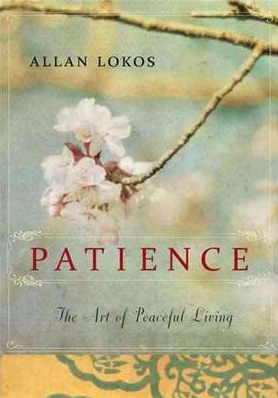
    It’s something I work at, which is why I was excited to read Patience: The Art of Peaceful Living, by Allan Lokos.

    The founder and guiding teacher of The Community Meditation Center in New York City, Allan Lokos has studied and practiced meditation for nearly two decades. In his insightful book, Lokos provides gentle encouragement and practical tools to step back, slow down, and foster a sense of equanimity.

    I highly recommend Patience to anyone who feels easily annoyed, angered, and stressed, and to those who want to deepen their existing mindfulness practice.

    The Giveaway

    To enter to win 1 of 2 free copies of Patience: The Art of Peaceful Living:

    • Leave a comment below
    • Tweet: RT @tinybuddha Book GIVEAWAY & Interview: Patience by Allan Lokos http://bit.ly/KVyQ85

    If you don’t have a Twitter account, you can still enter by completing the first step. You can enter until midnight PST on Friday, July 6th.  (more…)

  • Remember to Breathe: How to Feel Calm, Peaceful, and Loving

    Remember to Breathe: How to Feel Calm, Peaceful, and Loving

    Peaceful woman with surfboard

    “Our greatness lies not so much in being able to remake the world as being able to remake ourselves.” ~Gandhi

    At some point during 2005 I discovered the sense that I am connected to everything, that nothing exists outside of me. This realization came while surfing with a friend of mine. From that moment, surfing became a religion for me.

    I sat on top a surf board about 100 yards off the sand, just a little north of the San Onofre Nuclear Power Plant in San Clemente, California, for hours on end every single day.

    At some point during each session, the endorphins would kick in. My mind would empty and I would relax. The best word to describe it would be “bliss.”

    Off the surf board, I spent most of my time at the public library reading books about the human experience—history, psychology, religion, and spirituality.

    Each morning, as I sank into this blissful state, I allowed the information to pour over me in a manner that Thich Naht Hanh called “Dharma Rain.” I just breathed deeply and joyfully as my mind filtered information, looking for truth.

    I could have easily stayed in that state of bliss had I not needed to go to work or interact with most of the people around me. I’ve never been much of a joiner. Monkhood was off the table.

    I tended bar just a few nights a week. I had been sober for nearly a year but rarely became thirsty even working. It was a means to an end, and it afforded me more free time than any other job out there.

    Tending bar also brought into focus the idea that all I observe is a reflection of me. I owe most of real growth spiritually not to the texts, not to meditation, and not even to surfing; I owe it to my time slinging drinks. (more…)

  • 6 Ways to Find Composure When You Feel Panicked

    6 Ways to Find Composure When You Feel Panicked

    “Every day brings a choice: to practice stress or to practice peace.” ~Joan Borysenko

    I had a terrible morning. I needed to make a short YouTube video to promote my therapy practice, and I thought it would take twenty minutes at the most.

    The technology was more complicated than I thought. I struggled on, wanting to do it by myself. Half an hour later, I surrendered and asked my husband Kaspa for help.

    Two hours later, we were still trying to make it work.

    I started thinking about all the other things I was meant to be doing that morning. A tense knot formed in my stomach.I started snapping at Kaspa—if only he knew how to make it work, I’d be finished by now. Grr!

    I finally finished the video (with the help of a very patient husband!), but I was in no state to do any more work. I felt panicky and rushed, and my brain kept talking me through the list of all the things I needed to catch up on, like a stuck record.

    Once I allow myself to get into this kind of state, it takes me a while to “come down” again.

    After some time sitting at my desk and feeling agitated, I decided to go out into the garden.I walked slowly up the path, noticing the bang of my heart. I looked at the baby pink roses, the inner-most petals still holding onto drops of dew. I heard the clear song of a blackbird. I took a deep breath. And another.

    These are the things that help me when I get panicky. (more…)

  • Improving Your Reactions to Mishaps from the Inside Out

    Improving Your Reactions to Mishaps from the Inside Out

    “Peace of mind is not the absence of conflict from life, but the ability to cope with it.” ~Unknown

    I am confident. I am content. I am complete. I am calm.

    I decided that this was going to be my new mantra. I decided this at 8:26 a.m. I repeated it to myself over and over while showering, getting dressed, and driving to work.

    I ascended the stairs to my office, singing the words in my head. I am confident. I am content. I am complete. I am calm.

    This was going to be a good day. I would stay focused, yet aware; productive, yet relaxed. Yup, I was on top of the world, strutting my stuff in my maxi dress and strappy sandals.

    And then I spilled my water bottle. My dress was blotched in awkward areas for a significant amount of time.

    Needless to say, I forgot my mantra.

    I forgot that I was supposed to be confident, content, complete, and calm.

    For the first hour of my work day, I drifted in and out of an anxious haze of unrest, just because of that stupid water bottle. That spilled seven ounces of water triggered a tidal wave of unease and insecurity.

    They say not to cry over spilled milk. “They” didn’t mention spilled water because it’s so insignificant.

    I realize that spilled water is a really stupid thing to get worked up over. Logically, I know that.

    But it wasn’t the spilled water that was really the problem. Anxiety is something I know all too well. I often allow small and insignificant disruptions to cause me a lot of distress. I blow things out of proportion; I know this.

    But that doesn’t mean I have to live with anxiety-on-call for the rest of my life.

    “Spilled water bottle” incidents happen. (more…)

  • How to Reduce Stress by Doing Less and Doing It Slowly

    How to Reduce Stress by Doing Less and Doing It Slowly

    Zen man

    “Beware the barrenness of a busy life.” ~Socrates

    In April, NPR ran a story titled, “The Slow Internet Movement.” It reported that hipster cities, like Portland, Oregon, are sprouting Internet cafés that only offer dial-up access to the web.

    These cafés give customers, “Slow pours and slow Internet. Here, you can order your coffee and spend four hours checking your email, all for $.99 an hour.”

    “Wow,” I thought.” That’s just my speed!” (No pun intended.) But the story didn’t just run in April. It ran on April 1st and was NPR’s little April Fools joke at the expense of gullible people like me.

    It got me thinking, though. Life would be much less stressful if I embraced the spirit of the Slow Internet Movement. So, here are four tips for slowing down:

    1. Double the time you think it will take to complete a task.

    How often do you clock in at or under the time you’ve allotted for a task? I rarely do. Take my raised ivy geranium bed. Periodically, the geraniums spill over onto the walkway and I need to cut them back.

    Every time I assess the task, I estimate it will take twenty minutes at most. But it always takes at least twice that long. By the time I’m done, due to chronic illness, I’ve used up my energy stores for the day. I’m “trashed” as we call it my household.

    Inspired by The Slow Internet Movement, when I tackled the task a few weeks ago, I doubled my twenty-minute time estimate. Forty minutes is more than I can handle at one time, so I cut back half the geraniums on Saturday and the other half on Sunday.

    Sure, the box looked odd for twenty-four hours—like half of a buzz cut—but no one seemed to notice. Not only did I spare myself burnout, but I truly enjoyed the activity both times. (more…)

  • How to Create a Balanced Life: 9 Ways to Feel Calm and Grounded

    How to Create a Balanced Life: 9 Ways to Feel Calm and Grounded

    “Happiness is not a matter of intensity but of balance, order, rhythm and harmony.” ~Thomas Merton

    As a Libra, my sign is the scale, which signifies balance. I’m not sure how much my “signage” plays into my desire to live a balanced life, but I do know that the more balanced I feel, the more free I feel.

    In my work I am often reminded that what works for some people does not necessarily work for others, and that one person’s idea of balance may not constitute anything remotely balanced from another person’s perspective.

    So I wanted to address the various elements of life that can require balancing and offer some suggestions to find the mix that works best for you.

    To start, what does it mean to be balanced?

    To me, it means that you have a handle on the the various elements in your life and don’t feel that your heart or mind are being pulled too hard in any direction. More often than not, you feel calm, grounded, clear-headed, and motivated.

    How do you find your balance?

    The elements in life that require the most balancing can be divided into two categories: internal and external. Oftentimes, people focus on one more than the other.

    For example, you may find that you focus on external things, like work, relationships, and activities, and that you pay very little attention to what is going on inside your heart and mind.

    On the other hand, you may find that you spend so much time being self reflective that you sometimes miss out on the experience of living.

    Other people may be fairly balanced between the two but might want to balance out some specific elements within each category, so I created this little outline to help us better understand the beneficial components on both ends of each spectrum.

    Internal (Mind, Heart, Health)

    • Mind: Challenging yourself intellectually vs. creating opportunities for your mind to rest
    • Heart: Giving love vs. receiving love
    • Health: Eating, drinking, exercising properly vs. resting. and treating yourself to some extra yummies

    External (Work, Social, Family, Fun)

    • Work: Pushing yourself to achieve goals vs. seeing the bigger picture and enjoying the ride
    • Social: Satisfying your social desires vs. taking time for yourself
    • Family: Fulfilling your familial responsibilities vs. creating healthy boundaries
    • Fun: Allocating time for things you enjoy doing vs. making sure you don’t overdo it

    As you can see, both ends of each spectrum are actually positive; but if either side is taken to an extreme, something that is intended to be positive can end up being detrimental.

    It’s helpful to check in with yourself to see if you feel balanced.

    If you feel pulled in any one direction and uneasy about it, these steps may help you get your life aligned:

    1. Acknowledge.

    Take some time to really look at your life, your state of mind, and how you’re feeling. Be honest with yourself and notice the areas of your life that you’re neglecting.

    2. Examine.

    Notice if you’re leaning more toward an internal or external focus, or if there are areas within each category that you would like to be more balanced.

    3. Set Goals.

    Look at the outline to help you decide which ways you want to balance your life. Make a list.

    4. Plan Tasks.

    Make a list of daily, weekly, and monthly tasks that you will need to do to achieve each of these goals. What have you tried in the past? Did it work? If not, what can you do differently?

    5. Reflect.

    What is the most important thing you’ve accomplished in the past? How did you stay focused toward this goal? How did you handle your fears, doubts, anxieties, worries, and negative self-talk? How does it feel to know that you accomplished the goal in spite of these parts of yourself?

    6. Prepare.

    What is your inner “stuff” that will try to keep you from sticking to your plan (fears, worries, doubts, negative self talk)? Can you specify the things you will say to yourself to push you off track? (For example: “Just one more bite, I’ll start eating better tomorrow.”) Make a list.

    7. Empower.

    What do you need to remember in those times? What are things you can say to that self-sabotaging part of yourself? Be kind to yourself. Balance won’t feel good if you’re cruel to yourself in creating it!

    8. Connect.

    Is there a person or a tactic you can use to keep yourself supported, motivated, and focused in those hard times? I highly recommend connecting and sharing your inner process with someone. Find someone who can help you challenge your inner demons, and celebrate your little accomplishments.

    Just like accomplishing any goal in life, it takes time and effort to overcome your habitual patterns and create new ones. If you stay on track with this detailed and intentional process for three whole months, then there is a good chance you will create new habits to enjoy a more balanced life going forward!

  • In Pursuit of Peace: Why It’s Hard to Find Serenity

    In Pursuit of Peace: Why It’s Hard to Find Serenity

    “The only Zen you find on the tops of mountains is the Zen you bring up there.” ~Robert Pirsig

    The other evening I was I was lying in the bath following yet another hectic day in the office. As I sat there in the bubbles, I could feel my tension rising. I tried my hardest to block out the banging of the washing machine in the next room and the great stomping footsteps from the flat above.

    All of a sudden, this peaceful treat was starting to feel more like a battle of wills—me against the world.

    This made me think: how far do we have to go in the pursuit of peace?

    There’s no denying the fact that we live in an amazing age. We’ve seen unprecedented change in our lifetime and technological developments our grandparents could never have even dreamed of.

    I can share pictures with my emigrated best friend instantly. I can manage my work emails from the park. I can even ‘poke’ my old travelling buddies on a different continent. We truly are lucky, aren’t we?

    Do you ever find yourself wondering why, when we have all this technology that is supposed to help us to do everything quicker, we’ve never felt so busy, frantic, and shortchanged? Or why we feel like shouting Stop the world—I need to get off!? I certainly do. (more…)

  • How to Correct Your Mind to Get Out of a Funk

    How to Correct Your Mind to Get Out of a Funk

    Correct Your Mind

    “If you correct your mind, the rest of your life will fall into place.” -Lao Tzu

    You’re stuck.

    We’ve all been there. Even the things that normally make you happy begin to bring you down. Worst of all, you can’t seem to understand why.

    So you give it time, let it take its course, and just when you think you’ve escaped the funk, something drags you back in. You know it’s happening but you can’t stop from slipping back under.

    What’s happening here is simple. Something—be it your job, peers, or general lifestyle—is contaminating your mind. You’ve lost track of the calmness you know you possess and it’s like your mind’s been tricked.

    You’re stuck in a painful and decisive delusion that causes everything to be toxic.

    It’s time to wake up. Seriously, the snooze button is off-limits.

    You only come to find yourself in these types of negative situations because you’ve let your mind take control. It may seem like other people and circumstances are to blame, but everyone is responsible for their own mental state.

    Life will never stop throwing you curve balls. The only solution is to change how you internalize and deal with them.

    Since completely escaping your mind may seem a bit radical, at the very least, you must correct your thinking. (more…)