
Tag: busyness

  • Why I Quit Beast Mode and How I Traded Burnout for Peace and Balance

    Why I Quit Beast Mode and How I Traded Burnout for Peace and Balance

    “Beast mode.” Sounds pretty badass, doesn’t it?

    It’s like an adrenaline-fueled battle cry, a call to arms. It’s a way of life that’s all about giving every single thing you’ve got to every single thing you do.

    For most of my life, I lived this mantra—and prided myself for living this way.

    In fact, I had a sticker on my bathroom mirror with the words “beast mode” that I stared at all the time. It was my constant reminder to be all in, every single day, pushing harder, reaching further.

    But here’s the reality check: Life isn’t supposed to be a non-stop action flick or an eternal Olympic sprint.

    When you live that way, you’re always running on empty.

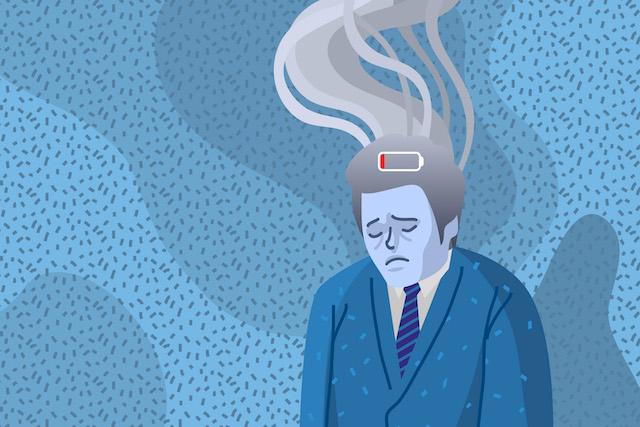
    In fact, I felt like I was a smartphone on 1% battery all the freaking time.

    And I’m not just talking about feeling physically wiped out. I was mentally and emotionally zonked, too. I knew there had to be something better than living in permanent beast mode… running on fumes… sputtering through my days.

    Eventually, it all just clicked for me. I realized that I had become so caught up in the hustle, so obsessed with the “how much,” that I’d lost sight of the “why” … for what purpose?

    After all, busyness should not equate with worthiness!

    And that’s when I decided to shift gears, from the non-stop grind of beast mode… to the thoughtful pacing of what I now call my “best mode.”

    Beast Mode vs. Best Mode

    Beast Mode is like running on full throttle all the time. It’s all about maximum effort, maximum speed, maximum output. It can be incredibly effective in the short-term but can also lead to burnout and loss of direction in the long run.

    Best Mode is about finding a sustainable, balanced, and intentional way of living. It’s about setting mindful, meaningful goals and pursuing them at a thoughtful pace. It’s an approach that values self-care, reflection, and mindful action as much as achievement and productivity. In best mode, you’re not just achieving, you’re enjoying the journey. You’re living your best life, not just a busy one.

    Now, I’m here to share my journey from beast mode to best mode, my transition from being a human-doing to a human-being. And let me tell you, it’s not only enriched my life,  it’s made it infinitely more fulfilling, and, dare I say, significantly more enjoyable.

    The Appeal of Beast Mode

    We live in a world where the common refrain is always: “Do more! Be more! Achieve more!”

    And beast mode fits snugly into this ethos.

    It’s not just a mindset. It is a state of being.

    It’s about relentlessly striving for success, pushing past limits, and breaking barriers.

    Admittedly, it gives you a buzz, a rush. I remember the thrill, the allure of being in beast mode. The feeling that I was invincible, a juggernaut, an unstoppable force. There was something intoxicating about it, something that drew me in and held me in its grip.

    The Downsides of Constant Beast Mode

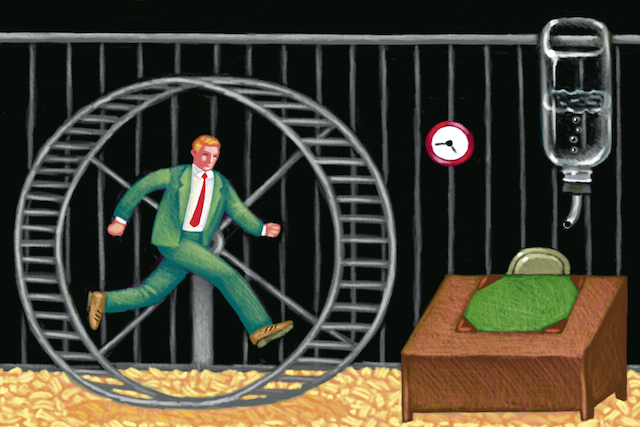
    But here’s the kicker: Living in beast mode is like running on a treadmill that’s always cranked up to max speed. It’s exhausting, draining.

    You’re sprinting at breakneck speed, but where are you going?

    What are you really achieving?

    And at what cost?

    Because in the midst of this relentless pursuit, you start to lose sight of what’s really important.

    Relationships, peace of mind, the simple joys of life. They all get left in the dust.

    Plus, often beast mode leads to a more beastly mood. You feel on edge a lot of the time. Or simply exhausted.

    Basically, beast mode is a relentless grind that leads you straight down a one-way street to Burnoutsville. Trust me, it’s a place you don’t want to visit.

    The Value of Balance over Burnout

    Over time, as I got older, I began to see through the illusion.

    I started to realize that life is more than a marathon, more than a series of boxes to check off.

    A good life is about appreciating the moments in between, the simple pleasures, the quiet joys.

    It’s about my kid’s laughter echoing through our home, a shared meal with my family, a good book on a lazy afternoon.

    These simple moments are the essence of a good life. They’re the threads that weave the tapestry of our existence.

    And these threads started to matter more to me, more than any achievement or accolade.

    So one morning I peeled that “beast mode” sticker off my bathroom mirror, and began to try to live differently.

    How I Quit Beast Mode and Burnout 

    Breaking up with beast mode was no easy feat. It was like trying to sever ties with a toxic friend who just doesn’t want to let go.

    But once I managed to break free, it was like a breath of fresh air. I found peace… tranquility… balance.

    And I discovered that balance trumps beast mode any day.

    The calm mornings, the shared stories, the unhurried afternoons, the dancing to music in the middle of the day—these became my new triumphs.

    These simple, peaceful, intimate moments became my new improved yardstick for success.

    And they became the milestones that truly mattered most.

    5 Tips to Quit Beast Mode and Embrace Best Mode Instead

    Now, if you’ve managed to stick with me so far, here’s some straight-shooting advice, fresh from my own experience.

    Coming up now are my top tips for quitting beast mode—and thereby quitting burnout mode too!

    1. Embrace the Joy of Missing Out (JOMO).

    It’s perfectly okay to say ‘no’ to things. The world won’t come crashing down if you miss a meeting or skip a gym session. You’re not the fulcrum of the universe, even though it can feel like it sometimes. Relax, let go, and savor the joy of missing out.

    2. Redefine Success.

    Success doesn’t always have to mean grinding 24/7. It’s about finding balance, achieving contentment, and enjoying peace. It’s not a one-size-fits-all concept. Define success on your own terms and let the world be damned.

    3. Cultivate Mindfulness.

    Be present. Bask in the moment. Not the one that’s waiting around the corner or the one that’s five years down the line. I’m talking about the moment that’s happening right now, this very instant. It’s fleeting, ephemeral, and it’s worth your attention.

    4. Prioritize Relationships.

    Remember, it’s the people in your life that matter. Not your achievements, not your work, not the number of zeros in your bank account. People, relationships, these are the things that enrich your life. So make time for them. Even if it means putting your beast mode persona on hold.

    5. Balance, Balance, Balance.

    I can’t stress this enough. Life isn’t a sprint; it’s a marathon. It’s a journey that’s meant to be savored, not rushed through. It’s about finding equilibrium, maintaining stability, juggling different aspects of your life so that you’re not just running blindly toward an ever-receding finish line. Balance, my friend, is the key to a fulfilling life.

    Conclusion: Quit Beast Mode and Burnout

    So there you have it. That’s my story of why I ditched beast mode and chose the best mode life of balance.

    And I have zero regrets. In fact, I couldn’t be happier.

    So, take a moment to reflect, to think about where you’re at… and where you’re heading.

    What would your life look like if you decided to give beast mode the boot and embraced a life of balance instead?

  • Stay in the Right Lane: Let Yourself Slow Down and Enjoy Life

    Stay in the Right Lane: Let Yourself Slow Down and Enjoy Life

    “I don’t want to get to the end of my life and find that I lived just the length of it. I want to have lived the width of it as well.” ~Diane Ackerman

    Wow! My last weeks of my career. Though many days and weeks over the last thirty-four years have seemed to last forever, it truly is astonishing how fast time goes. And don’t we often try to make it go even faster?

    Our jobs are stressful. We are often under tight time constraints and deadlines. We have clients and associates who want and need things yesterday.

    We work in jobs we have very little control over. Add that to our daily responsibilities as parents, spouses, partners, friends, children to aging parents and—not to be forgotten—ourselves. It’s a lot.

    Maybe you are like me. When I was younger, I too often:

    • wanted to fast-forward to a new day, a new week, or a new season of life
    • wished time away
    • focused on that vacation that was months away
    • couldn’t wait until my kids were older
    • had my eye on that next job
    • sought to get through tough circumstances I was facing, or
    • desired to be where someone else was in life

    What did it cost me? Memories and opportunities. I don’t remember many details of when my kids were growing up because I was always thinking ahead. I was not in the moment.

    I missed opportunities to learn and grow because I was always focused on that next thing instead of learning what could help me in that next thing.

    I missed all the beauty this earth has to offer because I was driving too fast.

    It cost me time. I wished away something I can never get back. It cost me the fun of simply living life, my life.

    It has taken me sixty-five years on earth to figure out how to make every moment count. And, if I’m honest, it’s something I must work at every day.

    “Don’t focus on making each moment perfect, focus on the perfection each moment provides, be it a good one, or not so good one.” ~Jenna Kutcher

    Notice that I didn’t say “make every moment happy, productive, or memorable.” Just make it count. Be in it. Live it.

    There are many moments that aren’t happy. In fact, they can be downright sorrowful or exhausting. But, at the same time, they help shape you and enable you to grow.

    I missed many good moments in my life because I was too focused on making the ending happy or perfect to enjoy what was happening right before my eyes.

    A few years ago, my son and I met up with a good friend of mine. We started talking about our kids and what fun it was to go to all of their events when they were younger. I was pounding my chest by bragging about being at all of their events.

    My son, to his credit, challenged me. He said I was there physically, but I wasn’t really there. He told my friend I was always on my phone, or otherwise preoccupied. He was right. I was there but I can’t tell you about the goals they scored, the amazing moves they made, or the songs they sang. It was like a dagger went through my heart. But it was true.

    My dear friend Doug told me a great way he is trying to live right now. He said, “stay in the right lane.” I love that. We often want to get somewhere fast, so we pull into the left lane and zoom past everything to get to the destination. 

    I did that most of my life, in all areas of my life. As I start to live in the right lane, I am having an easier time being more in the moment. I am being intentional.

    I start my day with a routine of praying, journaling, exercising, and setting my focus to not be on one or two things, but to be awed by the wonder of what I might encounter. I intentionally set aside days where I do not have a set schedule.

    As I am more in the moment, I am experiencing all sorts of beauty, joy, amazement, clarity, purposefulness, happiness, and opportunity.

    When you look at my photo library, you will see mostly pictures of bugs, birds, flowers, and trees from my walks. My mind has space to be creative and I am finding clarity on the things I want to do in this season of life, for me. My relationships are flourishing because I am actually there, truly experiencing another person.

    Being present has also allowed me to see myself for more of who I am. I have often said I never felt I was good enough. I felt I had to do more in order to be enough. Now that I have more clarity on who I am, I want to do more, because I am enough. I realize that no matter what I do from here on out, I am good enough. Because of who I am, not what I do.

    Many have asked what I will do in retirement. Like, retirement is the end, so how will you live to the end? I am looking at it more as a transition into the next leg of my journey.

    I am going to continue to live in the right lane, enjoy every moment, create and experience new moments, and focus on the journey itself, not the destination. I plan to live as Laurie Santos puts it, “be happy in my life, and with my life.”

    “The most dangerous risk of all…is the risk of spending your life not doing what you want, on the bet you can buy yourself the freedom to do it later.” ~Randy Komisar

    So how do you do that? It isn’t always easy.

    Have good self-awareness (know yourself and trust yourself). Be intentional. Make time for the people and things that matter. Make the time to think about what you really want in life.

    And slow yourself down.

  • Feeling Burnt Out? How to Slow Down and Reclaim Your Peace

    Feeling Burnt Out? How to Slow Down and Reclaim Your Peace

    “Burnout is a sign that something needs to change.” ~Sarah Forgrave

    Fifteen years ago, my doctor informed me I was in the early stages of adrenal exhaustion. In no uncertain terms, she warned that if I failed to address the stress I was under, my adrenals might not recover. This was hard to hear, but it forced me to face the fact that eating well, exercising religiously, and keeping up with the latest research on wellness was not enough.

    I had to ask myself a defining question that day: Am I ready to go down with the ship?

    At the time, I was teaching an average of fourteen classes a week at my wellness studio. I had been exceeding my threshold for so long that I had pain in every joint and muscle in my body. I was completely exhausted, physically, mentally, and emotionally, but slowing down or cutting back was just not an option.

    Or so I believed.

    The problem was that every time I would even begin to consider addressing the reality of my situation, my head would instantly fill with all the reasons I couldn’t possibly stop.

    There was the dream for a business I couldn’t imagine giving up. The huge amounts of time and money I had invested in realizing that dream. And most of all, there were the clients I was serving, a community of amazing women I loved working with and didn’t want to let go.

    Meanwhile, my thirty-year marriage to a man struggling with an opioid addiction was falling apart. My kids were distressed. My body was completely breaking down, and my life had become a tangled mess of fears, conflicted feelings, and obligations I just didn’t have the heart for anymore.

    As the growing pressure to do something about my situation increased, my anxiety increased right along with it. Talk about a pressure cooker!

    I couldn’t even imagine the courage I would need to tell my husband I wanted a divorce. And whenever I got anywhere close to that courage, my mind would flood with anxiety over the uncertainty.

    How would he react?

    How would it affect my children?

    Where would I live?

    How would I ever rebuild my life?

    It felt as if I was being buried alive under a growing mountain of complexity with no way out. So, the pain continued to get worse, and I kept trudging forward, blindly hoping against hope that somehow it would all work itself out (without changing anything about the way I was living).

    Growing up, I had learned to take the offensive and power through obstacles. I had always seen myself as someone who could do anything she put her mind to. Now I found myself stuck between the person who thought she was responsible for everyone’s experience but her own and the person I might actually become if I started making self-valuing, authentic choices.

    Then one morning, the dam broke.

    I was walking up to the door of my studio to teach the 6:00 a.m. class, asking myself (like I did every morning) how I was going to get through the day with all the pain I was in.

    As I turned the key in the lock of the business I had dreamed of creating for over a decade—the business I had built out of everything I believed in and everything I knew I wanted to offer to the world—I could see the consequences of my resistance to change about to swallow me whole. I could see that my fear of change was completely blocking my ability to see anything past that.

    And suddenly… everything went quiet. All the reasons for not stopping that typically flooded my mind just fell away.

    The only thought I had in that moment was, The way you stop… is you stop.

    I didn’t just hear these words; I felt an absolute acceptance of them. One minute it was impossible to stop; the next, it felt like the simplest thing in the world.

    In the quiet of this moment, I became so aware of my own breath that I felt it everywhere in my body. For the first time in as long as I could remember, I stopped. And when I did, I found the courage to listen to my aching heart.

    I felt a depth of longing for peace I had never allowed myself to experience before. I stood there breathing and felt an acceptance of the reality of everything that was happening wash over me. The pressure to control it all was gone!

    My mind was clear, and my body felt relaxed even as I faced the same facts of my situation, but without all the usual stories and justifications overwhelming me. It felt like a miracle.

    Suddenly the door to my studio, which I had been walking through for years, felt like the door to an entirely new way. Standing there with my key in my hand, in the profound quiet of that moment, I was flooded with a new sense of possibility.

    As I set up for the 6:00 a.m. class, I stayed focused on my breathing and continued to listen to my body. It became clear to me that when I wasn’t being honest with myself, my body responded by restricting my breath. And I was able to see how all the years of unaddressed tension were expressing themselves as escalating physical pain.

    A New Direction

    That morning, I didn’t just take a first step toward interrupting the old way. I began heading in a new direction.

    But it still took me a year and a half to wind down my commitments and extricate myself from the studio. This was a massive transformation involving every aspect of my life, but it began with just one step—accepting that the old way was broken. Once I accepted this wholeheartedly, I moved to the next step.

    I had a friend who had moved back to town to take care of her aging mother. She was looking for a place to establish her yoga school and had already been teaching a couple of classes a week at my studio while she looked for a more permanent place. On that pivotal morning, after I taught the 6:00 a.m. class, I called my friend and told her that I was stepping down and that she could hold all her classes there.

    I continued to pull back, one step at a time, constantly asking myself, “What can I let go of today?” (One day, the answer to this question was “my hair”!) Eventually my friend bought out my lease and took over completely.

    This is not to say I did not continue to wrestle with self-doubt. But my intention to slow down and to stop ignoring my tension became my guiding compass point.

    In the years that followed, I relied on this compass to dive more deeply into the mind-body connection and what it truly means to take care of myself and be happy. My primary tool was the simple mindfulness practice of paying attention to my posture (whether it was tense or at ease) and my breath (restricted or free). I found strong community for this priority in the study and practice of Qigong, Tai Chi, and Continuum.

    In the process, it became clear to me that to access the wisdom within, the first thing I had to do was slow down and calm down. This priority allowed me to be honest about the pressure I was putting on myself to keep doing things I no longer had the heart for and to recognize the emotional reasons I was hanging onto them.

    We all come to thresholds in our lives, times when we’re faced with tremendous pressure to change (or go down with the ship). When we refuse to change, the only other option is to increase our tolerance for suffering while convincing ourselves that it’s not affecting us as much as it really is. In this fantasy we tell ourselves we’ll make it (somehow) if we just keep powering through.

    I’ve come to realize that it’s not about avoiding stress. It’s about increasing your ability to remain present and functional while stressful events are happening. The calmer you can be in the face of stress, the more resilient you’ll be and the less likely you’ll be to end up teetering on the edge of complete burnout like I was.

    When we practice being present, we’re able to make more accurate moment-to-moment choices. We’re able to slow down and take an honest look at what needs to change. Which isn’t to say that it’s going to change in a minute, or a day, or a week, or even a year. The truth is that lasting change can often be a very gradual process.

    How to Stop

    I was able to stop by establishing new priorities. I made it a point to slow down, calm down, and really be honest about what I could eliminate. My process was essentially as follows:

    1. Stop. (For the moment, anyway.) Acknowledge that before a new way can show itself, you have to find a way to stop the old way.

    2. Acknowledge the pain you are in—emotional and physical.

    3. Ask what you can let go of now and in the near future. (If the answer is “nothing,” then ask again.)

    4. With “something has to give” as your mantra, what can you let go of next?

    • Consider what you are physically and mentally capable of doing right now. (If the answer is “everything, if I push myself,” then ask again.)
    • Consider your life priorities and what you need to make room for.
    • Consider what you no longer have a heart for.
    • Consider that what you are holding on to tightest might be what really needs to go. Letting go of smaller things first often helps to relax your grip on even your strongest (and often unhealthy) attachments.

    5. When the “yes, but…” voice shows up, be aware of it and do your best not to listen or take action based on what this voice says. This is the voice of your attachment to keeping an unsustainable system on life support. It’s fueled by your fear of uncertainty because if you stop what you’re doing, you’re not sure what will happen (and your “yes, but…” voice is certain it will be awful!).

    6. Gather tools to help yourself detach enough from this voice to move toward accepting reality and make the changes needed to live a more authentic and satisfying life. (The Serenity Prayer is a good one.)

    7. Remember that change is a process, not a single event. Start small, then graduate to bigger things that need to go.

    I hope you’ll continue to play with the concept of stopping (the old way) to start (a better way). Every meaningful change hinges on your ability to interrupt the old pattern. You’ll learn to rely on this ability the more you practice using it.

    Also keep in mind that you won’t necessarily know anything about the new way when you stop the old one. Change usually happens very slowly, and patience can be the hardest thing.

    Good luck, and feel free to reach out with questions or comments!

  • The Simplest Ways to Find Calm in the Middle of Life’s Constant Chaos

    The Simplest Ways to Find Calm in the Middle of Life’s Constant Chaos

    “When you are resting because you are worn out, you need to remember that you are not wasting time. You are doing exactly what you need to do. You are recovering.” ~Unknown

    I woke up at 3am when I heard my alarm ring. I slowly pulled my arm away from my son, who was half holding my arm and half lying on it, so that he didn’t wake up. I tip-toed out of bed while my husband and my son were sleeping.

    My eyes ached and were blurry from sleep deprivation. My head felt like I was floating in the air. But even so, I couldn’t sleep any longer.

    Knowing that just in a few hours, I would have another fully busy day at work, with deadlines all over my head, and I’d have to deal with all the mails marked “urgent” yesterday before getting to today’s mail.

    My sleepiness went away quickly as I started to feel butterflies in my stomach. Not in a good way.

    The deadlines, the rush and anxiety, all kicked in. I felt like I wanted to cry. And so I did a little.

    But I felt like I shouldn’t feel that way, that I should be grateful instead.

    The whole pandemic gave people hell. And I am so lucky that my family is safe, and we are doing fine.

    My husband could not work for six months, and I have been the sole provider since. But I am lucky that I still have a job.

    Compared with how other people go through their days, I should be grateful.

    But on a wild thought, I just wanted to open my laptop and send a resignation mail right away.

    Because I was tired.

    I was tired of being the sole provider.

    I was tired of trying and pushing so hard.

    I was tired of taking care of other people.

    I was tired of getting tired but not being able to sleep.

    I was tired of getting up so early alone.

    I was tired of working at different jobs all the time.

    I was tired of not getting enough breaks or not saying “screw it.”

    But I can’t. I have a family to take care of, I have a little boy to worry about.

    Being strong, being resilient is the only choice I have.

    So I turn on some music when feeling lonely, wipe my own tears when having a mental breakdown. Tell myself to stay strong, and always keep going forward.

    But today, I woke up and realized, I don’t have to feel that way.

    Life gives me responsibilities not to break me down. Responsibilities are the sublimation of love.

    Because of love, I wake up early and work while others are still sleeping.

    Because of love, I agree to do different jobs to be able to take care of my loved ones.

    Because of love, I need to take care of myself first.

    Because not only do I love them, but they also love me and want me to be happy.

    I realize I am not a superhero that never makes a mistake. I am a human being. I screw up sometimes. I oversleep sometimes. I miss deadlines sometimes. I act stupidly sometimes. I get lazy sometimes.

    And it is okay.

    It is okay for me to slow down and take a deep breath.

    It is okay to take a break so that I don’t get burnt out.

    It is okay to make mistakes and say “I don’t know” with pride.

    It is okay to know that I cannot control every single aspect in my life, and the good thing is I don’t have to.

    Because that’s how unexpected things happen. That’s the fun of life.

    And I know there is always a place that I belong and find peace: my home, my family, my heart.

    If you are like me, feeling the world is fighting against you, here are a few simple ways to find calm in the chaos.

    1. Stop what you are doing and take a deep breath.

    I learned this technique through one of Louise Hay’s books. You take a deep breath, tense your body as hard as you can, and hold it for a few seconds. Then release and exhale.

    Do it a few times whenever you feel worried or stressed. The butterflies-in-the-stomach feeling quickly dissolves.

    2. Find a peaceful place.

    No, you don’t have to call your boss to ask for an immediate vacation on a beach, nor do you have to go to the bathroom and cry (though you can do either if you think it would help).

    Look inside yourself and find your peaceful place—or person.

    Who do you love? Who do you do this for? Remember, responsibility is the sublimation of love.

    When I’m at work and I am about to have a panic attack, after taking a few deep breaths, I pull out my son’s videos and pictures. I remind myself that I love him, and he loves me no matter what.

    He gives me a reason to believe that I am worthy and I am loved and gives me the strength and motivation to keep going.

    3. Meditate daily, even just for five minutes.

    I learned that meditation is not about clearing your mind and thinking of nothing; it is about accepting who you are and not letting your wild thoughts control you.

    Don’t worry about learning how to meditate, just sit down in stillness as an act of love for yourself. Be present, aware of your thoughts.

    You will soon realize that meditation helps to untangle your thoughts so you don’t feel controlled by the chaos in your life.

    4. Thank yourself.

    Have you done it today? Have you thanked yourself for all the good you do and stopped to think about how proud of yourself you are?

    Look at how amazing you are taking care of your loved ones, how their lives are much better because of you, or how brave you are in all the things you do, or even how you are aware of this moment. There are thousands of reasons to be proud of yourself.

    Most of us focus more on what we think we’re doing wrong than all the things we’re doing right, and this creates a constant sense of anxiety. If you give yourself a little credit instead, you’ll likely feel instant relief. So remember to thank yourself at every chance you get.

    When life gets busy and overwhelming, it’s tempting to think you can’t relax until everything gets easier. That you need to escape or make it all stop, which generally isn’t an option. Fortunately, we don’t have to make major life changes or run away to find a little peace.

    Calm is not when you are at the beach enjoying a drink. Calm is right there in the middle of the storm. Calm is in your heart.

  • Movement, Stillness, and Insight: My 3 Daily Non-Negotiables for a Busy World

    Movement, Stillness, and Insight: My 3 Daily Non-Negotiables for a Busy World

    “Put yourself at the top of your to-do list every single day and the rest will fall into place.” ~Unknown

    We live in a busy world. There is always something, or someone, fighting for our attention. It’s easy to feel overwhelmed. It’s easy to lose the time we need for ourselves. The white space in our days is often the first thing to get squeezed out as demands on our time escalate.

    To combat this pull to overwhelm, I decided to create a list of daily non-negotiables.

    Having a list of non-negotiables means I get to control at least a portion of my day. I can ensure some of what is important to me keeps its space when everything else is at risk of being crowded out.

    The Daily Three

    My daily three, as I have coined it, includes time for the following.

    1. Movement
    2. Stillness
    3. Insight

    Let’s break each down.

    Movement

    This is time for either a formal movement practice (most often bodyweight strength work, some weights, or yoga), an informal mobility flow and stretching what is tight, or just a long walk. Some days will include a combination of all.

    I believe deeply in the power of a physical practice. Regular movement is good for the mind and body. It energizes and nourishes us. It can also boost our mood, reduce chronic pain, and help us sleep better at night. All good reasons to make movement a priority in our days.

    And this time doesn’t have to be something we dread, like an early morning trip to the gym (personally, I love these). We can also introduce an element of play. Discovering movement on a deeper level. Rediscovering that childlike quality of just enjoying being in our bodies and seeing what they can do, whether that means dancing, tumbling, hula hooping, playing frisbee, or running down a hill, arms flailing, like we did as kids.

    There are many ways we can settle on what works best for us but also experiment, peppering our day with mini-movement breaks.

    Stillness

    Time to reflect, to ponder. Time to absorb. Time to reset and replenish. Time to be.

    Some will use this time for a seated meditation. I prefer long walks (which, along with writing and yoga, are as close as I get to a formal meditation practice).

    This is also my time for listening to music. Music settles my mind on the busiest of days, bringing me back to myself. For others, it may have the reverse effect, but this works for me.

    Less frequently, this space will also mean time for a more indulgent self-care routine (massage, sauna, steam, etc.). Time to switch off and be pampered. We all deserve some pampering occasionally.

    Time in stillness can often mean thinking of how I can be of service to others and the world around me in some small but meaningful way. This could be a random act of kindness or something more substantial. While self-care and time inside our own heads is important, so is time spent thinking on how we can make the world a little better for those around us.

    This is also the time for a gratitude practice. Thinking of one to three things I’m grateful for today. Big or small, they all count.

    Making space for a gratitude practice is one of the most powerful changes anyone can make to their lives. It shifts the lens through which we see the world. When we feel gratitude, true appreciation, and joy for something, it’s hard to stay in a negative space. When I think about being grateful for something (or someone), my mind clears; it focuses purely and simply on the act of being grateful.

    Too often in life, our mind wants to zig and zag. Striving for the next thing and the next. Planning and plotting ahead. Dwelling on the negative, what we are missing, what we did wrong, how far we are from our goals, how we dealt with a situation in a less than optimal way. This negative bias and future-creep do not serve us well. We suffer.

    Instead, we need to be a little kinder to ourselves and detach from our expectations of what could or should be. Making time in our day for stillness acts as an anchor to bring us back to ourselves. It’s grounding.

    Insight

    Time to learn something new or dig deeper into an area of interest.

    This will usually involve reading (or re-reading) a book, listening to a podcast, or listening to someone smart.

    Sometimes it might be a passage from a favorite book I come back to or a quote that speaks to me. I collect quotes for my writing, but there are several favorites I return to over and over. They always provide me with inspiration and are a source of energy.

    This can also be a time to go deeper on a subject in a more expansive way. A course, workshop, or some time with a coach of some sort. Doubling down on a subject we are passionate about.  Investing in our knowledge.

    Why Have a List of Non-Negotiables?

    Your non-negotiables may be different than mine, depending on your needs and values. Regardless, this practice ensures we prioritize the things that serve us (or we need) amongst other priorities. Writing them down and having them in our mind’s eye keeps them present.

    This can be time for self-development and self-care. Time to grow, time to reset, time to reflect. Time to slow down.

    This is positive fuel that we can run on. A foundation to launch from.

    Why Daily?

    A daily frequency is particularly important when establishing a new habit. Once ingrained, you may wish to revert to a less frequent practice.

    A better question might be, if it’s important, why not daily?

    Why Three?

    Because it’s not too many or too few. Three is doable. You might prefer more or less if you give a similar practice a proper go. Experiment and keep what works for you. As my examples have shown, I have been liberal in what my three encompass, I encourage you to do similar.

    The Time Conundrum: Doing What You Can, When You Can

    When life gets busy, it can be tough to find any free time in your days, especially if you have young children (or babies) to see to, or elderly dependents that count on you.

    The good news is you can work your non-negotiables into the time you have available. A short five minutes here or there, between other responsibilities, adds up.

    If you have trouble making time for half an hour of seated meditation every morning, perhaps you could reduce the pressure and instead allow five to ten minutes before you go to bed (or even in bed) each night instead. Or use a meditation app on your phone for your day while walking from work to home. As I write this, in our home, we are currently experimenting with some Yoga Nidra time just before bed.

    You can even look for opportunities to combine some of these non-negotiables with your other daily activities—for example, dancing with your kids so you get the benefits of movement while bonding with your little ones.

    The important thing is that we make at least some time for things that are important to us and for us, a promise to ourselves and form of self-care. Some days we might have more time, some days less.

    There is no right way to do this. We all work from where we are and with what we have. These non-negotiable elements should add to the quality of our lives, not create an additional stressor.

    So long as we make a little time for the things that nourish and energize us, we will reap the benefits.

    Experiment, make your own list of daily non-negotiables, and feel the power of this simple habit.

  • The Simple Path to a More Fulfilling, Far Richer Life

    The Simple Path to a More Fulfilling, Far Richer Life

    “Let us prepare our minds as if we’d come to the very end of life. Let us postpone nothing. Let us balance life’s books each day. The one who puts the finishing touches on their life each day is never short of time.” ~Seneca

    Many of us say we want a simpler life, but we don’t make any changes because that would require us to make hard choices that go against the flow. We say we want to be less busy and enjoy more of our days, but it feels easier to do what everyone else is doing, even if it’s actually harder.

    The path of least resistance is a well-paved six-lane highway that barrels forward in one direction. The constant hum of traffic tricks you into thinking it’s the best way to get where you want to go. If you’re interested in a simpler life, take the next exit because I’d like to share a new route with you.

    But first, a few important questions…

    Why do we accept rules, expectations, or beliefs forced on us as adults? If this comes at a cost that consumes our soul and leaves us questioning life, why do we view this as a fair trade-off?

    Why do we subject ourselves to the torture of leading chaotic lives? Do we think our sacrifices are worthy and just because they’ll enable our kids to live better lives? Does our reality really reflect the life we want to pass on to our kids? Or are we passing the torch to a relay they don’t actually want to be a part of?

    At some point, we forgot why we work. And the forty-hour work week is something no one questions. It is what it is. How is it that every job needs the same length of time to complete its tasks in a week?

    You need to have a source of income to put a roof over your head, food in your belly, and clothes on your back. I won’t debate you on that. After we fulfill these necessities of life, we start to get lost with everything we think we need to be happy.

    We live in a consumerist culture. As a result, we’ve come to believe that our wants and needs are the same thing. This requires us to make far more money than we really need for a happy life. It traps us in jobs we don’t want. And it forces us to spend our most precious resource (our time) on things that don’t make us happier.

    I know, I’ve been there myself. In my mid-twenties, I was in a job I hated, living with someone who deserved better, in a city I didn’t want to be in. Rather than address the root of my unhappiness, I bought a brand-new shiny sports car. I was depressed and I wanted a car to fulfill an emotional need. Spoiler alert: All I got in return was more depression and a bank-draining monthly payment to remind me you can’t buy happiness.

    I don’t want to spend my life endlessly consuming in an attempt to avoid my feelings and needs. I want to be present in every moment and enjoy as much as I can, like my niece, who’s coming up to her third birthday. She’s already the world’s greatest mindfulness teacher.

    Like a penguin marching through the Antarctic, she waddles forward with purpose. She stops to let that grass tickle her toes. She laughs as the feeling of a breeze kisses her cheeks. She is present with every ounce of her being. I’m with her, but a moment before I’m whisked away by the thought of upcoming projects and emails I “need” to respond to.

    Modern society squashes the whimsical out of you like a fat June bug under a careless foot. The decades of school and meaningless work are like buckets of water drowning a campfire. Only the embers remain. The fire that burned within your soul waits for oxygen to stoke it back to life.

    To reach the simple life you have to make the hard choice to carve your own path. It’s that voice that says don’t settle and points you in the opposite direction of everyone else. It’s the words of Dr. Seuss who urges, “Why fit in when you were born to stand out?”

    Getting started with a simpler life doesn’t require anything you don’t already have. It only requires you to focus on everything worth appreciating in your life as it is right now.

    The purí tribe lived along the northern coast of South America and in Brazil. Philosopher Henry David Thoreau modeled his life after their ability to live simply, present, and fulfilled. Their way of living was in the presence they gave each moment: “For yesterday, today, and tomorrow they have only one word, and they express the variety of meaning by pointing backward for yesterday, forward for tomorrow, and overhead for the passing day.”

    While we can’t all uproot our lives and live in the woods like Thoreau, and modern life is decidedly more complicated than life in the time of the purí, their commitment to presence offers a simple solution to the chaos of an ever-connected life.

    By doing less and being more engaged in everything we do, we’re able to enjoy our lives now instead of waiting and hoping we’ll find happiness and fulfillment sometime in the future, when we’ve accomplished or earned enough.

    But this requires us to tune out the noise of the world, an ever-present buzzing that drowns out the voice of our soul as the years add up.

    As a kid, that voice whispered to us about exploration and adventure. We were driven by curiosity and refused to be idle.

    Everything was exciting.

    Everything was magical.

    Everything was a gift.

    Living this kind of life comes back to our ability to be present like the purí tribe.

    It’s in these moments of presence that we get a chance to listen and hear what our soul is saying. We know deep down that material things will not make us happier. We know deep down that all the promotions in the world will not fill the void of missing out on life. We know deep down that the rat race is a game we don’t need to be a part of.

    Being present with these uncomfortable feelings is the beginning of a new and rich life.

    Left unchecked the rat race crushes your soul like the grass beneath an elephant stampede. This way of living is toxic for the mind, body, and soul. It’s a disease that fills you with stress, destroys your family, and gives you little to hope for.

    This is the reality I was facing when I was forty pounds heavier and had hit rock bottom with my mental health. I often found myself drinking with the hope that I wouldn’t wake up.

    It wasn’t until I was present with this pain that I could see that I needed help. And it wasn’t until I faced my feelings that I was able to strip away the things that didn’t fulfill me so I could      make space to enjoy the now.

    If you’re living like I once did—distracting yourself from your discontent and missing out on your life as a result—know that things don’t have to continue this way.

    At any time, you can choose to be honest with yourself, let go of the things that drain your spirit, and allow yourself to find joy in the simplicity of the now.

    At any time, you can tune into life’s simple pleasures—the excitement of your dog’s wagging tail, the unexpected smile of a passing stranger, or the way your son’s eyes light up when he smiles—and recognize that this is happiness. And It’s available at any time if you’re not too busy or caught up in your head to appreciate it.

    The purí tribe would point overhead to the passing day as a reminder that this is the only day we have. There’s no sense looking backwards unless that’s the direction you want to go. Each and every day carries a new opportunity to be present and live a rich life.

  • Why We Need to Be Present to Enjoy Our Lives, Not Just Productive

    Why We Need to Be Present to Enjoy Our Lives, Not Just Productive

    “Presence is far more intricate and rewarding an art than productivity. Ours is a culture that measures our worth as human beings by our efficiency, our earnings, our ability to perform this or that. The cult of productivity has its place, but worshipping at its altar daily robs us of the very capacity for joy and wonder that makes life worth living.” ~Maria Popova

    I was high on productivity. I had one full-time job, two part-time jobs, and a side hustle. I was getting everything done. Sounds perfect, right?

    Then I started hating my life.

    I had read enough books and articles to tell me how I was not doing enough. Enough self-help gurus had told me that what I needed to do was max out every single hour I had to be minutely close to being “successful.”

    My co-workers often got intimidated by my jam-packed calendar. I don’t exaggerate when I say that every minute of my life was scheduled. Sheldon-level scheduled, with dedicated “bathroom breaks” and everything.

    I ran three to-do lists: daily, weekly, monthly. This was my way of setting out for maximum efficiency. I said “yes” to my boss so often I had become his favorite. Work-life balance, what’s that?

    Tasks were flying off my list like never before—so many horizontal breakthroughs! I wore this as my badge of honor for a while, this art of getting it all done. And why not? I was rewarded for it in money, praise, promotions, awe.

    But then it didn’t feel so great. Instead, I became downright miserable.

    Why Busyness-Productivity Is A Mirage

    I don’t claim that productivity is bad. Doing fulfilling work by minimizing distractions and getting deep focus is truly rewarding.

    But it is crucial to stop and question why you’re doing what you’re doing. It is necessary to pause and reflect on the value of your tasks and actions. Otherwise, productivity translates to useless busyness.

    When I became this productivity freak, I never stopped to ask if any of the things I was doing were giving my life meaning. I was doing a demanding full-time job that didn’t provide me any purpose. My days became a blur of mindless task completions. My mind, heart, and soul were absent from my work. Any given Monday didn’t look so different from a Tuesday three weeks prior.

    And it wasn’t even like I was happy.

    I was meeting all my deadlines, but I was spending no time with my family. There were enough accolades to prove all my achievements but not enough art to fulfill my soul. I answered every email I received within twenty-four hours, but I hardly focused on long-term self-growth.

    On the outside, my life never looked better. But on the inside, I was worse than I had ever been. Distraction, schedules, irritability, and deadlines were the monsters that ruled my life.

    After a month-long burnout, I hit the problem nail in the head. I knew I needed to move on. But how? I resolved to take a calculated leap of faith. I found a client willing to pay me for my freelancing services for at least two to three months and made a thick emergency fund by cutting out on expenses. Then, I quit the unfulfilling full-time job and gave my heart to work that I truly found meaning in. I stopped making productivity my goal. I opted to choose presence instead.

    Presence > Productivity

    I read Annie Dillard’s, The Writing Life, in which she memorably wrote, “how we spend our days, is of course, how we spend our lives.”

    After reading this book, I realized that productivity would only be fruitful when coupled with presence. I knew then that presence was what would make my rewards meaningful.

    What is presence? Presence is the art of being in the moment, the luxury of pausing, the virtue of stillness. It is being alert, aware, and alive to this moment.

    There’s a reason why our culture runs for productivity instead of presence. Productivity helps us shut away from reality. It keeps us “busy” into a future that is yet to manifest.

    It is so much easier and convenient to take the shield of productivity against the beautiful, buoyant, and sometimes disruptively painful present.

    Performing one task after next gives us an excuse to not fully live, not completely concentrate, not unbiasedly accept.

    I used to be that way—trying to avoid the truth that I was not finding my work meaningful. I wouldn’t accept that this job was emptying me slowly, living in denial of a reality I was living. Was I not getting things done? I was, more than ever before. But was I happy? I had never been more unhappy with my own choices.

    Being productive every minute of every day meant I could avoid the fact that many of my friendships were depleting, toxic, and unhealthy. I was lying to myself that it was all to have a good social life. In reality, I would go out of my way to avoid being alone, to avoid answering the big questions pertaining to my life that can only be answered in solitude.

    But coupling our actions with productivity and presence can have an astounding effect on our lives. It can make every task we do driven with intention, purpose, and meaning. Presence is what helps us reap the internal rewards that come with doing fulfilling work.

    Choosing Presence

    If you are anything like me, choosing presence over productivity can take some practice. Productivity was my normal mode of operation. It was easy; it came naturally. But opting for presence in my actions wasn’t so simple.

    The art of being present and intentional in all my tasks was like writing with my non-dominant left hand. I searched for help and stumbled upon Tim Ferris. He often says to think of your epitaph to cut through all the noise and maze of productivity. It is a way to find out what truly matters to you by getting a super-zoomed out version of your life.

    As morbid as it sounds, that is what I did. I imagined what I would like to carve on my epitaph, and the important stuff came into a laser-sharp focus:

    I needed to write. I needed to make time for solitude, for serendipity, for hobbies. I wanted to create more memories with my family. I wanted to let go of draining friendships and put all my energy into relationships that filled me with fulfillment, meaning, and growth. Taking it one step at a time, I decided to hand in my resignation. I landed my first writing gig in under two weeks.

    And hey, it’s not like I don’t struggle to write with my left hand anymore. But I am growing each day. It takes some practice and effort to make room in your calendar to “be present.” I am learning to be uncomfortable by turning the volume down of “getting things done.”

    I have noticed that it is the minor changes that count. It is taking a little more time to craft that email mindfully. It is that courageous “no” to a project that can help you surpass your quarterly KPIs but take away from your family time. It is choosing to take a soothing fifteen-minute walk break over checking off another mindless to-do list task.

    Presence is a process. It requires the discipline to focus on the present moment when productivity pushes you to see a non-existent future. Presence is your un-busy existence of utterly unadulterated joy. It is your creativity’s cradle. It is your time to just be.

    So do it. Make the hard choice. Live your life with presence to help you find joy in the now instead of pushing toward some destination in the future. None of us really know where the future will bring us, but we can all choose to enjoy the scenery along the way.

  • How to Stop Procrastinating When Things Feel Hard or Scary

    How to Stop Procrastinating When Things Feel Hard or Scary

    “You’ve been criticizing yourself for years and it hasn’t worked. Try approving of yourself and see what happens.” ~Louise L. Hay

    I dreamed of starting my own business for years. Ten years, exactly.

    While there are a few reasons it took so long to take the plunge, procrastination is at the top of the list.

    It’s hard work to change careers, uncomfortable to leave a steady paycheck, and nerve-wracking to think of failure.

    Even after spending months and years learning, studying, and getting certified, when it was no longer a matter of having the skills, the uncertainty of success was enough for me to keep kicking the can down the road to start marketing myself.

    I was afraid of failing. I was afraid of not being perfect. I was afraid that people would think I was a joke. And I was afraid that I wasn’t going to be capable of all the work it entailed.

    So I dragged my feet and kept passing my work off to “Future Me.”

    I did this for everything, though.

    “Tomorrow Sandy” can do the dishes. She’ll take care of scheduling that doctor’s appointment. Oh, and sign her up for that tough conversation I need to have with my mom too.

    At one point I recognized that I often procrastinated because I needed everything to be perfect.

    • I wouldn’t work on a craft project or cook a new recipe unless I knew it would come out flawless.
    • Or I would keep tweaking projects at work up to the last second and beyond, at the sacrifice of getting more work done.
    • Or I would agonize over every text and email I sent, often opting not to send any message unless I knew exactly what to say.

    But, as you can see, I’ve come a long way from that version of me.

    I’ve since started my own business (and I’m loving it!), and I’ve pulled my best tools together on paper for how to stop procrastinating—even though I actually procrastinated on writing this post (ironic, I know!).

    Today, I didn’t let my fear of “good enough” hold me back from sharing actual, helpful advice and mindset shifts to get moving and stop staying stuck.

    Because when we’re stuck, we start telling ourselves stories. So that’s where we’ll start, with this story we tell ourselves about why we procrastinate.

    What We Think Procrastination Is

    We have this misconception that procrastination is laziness.

    But procrastination is an active process. You choose to do something else instead of the task that you know you should be doing.

    In contrast, laziness is not caring. It’s apathy, inactivity, and an unwillingness to act. It’s an “I could, I just don’t wanna” kind of attitude.

    But when you’re procrastinating, you feel even more stressed because you do care about getting the task done. You’re just avoiding stress and having difficulty with motivation.

    Because that is why we procrastinate.

    What Procrastination Really Is and Why We Do It

    Procrastination is a stress-avoidance technique. It is an active process to temporarily avoid discomfort.

    We subconsciously are saying, “Present Me is not willing to experience this discomfort, so I will pass it on to Future Me.”

    (We do this as though we’re asking a stranger to do the work for us. Researchers have seen on fMRI that when we think about our future selves, it lights up the same part of the brain as when we think about strangers.)

    The really cool news is that by working toward overcoming your procrastination habit, you’re building your overall resilience to distress.

    That is how I define resilience: a willingness to experience discomfort.

    Examples of Procrastination

    Procrastination is tricky. Sometimes it’s obvious that we’re doing it. Sometimes we don’t quite realize it (like when I had to water the plants right then and there instead of writing this blog post).

    So here are some examples:

    • Scrolling through Instagram instead of getting started on important tasks
    • Putting off work assignments until the last minute
    • Wanting to start a new positive habit (dieting, exercising, or saving money), but repeatedly delaying it while telling yourself that “I’ll start soon
    • Wanting to start a business but wasting time in “research mode” instead of taking action
    • Doing an easy, less important task that “needs to be done” before getting started
    • Waiting until you’re “in the mood” to do the task

    5 Steps to Stop Procrastinating

    Now that we know what it is and why we do it, let’s look at how to stop.

    1. Motivate yourself with kindness instead of criticism.

    What really holds us back from moving forward is the language we use when talking to ourselves.

    Thoughts like:

    • I don’t want to.
    • It will be hard.
    • I don’t know how to do it.
    • It might not come out as good as I want it to.
    • I’ll probably fail.
    • This will be so boring.

    This is what we think that drives us to procrastinate. I mean, really, when you read those thoughts, they just feel so demotivating, right?

    This negative self-talk has a good intent. It is trying to save us from discomfort.

    Unfortunately, it’s achieving the opposite because it adds to the stress by making us feel bad.

    If you speak to yourself with kindness, just as you would a friend, it will feel so much more motivating.

    So think about what you would say to that friend. It might sound like:

    • I get it, it will be uncomfortable, but you’ll be done soon and then you can relax.
    • Once you get started, it will be easier.
    • You can do it!!
    • If it doesn’t come out perfect, at least you’ll have practiced more.
    • If you fail, you’ll have learned so much.

    2. Create a pattern interrupter.

    That negative self-talk has simply become part of your procrastination habit.

    Because that is what procrastination becomes—a habit—and habits are comprised of a cue, a routine, and a reward.

    • The cue is thinking about a task that needs to be done.
    • The routine is to speak that negative self-talk that leads to procrastination.
    • The reward is less stress. (Not no stress, because avoiding the task is still somewhat stressful because we know it eventually needs to be done.)

    In order to break the habit and create a new one, you need to introduce a pattern interrupter.

    Mel Robbins has a great one she calls the 5 Second Rule. When you think “I should do this,” before the negative self-talk starts in, count backwards, “5-4-3-2-1-GO” and move.

    I find this helpful when I’m having a hard time getting out of bed in the morning.

    If I’m having trouble getting motivated to do something difficult like write a post about procrastination, my pattern interrupter is “I can do hard things.” Not only am I interrupting the pattern, I’m motivating myself positively as well.

    If I’m having trouble doing a boring and tedious task like my taxes, I use something like “I’m willing to be uncomfortable now so that Future Me can be at peace.”

    3. Break down the task.

    One of the big drivers of procrastination is overwhelm. Overwhelm happens when we’re looking at a project in full scope, either not knowing where to start or feeling like all the work involved will be too much.

    If the next task at hand is too big, or if you don’t know where to start, your first task really is to either 1) make a list, or 2) figure out the smallest thing you can do first.

    The whole house is a mess? I bet you know where that one sock goes!

    Another example, I had social anxiety and going to the gym was overwhelming to me.

    So I broke it down into:

    • I just need to put gym clothes in my car, that’s it.
    • I just need to drive to the gym. I can turn around if I want once I get there.
    • I just need to walk in the door. I can always leave.
    • I just need to get changed in the locker room I can do that.

    Honestly, I never turned around and went home. Because once I’d taken the small, easy step, the next small easy step was doable.

    Which leads me to the next step…

    4. Just commit to five minutes.

    Studies show that if we commit to five minutes only, 80% of us are likely to continue with the task.

    Five minutes is nothing. You can do anything for five minutes.

    There is an 80% chance you’ll continue working once you put in those five minutes, but even if you don’t, you’re still five minutes closer to your goal.

    And, you’ve taken one more step to breaking the old habit of not starting.

    It’s a big win-win!

    5. Reward yourself or make the task more enjoyable.

    Another problem with looking at a big task in scope instead of the next five minutes is that the reward is too far away or not satisfying enough.

    When you’re trying to lose weight, twenty pounds is weeks and months away.

    Or, when you’re putting off your taxes, if you aren’t expecting a return then the reward is “not going to jail.”

    So bringing in more rewards sooner will fast track creating the new habit of getting started.

    But also, making the task itself more pleasant will make it a less monotonous task.

    • To write this post, I put on my softest bathrobe and grabbed my baby’s tub from when he was an infant to make an Epsom salt foot bath under my desk while I write.
    • I’ll be starting my taxes in the next few weeks, and I already plan to have a glass of wine and super fancy cheese and crackers while I sit down to do them.
    • I save listening to super nostalgic nineties music for when I’m exercising just so that it makes that time extra special and fun.

    What Would Open Up for You If You Stopped Procrastinating?

    We spend so much more time avoiding the discomfort of a task than we do stepping into what it will be like once the task is complete.

    If you were to stop procrastinating, what would open up in your life?

    • Would you start your business because you’re no longer afraid of experiencing any discomfort if you “fail”?
    • Would you simply enjoy life more if you weren’t in a perpetual state of stress because there is a list of things you’re putting off?
    • Would you finally lose weight or get in shape and feel good once you push through being able to get started?

    The Bottom Line

    Procrastination is an active process to temporarily avoid discomfort (it is not laziness!)

    By overcoming your procrastination habit, you are building your emotional resilience.

    Notice the negative, demotivating self-talk and motivate yourself with kindness over criticism.

    Create a pattern interrupter before the negative self-talk starts weighing you down.

    Commit to just five minutes and you’ll either keep going to do more, or you’ll at least be five minutes closer to done.

    Reward yourself or make the task more enjoyable so there is less discomfort to avoid.

  • Being Busy Made Me Feel Important, But Now I Feel at Peace

    Being Busy Made Me Feel Important, But Now I Feel at Peace

    “You should sit in meditation for twenty minutes a day, unless you are too busy, then you should sit for an hour.” ~Ancient Zen proverb

    I used to think that life was about powering through things. I’d grab a latte, write my to-do list, and proudly cram as many things as possible into my day.

    At work, there was staff, payroll, invoices, customers, marketing, and the occasional cleaning of an office bathroom. At home, there was parenting, dinner, cleaning, homework, bedtime, laundry, and plans for the next day. When my eyes could no longer remain open, I’d fall into a restless night’s sleep accompanied by a busy mind and grinding teeth.

    I figured I had no choice. I had two kids, a husband, a landscape business, a school that wanted parent participation, a co-housing community with obligations, and an overachiever complex.

    There was plenty on my plate just being a mother of two with a family business. But what made matters worse was me going above and beyond. I was president of the school foundation, head chef for community meals, point person for committees, and in my free time, (when was that exactly?) an aspiring athlete training for triathlons. I wanted to be the woman who could do it all, and do it well.

    Being busy made me feel important. The more I juggled, the more praise and attention I got from others, fueling my sense of purpose. It fed my ego and gave me the adrenaline to keep going.

    Without being busy I thought my life would look insignificant. I might disappear like a beige house in a sea of endless tract homes, bland and provincial. So I filled every second of every day with a sense of purpose and a mission that never left room for rest. When no one needed me, I scrambled for something or someone to engage with. I’d repaint a bedroom or rework our website to keep from being unproductive.

    My busy-ness became an addiction. Another project complete, another shot of adrenaline. I felt good and sh*t was getting done!

    But similar to a person with anorexia who starves herself to the point of hospitalization, I was so focused on getting results that I didn’t realize the toll it was taking on me.

    I told my concerned parents I was fine, and that it all needed to happen. I rationalized that I had to do it all for the sake of my family. But underneath it, I was wearing out. My back hurt, my jaw ached, and according to my Ayurvedic practitioner, I’d worn down my adrenal glands, which would eventually lead to other health problems.

    When my mother died, my father took up Vipassana meditation at a Buddhist retreat center in Northern California. For Christmas, he paid for me to attend a three-day silent meditation retreat. I was touched by his gift, but nervous.

    The thought of sitting still for three days scared me. How would I exercise? What if I had to go to the bathroom during a meditation? What if I couldn’t do it?

    The first two days were the hardest. I did everything in my power to summon my patience, but sometimes I let my mind wander on purpose, counted the minutes until the bell rang, and allowed myself to take walks instead of “walking meditations.” I did what any person new to meditation might do: I bent the instructions to fit what I thought were my needs.

    But by the third day, something profound happened. I surrendered to the moment, and the stillness felt good. A calm washed over me like the warmth of a bath. What once felt tense relaxed, and I experienced a deep sense of peace. In the absence of doing, I felt like I was coming home.

    That New Year’s Eve I made a resolution to meditate every day for one year. Though I knew it was one more thing to add to my to-do list, it felt important. There would be no schedule, no method, no particular length of time, and no particular place. It was just me, sitting in observation of my breath, every day. It needed to be on my terms and without judgment or pressure, or it wouldn’t work.

    I noticed my life began to calm down that year. My back pain eased a bit and I craved more quiet. I was quick to notice my feelings and follow my intuition, and my urgency about things getting done was beginning to diminish. By the end of the year, I had only missed six days of meditating. What was once a good idea had become a part of my daily routine.

    It’s been over six years since that retreat, and the results of my almost-daily meditation practice have been noticeable, but my proclivity toward being over-productive remains.

    Like a recovering alcoholic, I have to talk myself out of falling back into its socially acceptable, compelling grip. My smartphone taunts me like a flask I carry in my purse, begging me to engage with more causes, more conversations, and more people. It never goes away; I just have to keep on top of it.

    But unlike alcoholism, being addicted to busy-ness is not a disease; it can be a simple choice. I know that if I choose to indulge myself by packing my schedule, kicking back too much coffee, and going full throttle, I will feel depleted after the race. I know that if I choose to over commit myself, I’m actually looking for praise.

    So, instead of getting down on myself, I now close my eyes and focus on my breath. Though I feel impatient and annoyed at first, eventually the familiar warm water soothes my active mind and I am reminded that there is no need to panic, no need to rush. I just need to be still and present, the place where my feelings of insecurity are replaced with feelings of deep connection and gratitude.

    It is there that I can relax and just be.

  • The Dangers of Being Too Busy and How to Restore Your Health and Sanity

    The Dangers of Being Too Busy and How to Restore Your Health and Sanity

    Busy Schedule

    “Take care of your body. It’s the only place you have to live.” ~Jim Rohn

    Busy doesn’t adequately describe my life over the past few years. Let’s say it was a hurricane of a schedule, with extra storms and a tsunami thrown in. Looking back from my current safe vantage point, I’m not sure how I survived.

    The Stress Of A Busy Schedule

    In 2011 I was working full time for the civil service and working part time trying to start up my own business. Early in the year I had my son, who turned out to be a non-sleeper and a constant crier.

    After nine months of sleeplessness, stress, and upset I went back to the civil service ‘part time’ three days a week, but the reality was I had the same workload, only now I had to sort out childcare and stay awake all night to deal with my son too.

    Over the course of three years we also moved three times. You know how they say moving is the most stressful experience? It is—especially with two jobs and a toddler.

    On top of all this stress I kept getting ill. At my check-up I was told my blood pressure was too high. I couldn’t shift a permanent backache, cold, and headache.

    I cried literally all the time, boosting the crying human total to two in one house. My son outdid me, though, because you’ve got to get on. Being a new mum is hard, but I told myself “Get a grip,” every day.

    The Wake Up Call

    Then my aunt suddenly died at the young age of fifty-nine.

    She was always busy moving, rescuing horses, and looking fabulous. She complained to her doctor about headaches and he sent her away with a “stress” diagnosis. The following week she was taken to the emergency department and she died of cancer a few months later.

    It was a mighty wake-up call for me. Work, stress, and demands had taken the fun out of life—it was miserable.

    Life is too short, so I made a vow to sort myself out. I was ungrateful for my life, too busy to appreciate anything except tea and Kit Kats. I was a horrible person to be around, if anyone actually saw me.

    How I Dealt with the Nightmare Years

    I ate rubbish.

    I don’t eat much meat or dairy, but I ate a lot of processed foods to save time. My son had lovingly prepared home-cooked foods, but me? I ate standing up in the kitchen—usually jam on toast.

    I didn’t exercise.

    I didn’t have time to exercise. If my son was asleep it was time to work on the business, or cook something, or even clean.

    I found time for friends instead of me.

    I sent round robin emails and Facebook updates to stay in touch because I didn’t have time for individual chats, but I went on nights out even when I was too tired to stand up. I felt my social obligations were important. I was still the joker and laughed at anything going, but by god, it was exhausting. 

    I lost touch with my hubby. 

    We argued all the time, trying to outdo each other in the “I’m more exhausted than you” Tiredness Olympics. I won because I fell out of bed one night and didn’t wake up. He didn’t notice.

    I didn’t enjoy my son.

    I feel robbed of his early years, not just because he was a nightmare baby, but because I didn’t have time to appreciate him.

    I cried a lot. 

    I cried every day, usually in the bath at midnight after I fell asleep and dropped my phone in the water.

    So what do you think of my coping strategy? It’s pretty pathetic looking back. Many of us do this in the belief that we’re soldiering on, but in fact we’re destroying our health.

    How I Made it Better

    After discussions with my husband we decided to make some cutbacks so I could give up my civil service job. The thought of us both commuting and juggling a school run with a traffic jam was the deal breaker. I was to concentrate on my home business instead.

    I realize I was fortunate to be able to drop my job and focus on my son and my business, and that not everyone can do that. But I believe everyone can start restoring their health and their sanity by making these choices and lifestyle changes.

    Sleep and more sleep. 

    Skip that TV program and go to bed.

    I started getting ready for bed at 10:00. By the time I was asleep it was 11ish, but this was a lot better than my midnight to 1:00am routine.

    When my son woke in the night, instead of putting him back in his own bed (with an hour of fighting), I just let him in with us. It’s quite cosy, and he’s more relaxed.

    Getting kicked every now and then is worth it in my opinion. A new Korean study has shown we increase our odds of diabetes, stroke, and heart disease if we get less than six hours a night—so damn the parenting magazines.

    I went to the doctor.

    It’s easy to dismiss small symptoms when you don’t have the time to stop.

    When I finally got to the doctor, who went thirty minutes over my allotted ten minute appointment, I left with appointments for a physiotherapist, an ultrasound, and the contraception nurse; a prescription for psoriasis treatment; and instructions to buy a steam inhaler and some iron tablets.

    It turned out that I had a large ovarian cyst, anaemia, sciatica, chronic nasal infections, a bad time on the implant contraceptive, and violent psoriasis all dragging me down—and I was exhausted. The doctor thought I had post-natal depression, but in hindsight I think I was simply tired out.

    Talk about a mess! That’s what can build up when you ignore your health. The solution?

    Exercise.

    Fresh air and walking are tonics like no other. I started walking and talking with my son. I soon realized he was bright and had a real grasp of emotion and how people felt. He told me I was always cross, but he wanted to make me happy (cue crying).

    He’s now at school, so we walk there and back every day to talk about his day and the worries he might have. His behavior is startlingly better and he sleeps well too.

    After drop-off I walk to the supermarket or wherever, just for the exercise. I’ve lost fourteen pounds and my backache is pretty much gone.

    Put the mobile down.

    It’s easy to constantly look at Facebook, Twitter, personal emails, and even work emails when you should be resting.

    Keeping work and home life separate is harder than ever, but it’s more important than ever. Talk to your family, watch mindless TV, or read a book. I stopped reading email or Facebook after 6:00pm and immediately felt more relaxed.

    Drink water, not wine.

    Dehydration is a problem for many people, but they don’t realize it. Your body doesn’t function well without water. A new study claims that millions of us visit the doctor with tiredness symptoms when we’re simply dehydrated.

    I didn’t drink much water in the dark days because it didn’t give me a boost and I resented all the peeing time. As a result, my skin was dull and grey, and yes, I was exhausted.

    I got a pet.

    My rescue cat was the best present ever. He kept me calm with purring, sleepiness, and soft fur. Dave lent me a furry ear and didn’t mind when I complained or cried it out.

    Mindfulness.

    From the outside all was calm, organized, and clean. On the inside I was fire fighting with sugar, caffeine palpitations, and a bad attitude. So I took up mindfulness—the act of present-time-awareness.

    According to The NHS, “Mindfulness, sometimes also called ‘present-centredness,’ can help us enjoy the world more and understand ourselves better.” They aren’t wrong!

    It’s okay to say you need some alone time, or to leave the house messy. I didn’t want people to think badly of me back then, so I put myself under pressure to be an actual Wonder Woman. I found out there’s a reason she’s fictional.

    I stopped eating sugar.

    Processed stuff was my main diet, and it’s horrible for our health.

    I was never fond of meat and dairy, but I was filling up on caffeine and sugar. I upped our family intake of fruit and vegetables, bought soya milk, and caffeine-free teabags to use in every other cup. Bye-bye constipation and headaches.

    No smoking.

    I wasn’t a smoker, but a busy stressful schedule can cause people to start or to smoke more. Goodness knows I was looking for a prop. The effects of smoking on health are devastating—heart disease, cancer, asthma, and susceptibly to colds are just a few. There are no pros.

    Feeling Human

    It’s taken almost a year to feel human again. My dietary changes, exercise, and water intake helped almost immediately, but it took a little longer for the health problems to clear up.

    Now I find myself looking back and wondering how on earth I allowed my busy schedule to harm my health so badly, not to mention my family life and friendships.

    Nothing is more important than your health and well-being, because without it you have no life. Is that overtime really worth it? Can that email wait? Those illness symptoms certainly can’t.

    When we’re on a busy schedule, fitting in some self-care and relaxation time just feels like another chore. However, it’s one that could save your health, life, and relationship. Make it your number one priority—before it’s too late.

    Busy schedule image via Shutterstock

  • There’s No WiFi in the Forest, but You’ll Get a Stronger Connection

    There’s No WiFi in the Forest, but You’ll Get a Stronger Connection

    Woman on a swing

    “The quieter you become the more you can hear.” ~Ram Dass

    We live our lives at such a fast pace. We seem to be working more hours and juggling more tasks both at work and home, with no relenting.

    As part of the technological age, we are connected 24/7, and we find it difficult to switch off.

    It has changed the face of how we live and work. Expectations are higher, the pace of life is quickening, and we’re struggling to keep up.

    In a world that encourages noise and busy-ness, we find it hard to be quiet and still.

    I recently left a stressful job in the corporate world to regain balance in my life. I was so busy making a living that I’d forgotten to make a life, and my health was suffering as a result.

    I am now an advocate for “slowing down to speed up.” Prioritizing relaxation and self-care makes me more alive and more effective, and it allows better decision-making, hence making life easier.

    We have been conditioned by society to maximize every second of the day by doing something. Some people see relaxing as unproductive, wasting time, and even selfish if we’re taking time for ourselves.

    But in this busy world it’s not just individuals that benefit from time out; our bosses, colleagues, friends, and family also reap the benefits when we’re rested and refreshed.

    In the modern age we are overwhelmed by technology. It now dominates our homes and work-life and keeps us in touch with friends, families, and the world around the clock.

    In the days before handheld devices, people could leave the office on Friday and not see their emails again until Monday morning. We would sit on bus and talk to one another rather than being lost in an iPad.

    My former morning routine consisted of eating breakfast while checking Facebook, reading my personal and work emails (even though I was going to be in the office in less than an hour), and then watching the news on TV. A similar kind of routine would play out at the other end of the day over dinner.

    I recently took three months off and spent time living in yoga ashrams and Buddhist temples where there was no TV and Internet.

    Surprisingly, I found I didn’t miss it. It freed up so much of my time each day, time spent enjoying my meal, being present, noticing the birds in the trees, and talking to those around me.

    The most amazing thing was when I returned to civilization and logged on to check the news, Facebook, and emails, I hadn’t really missed anything. But I’d gained so much more.

    I’d experienced what I was doing. I’d not been distracted by petty stories that didn’t matter or that may have impacted my state of mind negatively. Most of all, my mind had become de-cluttered and focused, and I felt a certain clarity I enjoyed.

    As a result of a technology fetish, we are spending more time inside. This is leading to an alarming vitamin D shortage in many developed nations, particularly in the northern hemisphere when we don’t get enough sunlight.

    We no longer live off the land in rural areas. Many of us are confined to cities, living and working in concrete towers. As a result, we have lost touch with our connection with nature, which studies suggest is vital for our health.

    We know how refreshing it feels to take a walk in the park or sit by a lake, and research is now showing it goes much further than that.

    The connection we get from being in nature utilizes all the senses and brings clarity and focus, which is why sometimes when I was struggling for inspiration in the office or couldn’t solve a complex problem, it would help to take a stroll to clear my mind.

    Many offices now use walking meetings as a way of improving health, creativity, and productivity. This is especially powerful in the technological age when emails and phones so often disrupt our concentration and cause breaks in our creativity.

    UK charity Mind suggest that time in nature is beneficial for those with depression, as it enhances mood and self-esteem and reduces anger, confusion, and tension.

    It has also been shown to lower blood pressure, reduce pain, and strengthen the immune system.

    A study done involving patients recovering from gall bladder surgery in a hospital compared a group who had a view of nature outside their window to those without a view of nature.

    This study found that those who looked out onto nature recovered quicker than those who didn’t.

    At the same time as we are suffering from a lack of outdoor sunlight, we also need more exercise. Diseases like obesity and depression are at epidemic proportions, and still worsening. Research suggests that being outside more often could help on both counts.

    According to recent studies, sitting is the new smoking, and hours at desks, in cars, or in front of the TV is damaging our health more than we realize.

    It more than doubles your risk of diabetes and is linked with an increase in heart disease. In fact, inactivity is the fourth biggest killer of adults, according to the World Health Organization.

    I’m not suggesting we should all go and live in caves on the top of a mountain, but I am an advocate for ensuring we have an opportunity to disconnect.

    Maybe turn your work device off over the weekend, have a TV-free night each week, resolve not to check Facebook every day, or even better, take a technology break for a week, maybe when you go on your annual vacation, and see what it does for you.

    Sometimes we need to disconnect so we can reconnect with our real selves and not give way to the many distractions in our lives. This brings the clarity we need to make good decisions and to listen to what we want and how we feel about the things that really matter.

    So I urge you to switch off the TV, turn away from the computer screen, put down your phone, and get outside.

    As the saying goes, there’s no Wi-Fi in the forest, but you’ll get a stronger connection.

    Woman on a swing image via Shutterstock

  • 16 Things to Let Go to Live a Truly Happy Life

    16 Things to Let Go to Live a Truly Happy Life

    “Happiness is not something you postpone for the future; it is something you design for the present.” ~Jim Rohn

    Sometimes I feel like I’ve spent the better part of my life chasing after happiness. It always seemed like happiness stayed just a tad bit out of my grasp—somewhere in the future that I could always see, but not quite touch.

    For instance, when I was a kid, I believed I’d be happy if I got an admission into a good college. In college, I believed that I’d be happy if I got a good job. When I got a job, I believed that I’d be happy if I got a promotion and a raise. And on and on it went.

    Every time I reached a goal, it seemed like the next goal was where true happiness lay.

    Sadly, this affected my personal life as well. I thought, “When I find a great guy, I’ll be happy. Wait, to be truly happy, we need to first get married. Being married is great, but we need to have kids to find real joy. Gosh, our baby needs to grow up a little so we can really enjoy being with her…” And so on.

    For more than thirty-five years, I chased happiness on this path, not realizing what a futile chase it was.

    And then, about two years back, I was abruptly jolted out of it.

    One evening, on a day that had started out like any other, I found myself at the hospital with my three-year-old daughter in tow, waiting outside the emergency room that my husband lay in.

    After a week at the hospital, my husband came out okay. However, it fundamentally changed the way I look at life.

    For the first time I saw the futility of our chase. I still believe that goals are important and we should strive to achieve them. But now, I see them more as mile markers in life’s journey, not having much to do with happiness.

    Happiness, it turns out, is not something we go after. It’s something already within us. We just need to clear up some clutter to find it.

    The two years that followed have been an amazing journey of slowly letting go of some of that clutter in the quest to find the true happiness within. It’s still a work-in-progress, but here are the things I’ve been striving to let go.

    1. Let go of trying to control everything.

    The only thing that we can truly control is our own attitude and reactions. Once we accept that, we can find happiness right where we are, irrespective of how things turn out. This was perhaps the hardest but the most necessary part of the transformation for me.

    2. Let go of trying to please everyone.

    Every time we pretend to be someone, it takes us away from our true selves, and from our place of happiness. It was hard at first to stop trying to please others. Eventually I realized how liberating it was to dare to be myself!

    3. Let go of the sense of entitlement.

    I often found myself asking “Why me?” It was hard to replace that with “Why not?” After all, everyone gets their share of joys and sorrows; why should I somehow be above it and deserve only the joys?

    4. Let go of resentment.

    Unless we walk in the shoes of the other, we really don’t know the reason for their behavior. Carrying resentment only hurts us and delays any repair. I cannot tell you how amazing it’s been to let go of some of the resentment I didn’t even know I’d been carrying for years!

    5. Let go of guilt.

    On the flip side, if we are the ones who made a mistake, it is time to forgive ourselves and make amends. “I’m sorry. How can I fix it?” can go a long way in starting the healing process.

    6. Let go of pride.

    Neither apology nor forgiveness is possible without letting go of pride. Nor is there room for authentic connection where pride resides. Let it go.

    7. Let go of perfectionism.

    If I had a dime for every opportunity I squandered in the quest for perfection, I’d be rich! But no one can be perfect all the time. That’s what makes us humans. We are quirky. We have flaws. We are beautiful just the way we are.

    8. Let go of negativity.

    In any given situation we have a choice—look at what’s good and be grateful, or look at what’s wrong and complain. Deliberately adopting the attitude of gratitude literally changed the course of my life.

    9. Let go of draining, unhealthy relationships.

    We are the average of the people we hang out with, and if they are frequently negative, it becomes hard for us to maintain an attitude of gratitude. It’s been a tough call to distance myself from people in my life who were bringing me down, but it was necessary to move on.

    10. Let go of the busyness.

    Somewhere along the way, many of us have bought into the notion that the busier we are and the more we achieve, the happier we will be. After thirty-five years, I’ve come to realize that busyness does not equal happiness.

    11. Let go of the attachment to money.

    Money is definitely good to have, but once our basic needs and savings goals are met, it’s time to evaluate the tradeoff of earning more and more. Letting go of the need for money just for the sake of it has been a very hard but fulfilling experience for me.

    12. Let go of the fear of failure.

    Everybody who tries anything worthwhile fails at some point or the other. Failure does not mean we are broken. It simply means we are courageous to dare! Easier said than done, but I’m trying.

    13. Let go of the fear of abandonment.

    Fundamentally, we all crave for connection. But when fear of abandonment starts to rule our lives we make very irrational choices. I try to trust that what is meant to be will happen. And no matter how things turn out, we’ll come out of it okay.

    14. Let go of comparison.

    We usually only get to see the highlights reel of other’s lives. Comparing my behind-the-scenes to that has only made me unhappy in the past. It’s time for change.

    15. Let go of expectations.

    In the end, the core of all my issues was that I expected things to be a certain way. I expected what a good spouse or a friend ought to act like. I expected my daughter to behave a certain way. I expected how situations should turn out. Heck, I even had fixed expectations of what happiness was! Letting go of expectations has helped everything else start to fall in place.

    16. Let go of yesterday and tomorrow.

    And finally, how can we find true happiness if we are saddled down by the baggage of the past or fear of the future? Once I learned to let go of some of the above, I started to focus deliberately on today and now. Suddenly, music and beauty emerged from what was previously mundane. Is there a better way to find true happiness?

    Letting go of something that is ingrained in our minds for years is hard. In my experience, even when I do manage to let go of something some of the time, at other times, it comes right back. In the end, it’s the journey that matters, right?

    So, what will you let go of today?

  • 5 Tiny Steps to Move Away from Unnecessary Busyness

    5 Tiny Steps to Move Away from Unnecessary Busyness


    “It’s not enough to be busy; so are the ants. The question is: what are we busy about?” ~Henry David Thoreau 

    I’m sitting on my porch watching the line of ants trail up the wall until the black line above me starts to fade into the roof. I wonder what they think about.

    Do they question the busyness of their tiny lives? Are they determined to get somewhere, or do they just focus on each tiny step forward? Do they fear the long road ahead?

    I remembered learning from my mother—when my sister and I were homeschooled in third grade—about ants’ inability to see with their eyes. I remember my mother telling me that ants see through their sense of smell.

    In order to better learn how they saw, my mother placed small pieces of homemade brownies around the house and covered our eyes with blindfolds. Hungry and determined, my sister and I scrambled around the house on all fours, sniffing for our hidden treasure.

    While I am still grateful for this lesson my mother taught me about ants, I am starting to recognize a more important lesson that has taken a bit longer to learn.

    In high school I spent countless hours with my head down studying and using my hands for various volunteer organizations. In college I worked tirelessly from class to work to home.

    Little did I know I was just like the ants marching toward some destination, but I was blind as to where I was going and why.

    It wasn’t until I reached complete burnout in my young professional career that I really started taking a look at the time I spent staying busy and getting things done. I had to take a step back and look at what I was doing with my time.

    In my younger years I could push through mild illnesses to finish term papers and tests, so I thought this would be the case with my career.

    But long hours of keeping busy at work and extracurricular activities turned into days, weeks, months, and years until my body forced me to stop.

    I suffered a neck injury that kept me from my job. In search of the answer as to how I injured my neck, I went from doctor to doctor and they told me the injury was merely overwork, not enough rest, and too much stress. The doctors simply directed me to stop being so busy, something that is much easier said than done.

    Since the injury kept me from work, chores, exercise, and most of my demanding activities, I faced the startling realization that I had to slow down. I had to start questioning why I was keeping myself so busy.

    I discovered that if I stayed busy I could ignore the pain I felt of not being good enough. I recognized that if I continued to do things, I thought I would like myself more. I recognized that I didn’t love myself for just being me.

    That injury saved my life. It made me question why I was busy.

    I still have to come back to Thoreau’s question: What am I busy about? What are we all busy about?

    First, ask: What am I doing in the day that does not serve me? Do I need to spend three hours every weekend cleaning the house or can my family divide, conquer, and clean in only one hour?

    Do I need to spend two hours each day updating my social media status or can I update my profile once a week? What am I willing to sacrifice for internal sanity and calm?

    Second, ask: Why do I do all that I do? You might be shocked to see that you cling to a number of superfluous tasks for money, pride, power, or recognition.

    Third, ask: What would happen if I stopped doing this? Clearly, if you abruptly quit your job you might face immense challenges. Maybe start by identifying something small to erase from your over-packed day.

    Be as specific as writing down each hour in your day to see where you spend most of your time and what you can remove from your day. You might surprise yourself when you see how much television you watch or how much time you spend driving around to do errands.

    Tiny Steps to Move away from Unnecessary Busyness

    1. Challenge yourself to take a few minutes to stretch your legs or to close your eyes and concentrate on slowing down your breathing.

    Clearing your head and slowing down your heart rate will allow for clearer thinking, planning, and decision-making.

    2. Take a step back and look at your life from another perspective, as if you were a friend or a colleague looking at it.

    It can help you let go of emotional attachments and see why you are hanging onto pointless tasks and activities that once appeared significant.

    3. Pay attention to your dreams.

    Besides my strong advice to take a nap everyday (something we should continue to do no matter how old we are) our dreams can be indicators of many things in our lives if we slow down to recognize what they are telling us.

    4. Unplug.

    Limiting use of computers and cell phones can open up many more hours of free time, creativity, and relaxation.

    5. Allow yourself to feel and be mindful.

    Do you feel tension in your shoulders? Are you clenching your jaw?

    When we are busy, we forget to feel what’s going on with our own bodies. Let us not be the ants, blind to our own lives, oblivious to what’s in front of us.

    Let us continue to question why we “do.” There are some things that are important to “do” in life, but there are also times when it’s important to just “be.”

    It is up to us to take more breaks in our busy days and really ask, why am I doing this? Does it matter?

    Tonight I decided to stop working a bit early. I did not respond to all the emails in my inbox. Instead, I asked myself what I want to do tonight and why.

    I spent my evening reliving my childhood and made a fresh batch of brownies. I savored each bite knowing there is really nothing left for me to do but sit back and watch the trail of ants.

  • Have Faith That Slowing Down Will Be Good for You

    Have Faith That Slowing Down Will Be Good for You

    Smell the Roses

    “It’s not enough to be busy; so are the ants. The question is: what are we busy about?” ~Henry David Thoreau

    Four years ago, I couldn’t relax to save my life. The ability to slow down completely eluded me. I could start a company, train a pit bull, or hike 12 miles, but I sucked at taking a day off.

    Looking back, I now know that I was terrified. I was certain that if I slowed down I would never get going again. “My ‘to do’ list will fall apart! My friends and clients will be angry with me! My life will come crashing down around me!” screamed my brain as I imagined every catastrophe possible.

    These fears kept me running at 100% all the time—until I crashed. My life ran in “full-speed then crash” cycles. My brain and body would just shut down because I wasn’t taking care of myself.

    I had to learn to slow down. I began to occasionally take a little time off here and there, and to my surprise my “relaxing” time was miserable. During this new downtime, I would be flooded with powerful emotions that my busy schedule kept away.

    The quiet time allowed the things I was running from to catch up with me. At the same time, the things I was running toward seemed like they slipped further from me. Slowing down was terrible!

    Except that it was necessary. I built an on-off switch into my life that I could control, and bit by bit, I began to enjoy my life more. Emotions would come and I had time to listen.

    Some days slowing down meant having 12 hours of work and activities instead of 14. Sometimes it meant numbing out with television when my brain and body needed to rest. I began to realize that no one was asking me to slow down drastically, just a little at a time. (more…)