Tag: busy

  • A Quiet but Powerful Shift: How Slowing Down Transformed My Life

    A Quiet but Powerful Shift: How Slowing Down Transformed My Life

    “Slow down and enjoy life. It’s not only the scenery you miss by going too fast—you also miss the sense of where you are going and why.” ~Eddie Cantor

    In today’s hyper-connected and fast-paced world, slowing down isn’t just rare—it feels almost countercultural.

    For years, I tied my identity to productivity. My self-worth hinged on how much I could accomplish in a day, how many boxes I could check. The busier I was, the more valuable I believed myself to be. But that constant need to perform left me mentally and emotionally drained, disconnected not only from others but from myself.

    The shift didn’t happen overnight. There wasn’t a single moment of clarity, but rather a quiet unraveling of old habits and a tentative embrace of new rhythms.

    It started with one simple change: drinking my morning coffee without looking at a screen.

    Then came short walks without headphones, evenings spent journaling instead of scrolling. I also began ending each day by writing down three things I was grateful for.

    These tiny pauses felt insignificant at first. But gradually, they started to stitch together a new way of being. I noticed my breath more. I felt the texture of sunlight on my skin. I paid attention to the stories I was telling myself—and questioned whether they were even true.

    The more I slowed down, the more I began to hear the quiet voice within me that I had long ignored.

    Slowing down didn’t mean abandoning ambition. It meant redefining it.

    I started asking myself: Is this opportunity aligned with the life I want to create? Am I doing this because it brings me joy or because I feel I should? I said no more often, but with less guilt. I said yes with greater intention.

    Creativity, which had felt like a dried-up well, slowly began to flow again. I wrote not for deadlines or approval but to explore my inner world. I painted, even if the results were messy. I read poetry aloud in the quiet of my room. These acts weren’t about achievement—they were about presence.

    Relationships changed, too. When I wasn’t preoccupied with the next thing on my to-do list, I could be fully present with the people around me. I listened more deeply. I responded instead of reacting. I laughed more freely, loved more fully, and felt a deeper sense of connection.

    I also became more attuned to my body. I noticed when I was tired—and let myself rest. I recognized signs of stress and anxiety and learned not to push through them but to sit with them. I stopped seeing rest as something to earn and began to see it as something essential.

    With time, slowing down transformed from an experiment into a lifestyle. It became a guiding principle rather than a temporary fix. And perhaps the most surprising thing? I didn’t lose momentum—I gained clarity. I pursued goals with greater focus and more ease. I didn’t do more, but what I did had more meaning.

    Slowing down also helped me develop greater resilience. When life inevitably brought challenges, I didn’t spiral into panic as I once might have. I had built up a foundation of calm, a toolkit of stillness, and an ability to ground myself in the present moment. This made me stronger, not weaker.

    I discovered that the richness of life is often found in the pauses—in the moments we allow ourselves to simply be rather than constantly do. The world didn’t fall apart when I slowed down. In fact, it came into sharper focus. I was able to appreciate the subtleties of life: the way a friend smiled, the sound of rain on the roof, the comfort of a quiet evening at home.

    My relationship with technology changed as well. I became more intentional with my screen time, setting boundaries around social media and emails. I reclaimed hours of my day and filled them with activities that nourished me instead of drained me. I learned to value solitude not as loneliness but as sacred space for reflection and growth.

    Slowing down helped me tune into my intuition. I stopped crowding my mind with noise and distraction, and I started listening—really listening—to what I needed. Sometimes it was rest, other times movement. Sometimes it was connection, and sometimes it was solitude. I began honoring these needs without judgment.

    I even noticed changes in how I approached work. Instead of multitasking and burning out, I began focusing on one task at a time. The quality of my work improved, and I found more satisfaction in the process rather than just the outcome. This shift in mindset rippled into every area of my life, bringing more balance and peace.

    Slowing down helped me reconnect with the rhythms of nature. I paid attention to the seasons, the moon, the cycles of energy in my own body. I learned to embrace periods of rest as much as periods of growth. I found wisdom in the stillness.

    If you’re feeling overwhelmed, anxious, or simply disconnected, I invite you to try your own quiet shift. Start small. Five minutes of silence in the morning. A walk without your phone. One deep breath before opening your laptop. These moments add up.

    They’re not about escaping life—they’re about returning to it. You don’t have to escape your life to reconnect with yourself. Sometimes, all it takes is a little stillness. In that space, you might rediscover not just calm—but the truest parts of who you are.


  • Why I Quit Beast Mode and How I Traded Burnout for Peace and Balance

    Why I Quit Beast Mode and How I Traded Burnout for Peace and Balance

    “Beast mode.” Sounds pretty badass, doesn’t it?

    It’s like an adrenaline-fueled battle cry, a call to arms. It’s a way of life that’s all about giving every single thing you’ve got to every single thing you do.

    For most of my life, I lived this mantra—and prided myself for living this way.

    In fact, I had a sticker on my bathroom mirror with the words “beast mode” that I stared at all the time. It was my constant reminder to be all in, every single day, pushing harder, reaching further.

    But here’s the reality check: Life isn’t supposed to be a non-stop action flick or an eternal Olympic sprint.

    When you live that way, you’re always running on empty.

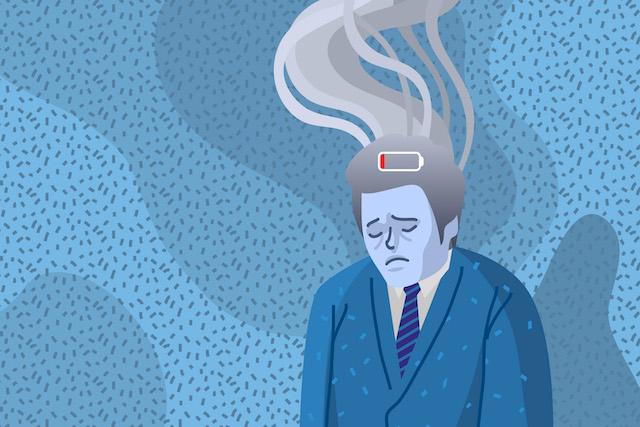
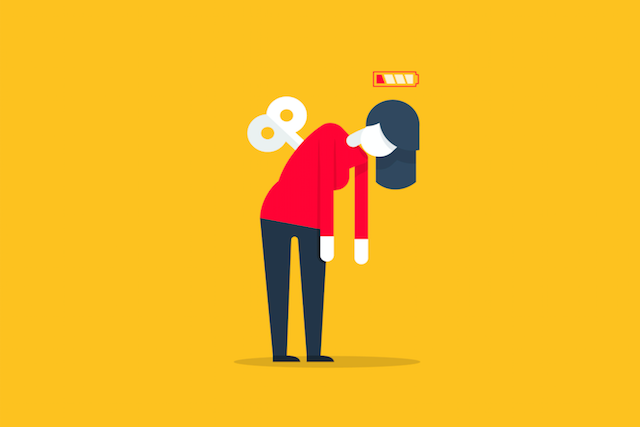
    In fact, I felt like I was a smartphone on 1% battery all the freaking time.

    And I’m not just talking about feeling physically wiped out. I was mentally and emotionally zonked, too. I knew there had to be something better than living in permanent beast mode… running on fumes… sputtering through my days.

    Eventually, it all just clicked for me. I realized that I had become so caught up in the hustle, so obsessed with the “how much,” that I’d lost sight of the “why” … for what purpose?

    After all, busyness should not equate with worthiness!

    And that’s when I decided to shift gears, from the non-stop grind of beast mode… to the thoughtful pacing of what I now call my “best mode.”

    Beast Mode vs. Best Mode

    Beast Mode is like running on full throttle all the time. It’s all about maximum effort, maximum speed, maximum output. It can be incredibly effective in the short-term but can also lead to burnout and loss of direction in the long run.

    Best Mode is about finding a sustainable, balanced, and intentional way of living. It’s about setting mindful, meaningful goals and pursuing them at a thoughtful pace. It’s an approach that values self-care, reflection, and mindful action as much as achievement and productivity. In best mode, you’re not just achieving, you’re enjoying the journey. You’re living your best life, not just a busy one.

    Now, I’m here to share my journey from beast mode to best mode, my transition from being a human-doing to a human-being. And let me tell you, it’s not only enriched my life,  it’s made it infinitely more fulfilling, and, dare I say, significantly more enjoyable.

    The Appeal of Beast Mode

    We live in a world where the common refrain is always: “Do more! Be more! Achieve more!”

    And beast mode fits snugly into this ethos.

    It’s not just a mindset. It is a state of being.

    It’s about relentlessly striving for success, pushing past limits, and breaking barriers.

    Admittedly, it gives you a buzz, a rush. I remember the thrill, the allure of being in beast mode. The feeling that I was invincible, a juggernaut, an unstoppable force. There was something intoxicating about it, something that drew me in and held me in its grip.

    The Downsides of Constant Beast Mode

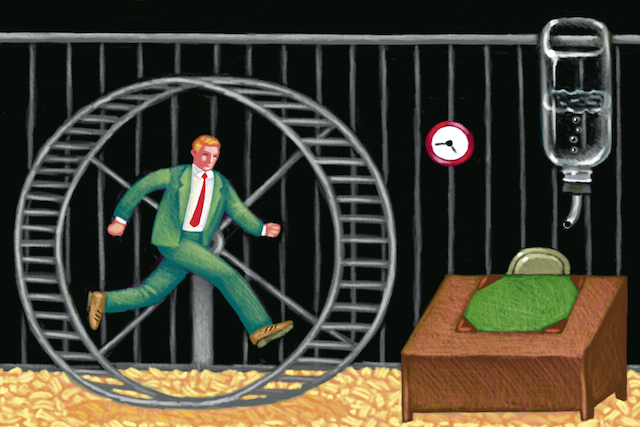
    But here’s the kicker: Living in beast mode is like running on a treadmill that’s always cranked up to max speed. It’s exhausting, draining.

    You’re sprinting at breakneck speed, but where are you going?

    What are you really achieving?

    And at what cost?

    Because in the midst of this relentless pursuit, you start to lose sight of what’s really important.

    Relationships, peace of mind, the simple joys of life. They all get left in the dust.

    Plus, often beast mode leads to a more beastly mood. You feel on edge a lot of the time. Or simply exhausted.

    Basically, beast mode is a relentless grind that leads you straight down a one-way street to Burnoutsville. Trust me, it’s a place you don’t want to visit.

    The Value of Balance over Burnout

    Over time, as I got older, I began to see through the illusion.

    I started to realize that life is more than a marathon, more than a series of boxes to check off.

    A good life is about appreciating the moments in between, the simple pleasures, the quiet joys.

    It’s about my kid’s laughter echoing through our home, a shared meal with my family, a good book on a lazy afternoon.

    These simple moments are the essence of a good life. They’re the threads that weave the tapestry of our existence.

    And these threads started to matter more to me, more than any achievement or accolade.

    So one morning I peeled that “beast mode” sticker off my bathroom mirror, and began to try to live differently.

    How I Quit Beast Mode and Burnout 

    Breaking up with beast mode was no easy feat. It was like trying to sever ties with a toxic friend who just doesn’t want to let go.

    But once I managed to break free, it was like a breath of fresh air. I found peace… tranquility… balance.

    And I discovered that balance trumps beast mode any day.

    The calm mornings, the shared stories, the unhurried afternoons, the dancing to music in the middle of the day—these became my new triumphs.

    These simple, peaceful, intimate moments became my new improved yardstick for success.

    And they became the milestones that truly mattered most.

    5 Tips to Quit Beast Mode and Embrace Best Mode Instead

    Now, if you’ve managed to stick with me so far, here’s some straight-shooting advice, fresh from my own experience.

    Coming up now are my top tips for quitting beast mode—and thereby quitting burnout mode too!

    1. Embrace the Joy of Missing Out (JOMO).

    It’s perfectly okay to say ‘no’ to things. The world won’t come crashing down if you miss a meeting or skip a gym session. You’re not the fulcrum of the universe, even though it can feel like it sometimes. Relax, let go, and savor the joy of missing out.

    2. Redefine Success.

    Success doesn’t always have to mean grinding 24/7. It’s about finding balance, achieving contentment, and enjoying peace. It’s not a one-size-fits-all concept. Define success on your own terms and let the world be damned.

    3. Cultivate Mindfulness.

    Be present. Bask in the moment. Not the one that’s waiting around the corner or the one that’s five years down the line. I’m talking about the moment that’s happening right now, this very instant. It’s fleeting, ephemeral, and it’s worth your attention.

    4. Prioritize Relationships.

    Remember, it’s the people in your life that matter. Not your achievements, not your work, not the number of zeros in your bank account. People, relationships, these are the things that enrich your life. So make time for them. Even if it means putting your beast mode persona on hold.

    5. Balance, Balance, Balance.

    I can’t stress this enough. Life isn’t a sprint; it’s a marathon. It’s a journey that’s meant to be savored, not rushed through. It’s about finding equilibrium, maintaining stability, juggling different aspects of your life so that you’re not just running blindly toward an ever-receding finish line. Balance, my friend, is the key to a fulfilling life.

    Conclusion: Quit Beast Mode and Burnout

    So there you have it. That’s my story of why I ditched beast mode and chose the best mode life of balance.

    And I have zero regrets. In fact, I couldn’t be happier.

    So, take a moment to reflect, to think about where you’re at… and where you’re heading.

    What would your life look like if you decided to give beast mode the boot and embraced a life of balance instead?

  • Stay in the Right Lane: Let Yourself Slow Down and Enjoy Life

    Stay in the Right Lane: Let Yourself Slow Down and Enjoy Life

    “I don’t want to get to the end of my life and find that I lived just the length of it. I want to have lived the width of it as well.” ~Diane Ackerman

    Wow! My last weeks of my career. Though many days and weeks over the last thirty-four years have seemed to last forever, it truly is astonishing how fast time goes. And don’t we often try to make it go even faster?

    Our jobs are stressful. We are often under tight time constraints and deadlines. We have clients and associates who want and need things yesterday.

    We work in jobs we have very little control over. Add that to our daily responsibilities as parents, spouses, partners, friends, children to aging parents and—not to be forgotten—ourselves. It’s a lot.

    Maybe you are like me. When I was younger, I too often:

    • wanted to fast-forward to a new day, a new week, or a new season of life
    • wished time away
    • focused on that vacation that was months away
    • couldn’t wait until my kids were older
    • had my eye on that next job
    • sought to get through tough circumstances I was facing, or
    • desired to be where someone else was in life

    What did it cost me? Memories and opportunities. I don’t remember many details of when my kids were growing up because I was always thinking ahead. I was not in the moment.

    I missed opportunities to learn and grow because I was always focused on that next thing instead of learning what could help me in that next thing.

    I missed all the beauty this earth has to offer because I was driving too fast.

    It cost me time. I wished away something I can never get back. It cost me the fun of simply living life, my life.

    It has taken me sixty-five years on earth to figure out how to make every moment count. And, if I’m honest, it’s something I must work at every day.

    “Don’t focus on making each moment perfect, focus on the perfection each moment provides, be it a good one, or not so good one.” ~Jenna Kutcher

    Notice that I didn’t say “make every moment happy, productive, or memorable.” Just make it count. Be in it. Live it.

    There are many moments that aren’t happy. In fact, they can be downright sorrowful or exhausting. But, at the same time, they help shape you and enable you to grow.

    I missed many good moments in my life because I was too focused on making the ending happy or perfect to enjoy what was happening right before my eyes.

    A few years ago, my son and I met up with a good friend of mine. We started talking about our kids and what fun it was to go to all of their events when they were younger. I was pounding my chest by bragging about being at all of their events.

    My son, to his credit, challenged me. He said I was there physically, but I wasn’t really there. He told my friend I was always on my phone, or otherwise preoccupied. He was right. I was there but I can’t tell you about the goals they scored, the amazing moves they made, or the songs they sang. It was like a dagger went through my heart. But it was true.

    My dear friend Doug told me a great way he is trying to live right now. He said, “stay in the right lane.” I love that. We often want to get somewhere fast, so we pull into the left lane and zoom past everything to get to the destination. 

    I did that most of my life, in all areas of my life. As I start to live in the right lane, I am having an easier time being more in the moment. I am being intentional.

    I start my day with a routine of praying, journaling, exercising, and setting my focus to not be on one or two things, but to be awed by the wonder of what I might encounter. I intentionally set aside days where I do not have a set schedule.

    As I am more in the moment, I am experiencing all sorts of beauty, joy, amazement, clarity, purposefulness, happiness, and opportunity.

    When you look at my photo library, you will see mostly pictures of bugs, birds, flowers, and trees from my walks. My mind has space to be creative and I am finding clarity on the things I want to do in this season of life, for me. My relationships are flourishing because I am actually there, truly experiencing another person.

    Being present has also allowed me to see myself for more of who I am. I have often said I never felt I was good enough. I felt I had to do more in order to be enough. Now that I have more clarity on who I am, I want to do more, because I am enough. I realize that no matter what I do from here on out, I am good enough. Because of who I am, not what I do.

    Many have asked what I will do in retirement. Like, retirement is the end, so how will you live to the end? I am looking at it more as a transition into the next leg of my journey.

    I am going to continue to live in the right lane, enjoy every moment, create and experience new moments, and focus on the journey itself, not the destination. I plan to live as Laurie Santos puts it, “be happy in my life, and with my life.”

    “The most dangerous risk of all…is the risk of spending your life not doing what you want, on the bet you can buy yourself the freedom to do it later.” ~Randy Komisar

    So how do you do that? It isn’t always easy.

    Have good self-awareness (know yourself and trust yourself). Be intentional. Make time for the people and things that matter. Make the time to think about what you really want in life.

    And slow yourself down.

  • Feeling Burnt Out? How to Slow Down and Reclaim Your Peace

    Feeling Burnt Out? How to Slow Down and Reclaim Your Peace

    “Burnout is a sign that something needs to change.” ~Sarah Forgrave

    Fifteen years ago, my doctor informed me I was in the early stages of adrenal exhaustion. In no uncertain terms, she warned that if I failed to address the stress I was under, my adrenals might not recover. This was hard to hear, but it forced me to face the fact that eating well, exercising religiously, and keeping up with the latest research on wellness was not enough.

    I had to ask myself a defining question that day: Am I ready to go down with the ship?

    At the time, I was teaching an average of fourteen classes a week at my wellness studio. I had been exceeding my threshold for so long that I had pain in every joint and muscle in my body. I was completely exhausted, physically, mentally, and emotionally, but slowing down or cutting back was just not an option.

    Or so I believed.

    The problem was that every time I would even begin to consider addressing the reality of my situation, my head would instantly fill with all the reasons I couldn’t possibly stop.

    There was the dream for a business I couldn’t imagine giving up. The huge amounts of time and money I had invested in realizing that dream. And most of all, there were the clients I was serving, a community of amazing women I loved working with and didn’t want to let go.

    Meanwhile, my thirty-year marriage to a man struggling with an opioid addiction was falling apart. My kids were distressed. My body was completely breaking down, and my life had become a tangled mess of fears, conflicted feelings, and obligations I just didn’t have the heart for anymore.

    As the growing pressure to do something about my situation increased, my anxiety increased right along with it. Talk about a pressure cooker!

    I couldn’t even imagine the courage I would need to tell my husband I wanted a divorce. And whenever I got anywhere close to that courage, my mind would flood with anxiety over the uncertainty.

    How would he react?

    How would it affect my children?

    Where would I live?

    How would I ever rebuild my life?

    It felt as if I was being buried alive under a growing mountain of complexity with no way out. So, the pain continued to get worse, and I kept trudging forward, blindly hoping against hope that somehow it would all work itself out (without changing anything about the way I was living).

    Growing up, I had learned to take the offensive and power through obstacles. I had always seen myself as someone who could do anything she put her mind to. Now I found myself stuck between the person who thought she was responsible for everyone’s experience but her own and the person I might actually become if I started making self-valuing, authentic choices.

    Then one morning, the dam broke.

    I was walking up to the door of my studio to teach the 6:00 a.m. class, asking myself (like I did every morning) how I was going to get through the day with all the pain I was in.

    As I turned the key in the lock of the business I had dreamed of creating for over a decade—the business I had built out of everything I believed in and everything I knew I wanted to offer to the world—I could see the consequences of my resistance to change about to swallow me whole. I could see that my fear of change was completely blocking my ability to see anything past that.

    And suddenly… everything went quiet. All the reasons for not stopping that typically flooded my mind just fell away.

    The only thought I had in that moment was, The way you stop… is you stop.

    I didn’t just hear these words; I felt an absolute acceptance of them. One minute it was impossible to stop; the next, it felt like the simplest thing in the world.

    In the quiet of this moment, I became so aware of my own breath that I felt it everywhere in my body. For the first time in as long as I could remember, I stopped. And when I did, I found the courage to listen to my aching heart.

    I felt a depth of longing for peace I had never allowed myself to experience before. I stood there breathing and felt an acceptance of the reality of everything that was happening wash over me. The pressure to control it all was gone!

    My mind was clear, and my body felt relaxed even as I faced the same facts of my situation, but without all the usual stories and justifications overwhelming me. It felt like a miracle.

    Suddenly the door to my studio, which I had been walking through for years, felt like the door to an entirely new way. Standing there with my key in my hand, in the profound quiet of that moment, I was flooded with a new sense of possibility.

    As I set up for the 6:00 a.m. class, I stayed focused on my breathing and continued to listen to my body. It became clear to me that when I wasn’t being honest with myself, my body responded by restricting my breath. And I was able to see how all the years of unaddressed tension were expressing themselves as escalating physical pain.

    A New Direction

    That morning, I didn’t just take a first step toward interrupting the old way. I began heading in a new direction.

    But it still took me a year and a half to wind down my commitments and extricate myself from the studio. This was a massive transformation involving every aspect of my life, but it began with just one step—accepting that the old way was broken. Once I accepted this wholeheartedly, I moved to the next step.

    I had a friend who had moved back to town to take care of her aging mother. She was looking for a place to establish her yoga school and had already been teaching a couple of classes a week at my studio while she looked for a more permanent place. On that pivotal morning, after I taught the 6:00 a.m. class, I called my friend and told her that I was stepping down and that she could hold all her classes there.

    I continued to pull back, one step at a time, constantly asking myself, “What can I let go of today?” (One day, the answer to this question was “my hair”!) Eventually my friend bought out my lease and took over completely.

    This is not to say I did not continue to wrestle with self-doubt. But my intention to slow down and to stop ignoring my tension became my guiding compass point.

    In the years that followed, I relied on this compass to dive more deeply into the mind-body connection and what it truly means to take care of myself and be happy. My primary tool was the simple mindfulness practice of paying attention to my posture (whether it was tense or at ease) and my breath (restricted or free). I found strong community for this priority in the study and practice of Qigong, Tai Chi, and Continuum.

    In the process, it became clear to me that to access the wisdom within, the first thing I had to do was slow down and calm down. This priority allowed me to be honest about the pressure I was putting on myself to keep doing things I no longer had the heart for and to recognize the emotional reasons I was hanging onto them.

    We all come to thresholds in our lives, times when we’re faced with tremendous pressure to change (or go down with the ship). When we refuse to change, the only other option is to increase our tolerance for suffering while convincing ourselves that it’s not affecting us as much as it really is. In this fantasy we tell ourselves we’ll make it (somehow) if we just keep powering through.

    I’ve come to realize that it’s not about avoiding stress. It’s about increasing your ability to remain present and functional while stressful events are happening. The calmer you can be in the face of stress, the more resilient you’ll be and the less likely you’ll be to end up teetering on the edge of complete burnout like I was.

    When we practice being present, we’re able to make more accurate moment-to-moment choices. We’re able to slow down and take an honest look at what needs to change. Which isn’t to say that it’s going to change in a minute, or a day, or a week, or even a year. The truth is that lasting change can often be a very gradual process.

    How to Stop

    I was able to stop by establishing new priorities. I made it a point to slow down, calm down, and really be honest about what I could eliminate. My process was essentially as follows:

    1. Stop. (For the moment, anyway.) Acknowledge that before a new way can show itself, you have to find a way to stop the old way.

    2. Acknowledge the pain you are in—emotional and physical.

    3. Ask what you can let go of now and in the near future. (If the answer is “nothing,” then ask again.)

    4. With “something has to give” as your mantra, what can you let go of next?

    • Consider what you are physically and mentally capable of doing right now. (If the answer is “everything, if I push myself,” then ask again.)
    • Consider your life priorities and what you need to make room for.
    • Consider what you no longer have a heart for.
    • Consider that what you are holding on to tightest might be what really needs to go. Letting go of smaller things first often helps to relax your grip on even your strongest (and often unhealthy) attachments.

    5. When the “yes, but…” voice shows up, be aware of it and do your best not to listen or take action based on what this voice says. This is the voice of your attachment to keeping an unsustainable system on life support. It’s fueled by your fear of uncertainty because if you stop what you’re doing, you’re not sure what will happen (and your “yes, but…” voice is certain it will be awful!).

    6. Gather tools to help yourself detach enough from this voice to move toward accepting reality and make the changes needed to live a more authentic and satisfying life. (The Serenity Prayer is a good one.)

    7. Remember that change is a process, not a single event. Start small, then graduate to bigger things that need to go.

    I hope you’ll continue to play with the concept of stopping (the old way) to start (a better way). Every meaningful change hinges on your ability to interrupt the old pattern. You’ll learn to rely on this ability the more you practice using it.

    Also keep in mind that you won’t necessarily know anything about the new way when you stop the old one. Change usually happens very slowly, and patience can be the hardest thing.

    Good luck, and feel free to reach out with questions or comments!

  • Movement, Stillness, and Insight: My 3 Daily Non-Negotiables for a Busy World

    Movement, Stillness, and Insight: My 3 Daily Non-Negotiables for a Busy World

    “Put yourself at the top of your to-do list every single day and the rest will fall into place.” ~Unknown

    We live in a busy world. There is always something, or someone, fighting for our attention. It’s easy to feel overwhelmed. It’s easy to lose the time we need for ourselves. The white space in our days is often the first thing to get squeezed out as demands on our time escalate.

    To combat this pull to overwhelm, I decided to create a list of daily non-negotiables.

    Having a list of non-negotiables means I get to control at least a portion of my day. I can ensure some of what is important to me keeps its space when everything else is at risk of being crowded out.

    The Daily Three

    My daily three, as I have coined it, includes time for the following.

    1. Movement
    2. Stillness
    3. Insight

    Let’s break each down.

    Movement

    This is time for either a formal movement practice (most often bodyweight strength work, some weights, or yoga), an informal mobility flow and stretching what is tight, or just a long walk. Some days will include a combination of all.

    I believe deeply in the power of a physical practice. Regular movement is good for the mind and body. It energizes and nourishes us. It can also boost our mood, reduce chronic pain, and help us sleep better at night. All good reasons to make movement a priority in our days.

    And this time doesn’t have to be something we dread, like an early morning trip to the gym (personally, I love these). We can also introduce an element of play. Discovering movement on a deeper level. Rediscovering that childlike quality of just enjoying being in our bodies and seeing what they can do, whether that means dancing, tumbling, hula hooping, playing frisbee, or running down a hill, arms flailing, like we did as kids.

    There are many ways we can settle on what works best for us but also experiment, peppering our day with mini-movement breaks.

    Stillness

    Time to reflect, to ponder. Time to absorb. Time to reset and replenish. Time to be.

    Some will use this time for a seated meditation. I prefer long walks (which, along with writing and yoga, are as close as I get to a formal meditation practice).

    This is also my time for listening to music. Music settles my mind on the busiest of days, bringing me back to myself. For others, it may have the reverse effect, but this works for me.

    Less frequently, this space will also mean time for a more indulgent self-care routine (massage, sauna, steam, etc.). Time to switch off and be pampered. We all deserve some pampering occasionally.

    Time in stillness can often mean thinking of how I can be of service to others and the world around me in some small but meaningful way. This could be a random act of kindness or something more substantial. While self-care and time inside our own heads is important, so is time spent thinking on how we can make the world a little better for those around us.

    This is also the time for a gratitude practice. Thinking of one to three things I’m grateful for today. Big or small, they all count.

    Making space for a gratitude practice is one of the most powerful changes anyone can make to their lives. It shifts the lens through which we see the world. When we feel gratitude, true appreciation, and joy for something, it’s hard to stay in a negative space. When I think about being grateful for something (or someone), my mind clears; it focuses purely and simply on the act of being grateful.

    Too often in life, our mind wants to zig and zag. Striving for the next thing and the next. Planning and plotting ahead. Dwelling on the negative, what we are missing, what we did wrong, how far we are from our goals, how we dealt with a situation in a less than optimal way. This negative bias and future-creep do not serve us well. We suffer.

    Instead, we need to be a little kinder to ourselves and detach from our expectations of what could or should be. Making time in our day for stillness acts as an anchor to bring us back to ourselves. It’s grounding.

    Insight

    Time to learn something new or dig deeper into an area of interest.

    This will usually involve reading (or re-reading) a book, listening to a podcast, or listening to someone smart.

    Sometimes it might be a passage from a favorite book I come back to or a quote that speaks to me. I collect quotes for my writing, but there are several favorites I return to over and over. They always provide me with inspiration and are a source of energy.

    This can also be a time to go deeper on a subject in a more expansive way. A course, workshop, or some time with a coach of some sort. Doubling down on a subject we are passionate about.  Investing in our knowledge.

    Why Have a List of Non-Negotiables?

    Your non-negotiables may be different than mine, depending on your needs and values. Regardless, this practice ensures we prioritize the things that serve us (or we need) amongst other priorities. Writing them down and having them in our mind’s eye keeps them present.

    This can be time for self-development and self-care. Time to grow, time to reset, time to reflect. Time to slow down.

    This is positive fuel that we can run on. A foundation to launch from.

    Why Daily?

    A daily frequency is particularly important when establishing a new habit. Once ingrained, you may wish to revert to a less frequent practice.

    A better question might be, if it’s important, why not daily?

    Why Three?

    Because it’s not too many or too few. Three is doable. You might prefer more or less if you give a similar practice a proper go. Experiment and keep what works for you. As my examples have shown, I have been liberal in what my three encompass, I encourage you to do similar.

    The Time Conundrum: Doing What You Can, When You Can

    When life gets busy, it can be tough to find any free time in your days, especially if you have young children (or babies) to see to, or elderly dependents that count on you.

    The good news is you can work your non-negotiables into the time you have available. A short five minutes here or there, between other responsibilities, adds up.

    If you have trouble making time for half an hour of seated meditation every morning, perhaps you could reduce the pressure and instead allow five to ten minutes before you go to bed (or even in bed) each night instead. Or use a meditation app on your phone for your day while walking from work to home. As I write this, in our home, we are currently experimenting with some Yoga Nidra time just before bed.

    You can even look for opportunities to combine some of these non-negotiables with your other daily activities—for example, dancing with your kids so you get the benefits of movement while bonding with your little ones.

    The important thing is that we make at least some time for things that are important to us and for us, a promise to ourselves and form of self-care. Some days we might have more time, some days less.

    There is no right way to do this. We all work from where we are and with what we have. These non-negotiable elements should add to the quality of our lives, not create an additional stressor.

    So long as we make a little time for the things that nourish and energize us, we will reap the benefits.

    Experiment, make your own list of daily non-negotiables, and feel the power of this simple habit.

  • The Simple Path to a More Fulfilling, Far Richer Life

    The Simple Path to a More Fulfilling, Far Richer Life

    “Let us prepare our minds as if we’d come to the very end of life. Let us postpone nothing. Let us balance life’s books each day. The one who puts the finishing touches on their life each day is never short of time.” ~Seneca

    Many of us say we want a simpler life, but we don’t make any changes because that would require us to make hard choices that go against the flow. We say we want to be less busy and enjoy more of our days, but it feels easier to do what everyone else is doing, even if it’s actually harder.

    The path of least resistance is a well-paved six-lane highway that barrels forward in one direction. The constant hum of traffic tricks you into thinking it’s the best way to get where you want to go. If you’re interested in a simpler life, take the next exit because I’d like to share a new route with you.

    But first, a few important questions…

    Why do we accept rules, expectations, or beliefs forced on us as adults? If this comes at a cost that consumes our soul and leaves us questioning life, why do we view this as a fair trade-off?

    Why do we subject ourselves to the torture of leading chaotic lives? Do we think our sacrifices are worthy and just because they’ll enable our kids to live better lives? Does our reality really reflect the life we want to pass on to our kids? Or are we passing the torch to a relay they don’t actually want to be a part of?

    At some point, we forgot why we work. And the forty-hour work week is something no one questions. It is what it is. How is it that every job needs the same length of time to complete its tasks in a week?

    You need to have a source of income to put a roof over your head, food in your belly, and clothes on your back. I won’t debate you on that. After we fulfill these necessities of life, we start to get lost with everything we think we need to be happy.

    We live in a consumerist culture. As a result, we’ve come to believe that our wants and needs are the same thing. This requires us to make far more money than we really need for a happy life. It traps us in jobs we don’t want. And it forces us to spend our most precious resource (our time) on things that don’t make us happier.

    I know, I’ve been there myself. In my mid-twenties, I was in a job I hated, living with someone who deserved better, in a city I didn’t want to be in. Rather than address the root of my unhappiness, I bought a brand-new shiny sports car. I was depressed and I wanted a car to fulfill an emotional need. Spoiler alert: All I got in return was more depression and a bank-draining monthly payment to remind me you can’t buy happiness.

    I don’t want to spend my life endlessly consuming in an attempt to avoid my feelings and needs. I want to be present in every moment and enjoy as much as I can, like my niece, who’s coming up to her third birthday. She’s already the world’s greatest mindfulness teacher.

    Like a penguin marching through the Antarctic, she waddles forward with purpose. She stops to let that grass tickle her toes. She laughs as the feeling of a breeze kisses her cheeks. She is present with every ounce of her being. I’m with her, but a moment before I’m whisked away by the thought of upcoming projects and emails I “need” to respond to.

    Modern society squashes the whimsical out of you like a fat June bug under a careless foot. The decades of school and meaningless work are like buckets of water drowning a campfire. Only the embers remain. The fire that burned within your soul waits for oxygen to stoke it back to life.

    To reach the simple life you have to make the hard choice to carve your own path. It’s that voice that says don’t settle and points you in the opposite direction of everyone else. It’s the words of Dr. Seuss who urges, “Why fit in when you were born to stand out?”

    Getting started with a simpler life doesn’t require anything you don’t already have. It only requires you to focus on everything worth appreciating in your life as it is right now.

    The purí tribe lived along the northern coast of South America and in Brazil. Philosopher Henry David Thoreau modeled his life after their ability to live simply, present, and fulfilled. Their way of living was in the presence they gave each moment: “For yesterday, today, and tomorrow they have only one word, and they express the variety of meaning by pointing backward for yesterday, forward for tomorrow, and overhead for the passing day.”

    While we can’t all uproot our lives and live in the woods like Thoreau, and modern life is decidedly more complicated than life in the time of the purí, their commitment to presence offers a simple solution to the chaos of an ever-connected life.

    By doing less and being more engaged in everything we do, we’re able to enjoy our lives now instead of waiting and hoping we’ll find happiness and fulfillment sometime in the future, when we’ve accomplished or earned enough.

    But this requires us to tune out the noise of the world, an ever-present buzzing that drowns out the voice of our soul as the years add up.

    As a kid, that voice whispered to us about exploration and adventure. We were driven by curiosity and refused to be idle.

    Everything was exciting.

    Everything was magical.

    Everything was a gift.

    Living this kind of life comes back to our ability to be present like the purí tribe.

    It’s in these moments of presence that we get a chance to listen and hear what our soul is saying. We know deep down that material things will not make us happier. We know deep down that all the promotions in the world will not fill the void of missing out on life. We know deep down that the rat race is a game we don’t need to be a part of.

    Being present with these uncomfortable feelings is the beginning of a new and rich life.

    Left unchecked the rat race crushes your soul like the grass beneath an elephant stampede. This way of living is toxic for the mind, body, and soul. It’s a disease that fills you with stress, destroys your family, and gives you little to hope for.

    This is the reality I was facing when I was forty pounds heavier and had hit rock bottom with my mental health. I often found myself drinking with the hope that I wouldn’t wake up.

    It wasn’t until I was present with this pain that I could see that I needed help. And it wasn’t until I faced my feelings that I was able to strip away the things that didn’t fulfill me so I could      make space to enjoy the now.

    If you’re living like I once did—distracting yourself from your discontent and missing out on your life as a result—know that things don’t have to continue this way.

    At any time, you can choose to be honest with yourself, let go of the things that drain your spirit, and allow yourself to find joy in the simplicity of the now.

    At any time, you can tune into life’s simple pleasures—the excitement of your dog’s wagging tail, the unexpected smile of a passing stranger, or the way your son’s eyes light up when he smiles—and recognize that this is happiness. And It’s available at any time if you’re not too busy or caught up in your head to appreciate it.

    The purí tribe would point overhead to the passing day as a reminder that this is the only day we have. There’s no sense looking backwards unless that’s the direction you want to go. Each and every day carries a new opportunity to be present and live a rich life.

  • Why We Need to Be Present to Enjoy Our Lives, Not Just Productive

    Why We Need to Be Present to Enjoy Our Lives, Not Just Productive

    “Presence is far more intricate and rewarding an art than productivity. Ours is a culture that measures our worth as human beings by our efficiency, our earnings, our ability to perform this or that. The cult of productivity has its place, but worshipping at its altar daily robs us of the very capacity for joy and wonder that makes life worth living.” ~Maria Popova

    I was high on productivity. I had one full-time job, two part-time jobs, and a side hustle. I was getting everything done. Sounds perfect, right?

    Then I started hating my life.

    I had read enough books and articles to tell me how I was not doing enough. Enough self-help gurus had told me that what I needed to do was max out every single hour I had to be minutely close to being “successful.”

    My co-workers often got intimidated by my jam-packed calendar. I don’t exaggerate when I say that every minute of my life was scheduled. Sheldon-level scheduled, with dedicated “bathroom breaks” and everything.

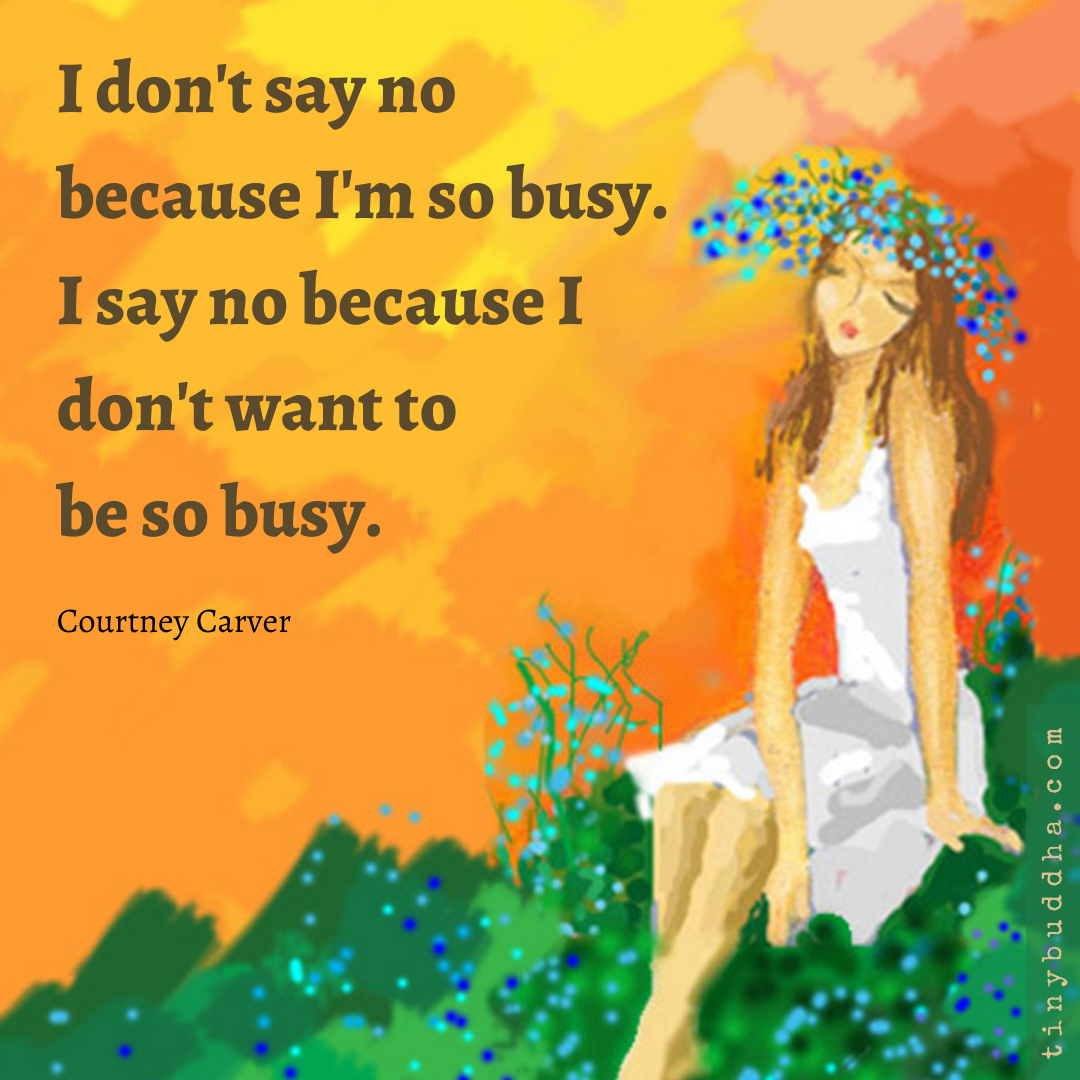
    I ran three to-do lists: daily, weekly, monthly. This was my way of setting out for maximum efficiency. I said “yes” to my boss so often I had become his favorite. Work-life balance, what’s that?

    Tasks were flying off my list like never before—so many horizontal breakthroughs! I wore this as my badge of honor for a while, this art of getting it all done. And why not? I was rewarded for it in money, praise, promotions, awe.

    But then it didn’t feel so great. Instead, I became downright miserable.

    Why Busyness-Productivity Is A Mirage

    I don’t claim that productivity is bad. Doing fulfilling work by minimizing distractions and getting deep focus is truly rewarding.

    But it is crucial to stop and question why you’re doing what you’re doing. It is necessary to pause and reflect on the value of your tasks and actions. Otherwise, productivity translates to useless busyness.

    When I became this productivity freak, I never stopped to ask if any of the things I was doing were giving my life meaning. I was doing a demanding full-time job that didn’t provide me any purpose. My days became a blur of mindless task completions. My mind, heart, and soul were absent from my work. Any given Monday didn’t look so different from a Tuesday three weeks prior.

    And it wasn’t even like I was happy.

    I was meeting all my deadlines, but I was spending no time with my family. There were enough accolades to prove all my achievements but not enough art to fulfill my soul. I answered every email I received within twenty-four hours, but I hardly focused on long-term self-growth.

    On the outside, my life never looked better. But on the inside, I was worse than I had ever been. Distraction, schedules, irritability, and deadlines were the monsters that ruled my life.

    After a month-long burnout, I hit the problem nail in the head. I knew I needed to move on. But how? I resolved to take a calculated leap of faith. I found a client willing to pay me for my freelancing services for at least two to three months and made a thick emergency fund by cutting out on expenses. Then, I quit the unfulfilling full-time job and gave my heart to work that I truly found meaning in. I stopped making productivity my goal. I opted to choose presence instead.

    Presence > Productivity

    I read Annie Dillard’s, The Writing Life, in which she memorably wrote, “how we spend our days, is of course, how we spend our lives.”

    After reading this book, I realized that productivity would only be fruitful when coupled with presence. I knew then that presence was what would make my rewards meaningful.

    What is presence? Presence is the art of being in the moment, the luxury of pausing, the virtue of stillness. It is being alert, aware, and alive to this moment.

    There’s a reason why our culture runs for productivity instead of presence. Productivity helps us shut away from reality. It keeps us “busy” into a future that is yet to manifest.

    It is so much easier and convenient to take the shield of productivity against the beautiful, buoyant, and sometimes disruptively painful present.

    Performing one task after next gives us an excuse to not fully live, not completely concentrate, not unbiasedly accept.

    I used to be that way—trying to avoid the truth that I was not finding my work meaningful. I wouldn’t accept that this job was emptying me slowly, living in denial of a reality I was living. Was I not getting things done? I was, more than ever before. But was I happy? I had never been more unhappy with my own choices.

    Being productive every minute of every day meant I could avoid the fact that many of my friendships were depleting, toxic, and unhealthy. I was lying to myself that it was all to have a good social life. In reality, I would go out of my way to avoid being alone, to avoid answering the big questions pertaining to my life that can only be answered in solitude.

    But coupling our actions with productivity and presence can have an astounding effect on our lives. It can make every task we do driven with intention, purpose, and meaning. Presence is what helps us reap the internal rewards that come with doing fulfilling work.

    Choosing Presence

    If you are anything like me, choosing presence over productivity can take some practice. Productivity was my normal mode of operation. It was easy; it came naturally. But opting for presence in my actions wasn’t so simple.

    The art of being present and intentional in all my tasks was like writing with my non-dominant left hand. I searched for help and stumbled upon Tim Ferris. He often says to think of your epitaph to cut through all the noise and maze of productivity. It is a way to find out what truly matters to you by getting a super-zoomed out version of your life.

    As morbid as it sounds, that is what I did. I imagined what I would like to carve on my epitaph, and the important stuff came into a laser-sharp focus:

    I needed to write. I needed to make time for solitude, for serendipity, for hobbies. I wanted to create more memories with my family. I wanted to let go of draining friendships and put all my energy into relationships that filled me with fulfillment, meaning, and growth. Taking it one step at a time, I decided to hand in my resignation. I landed my first writing gig in under two weeks.

    And hey, it’s not like I don’t struggle to write with my left hand anymore. But I am growing each day. It takes some practice and effort to make room in your calendar to “be present.” I am learning to be uncomfortable by turning the volume down of “getting things done.”

    I have noticed that it is the minor changes that count. It is taking a little more time to craft that email mindfully. It is that courageous “no” to a project that can help you surpass your quarterly KPIs but take away from your family time. It is choosing to take a soothing fifteen-minute walk break over checking off another mindless to-do list task.

    Presence is a process. It requires the discipline to focus on the present moment when productivity pushes you to see a non-existent future. Presence is your un-busy existence of utterly unadulterated joy. It is your creativity’s cradle. It is your time to just be.

    So do it. Make the hard choice. Live your life with presence to help you find joy in the now instead of pushing toward some destination in the future. None of us really know where the future will bring us, but we can all choose to enjoy the scenery along the way.

  • Being Busy Made Me Feel Important, But Now I Feel at Peace

    Being Busy Made Me Feel Important, But Now I Feel at Peace

    “You should sit in meditation for twenty minutes a day, unless you are too busy, then you should sit for an hour.” ~Ancient Zen proverb

    I used to think that life was about powering through things. I’d grab a latte, write my to-do list, and proudly cram as many things as possible into my day.

    At work, there was staff, payroll, invoices, customers, marketing, and the occasional cleaning of an office bathroom. At home, there was parenting, dinner, cleaning, homework, bedtime, laundry, and plans for the next day. When my eyes could no longer remain open, I’d fall into a restless night’s sleep accompanied by a busy mind and grinding teeth.

    I figured I had no choice. I had two kids, a husband, a landscape business, a school that wanted parent participation, a co-housing community with obligations, and an overachiever complex.

    There was plenty on my plate just being a mother of two with a family business. But what made matters worse was me going above and beyond. I was president of the school foundation, head chef for community meals, point person for committees, and in my free time, (when was that exactly?) an aspiring athlete training for triathlons. I wanted to be the woman who could do it all, and do it well.

    Being busy made me feel important. The more I juggled, the more praise and attention I got from others, fueling my sense of purpose. It fed my ego and gave me the adrenaline to keep going.

    Without being busy I thought my life would look insignificant. I might disappear like a beige house in a sea of endless tract homes, bland and provincial. So I filled every second of every day with a sense of purpose and a mission that never left room for rest. When no one needed me, I scrambled for something or someone to engage with. I’d repaint a bedroom or rework our website to keep from being unproductive.

    My busy-ness became an addiction. Another project complete, another shot of adrenaline. I felt good and sh*t was getting done!

    But similar to a person with anorexia who starves herself to the point of hospitalization, I was so focused on getting results that I didn’t realize the toll it was taking on me.

    I told my concerned parents I was fine, and that it all needed to happen. I rationalized that I had to do it all for the sake of my family. But underneath it, I was wearing out. My back hurt, my jaw ached, and according to my Ayurvedic practitioner, I’d worn down my adrenal glands, which would eventually lead to other health problems.

    When my mother died, my father took up Vipassana meditation at a Buddhist retreat center in Northern California. For Christmas, he paid for me to attend a three-day silent meditation retreat. I was touched by his gift, but nervous.

    The thought of sitting still for three days scared me. How would I exercise? What if I had to go to the bathroom during a meditation? What if I couldn’t do it?

    The first two days were the hardest. I did everything in my power to summon my patience, but sometimes I let my mind wander on purpose, counted the minutes until the bell rang, and allowed myself to take walks instead of “walking meditations.” I did what any person new to meditation might do: I bent the instructions to fit what I thought were my needs.

    But by the third day, something profound happened. I surrendered to the moment, and the stillness felt good. A calm washed over me like the warmth of a bath. What once felt tense relaxed, and I experienced a deep sense of peace. In the absence of doing, I felt like I was coming home.

    That New Year’s Eve I made a resolution to meditate every day for one year. Though I knew it was one more thing to add to my to-do list, it felt important. There would be no schedule, no method, no particular length of time, and no particular place. It was just me, sitting in observation of my breath, every day. It needed to be on my terms and without judgment or pressure, or it wouldn’t work.

    I noticed my life began to calm down that year. My back pain eased a bit and I craved more quiet. I was quick to notice my feelings and follow my intuition, and my urgency about things getting done was beginning to diminish. By the end of the year, I had only missed six days of meditating. What was once a good idea had become a part of my daily routine.

    It’s been over six years since that retreat, and the results of my almost-daily meditation practice have been noticeable, but my proclivity toward being over-productive remains.

    Like a recovering alcoholic, I have to talk myself out of falling back into its socially acceptable, compelling grip. My smartphone taunts me like a flask I carry in my purse, begging me to engage with more causes, more conversations, and more people. It never goes away; I just have to keep on top of it.

    But unlike alcoholism, being addicted to busy-ness is not a disease; it can be a simple choice. I know that if I choose to indulge myself by packing my schedule, kicking back too much coffee, and going full throttle, I will feel depleted after the race. I know that if I choose to over commit myself, I’m actually looking for praise.

    So, instead of getting down on myself, I now close my eyes and focus on my breath. Though I feel impatient and annoyed at first, eventually the familiar warm water soothes my active mind and I am reminded that there is no need to panic, no need to rush. I just need to be still and present, the place where my feelings of insecurity are replaced with feelings of deep connection and gratitude.

    It is there that I can relax and just be.

  • How I Stopped Being Busy and Why I’m Now More Fulfilled

    How I Stopped Being Busy and Why I’m Now More Fulfilled

    “Sometimes doing less is more than enough.” ~Kris Carr

    Two years ago I made a radical lifestyle shift.

    Prior to this change, I was constantly striving to do more, to achieve more, to be more. I was squeezing as much as I could into any given day. I was in conflict between building a business, working, studying, and having time for pleasure and fun. I was taking on way too much and losing myself in the process.

    Building a business is a lot of work, far more than I had imagined, and it takes time to generate consistent revenue that you can live off. In order to make ends meet it was necessary for me to have paid employment. I often had multiple part-time jobs, and at times I worked full-time running my business on the side.

    I studied and studied and studied for over a decade. When I completed one course I would start another. I have multiple certificates, diplomas, and even a master’s degree.

    I obsessively compared myself to others. Their achievements all seemed bigger and better than mine. This constant comparing made me feel inadequate and dissatisfied with my own successes. So I worked even harder to do more, achieve more, and be more.

    I felt guilty taking time to relax and play. I didn’t enjoy downtime because I felt like I was being lazy, and having a quiet moment also highlighted just how fatigued I was from living my workaholic lifestyle.

    Friends admired how much I was achieving, always commenting, “I don’t know how you do it all.” Quite frankly, neither did I. All I knew was that I was completely exhausted, I wasn’t happy, and I was becoming disconnected from the people I cherished the most.

    My life needed to change. I couldn’t continue to push through the fatigue anymore because I was beyond worn out. I wanted more joy and happiness in my life. I wanted to be more connected with those closest and dearest to me. I realized then I had to do less.

    Before I could start reducing my commitments, I had to first identify what was really important to me. These were the questions I asked myself:

    • What do I love to do?
    • What energizes me?
    • What brings me joy?
    • What do I really want?
    • What do I absolutely have to do?

    In an ideal world we’d get to only do what we love to do. But in reality, there are things we are obliged to do whether we want to or not. We can delegate some activities we don’t like doing, but other tasks only we can do.

    After identifying what was truly important to me and what I absolutely had to do—spending time with those closest and dearest to me, using my business as a way to teach and support others, engaging in activities that aided my physical and mental health so I could be my best self—it was time to stop doing things.

    There was a lot of discomfort with letting go. It was certainly an odd and unusual feeling to have space in my day, and I had to really fight the temptation to fill my days with an ever expanding to-do list.

    Next, I established boundaries to support doing less. Boundaries such as:

    • Not working after a set time each day
    • Not working weekends
    • Not checking emails or messages or looking at social media after a set time in the evening
    • Not checking emails, messages, or looking at social media in the morning until after breakfast
    • When on vacation, not working and limiting my screen time

    Setting boundaries meant I needed to get comfortable with saying no. I said no to being around people and in social situations that drained my energy, I said no to business opportunities that were not aligned with my overall business vision, I said no to further study and more qualifications because my ten-years plus of study and numerous qualifications were more than enough, and I said no to things that I really did not want to do.

    This was not easy for me. It is far easier for me to say yes, as I don’t like to let people down, and I don’t like to miss out on opportunities. But it was time for me to focus only on the essential and what would make the most impact to my life and business. I could no longer try to do everything.

    I had to remind myself that saying no was not actually a no, it was simply my prioritization, and by saying no I was saying yes to the things I really wanted and creating space for what matters the most to me.

    I also made a big mindset shift around my comparison with others. Instead of feeling less than others because of their success and achievements, I began to see others’ wins as an inspiration and reminder of what is possible.

    Additionally, it occurred to me that we only get to see other people’s highlights in life, work, and business, and this is a very inaccurate view. All we see is what they want us to see—their successes and achievements. We don’t get to see the hard work and failures they may also have experienced. Regardless of success and amazing wins, everyone experiences highs and lows.

    Much to my surprise, I also found out that successful people don’t say yes to everything; they’re much more strategic and only say yes to what will enhance themselves, and they’re very good at delegating. This knowledge changed my perspective around trying to do it all.

    By doing less I found I had more time, energy, and enthusiasm for the things most important to me. I felt more alive and joyful. The quality of my work I improved. And I became more present to life and people around me, which improved my relationships enormously.

    Occasionally I have moments where I feel like I should be doing more, but the happiness and fulfillment I feel from doing less overrides those moments. I can’t go back to how things used to be and experience the unhappiness and fatigue that resulted from constantly striving for more.

    Before anything gets on my calendar or I say yes to requests or tasks now, I ask myself these questions to guide my decisions:

    • How important is this to me?
    • Will this energize or exhaust me?
    • Do I absolutely have to do this?

    Doing less does not mean I do nothing; doing less means I spend more time doing what matters most to me, which makes my life happier and more fulfilling.

  • Escape Isn’t Self-Care: What We Really Need to Feel at Peace

    Escape Isn’t Self-Care: What We Really Need to Feel at Peace

    “A pause gives you breathing space so listen to the whispers of the real you waiting to happen.” ~Tara Estacaan

    You and I, we’re much too busy. We’re doing too much. We’re stressed. We’re overscheduled and overwhelmed. And we’re not doing enough self-care.

    The good thing is there’s help. There are headlines, hacks, and half-baked gurus who promise to bring us to the less-stressed light. And there’s a vast supply of products to help too. Bath salts, wine, essential oils, yoga classes, massages, chocolate cake, books, life coach packages, etc. But sometimes I wonder, are all the articles and products about becoming less busy actually helpful? Does the practice of self-care actually take care of yourself?

    For the last few weeks I’ve been dosing myself regularly with the things prescribed as self-care. Bath soaks. Chocolate cupcakes. Mantras. Spa music. I’m doing it and I feel like if I fake it till I make it, maybe I’ll soon feel like my life is better managed. I’ll feel less stressed. I’ll run to social media and post a bunch of cloying hashtags: #blessed #metime #nofilter.

    I’m somewhat inclined to think that most of the snake oil being peddled as self-care is feel good fluff. It’s not bad. Baths are lovely. Chocolate cupcakes are really lovely. But, it’s not self-care in and of itself. It’s escapism that that has often been packaged and sold to us.

    Escape is a completely necessary and wonderful practice. One I enjoy with some frequency. Escape practices allow for quiet, space, pampering, indulgence. Do it. Enjoy your escape.

    But the reality is all these practices aren’t bringing me even a slice of peace. I am sitting in the bathtub with billions of thoughts swarming my head. I don’t know how to turn off. My life moves faster than I can. My daily existence exceeds my ability to process it all. Things have to change.

    This here is the crux of actual self-care. Self-care is parenting yourself. It’s cleaning your room by the time your family returns home. Not having candy for dinner. Getting lessons in how to make a solid pasta with bolognese. Kissing booboos. It’s going to your room and thinking about what you’ve done and continue to do; not as a practice of shaming or punishment, but as a practice of self-awareness and understanding the consequences of your actions.

    Self-care means pausing and paying attention. It’s asking yourself a lot of questions: How am I? What’s working? What’s not working? Why am I stressed, sad, mad, overwhelmed, feeling ashamed, etc.? What can I change? If I can’t change it, how can I cope? If I can change it, what do I do first? Self-care can…suck.

    Sometimes I pause, check in with myself, and realize the thing I need right now to relieve some pressure from my life is a hot bath and a glass of wine. Perfect. Escape can be self-care. But sometimes I pause, check in with myself, and when I really pay attention I am forced to recognize that the way I am living right now isn’t cutting it.

    My habits, jobs, or relationships have become cycles that bring frustration, stress, sadness, or other crappy feelings. I can throw all the yoga classes and massages at those feelings, but I won’t actually feel better until I change something.

    When you come to the point where you need to take care of yourself, it means your current way of being isn’t working and you need to guide yourself back to a good course.

    It’s saying no to something. Sometimes it’s saying no to something deeply ingrained in you or in our culture. It will feel like parts of yourself go missing. It will feel like you are doing it all wrong. You will have to keep reminding yourself our materialistic and accomplishment-obsessed culture got it wrong, and you have a right to sanity.

    Here are some of things I have done out of self-care that have sucked: reduced my eating out budget, quit a job, put a goal on hold, taken a six-month break from drinking, disappointed my daughter, disappointed my wife, let myself feel pain rather than seeking distraction from it, and opened my heart knowing it will break over and over again.

    Self-care can be gritty, treacherous stuff. It’s like a scramble up a steep incline. Rocks are loose under your feet. It’s hard to find stable footholds and grips. But, eventually, you get to the summit and take in a windy, clear view.

    About a year ago I made a list of things that make me feel most human. At the time of making the list I didn’t realize it, but looking back I realize this was a list of things I do to pause. The practices that work for me to connect to myself and check in. A walk in the woods. Time alone. A soak in a hot bath. Yoga.

    None of these things are necessarily self-care in and of themselves, though they can be. But, they are practices that allow me to listen to myself. They make room for self-awareness.

    Your self-care will be varied, inconsistent, and dependent on your current circumstances. But, the practices you use to pause, pay attention, ask yourself a bunch of questions, and listen to the answers can be consistent, regular practices. Schedule them into your life. Make yourself accountable. Ensure you are pausing. Give yourself the opportunity to listen.

    Self-care is what enables me to go to a lovely massage and return to a life I like. I’m not just waiting for the next time I can get away. The neverending chase for bliss and ease doesn’t provide me substance or solidity. So instead I work to craft a good daily life. A life with rhythms and cycles that I can sustain while maintaining a feeling of wholeness.

    This simplicity is exactly what has brought me the most happiness. This life that is wholly boring, introspective, questioned, and arranged with intention.

  • Life’s Too Short to Be Too Busy: How to Make the Most of Your Time

    Life’s Too Short to Be Too Busy: How to Make the Most of Your Time

    “Slow down. Calm down. Don’t worry. Don’t hurry. Trust the process.” ~Alexandra Stoddard

     Heard in the offices across America…

    “I’m so busy and have no time!”

    “How is it almost 2019 already?!”

    “I’ll sleep when I’m dead…”

    We’re so focused on the next deadline, getting the next promotion, having the approval of our managers and peers alike that we push, push, push all the time.

    Oh, how I can relate! I worked in corporate America commuting into NYC (two hours each way!) as the VP of marketing at a major media company. And I worked… a lot.

    When I wasn’t at work, I was running around, checking things off my long to-do list, pretending to be Martha Stewart and always trying to accomplish the ‘next thing.’

    I knew my sense of self-worth was way too wrapped up in how much I could check off my to-do list, and I’d do anything for the approval of my colleagues; but I didn’t know any other way. Even though I was getting a lot of things done and getting the recognition I craved, I wasn’t that happy. In fact, I was miserable.

    Then tragedy struck—not once, but twice.

    In 1998 my sister, Jenny, had a brain aneurysm and suddenly passed away. She was eighteen. It was a blow like nothing I’d ever experienced before. The day after her funeral, it felt like the energy and effort it took to brush my teeth was equivalent to running a marathon.

    But somehow I got back in the saddle. I managed my grieving doing what I knew best: working and pleasing people. Getting on the train at 6am to commute into NYC and not getting home until close to 10pm was my everyday. My need to be Martha Stewart went into overdrive. Let’s just say Christmastime meant thousands (really, thousands!) of home-baked cookies. And no one was complaining about that!

    Then it happened again.

    In 2008, my brother Scott went into cardiac arrest while playing basketball and passed away. That phone call is something I’ll never be able to erase from my mind. He was thirty-three and getting married in a month. I was the one who canceled all the wedding plans. It was the hardest thing I’d ever done in my life.

    I don’t need to tell you I was devastated. But I was also really annoyed. Really, I need to do this again?! And so while this really sucked (understatement!), since I had gone through this once before, I thought to myself this is an opportunity to do it differently.

    I’ve always been super goal-oriented, but after Scott died, my only goal was to not have any goals. Kinda crazy, right? But my soul needed the time and opportunity to kind of wander aimlessly to heal. I realized I wanted to make my work more meaningful, to have the time to unwind and have more fun.

    Slowly, I started to make sense of it all.

    I came out the other side vowing to live my life to the fullest—something my sister and brother would never have the opportunity to do. That meant laughing, a lot, having some great adventures (Paris! Skydiving!), and doing something meaningful with my life.

    The first thing I did was to leave work at a reasonable hour. I realized I was working those long hours because I felt like I had to put in the facetime to climb the ranks. Can you relate? If I left while everyone else was still at their desks would they call me a slacker? I decided not to care.

    I was naturally organized and productive, but now I really fine-tuned those skills so that I could get tons of solid work done during the day. When I walked out the door I was able to pretty much disconnect from the office. Not all the time, but most of the time.

    I stopped baking all those cookies too.

    Hiring a life coach helped me get to the bottom of what was really important to me (it’s being surrounded by beauty, doing things passionately, and laughing, a lot). While I still love to bake, these days you’re more likely to catch me at the bakery.

    Life is too short to be too busy. I learned this the hard way.

    You may be thinking, “I know, I know… I need to slow down and take stock of what’s really important to me, but not until I finish this next project.”

    It’s so easy to take time for granted, it’s true we can’t make more of it, but it always seems to be there for us. Until it’s not.

    So how can you start?

    1. Get clear on where you are spending most of your time and more importantly, why.

    You may be working many hours because you need the money, and that’s a valid point, but if you look a little deeper maybe the money is going to support a lifestyle that you really don’t want.

    No doubt, this is the hard work, so be curious and investigate. This is about self-discovery, not self-punishment.

    2. Start to dream about what you’d do if you had all the time in the world.

    Get specific. What do those days look like? What’s so great about them? Why do they make you happy. Add visualization, dreaming, and journaling so you can really see it.

    3. Figure out how you can put more of your ideal day into your reality day starting now.

    Can you leave the office earlier one or two nights a week? Sign up for a dancing class? Say no to a big project or committee? I used to start my week off with a fresh bouquet of flowers for my desk. It made a difference.

    What I realized after I made it through the dark days and nights and came out from under the covers into the light is our tragedies are what bring us to places we’d never go on our own. Their gift is making our lives more meaningful and to emerge with more perspective.

    But you don’t have to go through this kind of tragedy to figure out how you really want to spend your time. You have a choice, right here, right now. Make it count.

  • Why I Stopped Being Busy and Took a Pressure-Free Pause

    Why I Stopped Being Busy and Took a Pressure-Free Pause

    “When we get too caught up in the busyness of the world, we lose connection with one another—and ourselves.” ~Jack Kornfield

    It was a Monday a few weeks ago, 6:00am, and I was taking a morning walk. The only light in sight was the neon yellow glare of the street lamps.

    My heart was heavy. It was as if someone had cut my chest open while I was asleep and slipped a cannonball inside.

    My alarm had awoken me at 5:00am, as it had every morning since the start of the year.

    My shoes crunch-crunched in the snow as I trudged along, ignoring this dull ache in my chest, telling myself, “It’s just resistance to being up so early. Keep pushing through; gotta get those 12,000 steps today, Will.”

    I got to the end of the road, a mere eighty or so meters from my house, and WHOOSH, a wild wave of emotions washed over me, forcing me—jolting me—to stop walking and stand still and silent in the snow.

    I stood and stood as if I’d fallen asleep upright and frozen to death.

    This whooshing wave felt like a panic attack. Except it wasn’t.

    It was this feeling coming from my chest, the one I had tried to ignore. If its first attempt to get my attention was a whisper, this was a shout.

    And it was shouting in desperation, ”LISTEN TO ME, WILL.”

    Without consciously making the decision, I turned and walked home.

    I’d barely walked for two minutes, not quite the forty-five-minute morning walk I had planned, but something inside of me, I can’t explain what, told me this was long enough for today.

    Arriving home, I sat down at my desk to give this feeling some attention.

    My eyes closed. I did my best to give a name to what I was feeling…

    Was it sadness? Nope. Dissatisfaction? Closer, but not quite. Pressure? Yes, pressure! I was feeling pressured!

    The next logical question for me was, why? Why was I feeling pressured?

    The answer was right under my nose, and no, that’s not a metaphor; the answer was literally right under my nose, sitting there on my desk, staring up at me.

    You see, lying there in the center of my desk, scribbled on a piece of paper, was my list of jobs for the day, and it was a long, long list.

    I’d listed all the action steps I felt I needed to take, I felt I should take, I felt I must take on this day.

    An intimidating list detailing emails to be sent, words to be written, opportunities to be created. More. More. More. This list was going to keep me occupied almost every waking minute of the day, having me run around like a headless chicken, stuck in doing mode.

    Sure, there were self-care rituals—meditation, Qi Gong, walks dotted throughout the day—but even these seemed like chores within my strict schedule, just something else to tick off.

    Supporting myself through this, next, I pondered the question:

    How can I take this pressure off of myself?

    At first, no ideas came to mind, nothing, nada.

    Because wasn’t my list full of non-negotiables?

    Then an insight arose, which brought with it an air of refreshment followed by fear.

    “TAKE TIME OFF, WILL.”

    My heart was speaking to me again, the same voice that had spoken to me earlier on my walk, now providing me with an insight to take time off.

    Which was fascinating because the voice of my mind had been telling me to do the exact opposite previously, telling me to write out a big long list of to-dos.

    It was my mind that had told me to wake up at 5:00am so I could do more during each day.

    It was my mind dishing out the restricting need, must, and should statements.

    The thought of taking time off was refreshing, but the fear was: What would happen if I stopped living in doing-mode for some time?

    Fear suggested that taking time out would be a bad thing; I’d lose out on an opportunity of some kind or end up getting lazy. My heart trusted that taking time out, or rather, slowing down was the right path to take to relieve the pressure.

    After a little more reflection, my heart gave me a complete ‘prescription’ to take the pressure off of myself. It involved three stages.

    1. Distinguish between non-negotiable commitments and desires so that I could be more flexible.

    So much of what I thought were non-negotiables were not. They were nothing more than rules I had created. For example, I had told myself I must finish my studies by March. In truth, I don’t have to; this is just a desire.

    I still had a list of commitments I couldn’t stop entirely, but it was a much shorter and more manageable list!

    2. Pause my desires to relieve the pressure.

    Once I’d identified my actual commitments (work, family, household duties), I looked at my list of desires and gave myself permission to pause these.

    This was when fear crept in again…

    Am I allowed to pause my commitments?

    Am I allowed to say no to people?

    The answer is yes.

    I decided on a three-week pause period where I would concentrate only on actual commitments and, of course, concentrate on taking care of myself.

    I decided to pause my studies, any reading for learning (as opposed to enjoyment), any business-related activities, being active on social mediaanything I felt I could pause temporarily without jeopardizing myself.

    3. Create a refreshment plan.

    Within my three-week pause period, I set some gentle intentions for how I would spend my time. After all, I had created a lot of time by simply pausing the desires that were causing the pressure.

    So I asked myself a different question.

    Rather than “What must I do?” I asked myself, “What would I love to do?”

    Some of my answers included:

    – Resting. Sleeping longer and napping during the day. My long days were making me feel exhausted.

    – Spending more time outside in nature. I was spending too much time in the online world, staring at computer screens all day. I’ve found myself on my walks, just pausing, closing my eyes, and enjoying the warmth of the sun on my face.

    – Spending more time with my girlfriend, Yvonne, and my family and friends. I know the quality of our personal relationships is a huge determining factor in our levels of happiness. I’d been a little neglectful of this.

    – Reading more fiction. I normally read to learn, which I love, but it’s tough going. I wanted to escape to some far-off fictional land!

    – Practicing the act of appreciation. Tony Robbins says, “Trade your expectations for appreciation, and your whole world changes in an instant.” Having dropped my personal expectations of myself and switched to appreciating, this has certainly been true for me. Each night I’ve been listing ten things I appreciate.

    I’m two weeks into my pause period, and I’m pleased to say I’m feeling refreshed. My personal relationships have improved, the weight has been lifted from my shoulders and chest, and I feel somehow I’ve gotten out of my own way.

    Perhaps I was being busy in an illusionary attempt to feel in control of the areas of my life I wished to move forward.

    This may be true.

    I also feel we often stay stuck in ‘doing mode,’ moving toward our goals, because we feel on the other side of those actions and goals is what we really want. 

    And what do we really want? I can only speak for myself, of course. When all is said and done, what I really want most is the freedom to enjoy my life and to feel good.

    By taking a step back, I’ve realized an important truth.

    I have this freedom right now.

    It’s a funny world we live in where we work so long and hard to essentially buy back our freedom at a later date.

    It’s far easier to appreciate the level of freedom we have right now, before pursuing more. This has been my biggest lesson.

    There is absolutely a time for actions, progress, a time for being down on our knees planting seeds.

    However, we need to be mindful of when it’s time to pause and take a step back and enjoy the warmth of the sun on our faces.

  • Why We Push Ourselves Too Hard and How to Work Less

    Why We Push Ourselves Too Hard and How to Work Less

    “Never get so busy making a living that you forget to make a life.” ~Unknown

    I was sitting on the beach with my wonderful girlfriend, trying to relax on our vacation in Florida, yet I was racked with anxiety.

    We were lying under a large umbrella, taking in the beautiful waves and swaying palm trees, attempting to recover from the past months (and years) of overwork and overstress. But all I could think about was a marketing initiative I was working on for a client.

    The more I tried to chill, the more nervous I became. My girlfriend lay peacefully, dozing off occasionally, while I was busy fending off a full-blown panic attack.

    Did I hurry back from our beach session to get back to work? That would be crazy, right? Well, it was worse. I pulled out my laptop and went to work right there on the beach.

    I was so addicted to my computer and so stretched thin with commitments that I couldn’t even enjoy this highly anticipated vacation with the love of my life. In fact, the only thing I can remember when I look back on this trip is my stress. I don’t remember enjoying the beach or ever feeling present.

    When I got back from Florida, I didn’t feel refreshed at all. I more desperately needed a vacation after it than I did before it. Not only had my over-commitment to work prevented me from enjoying my time away, it led me to operate at below my best for many months following.

    Why did I do this to myself? It was a combination of things. I was insecure and using money to mask it. I was correlating my self-worth with the amount of money I had in the bank. I worked more to distract myself from my anxieties. But most of all, I was working myself to death because of how the human brain works.

    The Psychology of OverWorking

    The benefits of working less are counterintuitive but well documented. There are the obvious benefits—such as having more time for hobbies, friends, family, health, or even working on bigger and better projects—and then there are the less obvious benefits, such as improving creativity and productivity.

    Tim Ferriss’ proposition of a “four-hour workweek” is attractive to our rational thinking brains, but in practice, it’s surprisingly difficult to work less.

    The reason we work more than we need to—sometimes to the extent of actually hurting our productivity, health, or personal relationships—may lie in how humans have evolved.

    In their book Why Beautiful People Have More Daughters: From Dating, Shopping, and Praying to Going to War and Becoming a Billionaire – Two Evolutionary Psychologists Explain Why We Do What We Do, Alan S. Miller and Satoshi Kanazawa postulate that our brains are shaped by evolutionary pressures to survive and reproduce. We’ve adapted to recurring problems faced by our hunter-gatherer ancestors.

    “Our human nature is the cumulative product of the experience of our ancestors in the past, and it affects how we think, feel, and behave today,” Miller and Kanazawa write. People who showed no anxiety to threats would not have taken the appropriate steps to solve the problems and therefore may not have survived.

    In his book Evolutionary Psychology: Neuroscience Perspectives Concerning Human Behavior and Experience, William J. Ray describes how these evolutionary adaptations can actually hinder us from properly interpreting reality:

    “Consciousness is just the tip of the iceberg; most of what goes on in your mind is hidden from you. As a result, your conscious experience can mislead you into thinking that our circuitry is simpler than it really is…our modern skulls house a Stone Age mind.”

    In the context of work-life balance, our brains didn’t evolve to determine exactly how much we need to work. Our brains simply want us to survive and reproduce, and working more seems to contribute to those end goals. Our brain’s anxiety about survival and reproduction motivates us to work more, even though it’s not usually in our best interest over the long term.

    Similarly, our brains crave sugar because in the past, calories were scarce, and we needed to eat as much as possible to account for extended periods without food.

    Sugar has a high calorie density, so it was very economical for our ancestors. As a result, many people today have a tendency to overeat unhealthy foods, even though we don’t face a problem of the scarcity of food like we did before the agricultural revolution. Unfortunately, sugar contributes to a number of health problems over the long term, but our brains don’t understand that.

    Our brains think working excessively to gather resources contributes to survival and reproduction. But it doesn’t know how to moderate. More work doesn’t always lead to more money, let alone a more fulfilling life. At its worst, excessive work can lead to burnout, depression, panic attacks, and a lack of meaningful relationships.

    Here are four signs you may be working to the point of your own demise:

    • Working far beyond what is needed despite the risk of negative consequences
    • After reaching a goal, you immediately set another more ambitious one.
    • Refusing to delegate work, despite the opportunity cost of doing the work yourself
    • Creating more work that doesn’t add value in order to avoid feelings of guilt, anxiety, insecurity, or depression

    To be clear, there are benefits to working hard. Working more can help you get more done, and, assuming you are doing the right work, that can help you make more money. And there are times when anxiety is rational and you legitimately need to work more in order to survive. But more often than not, working too much can do more harm than good.

    The counterintuitive reality is that working more does not always mean working productively if it means you’re going to burn out.

    Simple But Hard Choices

    We have a choice about how to deal with working too much. Like so many other challenges, there is the simple but hard solution and a complex but easy solution.

    For your health, the simple but hard solution is to eat more healthy food and less unhealthy food. This solution requires discipline, but it doesn’t cost money, and it’s proven to work. The complex but easy solution is to pay for the latest diet products.

    The simple but hard solution to workaholism is to work less. This means saying “no” to unnecessary projects and responsibilities. However, I call this the hard solution for a reason. First, it would be a bruise to your ego to admit you can’t handle something. Second, it requires introspection and change in order to address underlying anxieties or insecurities that may be the impetus for pathological working habits.

    Fear or frustration with executing on the simple solution incentivizes us to change course. So we add complexity.

    These complex but easy solutions include productivity apps, time management processes, or even prescription drugs. They can help us eke out a couple more units of productivity on a given day, but they often have negative side effects over the long term, and more notably, they enable us to avoid blaming ourselves or putting in the hard work of conquering our anxieties and insecurities.

    These solutions are like playing whack-a-mole—they only solve the surface-level symptoms. James Altucher provided an apt analogy in writing about the power of saying “no” to bad opportunities:

    “When you have a tiny, tiny piece of sh*t in the soup, it doesn’t matter how much more water you pour in and how many more spices you put on top. There’s sh*t in the soup.”

    Often times, continuing to work excessively, even while using the latest and greatest productivity apps, only leads to burnout, which results in an extended period of low productivity or, worse, an unfulfilling life, void of meaningful relationships or even physical and mental health problems.

    How to Work Less, Survive, and Prosper

    Your brain doesn’t know or care that working less won’t prevent you from surviving or reproducing in modern times.

    It doesn’t know how much money you have in your bank account or how many hours you need to work in order to retire in thirty years.

    It definitely doesn’t care about helping you achieve higher ambitions like finding love or having fun on weekends.

    You feel anxious about working less because your brain only cares about surviving and reproducing.

    But we’re not slaves to our lizard brains. The idea that working less can help you accomplish more requires some critical thinking. However, with awareness of how our brains work, we can make decisions that are healthier and more productive.

    So, how can you counteract your brain’s adaptive impulses? I’ll share two strategies that have worked for me.

    First, know your priorities. Every time you say “yes” to more work, you’re saying “no” to the other aspects of your life that you value. By taking inventory of your list of priorities and where work lies on that list, you can make decisions that will help you live a more fulfilling life.

    Second, address the underlying issues. Oftentimes we work to avoid thinking about our insecurities or shortcomings. Or, we think we need to have more money in order to be loved. I’ve been guilty of both of these.

    Once I gained awareness of these issues, it was easier to make healthier decisions about my work. I worked to conquer my anxiety instead of making it worse by burying it in work, and I’ve dispelled the myth that I’m not worthy of love unless I have massive amounts of wealth.

    Since doing this work, I’ve said no to many great opportunities in order to keep my life in balance. It’s difficult at the time, but I’m healthier and happier for it.

    It may sound idealistic to work less, but if it can help your health, productivity, and life, isn’t it worth a shot? If it doesn’t work for you, keep in mind that there will always be more work to do!

  • The Importance of Doing Nothing (and No, You’re Not Too Busy)

    The Importance of Doing Nothing (and No, You’re Not Too Busy)

    Relaxing

    “Doing nothing is better than being busy doing nothing.” ~Lao Tzu

    Whether it’s chores or children, to-do lists or bucket lists—let alone work—modern life moves at a demanding pace. It’s a hamster wheel and, unlike our beloved family pet, we’ve decided it’s not fun.

    But as a society we revel in being busy all the time. We consider those who do nothing on the weekend to be dull or lazy. We don’t have time to chew the cud. If William Henry Davies thought his lot “had no time to stop and stare,” he should turn in his grave and see what’s happened since.

    Somewhere along the lines, it’s become more than acceptable to live at an unhealthy pace—it’s become “cool.” Instead of saying, “Very well, thanks,” when people ask how we are, today we roll our eyes and reply proudly, “Hectic!”

    Where we live, lots of mothers rock up at school, claiming they’ve had four hours of sleep, have no time to walk the dog, and have already been to the gym at 6am. They set the bar high! I feel inadequate if I’m not still replying to emails at 8pm. My phone stays on all night next to my bed in case someone needs me. Every day. Even on holiday. Especially on holiday.

    Our house burned down a few years ago—moments after we’d left with our new baby. The fire started in our bedroom where her cot was at the end of our bed.

    A lot of the very important stuff we’d gathered around us was lost—clothes, photos, furniture. We knew our attachment to our losses would cause us pain, despite having walked our spiritual path for years.

    Buddhism teaches us that attachment causes suffering, so our lesson here was to let go. Our belief system helped avoid the useless “Why me?” type questions that plague us when things don’t seem fair.

    No one was hurt. We dug deep, counted our blessings, and tried to go with the flow of things. And we realized (because it was months before we missed “that pair of shoes” or “my favorite” CD) that most of the things we battle for, in the end, we don’t miss at all.

    I also realized that much of what I busy myself with all day does matter, but much of it does not. If I don’t do it, it makes no difference. No one notices! But for me, and many people I know, because our poor addled brains are never allowed to switch off, we are often unable to see which is which.

    This way of living is not good for us. Trying to juggle everyone’s balls is not good for me! Coloring with my five year old is—if I’m doing it wholeheartedly, mindfully, rather than keeping half an eye on the clock and the other half on the mobile attached to my side. She can color inside the lines; I can’t because I’m not concentrating.

    Cortisol, the stress hormone, is as addictive as adrenaline and long been indicated in serious diseases like cancer and stroke. It keeps you awake at night, depletes the adrenal glands, and leads to chronic fatigue.

    My husband, once a gym obsessed high-flyer in the corporate world, collapsed burnt out before he was thirty.

    He had to completely reassess the demands he made on his body and mind and dramatically scale back both his work commitments (which saw him constantly flying all over the world) and his fitness regime. He learned to relax, something he was not good at.

    It has taken him years of practice to heal, and he still suffers chronic fatigue if faced with long, stressful situations.

    A wise man once told us, “The mind is like a bucket of dirty water. The more you stir it, the harder it is to see what is in there. If you stop stirring and let it settle, the muck will fall to the bottom and you will be able to see the clear water.”

    But admitting that you want to settle isn’t easy in a society that only respects those who can keep it up 24/7. When everyone else is competing to see who’s the busiest, it’s hard to say, “I’m not doing anything this weekend.” People think we’re rude or that something’s wrong.

    But it’s vital to rest your brain and body. So here’s my advice. Start small. Start now. You have five minutes to spare. (Yes, you do). Only five minutes of meditating can help calm your mind so you can comfortably relax and do nothing, without feeling anxious.

    Meditating is as simple as breathing. You can do it before breakfast, in the bathroom, in your garage. Focus on the flow of breath in and out of your body, the movement of air, the rise and fall of your chest.

    When a thought creeps into your head (and it will), acknowledge it and release it. Bring your focus back to your breath.

    The more you practice this technique, the easier it will become and the longer you will go without such thoughts bothering you. At some point they will slow down and the quiet space between them will grow. You can do it anywhere, whenever you sit still for five minutes—on the train, in the bath.

    Breathe and watch the muck fall to the bottom of the bucket.

    Learning the precious art of being un-busy will calm you. It will give you greater clarity, focus, and concentration for times when you need the energy. It will improve the health of your mind and body, and probably even your bank balance.

    So, do you have five minutes?

  • Stop Pushing Yourself So Hard: 8 Ways to De-Stress Your Mind and Body

    Stop Pushing Yourself So Hard: 8 Ways to De-Stress Your Mind and Body

    Peaceful Woman

    “Self-care is not selfish or self-indulgent. We cannot nurture others from a dry well. We need to take care of our own needs first, and then we can give from our surplus, our abundance.” ~Jennifer Louden

    I have always been really driven. I readily admit that I am an overachiever, and I have the capacity to burn the candle at both ends.

    Following my dreams and creating what I imagine is my destiny takes work, real work, so I can easily spend way too many hours a day striving to bring my visions into reality.

    I am hardwired to push myself naturally. I am quite certain it is a gene that I have inherited from my dad. I don’t seem to have an off switch, and that fuels me to fit as much as I possibly can into twenty-four hours.

    Two years ago my off switch was shut down for me without my consent.

    My world and my body were shaken and shattered into a million pieces in what seemed like a heartbeat.

    Back then, I lived in a beautiful two-story home. One morning, as I headed out for my morning run, I fell down my steep internal staircase. One minute I was standing on the top step, and then the next minute I was lying at the bottom.

    I suffered all sorts of injuries. Some of those injuries healed quickly, and some will stay with me for the rest of my life. But on the flip side, my fall from grace has reminded me to slow down, smell the roses, and practice self-care every single day.

    I often look back and ask myself, was my fall perhaps the Universe’s way of nudging me, or rather throwing me, into a place where I had no choice but to nurture and heal myself?

    Being forced to completely stop gave me the opportunity to re-evaluate my entire life. I had always taken care of myself, but when I look back, I recognize it was only on the surface. I had never stopped for long enough to prioritize wellness on every level.

    Though it can be challenging to find time to practice self-care, we all need to nurture ourselves—emotionally, physically, spiritually, and mentally.

    In retrospect, I’m grateful for my accident, as it taught me to really take care of myself. If you too are pushing yourself too hard—and rushing through life as a result—I highly recommend you (slowly) take the following steps.

    1. Take ownership.

    I learned that I must take personal responsibility for my wellness. We all need to do this.

    I don’t mean just taking a break when we are exhausted, rundown, or overwhelmed, or when we hit rock bottom—or in my case, the bottom of the staircase! We need to form and maintain healthy habits that enable us to thrive. No one else can do this for us.

    2. Commit.

    In order to maintain optimum good health on every level, I have had to accept that it requires a degree of commitment and discipline. It is often when we lose something so precious, like the ability to move or to walk unaided, that we really appreciate what so many take for granted.

    Do some trial and error to identify the self-care practices that help you function at your best—meditation, short walks, getting out in nature; anything that helps you recharge physically, emotionally, mentally, or spiritually. Then schedule these activities into your day.

    It might help to start with five or ten-minute activities so it doesn’t feel too overwhelming. The important thing is that you do something each day, no matter how small.

    3. Practice mindfulness.

    Mindfulness forms the foundation of self-care, because we’re only able to identify our needs when we’re present in our bodies. I wasn’t mindful on the day of my accident, and that’s why I didn’t realize I needed to slow down.

    Mindfulness also nourishes our spirit by rooting us in the present moment. By practicing mindfulness, we become engaged with our surroundings.

    The best way I know how to practice mindfulness is through meditation. Meditation has given me a sense of calm, peace, and balance. It supports my emotional well-being and my overall health. What’s not to love about that?

    4. Take breaks for deep breathing.

    I now take regular mini breathing breaks throughout my day. Breathing is the connection between mind, body, and spirit. Taking a few deep breaths over the course of the day and deeply inhaling and exhaling energizes me.

    When I breathe in now, I fill myself with gratitude for my life.

    When I breathe out, I let go of all the unnecessary demands that I place on myself.

    Schedule a few times throughout your day when you can close your eyes and take a few deep, cleansing breaths. It’s a simple practice that you can do anywhere, at any time, yet it can profoundly affect your state of mind, creating peace, calm, and clarity.

    5. Nourish your spirit.

    We often think of self-care as diet and exercise, but it’s equally important to nurture our spirit. For me, this involves getting outside and enjoying nature—a leisurely walk at sunrise or sunset, a swim in the ocean, or even just stepping outside into the fresh air and stopping to acknowledge how truly miraculous the world is. It is the simplest of acts that now fill my spirit with light.

    6. Beware the “busy life.”

    We seem to wear busyness like a badge of honor nowadays. Often, being busy just creates the illusion of being successful, but how successful can we really be when we’re stressed, exhausted, physically and mentally depleted, and missing out on opportunities for joy in our daily life?

    We may have responsibilities and obligations, but we all have the power to scale back. It might not be easy, but it’s possible. I don’t know about you, but I refuse to use being too busy as an excuse for living a beautiful life.

    7. Keep it simple.

    It is often only when we finally slow down that we’re able to recognize all the chaos that can fill our world. Keeping life simple is now a priority.

    I have removed blockages, obstacles, and any hurdles that may trip me up and stop me from moving forward. I can see clearly now and I am open to accepting more love, laughter, joy, and happiness into my world.

    Recognize all the unnecessary hurdles you’ve placed on your own path. Where can you simplify or scale back? Where are you creating unnecessary stress or drama in your life? What would you need to let go of or do differently to create a simpler life, with more time for yourself?

    8. Recognize and eliminate energy drains.

    When you are exhausted from a challenging situation, and your energy is depleted, it is vital that you learn to manage and replenish your energy—mind, body, and spirit—so that you can recover quickly.

    While I was recovering from my injuries, I had time to evaluate who and what drained my energy. I have learned to manage my energy daily, like I would manage my finances. I no longer invest my time and energy into anything that does not give me a positive return.

    What drains your energy? What habits, activities, or relationships aren’t healthy for you? What, if eliminated, would provide a huge sense of relief?

    I received a huge gift after the fall—the kind of gift that can only be received when you are ready and open to acknowledging that there is actually always a gift in even the most challenging of circumstances.

    My gift was a huge reminder that life is precious and should never be taken for granted.

    I am worthy of self-love and self-care every day. We all are. For every positive choice we make, we support our mind, body, and spirit. Self-care fuels us with the strength and energy we need to achieve all of our dreams.
    Peaceful woman image via Shutterstock

  • The Joy of Doing Less: 3 Ways to Reclaim Your Time

    The Joy of Doing Less: 3 Ways to Reclaim Your Time

    Clock and Flip Flops

    “Edit your life frequently and ruthlessly. It’s your masterpiece after all.” ~Nathan W. Morris

    I began 2015 by cleaning out my closet. I sold and donated and trashed the pieces that weren’t serving me anymore. Embarrassingly enough, I purged nearly 100 items. It felt great. Getting rid of stuff and seeing beauty behind the clutter was incredible. But this story isn’t really about my closet.
    It’s also not about my desk drawers, my linen closet, or my kitchen, which all came next. As it turns out, getting rid of clutter and extra things was just the tip of the iceberg. In the same way that buying things didn’t make me feel better, getting rid of things wasn’t really the solution, either.

    What I initially imagined as an exercise in clothing minimalism has turned into a pursuit of “better, but less” across all areas of my life. So I started thinking about what it was that I valued most, that I wanted more of most. The answer? Time.

    I wanted time to finish what I started. I wanted time with my most important people. I wanted time for pleasure and healing. And I wanted time to go slowly. After nearly a year, the result is more joy, more freedom, more space for what matters.

    So how can you declutter your schedule and create better priorities? It’s about crafting joy through not just having less, but doing less. Here are some ideas on how to make it happen:

    Honestly look at what you’re already committed to.

    None of this works if you aren’t honest about what’s already in your schedule. From major work commitments to how much time you’re choosing to be on Facebook, keep a candid journal on where your time goes. Watch this for a little while. Try not to judge yourself, but look at what you’re prioritizing, consciously or unconsciously.

    Once you see what you’re committed to and how you’re spending your time, you can start to edit. Does what’s on your schedule line up with your values and goals? Or is it time to make a shift?

    I realized that I was committed to far too many projects, and that I wasn’t able to do them all well. I also acknowledged that I needed what I call “integration time”—a buffer where I could process new lessons or emotional events.

    Since then, I’ve signed up for fewer classes and scheduled more time for myself to integrate what I’m learning.

    I’ve scaled back the number of happy hours I attend in exchange for coffee dates during the day. This leaves me quiet evenings at home for reading, crafting, and relaxing.

    I’ve also pared back the number of political causes I’m a part of, choosing to focus on one or two important projects at a time.

    Follow the “three thing” rule.

    It’s like the old saying: “If everything is a priority, then nothing is.” Choose three things that are the real priorities in your life. Start small. What are the three things you want to accomplish today? Start with those as the skeleton of your day, and build everything else around them.

    You might not do those three things first, chronologically, but arrange your day so that you’re sure they’ll happen. Or, you may find that unless you make time for reading, meditation, or exercise before work, that it won’t happen.

    I’ve noticed that this “three thing” rule is also a good boundary for understanding when I’ve done “enough.” As someone who has a hard time switching off sometimes, using the three thing rule as a guidepost can help me to know when to call it a day. If I’ve accomplished what I absolutely need to, then maybe I can afford stop work to go for a walk or make a great home-cooked meal.

    Honing in on only three things helps us to clear the noise and distractions so that we can focus on what feels most meaningful. You can start to extrapolate, too: what are the three things you want to make sure happen this week? This month? This year? Choosing only three makes sure that we are ruthlessly clear on what matters most.

    Start saying no.

    This one is pretty simple. If it’s not supporting your values, your priorities, your “three things” or your inner well-being, it has to be a no.

    I suggest that for a set period of time (two weeks tends to do the trick), everything that isn’t already on your plate is a no. This gives your brain and schedule a break from more input before you dive in again.

    Of course, there are times when it’s not reasonable to drop everything, such as if you’re caring for a child or aging parents. If this is the case, it’s even more important to pare down the nonessential, and maybe even ask for help.

    The ability to craft elegant boundaries and a good rubric for new commitments can be a process. But over time, you’ll learn to trust your intuition. In the meantime, get some practice in confidently saying no. People in your life will also learn how to hear your no, and respect it.

    If lots of noes seem awkward to you, just remember that you’re actually saying yes to what you really want.

    When I was caring for my mom when she was ill a few years ago, I needed a lot of time to recharge in between visits. Some friends were offended when I turned down plans; others actually responded with offers of support.

    Just by being honest, and a little vulnerable, with what I needed (time and space to digest), I was able to get it. What a novel concept!

    I’ve spent the last year rigorously employing these tactics to free myself from overwhelm and commitments that stopped feeling good. This has meant paring back my volunteer commitments and some community classes where I’d been involved. It’s meant saying no to enticing invitations and choosing not to sign up for fascinating opportunities.

    This might have been awkward, but I find that most people are familiar with that feeling of overwhelm. They recognize it in themselves. Most people actually respect that I’m choosing to honor my well-being in this way, and that I’m interested in quality over quantity.

    The results of scaling back were really surprising to me. Doing less not only gives me more space for my own care, but it actually allows me to make a greater impact. I’m doing less, but I’m doing it with more grace and accountability. I do what I say I’m going to do. I have the time and space to follow through well on my commitments.

    By doing less, I’m able to show up more present for the people in my life and be more grounded in the present moment. By focusing on fewer projects, commitments and calendar-clutter, I’m doing less, but I’m doing everything fully—and with far more joy.

    Clock and flip flops image via Shutterstock

  • The Dangers of Being Too Busy and How to Restore Your Health and Sanity

    The Dangers of Being Too Busy and How to Restore Your Health and Sanity

    Busy Schedule

    “Take care of your body. It’s the only place you have to live.” ~Jim Rohn

    Busy doesn’t adequately describe my life over the past few years. Let’s say it was a hurricane of a schedule, with extra storms and a tsunami thrown in. Looking back from my current safe vantage point, I’m not sure how I survived.

    The Stress Of A Busy Schedule

    In 2011 I was working full time for the civil service and working part time trying to start up my own business. Early in the year I had my son, who turned out to be a non-sleeper and a constant crier.

    After nine months of sleeplessness, stress, and upset I went back to the civil service ‘part time’ three days a week, but the reality was I had the same workload, only now I had to sort out childcare and stay awake all night to deal with my son too.

    Over the course of three years we also moved three times. You know how they say moving is the most stressful experience? It is—especially with two jobs and a toddler.

    On top of all this stress I kept getting ill. At my check-up I was told my blood pressure was too high. I couldn’t shift a permanent backache, cold, and headache.

    I cried literally all the time, boosting the crying human total to two in one house. My son outdid me, though, because you’ve got to get on. Being a new mum is hard, but I told myself “Get a grip,” every day.

    The Wake Up Call

    Then my aunt suddenly died at the young age of fifty-nine.

    She was always busy moving, rescuing horses, and looking fabulous. She complained to her doctor about headaches and he sent her away with a “stress” diagnosis. The following week she was taken to the emergency department and she died of cancer a few months later.

    It was a mighty wake-up call for me. Work, stress, and demands had taken the fun out of life—it was miserable.

    Life is too short, so I made a vow to sort myself out. I was ungrateful for my life, too busy to appreciate anything except tea and Kit Kats. I was a horrible person to be around, if anyone actually saw me.

    How I Dealt with the Nightmare Years

    I ate rubbish.

    I don’t eat much meat or dairy, but I ate a lot of processed foods to save time. My son had lovingly prepared home-cooked foods, but me? I ate standing up in the kitchen—usually jam on toast.

    I didn’t exercise.

    I didn’t have time to exercise. If my son was asleep it was time to work on the business, or cook something, or even clean.

    I found time for friends instead of me.

    I sent round robin emails and Facebook updates to stay in touch because I didn’t have time for individual chats, but I went on nights out even when I was too tired to stand up. I felt my social obligations were important. I was still the joker and laughed at anything going, but by god, it was exhausting. 

    I lost touch with my hubby. 

    We argued all the time, trying to outdo each other in the “I’m more exhausted than you” Tiredness Olympics. I won because I fell out of bed one night and didn’t wake up. He didn’t notice.

    I didn’t enjoy my son.

    I feel robbed of his early years, not just because he was a nightmare baby, but because I didn’t have time to appreciate him.

    I cried a lot. 

    I cried every day, usually in the bath at midnight after I fell asleep and dropped my phone in the water.

    So what do you think of my coping strategy? It’s pretty pathetic looking back. Many of us do this in the belief that we’re soldiering on, but in fact we’re destroying our health.

    How I Made it Better

    After discussions with my husband we decided to make some cutbacks so I could give up my civil service job. The thought of us both commuting and juggling a school run with a traffic jam was the deal breaker. I was to concentrate on my home business instead.

    I realize I was fortunate to be able to drop my job and focus on my son and my business, and that not everyone can do that. But I believe everyone can start restoring their health and their sanity by making these choices and lifestyle changes.

    Sleep and more sleep. 

    Skip that TV program and go to bed.

    I started getting ready for bed at 10:00. By the time I was asleep it was 11ish, but this was a lot better than my midnight to 1:00am routine.

    When my son woke in the night, instead of putting him back in his own bed (with an hour of fighting), I just let him in with us. It’s quite cosy, and he’s more relaxed.

    Getting kicked every now and then is worth it in my opinion. A new Korean study has shown we increase our odds of diabetes, stroke, and heart disease if we get less than six hours a night—so damn the parenting magazines.

    I went to the doctor.

    It’s easy to dismiss small symptoms when you don’t have the time to stop.

    When I finally got to the doctor, who went thirty minutes over my allotted ten minute appointment, I left with appointments for a physiotherapist, an ultrasound, and the contraception nurse; a prescription for psoriasis treatment; and instructions to buy a steam inhaler and some iron tablets.

    It turned out that I had a large ovarian cyst, anaemia, sciatica, chronic nasal infections, a bad time on the implant contraceptive, and violent psoriasis all dragging me down—and I was exhausted. The doctor thought I had post-natal depression, but in hindsight I think I was simply tired out.

    Talk about a mess! That’s what can build up when you ignore your health. The solution?

    Exercise.

    Fresh air and walking are tonics like no other. I started walking and talking with my son. I soon realized he was bright and had a real grasp of emotion and how people felt. He told me I was always cross, but he wanted to make me happy (cue crying).

    He’s now at school, so we walk there and back every day to talk about his day and the worries he might have. His behavior is startlingly better and he sleeps well too.

    After drop-off I walk to the supermarket or wherever, just for the exercise. I’ve lost fourteen pounds and my backache is pretty much gone.

    Put the mobile down.

    It’s easy to constantly look at Facebook, Twitter, personal emails, and even work emails when you should be resting.

    Keeping work and home life separate is harder than ever, but it’s more important than ever. Talk to your family, watch mindless TV, or read a book. I stopped reading email or Facebook after 6:00pm and immediately felt more relaxed.

    Drink water, not wine.

    Dehydration is a problem for many people, but they don’t realize it. Your body doesn’t function well without water. A new study claims that millions of us visit the doctor with tiredness symptoms when we’re simply dehydrated.

    I didn’t drink much water in the dark days because it didn’t give me a boost and I resented all the peeing time. As a result, my skin was dull and grey, and yes, I was exhausted.

    I got a pet.

    My rescue cat was the best present ever. He kept me calm with purring, sleepiness, and soft fur. Dave lent me a furry ear and didn’t mind when I complained or cried it out.

    Mindfulness.

    From the outside all was calm, organized, and clean. On the inside I was fire fighting with sugar, caffeine palpitations, and a bad attitude. So I took up mindfulness—the act of present-time-awareness.

    According to The NHS, “Mindfulness, sometimes also called ‘present-centredness,’ can help us enjoy the world more and understand ourselves better.” They aren’t wrong!

    It’s okay to say you need some alone time, or to leave the house messy. I didn’t want people to think badly of me back then, so I put myself under pressure to be an actual Wonder Woman. I found out there’s a reason she’s fictional.

    I stopped eating sugar.

    Processed stuff was my main diet, and it’s horrible for our health.

    I was never fond of meat and dairy, but I was filling up on caffeine and sugar. I upped our family intake of fruit and vegetables, bought soya milk, and caffeine-free teabags to use in every other cup. Bye-bye constipation and headaches.

    No smoking.

    I wasn’t a smoker, but a busy stressful schedule can cause people to start or to smoke more. Goodness knows I was looking for a prop. The effects of smoking on health are devastating—heart disease, cancer, asthma, and susceptibly to colds are just a few. There are no pros.

    Feeling Human

    It’s taken almost a year to feel human again. My dietary changes, exercise, and water intake helped almost immediately, but it took a little longer for the health problems to clear up.

    Now I find myself looking back and wondering how on earth I allowed my busy schedule to harm my health so badly, not to mention my family life and friendships.

    Nothing is more important than your health and well-being, because without it you have no life. Is that overtime really worth it? Can that email wait? Those illness symptoms certainly can’t.

    When we’re on a busy schedule, fitting in some self-care and relaxation time just feels like another chore. However, it’s one that could save your health, life, and relationship. Make it your number one priority—before it’s too late.

    Busy schedule image via Shutterstock

  • How to Maintain Peace and Joy Despite Your Everyday Struggles

    How to Maintain Peace and Joy Despite Your Everyday Struggles

    Floating Man

    “In the midst of movement and chaos, keep stillness inside of you.” ~Deepak Chopra

    For years I allowed everyday struggles, like slight disturbances from schedule, to steal my happiness, peace, and energy. Whenever something disrupted my plan, I got negative and started complaining.

    When I realized this, I began taking steps to accept the daily chaos. I shifted my focus to how I percieve my daily life and how I spend the twenty-four hours I get.

    I started asking questions, like: Am I being positive? Am I spending my hours in a way that’s productive yet joyful?

    And I began working on changes that enabled me to be at my happiest, most optimal self.

    Gradually, I was able to regain my lost calm and restore my lost energy.

    If you’d also like to experience more peace and joy in your days, these steps may help.

    1. Add fun to your daily chores.

    What are the most boring tasks in your daily routine? How can you make them more enjoyable?

    Minor changes like this can make a large difference in your day.

    One idea is to couple boring chores with more pleasurable activities. My favorite way to do this is by turning on some music while doing tedious tasks.

    Another idea is to plan fun-time as a reward for after work. Or, do a task that makes you feel accomplished just before you handle a mundane one so you’re in a better mental space when you tackle it.

    Completing your tasks in a more exciting manner enables you to have fun, while staying more productive as well.

    2. Be grateful.

    Once we start complaining, we keep listing everything, small or big, that frustrates us.

    Meanwhile, we ignore the good altogether, as if it does not exists.

    Recently, I was planning to meet with an old friend after not seeing her for a long time. But she cancelled the day before and said she was going out of town, so we wouldn’t be able to get together for at least a month.

    Because I was so frustrated, and fixated on this one thing that went wrong, I couldn’t enjoy the movie I watched with my family that day. I kept dwelling on how upset I was, which pulled me out of the moment.

    If you want more peace, stop getting into this vicious cycle of dwelling and complaining.

    The next time you find yourself counting the bad, stop to count some good as well. The good things you find might seem ridiculously tiny—like a shared movie with someone you love—but so are the complaints, if you think about it.

    Staying grateful keeps the negative balanced with the positive, thus preventing you from taking a glum view on life.

    3. Go slightly out of routine.

    When someone asks you what you are doing today, do you say,Oh, the usual,” with a sigh? Or, do you feel excited as you count off things on your fingers?

    If you do the former, then maybe following the same routine has become too monotonous, and you could benefit from some unpredictabilty.

    Take a different route to your office, do something on the spur of the moment, or pick up a task that’s scheduled for later and finish it beforehand.

    When you voluntarily break your timetable, you can adapt better to the sudden changes that happen.

    Besides, If you finish an important chore, it will give you a sense of early achievement!

    4. Set aside compulsory “me time.”

    In our busy life, it’s easy to forget to take breaks. But working around the clock doesn’t necessarily make you more productive.

    Instead, it ends up making you more negative and reluctant to work.

    On the other hand, having something refreshing to look forward to makes it easier to get through even the worst of days.

    What makes you happy instantly? Include it in your compulsory to-do list.

    Enjoy some music, read a book, go for a morning stroll, or savor a cup of coffee. Anything that helps you relax can qualify as your “me time.”

    5. Take care of your mind and body.

    If we are not in our top form, mentally or physically, we get exhausted easily. We are also unable to deliver our best.

    You don’t need to spend hours in a gym, follow a strict diet, or be an expert in meditation.

    Here are quick examples of activities for a healthy body, wise mind, and contented spirit:

    Body: Go for a walk, eat fruit daily, and ensure that you get enough sleep.

    Mind: Indulge in quick mental exercises—solve a puzzle, do easy math, or memorize a number without your phone’s help!

    Spirit: Spend a few quiet moments with yourself—focus on your thoughts, think of the minor goals you accomplished, or recall a moment that made you happy.

    6. Cut down the negative sources.

    Spend more time with the friends who encourage you instead of the ones that make you feel low.

    Limit the activities that unnecessarily stress you out.

    When you need to face something negative, decide in advance that you won’t allow that negativity to leak into your entire day.

    I have a friend who used to put me on the defensive. I couldn’t understand why; she had a nice manner, after all.

    I eventually realized it was because she’s the kind of person who expects everyone to conform to the society’s views.

    She was actually being judgmental and criticizing, but with a disguised exterior. She was also coercing me into being like her.

    I used to get drained because I was constantly making excuses or giving explanations for my differences.

    When I understood this, I started spending less time with her and kept conversations general.

    Now, when we do meet, and she finds something to criticize, I simply leave it at “Oh, that’s just the way I like it” instead of wasting my energy trying to justify my views.

    7. Remove extra clutter.

    One of the reasons we feel so drained is because we focus our attention on too many things.

    Clutter doesn’t necessarily mean your posessions. Your clutter can be material, digital, or even emotional.

    Whatever it is, take a while to understand what’s occupying your space, time, and thoughts.

    Think deeply about what you really need and get rid of what you are uselessly holding on to.

    Go ahead and do the house/office cleaning that you’ve been putting off for so long.

    Limit your time on social media and utilize that time reading useful sites/watching informative videos instead.

    Or go even deeper—let go of the grudges and negativity and focus your thoughts in a direction that benefits you.

    8. Stop looking at the ideal things that could be.

    We all have things we don’t like and situations we want to be different. But if we can’t change them, it only ends up making us unhappy.

    Quit giving these external circumstances the power to affect your joy.

    Appreciate what is present, use the resources you have, and accept the few things that are not the way you want.

    I felt very lonely during the first year of college. I’d had to leave old friends behind and start afresh. I was okay with that—I’d always considered the possibility that we might go our separate ways.

    But I believed that I would make new friends—ones who were totally like me—to share my dreams and passions with.

    That was not what happened. I couldn’t find anyone I truly connected with, and I became hyperaware of how different I was. As a result, I felt shy and vulnerable, which further prevented me from getting close to people.

    Eventually, I got tired of being aloof. I decided to focus on the fact that I had good people around me instead of comparing everyone to the ‘ideal friend’ image I had.

    Accepting my situation didn’t change it, but it helped me appreciate others and gain true friends in spite of our differences.

    Utilize any opportunity you get, even if it doesn’t looks perfect, or you don’t feel ready to use it.

    Don’t expect things to be better; take steps to make them so. And when they are beyond your control, channel your thoughts into what you can appreciate about how things are and what you can improve.

    A busy life doesn’t have to be a stressful life. By adding, subtracting, and modifying a few of our daily tasks, we can prevent the day from stealing our energy. Similarly, by fine-tuning our thoughts, we can find more peace in our days, months, and years.

    Floating businessman image via Shutterstock

  • Having Too Much to Do Isn’t the Problem

    Having Too Much to Do Isn’t the Problem

    Lengthy To Do List

    “As soon as you honor the present moment, all unhappiness and struggle dissolve, and life begins to flow with joy and ease. When you act out the present-moment awareness, whatever you do becomes imbued with a sense of quality, care and love—even the most simple action.” ~Eckhart Tolle

    As a young girl I danced a lot. I really loved it and so learned every style of dancing available at my dance school (and took up more and more of my mom’s time driving me back and forth to class and making untold numbers of dance costumes for me).

    Around my fifteenth birthday, all of that practice and enthusiasm came into its own and I was featured in seventeen of the dances being performed in the annual concert.

    There were less than thirty dances in the entire production, so the logistics around making it all happen was pretty intense. (We’re talking side of stage costume changes and Mom planning every move with military precision.)

    There are two things I remember simultaneously from that time: I loved it, and that any fear I had about being able to pull it off was squashed deep in my subconscious. I simply didn’t allow myself to feel the fear.

    This combination meant that the entire experience was a great success.

    It wasn’t, however, a healthy success.

    With the benefit of twenty-five years worth of hindsight, I’m able to look back on that time now and see the overwhelm I suppressed.

    It wasn’t the number of dances that was overwhelming. My body danced as naturally as it walked, and as soon as the music played, it knew what to do. I also knew that if I wasn’t entirely present on stage I would lose the attention of the audience.

    Even at that age, I intuitively knew that the power of the performance was in my ability to be entirely present. In that regard, I could have danced for double or triple the time I did on that day and felt completely invigorated at the end of it.

    That didn’t happen, though, because between each performance I was unconsciously draining my energy.

    You see; I didn’t know how to carry that stage presence into the rest of my life. And so the minute the music stopped, my mind resumed its constant barrage of self-criticism.

    I was afraid of disappointing people, I was afraid of not being perfect, I was afraid of making a mistake.

    If I’d been able to drop all of that inner dialogue, I would have performed those seventeen dances with ease. It wouldn’t have felt too much.

    I wouldn’t have had any overwhelm to suppress. I would have been able to experience the exhilaration fully.

    Instead, my exhilaration was stunted. Kept in check by fear.

    The thing about fear is that it dissipates in the face of presence. There’s simply no space for it when you bring your full self to a task.

    I didn’t feel the fear while dancing because I was present. During some of the quicker costume changes I didn’t feel any fear because I absolutely had to be present in order to get back on that stage immediately, fully dressed without a sequin out of place.

    When I did have the luxury of a full dance or two to prepare for the next performance, I’d get critical; “My hair’s not right,” “Can I really remember what I’m supposed to be doing next?,” “I’m just not happy with the way I approached that last sequence…”

    Each time, before I stepped back onto the stage I knew I had to stop. Become still. Find my presence again. Thankfully I did. But wouldn’t it have been nice if I been able to maintain a steady, mindful presence through the entirety of the two hours and not just when I was on stage?

    Sometimes quantity isn’t the problem. We’re all constantly complaining about too many emails, too many items on our to do list, too many social commitments.

    Sometimes it’s simply about the presence and mental quietude you bring to the myriad tasks that make up your day.

    Perhaps rather than learning how to manage our tasks more efficiently or to say no to every opportunity that comes our way (which are useful things to learn, of course) we’d all benefit from starting first with the mental clutter of our minds.

    With clearing the stories, the judgments, the criticisms we’re repeating over and over like broken records.

    Perhaps rather than suppressing them, we start to acknowledge them. We send love to our fears. We recognize their role in trying to keep us safe and then act from there.

    There’s a vast difference between acting from compassion and understanding, and acting from a reservoir of suppressed fear. You may well still achieve your goals by suppressing your fear, but at what cost?

    After all, our goals are never really all we want, are they? We want to feel good, great, amazing, exhilarated when we achieve them.

    And that, friends, is only made possible through our constant willingness to bring ourselves completely into the present moment. To drop the assessment of what is and what isn’t, and to simply allow all to be, without thought of what’s coming next or memory of what came before.

    Just here. Just now. Being and allowing.

    To-do list image via Shutterstock