Tag: burnout

  • Learning to Feel Safe Resting After a Lifetime of People-Pleasing

    Learning to Feel Safe Resting After a Lifetime of People-Pleasing

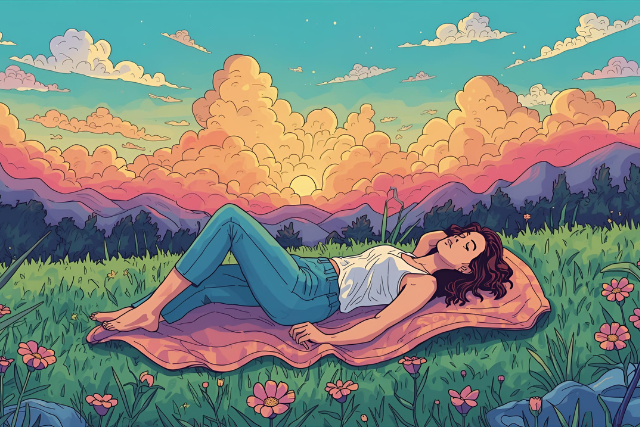
    “Rest is not idleness, and to lie sometimes on the grass under trees on a summer’s day, listening to the murmur of water, or watching the clouds float across the sky, is by no means a waste of time.” ~John Lubbock

    For years, I thought exhaustion was a sign I lived fully and did my best that day. I felt proud of being exhausted. I squeezed every bit out of the day, and there was nothing left.

    If I felt tired, I pushed myself to do just one more thing. It was always just one more thing. If I needed to lie down, I scolded myself for being weak. Around me, it seemed everyone else could keep going—working late, saying yes to every request, holding it all together, and getting everything done.

    So I pushed harder. I drank more coffee, ignored the pounding in my chest, and told myself I’d rest “later,” as a reward. And when that later finally came, I was so exhausted and empty, all I managed for myself was the easiest available comfort food and plopping down in front of the TV.

    Deep down, I wasn’t just tired from doing too much. I was tired from being someone I thought others needed me to be. I gave my everything, and nothing remained for me.

    I was tired from people-pleasing.

    When Rest Feels Unsafe

    People-pleasing is often misunderstood as kindness, but at its core it’s a survival strategy. Psychologists call it the “fawn response.” When fight or flight aren’t possible, some of us learn to stay safe by appeasing others—saying yes, staying agreeable, avoiding conflict at all costs.

    This might protect us in unsafe environments, but over time it takes a toll. The body stays on high alert— scanning for others’ needs, monitoring their tone of voice, ready to jump in and smooth things over.

    In that state, rest doesn’t feel like an option.

    When I tried to pause—sit quietly, lie down, even take a slow breath—my body rebelled. My chest buzzed with tension. My throat tightened, as if rest itself were dangerous. Doing nothing felt risky, as though someone might be upset or reject or abandon me if I wasn’t useful.

    So I stayed in motion. On the outside, I looked capable, dependable, “good.” On the inside, I was running on fumes.

    The Cost of Never Stopping

    When rest feels unsafe, exhaustion becomes a way of life.

    The body breaks down. I developed a stress knot in my shoulder, poor posture, and constant fatigue.

    The mind spirals. Anxiety grew louder, whispering that I wasn’t doing enough.

    The heart aches. Saying yes when I wanted no left me resentful and empty.

    I thought if I could just be more disciplined, I’d manage. But discipline wasn’t the problem—my nervous system was.

    It had learned, long ago, that slowing down invited danger. So it kept me on guard, pushing, performing, and erasing myself—all in the name of safety, belonging, being approved of and perhaps accepted.

    Realizing Rest Is Part of Healing

    The turning point came when I read about trauma and the nervous system. I learned that exhaustion and restlessness weren’t proof that I was lazy or broken. They were survival responses. My body wasn’t fighting me—it was protecting me, the only way it knew how.

    That realization softened something inside. For the first time, I saw my fatigue not as failure, but as evidence of how hard I’d been trying to survive.

    If my body could learn to see rest as danger, maybe it could also relearn rest as safety.

    Gentle Practices for Making Rest Safer

    The change didn’t come overnight. But step by step, I began inviting rest back into my life—not as laziness, but as medicine.

    Here are a few things that helped:

    1. Start small.

    Instead of trying to nap for an hour, I practiced lying down for five minutes. Just five. Long enough to notice my body but short enough not to panic. Over time, those five minutes grew.

    2. Anchor with touch.

    When rest stirred anxiety, I placed a hand on my chest or stomach. That simple contact reminded me: I’m here, I’m safe.

    3. Redefine rest.

    I stopped thinking rest had to mean sleep. Rest could be sitting quietly with tea, staring at the sky, or listening to soft music. It was anything that let my nervous system breathe.

    4. Challenge the story.

    When the inner critic said, “You’re wasting time,” I gently asked: Is it wasteful to care for the body that carries me? Slowly, I began rewriting that story.

    What I’ve Learned

    Rest still isn’t always easy for me. Sometimes I lie down, and my chest buzzes like it used to, urging me to get back up. Sometimes guilt whispers that others are doing more, so I should too.

    But now I understand: these feelings don’t mean I’m failing at life. They mean my body is still unwinding old survival patterns.

    And the more I practice, the more I see rest for what it truly is:

    • A way to reset my nervous system.
    • A way to honor my limits.
    • A way to reclaim the life that people-pleasing once stole from me.

    I used to believe safety came from doing more. Now I see that safety begins with stopping.

    Closing Reflection

    If you’ve ever avoided rest, told yourself you couldn’t afford to relax, or felt guilty when you tried, you’re not alone. Many of us carry nervous systems that equate worth with usefulness and safety with exhaustion.

    But what if the truth is the opposite? What if rest is not indulgence but healing? What if slowing down is not selfish but necessary?

    Rest may not feel natural at first. It may even feel unsafe and bring up feelings of panic, pressure to get going again, or a sense of falling behind. But with gentleness, patience, and compassion, the body can relearn what it once forgot: that it is safe to stop.

    You are not weak for needing rest. You are human. And in a world that pushes constant doing, choosing to rest might be the bravest thing you can do.
  • 3 Surprising Causes of Burnout That Most People Miss

    3 Surprising Causes of Burnout That Most People Miss

    “Love yourself first and everything else falls into line.” ~Lucille Ball

    The first time I experienced burnout, I was twenty-six.

    I was at the height of my career in London, doing it all, and yet I somehow found myself back at my parents’ house, sobbing in my mom’s car, after signing myself off from work, not having a clue how I landed there.

    Burnout isn’t just about being tired from overexertion. It’s when we reach physical, mental, and emotional exhaustion after pushing ourselves past our capacity for too long.

    When we finally stop, often against our will, all the confusing symptoms surface. We feel overwhelmed, out of control, like we’re going mad. That was me at twenty-six, right when I thought I should have been thriving.

    To give you some background, I was managing several boutique fitness studios in London, working under a highly demanding boss whose mood could swing and affect the whole office. I wasn’t much of a party girl, but I was still burning the candle at both ends, socializing with friends on the weekend and running around meeting demands during the week.

    The burnout crept in slowly, starting with crying over the smallest things, gaining weight despite all the exercise I was doing, never being able to switch my mind off, and feeling constantly wired and overwhelmed with emotions I didn’t understand.

    Burnout shows up differently for everyone, and I believe many of us live with a chronic, low-level version we don’t even notice until our well-being starts to fall apart.

    At the time, I thought burnout was just about long hours and stress. But over the years, I realized there were deeper, less obvious reasons behind mine.

    So, let’s get into the three not-so-obvious causes of burnout that most people miss.

    The Hidden Pressure to Prove Your Worth

    One of the biggest things I’ve learned about myself in the last ten years is that I’ve always had a need to prove myself. I’ve never quite felt good enough, and it’s always affected my confidence.

    I know I’m not alone in feeling this way. We all struggle with our confidence and worth, wanting to prove ourselves—to the people we work for, to our parents, to our partners, and to the world.

    However, I wasn’t conscious of this when I was younger. I knew I had a strong drive within me to work hard and meet other people’s demands, but I didn’t think it had anything to do with needing to prove myself.

    I’ve come to see that many of us have a core wound around self-worth, even the most confident among us, and we all need to work on accepting, embracing, and loving ourselves exactly as we are.

    But when we’re not conscious of our inner drivers, we can blindly rush into life, not understanding what’s really motivating our actions. For me, my lack of confidence played out in my need to please my boss, to the point where I was no longer conscious of my needs or desires.

    Her disapproval terrified me. I dreaded missing her calls or not replying to her emails fast enough. I anticipated her demands constantly, beating myself up if I misjudged a situation or fell short.
    It was a constant strain on my nervous system.

    I pushed myself harder and harder until I simply couldn’t cope with the pressure. I couldn’t bear to let her down in any way, and if I did, I chastised myself for not doing better, for not being better.

    The straw that broke the camel’s back was when I had to leave work early, to her great annoyance, to meet my mom, who’d booked a mother-daughter photoshoot (something I definitely wasn’t looking forward to, given the state of stress I was in).

    All I remember is crying on the subway on my way there and not stopping even as the concerned makeup artist was trying to sort out my puffy eyes. I didn’t want to disappoint anyone, and it was too much.

    That’s when I began to understand that burnout isn’t just about physical overwork. It can come from the emotional pressure we place on ourselves, such as the pressure to meet expectations, to keep people happy, and to prove our worth to those that we feel we constantly need to impress.

    It’s only when we realize that our well-being is far more important than our productivity that we can start to recognize how our need for approval is driving our actions and start to gently and lovingly address the deeper root cause.

    Why Burnout Thrives Without Boundaries

    One of the worst things about this need to prove myself was that my boss also recognized it and took advantage of it.

    At the time, I didn’t even know what boundaries were. I wanted to keep everyone happy, spinning plates and spreading myself thin.

    We’re conditioned to believe that it’s wrong to be selfish, that we shouldn’t say no, and that we need to put others’ needs before our own, but at what cost? Well, the cost is often our own happiness and well-being.

    We often think of boundaries as physical, but they are also mental and emotional.

    We may have shut our computer, but are we still thinking about the meeting tomorrow morning? We may have left the office, but are we anxious that we’ll forget to send that important email?

    I used to feel this dread in the pit of my stomach every morning on my way to work as I wondered what I might have gotten wrong or forgotten to do. It was like my mind couldn’t switch off, and it drove my stress levels higher and higher.

    One of the reasons why boundaries can feel so challenging is when we attach ourselves to the thing that we do, making it our identity, our purpose, and all that we are.

    Whether our burnout comes from being a parent, being a caregiver, being an employee or entrepreneur, or any other roles we hold, we need to remember to create a sense of healthy separation from what we “do,” because that is not all that we are.

    This is such an important boundary for us to create.

    We are human beings, not human doings. When we mistakenly attach our worth, our identity, or our purpose to what we do rather than who we are, that boundary becomes blurred.

    How Denial Keeps Us Stuck in Burnout

    Another major cause of my burnout was my inability, or unwillingness, to be honest with myself.

    I wasn’t conscious of how much I was struggling, and even if I had been, I wouldn’t have admitted it. To do so would have meant facing changes I wasn’t ready to make.

    While change is a constant in all of our lives, it is still something that most of us fear. After all, it’s messy, unpredictable, and uncomfortable.

    Yet, it’s always needed, especially when we suffer from burnout.

    If we don’t change our circumstances, our attitude, or our boundaries, then nothing will change. So, we have to be willing to be honest about what’s not working and start making those all-important changes.

    We can also struggle to be honest about our motivations for staying in burnout.

    I’ll admit that at the time I really liked my life. Or rather I should say, I liked how my life looked. When I turned up late to dinner with friends due to work, I used to complain about work always making me late, but secretly I felt busy, important, and special.

    There’s always a deeply unconscious part of us that becomes attached to the things that hurt us. It’s almost as if we become a martyr in our suffering. Yet, this is just reflective of the deeply unconscious desire to be seen, recognized, and taken care of.

    That’s the tricky thing: when we’re in burnout, we often crave recognition and care from others. But waiting for someone else to rescue us keeps us stuck.

    When I was struggling with burnout, I just wanted someone to notice and tell me what was wrong. I complained about my job to anyone who would listen, but I refused to take any advice. I just kept pushing myself, secretly hoping that one day someone, anyone, might notice.

    Burnout isn’t a cry for help, but it is a cry from within to be taken care of, supported, and nourished. And first and foremost, we need to start looking after ourselves.

    This Is Where Burnout Ends

    If you’re struggling with burnout, please know that you’re not alone. Start by being honest with yourself. Recognize where you’re needing to prove yourself and where you need better boundaries so you can start taking care of yourself.

    These subtle causes may not look like overwork, but they take just as much out of us, sometimes even more.

    The turning point for me was when I admitted I wasn’t coping, signed off from work, and sought support from a holistic practitioner. That was the first time I began to listen to myself, and it opened the door to healing and growth I never could have imagined at twenty-six.

    Ten years later, I’m so grateful for what it taught me. As cheesy as it sounds, it was the breakdown that became my breakthrough. While I still struggle with setting boundaries, feeling “enough,” and being honest with myself at times, on the whole those lessons have made me who I am today.

    It all began with the simple realization that I needed to learn how to take care of myself with the same urgency I once gave to everyone else. And maybe you do too.

  • When You’re Tired of Fixing Yourself: How to Stop Treating Healing Like a Full-Time Job

    When You’re Tired of Fixing Yourself: How to Stop Treating Healing Like a Full-Time Job

    “True self-love is not about becoming someone better; it’s about softening into the truth of who you already are.” ~Yung Pueblo

    One morning, I sat at my kitchen table with my journal open, a cup of green tea steaming beside me, and a stack of self-help books spread out like an emergency toolkit.

    The sunlight was spilling across the counter, but I didn’t notice. My eyes kept darting between the dog-eared pages of a book called Becoming Your Best Self and the neatly written to-do list in my journal.

    Meditation.
    Gratitude journaling.
    Affirmations.
    Ten thousand steps.
    Hydration tracker.
    “Inner child work” … still unchecked.

    It was only 9:00 a.m., and I’d already meditated, journaled, listened to a personal development podcast, and planned my “healing workout” for later.

    By all accounts, I was doing everything right. But instead of feeling inspired or light, I felt… tired. Bone-deep tired.

    When Self-Improvement Becomes Self-Criticism

    I didn’t realize it at the time, but I had turned personal growth into a job I could never leave.

    Every podcast was a strategy meeting. Every book was an employee manual for a better me. Every quiet moment became a chance to find another flaw to address.

    And if I missed something, a day without journaling, a skipped meditation, a workout cut short, I felt like I had failed. Not failed at the task itself but failed as a person. I told myself this was dedication. That it was healthy to be committed to becoming the best version of myself.

    But underneath, there was a quieter truth I didn’t want to admit:

    I wasn’t growing from a place of self-love. I was hustling for my own worth.

    Somewhere along the way, “self-improvement” had stopped being about building a life I loved and had become about fixing a person I didn’t.

    Self-Growth Burnout Is Real

    We talk about burnout from work, parenting, and caregiving, but we don’t often talk about self-growth burnout. The kind that comes when you’ve been “working on yourself” for so long it becomes another obligation.

    It’s subtle, but you can feel it.

    It’s the heaviness you carry into your meditation practice, the quiet resentment when someone tells you about a “life-changing” book you have to read, the way even rest feels like you’re falling behind in your own healing.

    The worst part? It’s wrapped in such positive language that it’s hard to admit you’re tired of it.

    When you say you’re exhausted, people tell you to “take a self-care day,” which often just becomes another checkbox. When you say you’re feeling stuck, they hand you another podcast, another journal prompt, another morning routine to try.

    It’s exhausting to realize that even your downtime is part of a performance review you’re constantly giving yourself.

    The Moment I Stepped Off the Hamster Wheel

    My turning point wasn’t dramatic. No breakdown, no grand epiphany. Just a Tuesday night in early spring.

    I had planned to do my usual “nighttime routine” … ten minutes of breathwork, ten minutes of journaling, reading a chapter of a personal growth book before bed. But that night, I walked past my desk, grabbed a blanket, and went outside instead.

    The air was cool, and the sky was streaked with soft pink and gold. I sat down on the porch steps and just… watched it change. No phone. No agenda. No trying to make the moment “productive” by mentally drafting a gratitude list.

    For the first time in years, I let something be just what it was.

    And in that stillness, I realized how much of my life I’d been missing in the chase to become “better.” I was so focused on the next version of me that I’d been neglecting the one living my actual life right now.

    Why We Keep Fixing What Isn’t Broken

    Looking back, I can see why I got stuck there.

    We live in a culture that profits from our constant self-doubt. There’s always a “next step,” a new program, a thirty-day challenge promising to “transform” us.

    And there’s nothing inherently wrong with learning, growing, or challenging ourselves. The problem comes when growth is rooted in the belief that who we are today is inadequate.

    When every action is motivated by I’m not enough yet, we end up in an endless loop of striving without ever feeling at peace.

    How I Started Shifting from Fixing to Living

    It wasn’t an overnight change. I had to relearn how to interact with personal growth in a way that felt nourishing instead of punishing. Here’s what helped me:

    1. I checked the weight of what I was doing.

    I started asking myself: Does this feel like support, or does it feel like pressure? If it felt heavy, exhausting, or like another form of self-criticism, I paused or dropped it completely.

    2. I let rest be part of the process.

    Not “rest so I could be more productive later,” but real rest—reading a novel just because I liked it, taking a walk without tracking my steps, watching the clouds without trying to meditate.

    3. I stopped chasing every “should.”

    I let go of the belief that I had to try every method, read every book, or follow every guru to heal. I gave myself permission to choose what resonated and ignore the rest.

    4. I practiced being okay with “good enough.”

    Instead of asking, “How can I make this better?” I practiced noticing what was already working in my life, even if it wasn’t perfect.

    What I Learned

    Healing isn’t a ladder you climb to a perfect view.

    It’s more like a rhythm—one that includes rest days, quiet seasons, and moments where nothing changes except your ability to notice you’re okay right now.

    I learned that sometimes the most transformative thing you can do is stop. Stop chasing, stop fixing, stop critiquing every part of yourself like you’re a never-ending renovation project.

    Because maybe the real work isn’t fixing yourself into a future you’ll finally love. Maybe the real work is learning to live fully in the self you already are.

  • The Great Horned Owl That Kicked Me Out of Burnout

    The Great Horned Owl That Kicked Me Out of Burnout

    “When I let go of what I am, I become what I might be.” ~Lao Tzu

    I’d known for months that I was burned out.

    The kind of burnout that creeps in quietly—behind your eyes, in your spine, in your calendar. I was volunteering in raptor rescue, monitoring eagle nests as the busy season ramped up, juggling consulting work, supporting adoption placements, writing, creating. I was showing up fully in every space except the one I lived in: my body.

    And yet I refused to let go. I told myself it was just a busy season. That if I could push through, things would calm down. That my exhaustion was noble, temporary, necessary.

    That’s the trap when you build identity around usefulness. You stop listening for limits.

    Raptor rescue had become more than a commitment—it was part of who I was. I loved it. I was invested. I was finally making progress in catching and handling, and every shift brought new confidence. Even after everything I’d learned about rest, boundaries, and overfunctioning, I still couldn’t walk away.

    It took getting kicked in the face by a great horned owl to wake me up. And I mean that literally.

    The Moment It Broke Open

    It was one of my regular volunteer shifts. I’d worked with this particular great horned owl before—had caught her successfully more than once. It felt like business as usual: enter the enclosure, take a breath, begin the catch.

    Except this time, it wasn’t usual. And I wasn’t ready.

    I took my eyes off her for a split second. That’s all it took.

    She flared, leapt, and with perfect precision, delivered a full-force kick to my face before escaping.

    Pain blurred into shock. And then into shame.

    Wounded pride doesn’t begin to describe it. My confidence evaporated. I had spent months building trust, practicing skill, stepping into this work fully. And yet, in one moment, it all felt like it had unraveled.

    I looked at my reflection in the mirror—face aching, spirit heavy—and the truth landed with brutal clarity:

    I’m not on top of my game. And I’m making rookie mistakes. Because I’m too tired to see straight.

    The Grief of Letting Go

    People talk a lot about burnout. But they rarely talk about how hard it is to walk away from something that feels meaningful.

    I wasn’t just physically drained—I was emotionally split. My time in raptor land had changed my life. It gave me resilience I didn’t know I had. It helped me feel grounded during periods of personal chaos. It reminded me that healing is messy and wild and worth it.

    The idea of letting go wasn’t just sad. It felt unbearable.

    And yet, I knew I had to. Not out of failure. Not even out of fear. But because continuing at the pace I was going—without rest, without recalibration—wasn’t sustainable. I was breaking. Slowly. Quietly. And now, visibly.

    Letting go wasn’t graceful. It was layered and raw.

    I cried. I wrestled. I tried to bargain with the truth.

    And when I finally stepped back, I didn’t feel immediate relief. I felt lost.

    The In-Between Is a Sacred Space

    People don’t talk enough about the in-between.

    That space where you’ve left something but haven’t landed in something new. Where you know what isn’t right anymore but aren’t sure what will be right next.

    It’s disorienting. It’s vulnerable. It’s uncomfortable.

    I wasn’t who I used to be—the eager, confident raptor catcher with fresh adrenaline in her chest. But I wasn’t yet someone with clarity about where to go next. My body needed rest. My spirit needed stillness. My heart needed time.

    But my mind? My mind wanted control. It wanted answers. It wanted speed.

    The in-between demanded something softer.

    It didn’t want me to leap. It wanted me to linger. To listen. To relearn what strength looks like when it’s gentle, not forceful.

    It’s the space where grief becomes teacher. Where identity sheds its armor. Where you realize you don’t just miss what you did—you miss who you believed you were when you did it.

    What That Owl Really Taught Me

    Yes, the kick hurt. It disrupted my rhythm. But more than anything, it delivered a message that I had been resisting:

    Even the things that change your life aren’t always meant to stay forever.

    There’s a difference between honoring a season and clinging to it. I wasn’t just volunteering—I was gripping. I was folding myself around an identity that made me feel capable, valuable, essential. I didn’t want to lose it, so I ignored the signs. I numbed out the signals. I kept showing up while my body whispered, “Not this.”

    And then it stopped whispering. It got loud.

    That owl didn’t punish me. She mirrored me.

    And once I heard what she mirrored back—once I stopped resisting the truth—I began to ask what my grip had been keeping me from.

    What Letting Go Made Room For

    Letting go didn’t mean losing everything I loved. It meant loosening my grip long enough for something gentler—and more lasting—to find me.

    I didn’t leave raptors behind. I shifted toward a deeper kind of care—one rooted in conservation, long-term observation, and relational presence. Nest monitoring, habitat awareness, quiet stewardship that still creates impact, but from a place of balance.

    It wasn’t about giving up my place in raptorland. It was about learning to show up differently—without the urgency, without the exhaustion.

    I’m rediscovering who I am in this space now. Someone who listens more. Who stays longer. Who works with the rhythm of the wild, instead of rushing through it.

    Change doesn’t always mean departure. Sometimes it just means choosing a slower path, a softer landing, and a future built on sustainability—in nature and in self.

    If You’re in the In-Between

    If you’re standing in that strange, sacred middle—between what was and what’s next—I see you.

    It’s not weakness to feel unsure. It’s not failure to step back. It’s not quitting to admit you need rest. The in-between is tender. It’s transitional. And it’s necessary.

    Whether it arrives through heartbreak or a literal kick in the face by an owl, change will always come to escort you out of what no longer serves—even when you swear it still does.

    You don’t have to leap before you’re ready. You just have to be willing to pause. To ask:

    What am I gripping that’s already trying to release me?

    What would it mean to let go gently, instead of waiting to be torn?

    Can I honor the season I loved without dragging it forward?

    Your next chapter doesn’t need to arrive with fanfare. It may enter quietly, through silence, through softness, through surrender. But it will arrive.

    And until it does, the pause is not empty. It’s everything.

  • 6 Simple Things I Do When Life Feels Completely Overwhelming

    6 Simple Things I Do When Life Feels Completely Overwhelming

    “You can’t calm the storm, so stop trying. What you can do is calm yourself. The storm will pass.” ~Timber Hawkeye

    Overwhelm doesn’t always knock politely. Sometimes it crashes into my day like an unexpected storm—suddenly I can’t think straight, and everything feels urgent, impossible, and too loud. One minute I’m fine, the next I’m spiraling in my head, convinced I’m falling behind on everything and failing everyone.

    If you’ve ever sat frozen in your car in the grocery store parking lot, staring blankly at a to-do list that now feels like a personal attack, you’re not alone.

    Here are six things I turn to when I feel completely overwhelmed—none of them fix everything, but they all help me find my footing again.

    1. I stop trying to “figure it all out” right now.

    When I’m overwhelmed, my brain turns into a malfunctioning computer with eighty-seven tabs open and nothing loading. I immediately try to solve everything at once, like I can outthink the chaos if I just try hard enough.

    But thinking harder doesn’t fix it. It just fries my system.

    I’ve learned to pause and remind myself: I don’t need to fix my whole life in this exact moment. When I feel myself spiraling into “fix all the things” mode (shoutout to ADHD), I write down whatever I’m trying to remember or control. That way I’m not ignoring it—I’m just parking it somewhere so I can get through the thing I actually need to do right now.

    2. I pick one tiny thing I can do.
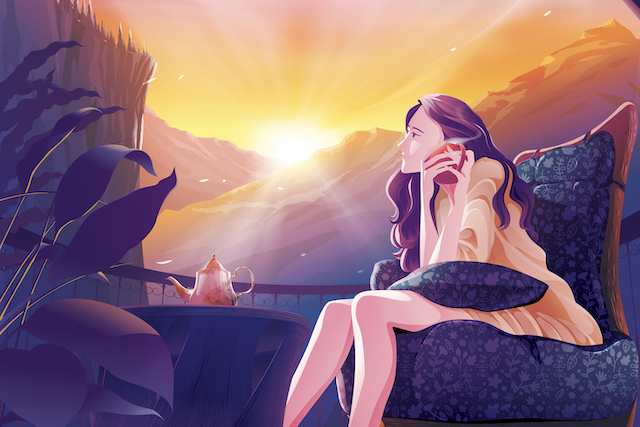
    Sometimes I stare at the mountain and forget I can just take one step. My brain immediately goes into “do it all right now or you’re failing” mode. And that’s when I end up doing absolutely nothing except overthinking and hating myself for not being productive.

    So I stop and ask: What’s the next five-minute task I can do without using my last brain cell?

    Not the whole kitchen—just get the dishes out of the sink. Not the whole inbox—just respond to the one email that’s been haunting me for days. One drawer. One phone call. One bill.

    It doesn’t feel glamorous, but it’s how I trick my brain into motion. Because five minutes of action beats two hours of beating myself up for not doing anything. Tiny progress is still progress. And sometimes, it’s the only kind that’s available.

    3. I ground myself in something sensory.

    When anxiety hits, it’s like my brain hijacks my whole body. Suddenly, I’m not just stressed and overwhelmed. No amount of logic works in that moment because my nervous system doesn’t care that everything’s technically fine.

    So instead of trying to think my way out of it (which never works), I shift focus to anything physical. I take a cool shower, drink a cold glass of water, light a candle, or put on my favorite scented lotion. I’ve held ice cubes before just to shock my brain back into my body.

    Sometimes I just sit with my cat and focus on the feel of his fur under my hand, like, “Okay, this is real. This is here. I’m not being chased by a bear.”

    Sensory grounding actually helps. It’s not deep or profound, but it’s basic anxiety relief. And honestly, that’s the vibe I’m going for when I’m spiraling: survive first, analyze later.

    4. I do a ten-minute reset (phone-free).

    I set a timer and do something quiet and simple—no phone, no news, no notifications. Just ten minutes without input. That alone feels like a luxury.

    I sit outside and zone out to whatever the wind is doing. Or I color like a bored kindergartener. Sometimes I wash the dishes really slowly, like I’m doing a meditative art form instead of basic hygiene. And occasionally, I just lie on the floor and stare at the ceiling like I’m rebooting my entire existence.

    It’s not about being productive or using the time well. It’s about giving my brain a break from having to be on all the time. Ten minutes of stillness doesn’t fix everything, but it gives me just enough space to breathe again—and sometimes, that’s all I need to keep going.

    5. I check my self-talk for cruelty.

    Overwhelm brings out the absolute worst inner dialogue. My brain turns into a mean girl with a megaphone. She says things like:

    “Why can’t you handle this?”

    “You’re behind—again.”

    “Everyone else is doing just fine. What’s your excuse?”

    It’s not helpful. It’s just self-bullying, dressed up as motivation.

    When I catch that voice spiraling, I try to pause and respond the way I would if a friend came to me in the same state—exhausted, anxious, and trying their best. I’d never say, “Wow, you’re really bad at life.” I’d say something like:

    You’re not failing. You’re overwhelmed. Let’s figure out what would actually help right now.

    That shift—from shame to support, from blame to curiosity—changes everything. It doesn’t magically make the stress disappear, but it keeps me from mentally kicking myself while I’m already down. And honestly, that’s a win.

    6. I let it be a “low power mode” day.

    Phones go into low power mode when they’re drained—and so do I. And on those days, I stop expecting myself to function like I’m fully charged.

    I do the bare minimum. I eat something simple (whatever takes zero brain power and maybe comes in a wrapper). I wear the comfiest clothes I can find, even if they don’t match and have questionable stains. I don’t force motivation to show up or try to “push through.” I let it be enough that I exist and made it out of bed.

    And I stop treating rest like something I must earn. I don’t need to check off five tasks or prove I’m productive before I’m allowed to take a breath. Sometimes, the most responsible thing I can do is shut everything down and reboot.

    Because being human is hard. Being sensitive, overstimulated, exhausted, or just done is part of it. And it’s okay to have days when I’m not okay. I don’t have to explain or justify it. Low power mode is still functioning—it just means I’m protecting my energy until I have enough to show up fully again.

    Final Thoughts

    Overwhelm doesn’t mean I’m broken. It usually means I’ve been running on empty for too long while trying to hold everything together without enough rest, support, or room to fall apart safely. It’s not weakness. It’s a warning light.

    These six things don’t magically fix the mess. They’re not a makeover or a glow-up. They’re a ladder. A gentle, scrappy, wobbly little ladder I’ve built over time that helps me climb out of the mental spiral one small rung at a time.

    If you’re feeling buried right now—under expectations, emotions, responsibilities, or just life in general—I hope something in this list reminds you:

    You don’t have to do it all. You don’t have to be productive to be worthy. You don’t have to perform your pain or prove how hard things are.

    You just have to come back to yourself. One breath. One step. One tiny act of care at a time.

    You’ve got this. And even if today, this just means brushing your teeth, replying to one text, or microwaving some sad leftovers—that still counts.

    You still count.

  • From Burnout to Bliss: The Beauty of Therapeutic Art

    From Burnout to Bliss: The Beauty of Therapeutic Art

    “It takes courage to say yes to rest and play in a culture where exhaustion is seen as a status symbol.” ~Brené Brown

    “You have burnout.” I listened to these three words in a trance, said thank you, and got off the call with the doctor.

    Part of me had known.

    The endless days I spent in bed staring at the ceiling with no motivation to do anything. The inability to focus on my screen. And the sudden bursts of tears when I saw yet another meeting pop up in my calendar.

    I knew all of this wasn’t normal. That something was going wrong.

    But another part of me was in disbelief. Burnout?! How can I be burned out if I’m doing what I love?

    Just three years ago, I co-founded a company to help chronic disease patients. I was here to change the world, to help others, to build something meaningful.

    How is it possible to burn out following your own dream? That’s something that just happens to miserable people in their nine-to-five jobs.

    As I dove deeper, I learned how wrong I was.

    It’s actually much more common to burn out when you’re running your own company than when you’re an employee.

    The financial rollercoaster, the rejections along the way, the countless weekends spent working without ever really taking a break—we are not made for that.

    No matter if we’re following our own dream or someone else’s.

    So, like the perfectionist and hustler I was, I thought: Let’s fix this fast so I can get back to feeling joy for what I’m building.

    I read the self-help books, did talk therapy, started mindset coaching, tried different productivity techniques, but the void inside me, the demotivation, the inability to feel joy—none of it went away.

    And underneath all of this was a crippling fear: What if I’ll only get healthy if I leave everything I’ve built behind?

    The turning point came one day, out of the blue.

    I was sitting at the beach watching the sunset, and as I watched the sun setting in its glamorous colors, I heard a voice inside my head say, “Go and buy paint.” At first, I dismissed it, but it got louder and louder until it was practically screaming: “GO AND BUY PAINT.”

    And so, I did. I went to the nearest dollar store, bought cheap acrylics, a small canvas, and a few brushes.

    At home, I put a plastic bag on my bed, and without much thought, I started painting.

    The first brushstroke hit me deeply. I felt my body and heart exhale: finally, you have come home!

    I painted for hours. And when I finished, I was exhausted, but it was a good exhaustion, like after a long hike, when you’re filled with a quiet love inside.

    For the first time in months, I fell into a deep, long sleep. When I woke up the next afternoon, the void didn’t feel so big anymore.

    I felt… I couldn’t quite describe it at first. Until I realized: I felt happy.

    I spent the next months painting every single day.

    I learned different techniques, invented my own, and with each drawing, I left behind traces of overworking, criticism, judgment, perfectionism, and self-pressure.

    After a while, I got curious. I wanted to understand what the art had actually done to me. Was it possible to heal burnout “just” by painting?

    So I went down the rabbit hole: studying, learning, experimenting. The deeper I went, the more I realized it wasn’t really about the art at all.

    The art was just the tool. A tool to create space to feel, to process, to change the internal narrative.

    Maybe you know what I mean. Maybe you’re completely drained and exhausted by your work, whether in a demanding job or in your own business, and you’re questioning why this is happening to you. Maybe you already know it can’t go on like this, but you feel trapped in the situation you’re in.

    If so, here are a few things that helped me in my process using art and that might help you, too.

    And no, you don’t need fancy materials or specific techniques.

    The type of art I found most healing is called therapeutic art. It’s not about the outcome; it’s about the process. The paintings don’t have to be pretty. Sometimes they’re just black scribbles, circles, undefined shapes. It’s all about expressing yourself onto the paper.

    So here they are—the five lessons that helped me in my quest to heal from burnout.

    1. Connect to your creator self.

    Your creator self is the part of you that exists beyond the roles, responsibilities, and pressure of your work. The part of you that’s here simply to create and express.

    Burnout disconnects us from that part of ourselves. Through mindful painting, we can make space to turn inward, explore freely, and reclaim a sense of agency over our own experience.

    When you use art therapeutically, there’s no need to prove anything or achieve a result. It’s about being present in the moment, feeling your hands move across the paper, and letting yourself just be.

    That’s what helps reconnect you to your sense of aliveness and to the real you beneath all the noise.

    2. Release stress from your body.

    Burnout and overworking aren’t just mindset problems. All the stress, all the emotions you chose not to feel along the way, get stored in your body.

    Your body literally goes into survival mode, and no amount of thinking or talking will fix what’s happening in your system.

    Therapeutic art is a mind-body practice that helps process tension, emotions, traumas, and stress that have been stored for years.

    The act of painting, moving your hands, and letting emotions flow through color onto the paper allows your body to exhale and relax. It gives your system the break it has been screaming for.

    3. Rewrite the success story running in your subconscious.

    Most of what drives our actions doesn’t come from conscious thought, it comes from the subconscious, which shapes 90–95% of how we think, feel, and act.

    This is where all the hidden beliefs live that drive us into overwork and burnout: “Rest is lazy,” “If I slow down, I’ll fail,” “Success has to be hard.”

    Even if you logically know these aren’t true, your subconscious doesn’t. It keeps running on these old programs.

    Through painting freely and intuitively, you can project these thought patterns onto the paper. You may catch yourself wanting to control the outcome, judging the process, or feeling anxious when things get messy.

    And in those moments, you have the chance to soften, challenge the old stories, and show your system that there’s another way to live and create.

    4. Let go of what’s no longer working.

    Burnout is a sign that something you’ve been carrying—a habit, a role, a belief, an idea—is no longer aligned with your highest self.

    Art gives you a safe space to practice letting go. On the canvas, you can release control, let things get messy, and allow what wants to emerge to show up without needing to fix or force it.

    This mirrors what we need to do in life: loosen the grip, experiment, and trust the process. When you practice surrender in small ways through art, it becomes easier to loosen your grip on the bigger things draining you.

    5. Rediscover your joy again.

    One of the most painful things about burnout is losing your sense of joy. Everything becomes dull, gray, and heavy.

    Therapeutic art invites you back to joy without a goal. It’s not about making something pretty or useful. It’s about playing with colors, being fully present, and simply observing yourself.

    When you paint just for the experience, you remind your system what it feels like to have fun and be here without needing to earn anything.

    And that, in itself, is a powerful way to heal.

    Burnout doesn’t mean you’ve failed or are broken. It’s often a sign that something in your life or in you is ready to change. For me, painting became the safe and joyful space back to myself.

    The best thing is that you don’t need to be an artist to use painting in your healing process.

    What matters is making space to listen inward, to let your body exhale, and to soften the old stories you’ve been carrying.

    And when you do, you might be surprised at what’s still alive inside you, just waiting to come home.

  • What I Learned When My Brain and Body Shut Down

    What I Learned When My Brain and Body Shut Down

    “Almost everything will work again if you unplug it for a few minutes, including you.” ~Anne Lamott

    I used to believe that success meant always being available. Always saying yes. Always responding immediately to emails, Slack pings, texts, whatever was thrown my way. Because if I stopped—even for a second—I might fall behind. And if I wasn’t working harder than everyone else, was I even working hard enough?

    For years, that mindset worked. Or so I thought. Every win, every promotion, every new milestone felt like adding fuel to the fire. The more I ‘succeeded’ by society’s standards—the title, the career, the financial stability—the more I pushed myself to do more, to be more.

    My perfectionism kicked in, too. I didn’t just want to succeed; I wanted to be perfect at everything—career, leadership, motherhood, marriage, friendships. And I never removed anything from my plate—I just kept stacking it higher.

    I climbed the corporate ladder, became the first female VP in a 300-person marketing org at a Fortune 500 company, and checked every success box that should have made me feel accomplished. But instead of feeling fulfilled, I felt… empty. Exhausted. Like I was running on fumes but too scared to stop.

    And then one day, my body gave me no choice but to stop. It wasn’t a slow fade or a warning sign I could ignore—it was like someone pulled the plug. I went from a high-functioning overachiever to someone who couldn’t even form a sentence without feeling mentally drained.

    Not just stress. Not just exhaustion. A full-body, full-brain shutdown. Emails didn’t make sense. Conversations felt like static. I couldn’t process thoughts.

    My brain hit the off switch, and I didn’t know how to turn it back on. I sat at my desk, staring at my screen, and for the first time in my life, I physically couldn’t push through.

    That moment scared me more than anything.

    Five years before my full breakdown, I had already been on a collision course. In that short span of time, I became a mother, got promoted to director, took on more teams and responsibilities, lost my sister and grandmother, and moved into a new house—which promptly caught fire.

    But I still kept pushing, still kept performing, because slowing down wasn’t an option. Until my body made it one.

    I remember sitting in my car after work, gripping the steering wheel, staring blankly ahead. I had nothing left.

    It wasn’t just exhaustion; it was something deeper, something that made me feel like I had lost control over my own mind and body. I had built my entire identity on being productive, on being the go-to person, the one who always delivered.

    But now I had nothing left to give. And I had no idea how to fix it.

    What I Learned from My Breaking Point

    But how did I get to that point?

    How did I go from thriving on the hustle to completely shutting down?

    Looking back, the signs were all there—I just ignored them.

    The late nights, the skipped meals, the creeping exhaustion I kept brushing off as ‘just part of the job.’ My body had been warning me for years, and I didn’t listen. Until I had no choice.

    That breaking point forced me to ask myself something I had spent my whole life avoiding:

    What am I chasing, and at what cost?

    Here’s what finally made me realize I couldn’t keep going like this (and what I wish I had figured out before I hit rock bottom):

    1. Rest isn’t a reward. It’s a requirement.

    For the longest time, I thought sleeping more would fix everything. I watched a MasterClass with Dr. Matt Walker (a sleep expert) and learned all about chronotypes—morning larks vs. night owls. I knew I was a morning lark, so I figured, Great, I’ll just get to bed earlier, and that should do it!

    Except, it didn’t.

    I’d lie there at night, my body still, but my brain running marathons.

    • Did I give my kiddo his medication?
    • Did someone feed the dog?
    • Is my team member feeling better after being out sick?
    • Crap, I forgot to move the laundry. Now I have two choices: leave it and deal with the stink tomorrow, or drag myself out of bed to fix it.

    That’s when I realized that rest isn’t just about sleep. It’s about giving your mind and body a real reset.

    I found that when I spent time in my garden, I had more patience with others.

    I picked up crocheting for the first time in twenty-five years, making beanies like my life depended on it. They were adorable—and it brought me a peace I hadn’t felt in years.

    I started playing board games with my kids, laughing around the table instead of rushing them to bed just so I could jump back online and “get ahead.”

    For years, I treated parenting like a responsibility (which, to be fair, it is), but I never just let time be. Everything had been a task to complete, a schedule to follow. But slowing down, being present, laughing with my family—THAT felt like true rest.

    Rest isn’t just about stopping. It’s about resetting in a way that actually fuels you.

    2. Ambition and balance can co-exist.

    Let’s be real—I’m still a work in progress when it comes to boundaries. But one of the biggest shifts I made was realizing that everything in life is a season.

    I used to overthink every decision. Saying no felt heavy, like I was closing a door forever. But once I started thinking in seasons, everything changed.

    • Instead of “no,” I started saying “not right now.” This made boundaries feel lighter and easier to stick to.
    • I got clear on my non-negotiables. If something filled my cup, it got priority time. If something drained me? It was time to let it go.

    For years, I was the kind of leader who said things like “I support your decision” when someone needed time off—but the undertone was always “but we really need you here.” The unspoken pressure to overwork was real.

    Now, I build my life around people who encourage me to invest in myself—not just support it, but push me to do it. And that makes all the difference.

    3. If stopping feels scary, that’s a sign you need to stop.

    I was terrified to slow down. I had built my entire reputation on:

    ✔ Always being available (Praised!)
    ✔ Always performing at the top (Praised!)
    ✔ Living every aspect of hustle culture (Praised!).

    It was my identity. So, if I stopped… who even was I?

    What if I had worked my butt off for nothing?
    What if people stopped seeing me as “successful”—would they think I was a failure?

    I’m still in this transition, and honestly, it’s still scary. But leaning into the unknown is part of redefining success. That’s what makes it feel less terrifying.

    I used to believe success = status, power, money.
    Now, I see success as something bigger—health, joy, presence.

    And while I won’t pretend it’s easy, I can tell you this: it’s worth it.

    What This Means for You

    If you’re reading this, wondering why—despite all your effort—you still feel exhausted, stuck, or empty… I get it. I’ve sat in that same place, running on fumes, convinced that pushing harder was the answer. But it’s not. It never was.

    You don’t have to break before you start making changes. Small shifts—pausing, setting boundaries, rethinking what success actually means—can save you from ever reaching that breaking point.

    Take the break now. Reclaim your energy now. Redefine success now. Because the life you want isn’t waiting on your next achievement—it’s waiting on you to stop running long enough to actually live it.

  • I Had Enough: What’s Happened Since I Quit My Job

    I Had Enough: What’s Happened Since I Quit My Job

    “Sometimes, the bravest thing you can do is walk away from the things that no longer serve your growth or well-being.” ~Unknown

    I’ve always been a very independent person with an adventurous spirit, so no one was surprised when I moved away from my small town in Ontario, Canada, to become a nanny in Spain the second I graduated from high school.

    It was a whole new world with ancient streets, delicious food, and friendly people. I knew that I had made the right choice to adventure away from the place where I was raised.

    I’m someone who has itchy feet. It’s been difficult to stay in one place for any length of time. Over the last twelve years, I’ve lived all over the map, from Spain to Calgary, Alberta, and most recently in Vancouver, British Columbia.

    The town where I grew up is known for its brutal winters, quiet neighborhoods, and having “not much to do” there. So naturally, I spent my twenties looking to live in any place that was as different as possible from that boring town where I was raised.

    The first time I had visited the west coast, I thought: Why would anyone live anywhere else in this country besides here? The mountains, the ocean, the active lifestyle, the endless options for outdoor adventure… I fell in love with it and ended up spending almost a decade of my life as a West Coast girl.

    During this time, I got a university degree and, shortly after, landed a job at a tech company, where I was earning a salary that I didn’t ever think would be possible for me.

    At first, the job was a positive feature in my life: I learned all kinds of skills I hadn’t had the opportunity to develop before. I was given promotions and eventually was put in a position to lead a team, something I ended up really enjoying. But over time, I started to notice little things that made me question whether I was really happy.

    I remember having a conversation with a close friend about a year and a half into the job, where I expressed strong discontentment for my work. My friend, the wise woman she is, immediately validated my concerns and gave her opinion that I should really quit this job.

    I remember thinking, how shortsighted of her. Doesn’t she realize if I quit, I won’t be able to make this salary again? I have bills to pay and people on my team at work who need me.

    Fast forward; another year flew by, and things only got worse. I was working ten-hour days consistently, and I developed stomach pain and started having migraines. My weekends were bogged down by thoughts of the mess I would return to on Monday morning.

    My friends and family continued to call out how this job was not constructive for me and let me know that I wasn’t the same “light” person I used to be. My mother in particular did not like that I was no longer writing or doing anything creative anymore as a result of my energy being sucked away by this job.

    After many nights of sleeplessness due to the nature of this massive decision, I finally decided to act. Now, in case anyone is reading this and is in a similar situation, I want to share just how difficult this decision was for me.

    I wasn’t able to hear feedback from my family and friends and immediately quit my job. No, there were many months in the middle where I would flip-flop. I think leaving a job is the same as leaving a relationship—only you will know when you are truly ready.

    Quitting this job was one of the most difficult things I’ve done in recent years. I had spent countless days and nights weighing the pros and cons of my decision, thinking about the team members involved. Who would I be putting in a tough situation? Would the company be able to replace me? Would I be upsetting team members, my boss, the CEO? Was I a failure for quitting? Did this burnout say something about my value as a worker, as a person?

    When I finally turned in my resignation, I was stunned to learn that nobody really cared. I thought for sure I would hear from the folks I worked with after I left, but it has now been several months, and I have heard from no one.

    In the middle of this decision-making process, I was in close contact with my mother. She is an amazing woman who lives on her own in a quaint, lovely house in the small Ontario town where we’re from. The town that I spent years dreaming about leaving. So, when she heard I was thinking of quitting my job and suggested I could move back home and live with her, naturally, I was offended she would even suggest the idea.

    Move back in with my mom? What would everyone think of me? Thirty-one, jobless, and living at home?

    But over time, to everyone’s surprise, especially my own, I started to warm up to the idea. Living alone in a big city, working a difficult job, and providing everything for myself for the last fourteen years was catching up to me. I was exhausted and lonely.

    So, in March this year, I packed up my apartment in beautiful North Vancouver, fit what I could into my Toyota Corolla (including my border collie mix, Rex), and drove across the country, back to small town Ontario.

    In a lot of ways, being back in my hometown is weird. There is definitely less to do here than in big Canadian cities. Instead of spending my weekends with friends, I usually spend them with my mom’s friends or my siblings. Instead of hiking epic, world-famous mountains, I walk in the trails along the street where we live. It is a quiet life, much different than what I’ve left behind.

    But at thirty-one, after the last decade of independent living and the last few years of this difficult job, I welcome the quiet life with open arms.

    I traded long days and late nights working remotely, feeling stressed and isolated, for sleep-in mornings with my dog and forest walks where I’m not checking my watch because I need to make sure I get back for a meeting at 1 p.m.

    Now, instead of trying to find time in the day to eat a meal, I cook big dinners that I get to share with family and friends. I now get a hug from my mother every morning instead of only once a year at Christmas.

    We’ve all heard the cliches about life being short, time with family being invaluable, money isn’t everything, etc.. But isn’t it true that cliches are cliches for a reason.

    We know that days on this earth are not promised for any of us. I didn’t want to be thirty-one years old, working in a lonely apartment, giving my energy to a company that didn’t care about me for another ten years.

    While the decision was difficult, especially in this economy, I will say it is amazing how many doors open when you free your mind from the mental gymnastics of a toxic job and the decision-making of whether you should leave it.

    My life looks different now: I’ve started writing again (look, you’re reading one of my articles now), I’ve started a master’s program, and I’ve got plans to become a fitness instructor, something I’ve always wanted to do but haven’t had the time.

    Of course there are unknowns in my life, and I don’t know if I will live in this small town forever. But for now, it’s given me invaluable time with my mother and family, a place to rest and recover from years of working a very stressful job, and a chance to start a few new projects that make me feel like “me” again.

    If you are in a similar predicament, and if you are lucky enough to have some of the same privileges that I do, I recommend that you allow yourself a break. This doesn’t have to mean moving back in with your parents. It could also mean leaning on your partner for a while if that’s an option. Or utilizing savings for a bit, if you have any, to give yourself time to focus on what really matters and figure out what’s next.

    Family, health, and happiness should always come before the corporate grind, society’s expectations of you, or any amount of money. I hope this serves as a reminder.

  • How I Turned My Pain and Anxiety into Personal Growth

    How I Turned My Pain and Anxiety into Personal Growth

    “The only way out is through.” ~Robert Frost

    When I reflect on the past fifteen years of my life, I sometimes joke about my struggles to lighten the weight of what I’ve endured. “What struggle don’t I have?” I’d say, laughing, but beneath that humor is a real story of pain, burnout, and learning to rebuild myself, piece by piece.

    I faced chronic pain, anxiety, emotional abuse, two burnouts, long COVID, and emotional eating—all before I hit my thirties. It’s been a long journey, and while I still have days where I’m not as happy as I want to be, I’m getting better every day.

    I was born and raised in the Netherlands, quite literally in the home where I was born. I’m now twenty-seven and have spent most of my life in this same place.

    Growing up, I had what you’d call a “normal” childhood until I turned twelve and began experiencing chronic pain—a constant burning sensation in my abdomen that no doctor could initially explain. For years, I pushed through it, unwilling to be the person people pitied or labeled as “sick.”

    This pain was eventually diagnosed as ACNES (Anterior Cutaneous Nerve Entrapment Syndrome), a condition where a nerve in my stomach was trapped, causing me constant pain. For years, it was a mystery, and it wasn’t until I was seventeen that an injection finally brought me relief, almost like a miracle. But while this should have been a breakthrough, the universe had other plans.

    Around the same time, I developed severe anxiety and panic attacks, triggered by an emotionally unhealthy relationship I’d been in since I was fourteen. The boy who had once been my best friend slowly became someone who contributed to my anxiety, often leaving me stranded when I needed support most.

    By the time I was nineteen, I had burned out completely. My anxiety was overwhelming. I was juggling a full-time internship and school while trying to please a boyfriend who didn’t understand or care about my emotional needs. My body gave in. I had to quit my internship, forcing me to repeat a year of school. This felt like an enormous failure, especially since all my friends had moved on without me.

    At my lowest, I often wondered if I could keep going. I cried endlessly, I felt isolated, and I was consumed by anxiety. My parents were my lifeline, but even they couldn’t fully pull me out of the depths of what I was feeling.

    For years, I stayed in that relationship, convinced that my unhappiness was somehow my fault. But eventually, I became numb to the chaos. When we finally broke up, I felt a wave of relief I hadn’t known was possible.

    Yet, the struggle didn’t end there. I managed to graduate with my HR degree and even found a job I enjoyed. Then ACNES returned with a vengeance.

    I spent two years practically bedridden, unable to work, exercise, or socialize. I turned to food for comfort, which led to weight gain, further chipping away at my self-esteem. And just when I thought it couldn’t get worse, I caught COVID at the end of 2020. Long COVID added brain fog, exhaustion, and concentration problems to my list of challenges.

    But in the midst of all this, there was a turning point. About two years ago, during a particularly rough throat infection, I broke down. I couldn’t take the suffering anymore. As I cried, a realization hit me: I couldn’t control what was happening to me, but I could control how I responded.

    That moment sparked a change in me. I began taking small steps to regain control over my life, starting with my mindset.

    I began reading more about mindset and habit change. Books like Atomic Habits by James Clear and Good Vibes, Good Life by Vex King helped me see that I had the power to shape my own reality through my thoughts and actions.

    I sought out therapy and started working with a therapist who reinforced that I was the only one responsible for my happiness.

    I began making conscious decisions to take care of myself, even in small ways.

    I also started implementing routines that helped anchor me. Each morning, I wake up at the same time, make my bed, do some light skincare, and journal. It sounds simple, but these small habits have helped me feel more in control, even when my health is unpredictable.

    That said, I’m not here to advocate for any one-size-fits-all solution. I tried antidepressants when my anxiety was at its worst, and it was a good decision for me at the time. But what works for one person may not work for another. The key is to stay open to your options and trust your instincts.

    Long COVID, ACNES, and anxiety are still part of my life, and I’m still working on losing the weight I gained during those difficult years. But I’m learning to be kinder to myself and take things one step at a time. I’ve learned that there’s no quick fix for deep-seated pain—physical or emotional—but there are ways to make life more manageable.

    One of the most important lessons I’ve learned is the value of self-worth. For years, I didn’t believe I deserved better than what I had, whether that was in relationships, my career, or how I treated myself. I had to remind myself daily that I was worthy of love, respect, and happiness. I used affirmations on sticky notes, mood boards, and even as my phone background—anything that would remind me of my worth when I felt down.

    I also learned to prioritize rest and recognize when I needed a break. Especially with long COVID, I’ve had to listen to my body and respect its limits. I created a list of small, manageable tasks I could do when my energy was low, like organizing a drawer or dusting a room. These small actions helped me feel productive, even on days when I couldn’t do much.

    It’s also worth mentioning that having a solid support system can make all the difference. I’m fortunate to have incredibly supportive parents and two close friends who I can open up to without fear of judgment. Sharing my struggles with them has been healing in itself, even though I still hesitate to be vulnerable with others.

    If I could leave you with one piece of advice, it would be this: You are your greatest advocate. You are responsible for your well-being, and that means setting boundaries, prioritizing your mental and physical health, and not settling for less than you deserve. You’re worth the effort it takes to care for yourself properly.

    As I continue to rebuild my life, I’ve started to share more of my experiences online through my personal growth site. I was once hesitant to be so open, but now I see the value in sharing my story. If my journey can help even one person feel less alone or inspire them to take action in their own life, then it’s worth it.

    Ultimately, life will always throw challenges our way. We can’t control everything, but we can control how we respond. And sometimes, that’s enough.

  • How I Created a Beautiful Life on the Other Side of Burnout

    How I Created a Beautiful Life on the Other Side of Burnout

    “If you dont give your mind and body a break, you’ll break. Stop pushing yourself through pain and exhaustion and take care of your needs. ~Lori Deschene

    For forty-five minutes, I lay on my yoga mat in child’s pose, unable to move.

    The exhaustion in my body felt like a thousand kilos, and the ache of failure pricked my eyes with tears.

    Despite all my early morning runs, after-work bootcamps, and restricted meals, my body did not look like the bikini models I saw on Instagram.

    Despite all my energy, efforts, and attention, my romantic relationship had fallen apart. No matter what I did or how hard I tried, he didn’t love me anymore, and I couldn’t understand what I had done wrong.

    Despite my long working hours and high levels of stress, my boss didn’t recognize me, and I had to face the fact that I just wasn’t the talented designer I was trying so hard to be.

    As I wallowed in my failure and the heartbreak of ‘not enough,’ I felt my body pleading with me.

    “Why don’t you love me?” she asked. “Why do you push me so hard? Why is it NEVER enough?”

    I was taken aback, as it was the first time I heard this voice, and it was full of the pain of rejection.

    In that moment, I realized that everything I had been pushing for had been sending the message that I was ultimately unacceptable as I was. I needed to change or be different in order to be loved, valued, and successful.

    The harder I tried to be perfect, to achieve, to prove my worth, the more exhausted, broken, and small I felt. By desperately trying to win other people’s approval, I was actually rejecting and abandoning myself.

    This realization flooded me with grief. What had I done to myself???

    Since this was clearly not working, I made a decision that changed my life.

    “Okay,” I said to my body. “We’re going to do things differently.”

    “From now on, I’m going to listen to you,” I promised. “We are going to do this TOGETHER.”

    As soon as I made this commitment, I felt my body exhale with relief. She had been waiting for this moment my whole life.

    In the months that followed, I left my job, I left my friendships, and I left the home my ex and I had built together.

    I found refuge on my parents’ couch with severe burnout. After years of pushing, my body had finally collapsed.

    My body struggled to walk to the end of the street. Being in a store was so overly stimulating that I felt like I was going to pass out. I couldn’t sleep for months. I had severe stomach pains and terrible migraines, and I couldn’t think straight. My heart was broken. I felt like my life was over.

    It was physically excruciating. It was emotionally devastating. It was the biggest blessing.

    My body was giving me the chance to start again.

    The thing about burnout is that you can never go back to how you were living before. That way was clearly not working: the lifestyle, the thought patterns, the identity, the environments—it was not serving you.

    Burnout burns it all to the ground and forces you to start over.

    My identity used to be a “hardworking, people-pleasing perfectionist addicted to external validation.” If I hadn’t done the inner work to let go of that pattern and completely rewire my identity, I would have ended up straight back in burnout just a few years later (which is, sadly, something that happens to others).

    Trust me, burnout is not something you want to repeat. I promised myself I would NEVER end up in that situation again.

    During my healing journey, I focused on building a relationship with myself and my body. Not one where I commanded and pushed my body, but one where I regularly checked in with her, learned to listen to her, and respectfully honored her needs.

    Every morning, I sat on my meditation cushion and took time to go within.

    What was I feeling?

    How was I speaking to myself? 

    Where was I judging myself?

    What did my body need from me that day?

    My burnout took two years, almost three, to recover from fully. To say I felt impatient to feel “normal” again is an understatement.

    Any time I felt frustration toward my body, I quickly shifted my attitude to compassion and gratitude, recognizing that my body had been through hell and was doing her best to recharge back to optimal health. My impatience was only adding more stress that, honestly, she didn’t need to deal with.

    It was in this way that I learned to love myself, as I was, without all the labels of achievement. Burnout had stripped away everything I had worked so hard for—my career, my relationships, my physique, my home. I had to learn to truly love myself without the badge of productivity.

    Through this loving commitment, my body guided me on how to live a life that was right for me.

    I found I was a Human Design Projector, which is an intuitive guide who needs to manage their energy to stay happy and healthy in this hectic productive-obsessed world. I adjusted my schedule based on my energetic rhythms to include more rest and play in my day (which, admittedly, was not easy at first with my workaholic tendencies, but now I can’t imagine any other way).

    Creating more space allowed me to find my soul’s purpose in teaching others how to connect to their bodies, love themselves unconditionally, and create successful lives in a sustainable way. I created a business based on what I love to do, began coaching women, and held retreats all over the world—without the extreme hustle I had been used to.

    All the pressure to shrink down was gone. Instead of counting calories and pushing my body to the extreme, I focused on nutrition and movement that felt good. I didn’t care if my cellulite was showing or what people thought of the outfits I chose. The space that this opened up in my mind after years of obsession was the most freeing thing ever.

    Learning to love my body changed my entire approach to life. It made me aware of my boundaries for the first time and helped me to create balanced relationships that felt truly fulfilling.

    I went from overworking in a job I hated and over-giving in terrible relationships to running a purpose-led business where I get paid to be myself and surrounding myself with truly supportive people.

    All because my body pulled the breaks on my old life and made me change direction. She showed me there was a more sustainable, more joyful, and more aligned way to make my dreams come true.

    And for that, I am eternally grateful.

  • A People-Pleaser’s Guide to Reclaiming Your Life: 6 Ways to Say No

    A People-Pleaser’s Guide to Reclaiming Your Life: 6 Ways to Say No

    “Self-love, self-respect, self-worth: There’s a reason they all start with ‘self.’ You can’t find them in anyone else.” ~Unknown

    Have you ever found yourself stuck in the “yes” trap, even when your gut screamed “no”?

    I have.

    We people-pleasers struggle with boundary crushers, and there are a lot of them out there continuously knocking over the barriers we put up!

    But here is a secret I have learned: I’m allowed to say “no” without drowning in guilt. In fact, it’s a vital part of my self-care journey to give myself permission to freely say “no.”

    Empowerment of “NO”

    Saying “no” makes me, a people-pleaser, feel guilty.

    I wonder, “Am I being selfish? Am I letting people down?”

    It’s tough, but it is essential that I set firm boundaries to protect my time, resources, and mental health. Trust me, I need to look out for myself because nobody else is going to do it for me.

    One of the most powerful tools I have at my disposal is the ability to say “no.”

    It may seem paradoxical, but embracing the closed “no” has opened my life in a transformative way.

    “No” Was Not Allowed

    My people-pleasing ways were cultivated during my childhood when I was supposed to do as I was told, not question authority, and be compliant.

    I was praised as being a good girl, an obedient child, the gold-star-sticker student.

    Prioritizing others’ needs and desires over my own became the norm.

    But here’s the big problem: Children do not stay little. We morph into adults.

    As I grew and matured, it was difficult to switch gears to be able to stand up to bosses, romantic partners, and friends. It was easier to just give in.

    But it didn’t turn me into a gold-star-sticker adult.

    This constant self-sacrifice led to burnout, resentment, and a loss of my own identity.

    Saying “no” is like reclaiming a piece of myself I’ve neglected for far too long. It seemed foreign at first, but practice has helped me harness the power of this miraculous word.

    6 Ways I Say “No”

    1. The Direct Approach

    Picture this: A friend asks you to help them move on your only day off this month. You feel compelled to say, “Sure, I can do that.” But what if you just don’t have the time?

    I will use the direct approach and say, “No, I can’t do that.”

    I’m not required to give more explanation than that. No means no; that’s it. Initially, this approach felt uncomfortable to me because that isn’t how a good, obedient child should respond.

    But I am not a child.

    I’ve learned that being direct respects my own boundaries.

    2. The Delayed Response

    Sometimes, in the heat of the moment, it’s challenging to gauge whether a “yes” or a “no” is the right response. That’s where the delayed response comes in handy. It buys extra time to be able to think through the decision process.

    For example, I had an old coworker who was always asking me to help with projects that weren’t my own. As a people-pleaser, I strive to make everyone happy, but I found that she soon began to expect my help.

    I began utilizing the delayed approach by saying, “Let me look over my workload and get back to you on that.”

    This allows me to avoid impulsively saying “yes” until I consider whether or not adding to my current workload is even possible.

    3. The Grateful Decline

    I went through a phase when I was obsessed with homemade cinnamon rolls. And they were amazing! But my recipe was one that took a couple days to complete because I had to allow time for the dough to rise twice over twenty-four hours. That, plus slicing and rolling individual rolls, made it very time consuming, although the results were worth it.

    Well, people began asking me to make my “famous cinnamon rolls” for tons of parties and special occasions. Suddenly, my special-event-sweet-treat was being requested regularly. I appreciated the compliment but found I just didn’t have the time or energy to provide them for every party I was invited to.

    This is where the grateful decline comes in handy. Instead of just simply saying “no,” I say, “I appreciate your thinking of me, but I can’t do it this time.”

    This method shows gratitude for the request while respectfully declining. It’s a soft, sweet “no.”

    4. The Alternate Offer

    I had a neighbor who would occasionally ask me to help with her puppy when she had long workdays or extra meetings. I enjoyed the little guy and was happy to help.

    But when my neighbor asked me to pet sit for a weeklong trip she was going on, I had to seriously think about my answer.

    Puppies are a lot of work!

    I knew I didn’t have the bandwidth to spend hours each day devoted to walking and playing with the puppy. Instead, I offered to take just one shift of puppy care per day. This allowed me to be helpful while maintaining my boundaries.

    5. The Diplomatic Approach

    I never want to hurt anyone’s feelings or appear harsh, but I still need to be able to say “no.”

    Guess what? I don’t owe anybody a detailed explanation. This is when it’s important to be diplomatic.

    As a writer, I get asked all the time to help with writing and editing. Sometimes I can, and do, help. But other times I just don’t have the time.

    Someone I know recently asked me if I could help her college-aged student write a paper. I had a busy week, so I said, “I have too many other commitments at the moment.” End of story! I conveyed that my plate was full without making it personal.

    6. The Empathetic Decline

    Lastly, the empathetic decline allows me to acknowledge the other person’s needs and feelings while maintaining my boundaries.

    A friend recently asked to borrow money. Usually a generous person, I am just not in a position to be able to give right now. I had to say, “I understand your need, but I have to say ‘no’ right now.” This response shows compassion while also respecting my own boundaries.

    My Not-So-Secret Weapon

    Learning to say “no” is my secret weapon in the quest to recover from people-pleasing. It’s not about being selfish or uncaring; it’s about establishing boundaries and regaining control over my own life.

    Remember, saying “no” isn’t a rejection of others; it’s an affirmation of yourself and about valuing your time, energy, and well-being. Using these techniques has made setting boundaries less daunting and has freed me from the “yes” trap. Go ahead and embrace the power of “no,” and take control of your life.

  • Why I Quit Beast Mode and How I Traded Burnout for Peace and Balance

    Why I Quit Beast Mode and How I Traded Burnout for Peace and Balance

    “Beast mode.” Sounds pretty badass, doesn’t it?

    It’s like an adrenaline-fueled battle cry, a call to arms. It’s a way of life that’s all about giving every single thing you’ve got to every single thing you do.
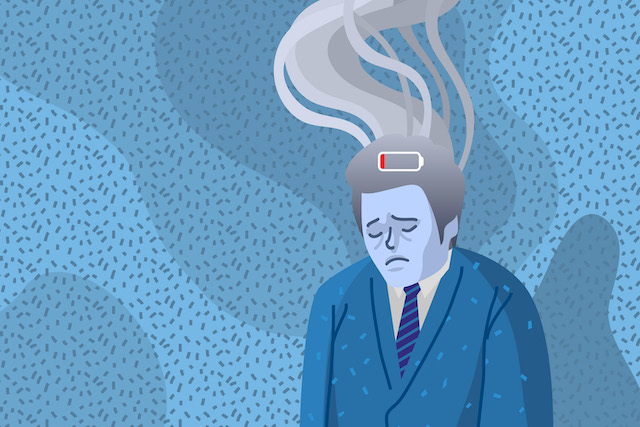
    For most of my life, I lived this mantra—and prided myself for living this way.

    In fact, I had a sticker on my bathroom mirror with the words “beast mode” that I stared at all the time. It was my constant reminder to be all in, every single day, pushing harder, reaching further.

    But here’s the reality check: Life isn’t supposed to be a non-stop action flick or an eternal Olympic sprint.

    When you live that way, you’re always running on empty.

    In fact, I felt like I was a smartphone on 1% battery all the freaking time.

    And I’m not just talking about feeling physically wiped out. I was mentally and emotionally zonked, too. I knew there had to be something better than living in permanent beast mode… running on fumes… sputtering through my days.

    Eventually, it all just clicked for me. I realized that I had become so caught up in the hustle, so obsessed with the “how much,” that I’d lost sight of the “why” … for what purpose?

    After all, busyness should not equate with worthiness!

    And that’s when I decided to shift gears, from the non-stop grind of beast mode… to the thoughtful pacing of what I now call my “best mode.”

    Beast Mode vs. Best Mode

    Beast Mode is like running on full throttle all the time. It’s all about maximum effort, maximum speed, maximum output. It can be incredibly effective in the short-term but can also lead to burnout and loss of direction in the long run.

    Best Mode is about finding a sustainable, balanced, and intentional way of living. It’s about setting mindful, meaningful goals and pursuing them at a thoughtful pace. It’s an approach that values self-care, reflection, and mindful action as much as achievement and productivity. In best mode, you’re not just achieving, you’re enjoying the journey. You’re living your best life, not just a busy one.

    Now, I’m here to share my journey from beast mode to best mode, my transition from being a human-doing to a human-being. And let me tell you, it’s not only enriched my life,  it’s made it infinitely more fulfilling, and, dare I say, significantly more enjoyable.

    The Appeal of Beast Mode

    We live in a world where the common refrain is always: “Do more! Be more! Achieve more!”

    And beast mode fits snugly into this ethos.

    It’s not just a mindset. It is a state of being.

    It’s about relentlessly striving for success, pushing past limits, and breaking barriers.

    Admittedly, it gives you a buzz, a rush. I remember the thrill, the allure of being in beast mode. The feeling that I was invincible, a juggernaut, an unstoppable force. There was something intoxicating about it, something that drew me in and held me in its grip.

    The Downsides of Constant Beast Mode

    But here’s the kicker: Living in beast mode is like running on a treadmill that’s always cranked up to max speed. It’s exhausting, draining.

    You’re sprinting at breakneck speed, but where are you going?

    What are you really achieving?

    And at what cost?

    Because in the midst of this relentless pursuit, you start to lose sight of what’s really important.

    Relationships, peace of mind, the simple joys of life. They all get left in the dust.

    Plus, often beast mode leads to a more beastly mood. You feel on edge a lot of the time. Or simply exhausted.

    Basically, beast mode is a relentless grind that leads you straight down a one-way street to Burnoutsville. Trust me, it’s a place you don’t want to visit.

    The Value of Balance over Burnout

    Over time, as I got older, I began to see through the illusion.

    I started to realize that life is more than a marathon, more than a series of boxes to check off.

    A good life is about appreciating the moments in between, the simple pleasures, the quiet joys.

    It’s about my kid’s laughter echoing through our home, a shared meal with my family, a good book on a lazy afternoon.

    These simple moments are the essence of a good life. They’re the threads that weave the tapestry of our existence.

    And these threads started to matter more to me, more than any achievement or accolade.

    So one morning I peeled that “beast mode” sticker off my bathroom mirror, and began to try to live differently.

    How I Quit Beast Mode and Burnout 

    Breaking up with beast mode was no easy feat. It was like trying to sever ties with a toxic friend who just doesn’t want to let go.

    But once I managed to break free, it was like a breath of fresh air. I found peace… tranquility… balance.

    And I discovered that balance trumps beast mode any day.

    The calm mornings, the shared stories, the unhurried afternoons, the dancing to music in the middle of the day—these became my new triumphs.

    These simple, peaceful, intimate moments became my new improved yardstick for success.

    And they became the milestones that truly mattered most.

    5 Tips to Quit Beast Mode and Embrace Best Mode Instead

    Now, if you’ve managed to stick with me so far, here’s some straight-shooting advice, fresh from my own experience.

    Coming up now are my top tips for quitting beast mode—and thereby quitting burnout mode too!

    1. Embrace the Joy of Missing Out (JOMO).

    It’s perfectly okay to say ‘no’ to things. The world won’t come crashing down if you miss a meeting or skip a gym session. You’re not the fulcrum of the universe, even though it can feel like it sometimes. Relax, let go, and savor the joy of missing out.

    2. Redefine Success.

    Success doesn’t always have to mean grinding 24/7. It’s about finding balance, achieving contentment, and enjoying peace. It’s not a one-size-fits-all concept. Define success on your own terms and let the world be damned.

    3. Cultivate Mindfulness.

    Be present. Bask in the moment. Not the one that’s waiting around the corner or the one that’s five years down the line. I’m talking about the moment that’s happening right now, this very instant. It’s fleeting, ephemeral, and it’s worth your attention.

    4. Prioritize Relationships.

    Remember, it’s the people in your life that matter. Not your achievements, not your work, not the number of zeros in your bank account. People, relationships, these are the things that enrich your life. So make time for them. Even if it means putting your beast mode persona on hold.

    5. Balance, Balance, Balance.

    I can’t stress this enough. Life isn’t a sprint; it’s a marathon. It’s a journey that’s meant to be savored, not rushed through. It’s about finding equilibrium, maintaining stability, juggling different aspects of your life so that you’re not just running blindly toward an ever-receding finish line. Balance, my friend, is the key to a fulfilling life.

    Conclusion: Quit Beast Mode and Burnout

    So there you have it. That’s my story of why I ditched beast mode and chose the best mode life of balance.

    And I have zero regrets. In fact, I couldn’t be happier.

    So, take a moment to reflect, to think about where you’re at… and where you’re heading.

    What would your life look like if you decided to give beast mode the boot and embraced a life of balance instead?

  • 4 Things to Try When You Want Change but Don’t Know What to Do

    4 Things to Try When You Want Change but Don’t Know What to Do

    “If you get stuck, draw with a different pen. Change your tools; it may free your thinking.” ~Paul Arden

    For a year and a half, I could feel a career shift coming. I had worked hard to cultivate a career I loved, but I began feeling disconnected from my work. The meaning I had originally felt from it was no longer there. Each time I started a new project, I felt tired and unmotivated.

    At first, I thought it might be burnout. So I took a few weeks off to see if I could reset myself into feeling excited about my work again. But when I returned, I felt the same. The things that I had built my career around, that previously gave me energy and meaning, no longer resonated.

    I thought about the type of work I did daily and couldn’t imagine myself still doing it ten years from now. But what could I imagine myself doing? I had no idea.

    I struggled and strived to figure out what a career shift might look like. I read several books, including Finding Meaning in the Second Half of Life by James Hollis (Ph. D.), but while I resonated with the ideas in several of them, I still felt no closer to an answer.

    I became very intentional about noticing when things gave me energy. At one point, I went to a dinner party where someone brought tarot cards and gave me a reading. It was so energizing! I went home and immediately ordered the same set of tarot cards. I began learning about them and started doing readings with friends and at parties.

    “What does this mean? Should I become a tarot card reader?” I thought. But that didn’t resonate for a variety of reasons.

    By this point, I was telling everyone who would listen that I was “directionless.” It was a new label I used often. When someone asked what I did for work, I would say, “Meh, I’m directionless.”

    Well-meaning friends and acquaintances started offering their opinions of what I should be doing next. I even googled, “How to make a career change.” I felt like I was walking around in a black fog where I could barely make out what was ahead of me. Sometimes I could see a slight shape—a glimmer of something that gave me energy. But what did it mean? And how could I use that information for what was next?

    I went through a cross-country move to a location where I had no friends. Because of this, I had more time to myself than usual. I spent each day going inward and connecting to my body through meditation, simple somatic practices, like stimulating my vagus nerve, and parts work.

    Finally, I realized that the answer was never in my head. It was in my body—wisdom that had been blocked by all the thoughts and old beliefs that had formed, and parts of me that wanted to protect me and keep me safe.

    I found that a part of me didn’t want a career change because it was too scary and unstable. Instead, it wanted to stay with what was known, dependable, and safe. I befriended this part and worked through the fears. As I spent more and more time going inward, the answer appeared clearer and clearer. It had been there all along, and finally, I was able to access it.

    If you’re feeling stuck, here are a few things to try.

    1. Identify parts that may be trying to tell you something.

    If you are feeling stuck, there may be a “part” of you that is keeping you there to protect you. These parts are often created during childhood when we might not have had as many resources as we do now.

    For example, maybe you learned during childhood that being seen by others can be unpredictable and dangerous. So a “part” of you could have been created that helped you make decisions based on that information. Now, as an adult, you likely have more resources, but that information never got to the “part” that was created.

    So, let’s say that you want to write a book and you just can’t seem to move forward. No matter what you do, you’re staying stuck. Why? One reason might be because this “part” knows that if you write a book, you will be seen by others, and based on experience, that can be unpredictable and dangerous. So it prevents you from stepping out and taking risks where you might be seen. You may not even be aware of this part consciously. Yet it could be there, working day and night to protect you.

    2. Meditate.

    Being stuck can sometimes prompt negative thoughts, such as “What if I’m stuck forever?” or “I’m not good enough.” These thoughts can then lead to negative emotions, which can then make us feel even more stuck and overwhelmed. It’s a vicious cycle. Meditation can help you break out of this cycle and receive clarity, which can help you find direction and move forward.

    Set a time each day to meditate. It doesn’t need to be that long—even just ten minutes is enough. If you have trouble sitting silently, you could search for a guided meditation on YouTube.

    Make it part of your routine and do it at the same time each day to keep momentum going. Doing it at the same time each day will help it become part of a habit and make it easier to remember.

    If you start thinking while you’re sitting silently, that’s okay! Just come back to your breath. You don’t need to be perfect. You just need to cultivate some stillness and silence. This practice helps you drop out of your mind and into your body, where so much wisdom lives.

    3. Stimulate your vagus nerve.

    Your vagus nerve regulates your entire nervous system. When your vagus nerve is activated, it helps calm your nervous system, which helps shift you into a more creative, open state of being. It is from this state that you can more easily access wisdom within yourself.

    There are a variety of ways to stimulate your vagus nerve. Because the vagus nerve is connected to your vocal cords, humming or singing is one way to achieve this:

    1. Focus on your breath and notice anything you feel in your body. Maybe you feel pressure on your chest, a pain in your neck, a burning in your throat, etc.
    2. Breathe in deeply.
    3. As you exhale, say “Voo” out loud for the entire length of the exhale.
    4. Sit and notice how your body is feeling now. Is there any difference?
    5. Continue steps two through four until you feel a shift.

    4. Change your environment.

    Have you ever taken a trip to a new place or gone on a great hike and felt a sense of renewed inspiration, clarity, or presence? The reason for this is because we grow when we’re out of our comfort zone.

    Being in a new environment, meeting new people, and having new experiences takes us out of our comfort zone, opens our minds, and provides us with the opportunity to grow and learn more about ourselves. It shakes things up from our normal day-to-day experiences.

    Get out into nature or go on an overnight getaway. It doesn’t need to be something fancy—anything that will get you out of your current space can help shift the stuckness.

    Is there an area of your life where you feel stuck or don’t know what to do? Which of these actions most resonates with you? Or, do you have an action you typically take that works best?

  • How to Ease the Pain of Being Human: From Breakdown to Breakthrough

    How to Ease the Pain of Being Human: From Breakdown to Breakthrough

    “Nothing ever goes away until it has taught us what we need to know” ~Pema Chödrön

    We are all works in progress.

    We all have skeletons in our closets that we may wish to never come out. We have all made mistakes. We will all make mistakes in the future. We all have our scars.

    None of us are close to reaching that mythical ‘perfect’ status. Never will be.

    None of us should consider ourselves fully evolved. Not even close. There will always be space for improving an area of our lives.

    Truth be told, most of us are a contradictory mix of elements that make us, us. Life is not all black or white. There are many shades of grey in between.

    Being human isn’t always simple, tidy, or pretty. Being human involves trying to adapt to the ups, the downs, the challenges, the heartache, the struggles, the loss. We are given no manual on how to live our precious lives. No hacks or shortcuts will help us through some of the tough times.

    Breakdown or Breakthrough? Personal Challenges and Scars of Battle

    I want to share a story here that I have not shared elsewhere in writing.

    Over the course of a few months, at the end of 2021 and into early 2022, I had what can rightfully be described as a full-blown breakdown.

    Over this period, I was cloaked in a blanket of darkness, seemingly of my own making.

    The breakdown had me in a sleep-deprived, paranoid state where I started to have auditory hallucinations (i.e., hearing voices). At certain points I convinced myself I was tapped into some paranormal world and able to communicate through my mind with others that were trying to harm me and my loved ones.

    I was normally a considered and pretty thoughtful person, but my mind had started to work against me.

    This is the first, and hopefully last, time anything like this has happened to me. I have had no such experiences like this in the past, not even close.

    Scariest of all, at the time, to me at least, this experience seemed to come as a total bolt from the blue.

    In retrospect, however, the signs something was coming were there. I just failed to see them or heed their warning in real time.

    What happened?

    I was burnt out emotionally and physically. I had been running on cortisol and stress for too long, and my body had enough. My subconscious had enough. So they started to shut down on me in the most unexpected and alarming of ways.

    Subsequent internal work I have done also indicates that I had tried to repress emotions, including anger and sadness, without fully dealing with them. Some of these feelings had festered for a long time, so they came back to me to let me know they were not quite done with me.

    Dealing with Pressure

    Writing is a passion for me, but it only pays some of my bills. My other career is acting as an independent consultant to organizations that need help delivering and simplifying projects and increasing performance in existing teams.

    This work is often high-pressure and time-bound. Alongside this, I can also put myself under pressure even if my clients do not. Doing my job well is important to me, but sometimes my own expectations of what I can do can bite back at me.

    For a series of many months before the mental health episode, I had been pushing hard, without letting up. Running toward a finish line that kept moving.

    I had started to hold tension in my body (chest tight, shoulders hunched, breath shallow). My body was giving me clear signs it was not happy, but still I pushed through.

    My energy was not where it should be. A general sense of fatigue and tiredness followed me, however early I went to bed. My enthusiasm for things I normally enjoyed started to wane. I became more agitated, irritable, and quick to blow my fuse.

    I was feeling like I needed a break. Not just wanting one but really feeling I needed one. A long break, at that.

    These signs were all there. What did I do? I tried to push through them, push harder. I tried to repress them, believing I could just tough them out. Drink more coffee. Push. Meet the next deadline. Push. The team needs me. Push. The client needs me. Push.

    Rather than acknowledging my body and mind were telling me they needed deep rest, not just the weekend off, I pushed on. And I paid a heavy price. But I was lucky because it could have been heavier. For other people it is heavier if they are unable to escape this cycle.

    Coming Out the Other Side

    Where am I now?

    I am pleased to say I got that rest I needed (I took three months off to travel). I sought professional help in the guise of a therapist (not something I ever thought I would need) and other healthcare professionals.

    I leaned on my wife and family for support rather than believing I had to do this all alone. I shared my struggle with friends.

    I doubled down on my efforts to take my self-care practices seriously. I introduced new self-care techniques into my life (breathing techniques, formal meditation, as well as walking meditations). I now make this time a priority in my life.

    I took, and continue to take, a hard look at my life to shed what was not serving me in a positive way. Peeling back layers of conditioning. Trying to understand myself more fully. Trying to identify and acknowledge triggers more acutely so I could explore what they might be telling me.

    I now feel more energized. I got my spark back. I get excited about the things that used to excite me again, like music, writing, exercising, being in nature, and taking long walks.

    In short, I feel like myself again.

    While I do not want to be defined by that singular experience, I also do not want to forget the lessons it holds. I want the experience to make me stronger, not break me. Part of that means accepting that this did happen to me. And it could happen to any of us. How I respond is now up to me. And I am determined to respond in a positive fashion by making changes that will serve me in the future.

    I was lucky. Others are not so fortunate.

    Making Our Way in Life

    The inconvenient truth is that life is struggle. Life can be hard. We will all face significant challenges. None of us can escape that.

    Yours will be different than mine, but you will face your own demons at times.

    So what can we do?

    We can do our best to put one foot in front of the other and make progress—understanding that sometimes that progress will be slow, sometimes the steps forward will be small, and sometimes we will also feel stuck. Sometimes just not losing ground is the win we need most.

    We can try to learn lessons from the past but commit to the now. Focusing on developing and supporting our future selves. Focusing on being true to ourselves.

    We can celebrate our successes, large and small.

    We can be grateful for all we have.

    We can live a life of contribution, finding small ways to be of service to the world around us in our own unique way. We can find purpose and value in our days.

    We can invest in our own development so we have the necessary internal tools to support us in living our best lives. We can adopt practices that support us living this type of life.

    We can take our self-care seriously. Planning and making time for techniques that serve us. We can commit to protecting this time as the valuable investment it is, understanding that, to help and show up for others, we must first show up for ourselves.

    We can lean on others when we need to. Not seeing this as a weakness to be avoided but as a necessary component of the human condition. We can lean into our ‘tribe.’

    We can continue to learn and be curious about our own emotional state and feelings, asking ourselves questions: Why do we feel a certain way? What are our emotions telling us? Is this just a passing feeling, or is it really trying to tell us something or protect us in some way?

    We can get to know ourselves on a deeper level.

    We can embrace the light, share our light, and be a light for others.

    We can love and live the best way we know how.

    We can try to make peace with the fact that to struggle is to be human. The journey isn’t easy for any of us, but there is much reward and joy to be found along the way.

  • How I’m Overcoming Codependency and the Need to Prove My Worth

    How I’m Overcoming Codependency and the Need to Prove My Worth

    Everywhere you go, there you are.” ~Unknown

    I have heard this quote many times throughout life, but that was it. I heard it, thought hmm, and moved on. Well, here I am at the age of thirty-nine, and I am really starting to see and understand it.

    I first started noticing this idea showing up over and over again recently, at a time of a change in my career. I went from an ER nurse to an RN in the transfer center. So bedside nursing to office work.

    I noticed one day, as I was sitting in my new, quiet office area looking at the board of the ER in epic (which shows how many patients are currently in the emergency room), there were about ninety-eight patients in a forty-four-bed unit. I felt as if I was actually in the ER. I felt horrible on the inside, and felt sorry for the patients, nurses, doctors, etc.

    Then I thought, What the hell am I doing? I am in an office; I am not down in the ER. If I am going to experience the same feelings in this office as I would have in the ER, then why did I change jobs?

    It was at that moment that I was like Katie, you got to heal this wound. Whatever it is, you got to heal it.

    I took a deep breath and consciously chose not to feel that way. I decided to acknowledge that there were long wait times, that workers were overwhelmed, and that patients may not get the care they needed due to the hospital being saturated.

    In that moment I chose to be thankful that I was not one of them. I chose to feel better. I chose to celebrate that I had stepped out of an environment that was unhealthy for me.

    Another time it happened was when we were working on a stroke transfer. Everyone was rush, rush, rush.

    I felt my face get flushed; my chest tightened. The fear and worry were taking over. I thought to myself, What the hell, Katie. You are doing it again. You are feeling as if you are in an emergency room at the bedside. Calm down. Remember, if you are going to feel the feelings you felt in the ER, you should have just stayed in the ER.

    Once again, I took a deep breath. I reminded myself that I am only one person. I was doing all that I could do, as fast as I could, and that was enough. I reminded myself that I don’t have a magic wand and can’t teleport anyone in an instant. I felt better but was really starting to have an awareness of “Everywhere you go, there you are.”

    This happened again on a day of consistent work in the transfer center. I did try to be creative, do some swapping of patients, but, ultimately, all my work led nowhere.

    As I was sending out my email that shows transfers that were complete, it read “zero.” I had thoughts like Omg, they are going to think I did not do anything today. I did not help the ER at all. They have thirty-three admits, and I got no one moved from the hospital.

    The truth is I did my best. There were things out of my control that inhibited the movement.

    At that moment of frustration, I heard in my head, once again, “Everywhere you go, there you are.”

    I started talking about how I was feeling with one of my friends and coworkers. He asked me if I was familiar with codependency, I’m guessing because he could see the signs in me.

    It made me laugh because codependency is definitely something I am working on overcoming. Everywhere I go, there you are, codependency. It does not just show up in relationships; it shows up in all areas of my life.

    In my work, it showed in how I looked to validate my importance by the number of transfers out of the hospital I made, even though there are so many factors involved in transfers, most of them out of my control.

    In my personal relationships, it showed in how I aimed to please everyone but myself, ultimately to feel worthy based on their approval.

    According to Psychology Today, codependency is “a dysfunctional relationship dynamic where one person assumes the role of the giver, sacrificing their own needs for the sake of others.”

    This, in my opinion, is what’s happening in healthcare. So many healthcare providers give, give, give but only receive a paycheck. That is not sustainable, not satisfying to the individual or their spirit.

    Do you find that you often feel responsible and overly invested in the lives of others, abandoning your feelings, thoughts, and identity; feel guilty for asking for a break or just sitting for a minute; have poor boundaries or no boundaries with your friends, family, coworkers, and clients? If so, it might be a good idea to take the time to reflect and see if you are codependent.

    Self-awareness and understanding what role you play in feeling burned out or dissatisfied can lead to a much more fulfilling life and career.

    Pay attention to your thoughts, emotions, and feelings. They are powerful messengers. Take the time to be curious about your reactions and your triggers. When you replace judgment with curiosity, you create space in your brain to learn.

    As I reflect on my nursing career, I have a feeling that many people, especially in healthcare, struggle with codependency. I think perhaps we create most of our problems from unhealthy patterns developed in childhood.  For example, I learned young to neglect my needs, please other people instead of speaking up for myself, and suppress and deny how I felt.

    So, what was I really feeling in that moment—the moment when I felt guilty that there were no transfers? I was feeling like a letdown. I was feeling like I wasn’t good enough, and why? Old habits are hard to break, but I am thankful now because I have awareness. With awareness I can do better, create new habits, and break old patterns. I can pay attention to what follows me everywhere I go.

    Tomorrow is my last day as an RN. I am stepping out on faith and wanting to create a new life and career for myself.

    I am not expecting all rainbows and sunshine. I am aware now that as I embark on this journey there are going to be thoughts, feelings, and emotions that are going to follow me everywhere I go.

    I am going to have to remind myself not to make choices based on the need for validation. I might get insecure when I get just one like on something I posted on social media, or I might worry that my son won’t like me if I don’t buy him everything he wants.

    But I have to remind myself not to allow views and likes to determine my worth, and I also have to remember it’s more important to set a good example for my kid than to win his approval.

    It all starts with questioning my thoughts and trying to get to the root of my behavior.

    With awareness I can grow, heal, and become the person I am destined to be. Perfectly imperfect.

  • The Exhausted Extrovert: How I Stopped Worrying About How People See Me

    The Exhausted Extrovert: How I Stopped Worrying About How People See Me

    “When we allow ourselves to be vulnerable, we are not pretending, we are not hiding—we are simply present with whatever is going on inside us. Ironically, it is this very feeling of authenticity that draws people to us, not the brittle effort of perfectionism.”  ~Maureen Cooper

    Most people in my life would call me an extrovert, and I often refer to myself with that label as well. On the surface, I appear friendly, talkative, and enthusiastic, and those characteristics became part of my identity at an early age. I enjoy being around other people and value my interpersonal relationships.

    I also participate in a variety of social groups and remain connected to friends near and far despite our busy schedules. I have often attributed my love of people to the fact that I am an only child who always wanted to spend more time with kids my own age.

    Despite my friendly nature, I usually felt drained after social interactions, especially when they involved large groups of people. I dreaded small talk, mingling at parties, and attending events where I was the only new person in the group.

    For example, my anxiety was sky high when I met my husband’s large group of close friends for the first time. I felt intimidated because they had all known each other since preschool, which automatically made me feel like an outsider. As a child and young adult, I tended to avoid situations where I felt uncomfortable, preferring to focus on the environments and people that I already knew.

    Even in familiar social situations, I still often came home feeling depleted. I enjoyed myself during these events but required a lot of downtime to fully recover and feel like myself again. This reaction confused me because I thought extroverts craved and felt energized by social interactions. 

    I struggled to classify myself because neither introvert nor extrovert truly matched my personal experience. I often felt torn between wanting to attend social events and worrying that I would feel exhausted afterward. These conflicting desires prompted me to explore the reasons why being social fed and depleted my soul at the same time.

    This journey would hopefully allow me to develop a deeper level of self-awareness and learn how to take better care of myself. As I paid more attention to my thoughts, feelings, and behavior at social events, I noticed that I was hyper focused on how I came across to others. I wanted to be liked, make a good impression, and be viewed as fun.

    I frequently wondered what people genuinely thought of me, including friends that I had known for years. I also worried a great deal about others’ feelings and wanted to make sure that everyone was having a good time. As the host of parties or gatherings, I went out of my way to ensure that the house was spotless, the food options were plentiful, and the environment was comfortable.

    I avoided choosing group activities out of fear that people would not like my decisions and from a desire to be known as the “easy-going, chill friend.” Even when I wasn’t the host, I found myself studying everyone’s reactions to see if they were happy and had their needs met fully. I made it my responsibility to take care of everyone even though no one asked me to be the superhero.

    If someone wasn’t in a good mood or a conflict arose, I immediately intervened to be the peacemaker or crack a joke to lighten the mood. I also did my best to keep the focus and attention away from me. I acted like an interviewer, asking other people endless questions and rarely sharing about my own life.

    I hated any silence within the conversation and would quickly fill it by bringing up a new topic or giving compliments. I began to realize that even my closest friends didn’t know much about me because I was so guarded with them. My fear of boring others, seeming conceited, or talking too much prevented me from being honest and authentic.

    For most of my life, I thought these behaviors were typical and even smart ways to be a good friend. I wanted others to accept me and enjoy being around me, but my ways of accomplishing these goals left me exhausted at the end of the day. Upon realizing how I navigated social interactions, I chose to examine why I needed these techniques and how they affected my view of interpersonal relationships.

    Up until this point, I believed that my behaviors were simply proof of my strong social skills, compassion, and emotional intelligence. I also assumed that most people thought and acted similarly to me because it was so natural and automatic in my life. In reality, my behavior involved coping strategies that I had developed from an early age due to an intense fear of being left out, disliked, and alone.  

    I came to learn that as an empath, I needed to set emotional boundaries to prevent myself from becoming depleted. A healthy empath holds space for another person’s emotions and experiences without making it their responsibility to fix, save, or protect the person. In order to be accepted and liked, I became a chameleon who adapted to any environment, didn’t speak up, and focused on pleasing everyone else at my own expense.

    In doing so, I didn’t allow people to get close or learn about the real me. My outward focus on how everyone else was thinking, feeling, and acting left me exhausted and overwhelmed because I took on their problems as my own. I remained fearful to share my true opinions, make any decisions, or take up space in social settings.

    Fading into the background felt safer, easier, and more comfortable to me, but it didn’t allow me to relax and be fully present. I constantly scanned the environment for any issues, working to please others and control what people thought of me. On top of that, I made it a priority to appear easy, effortless, and relaxed so that no one would see my internal struggles.

    I didn’t want to appear stressed, tired, or unhappy because I could possibly be viewed as “needy” or “too much.” My hypervigilance only intensified when I was around new people because I desperately wanted to make a good first impression and earn their validation. After a social gathering lasting only a few hours, it was no wonder that I felt so drained and needed to recharge.

    I began to realize that while I do love people and enjoy interacting with others, these situations would be more fun if I slowed down, checked in with myself, and focused on being truly present. I needed to practice turning the spotlight on myself for the first time, making choices and doing activities that worked for me. 

    When I allowed other people to manage their own feelings rather than jumping in to fix, save, and protect them, it freed up more time and energy for me. I also allowed myself to open up and engage fully in conversations, sharing small details at first and allowing other people to carry the conversation. These behaviors showed me that it was safe to take up space and let people get to know me.

    Instead of blending in and always going with the flow, I could practice offering my opinion, choosing a restaurant or a movie for the group, and turning down social opportunities when I was tired or uninterested in the outing.

    I knew that I needed to take these steps slowly because they would require courage, and I didn’t want to give up out of overwhelm. I also begin learning to trust that people wouldn’t abandon or reject me for speaking up and setting boundaries.

    And if I did lose friendships or people didn’t love everything about me, I could handle that reality and survive. My mantra became “I am not for everyone, and that is okay.”  

    Since that time, I have made strides toward relaxing, being present, and releasing control, allowing myself to “just be.” Some days and situations are easier than others to practice this new mindset. But now that I have self-awareness and understanding, I can more easily catch myself when I engage in people pleasing behaviors to earn love, praise, and acceptance.

    I pause, take a deep breath, and remember that I am allowed to take up space, that I deserve to have fun and be myself, and that my needs, feelings, and opinions matter. In doing so, I enjoy social interactions, even with new people, more than I ever did. And that has made all the difference for a social butterfly like me.

  • 5 Simple Yet Essential Self-Care Tips That Can Change Your Life

    5 Simple Yet Essential Self-Care Tips That Can Change Your Life

    “Never be ashamed to say, ‘I’m worn out. I’ve had enough. I need some time for myself.’ That isn’t being selfish. That isn’t being weak. That’s being human.” ~Topher Kearby

    Years ago, my extended family, who I am very close with, migrated from Vietnam to America as permanent residents. Four separate families had a couple of kids in each family. They are nice, kind, and loving people, and their kids were super cute and respectful.

    My relationship with my extended family has taught me a lot of lessons throughout my life so far, but this was one of the most impactful ones to date.

    Throughout the first few years of their residency here in the USA, they struggled with the language barrier and navigating an unfamiliar setting. As with most people who choose to migrate to another country, it was challenging for them to learn how to adapt to their new normal here in the United States.

    I couldn’t bear seeing them struggle, so I decided to step in to help them through this huge transition they were facing. I took them to most of their doctor’s appointments, brought them to work on time, helped them out with school conferences for their kids, and supported them in the completion of other tasks that they weren’t able to do on their own.

    I didn’t see this as a burden at all. In fact, I was having fun helping them because I love them so much.

    If you’re like me, you will understand this. When I am helping people that I care about, I tend to forget about taking care of myself. Slowly, this began to be the case.      

    The love I have for my family fueled my energy, which made me overlook the importance of caring for myself. Sure enough, after a while of supporting and caring for my family through their transition, I started to feel emotionally depressed and physically drained.

    I couldn’t find an explanation for why I was feeling this way, so I decided to check in with my doctor. My doctor explained that I had nothing to worry about regarding my physical health.

    After determining that I was healthy, I realized that there must have been a deeper explanation for why I was feeling that way. That’s when I knew my exhaustion was coming from overly helping and caring for my family. After all, I was taking on responsibility for everything in their lives from the little things to the important things.

    At this point, there was a little voice inside my head saying that it was time to sit down with myself and re-evaluate how I was spending my time and energy. Deep down I knew that this would be the only way for me to feel healthier and happier.

    For the sake of my well-being, I decided to implement positive change in my life, Once I did, I was amazed at how my physical and emotional well-being began to improve.

    I didn’t want to leave my family hanging, so I made sure that I took the time to show their kids what they needed to know so that they could help their parents and themselves. I knew that they had other family members that were willing to step in when they needed assistance with tasks.

    It took me a while to make this decision because I didn’t want to leave them without ensuring that they would be cared for. Thankfully, their children were confident taking over some of the tasks and helping their parents and their own families with the transitions that they were making.

    Sometimes, setting healthy boundaries with the people you care about also comes with setting a boundary with yourself.

    You cannot control how other people will react to your choices, no matter how badly you would like to be able to. With that said, it will bring you comfort knowing that you are doing what is best for you.

    In my case, I knew I needed to take better care of myself. I also took comfort in knowing that the choices I made for myself wouldn’t bring harm to anyone else. In time, I hope that my family will come to understand; but if they don’t, that’s okay too.

    I will always be wishing the best for them and sending them the brightest blessings in their life, regardless of if it is from a distance or up close.

    It was through this experience that I learned that the best way to care for others is to begin with caring for yourself. This may seem selfish or unnatural at first. However, with time, you will find that you are more capable of adequately caring for others when you are well cared for yourself.

    Once you master the art of self-care, you will find that you have more time and positive energy to put toward caring for those around you. Here are a few tips on where to begin on your journey toward self-care.

    1. Stay in touch with your feelings.

    If you’re honest with yourself about how you feel, you’ll be better able to meet your needs. It can be a challenge to be truthful with yourself and others about your feelings, but if you don’t, you’ll end up burnt out and resentful. This was my first step toward taking care of myself: telling my family I was feeling depleted.

    Ask yourself: How do I feel about how I currently spend my time? Am I honoring my needs and priorities? How do I feel about how much I give in my relationships? Am I overextending myself or giving more than I receive?

    2. Spend time with others.

    You can’t spend all of your time alone and remain emotionally healthy. Part of self-care is surrounding yourself with people who uplift, encourage, and support you.

    The ideal amount of human contact varies greatly from one person to another. No matter how much of a loner you might be, though, spending time with others matters because human connection brings happiness, joy, and belonging.

    When I realized I needed more time for reciprocal relationships, I set out a schedule to hang out with some of my closest friends.

    Call some of your friend or relatives to catch up, and ask them to get together. You’ll feel more connected, and if you open up about what’s going on in your life, you’ll be able to receive support instead of always being the one who gives it.

    3. Spend quality time alone.

    When you spend time alone, you’re able to get in touch with yourself on a deeper level. You get to reflect, introspect, and make a plan for anything that needs to change in your life. This will help you accomplish your goals, and you’ll feel more grounded as a person.

    Again, how much time you need to spend alone is an individual preference. It can be hard to refuse requests or say no to gatherings, but if you find the right balance for you, you can stay connected to other people while keeping up with your personal goals.

    4. Exercise regularly.

    When I decided to prioritize myself, I committed to keeping myself active and in shape. I personally enjoy weight training, pilates, dancing, and taking long walks by the lake. Not only do I feel physically stronger, I have more energy and get a boost of feel-good chemicals every time I exercise.

    Any physical activity is better than nothing, but you’ll feel a lot better if you can devote thirty minutes each day to movement, whether you play a sport, dance, or participate in a group exercise class. Your body is designed to move, so when it’s not using its potential, it creates stagnation.

    5. Manage stress.

    Take frequent breaks throughout the day to relieve tension and restore your energy before tackling your next task. Check in with yourself regularly to look for signs of stress, including physical exhaustion, getting irritated easily, having a lack of focus, and mindlessly eating junk food.

    When you notice your stress level rising, practice deep breathing or utilize any other relaxation methods that work for you.

    I generally like to get a massage, go for a walk, meditate, and journal. I like to write out all the stress on paper and burn it away.

    Another stress relief practice that I often do is chanting. It’s a healing method to help you clear any worries, stress, fears. When I chant for a period of time, my energy always shifts, bringing me back to a more grounded state.

    If you take on other people’s energy, you may want to practice energy cord cutting. This can be as simple as visualizing yourself detaching a cord connecting you to someone who drains you.

    Practicing forgiveness for yourself and others is also a powerful stress-release method. I highly recommend the Ho’opononopo practice; if you’re not familiar with it, you can go on YouTube and look it up.

    The quality of your self-care is a great barometer of your overall well-being, and it can keep you firing on all cylinders. If you’re feeling down and out, give extra attention to your self-care. You deserve the time and attention. A regular self-care practice also demonstrates that you truly recognize your own worth.

  • 30 Self-Care Tips: How to Avoid Sickness, Burnout, and Exhaustion

    30 Self-Care Tips: How to Avoid Sickness, Burnout, and Exhaustion

    “Remember, you are your own best investment. Invest in yourself and your lifestyle. Quality of life is a key component in finding joy and maintaining self-confidence.” ~Akiroq Brost

    Do you ever sacrifice your own well-being to take care of others? If this sounds like you, chances are you are doing more harm than good.

    Think about when you get on an airplane. What’s the first thing they tell you?

    “In case of a loss of cabin pressure, please put your own oxygen mask on first and then assist your children or other passengers.”

    They tell you this because if you don’t take care of yourself first, you will pass out and die! You can only help others and save lives after you meet your own needs—not just in an emergency scenario, but also in your everyday life. This is where self-care comes in.

    I used to think it was selfish to prioritize my needs over the needs of others.

    I thought showing love for others meant that I had to continuously give of myself and put their needs ahead of my own. As a result, I constantly felt drained, fatigued, and exhausted. I had given all of myself away and there was nothing left for me.

    Not only was I working a highly stressful job in finance, I was also launching my personal training business, which required a combined eighty-five hours per week.

    To add insult to injury, I was pushing my body to its physical limits in the gym seven days a week and sleeping only four to six hours per night. As if this wasn’t enough, I was also trying to balance having a boyfriend, a social life, a family, and a kitten.

    At this stage in my life it was a common occurrence to collapse on top of my bed, clothes on, after a long day only to get up and repeat the cycle all over again. Eventually depression started to creep in, and I completely stopped doing anything for the sake of enjoyment; everything became goal oriented.

    I forgot who I was. I forget how to be happy. I didn’t see the value in taking time for myself to recharge, get in touch with my inner being, and assess what I really wanted out of life.

    I was solely focused on making money and pleasing others, trying to buy the love I didn’t deem myself worthy of on my own. It’s called the disease to please, and it will kill you if you let it.

    I kept this pace up for a period of two years with no vacation and few days off until I had no choice but to pull the brakes.

    My immune system suddenly shut down, and a barrage of illness and infection ensued. My goals of being the epitome of perfection and efficiency came to an abrupt halt. The disease to please had finally caught up with me.

    First I developed a potentially life-threatening case of pneumonia. Immediately after that I developed a staph infection in my neck that was literally the size of a golf ball! I then became so lethargic that getting out of bed became a huge challenge.

    This lasted for months.

    I had never felt so low in my life, and I knew I had to take this unfortunate series of events as an opportunity to grow and learn; otherwise, it would all be for nothing!

    This was a huge kick in the pants telling me to SLOW DOWN TIM, TAKE SOME TIME FOR YOURSELF!

    Finally I had gotten the message, and I knew it was time to take a step back to re-evaluate my lifestyle choices, motivations, and habits.

    How could I expect to help others when I wasn’t taking care of myself? I was putting myself last. And that helps no one!

    I knew it was time to stop sacrificing myself and start practicing some serious self-care.

    Stop Extreme Burnout and Exhaustion Before it Stops You

    If you neglect yourself for an extended period of time you will experience extreme burnout. This is when you push yourself so hard that you literally can’t go on anymore and you just collapse.

    If you are concerned about extreme burnout, here are some signs you might be at risk:

    • You are so completely exhausted by the end of the day that you collapse on the couch and fall asleep without realizing it.
    • By the end of the week you are so fatigued you can hardly get out of bed in the morning.
    • You sleep an inordinate amount of time during the weekend just to feel normal again.
    • No matter how much sleep you get, you wake up exhausted.
    • Caffeine is a necessity to wake up and get through the day.
    • You often work so hard you forget to eat.
    • You have extreme cravings for junk food and eat excessive amounts of sugar for energy.
    • You binge on Netflix and other distractions to avoid being alone with your thoughts.

    If you find you are at risk of burnout, or just feel you want to take better care of yourself, self-care is the answer you are looking for.

    What Exactly is Self-Care?

    Initially I had a lot of misconceptions about self-care; I thought it was about being eternally happy all the time. Then I realized it’s actually impossible to be happy all the time and suffering is a necessary part of life that is required for personal growth.

    True self-care strengthens and deepens our connection with ourselves so we can understand how to meet our needs from a mental, emotional, and physical standpoint.

    Self-care builds your connection with who you are at the core of your being so that when the tides of life get rough, you are anchored and don’t get swept away.

    It helps you to not sweat the small stuff and prevents burnout and exhaustion. Ultimately, a self-care practice will allow you to understand yourself, find your passion and purpose, and take you on the path to live a fulfilled life.

    It’s not easy to break bad habits, especially if you’ve spent years putting other people’s needs before your own. Here are some tips on how you can start to treat yo’self!

    Self-Care Ideas for Mental Health

    • Relax and allow yourself to do nothing (no cellphones allowed!)
    • Meditate
    • Read an educational book with a focus on personal growth
    • Listen to an educational podcast (news is not included as educational)
    • Play with your pet
    • Cuddle your significant other
    • Do something that makes you smile
    • Create something artistic or play an instrument
    • Listen to music you love
    • Practice gratitude with a gratitude journal

    Self-Care Ideas for Emotional Health

    • Forgive someone you have been holding a grudge against
    • Do something that’s scared you that you’ve always wanted to do
    • Focus on your own needs and goals instead of comparing yourself to others
    • Practice compassion for yourself
    • Take a break from social media
    • Allow yourself to feel your feelings instead of running from them or distracting yourself
    • Read a fictional book that lifts your spirits
    • Take a break from technology—unplug
    • Help someone and don’t expect anything in return
    • Practice positive affirmations (Example: You are enough just as you are right now in this moment.)
    • Write down a few things you appreciate about yourself

    Self-Care Ideas for Physical Health

    • Practice deep breathing
    • Move to music you love
    • Get adequate sleep
    • Lift weights
    • Walk
    • Play a sport
    • Go outside—get some sunlight on your skin
    • Try yoga or another mindful movement practice (also good for your mental health)
    • Eat healthfully (fruits and veggies, unrefined foods)
    • Look in a mirror and love your body as it is right now, without judgment

    How a Daily Self-Care Practice Changed My Life

    Self-care saved me from extreme burnout. It wasn’t easy to slow down and find time for myself throughout the day, so instead, I get up early and devote one hour of time to myself.

    I created a daily self-care routine that starts my day off on a positive note. This positivity bleeds over into other aspects of my life, and it’s been life-changing.

    I used to be miserable getting up for work in the morning. Now getting up is enjoyable because I have something to look forward to like going to the gym, listening to a podcast, or meditating. I’ve noticed I’m generally happier and filled with a sense of gratitude for my blessings in life.

    I also lost twelve pounds in eight weeks, even after reducing the amount of time I spent in the gym, by reducing daily stress triggers and practicing healthful eating. Previously, I’d put a lot of stress on my body with my lifestyle and excessive working out. This stress created a hormone response in the body that actually made me gain fat instead of losing it!

    My big weight loss secret: stress reduction, moderate exercise, and mindful eating! It also helps that I’ve shifted my mindset; whereas I used to work out just to look hot, I now focus on my health and aging gracefully.

    My gratitude practice is another important part of my daily self-care routine. By practicing gratitude I’m able to find more moments of joy in my daily life and I’m much more attentive to those I love. With mindfulness and meditation practice I experience less anxiety, stress, and negative thinking.

    Self-care has allowed me to be aware of the constant neurotic thought patterns I’ve developed that hold me back and make me feel inadequate or like I don’t measure up. I can see more clearly how these patterns are essentially bad habits.

    And just like any bad habit? They can be broken! It’s been a huge confidence booster.

    Mindfulness helped me identify and overcome fear and self-doubt and work up the courage to start following my passion of writing and helping others after years of telling myself I wasn’t good enough.

    And here we are today!

    If you are like me and you take care of everyone in your life except for yourself, I implore you to try some of the thirty self-care tips I shared above. It really is of the utmost importance not only for your own health, but for the health and well-being of everyone you care about as well.

    I know it’s hard to find time for self-care; that’s why I recommend scheduling one hour of time every single day just for you. Self-care might seem silly or frivolous, but it literally saved my life.

    And it just might do the same for you!

  • Feeling Burnt Out? How to Slow Down and Reclaim Your Peace

    Feeling Burnt Out? How to Slow Down and Reclaim Your Peace

    “Burnout is a sign that something needs to change.” ~Sarah Forgrave

    Fifteen years ago, my doctor informed me I was in the early stages of adrenal exhaustion. In no uncertain terms, she warned that if I failed to address the stress I was under, my adrenals might not recover. This was hard to hear, but it forced me to face the fact that eating well, exercising religiously, and keeping up with the latest research on wellness was not enough.

    I had to ask myself a defining question that day: Am I ready to go down with the ship?

    At the time, I was teaching an average of fourteen classes a week at my wellness studio. I had been exceeding my threshold for so long that I had pain in every joint and muscle in my body. I was completely exhausted, physically, mentally, and emotionally, but slowing down or cutting back was just not an option.

    Or so I believed.

    The problem was that every time I would even begin to consider addressing the reality of my situation, my head would instantly fill with all the reasons I couldn’t possibly stop.

    There was the dream for a business I couldn’t imagine giving up. The huge amounts of time and money I had invested in realizing that dream. And most of all, there were the clients I was serving, a community of amazing women I loved working with and didn’t want to let go.

    Meanwhile, my thirty-year marriage to a man struggling with an opioid addiction was falling apart. My kids were distressed. My body was completely breaking down, and my life had become a tangled mess of fears, conflicted feelings, and obligations I just didn’t have the heart for anymore.

    As the growing pressure to do something about my situation increased, my anxiety increased right along with it. Talk about a pressure cooker!

    I couldn’t even imagine the courage I would need to tell my husband I wanted a divorce. And whenever I got anywhere close to that courage, my mind would flood with anxiety over the uncertainty.

    How would he react?

    How would it affect my children?

    Where would I live?

    How would I ever rebuild my life?

    It felt as if I was being buried alive under a growing mountain of complexity with no way out. So, the pain continued to get worse, and I kept trudging forward, blindly hoping against hope that somehow it would all work itself out (without changing anything about the way I was living).

    Growing up, I had learned to take the offensive and power through obstacles. I had always seen myself as someone who could do anything she put her mind to. Now I found myself stuck between the person who thought she was responsible for everyone’s experience but her own and the person I might actually become if I started making self-valuing, authentic choices.

    Then one morning, the dam broke.

    I was walking up to the door of my studio to teach the 6:00 a.m. class, asking myself (like I did every morning) how I was going to get through the day with all the pain I was in.

    As I turned the key in the lock of the business I had dreamed of creating for over a decade—the business I had built out of everything I believed in and everything I knew I wanted to offer to the world—I could see the consequences of my resistance to change about to swallow me whole. I could see that my fear of change was completely blocking my ability to see anything past that.

    And suddenly… everything went quiet. All the reasons for not stopping that typically flooded my mind just fell away.

    The only thought I had in that moment was, The way you stop… is you stop.

    I didn’t just hear these words; I felt an absolute acceptance of them. One minute it was impossible to stop; the next, it felt like the simplest thing in the world.

    In the quiet of this moment, I became so aware of my own breath that I felt it everywhere in my body. For the first time in as long as I could remember, I stopped. And when I did, I found the courage to listen to my aching heart.

    I felt a depth of longing for peace I had never allowed myself to experience before. I stood there breathing and felt an acceptance of the reality of everything that was happening wash over me. The pressure to control it all was gone!

    My mind was clear, and my body felt relaxed even as I faced the same facts of my situation, but without all the usual stories and justifications overwhelming me. It felt like a miracle.

    Suddenly the door to my studio, which I had been walking through for years, felt like the door to an entirely new way. Standing there with my key in my hand, in the profound quiet of that moment, I was flooded with a new sense of possibility.

    As I set up for the 6:00 a.m. class, I stayed focused on my breathing and continued to listen to my body. It became clear to me that when I wasn’t being honest with myself, my body responded by restricting my breath. And I was able to see how all the years of unaddressed tension were expressing themselves as escalating physical pain.

    A New Direction

    That morning, I didn’t just take a first step toward interrupting the old way. I began heading in a new direction.

    But it still took me a year and a half to wind down my commitments and extricate myself from the studio. This was a massive transformation involving every aspect of my life, but it began with just one step—accepting that the old way was broken. Once I accepted this wholeheartedly, I moved to the next step.

    I had a friend who had moved back to town to take care of her aging mother. She was looking for a place to establish her yoga school and had already been teaching a couple of classes a week at my studio while she looked for a more permanent place. On that pivotal morning, after I taught the 6:00 a.m. class, I called my friend and told her that I was stepping down and that she could hold all her classes there.

    I continued to pull back, one step at a time, constantly asking myself, “What can I let go of today?” (One day, the answer to this question was “my hair”!) Eventually my friend bought out my lease and took over completely.

    This is not to say I did not continue to wrestle with self-doubt. But my intention to slow down and to stop ignoring my tension became my guiding compass point.

    In the years that followed, I relied on this compass to dive more deeply into the mind-body connection and what it truly means to take care of myself and be happy. My primary tool was the simple mindfulness practice of paying attention to my posture (whether it was tense or at ease) and my breath (restricted or free). I found strong community for this priority in the study and practice of Qigong, Tai Chi, and Continuum.

    In the process, it became clear to me that to access the wisdom within, the first thing I had to do was slow down and calm down. This priority allowed me to be honest about the pressure I was putting on myself to keep doing things I no longer had the heart for and to recognize the emotional reasons I was hanging onto them.

    We all come to thresholds in our lives, times when we’re faced with tremendous pressure to change (or go down with the ship). When we refuse to change, the only other option is to increase our tolerance for suffering while convincing ourselves that it’s not affecting us as much as it really is. In this fantasy we tell ourselves we’ll make it (somehow) if we just keep powering through.

    I’ve come to realize that it’s not about avoiding stress. It’s about increasing your ability to remain present and functional while stressful events are happening. The calmer you can be in the face of stress, the more resilient you’ll be and the less likely you’ll be to end up teetering on the edge of complete burnout like I was.

    When we practice being present, we’re able to make more accurate moment-to-moment choices. We’re able to slow down and take an honest look at what needs to change. Which isn’t to say that it’s going to change in a minute, or a day, or a week, or even a year. The truth is that lasting change can often be a very gradual process.

    How to Stop

    I was able to stop by establishing new priorities. I made it a point to slow down, calm down, and really be honest about what I could eliminate. My process was essentially as follows:

    1. Stop. (For the moment, anyway.) Acknowledge that before a new way can show itself, you have to find a way to stop the old way.

    2. Acknowledge the pain you are in—emotional and physical.

    3. Ask what you can let go of now and in the near future. (If the answer is “nothing,” then ask again.)

    4. With “something has to give” as your mantra, what can you let go of next?

    • Consider what you are physically and mentally capable of doing right now. (If the answer is “everything, if I push myself,” then ask again.)
    • Consider your life priorities and what you need to make room for.
    • Consider what you no longer have a heart for.
    • Consider that what you are holding on to tightest might be what really needs to go. Letting go of smaller things first often helps to relax your grip on even your strongest (and often unhealthy) attachments.

    5. When the “yes, but…” voice shows up, be aware of it and do your best not to listen or take action based on what this voice says. This is the voice of your attachment to keeping an unsustainable system on life support. It’s fueled by your fear of uncertainty because if you stop what you’re doing, you’re not sure what will happen (and your “yes, but…” voice is certain it will be awful!).

    6. Gather tools to help yourself detach enough from this voice to move toward accepting reality and make the changes needed to live a more authentic and satisfying life. (The Serenity Prayer is a good one.)

    7. Remember that change is a process, not a single event. Start small, then graduate to bigger things that need to go.

    I hope you’ll continue to play with the concept of stopping (the old way) to start (a better way). Every meaningful change hinges on your ability to interrupt the old pattern. You’ll learn to rely on this ability the more you practice using it.

    Also keep in mind that you won’t necessarily know anything about the new way when you stop the old one. Change usually happens very slowly, and patience can be the hardest thing.

    Good luck, and feel free to reach out with questions or comments!

  • How to Prevent Burnout: 15 Simple Self-Care Ideas to Help You Recharge

    How to Prevent Burnout: 15 Simple Self-Care Ideas to Help You Recharge

    “It’s okay if you fall apart sometimes. Tacos fall apart, and we still love them.” ~Unknown

    Do you often find yourself saying, “I just have to get through this week…” and then that turns into every week? I know I do.
    Between work responsibilities, chores, and spending time with family and friends the calendar can start to fill up quickly. Unfortunately, there was a time in my life where I let those activities push self-care off my to-do list, leaving me constantly feeling exhausted and burned out.

    Before this experience, I always thought burnout was predominantly mental, not necessarily physical. But then I experienced a major wake up call.

    Recognizing the Signs of Burnout

    A couple of years ago, I was working long hours and filling my hours after work with hobbies, chores, and time with my significant other. This constant activity started to take a physical toll on my body.

    I felt tired all the time.

    I had gained ten pounds in a short amount of time. I was experiencing constant joint pain and headaches several times a week. Sometimes I would even get chest pain and a fever.

    Naturally, these physical symptoms were alarming, so I went to see my doctor. She thought I may have some kind of serious issue, so she sent me to get some bloodwork.

    As I waited for the results, I felt nervous. The prospect of facing a serious health issue in the midst of all of the other overwhelm I was experiencing felt like more than I could handle.

    When I got the email notifying me that my test results had come in, I took a deep breath and opened it.

    Everything was all clear. At first, I felt confused. How could nothing be wrong when I felt so sick?

    My diagnosis? Stress and burnout.

    After talking it over with my doctor, we determined that my lack of time to relax was causing me to feel so burned out that I was feeling physical symptoms in addition to the mental symptoms. I felt a little stunned. Could stress really cause me to feel that physically sick?

    Overcoming Burnout and Finding Relief Through Self-Care

    I knew then that I needed to change my lifestyle.

    Previously, I often turned to unhealthy ways of coping with stress like treating myself to fast food for dinner… every night.

    I would also have trouble falling asleep because it was difficult to turn my mind off at the end of the day. I wasn’t getting enough sleep and compensating with caffeine throughout the day instead of improving my sleep habits.

    As I started investing more time on self-care, I started to feel more like myself again. I was feeling rested, and those physical symptoms of burnout started to go away.

    If you’re also feeling burned out…

    Take items off your to-do list.

    Because burnout often stems from feeling overwhelmed by our schedule and how much we need to get done, I started by taking non-essential tasks off my to-do list and leaning on my support system. For example, asking my significant other to take care of dinner.

    Downsizing my to-do list allowed me to set a more realistic schedule for myself, so I was able to lower my expectations on how much I should accomplish every day.

    I learned to forgive myself for not completing everything on my to-do list. When feeling burned out, it’s important for us to be gentle with ourselves if the quality and quantity of what we accomplish isn’t up to our usual standards.

    It can be difficult to say no to people at first, but the more we do it the more comfortable we start to feel with letting others know we don’t have the bandwidth to support them right now.

    It’s also important to be realistic about time frames and what needs to be accomplished every day. When creating a to-do list and schedule, also estimate how long it will take to complete each task to avoid agreeing to too much.

    Take time to rest and relax.

    When feeling burned out, it is so important to give ourselves space to rest and recover.

    If we are feeling sick or experiencing physical pain from burnout, we need to take time and care to treat these ailments.

    It’s also important to mentally rest and recover. It can be easy to fall into a habit of coming home from work and watching Netflix on the couch all night. I used to drown out the stressful thoughts of everything I needed to get done by distracting my mind with TV shows and social media.

    Now, instead of binge-watching shows or scrolling, I make sure to spend some quiet time relaxing.

    Sleep is also really important in preventing burnout and exhaustion. If we find ourselves cutting back on sleep to make room for items on our to-do list, that tells us that we might be biting off a little more than we can chew.

    Find the right self-care activities.

    Self-care activities help us mentally decompress from the stressful impact of our daily schedule. Self-care isn’t just about relaxing, it’s about caring for yourself physically, mentally, and emotionally so you feel energized and strong enough to handle whatever the next day throws at you.

    Physical self-care ideas:

    • Do some yoga to stretch your muscles, reduce body aches, and help you get a better night’s sleep.
    • Get a massage to ease muscle tension and relax your body.
    • Hydrate to increase your energy and flush out toxins.
    • Eat a healthy meal to aid your digestion and boost your immunity.
    • Schedule a check-up with your doctor to stay on top of potential health issues.

    Mental self-care ideas:

    • Read a book to get lost in a story and give your mind a break from worries.
    • Take a mental health day to reconnect with yourself.
    • Unplug from technology for a while to find peace and stillness in the present.
    • Do a craft to boost your mood and get into a state of flow (research has shown crafting is a natural antidepressant!)
    • Listen to a podcast for inspiration, education, entertainment, or all three.

    Emotional self-care ideas:

    • Journal to identify and process your emotions.
    • Meditate to create space between your thoughts, emotions, and reactions.
    • Talk to a therapist to work through feelings you find difficult to address on your own.
    • Make a list of five things you are grateful for to boost your hope and optimism.
    • Set healthy boundaries for yourself to ensure you’re not taking on other people’s feelings.

    The key is finding self-care activities that are enjoyable and leave us feeling recharged and refreshed. That means getting clear on what works for you, knowing that may change on a day-to-day basis.

    Don’t choose activities that might be mentally or physically draining when you’re already feeling burned out. Today you might feel like running, tomorrow you might feel like walking, the next day you might feel like napping. Ask yourself what you need right now, then honor what you find, without judgment.

    There Is Hope

    We all feel burned out at times, because we all go through phases when life gets busier than usual. Just know there’s a light at the end of the tunnel if you release your high expectations of yourself, set boundaries around your time, and give yourself permission to put your well-being at the top of your priority list.