Tag: boundary

  • How Boundaries Help You Stay True to Yourself (And Two Practices to Try Today)

    How Boundaries Help You Stay True to Yourself (And Two Practices to Try Today)

    “The more you value yourself, the healthier your boundaries are.” ~Lorraine Nilon

    I want to talk about the direct correlation between boundaries and self-love. Because when we truly love ourselves and have a healthy self-worth and self-concept, setting boundaries becomes a natural extension of that.

    Without boundaries, we either become walled off and protect ourselves from others, which creates a sense of deep isolation and loneliness, or we become enmeshed with others. We often find ourselves living on their side of the street, working overtime to manage, fix, caretake, or be needed by them, all while neglecting ourselves and our personal well-being and needs.

    As children, we were often rewarded for being relational, compliant, quiet, agreeable, easy, and invisible. The underlying message was that we didn’t deserve to have ownership of ourselves.

    As long as we did what the big people said, we were in their good graces, but if we crossed that line, then we were in trouble. Because that hurt and brought up so much shame for us, the alternative was to disconnect from our authentic selves. We became people who played a part merely to gain acceptance and approval, but at the detriment of our own needs and desires.

    I personally have been on both sides of the coin. I was boundary-less for much of my life, giving and giving to others, unable to stand up for myself and my own personal needs.  

    A great example of this was when my husband and I went on vacation many years ago. We had a great time, but upon returning home I experienced an almost debilitating sadness and anxiety.

    I remember being uncomfortable in my own body to the point of wanting to crawl right out of my skin. As I sat with the uncomfortable sadness, I realized that it was deep grief.

    While I was on vacation, I felt free. I felt an ease about what I wanted to do each day and how I wanted to spend my time. In my regular ‘not on vacation’ life, I felt stifled and obligated to everyone.

    I realized I was living someone else’s life. I had built a life that others looked at and thought, “Wow, she’s got it all,” but it wasn’t the life that felt true to me. The grief I met that day came from meeting the realization of how I lived for everyone but me.

    I had checked all the ‘right’ boxes of what my parents wanted and what society expected of a good girl, but I was miserable.

    After this experience, it still took me a while to get a handle on my overpleasing and appeasing. Eventually, after having fried adrenal glands twice from my constant over-giving, over-serving, and endless worry of what others thought of me, I flipped the pendulum to the other extreme and began to build a wall. I was tired of everyone taking advantage of me and asking me for my energy.

    “No” became my personal mantra—until I woke up one day realizing how incredibly isolated and alone I felt. I had protected myself to the point of shutting everyone out.

    We are hardwired for connection, for community, for a group of people in which we feel we belong. Our nervous systems operate beautifully when we feel safe with others and are able to experience a dance of co-regulation.

    We want to move toward healthy boundaries, which are flexible, fluid, and give us the chance to shift and change. Healthy boundaries aren’t completely loose and open, but they aren’t to the other extreme of being closed off and guarded. 

    Boundaries and attachment style go hand in hand. Our earliest attachment was with our mothers, or primary caregivers.

    If we had a mother who met us in our time of need with compassion, a friendly face, and consistency, we built what is called a secure attachment.

    If we didn’t have this experience and our mother was unfriendly, shut down, cold, inconsistent, and not able to attune to our feelings and emotions as children, we created something called an insecure attachment. As adults with this deep well of insecurity, there is a good chance we are looking to have another adult meet our needs or fill this hole in our soul.

    My own mother controlled the emotional climate in the home. Just a tightening of her jaw and a furrow of her brows, and I was instantly walking on eggshells. Being raised in such an emotionally shut down and rigid home, I carried the belief with me that I was responsible for everyone else’s feelings, and if someone else was upset, I believed it was my fault.

    I wasted hours, days, and weeks worrying if someone was upset with me or disliked me. I had a huge gaping hole in my soul, and I strived to fill it by using other people’s validation and acceptance.

    It took me decades to learn how to be kind to myself and give my inner child what she needed, which was validation, acceptance, and a ‘kindful’ witness.  (I once heard the term kindful from one of my mentors, and it really stuck—it simply refers to being kind to myself.)

    Developing healthy boundaries requires us to learn that no other person can provide the inner safety and security that we need. Our healing work requires that we learn to reparent ourselves and provide ourselves the internal safety that we need and long for.

    This work isn’t necessarily easy; it takes time to learn how to nurture ourselves and build a rock-solid sense of authenticity and integrity. However, the irony is that when we learn to meet our own needs and recognize that we can create our own internal safety, we build the exact foundation required for better intimate relationships and friendships.

    The best thing we can do is learn to stay with ourselves and be true to who we really are. 

    Your needs, your preferences, your wishes, and your desires are what make you YOU! I know you’ve maybe heard that a million times, but maybe a million and one is what it takes. Really let that sink in. If any relationship requires that you abandon yourself to keep the peace, it’s not a healthy relationship.

    As we begin to build a healthier version of ourselves and recognize our value, we begin to not be so tolerable of those who mistreated us or diminished our worth. Being in our energy is a privilege, not a right. (You might want to repeat that to yourself on the daily.)

    When we believe this, over time, we draw in healthier individuals who respect us because they too respect themselves. As we shed the false self that we once created to gain approval and stay safe, we give ourselves the opportunity to explore what our hearts actually need and desire.

    It’s possible that the people in your life who were always used to you being easy, going with the flow, and not ruffling any feathers will find your newfound boundaries a bit of an inconvenience. I just experienced this situation recently. A friend begged for the old version of me that just wasn’t available to her whims and needs any longer. She loved me when I could be in a one-way friendship for her, but I couldn’t do it anymore.

    My new rule is two-sided relationships are the only relationships for me.

    What I love most about boundary work is that it is so incredibly honest. Because boundaries are grounded in our values and our needs, we are showing people the real and authentic us. 

    We are saying, “This is what I need; this is what I desire—are you able to meet me in this?” Sometimes they can and sometimes they can’t, but the bottom line is that boundaries give us the opportunity to create relationships based on pure honesty and truth.

    Having healthy boundaries requires you to be healthy, whole, and anchored to your truth. It requires you to step up and express this truth to create relationships and a life that you love.

    There are two exercises I want to leave you with to begin working on your boundaries. While these exercises seem simple, they are incredibly potent. One of my favorite current sayings is a little + often = a lot.

    When these practices are worked over and over, they become embodied. We no longer have to think about them so much, as they start to become second nature.

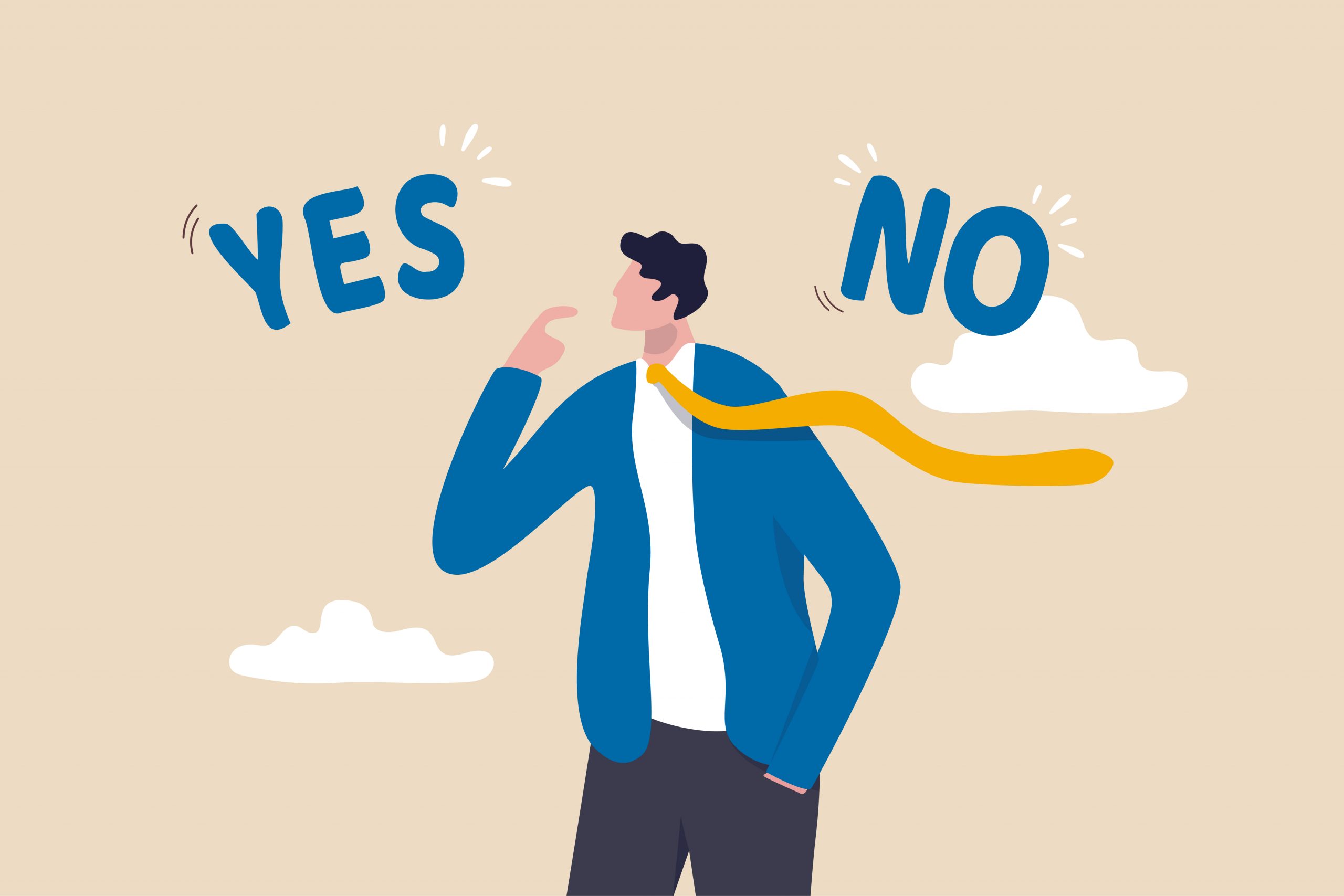
    1. No more auto-yesing.

    From now on, when anyone asks you anything, your immediate response is that you need to give yourself a minimum of twenty-four hours before you respond.

    This exercise is important because it gives you an opportunity to pause and check in with your body.

    If we are accustomed to having codependency, good girl/boy, or people-pleasing patterns, our immediate response is always YES, 150% of the time. This exercise stops that pattern and gives you the pause you need to ascertain what feels expansive and good to you.

    2. Spend some time journaling on the following questions:

    • In what ways/areas/relationships am I giving my power away?
    • What am I tolerating that doesn’t feel good to me any longer?
    • In what ways was I rewarded for not having boundaries as a child?
    • In which current situations/relationships do I have an opportunity to start building my boundary muscle?

    These two exercises are powerhouse tools to help you discover and implement new choices and responses.

    And lastly, if you feel like you are bumping up against a wall when it comes to your boundaries, the only way out is through. Yes, it feels clunky. No, you won’t always get your newfound boundaries ‘right’ (hello, good child), but with practice and support, you’ll make it to the other side.

    Join me where life is so free and expansive, you can’t even imagine.
  • How Not Setting Boundaries Serves Our Primal Need for Acceptance

    How Not Setting Boundaries Serves Our Primal Need for Acceptance

    “When we fail to set boundaries and hold people accountable, we feel used and mistreated.” ~Brené Brown

    I used to believe that others didn’t have healthy boundaries. They didn’t know where to draw the line, and I was the victim of overbearing people. People that would always cross the invisible line.

    When people crossed that line, it left me feeling uncomfortable, exhausted, and resentful. It felt wrong in my gut, but I never knew how to communicate it or change it until later in life. Lack of boundaries seeped into every part of my life, personal, professional, and everything in between.

    For example, an ex-boyfriend assumed it was okay to borrow my car. I wanted to be nice and easygoing, so I let it slide until I found myself walking home in the middle of the day from a long work shift. The same ex-boyfriend also moved in with me during a difficult life transition for him, and I thought being supportive meant letting him stay.

    I struggled with staying up late to talk a friend through her troubles night after night, even though I knew I needed to rest and felt depleted. In many cases, she wasn’t listening and was unaware of how long we had been speaking. I wanted to be helpful and caring and thought that it was the right thing to do.

    I also felt afraid to speak up with friends on subjects I was passionate about and would keep quiet when a friend said something that I didn’t agree with because I didn’t want to rock the boat or receive her judgment of my different opinion.

    In work situations, not setting boundaries meant I made myself overly available and overly responsible.

    I had a boss that would call me during off hours to complete a task he wasn’t able to do during the day. My instinct was to ignore, yet the people-pleaser in me wanted to be a “good” employee. I also went above and beyond finding my own replacements when I left jobs so that the transition would be smooth, and my co-workers wouldn’t have to bear any extra weight with my leaving.

    I’d continuously find myself offering and accepting situations that left me stressed out and resentful and would wonder why other people didn’t notice.

    I blamed others until I realized that it wasn’t anyone else’s job to guess what I was thinking or feeling. It wasn’t their responsibility to change to suit me; it was my responsibility to change to suit myself—my truest self, the part of me that felt confident enough to be honest, communicate, and trust that it was okay to do what was best for me.

    My problem with boundaries wasn’t that other people kept crossing the invisible line. It was that the line was invisible. I needed to start setting boundaries with myself. That meant recognizing that I struggled with setting boundaries because I felt safe and secure when I over-gave. I felt loved and worthy.

    After realizing why I struggled with boundaries and empowering myself to learn more about my unhealthy pattern of people-pleasing, setting boundaries became about facing my fears around others’ approval or disapproval.

    Being able to say no to people I loved or jobs I cared about might come at a cost to me. Would they ultimately love and accept me even if I didn’t meet their needs, or would they abandon me?

    In most cases, the communication or conversation wasn’t so dire; however, the fear I felt was big. After years of habitually putting others first and pleasing, I had to have the courage to disappoint others and even lose relationships that no longer fit.

    Thankfully, when I faced my fear of speaking up and potentially being abandoned, I was mostly met with unconditional love and support. In fact, most of the judgment came from myself and not from others. The pain I felt wasn’t about them, it was about me.

    To overcome my fear, I spent time journaling and listening to my heart. I spent time getting to know myself and accepting myself. I realized it was safe to be myself and that the relationship that mattered most was the relationship with myself. When I started to love and accept myself, I no longer searched for love acceptance through approval of others.

    I had to reach a point when honesty with myself and honoring my deepest desires became non-negotiable. Continuously going above and beyond for others left me angry and lonely. I wasn’t able to be authentic, so even if I was accepted by others, it was impossible for me to feel good.

    If you struggle with setting boundaries, speaking up for yourself, or saying no, begin by asking yourself why. What part of you desires to put others first? What are you truly afraid of? And are you willing to face your fears in order to meet your needs and create more reciprocal relationships?

    In order to communicate our needs to others we need to be clear with what they are first. That means taking the time to understand what is most important to you and what helps you feel your best.

    If, like me, you’re afraid of being abandoned, you can overcome your fear of rejection by understanding where it stems from and taking the time to nurture and soothe it. Then taking initiative and getting clear with what you want (and don’t want) won’t be a problem any longer.

  • 3 Reasons Why It’s Hard to Set Boundaries and What to Do About It

    3 Reasons Why It’s Hard to Set Boundaries and What to Do About It

    “Care what other people think, and you will forever be their prisoner.” ~Lao Tzu

    I love this quote because it is such truth. But I also recognize the difficulty and the uncomfortable feelings that arise when working toward living this quote.

    There’s a reason why it feels so hard to set healthy boundaries, and that is what this article is going to show you.

    Discovery #1: Understanding our hard wiring

    Our minds were not created to care about healthy boundaries. Say what? Let me explain.

    From the beginning of time, we humans were hard wired for connection. We are not solitary creatures; we are similar to herd animals. Back in the caveman days, we needed a hive or a pack because we were more powerful when we were together. If we didn’t lean on our tribe, we were eaten by a saber tooth tiger.

    We were built to care about others, to rely on others, to let others watch out for our safety and for us to watch out for them too. Staying in our herd, our hive, our pack, our tribe is how we stayed safe. And it worked!

    Our tribe was important to us back then for our survival. If your pack wasn’t happy with you, you were outta there. Your tribe is what kept you alive, and so the human brain learned, “Oh, we must keep people happy with us and then we get to live.”

    If you struggle with people-pleasing, I hope you will understand that we come by our people-pleasing instincts naturally. They are quite literally part of our survival set up. It is part of being human. It is perfectly normal to have the urge to people-please.

    Wanting to serve and please others is a perfectly good and often wonderful thing. The problem with people-pleasing in today’s world is when we don’t have good boundaries to go with it.

    Our brain today says, “Let’s do whatever keeps the tribe happy. Let’s do whatever we need to, to be part of the gang.” Most of the time that looks like acquiescing, going along to get along, and doing whatever we can to “not upset the apple cart.”

    As children we gain information from all types of sources around us—our traumas, personality, health status, our race, ethnicity, gender, family of origin, our class, economic status, and more! Each one of these alone comes with a handbag of rules that instruct us how to behave, act, what to think and what to say in order to please our tribe. Our poor mind has to put all of these pieces together somehow in a way that makes sense and keeps us alive.

    Discovery #2: The Rulebook

    In essence, our sweet mind creates a sort of rule book in terms of what will keep us safe. We start to notice from the time we are small that if our people are not happy with us, we do not feel safe. We start to notice this in our bodies, our feelings, the look on someone’s face, the tone, what is not being said, the iciness of the room.

    When we are children, we are 100% dependent on our caregivers. They are quite literally everything to us. Remember the tribe, the pack, the hive that I talked about earlier? Well, to our little toddler minds, they are our first tribe.

    It is our caregivers’ job to mirror to us who we are in the world. And hopefully with healthy caregivers, we are shown that we are loved, cherished, worthy, important. This is what creates our self-esteem. This is what relays the message to us that we matter.

    This gets written into the rule book or the rolodex file of our little child brain.

    However, many folks did not grow up this way. Those of us who may have grown up with caregivers who were harsh, unloving, absent, unpredictable, neglectful, and even abusive, their little, sweet mind recorded a whole different set of rules into the rulebook of life.

    It may sound something like I am not loveable, I don’t matter, I’m a nuisance, I am a bother, I should never take up space. It might sound like I’m loved as long as I’m good, or performing, or agreeable.

    (Please note, much of the time our parents did the best they could with the skills and tools that they had in their awareness. However, to our innocent, little, childlike selves, it simply wasn’t the message that we needed. The message was misconstrued, and we wound up feeling as though we somehow did not matter).

    Often this gets passed down generation after generation.

    So now are you starting to understand that the mind’s idea of boundaries is to do whatever it needs to do to keep you alive?

    Perhaps when you were little, if you were constantly told to be quiet, that you were too loud, too much, or to simply go away, then the mind created a belief that came into agreement with this. A rule was filed away that it was better to not disrespect your elders and continue to be loud or to take up space.

    The problem is that of course this is nonsense (you were just being a sweet and normal child), but you never questioned the rule. You questioned Santa Claus, the Easter Bunny, and the Tooth Fairy. Yet, you never stopped or questioned your rules or beliefs about yourself. You wrote those things in the rule book as absolute truth.

    Your mind doesn’t care that you are older now and that the situation is different now. To the mind, a rule is a rule. And remember what happened to humans who questioned the rules in the past? They didn’t survive!

    Let me tell you a little bit about my own rulebook…

    Several years ago, I was deeply terrified of what other people thought of me. Growing up in a small town, it was written in my rulebook that all eyes were on you. Boundaries were one of my biggest struggles because it meant breaking free of the people-pleasing pattern in order to speak my truth.

    Having struggled with codependent patterns and low self-esteem, I didn’t even know what my truth was, what my needs and values were, or what mattered to me.

    What I did know was that I needed people to like me, to not talk ill of me and to think of me in a certain way—nice, kind, giving, good.

    I couldn’t excuse myself from a phone conversation.

    I couldn’t end playdates at the time I needed to even if my kids were throwing a full-blown temper tantrum.

    I couldn’t remove myself from a conversation that made me uncomfortable because of the topic.

    I laughed at jokes that, deep down, I found offensive.

    I agreed with others’ opinions because I either didn’t know my opinion or if I did, I didn’t feel confident sharing it.

    I talked incessantly because silence felt unbearable.

    I couldn’t even be on time, because I was rushing from one activity to the next, just trying to show face and that I was doing my part to be the nice girl and make everyone around me feel good.

    Speaking my truth was so uncomfortable that many years ago I actually had a seven-hour coffee date.  I didn’t want a seven-hour coffee date. The idea was come over for a couple hours, chit chat a bit, and move on with our day.

    However, this woman arrived promptly right after the kiddos left on the school bus in the morning and was still there when they got home on said school bus at 3:30pm.

    I can recall the massive headache I felt because I wanted so badly to ask her leave and tell her I had things to do, but I couldn’t.

    I remember that I never invited her back again, even though she was a great gal in many ways. I was clueless in how to handle these situations, so my answer was to cut the relationship off and move forward by avoiding her.

    At the time I was a young mom with a husband who worked long hours, and I often felt lonely. I wanted so badly to connect with other women and be a part of a community, and I thought the way to connection was through self-abandoning any of my needs so that I could focus on appeasing what other people in my life needed.

    This was all written in my rulebook. All of this worrying about what others thought and not wanting to upset anyone caused me severe stress, anxiety, and overwhelm.

    I was trying to function on fried adrenals and walking on eggshells. I was unhappy, and it showed up in my relationship with my partner, my kids, and mostly, the relationship I had with myself. But there was something always driving me to keep pleasing, keep appeasing, and that leads me to our next discovery.

    Discovery #3: But why do I always feel so guilty?

    Why do we feel so darn guilty when we try to set a boundary? Well, anytime we step outside the rulebook, the mind pushes a great big, huge alarm bell.

    Remember, our mind thinks that this is a rule created for our safety. I share this because hopefully you can start to relax and realize that there is absolutely nothing wrong with you. The mind simply is perceiving danger.

    From there we may experience bodily reactions—our palms get sweaty, we have a million butterflies in our stomach, our temperature rises, our throat constricts.

    Our brain’s one and only job is to keep us alive, so it often uses guilt to get us to acquiesce and once again, go along to get along.

    How many times have you been invited to a baby shower or a barbecue on a Saturday and absolutely dreaded it? You’ve worked fifty hours this week, you coached soccer two nights, ran the carpool this week, and are utterly exhausted. You know you need a day to get caught up, sleep in, and take a little time to yourself. But there it is—guilt lurking around the corner, “What will Aunt Betty think if you don’t show your face at Cousin Amy’s shower?”

    That guilt pushes on you, making you feel as if you are doing something wrong. So, what do you do? You RSVP that you will gladly be there. Oh, and you will also make and bring the punch.

    Pretty effective strategy to get you to follow the rules, right?

    This is why boundaries feel so challenging. Because they are not part of our original hardwiring.

    So where do we start if we want to set healthy boundaries?

    1. Understand that boundaries are first and foremost an internal job.

    Yes, we create parameters and limits with institutions and people. But ultimately, before we can ever do that, we have to start on the inside.

    When we aren’t taught how to properly do the internal work, our boundaries come off as rigid walls and we are left isolated and lonely. I have been that person because I didn’t understand what boundaries were, how to set them, and I certainly wasn’t going to entertain any sort of an uncomfortable conversation that looked like any type of repair or reconciliation work. I was left alone and miserable.

    Boundary work starts by addressing our own issues. And as the inner work is done and healing occurs, it organically flows into changed outer behaviors, habits, and choices. We can be empowered to have loving and compassionate conversations that build bridges of connection rather than walls of isolation.

    2. You have to realize that boundaries are in fact healthy.

    If you don’t believe this then it will be hard to lean into them. Make the agreement right now, or work toward believing, that setting boundaries is healthy for you to do.

    3. You have to know your needs.

    Do you know your needs? Have you ever thought about them? Many people don’t, so if you haven’t, know that it’s not uncommon.

    Start by thinking of what a “good” parent would do for their child. What needs do they help their child remember to meet? I.E., even if the child does not want to go to bed, they help them to calm down and go to sleep. Start by making a list of the needs a good parent will help a child to meet.

    When you’re done with that list, circle the needs that you are not meeting for yourself (or inconsistently meeting).

    For each circled need, respond to the following questions:

    • How do I respond to this need?
    • What gets in the way of responsiveness or consistency?
    • How do I respond to other people when they have this need?
    • How would my life improve if I responded to this need?

    For each need, create an intention that you will honor by setting boundaries if necessary. Focus on one intention a week to get a need met more fully and consistently. I know you want to do more, but remember, your mind will fight you because it wants you simply to stay safe and alive. It will douse you with that guilt working you toward acquiescing and shape shifting, so let’s just focus on nailing one for now. Keeping it simple is key!

    Write out your intentions weekly by finishing the sentence stem:

    My intentions are:

    If you’re working to build up the strength to bring more integrity to your relationships and set healthy boundaries, please understand that you don’t have to go it alone. Be consistent and trust that your hard work in your boundary journey will pay off.

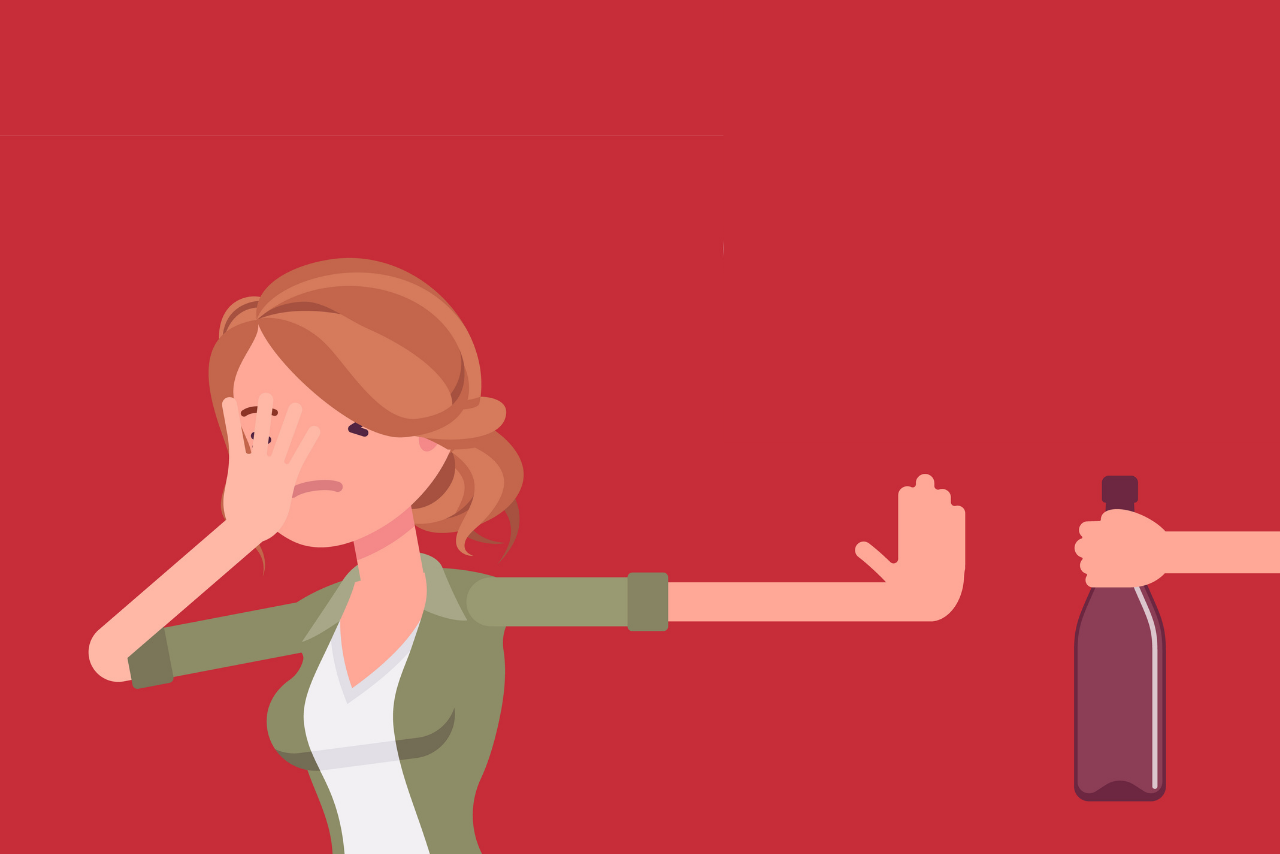
  • 10 Easy Responses to Use When People Ask Why You Aren’t Drinking

    10 Easy Responses to Use When People Ask Why You Aren’t Drinking

    Embracing the holiday season can sometimes mean embracing alcohol with gusto… or not. Fortunately for those who choose the former, “Dry January” has caught on over the years and it’s a fantastic concept. Going through a refresh is a perfect way to rid the toxins and melt the bloat away.

    I’d like to throw out a radical idea, or should I say a radical self-care opportunity!

    How would your holidays feel without alcohol?

    You might gasp looking for a chair to sit down as you frantically wonder how on earth you would get through the parties, relatives, house guests, and cooking without the comfort of your old friend Chardonnay or Mr. P (Pinot Noir!)

    Before you race to the fridge confirming you have enough Prosecco from the stress of the idea I just offered up, please stay with me! I’d like you to try an exercise my community members often call their favorite strategy in tweaking their relationship with alcohol.

    Imagine it’s Christmas Eve. What if you decided not to drink?

    How would you feel going to bed knowing you wouldn’t be waking up at 2am for water and aspirin?

    Would it feel inspiring to know the next morning would be one where perhaps you might see the sunrise or get up before everyone else to read or bake cinnamon rolls as a surprise?

    How marvelous would it be not to feel hung over, exhausted, and impatient with your loved ones? What would it mean for them to experience you as truly calm and present in conversations?

    I often say four hours of no-alcohol-infused sleep is far better than ten hours of drunk sleep. Yes, you may be tired in the morning even if you don’t drink, but oh my goodness, how good it feels not to layer on the fogginess and headache!

    Now, let’s flash forward to New Year’s Eve. Envision that instead of popping open another bottle of champagne at midnight, you created a sacred ritual for yourself and loved ones. A beautiful and energetically calm meditation space with candles, wishes written out for the new year, tea, treats, and cozy blankets.

    As the clock strikes midnight your wishes for the 2022 are released to everyone and everything in the universe as you breathe with eyes closed and smiles wide.

    You might be sighing with a sense of pleasure looking at this vision.

    The voices in your head, however, may be slowly speaking up the concern of “But what will everyone think if I’m not drinking? Will they put me on the spot in front of others, and what will I say? Will the events be boring or worse yet, will I be boring? How will I handle the overwhelm and/or social anxiety without my ever-faithful wingman called alcohol?”

    When someone in my community complains about certain friends or family being nosey about why they aren’t drinking, I smile and say, “it’s not about you… it’s about them.” It’s been my experience when people make the fact that you aren’t drinking “a thing,” it’s simply because something within them, consciously or subconsciously, is calling them to examine their own relationship with alcohol.

    I should know. Back when my drinking habit was a few glasses of wine every night in addition to a martini or two on the weekends, I was hyper aware of who was drinking, what they were drinking, and how many drinks they had had. It gave me anxiety when someone was still on their first glass of chardonnay while I had already gulped down a Manhattan and on to my second.

    When I decided to go on an extended break from alcohol during quarantine, it was easy peasy to sail through the weekends and happy hours pleasantly content in my nightgown with Netflix. It was not as simple, however, when the small outdoor picnic dinners with friends started that summer.

    I was thrown back into the “real world” for little bursts of time, and it was humbling. I experienced anxiety around the thought of people judging me, talking about me, wondering if I “had a problem,” and so on. I was worried life would be boring, or more importantly, that I would be boring.

    Little did I know the exact opposite would come to fruition. Life, and I, became more colorful, brighter, happier, calmer, and more present. Still, however, it helped to have a few scripts in my back pocket for when I was caught off guard with the out-of-the-blue question around my beverage of choice.

    Recently, I posted a list of responses for that awkward moment at a dinner party or event when someone says (oftentimes in front of others) “Why aren’t you drinking?” I thought my “Live More Drink Less” members would find them helpful for future use. Instead, I was happily surprised when the comments started rolling in about the responses they already use, which I must say are far better than the ones I created!

    The reality is, just because someone asks you a question does not mean you owe them a response. You do not need to explain anything you are doing for the well-being of your mind, body, and soul.

    However, if you are more into mocktails than mojitos and seriously dread the curious comments, here are some great comebacks that will end the discussion around your drinking, some that may bring a giggle to you and others in earshot.

    1. It makes me drowsy, and I don’t want to fall asleep in your arms right now.

    2. I’m driving.

    3. Alcohol is just not something I am attracted to at the moment because it wakes me up at 2am with a dry mouth and headache.

    4. I’m doing a self-care program and it includes the release of alcohol, and I don’t want a hangover stealing my joy tomorrow.

    5. It fuels my anxiety and steals my peace.

    6. I like to get up early to see the sunrise.

    7. It’s more fun for me to create alcohol-free memories.

    8. “Wine Face” is not my friend. (Otherwise known as dark circles under eyes, puffy face, bloodshot eyes, etc.)

    9. I make decisions for my Saturday nights based upon how I want to feel Sunday morning.

    10. Because… I… Am… Not… but thanks for asking, Nosey Posey 🙂

    If, at this moment, you are feeling inspired to do a hangover-free holiday, that’s your soul speaking to you. Are you ready to listen?

    Taking a break is not about taking anything away but instead putting so much more into your life. Even just a short break from alcohol can create a ripple effect of joy, success, and well-being throughout the year.

  • Why Your Anger Is the Key to Maintaining Your Boundaries

    Why Your Anger Is the Key to Maintaining Your Boundaries

    “Boundaries define us. They define what is me and what is not me. A boundary shows me where I end and someone else begins, leading me to a sense of ownership. Knowing what I am to own and take responsibility for gives me freedom.” ~Henry Cloud

    Late last night, I once again found myself unable to sleep, and boy was I angry. So, in order not to disturb my other half, who is always asleep the moment his head touches the pillow, I dragged myself off to the sofa. Once there, sat seething in the dark, I listened to my emotion and asked it to speak to me, and guess what it screamed?! Boundaries!

    Now please bear in mind that I have been on this journey for a while and had also been discussing boundaries earlier in the day, so my inner knowing came out loud and clear. For you this may not be the case, and that’s okay.

    Practical Tip 1: When you feel angry, take yourself away and write down all those racing thoughts. No judgment, just get pen to scrap piece of paper and write it all down. Do not, I repeat DO NOT, take it out on the person you feel has caused this anger.

    So, where was I? Oh yes, boundaries! Those joyful and challenging rules. That is what they are after all, rules.

    If you think back to being a child, when you broke a rule, an adult got cross. Therefore, it’s hardly surprising that anger is a messenger for when you have overstepped your boundaries, or you have let someone else break a boundary you consciously or unconsciously set.

    This is probably where I should explain the difference between internal and external boundaries.

    Internal boundaries are the rules and limits that you set for yourself. They don’t have to be shared with anyone else, but they are for you to follow. They may sound like:

    • When I finish work for the day I will take ten minutes to meditate/for myself.
    • I respect my body, so today is a non-chocolate or non-alcohol day.
    • To protect my time and mental health, I will limit time scrolling through social media to one hour a day.
    • Because I value my family, I will not take on any projects that require me to work nights or weekends.
    • To help myself let go and move on, I will do something healthy for myself every time I start dwelling on my ex and our breakup.

    External boundaries are the ones you set with the outside world. These do need to be shared, unfortunately, and can be challenging in that respect. They outline how you will allow others to treat you. They may sound like:

    • I would love to help you with this project; however, I can only give you one hour a week.
    • Please give me ten minutes when I get in from work for me to settle before we start chatting or planning dinner.
    • I enjoy seeing you, but it’s important to me that you call before coming over.
    • This topic is upsetting to me, so I would rather not discuss it with you.
    • I hate to see you two fighting, but I can no longer be the middleman in your arguments.

    Practical Tip 2: Take that page of anger thoughts and identify any boundaries, internal or external, that have been messed with.

    Have you let yourself down in some way? Or did you let someone break a boundary without gently reminding them it was there?

    Strong boundaries help us protect our time, our energy, and our physical and mental health, so it makes sense we’d feel angry when they’re violated. But oftentimes our boundaries are unclear or fuzzy, or we negotiate them without conscious awareness because we’re tempted to give in to our impulses or we don’t want to make other people feel uncomfortable.

    This is why we need to practice self-awareness and recognize which boundaries we’ve allowed to be crossed and why.

    Seething on the sofa, there I was, scolding myself for breaking a boundary that I have set and reset many times over the past few years—allowing myself at least thirty minutes of quiet wind down time before bed, with no distractions, no talk of work or anything that might get my highly sensitive nature all stimulated, making it hard to sleep.

    Practical Tip 3: Once you understand the boundaries that were crossed, the first step is forgiveness. You are a human being doing the best you can right now, and it’s okay that at times you forget to uphold boundaries with others or yourself.

    Thank the anger for drawing it to your attention, forgive yourself and resolve to do a little better each time. If you are alone, I recommend doing this out loud a few times.

    This first stage is powerful and really calmed me down, enough that I could crawl back into bed with a snoring partner and finally drift off. However, that is not the end of this lesson, dear reader. In the morning light, sat at my desk, I reviewed the boundary I’d crossed and asked myself a few questions, just like the ones in the next tip.

    Practical Tip 4: Time to review your boundaries and ask yourself:

    • Is this an internal or external boundary? Did I let myself down, or did I not uphold a boundary with someone else?
    • Why did I not maintain this boundary? How did neglecting it negatively impact me?
    • Is this a boundary I want to have? Is it time to set a different boundary? Or is there something I need to change or address to better maintain this boundary?
    • If internal, what is the purpose for this boundary? Is it in alignment with who I want to be?
    • If external, have I communicated my boundaries clearly to this person? What kind things can I say to remind them of my boundaries when they start to cross the line?

    The results of my review were that I want a balance around this boundary, as I love staying up late into the night chatting with my partner or watching TV, yet sleep is crucial to my well-being. Therefore, I have resolved that Monday to Thursday I will uphold my boundary, and the weekend is the time to relax the boundary a little.

    Over dinner I will discuss this with my partner and get his buy-in and most importantly ask for his support in helping me to uphold the boundary during the week, just until it becomes a new habit!

    Remember:

    Boundaries are just rules we set ourselves.

    Boundaries are yours to uphold regardless of if they are external or internal.

    Anger is a great messenger for boundaries you have allowed to be crossed.

    Communicate why you have a boundary with others and ask for their support.

    It is all within your control.

  • Afraid to Say No Because You Might Miss Out on a Big Opportunity?

    Afraid to Say No Because You Might Miss Out on a Big Opportunity?

    “What you do today is important because you are exchanging a day of your life for it.” ~Unknown

    Are you afraid of saying no in your professional life because you think you’ll miss out on a big opportunity? I’ve learned that a quick yes can sink a lot of ships. God only knows I’ve taken on too much at times because I feared I’d miss out on something life changing.

    We view opportunities as golden nuggets that are few and far between, so we snatch them up before someone else does, even if they don’t really excite us. But many of them are nothing more than fool’s gold—a superficial resemblance to what we actually want.

    It’s just so damn hard to pass on something that sounds promising like a new role at work, a chance to join an exciting new project, or an invitation to pitch your business idea (even if it’s hats for cats). And we’d be stupid to say anything but yes because it’s now or never, right?

    This is a sh*t storm brewing up a triple threat of overcommitted, overwhelmed, and overloaded, when all those exciting opportunities start feeling more like burdens.

    Grace Bonney is an author, blogger, and entrepreneur who knows a thing or two about this struggle. Bonney wrote The New York Times bestseller In the Company of Women, a book featuring more than 100 stories about women entrepreneurs who overcame adversity.

    Bonney had this to share on saying no:

    “The biggest fear most of us have with learning to say no is that we will miss an opportunity. An opportunity that would have catapulted us to success, or that will never come again. And most of the time, that simply isn’t true. I’ve found that the first part of learning to say no is learning to accept that offers and opportunities are merely an indication that you’re on the right path—not that you’ve arrived at a final destination you can never find again. If someone is choosing you, it means you’re doing something right. And that is the biggest opportunity you can receive—the chance to recognize that your hard work is paying off. And if you continue to do good work, those opportunities will continue—and improve—over time.”

    I know what she’s talking about because I used to put myself in this situation at least once a year. I would ignore this lesson and believe that this time would be different (and it never is).

    I remember one time I was sitting on the edge of my bed feeling like I had been kicked out of an airplane without a parachute. I could hear a violent whoosh sound in my ears as my boss picked up. “I don’t think I’m going to be able to come in today, I’m…”

    It was too late. I was already freefalling. I was experiencing my first panic attack. I couldn’t finish the sentence. The tears started coming as I blurted out, “I’m sorry, I’ve taken on too much and it’s hitting me all at once.”

    I was in a full-time job I loved, I had returned to school to become a certified coach, and I was attempting to start a business. As if all of that wasn’t enough, I’d also accepted an invitation to kick off a new innovation team because I thought it would look good on my resume and I was afraid I might never get an opportunity like that again.

    It’s sad to say, but my partner was left with a burned-out, easily agitated shadow of support. In an attempt to give us a better life, I had made life miserable.

    I sucked all the fun out of these exciting opportunities by pushing myself to a limit that clearly wasn’t sustainable.

    But then I did something magical. I started to say no.

    From then onward, I used three questions to help me filter possible opportunities in order to gain clarity.

    What does this opportunity mean to me?

    Why is this opportunity important to me?

    What does this opportunity give me?

    Answering these questions helped me see that I’d put zero thought into a lot of stuff I was saying yes to because I was trying to create a “successful” life.

    But I knew what I wanted my days to look like and what “success” actually meant to me. And more importantly, I understood that success without fulfillment is the ultimate failure.

    My north star of success is freedom. Having the freedom to invest my focus in the things that matter to me. Which means I need to do less so I can enjoy more.

    Now I’m not willing to accept an opportunity unless it truly excites me and I take something else off my plate. I’m unwilling to sacrifice my values. I trust that bigger and better opportunities will continue to come my way (if I keep improving and honing my craft).

    This gives me a measuring stick I can reference before I take on any new opportunities. Because a big part of saying no is the power it gives you to go all-in on something awesome when it comes across your plate (without being overcommitted, overloaded, and overwhelmed by sh*t you don’t care about).

    Bonney shifted my thinking of how I view opportunities. Rather than see an offer as a one-off that I need to jump on, it’s a sign that I’m on the right path. If someone wants to partner with me, it means I’m doing something right. As long as I continue to do what got me noticed in the first place, the opportunities will continue and improve in the future.

    Life is too damn short to be overcommitted, overloaded, and overwhelmed by a schedule of projects and people that bring you no joy. In the words of philosopher Ralph Waldo Emerson, “Nothing great was ever achieved without enthusiasm.”

    Don’t see saying no as letting people down. You’re actually letting people down when you say yes, but don’t have the capacity or the enthusiasm to knock it out of the park. If you won’t say no for yourself, say it for the rest of us, because the world is a better place when you’re working on things you love.

  • What No One Tells You About Setting Boundaries: The Good, Bad, and Ugly

    What No One Tells You About Setting Boundaries: The Good, Bad, and Ugly

    “Yesterday I was clever, so I wanted to change the world. Today I am wise, so I am changing myself.” ~Rumi

    Three years back was the first time I dared to set a boundary and be assertive in a friendship, and guess what? She blocked me on her phone, and we stopped being friends.

    It came as a rude shock because I was quite invested in the friendship. Not only did we have good times together, but I had helped her search for and find a job and even babysat her kid for a long while free of charge. I felt betrayed and hurt. It made me feel like I was the one in the wrong, the bad person, and like I had no right to say what felt right to me.

    I admit that I was early in my journey of being assertive and learning how to set boundaries, so my skill set wasn’t the best. But despite the mayhem and chaos it caused, it was a good thing for me.

    We were similar in many ways, and I knew she was a lovely person. Still, I didn’t particularly appreciate that she always wanted to be in charge, acted as though she knew it all, only wanted her way, and behaved as though she had the world’s worst problems.

    I empathized with her because she shared her struggles with me. But I didn’t share mine back partly because I wasn’t comfortable and partly because I felt there was no place for me; it was only about her. So, one day, when I’d had enough, I exploded and said what I had to say, rudely, and that ended the relationship.

    Three years later, when the dust settled, we started talking. We are cordial, civilized, and respectful now. We share laughs and anecdotes, but it’ll never be the same because we’ve both changed, and our relationship has changed as well.

    After taking this journey, I’ve concluded that being assertive and setting boundaries is not as easy as it sounds. But it’s the only way to regain your sense of self, sanity, and self-love.

    What are the Benefits of Maintaining Boundaries?

    Boundaries are limits between us and other people that enable us to honor our feelings, wants, and needs and take good care of ourselves. We need to set boundaries because:

    • Boundaries offer protection against people who habitually do things that leave us feeling uncomfortable.
    • Correcting troublesome behavior and letting other people know what’s acceptable or not, where we stand, and what we are willing to tolerate drastically improves our sense of self.
    • Setting boundaries helps us trust ourselves and, in turn, trust others.
    • It helps us treat ourselves and others as equal with respect and dignity.
    • It teaches us what’s essential for us and gives us the courage to stand up for it.
    • It builds our confidence as we work on our assertiveness muscle.
    • Boundary-setting is generous to others because it allows them to grow and take responsibility for themselves, their actions, and their issues.

    So, if boundary-setting is such a good thing, what’s the problem?

    The problem is that it’s hard, especially for people who are not used to setting boundaries. It can make you question yourself and your intentions and turn your world topsy-turvy.

    Why Is Boundary-Setting So Difficult?

    Most people with weak boundaries:

    • Are not aware of their needs, and this takes lots of time and practice.
    • Are afraid to stand up for themselves.
    • Don’t believe that they deserve to have their boundaries recognized and honored.
    • Are afraid that people will think they are selfish.
    • Think it is wrong to think about themselves because of various cultural or religious influences.
    • Believe that what they want is unreasonable.

    How Do You Start Setting Boundaries?

    1. Take inventory.

    Have you ever been in a situation where you felt like you were being taken advantage of, taken for granted, or treated disrespectfully? When you feel any of these things, you need to ask yourself:

    • What are you feeling? Is it anger, hurt, betrayal?
    • What brought about those feelings? What did the other person do? Did they disregard your feelings or act dismissive? Did they cross a line you’d rather no one cross?
    • How did you react to the situation? Did you ignore it, make an excuse for them, or get angry and resentful but fake a smile?
    • Why did you tolerate this behavior and respond this way? What were you afraid of?

    So, the first step is being conscious of what happened and what you’re feeling.

    This is essential because it helps you become aware of your needs, wants, and limits; notice when someone is neglecting or violating them; and reflect on how you usually respond—and why.

    2. Be honest and courageous.

    The second step is being honest about what you would like to do in the situation and reflecting so you can find the fairest and healthiest way to respond.

    Then comes the hardest part: finding the courage to act even if it may displease, anger, or irritate the other person.

    Everything inside you might scream that this is a mistake. You may feel scared, anxious, and even unsafe speaking up. But remember that ignoring the issue is not a solution because you will just end up feeling resentful if you continually avoid saying what you really want to say.

     What No One Tells You About Setting Boundaries

    1. You may feel guilty.

    Somewhere down the line, you may have learned that your needs, feelings, and wants are less important than others’. When you start making changes, it may feel like you are embarking on a journey of selfishness and betraying the very core of your being.

    2. You will likely make mistakes.

    You are learning a new skill, and mistakes are bound to happen. You may overreact to minor issues or fail to communicate your feelings and needs accurately or clearly. There’s no right or wrong here, only a learning curve. You can always change your decision or apologize later if you realize that your decision wasn’t the best.

    3. It sometimes feels like you are at war with yourself.

    To some extent, that’s what this is. A war with what you once believed to be true but isn’t anymore, a war against your default responses.

    4.  It is not easy.

    It will sometimes mean wrong turns, slip-ups, and lost relationships. But if you’re honest with yourself, you may realize that those relationships were already dead to begin with; you were trying to nurture doomed relationships because you were afraid to let them go.

    5. It makes you confront demons you didn’t know you had.

    Your insecurity, your feelings of low self-worth, your fear of being rejected or alone—all this and more bubbles to the surface when you get honest about why you’ve struggled with boundary-setting and start pushing past your blocks.

    6. It takes all you have, tears you up, and breaks you down.

    But when it’s all done and over, you build strength, wisdom, and trust in yourself. You learn to give your feelings more credence, knowing they’re an internal signal that something is off and you need to investigate them further so you can decide what’s really best for you.

    So yes, boundaries can be life-changing, but the emotional upheaval that often accompanies them isn’t for the fainthearted. Changing yourself, getting out of your comfort zone, and doing what is right for you can trigger your reptilian brain, which craves safety, making you feel like you are doing something wrong. Arnold Bennett rightly says that all change, even for the better, is accompanied by discomfort.

    Deepak Chopra said that “All great changes are preceded by chaos.” I believe the benefits of maintaining boundaries make the chaos worth it.

  • The Boundaries That Helped Me Stop Being a Doormat

    The Boundaries That Helped Me Stop Being a Doormat

    “Boundaries are a part of self-care. They are healthy, normal, and necessary.” ~Doreen Virtue

    I’m really nice. Too nice actually. I’ve even been something of a doormat in my life.

    But what can I say? I was trained that way.

    There weren’t a lot of boundaries in our home when I was growing up. Instead, my addict mom was either checked out, partying, or raising hell, so I became the adult in the room. I was at her service most of the time.

    By age six, I was regularly talking my parents through their fights. I’d moved on to career counseling Mom by age eight. The message was clear. You are here to help—and don’t forget it.

    I grew up dreaming of a burden-free life where I’d finally get to do what I wanted. Yet, there I was, years later, letting my bully boss carve out large parts of my soul as I worked through weekends, holidays, and more.

    I felt an enormous burden or responsibility all the time and became known as the onsite problem solver, no matter what the circumstances. The first time this happened was in a Manhattan ad agency, when I easily sacrificed my Saturday to take one for the team.

    It seemed critical that I do so. After all, the agency’s biggest client was involved. It didn’t even occur to me that I could say no. Instead, I told myself the following lies:

    “If I don’t do this myself, it will never get done and everything will go straight to hell.”

    “I am literally not allowed to say no here. If I do, I might get fired.”

    Or the biggest lie of all: “Just get through it. Then you never have to do this again.”

    Ironically, I told myself that last one hundreds of times as the years passed. Consequently, I became ever more degraded, worn out, and overworked. I was a hamster caught on an impossible treadmill.

    I thought I’d finally found the solution when I went freelance and started my own business. This way, theoretically at least, I could make up all the rules. Turns out I couldn’t even set boundaries with myself. The pattern of over work continued, virtually unchanged.

    In all of this time, it never once occurred to me that I could say no. Or that I had the right to create my life just as I wanted it. Even if that meant changing jobs or relationships. Because, yes, the boundary violations continued in love, as well.

    Here I was expected to follow my partners’ agendas, no matter what I actually thought or needed. Conveniently, I generally had no idea, so I went along with everything they suggested.

    And yet, the universe can only put up with delusion like this for so long. Finally, my false reality came crashing down around my ears, as everything in my world slowly began to unravel.

    First, the shining business I had built over decades suddenly fell apart. As it turned out, I really couldn’t see clients ten hours a day with no time for myself. At this point I’d had the flu for months, and I was seriously exhausted. Each day it was a struggle just to get out of bed, let alone consult with people.

    For the first time in my adult life, not working and taking a little break actually seemed like a good idea.

    Then I my relationship collapsed. At the time, I’d given up my San Francisco apartment and followed my partner out of the city, letting go of everything I’d built for myself. This happened in spite of the gnawing emptiness I felt about the relationship. And despite the fact that both of us had expressed doubts just before the move.

    Deep inside, part of me knew that following her was a huge mistake. But I went, mainly because she thought it would be a good idea.

    Yet again, I had no idea what I thought.

    One morning, two months after I moved in, she turned to me in bed and calmly told me she had no romantic feelings for me. Though, with a smile, she added that I was welcome to stay as “a roommate.”

    Finally, my fury arrived. This was, of course, not our deal. Angrily I packed up my suitcase, loaded up my car, and began to drive. As I barreled along, I began to experience feelings I hadn’t felt in years. In an instant, I saw how I’d been used again and again in this relationship—and in so many others.

    As I crossed the Golden Gate Bridge on my way back into the city, I looked over at the Pacific, gleaming in the sunlight beside me. I felt the wind on my face, and for once I felt entirely, completely free. Suddenly I was massively relieved. Tears of gratitude filled my eyes as I drove, awake for once to the enormous possibility my life now presented.

    This was my golden opportunity to do things differently—the way I wanted. Finally, I was filled with hope as I realized I could, indeed, set boundaries. I could say no whenever I wanted to. And I could say yes to what I did want.

    I really could rise up and create a healthy, beautiful, abundant life for myself. I could feel in my gut this was true. That day, I made myself a promise. No longer would I tell myself to “Just get through it” when I didn’t want to do something, Instead, I was going to damn well say no, whatever the consequences may be.

    Now, some years later, I have indeed built the life I’d longed for. And what’s present is me, pure and simple. I no longer hide away in overwork. I don’t pretend things are okay when they’re not. And I don’t think I have to solve everyone else’s problems.

    Instead, I follow these rules:

    1. I notice when someone makes me uncomfortable. Instead of running from that red flag, I listen and heed.

    2. I try to own my feelings, even when they scare me. Even if I have to go be by myself for a while to process things.

    3. I kindly, firmly speak up about that which I don’t like or agree with.

    4. I make requests when I need to.

    5. I walk away when necessary.

    6. Most of all, I recognize that somebody else’s problem is not mine. They get to solve it, not me. So they get to enjoy the lessons that follow.

    By following these simple ground rules, I’ve found my way back to serenity, a happy marriage, and work that truly fulfills me. When you allow yourself to finally own your boundaries you not only serve yourself, everyone else around you becomes clear where you stand, as well.

    Not only can you set boundaries, you simply must. For this is the path to owning your power, as well as your joy.

    Your boundaries are nothing less than self-affirming gold.