Tag: book

  • Tiny Buddha’s Guide to Loving Yourself Interview: Amyra Mah

    Tiny Buddha’s Guide to Loving Yourself Interview: Amyra Mah

    amyra-mah

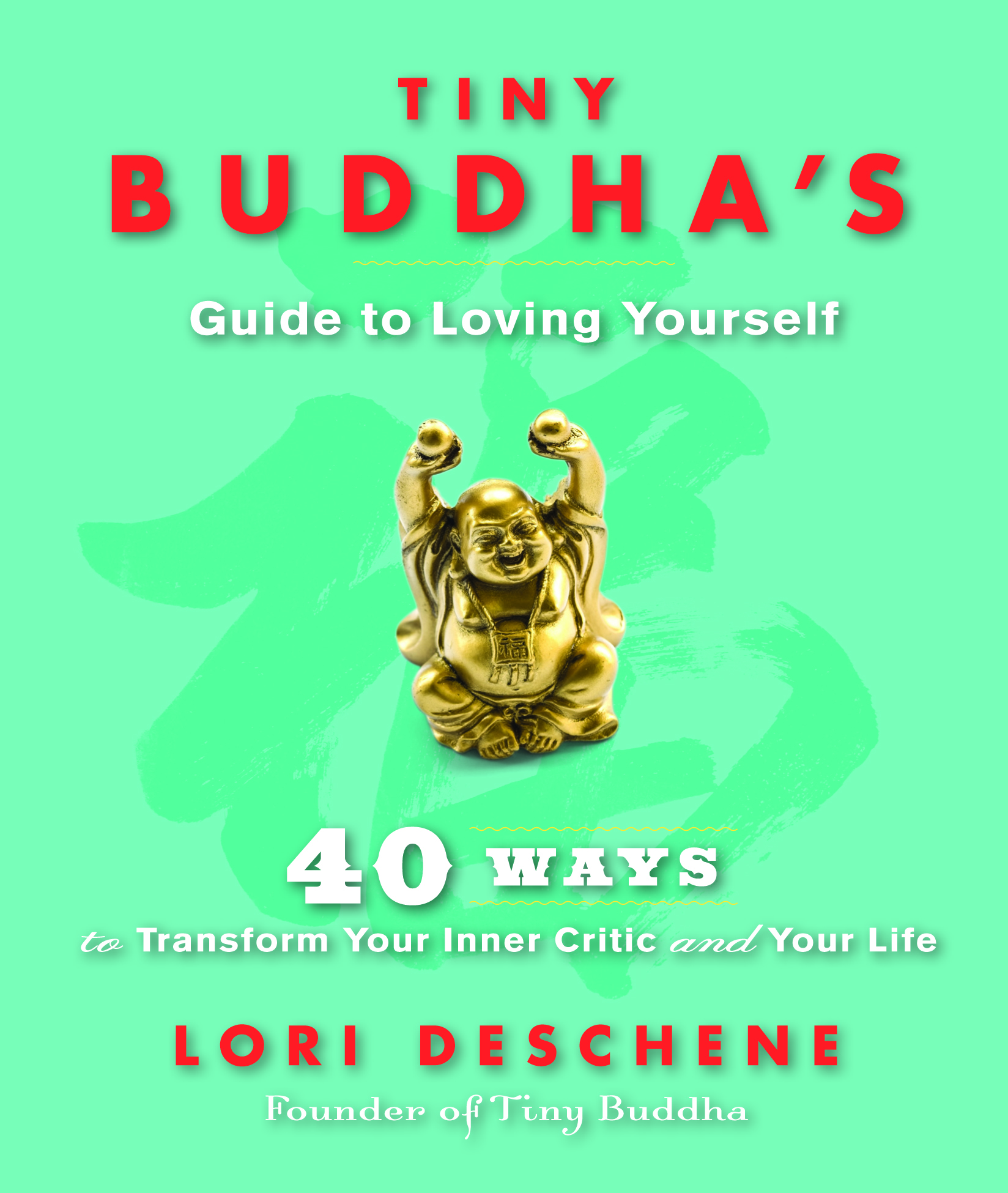
    It’s day four in the pre-order promotion for Tiny Buddha’s Guide to Loving Yourself, a book about taming your inner critic that features 40 stories from Tiny Buddha contributors. 

    Over the next month, you’ll have a chance to meet some of them through daily interviews here on the blog.

    Today’s featured contributor is Amyra Mah of unusualwisdom.com. Having formerly struggled with depression, addiction, and body image issues, she now works as a spiritual coach, addiction therapist, intuitive counselor, writer, and blogger.

    Her contribution for the book focuses on feeling our feelings instead of running away from them (and ourselves).

    A little more about Amyra…

    1. Tell us a little about yourself and your self-love journey. 

    Loving myself was a perplexing concept, since I had spent most of my life believing that I was unworthy of anyone loving me. I saw myself as “damaged goods” and spent many years abusing myself through self-destructive thoughts and behaviors.

    When I first came across the idea of self-love, I really struggled to understand where this love was to come from. My entire journey of healing and spiritual growth has been about finding this source of love within myself.

    Through trials and tribulations, as well as unexpected miracles, I met different aspects of myself and discovered, bit by bit, my worthiness.

    Years ago, I reached a point where I wasn’t driven so intensely to sabotage myself anymore. Today, I’m still finding new aspects of myself in my ongoing journey of coming home to wholeness.

    2. Have you ever felt there’s “something wrong with you”? If so, why, and what’s helped you change your perception?

    I remember as a child being very creative and expressive. I saw colors, energies, felt connected to nature, had an expanded understanding of life. At some point, I received the message that it was not okay to be myself, and I started to judge all that I was to be bad.

    One of the processes that really helped me in my recovery from depression and addictions is reconnecting to those qualities. In reclaiming them as part of my innate self, I learned to stop rejecting myself.

    I realized that in denying my natural traits, I had become someone I was not; that misalignment with my natural self had translated into feeling there was something wrong with me.

    3. Have you ever thought something was a flaw only to realize that other people actually appreciate that about you? What was the “flaw”?

    When I was a teenager suffering from depression, I felt trapped in a world I couldn’t escape from. So I escaped into my mind, where I pretty much lived for the rest of my childhood. I developed an introspective, deep-thinking ability as I sought alternative ways to perceive the world.

    I had a knowing that somehow we are limiting ourselves as people and that what we see isn’t the full picture. In other words, there must be more to life than what we’re putting up with.

    Mentally, I became very creative in exploring the philosophy of life, challenging what most people have accepted as the truth. It became my default throughout most of my adult life, as well.

    Since it was borne out of the bleakness of my depression, I associated this tendency with being dark, depressing, and too intense. I saw it as a flaw that needed to be eradicated.

    It wasn’t until I started being a writer and a therapist that I realized how much people appreciate that about me. It gave me the ability to write good material and create many innovative processes that have allowed me to help many people.

    4. What was your biggest mistake (that you’re willing to share), and what helped you forgive yourself?

    In earlier years, I was so afraid of people getting close to me that I hurt a lot of people who cared about me. I remember a few of my colleagues organized a small party for me after I had resigned and was about to relocate to another country.

    I was so entrenched in my feelings of inadequacy that I couldn’t bring myself to go out and be around people. So I didn’t show up; I didn’t even tell them that I wasn’t coming.

    I felt so guilty that I couldn’t bear to talk to them again. Several years later, I was told that my friends were very hurt and disappointed. They’d even bought a cake for me.

    For a long time after that, I couldn’t get the image of my friends sitting around a cake waiting for me out of my mind. In time, I allowed myself to feel the full remorse of my actions, and heal myself from the guilt of this and many other events.

    I realized that in those days, I simply did not have the resources to act otherwise because I was crippled by pain. Learning to accept this fact helped me to forgive myself.

    5. Complete this sentence: When other people don’t like me, I…

    …no longer get angry. I used to feel so much rage in me whenever I perceived people to judge me and I would act out harshly toward them. But it only intensified my self-hatred and I ended up beating myself up over and over.

    I’ve learned to be calmer about what people think about me. I try to see everything from a spiritual perspective these days, which helps me to recognize the spirit in everyone, no matter how we’re operating in the physical world.

    Whenever I find myself reacting internally to others, I know it points to somewhere in me that needs more healing. So I use that as a “gateway” for more healing and transformation.

    6. What are some areas in your life where you’ve compared yourself to other people, and what’s helped you let go of these comparisons?

    I used to envy others who appeared to be relaxed, light-hearted, and free in expressing themselves in social situations, whereas I would battle constantly with self-berating thoughts, even as I put on a performance outwardly.

    The conflict between the anguish I felt inside and how I wanted to be made me perceive other people superficially.

    As I learned to accept myself, I began to relate to people on a deeper level and saw that everyone comes with their own pains and struggles. I learned to appreciate them for their “flaws” as much as their strengths, which in turn helped me to accept myself more.

    7. What’s one thing you would tell your younger self about looking to other people to complete you?

    Looking to other people to complete you is dangerous. If you rely on others to validate you and make you feel good about yourself, the wounds in you are still there.

    They are begging to be healed and your soul will bring you opportunities to return to more wholeness. So if you’ve been covering up your inadequacy with external validations, you’ll come to a point where you’re stripped of the false, quick-fix cover-ups.

    It could come in the form of people abandoning, deceiving, or betraying you, which are ultimately a loving gift from your soul, but you can avoid ending up in that soul-directed “last resort” by addressing and healing your deep inadequacy before such painful events become necessary.

    8. Have you ever felt afraid to show people your “real” self? Why—and what’s helped you move beyond that?

    In my mind, I was flawed, and didn’t fit in. It was a lonely place to be in. I wanted to fit in, yet didn’t want to fit in. It made me awkward, being pulled by two opposing forces.

    I didn’t know how to be in this world. I didn’t even know who the “real me” was.  Nothing felt authentic about me, so I covered up my insecurity with an image of perfection, decked up with materialism.

    For some time, I tried to convince myself that I was happy and secure living this way. But there was a strong drive in me to break out of this false self I had constructed.

    Within a relatively short period of time, I managed to deconstruct this life, and I began a journey of discovering who I really was. But what was underneath the façade was all the pain I’d been trying to cover up.

    So my “real self” then was really just a person in a lot of pain. It was challenging for me to show my vulnerability: that I am far from perfect, that I haven’t figured it all out yet, that I am still wounded and capable of behaving in stupid ways.

    I am still learning, and ironically, it is through this process that I’ve been able to connect with my true beauty and worth.

    9. What are the top three things you personally need to do to take good of yourself, mentally and emotionally?

    • Taking time out, no matter how busy I am, to sit in silence, meditate, still my mind, connect with my emotions, bring in positive energies.
    • Getting together with friends.
    • Physical exercises.

    10. What’s something you do regularly that makes you feel proud of the difference you’re making in the world?

    I am constantly looking for new, creative ways to help people transform their experience in life and grow spiritually.

    My passion to help liberate people from their suffering has come out of my own struggles. Thus, it’s usually easy for me to respond with compassion and empathy whenever I see people in need of some guidance. Being in a position to make a difference in someone else’s life is both humbling and moving for me.

    *Note: I edited this post to remove info about the pre-order promotion, which ended on October 8, 2013. You can learn more about Tiny Buddha’s Guide to Loving Yourself here.

  • Tiny Buddha’s Guide to Loving Yourself Interview: An Bourmanne

    Tiny Buddha’s Guide to Loving Yourself Interview: An Bourmanne

    an-bourmanne

    It’s day three in the pre-order promotion for Tiny Buddha’s Guide to Loving Yourself, a book about taming your inner critic that features 40 stories from Tiny Buddha contributors. 

    Over the next month, you’ll have a chance to meet some of them through daily interviews here on the blog.

    Today’s featured contributor is An Bourmanne of ownyourlifecoaching.com. Born in Belgium, she now lives in Brussels where she works as a consultant-coach in a financial services company and mentors people pleasing perfectionists so they can do their thing, unapologetically.

    Her contribution for the book explores how we often get stuck by stressing about everything we think we should be doing—and what we can do to both relieve that pressure and live up to our potential.

    A little more about An…

    1. Tell us a little about yourself and your self-love journey.

    Well, if I would describe the me I was about 15 years ago, I’d describe her as a chameleon, always adapting and blending in, striving for perfection and working hard to be a good girl, living the life she was supposed to live, doing the things she was supposed to do, forgetting what she wanted and needed, evaluating herself through the eyes of others, analyzing their every move for signs of approval or—oh, drama!—disapproval.

    And the interesting thing is, I didn’t realize that I was being a chameleon.

    It was only when lightning struck (as in being seriously ill), that I started to question the way I lived my life.

    And no, I didn’t turn my life upside down—on the outside, very little changed in those first few years, but on the inside, things started shifting.

    I read every self-development book I could get my hands on (after I managed to overcome my Everest-high resistance against anything that even remotely looked like self-help). I absorbed blogs.  And most of all, I started seeing things from a fresh perspective—an empowering, nurturing one instead of that exhausting people-pleasing-perfection-driven one.

    I allowed myself to do things that fascinated me (even though my mind screamed “silly!”). I allowed myself to do things that made me lose track of time (even though my mind screamed “waste of time!”). I allowed myself to do new things, make mistakes, and fail.  I allowed myself to not being liked by everyone. I allowed myself not getting approval from everyone.

    And gradually, things started shifting in my outside world too. I took photography classes, I reconnected with my long-lost love for writing, I took loads of personal development classes, I started mentoring and teaching.

    2. Have you ever felt there’s “something wrong with you”? If so, why, and what’s helped you change your perception?

    Oh my! I sure have! That’s what that sneaky voice of people-pleasing perfection tends to do with us—finding flaws everywhere.

    Don’t like the books they like? You are such a failure. Haven’t been to that hip restaurant yet? What’s wrong with you? Haven’t got those bigger-than-life stories to tell? You are so boring and ah, well, let’s just face it—there is something wrong with you.

    What changed my perception were the self-loving, compassionate, empowering perspectives I read in books and blogs.

    It was embracing some harsh, yet undeniable truths—you will fail, not everyone will like you, you will be judged.

    It was questioning my crappy thoughts—seeing how they were (most of the time) not true and (all of the time) not helpful. It was taking lots of teeny tiny actions that brought clarity, confidence, and the quiet trust that I got what it takes to do my thing.

    3. Have you ever thought something was a flaw only to realize that other people actually appreciate that about you? What was the “flaw”?

    Ah, reconnecting with my writing has been a real struggle. I believed I was no good and that writing was just a waste of time and not something worthy and valuable. But I allowed myself to start playing with it nonetheless.

    The beginning of my writing journey looked a lot like a game of “attract and repel”! I’d start writing a thousand times, I’d stop a thousand times, only to be pulled toward the writing again so much that I’d pick it up time and again.

    And gradually, I started uncovering my voice (if you’d have asked me upfront, I never ever would have thought I’d be writing poem-styled perfection busters—that is the magic of allowing yourself play!) and owning that I am a writer. And that feels so good.

    4. What was your biggest mistake (that you’re willing to share), and what helped you forgive yourself?

    Did you know I am an engineer? No? Well, I am, even though engineering is not my thing.  Yet, engineering felt like logical thing to do. I was good at math (and you need a lot of that!), got good grades, and sailed smoothly through the one week of entry exams. So what’s a girl gotta do? Right!

    Am I angry with myself or anyone else for having done these five year-long intense studies only to find out it was not my thing? No, I am not.

    Do I forgive myself for making that choice so many years ago? Well, the funny thing is that I don’t tend to argue with the past, but rather focus on creating what lies ahead of me.

    And so I actually don’t feel any need to forgive as I feel there’s nothing that needs to be forgiven. It was part of my journey and I fully accept and honor that. And there’s so much I gained—a bunch of good friends, loads of skills, and a ton of maturity and persistence.

    5. Complete this sentence: When other people don’t like me, I…

    …accept that they don’t.

    6. What are some areas in your life where you’ve compared yourself to other people, and what’s helped you let go of these comparisons?

    Oooh, I used to be in comparing mode quite often, even though I didn’t realize it back then.  I was always looking at others, and, most importantly, falling short in comparison. Not fast enough, not good enough, not creative enough, not funny enough, not serious enough…

    It was when I started to see how draining and exhausting and unfulfilling it was to live in constant comparing mode that I promised myself to start doing my thing, at my pace, with my voice and my style.

    Does that mean that I don’t look at others, ever? Sure I do. But instead of using their achievements and unique style as a reason to bring myself down, I use it to get inspired, to ignite fresh ideas, to learn from their stories and wisdom.

    Instead of seeing them as a measure of my worth, I started to see them as an example of what is possible. And that is much more fun and helpful!

    7. What’s one thing you would tell your younger self about looking to other people to complete you?

    Looking at other people to complete you just depletes you and makes you less of you. You are complete and you don’t need anybody else to complete you, nor can you complete anybody else.

    Let more of your unique you out, so others can genuinely love you for you.

    8. Have you ever felt afraid to show people your “real” self? Why—and what’s helped you move beyond that?

    Sure! I was afraid that they might not like what they saw, that they would walk away and that I would end up alone.

    But the irony is that I when I don’t show my real self, but some manufactured version of myself, I still feel alone, even though I’m surrounded by other people. I just find myself working hard to get a conversation going on some topic that doesn’t really interest me, and I don’t feel that genuine sense of connection and belonging.

    Now the amazing thing is that when I talk about something that genuinely interests me, and they get me, that is where the magic of genuine connection happens.

    And yes, as I started sharing more of me, some people disappeared from my life or connections just faded out, because all of a sudden it showed that they were never the nurturing connections I pretended and hoped they were.

    But there are also old connections that have gotten deeper and better, because we now really see each other. And there are new ones that feel like “home.”

    9. What are the top three things you personally need to do to take good of yourself, mentally and emotionally?

    • Writing (I just love it!)
    • Resting (I often need to remind myself! though)
    • Hiking (I love soaking up the fresh air and the beauty of nature!)
    • And – sneaking in a 4th one 🙂 – taking pictures (I love Instagram!) 

    10. What’s something you do regularly that makes you feel proud of the difference you’re making in the world?

    Writing my weekly poetry-style blog posts. Sharing nurturing, self-loving, and empowering perspectives to inspire brilliant women (that forgot how brilliant they are) to do their thing in the world (because they are so much more than they give themselves credit for!).

    *Note: I edited this post to remove info about the pre-order promotion, which ended on October 8, 2013. You can learn more about Tiny Buddha’s Guide to Loving Yourself here.

  • Tiny Buddha’s Guide to Loving Yourself Interview: Alison Hummel

    Tiny Buddha’s Guide to Loving Yourself Interview: Alison Hummel

    alison-hummel

    Today marks day two of the pre-order promotion for Tiny Buddha’s Guide to Loving Yourself, a book about taming your inner critic that features 40 stories from Tiny Buddha contributors. 

    Over the next month, you’ll have a chance to meet some of the book’s contributors through daily interviews here on the blog.

    Today’s featured contributor is Alison Hummel of the thedreamadventure.com. Formerly an alcoholic who felt like an outsider looking in, Alison now works offers “Dream Catchers Sessions” to help people live their own “Dream Adventures.”

    Her contribution for the book focuses on accepting ourselves and finding gifts in our struggles.

    A little more about Alison…

    1. Tell us a little about yourself and your self-love journey.

    I have come a very long way, but I’m definitely still on my way.

    One of the ways I have learned to accept and love myself is through being in service to others. When I see another person struggling with a similar problem—low self-esteem, anger, anxiety, or some other form of negativity—I find it easier to love them through it than I would if I were just trying to love myself through the same thing.

    By developing compassion for others, I have learned to apply that to myself.

    2. Have you ever felt there’s “something wrong with you”? If so, why, and what’s helped you change your perception?

    Yes, absolutely. I believe that is one of my greatest lessons to learn: I am completely fine just the way I am. I think this feeling that there is something wrong with me stemmed from looking outside of myself for validation and acceptance.

    When I look to others to validate and accept me and I see other people with different, perhaps better “stuff” or a better body or job, I subconsciously believe I need to have that in order to feel loved.

    Acknowledging that this is happening helps me defuse it.

    Also, being in nature has been a great tool to accept myself because in nature there is beauty in all things, not just the perfect flower or tree, or perfect sunny day. The best trees for climbing don’t stand straight up and the coziest days happen when it rains.

    3. Have you ever thought something was a flaw only to realize that other people actually appreciate that about you? What was the “flaw”?

    Probably my ability to speak up for myself and others. At times I fear that I am saying “too much” by speaking up, but I know that other people appreciate it because they have thanked me for my honesty and energy. They have said that it gave them the courage to speak up for themselves, too.

    4. What was your biggest mistake (that you’re willing to share), and what helped you forgive yourself?

    My biggest mistake was definitely hurting the people I love the most throughout my active addiction to alcohol. I am still working through completely forgiving myself. I have heard people say that forgiveness is a journey, not a destination. And I can really agree with that.

    I have begun to forgive myself by being there for my family now. By staying sober. By accepting other people’s flaws. By talking to myself in a kinder way about my past.

    If I have a memory of something that brings up shame, instead of running away from it through shopping, eating junk, or lashing out at someone else, I do my best to just sit with the uncomfortable emotion and practice present moment awareness.

    5. Complete this sentence: When other people don’t like me, I…

    Must be getting better at being myself, because we are all unique and some people might not like me. I can’t please everyone.

    6. What are some areas in your life where you’ve compared yourself to other people, and what’s helped you let go of these comparisons?

    Oh goodness—every area of my life. I have actually been able to let go of those comparisons through actively trying to be someone I am not. That is very painful. And through that pain, I have had to look for other answers. Being myself is the only show in town these days.

    7. What’s one thing you would tell your younger self about looking to other people to complete you?

    You will learn your greatest lessons through experience, so if you need to look outside of yourself for completion, do it with complete fervor. This way, you will always have your own experiences to draw upon to make better choices in the future.

    I’ve seen a lot of people flounder in just crummy situations because they were trying to make their life decisions through other people’s mistakes. It’s okay to make your own mistakes.

    8. Have you ever felt afraid to show people your “real” self? Why—and what’s helped you move beyond that?

    Yes, absolutely. I talk about this in my article in the book. The therapy I had for my OCD helped me deal with anxiety and general discomfort. In reality, I don’t fear what others think of me; I fear being uncomfortable. Because that is really the worst that could happen. Learning tools to deal with feeling uncomfortable has helped me the most.

    9. What are the top three things you personally need to do to take good of yourself, mentally and emotionally?

    • Stay connected to my sober brothers and sisters.
    • Meditate.
    • Work out.

    10. What’s something you do regularly that makes you feel proud of the difference you’re making in the world?

    I would have to say staying sober. I don’t necessarily feel “proud,” because I believe sobriety is truly a gift, but I will say without it, I would have nothing. My family is so important to me. With it, I can accomplish anything I set my mind on.

    *Note: I edited this post to remove info about the pre-order promotion, which ended on October 8, 2013. You can learn more about Tiny Buddha’s Guide to Loving Yourself here.
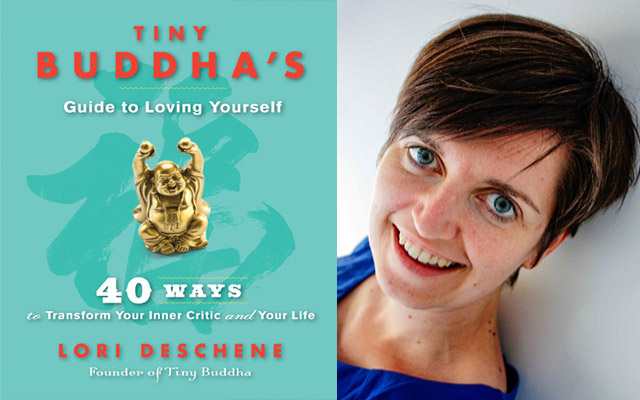
  • Tiny Buddha’s Guide to Loving Yourself (and the Self-Love Bonus Pack)

    Tiny Buddha’s Guide to Loving Yourself (and the Self-Love Bonus Pack)

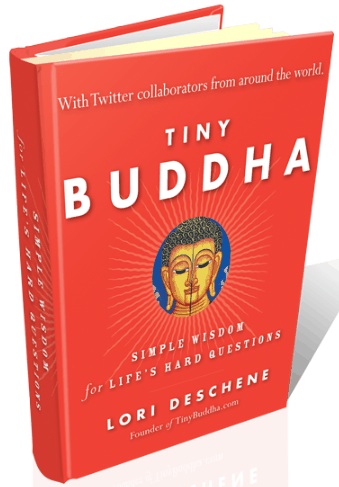
    Tiny Buddhas Guide Cover 3D

    10/9/13: The pre-order promotion is now over. You can learn more about Tiny Buddha’s Guide to Loving Yourself here!

    Two years ago I surveyed the Tiny Buddha community to crowdsource wisdom for my second book, which was going to break apart the idea of success.

    Around the same time, I experienced a series of life-altering events, including a major surgery, financial hardship, a break-in, and the death of my grandmother.

    Within the following months, I dramatically decreased the amount of time I devoted to blogging. After almost three years of regularly sharing my feelings, I wanted space to explore my conflicting emotions without having to put them into words.

    Despite having chosen to do this, I felt immense guilt in seemingly “abandoning” the community. I also felt embarrassed and disappointed in myself.

    After not only announcing my book but also soliciting insight from others, I realized I wasn’t in the right headspace to work on the project. Even though I knew I’d had a tough few months, this inability to deliver deeply distressed the perfectionist in me.

    I planned to work on this later in the year, but when the time came I wanted to work on something different—a book that felt more personally relevant in light of my recent challenges, and extended naturally from the philosophy of this site.

    I wanted to create a collaborative book about self-love, for a few reasons.

    For one thing, it’s something that many of us struggle with, which makes it difficult, if not impossible, to fully love others and life.

    Secondly, my former lack of self-love was the foundation of all my greatest struggles. I once thought my life was a mess because I struggled with depression and an eating disorder, and didn’t have purpose, money, or a relationship, but at the heart of all those troubles was my unwavering self-loathing.

    Lastly, it tied into an unexpected consequence of making, what seemed like, a massive public mistake: announcing a plan and then not following through reinforced that I need my empathy the most when I feel most resistant to giving it.

    It also reminded that sometimes mistakes are opportunities to do something good—and I believe I have with this book.

    Including 40 blog posts from tinybuddha.com, Tiny Buddha’s Guide to Loving Yourself offers more than just advice; it offers in a window into our shared human experience, and universal lessons we can all apply to feel happier with ourselves and our lives.

    These posts have reminded more than 1.5 million monthly readers that we are never alone, and we don’t have to live life controlled by our inner critic. They touch upon ideas that will help you:

      • Release shame about your past and the limiting beliefs that keep you stuck
      • See yourself as beautiful and valuable, with all your flaws and weaknesses
      • Accept yourself more and judge yourself less
      • Forgive yourself for your mistakes and stop being hard on yourself
      • Minimize the need for approval to feel more confident
      • Let go of the comparisons that keep you feeling inferior
      • Feel complete so that you no longer look to others to fill a void within yourself
      • Find the courage to share your authentic self for deeper connections with others
      • Learn to take care of yourself instead of putting everyone else’s needs first
      • Believe that you’re valuable so you can start creating a life you love

    The stories are categorized into 10 chapters, connected to each of these themes.

    At the end of each chapter you’ll find four tips—one from each of the four posts in that section. They’re ideas you can turn to whenever you need help changing your thoughts, and consequently, your feelings and experience of the world.

    Tiny Buddha’s Guide to Loving Yourself launches on October 8th. Over the next month, I’m going to run a pre-order promotion that will involve daily self-love interviews with some of the book’s contributors.

    During the month of September, anyone who pre-orders the book will receive instant access to the “Self-Love Bonus Pack,” which includes 8 digital resources, valued at more than $150.

    Those items include:

      • From Coping to Thriving: How to Turn Self-Care into a Way of Life, by Hannah Braime
      • Flowing Through the Void: Creating Miracles Out of Struggles by Activating Presence, Power, and Passion, by Amyra Mah
      • Complete Confidence eCourse, by Emma Brooke
      • An Awakened Life: A Journey of Transformation, by Julie Hoyle
      • Create a Brilliant Vision for Your Life and Business, by Margie Beiswanger
      • 5 Days of Self-Compassion, by Joanna Weston
      • Be You, Unapologetically by An Bourmanne
      • Tiny Wisdom: On Self-Love, by Lori Deschene (me)

    You can pre-order a copy of Tiny Buddha’s Guide to Loving Yourself here.

    Please note that you will not receive your copy of the book in the mail until October. You will, however, will receive instant access to the bonus items once you forward your sales confirmation email to the address listed on the sales page.

    Thank you to everyone who’s involved with this book—which is all of you. You make this community what it is. You make a difference, and you’re appreciated.

  • Tiny Buddha’s Guide to Loving Yourself Interview: Alesha Chilton

    Tiny Buddha’s Guide to Loving Yourself Interview: Alesha Chilton

    alesha-chilton

    Today is an exciting day here at Tiny Buddha! It’s the pre-order launch day for Tiny Buddha’s Guide to Loving Yourself, a book about taming your inner critic that features 40 stories from Tiny Buddha contributors.

    Throughout the September, I plan to publish 21 “self-love profiles,” introducing you to some of the book’s contributors.

    I’m excited to start with an interview with Tiny Buddha member Alesha Chilton, a mother and MBA graduate whose contribution for the book focuses on believing that we’re good enough.

    A little more about Alesha…

    The Interview

    1. Tell us a little about yourself and your self-love journey.

    It has taken a while to dig down deep and love myself just as I am. And it didn’t happen magically, miraculously, or suddenly. It happened a little at a time, slower than a snail it seemed, over the course of many years.

    I battled bulimia, bullying, and self-belittling. My eyes are still being opened every day—and that’s the joy of life. We get to have revelations and light bulb moments in the midst of enshrouding darkness, just when we have almost given up hope.

    Through the bad and good, realize that this too shall pass.

    2. Have you ever felt there’s “something wrong with you”? If so, why, and what’s helped you change your perception?

    Of course I have felt—and sometimes still feel—like there is something wrong with me. Being a perfectionist doesn’t lend or cut you any slack. However, I’ve learned to lower my expectations about my body, my time, and my abilities.

    So what if I don’t look like a supermodel in a bikini? What’s important is that I am healthy, which I am. And I’m not supermom by any means, but my child is happy and healthy. That’s all that really matters at the end of the day.

    3. Have you ever thought something was a flaw only to realize that other people actually appreciate that about you? What was the “flaw”?

    I used to think that being short was a flaw because I couldn’t reach the dishes on the top shelf or play the hitter position in volleyball. But I practiced a lot and did a lot of conditioning, becoming the fastest player. Soon my coaches appreciated my hard work ethic and my quickness, and so did I.

    4. What was your biggest mistake (that you’re willing to share), and what helped you forgive yourself?

    My biggest mistake was getting into and being involved in an abusive relationship. I felt so ashamed, hurt, confused, and guilty.

    I forgave myself in many different ways as I learned more about why people get into abusive relationships. I realized that I was young and insecure. I thought that I could “fix” or change him if I was loving and caring enough. I didn’t know what red flags to look for when dating. I didn’t truly believe that I could find a “soul mate.”

    5. Complete this sentence: When other people don’t like me, I…

    …do some self reflection to see if the problem lies in my attitude, tone, words, or actions. Sometimes other people can shed light on our not so attractive qualities, and thus help us become a better person.

    I try to be understanding and compassionate with others, even though I fail sometimes. I don’t let someone not liking me ruin my day. Often the problem lies within themselves.

    Whenever I’m annoyed or don’t like someone, I try to do some self-reflection as to why. Once you understand why you dislike someone, you can learn and grow into a better, less judgmental person.

    6. What are some areas in your life where you’ve compared yourself to other people, and what’s helped you let go of these comparisons?

    I’ve compared myself to the strong, independent woman traveling around the world. I’ve compared myself to the mom with perfect abs, who still finds time to make organic meals. And I’ve compared myself to the summa cum laude Harvard lawyer graduate earning six figures.

    I’ve learned to let go and not compare myself to these people in varying ways. They are on a different journey than I am. That doesn’t make my journey less valuable, less successful, or less meaningful.

    I judge my success on happiness and being able to provide the basics for my family. Recently, I have become enlightened enough to take more risks. Taking risks is scary, but taking healthy risks—like applying for jobs and calling potential employers—is good for the soul.

    If we doubt our capabilities, we doubt ourselves. Although you may encounter many failures, you can also encounter great success! Idleness will keep you on the same boring road.

    7. What’s one thing you would tell your younger self about looking to other people to complete you?

    I would tell myself that it’s nice to have someone by your side, but it’s more important to learn to be happy on your own. You have to be with yourself every single day. There is no escaping yourself.

    8. Have you ever felt afraid to show people your “real” self? Why—and what’s helped you move beyond that?

    I was bullied for being “weird” when I was younger and I let that define me. I was afraid of revealing my whole true self for fear of rejection. But I’ve learned that the world has a place for everyone and that people appreciate confidence, even if you are a little strange compared to others. You just have to accept yourself first. There are lots of people like you, but it’s up to you to see the similarities, not only the differences.

    9. What are the top three things you personally need to do to take good of yourself, mentally and emotionally?

    I need sleep, intellectual stimulation, and reflection.

    Getting a good night’s sleep allows for clearer thinking and deeper reflection. I need intellectual stimulation so that my mind doesn’t focus on trivial worries and negative things. I need reflection in order to become a more mentally stable and happy individual.

    10. What’s something you do regularly that makes you feel proud of the difference you’re making in the world?

    Lately I have been making and putting anonymous love letters in random public places (see www.moreloveletters.com). It helps me feel good knowing that my letter can help inspire someone, give them hope in humanity, and help them have a better day.

    The smallest differences are sometimes the biggest in the end. I try to smile and be friendly with people, even if I’m feeling grouchy myself. People need to know that others care about and appreciate them.

    *Note: I edited this post to remove info about the pre-order promotion, which ended on October 8, 2013. You can learn more about Tiny Buddha’s Guide to Loving Yourself here.
  • Book Giveaway: Chicken Soup for the Soul 20th Anniversary Edition

    Book Giveaway: Chicken Soup for the Soul 20th Anniversary Edition

    Chicken Soup for the SoulUpdate: The winners for this giveaway have already been chosen. The winners:
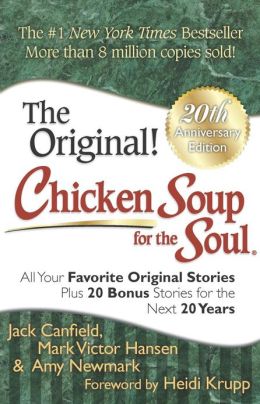
    If you enjoy touching, uplifting stories, you’ve likely stumbled upon the Chicken Soup for the Soul series at one time or another.

    What started with one book two decades ago has expanded to more than 200 titles, providing motivation and inspiration to millions of people of all ages, from all over the world.

    The newly released 20th anniversary edition includes all of the original stories from the first book and 20 new ones from writers including Deepak Chopra, Dr. Mehmet Oz, don Miguel Ruiz—and me!

    When publisher Heidi Krupp-Lisiten contacted me with this opportunity, I was honored and beyond excited. And now I’m excited to share it with you.

    The Giveaway

    To enter to win 1 of 5 free books:

    • Leave a comment on this post sharing the most inspiring thing you’ve heard lately. It can be a quote, something a loved one said to you, something you saw on TV or heard in a song—anything you found inspiring.
    • For an extra chance to win, tweet: Giveaway: Chicken Soup for the Soul 20th Anniversary Edition – RT & comment on the @tinybuddha post to win! http://bit.ly/18GFU0F

    You can enter until midnight PST on Friday, August 23rd.

    Learn more about Chicken Soup for the Soul, the 20th Anniversary Edition, on Amazon.

  • Interview & Book Giveaway: Misadventures of a Garden State Yogi

    Interview & Book Giveaway: Misadventures of a Garden State Yogi

    Misadventures of a Garden State Yogi

    Note: The winners for this giveaway have already been chosen. Subscribe to Tiny Buddha for free daily or weekly emails and to learn about future giveaways!

    The Winners:

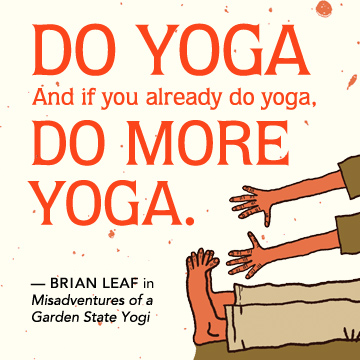
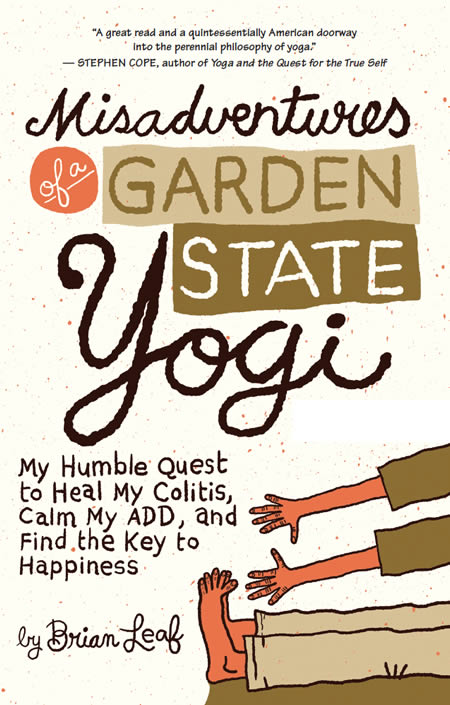
    Yoga, road trips, and personal stories that border on TMI—these are all things I enjoy, which might explain why I was drawn to Misadventures of a Garden State Yogi.

    In this engaging self-help memoir, author and yoga teacher Brian Leaf shares his experiences healing Colitis and ADD through yoga.

    Including anecdotes from a cross-country journey during which he tried many different studios, Brian provides a window into his spiritual journey and shares how he established his own personal formula for happiness.

    Honest, entertaining, and insightful, Misadventures of a Garden State Yogi shares how one man healed himself from within and inspires us to access our own personal power.

    I’m grateful that Brian took the time to answer some questions about himself and his book, and that he’s provided three copies for Tiny Buddha readers.

    The Giveaway

    To Enter:

    • Leave a comment on this post sharing one thing that made you smile today.
    • For an extra entry, tweet: RT @tinybuddha Book Giveaway: Misadventures of a Garden State Yogi – Comment and RT to win! http://bit.ly/XMFo9t

    You can enter until midnight PST on Monday, February 4th. (more…)

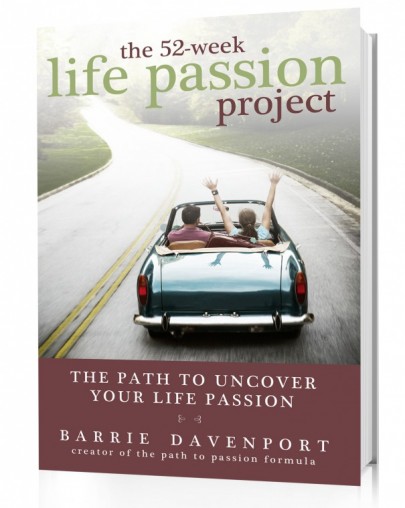
  • Book Giveaway and Author Interview: 52-Week Life Passion Project

    Book Giveaway and Author Interview: 52-Week Life Passion Project

    52-Week Life Passion Project

    Note: The winners for this giveaway have already been chosen. Subscribe to Tiny Buddha for free daily or weekly emails and to learn about future giveaways!

    The Winners:

    It’s not easy to do something you’re passionate about for work—and not only because it’s hard to discover your passion or find a job to leverage it.

    Once we know what we love to do, we then need to work through all kinds of limiting thoughts, beliefs, and fears that may prevent us from taking action. Then we need to decide what that action should be—how and where to start, and how to stay motivated.

    It’s with this in mind that coach and blogger Barrie Davenport wrote the 52-Week Life Passion Project, an insightful, comprehensive guide to identifying what you really want to do and building your life around it.

    I’m excited to share an interview with Barrie, and grateful that she offered to give away 5 books for Tiny Buddha readers!

    The Giveaway

    To enter to win one of five free copies of 52-Week Life Passion Project:

    • Leave a comment on this post sharing something you’re passionate about. (If there’s nothing you’re passionate about yet, then just leave a comment saying hello!)
    • For an extra entry, tweet: RT @tinybuddha Book Giveaway: The 52-Week Life Passion Project: Comment and RT to win! http://bit.ly/W8WUUz

    You can enter until midnight PST on Monday, January 7th.

    The Interview

    1. What inspired you to write the 52-Week Life Passion Project? (more…)
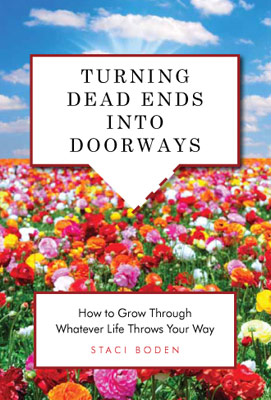
  • Giveaway and Interview: Turning Dead Ends into Doorways by Staci Boden

    Giveaway and Interview: Turning Dead Ends into Doorways by Staci Boden

    Editor’s Note:

    The winners for this giveaway have already been chosen:

    Subscribe to Tiny Buddha for free emails once weekly or on weekdays and to learn about future giveaways!

    Especially when we’re going through challenging times, it can feel tempting to try to control the future—but this doesn’t change that much lies beyond our control. Try as we may to avoid the unknown, the future remains uncertain.

    How do we navigate change knowing that nothing is guaranteed? How can we develop inner strength to grow, heal, and evolve?

    Healer practitioner Staci Boden answers these questions in her new book, Turning Dead Ends into Doorways: How to Grow Through Whatever Life Throws Your Way.

    From the book flap:

    “With compassionate honesty and a practical sense of humor, healing practitioner Staci Boden shows her readers how to navigate change without clinging to false notions that if they just do this or think that they can determine what happens next. How to let go of false expectations and still make excellent choices. How to grow and heal no matter what life throws their way.”

    I’m grateful that Staci has offered two free copies of Turning Dead Ends into Doorways for Tiny Buddha readers!

    The Giveaway

    To enter to win one of two free copies of Turning Dead Ends into Doorways by Staci Boden:

    • Leave a comment on this post. (If you’re reading in your inbox, click here to do that.)
    • Tweet: RT @tinybuddha GIVEAWAY: Turning Dead Ends into Doorways http://bit.ly/SBYrFX comment and RT to enter!

    You can enter until midnight PST on Monday, November 5th. If you don’t have a Twitter account, you can still participate by completing only the first step. (more…)

  • Winners for Tiny Buddha Book Giveaways

    Winners for Tiny Buddha Book Giveaways

    As you may have noticed, this was the first week I did not publish a blog post featuring two poll questions for my next book.
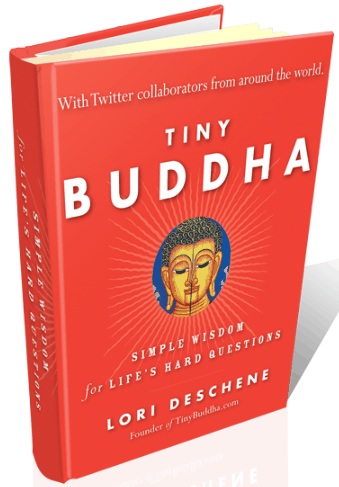
    Previously, I published 10 of these posts, each with a giveaway for an autographed copy of my first book, Tiny Buddha: Simple Wisdom for Life’s Hard Questions.

    I’m pleased to announce I’ve chosen 10 winners:

    I emailed the winners last night. If you are on this list and did not receive that email, please contact me at email(AT)tinybuddha(DOT)com.

    Although the giveaways have ended, you can still share your thoughts for my next book!

    In short, it’s going to be a book about what it means to win and lose in life—a guide for living life purposefully and joyfully, on our own terms, in a world that often promotes a one-size-fits-all version of success.

    There is no official deadline to share your thoughts (though I will likely choose the insights I’ll include in my book some time at the end of June).

    If you’d like to offer your insights, please leave them on the appropriate blog posts below. *Please note: each post contains two questions; however, each title contains only one of them.

    Thank you for being part of Tiny Buddha!

  • Giveaway and Interview: Hike Your Own Hike by Francis Tapon

    Giveaway and Interview: Hike Your Own Hike by Francis Tapon

    Note: The winners for this giveaway have already been chosen. Subscribe to Tiny Buddha to receive free daily or weekly emails and to learn about future giveaways!

    The Winners:

    If you’ve spent any time traveling, you likely know the amazing sense of freedom and possibility that comes from exploring the world.

    My boyfriend likes to note the distinction between vacationing and traveling.

    Vacations often entail relaxation, rejuvenation, and recreation, and we usually plan them well in advance. Travel, on the other hand, tends to involve more spontaneity, uncertainty, and adventure, whether that means spending hours taking trains or hiking, or sightseeing without a clear sense of where you’ll stay for the night.

    The closest I’ve gotten to this type of travel experience was back in college, when I spent a semester in Europe.

    I remember thinking that I’d later regret it if I didn’t do it then, because never is international travel more convenient than it is during college. In fact, travel in general seems a lot easier when you don’t yet have responsibilities.

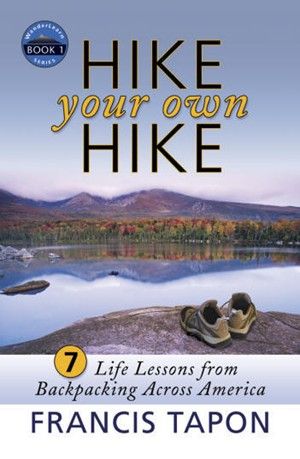
    This is partly why I was fascinated to read Hike Your Own Hike: 7 Life Lessons from Backpacking across America: The author, Francis Tapon, has made travel a priority and a way of life, and has fostered an adventurous spirit and a contagious passion as a result.

    But his book isn’t just about seeing the world; it’s about living life on your own terms, and taking time to evaluate whether you’re following fear or following your bliss.

    Francis has generously offered to give away three copies of Hike Your Own Hike: one hard-copy book, one eBook, and one audio book.

    The Giveaway

    To win one of three copies of Hike Your Own Hike:

    • Leave a comment on this post. (You must be a subscriber to win–it’s free to join the list!)
    • Tweet: RT @tinybuddha Giveaway and Interview: Hike Your Own Hike by Francis Tapon http://bit.ly/GAV261

    You can enter until midnight PST on Sunday, March 25th. If you don’t have a Twitter account, you can still enter by completing the first step. (more…)

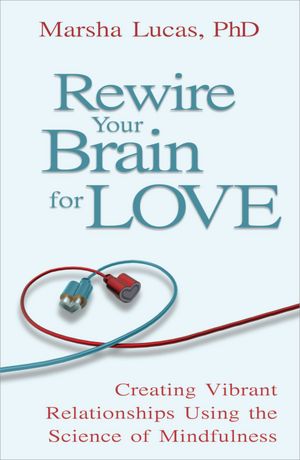
  • Book Giveaway and Interview: Rewire Your Brain for Love

    Book Giveaway and Interview: Rewire Your Brain for Love

    Update: The winners for this giveaway have already been chosen. Subscribe to Tiny Buddha for free daily or weekly emails and to learn about future giveaways!

    The winners:

    An old friend once told me that women frequently say all the men they’ve dated have been jerks; and men frequently say all the women they’ve dated have been crazy.

    You could chalk this up to gender differences, men being from Mars, women being from Venus and all that. But maybe there’s more to it. Maybe it’s actually our biology that influences how we act and interact—and why we often repeat unhealthy patterns with our romantic partners.

    In her book, Rewire Your Brain for Love: Creating Vibrant Relationships Using the Science of Mindfulness, Marsha Lucas explains how our inner workings can sabotage our relationships, and how we can change that through meditation.

    According to Rick Hanson, PhD, reading Rewire Your Brain for Love is “like having a best friend who is both savvy about the brain and a world-class therapist.”

    I haven’t yet finished this book; I’m publishing this interview today because this is the official launch date. Based on what I’ve read so far, I can say with absolute certainty this is the most fascinating, helpful relationship book I have ever read.

    Both educational and insightful, Rewire Your Brain for Love explains why we struggle in matters of the heart, and exactly what we need to do for healthier, happier relationships.

    The Giveaway:

    To enter to win 1 of 2 free copies of Rewire Your Brain for Love:

    1. Leave a comment below.

    2. Tweet: RT @tinybuddha Book Giveaway and Interview: Rewire Your Brain for Love http://bit.ly/yCvNBJ

    If you don’t have a Twitter account, you can still enter by completing the first step. You can enter until midnight PST on Sunday February 5th.

    The Interview:

    1. What inspired you to write this book?

    The inspiration came from seeing the changes in my psychotherapy patients when mindfulness practice was added to the mix. It was sometimes a challenge to get past the resistance some people had to meditation—my psychotherapy office is just a half-dozen blocks from the White House, so I see a lot of people who are very intellectually-driven, “show me the evidence” folks with no room for any “woo” stuff.

    It was a whole lot easier when we talked about the neurological bases of relationships, the peer-reviewed research coming out of neuroscience labs at universities they respected, and about this simple, well-documented practice that they could use to create actual changes in the brain—and that those changes support healthier, more successful relationships. Approaching it this way made it a much more empowering choice for them.

    Writing the book came out of my wish to share this with more than just the people I could see in my psychotherapy office. On the micro level, I want more people to have the healing experience that healthy relationships offer. At the macro level, my wish is to be a part of helping create a world that’s driven more by empathy than by fear.

    2. Why do we need to rewire our brains for love?

    Unfortunately, lots of us didn’t have an optimal experience of healthy, attuned attachment in that early, critical time when our “relationship brains” develop (mostly before age 2).

    By the way, it’s not necessarily about really bad experiences—it can be subtle, passed along by well-meaning parents who may not have had that optimal experience themselves.

    And because of the way our brains develop, those very early experiences aren’t readily accessible through memory or insight, so it’s difficult to get any traction just by trying to think or “will” our way through.

    If you can change that wiring, though—and mindfulness practice seems to help a great deal with that—then you can have a brain with better neural pathways that creates and supports better relationships.

    3. Your book focuses on making improvements in our relationships with other people. Can we also rewire our brains for greater self-love?

    Absolutely! I’d go farther to say that improving your relationship within yourself is the first step to being able to have better connections with others. I think of the practice of mindfulness as a way of cultivating more loving, compassionate relationships with everyone, and that includes you.

    4. Is traditional meditation necessary to rewire our brains for love, or are other mindfulness practices equally effective?

    The mindfulness practices that I’ve used to the best effect in my work (and that are in my book) are from the insight-meditation tradition. That approach has (in my view) the most compelling neuroscience research to date supporting the types of changes that I talk about and see in my work.

    Other forms of contemplative practice are also being studied. They all definitely have benefits—and I’m very interested in seeing more about their benefits to the brain.

    5. Can you talk a little about the seven “high-voltage” benefits of practicing mindfulness?

    The “high-voltage” relationships benefits get me really excited, so much so that they form the framework of my book.

    First thing to know: there are essential characteristics seen in people who had healthy, attuned childhood relationships—characteristics that bode incredibly well for their ability to have healthy relationships as adults.

    Now, add to that: Those same characteristics are seen in people who practice mindfulness.

    Then, to top it all off: the latest scientific research has increasingly been showing that these characteristics are associated with areas of the brain that change as a result of mindfulness practice.

    I’ve found that the most helpful way to think about these characteristics is to group them into a list of seven acquirable skills. (Yep: acquirable.)

    • Better management of your body’s reactions
    • Improved regulation of fear
    • Greater emotional resilience
    • Increased response flexibility
    • Improved insight (self-knowing)
    • Deeper and clearer empathy and attunement—within yourself and with others
    • Perspective shift from “me” to “we”

    Daniel Siegel, MD, a Harvard-trained psychiatrist and an expert on childhood attachment was the person who first made me aware of the connection between these documented and compelling characteristics of well-being, seen in people who grew up with healthy, attuned attachments, and the brain structures and pathways shown to change with mindfulness practice.

    I’ve been seeing the results confirmed through my psychology practice, in myself, and in the lives of my friends and colleagues. Very, very cool.

    6. I know a lot of people who stay in unhealthy relationships, constantly looking for ways to “fix” them. How can one recognize when the problem is faulty wiring and when it’s best to walk away?

    My first response is to share an anecdote from a friend of mine, Gay Hendricks, who’s also a psychologist: A middle-aged man came to his first therapy session, and talked about how lousy women were—he presented a long list of women in his life who’d just used him. Close to the end of the session he leaned in and quietly said, “But y’know… I’m beginning to wonder if it might have something to do with me.”

    We all have our relationship wiring issues—our own styles of attachment that developed early on. In part, mindfulness practice helps you increase your capacity to look at your relationship patterns with honesty and self-compassion (not excuses or blame). That’s necessary whether you’re going to stay in the relationship or end it. Otherwise, you end up staging the same play with the same script over and over again, whether it’s with the same actors or new ones.

    7. In Chapter 8, you explore empathy and how you misunderstood it when you were younger. I saw myself in your words, as I had the same experience! Can you tell us a little about what empathy is and what it isn’t—and why it’s important to our relationships to understand the difference?

    Healthy, balanced empathy is a tough one for a lot of people, especially those whose role in life leans heavily toward helping others. It’s easy to get lost in the feelings and needs of the other person, and end up not holding on to any empathy for yourself—and that often leads to feelings of burnout, resentment, depression, all kinds of un-fun stuff.

    My take on empathy is heavily influenced by the way that Frans de Waal, PhD talks about it—he’s a world-renowned primatologist and director of the Yerkes Living Links Center at Emory University, and he looks at empathy as an evolutionary advancement. As you go “up” in evolutionary terms, there are increasingly developed levels of empathic abilities, starting with the kind of “emotional contagion” that you might see in a herd of zebras, on up to through being able to take someone else’s perspective (though as Frans points out, psychopaths are good at this, too).

    Where many of us get off track is taking it to the next level, empathic perspective taking—what is s/he feeling and why might that be? And what am I feeling in response, and why might that be? If you lose sight of either one, you’re more likely to react out of old, unhealthy relationships habits—what can be called “autopilot.”

    Empathy’s not just about insight, and not just about feeling—it’s about an integration of those, happening in the space between you and your partner. Or, between you and more people in your community, however large that community may be—we’re all in this together, after all.

    Choosing to cultivate more empathy doesn’t mean losing your own integrity or point of view—it just means that you’re no longer governed by lower-order, fear-based reactivity. Now that’s empowering!


    Learn more about Rewire Your Brain for Love on Amazon.

    FTC Disclosure: I receive complimentary books for reviews and interviews on tinybuddha.com, but I am not compensated for writing or obligated to write anything specific. I am an Amazon affiliate, meaning I earn a percentage of all books purchased through the links I provide on this site.

  • Tiny Buddha Book Giveaway and Top 10 Insights of 2011

    Tiny Buddha Book Giveaway and Top 10 Insights of 2011

    Tiny Buddha Chilling on a Cairn

    Important Note: The winners for this giveaway have already been chosen! You can purchase Tiny Buddha: Simple Wisdom for Life’s Hard Questions on Amazon.com. Also, be sure to subscribe to Tiny Buddha for free daily or weekly emails!

    The winners:

    Happy almost 2012!

    It’s been an exciting year for Tiny Buddha. For one thing, the community has grown, but what I find most exciting is that the number of people sharing their stories and engaging with other people has increased exponentially.

    During the first year, I published two posts from the community per week. In January of 2011, submissions slowed down, and I wondered if perhaps I’d need to take a new direction with the blog.

    In February, however, that all changed, and posts started coming in so frequently that I was able to publish one per day, and oftentimes had to ask people to hold off on submitting so that I could catch up.

    That has remained steady all year, and I’m excited to see that countless insightful, helpful, loving conversations have unfolded in the comments, some which included me and others that did not.

    Tiny Buddha is what it is because people are willing to be honest about their experiences, and in doing so help others and let them know they are not alone. If you haven’t already, I hope you’ll contribute a post in 2012!

    I have learned so much from everyone who has shared themselves here. So here are the top 10 insights of 2011 (based on page views and comments): (more…)

  • The Tiny Buddha Book, Bonus Gifts, and Win a Kindle or DSLR Camera

    The Tiny Buddha Book, Bonus Gifts, and Win a Kindle or DSLR Camera

    UPDATE: Please note that the pre-order bonus promotion described in this blog post ended on December 8, 2011.

    This is a post that’s been a year and a half in the making, and I couldn’t be more thrilled to finally write these words!

    Today is the official pre-order launch day for my first print book, Tiny Buddha: Simple Wisdom for Life’s Hard Questions, and I have some exciting promotions to share with you!

    In this post you’ll find:

    -Information about Tiny Buddha: Simple Wisdom for Life’s Hard Questions

    -A description of the pre-order bonuses (totaling more than $150 in value) that you will receive if you purchase between now and December 8, 2011

    -Instructions to enter the “Life’s Hard Questions” contest for a chance to win:

    • A Canon DSLR Camera
    • 1 of 2 Kindles, each with a free digital version of my book
    • 1 of 10 free hard copies of my book

    About Tiny Buddha: Simple Wisdom for Life’s Hard Questions

    You may have previously seen information about my eBook, Tiny Buddha’s Handbook for Peace and Happiness. This is a compilation of my most popular posts from the first year of the site, and it’s only available as a digital product.

    Tiny Buddha: Simple Wisdom for Life’s Hard Questions is entirely original, available both in print and as an eBook, distributed through Conari Press. And it started as a collaborative project.

    Last year, I asked @tinybuddha Twitter followers a number of challenging questions, including “What’s the meaning of life?” “What does it take to be happy?” and “How can you make each day count?

    I received more than 1,000 tweeted responses, and narrowed them down to 200 that form the backbone of this book. Tiny Buddha is a combination of their insightful answers, stories from my life, and lessons from wise teachers around the world and throughout time.

    I wrote this book because I lived much of my life feeling paralyzed by pain and uncertainty. While there is much that may always be unknown, we can still empower ourselves to live peaceful, purposeful lives based on what we do know.

    The Pre-Order Bonuses

    Tiny Buddha, Simple Wisdom for Life’s Hard Questions, will ship from Amazon on December 8, 2011 (and will be available in stores by January 1, 2012). (more…)

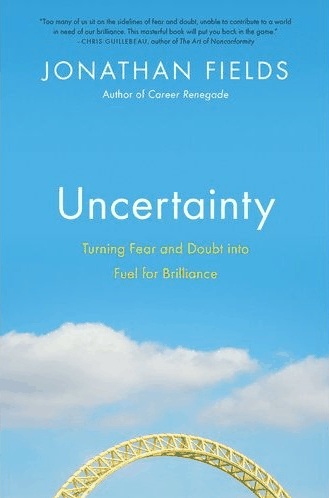
  • Giveaway and Interview: Uncertainty by Jonathan Fields

    Giveaway and Interview: Uncertainty by Jonathan Fields

    Editor’s Note: The winners for this giveaway have already been chosen. They are:

    Several years ago, when I lived in New York City, I developed a love for yoga that started in a studio previously owned by Jonathan Fields. I didn’t know it then, but I would eventually look to Jonathan as a role model, mentor, and friend.

    Author of Career Renegade: How to Make a Great Living Doing What You Love, Jonathan Fields is (in his own words) a dad, husband, New Yorker, author and speaker, serial wellness-industry entrepreneur, recovering S.E.C./mega-firm hedge-fund lawyer, slightly-warped, unusually-stretchy, spiritually-inclined, obsessed with creation, marketing and innovation consultant, venture partner and book-marketing educator.

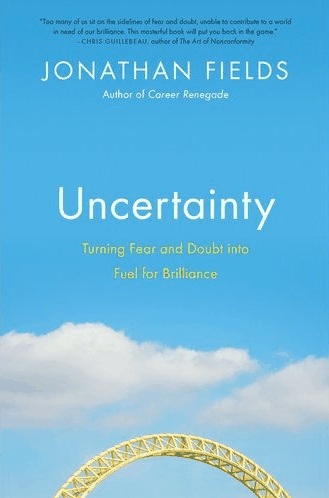
    In his new book Uncertainty: Turning Fear and Doubt into Fuel for Brilliance, Jonathan helps readers leverage fear and uncertainty for creation and innovation. If you’ve ever felt frustrated, overwhelmed, or paralyzed by risk or the potential for failure, this book is for you.

    The Giveaway

    To win one of three free autographed copies:

    • Leave a comment on this post.
    • Tweet: RT @tinybuddha Giveaway and Interview: Uncertainty by Jonathan Fields http://bit.ly/qMrfQy

    You can enter until midnight PST on Sunday, October 2nd. If you don’t have a Twitter account, you can still enter by completing the first step. (more…)

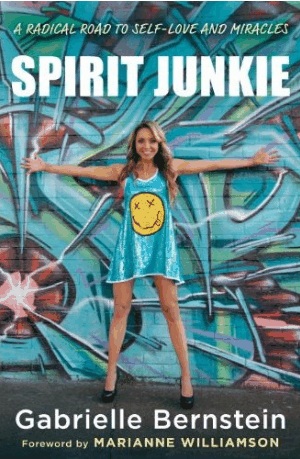
  • Giveaway and Interview: Spirit Junkie by Gabrielle Bernstein

    Giveaway and Interview: Spirit Junkie by Gabrielle Bernstein

    Update: The winners have already been chosen for this giveaway. They are:

    Have you ever met someone, and then instantly felt a sense of rapport and respect? That’s how I felt earlier this year when I met best-selling author and speaker Gabrielle Bernstein.

    After a stellar introduction from a mutual friend, I felt intrigued to meet this woman, known as a “happiness guru” in the mainstream media. Much to my dismay, I woke up that day feeling slightly under the weather and far less, well, happy, than usual.

    It was just one of those days. And for better or worse, I am someone who acknowledges what I’m really feeling. So I told her when we met, “I’m feeling less than 100%, with incredibly low energy today, but please know I am truly thrilled to connect with you!” (Except without the exclamation point—really low energy, remember?)

    Despite meeting a shadow of my bubbliest self, Gabrielle exuded non-judgmental kindness and love, and engaged with me in an insightful conversation about living an empowered life. I didn’t yet know much about her writing or speaking, but I knew there was something beautiful motivating them.

    Earlier this year, I received a copy of Gabrielle’s latest book, Spirit Junkie: A Radical Road to Self-Love and Miracles. Part memoir and part self-help guide, Spirit Junkie offers a modern twist on the teachings of A Course in Miracles.

    Touted as a role model for Gen-Y women, Gabrielle writes in a casual, down-to-earth tone, almost like a loving sister imparting wisdom for inner peace and joy. Throughout the book, she takes readers on a journey through her former drug abuse and romance-addiction, exploring the spiritual path that has helped her transform her perceptions and her life.

    With unflinching honesty and self-awareness, Gabrielle inspires us to all to challenge our egos and live joyful, authentic lives.

    Though she explores some weighty topics, the book has a light-hearted tone and empowering message–that we can choose to cower in fear or create miracles through love. (more…)

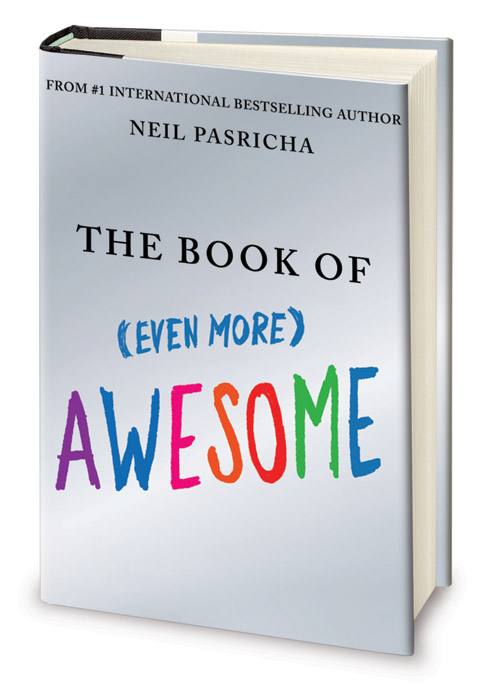
  • Giveaway and Interview: The Book of (Even More) Awesome

    Giveaway and Interview: The Book of (Even More) Awesome

    Update: The winners have been chosen! If you didn’t win, you can purchase a copy of The Book of (Even More) Awesome on Amazon.

    Last year, I posted a review of The Book of Awesome, by Neil Pasricha—a compilation of blog posts from his wildly popular website, 1000 Awesome Things.

    I was so inspired by his ability to recognize simple pleasures where I never even thought to look that I decided to follow suit with a post I titled 50 Peaceful Things.

    Neil’s blog has been one of my favorites since he first launched three years back, partly because it’s the exact opposite of the type of writing I often do.

    While I generally write a lot about all the messy things under the surface—our struggles, fears, and instincts—Neil has a gift for highlighting all the beautiful things we often don’t notice above it.

    From my original review:

    He doesn’t just appreciate all-you-can-eat buffets–he explains how to navigate them for maximum enjoyment. He doesn’t just acknowledge it’s cool when the parking meter still has time on it–he explains the different types of meter-feeding styles, and how awesome it is that they all exist.

    The result is an encyclopedia of joy, from observations to interpretations to experiences. Some moments are silly, some poignant, some nostalgic–but everything is familiar. The book is a brilliant reminder of everything that inspires a smile without treading into saccharine-sweet, Pollyanna territory.

    The Book of (Even More) Awesome picks up where the first book left off, and I’m pleased to offer two copies to Tiny Buddha readers. But first, a little from Neil: (more…)

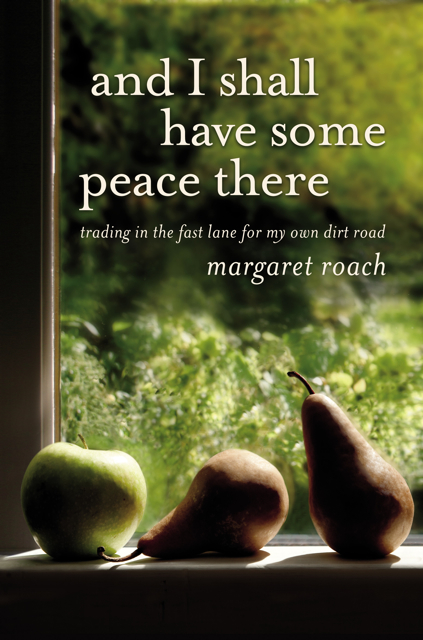
  • Interview and Book Giveaway: And I Shall Have Some Peace There, Margaret Roach

    Interview and Book Giveaway: And I Shall Have Some Peace There, Margaret Roach

    Update: The winners have been chosen! If you didn’t win, you can purchase a copy of And I Shall Have Some Peace There: Trading in the Fast Lane for My Own Dirt Road on Amazon.

    I recently received a copy of Margaret Roach’sbook And I Shall Have Some Peace There.

    I was not previously familiar with Margaret’s wildly popular garden blog, A Way to Garden, but I was fascinated to learn about her transition from editorial director of Martha Stewart Omnimedia to full-time gardener at her country house in upstate New York.

    I know a lot of people who fantasize about giving up monetary success to create success on their own terms, so I was grateful to learn a little from Margaret’s experience.

    Though I am only about half-way through Margaret’s book—and really enjoying it!—I decided to ask her a few questions that may be helpful to anyone who is considering a major life change.


    1. When you decided to leave your job, did you feel you knew for certain that this was the right choice for you?

    Getting to a certain age helps with “certainty,” if there is such a thing in any action we ponder or take. Finally, when I approached my 50s, I knew that I would simply dry up and blow away if I didn’t bolt.

    And I knew that I was getting too old to pretend that forever and ever lies ahead; carpe diem.

    I don’t think I was certain at all what life here would be like. I don’t think we can really accurately forecast what lies across any threshold. But I knew that life back there—the urban static, the disconnection from outdoors and its creatures, the rhythm dictated by a back-to-back meetings and not my internal pulse—was too brutal.

    For all of my adult life, I felt as if I was the spirit of a hippie-chick back-to-the-lander trapped inside the body and skyscraper existence of a corporate executive. (more…)