Tag: art

  • From Burnout to Bliss: The Beauty of Therapeutic Art

    From Burnout to Bliss: The Beauty of Therapeutic Art

    “It takes courage to say yes to rest and play in a culture where exhaustion is seen as a status symbol.” ~Brené Brown

    “You have burnout.” I listened to these three words in a trance, said thank you, and got off the call with the doctor.

    Part of me had known.

    The endless days I spent in bed staring at the ceiling with no motivation to do anything. The inability to focus on my screen. And the sudden bursts of tears when I saw yet another meeting pop up in my calendar.

    I knew all of this wasn’t normal. That something was going wrong.

    But another part of me was in disbelief. Burnout?! How can I be burned out if I’m doing what I love?

    Just three years ago, I co-founded a company to help chronic disease patients. I was here to change the world, to help others, to build something meaningful.

    How is it possible to burn out following your own dream? That’s something that just happens to miserable people in their nine-to-five jobs.

    As I dove deeper, I learned how wrong I was.

    It’s actually much more common to burn out when you’re running your own company than when you’re an employee.

    The financial rollercoaster, the rejections along the way, the countless weekends spent working without ever really taking a break—we are not made for that.

    No matter if we’re following our own dream or someone else’s.

    So, like the perfectionist and hustler I was, I thought: Let’s fix this fast so I can get back to feeling joy for what I’m building.

    I read the self-help books, did talk therapy, started mindset coaching, tried different productivity techniques, but the void inside me, the demotivation, the inability to feel joy—none of it went away.

    And underneath all of this was a crippling fear: What if I’ll only get healthy if I leave everything I’ve built behind?

    The turning point came one day, out of the blue.

    I was sitting at the beach watching the sunset, and as I watched the sun setting in its glamorous colors, I heard a voice inside my head say, “Go and buy paint.” At first, I dismissed it, but it got louder and louder until it was practically screaming: “GO AND BUY PAINT.”

    And so, I did. I went to the nearest dollar store, bought cheap acrylics, a small canvas, and a few brushes.

    At home, I put a plastic bag on my bed, and without much thought, I started painting.

    The first brushstroke hit me deeply. I felt my body and heart exhale: finally, you have come home!

    I painted for hours. And when I finished, I was exhausted, but it was a good exhaustion, like after a long hike, when you’re filled with a quiet love inside.

    For the first time in months, I fell into a deep, long sleep. When I woke up the next afternoon, the void didn’t feel so big anymore.

    I felt… I couldn’t quite describe it at first. Until I realized: I felt happy.

    I spent the next months painting every single day.

    I learned different techniques, invented my own, and with each drawing, I left behind traces of overworking, criticism, judgment, perfectionism, and self-pressure.

    After a while, I got curious. I wanted to understand what the art had actually done to me. Was it possible to heal burnout “just” by painting?

    So I went down the rabbit hole: studying, learning, experimenting. The deeper I went, the more I realized it wasn’t really about the art at all.

    The art was just the tool. A tool to create space to feel, to process, to change the internal narrative.

    Maybe you know what I mean. Maybe you’re completely drained and exhausted by your work, whether in a demanding job or in your own business, and you’re questioning why this is happening to you. Maybe you already know it can’t go on like this, but you feel trapped in the situation you’re in.

    If so, here are a few things that helped me in my process using art and that might help you, too.

    And no, you don’t need fancy materials or specific techniques.

    The type of art I found most healing is called therapeutic art. It’s not about the outcome; it’s about the process. The paintings don’t have to be pretty. Sometimes they’re just black scribbles, circles, undefined shapes. It’s all about expressing yourself onto the paper.

    So here they are—the five lessons that helped me in my quest to heal from burnout.

    1. Connect to your creator self.

    Your creator self is the part of you that exists beyond the roles, responsibilities, and pressure of your work. The part of you that’s here simply to create and express.

    Burnout disconnects us from that part of ourselves. Through mindful painting, we can make space to turn inward, explore freely, and reclaim a sense of agency over our own experience.

    When you use art therapeutically, there’s no need to prove anything or achieve a result. It’s about being present in the moment, feeling your hands move across the paper, and letting yourself just be.

    That’s what helps reconnect you to your sense of aliveness and to the real you beneath all the noise.

    2. Release stress from your body.

    Burnout and overworking aren’t just mindset problems. All the stress, all the emotions you chose not to feel along the way, get stored in your body.

    Your body literally goes into survival mode, and no amount of thinking or talking will fix what’s happening in your system.

    Therapeutic art is a mind-body practice that helps process tension, emotions, traumas, and stress that have been stored for years.

    The act of painting, moving your hands, and letting emotions flow through color onto the paper allows your body to exhale and relax. It gives your system the break it has been screaming for.

    3. Rewrite the success story running in your subconscious.

    Most of what drives our actions doesn’t come from conscious thought, it comes from the subconscious, which shapes 90–95% of how we think, feel, and act.

    This is where all the hidden beliefs live that drive us into overwork and burnout: “Rest is lazy,” “If I slow down, I’ll fail,” “Success has to be hard.”

    Even if you logically know these aren’t true, your subconscious doesn’t. It keeps running on these old programs.

    Through painting freely and intuitively, you can project these thought patterns onto the paper. You may catch yourself wanting to control the outcome, judging the process, or feeling anxious when things get messy.

    And in those moments, you have the chance to soften, challenge the old stories, and show your system that there’s another way to live and create.

    4. Let go of what’s no longer working.

    Burnout is a sign that something you’ve been carrying—a habit, a role, a belief, an idea—is no longer aligned with your highest self.

    Art gives you a safe space to practice letting go. On the canvas, you can release control, let things get messy, and allow what wants to emerge to show up without needing to fix or force it.

    This mirrors what we need to do in life: loosen the grip, experiment, and trust the process. When you practice surrender in small ways through art, it becomes easier to loosen your grip on the bigger things draining you.

    5. Rediscover your joy again.

    One of the most painful things about burnout is losing your sense of joy. Everything becomes dull, gray, and heavy.

    Therapeutic art invites you back to joy without a goal. It’s not about making something pretty or useful. It’s about playing with colors, being fully present, and simply observing yourself.

    When you paint just for the experience, you remind your system what it feels like to have fun and be here without needing to earn anything.

    And that, in itself, is a powerful way to heal.

    Burnout doesn’t mean you’ve failed or are broken. It’s often a sign that something in your life or in you is ready to change. For me, painting became the safe and joyful space back to myself.

    The best thing is that you don’t need to be an artist to use painting in your healing process.

    What matters is making space to listen inward, to let your body exhale, and to soften the old stories you’ve been carrying.

    And when you do, you might be surprised at what’s still alive inside you, just waiting to come home.
  • The Art of Bereavement: A Simple Creative Practice for the Grieving

    The Art of Bereavement: A Simple Creative Practice for the Grieving

    “When we lose someone we love we must learn not to live without them, but to live with the love they left behind.” ~Unknown

    If I look like my best friend just died, that’s because he has. Not the one whom I played with every day growing up and haven’t seen in years, nor the one with whom I went to high school and stayed connected with on social media.

    No. I lost my very best friend of nearly four decades. My gay “husband,” who lived with me for fourteen years and helped me raise my two youngest sons, from ages three and six until they grew up and left our nest. The same human who I loved endlessly and drove me crazy, not in equal parts because our connection was so strong and the “driving crazy” went along with the complete love package.

    I lost the friend who made me laugh like no other human being ever has or will, who has left a hole so big in my heart that I am sure a doctor listening to my chest would know.

    As an artist and art therapist, I have found much purpose working in grief and bereavement. The benefits of the visual arts in this work are well documented, with reports of greatly improved well-being, meaning making, and continuing bonds with those who have passed.

    And yet, knowing all this, serving many others in this difficult journey, and even losing my own father, my very best friend leaving the earth brought forward a new level of something. Pain? Yes, of course; the raw kind that physically rips through the body and soul, abates, and begins again. Loss? Like nothing I have ever felt or can describe. Grief? I am not sure I even knew what the word meant, until now.

    But here’s what I didn’t anticipate: a deeply felt different “frequency” of love that was equally as palpable as my pain.

    Ironically, it occurred as I was leading a grief retreat called “The Art of Bereavement,” only two weeks after my best friend transitioned.

    It didn’t result from a discussion of dreams, mediums, or strange sightings, although this particular group was eager to share their experiences with all of these things. It happened through the very practice I was offering.

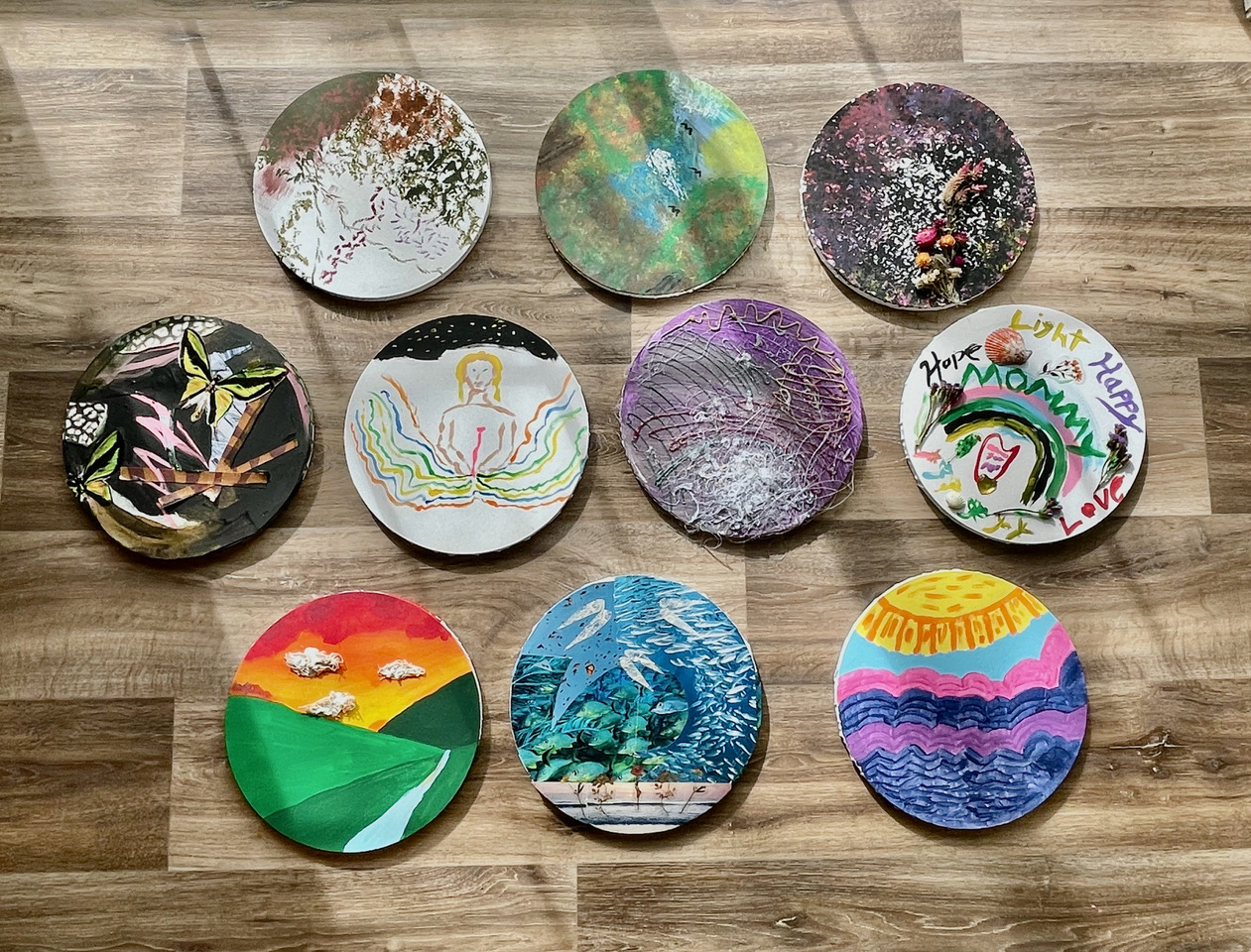
    Since the workshop was only ninety minutes, I had decided on mixed media, which is typically engaging to everyone—paints in every color and a plethora of collage materials like magazines, textured papers, sand, glitter, stickers, and shells. These would be used on round canvases as symbolic “mandalas,” which have been found in art therapy to contain difficult emotions and are known for soothing the soul.

    After explaining the process and materials, I guided the group inward through a short meditation. I began working on my mandala alongside them, choosing materials my friend would love: zebra paper, a touch of leopard, glitter, black paint, and a few rhinestones; words to our favorite song from Evita.

    Suddenly, I noticed something stirring deep inside my being, I felt the love of my departed friend coming forward in a powerful, beautiful way that I had never experienced in life. 

    Since I was teaching, I was completely caught off guard, but there it was. Rather than dismissing what was happening, I spontaneously shared with my group.

    In that moment, as a result, something else as equally profound occurred: the people I was facilitating in their heart-wrenching grief began holding the space for mine. 

    A few of them paused their work and gathered around me. They asked questions—who he was to me, why I had chosen the materials I chose, what I would miss the most. With tears streaming down my face, I told them… he was a special kind of soulmate with a connection that could not be compared to anyone else. He was a brilliant artist, my dearest friend and my family.

    I shared that he will make me laugh forever and how I am not sure what life can possibly be like without him. I let them know how devastated I was for my sons, who had also lost their birth father several years after we divorced. Someone hugged me and another cried. They all listened intently while looking at my mandala, honoring my loss alongside of theirs.

    As the teacher became the student, I was humbled. And the profound love I had experienced was now filling the room. No longer were we  separated by any notion of “retreat” or “therapist.” We were fully united as humans, in the ubiquitous experience of deep loss and love.

    I was moved to ask if anyone else wanted to bring their departed loved one into the room, through the art they were making and the materials they had chosen.   

    A moment didn’t pass before everyone was taking turns. Someone’s wife had spent all of her free time in nature, so her mandala was covered with trees. A young woman’s sister had adored her cat, so hers was covered with images of kittens. For a departed husband, musical notes and a guitar symbolized his passion for song.

    The mandalas were full of rainbows, words, landscapes, and hearts, all lifting up the essence of those who were no longer with us. And yet, through image, symbol, and metaphor, each and every one of them was there.

    As I closed the group, I deeply thanked everyone for holding the space for my grief, something I will never forget. I gave thanks to them for attending, as well as to the energies of their lost loved ones for being present. I invited them to continue working on and visiting with their mandalas, whenever they were called. I reminded them to honor the kittens and rainbows, to sing favorite songs and to creatively stay connected, in whatever way made sense for them.

    I let them know how grief is completely different for everyone, that there is no right or wrong, and that they should each follow whatever path worked, including seeking outside support.   

    Inviting everyone to take a few more final deep breaths together, I lifted up the idea of sharing the profound human connection we had all experienced that day, reminding them that we are never really alone in our loss. And, as they had all helped me, they each had the capacity to help someone else.

    “In the end,” I said, “we are all both teachers and students. Namaste.” 

    At Home “Art of Bereavement” Practice

    If you’d like to create your own art to honor the loss of someone you loved and help process your feelings, give this practice a try.

    Grief work can be extremely difficult, and many communities offer free grief groups and counseling services. If any part of this practice becomes too challenging, please honor your experience and move to something else. There is no right, wrong, good or bad to grief work, including the artmaking.

    Materials: heavy paper, preferably watercolor or mixed media

    Special photos, meaningful writing or words, images symbolic of your loved one from google or magazines, stickers, paint, glue, any scrapbooking materials, or tissues.

    1. Get quiet.

    Eyes opened or closed, notice whatever is coming up in your body. Do your best to breathe into it or around it, just for a few minutes.

    2. Bring to mind a special memory of your loved one, tuning into the sensory experience.

    What colors do you see? What sounds stand out? What do you feel? If any of this becomes too difficult, focus only on your breath.

    3. Draw a circle on your paper, either freehand or by tracing a round shape.

    4. Allow the materials to “call.”

    Without much thought, begin using your materials to collage and paint inside of your circle.

    5. Tune in.

    Art materials are a wonderful path to mindfulness. Notice how the paint flows, the paper sounds, and the textures feel.

    6. Open to the experience.

    If tears come, let them flow; if you need a break, step aside.

    7. Take your time.

    Once you feel “done,” reflect on your work and how you are feeling. Notice if this creative approach has helped you in any way.

    8. Honor the image.

    Put your art in a special place where you can visit with it when you are moved to do so. If it feels right, share your art with loved ones.

    9. Be gentle with yourself.

    Give yourself love and compassion for doing this work and be sure to seek outside support if needed.

  • Want to Change Your Life? Draw the “You” You Want to Be

    Want to Change Your Life? Draw the “You” You Want to Be

    “You are not too old and it is not too late.” ~Unknown

    In less than a month, I’ll be hitting a major “milestone” birthday. I quit my full-time job six months ago, ending a twenty-plus year career in education, and have spent time thinking about what I want the next chapter of my life to look like. I found myself thinking back to a drawing exercise I did a few years ago that has made such an impact on my being willing to make major changes in my life.

    Entering my mid-forties, I had come to a point where something just felt “off.” I wasn’t sleeping well, often waking at 3am with anxiety about real or imagined catastrophes. I was often stressed and short-tempered. I was gaining weight and my health wasn’t in the top-notch condition the way it had always been. I felt directionless and unmotivated, but wasn’t sure what I would rather be doing.

    I recalled a TED talk I had seen in which Patti Dobrowolski discussed the power of “drawing your future.” While the concept seemed a little silly to me at first, I decided to give it a go one evening while journaling.

    The end result is a poorly drawn stick figure of myself in lotus position (which I can’t actually do) and a few notes in the margins. My goal was to draw and describe myself nine years in the future. What kind of “older woman” did I want to be? What were my activities? Had I conquered anything that currently plagued me?

    The stick figure I drew has salt-and-pepper hair, as she no longer feels any need to waste her time and money trying to look younger. She instead proudly wears her silvers as a testament to her experience.

    She is a vegetarian…maybe even vegan. She practices yoga and meditation daily…possibly is a yoga instructor. She rarely, if ever, drinks alcohol. She owns her own business, makes a six-figure salary, and has a healthy nest egg for retirement.

    Most importantly, she is completely at peace with herself and her place in the world.

    That fifty-five-year-old stick figure was so far removed from the forty-six-year-old me who drew her.

    I was still spending exorbitant amounts of money every eight weeks coloring my hair. I was an omnivore though eating meat disgusted me more than I cared to admit. I practiced yoga every now and then, but not seriously, and I never meditated. While I never identified as an “alcoholic,” my drinking went far beyond the recommended single four-ounce glass of wine per day. I did not own my own business, but rather was in a job that wasn’t going anywhere.

    Here’s what I found amazing. Within weeks of drawing that picture, I stopped eating meat. Within just a few months, I had cut out dairy and eggs as well. Six months later, I dyed my hair for the last time. I do at least a few sun salutations every morning. Most recently, I stopped drinking alcohol and said “good-bye” to that dead-end job.

    The biggest change was the confidence to make all of these decisions and to realize there is a thrilling and fulfilling future awaiting me.

    I still haven’t accomplished everything that stick figure has. My nest egg is growing, but I still have a way to go before I consider myself comfortably “financially independent.” I don’t yet own my own business, and I’m still working on trying to meditate more regularly. But having this vision of the future has helped me to set manageable goals about what’s important to me.

    None of this has been done easily. It has required vast amounts of reading, educating myself, learning new recipes, and discovering that kombucha or a shrub in a fancy glass makes me just as happy (actually more so) than a glass of champagne.

    I’m blown away by how inspiring that little stick figure has been and how the simple exercise of drawing my future helped me to get clarity about what I want out of life.

    Research shows that the odds of anyone making a change in their life are nine to one. If you want to beat those odds, according to Dobrowolski, you need to see your ideal future, believe it’s possible, and then ask and train your brain to help you bring it to life.

    That’s why a picture can be so powerful. When we draw, we utilize our creativity and imagination. This gets us away from our inner critic which often runs the show and tries to keep us safe from harm.

    Once we have our picture, we’re able to close our eyes and connect the dots from the present to the future, factoring in all our life experiences and imagining the steps that would help us get from A to B.

    If you’re struggling to picture your next steps in life, consider watching Dobrowolski’s video. She encourages you to first draw your current state—with complete honesty— and your desired new reality. Add color to the new vision to make it pop. Make it something that draws you in and gets you excited. Then outline steps to take that will make your new reality possible. You may be surprised at the clarity that transpires! Draw the “you” you want to be.

  • Creative Meditation? This Art Subscription Box Incorporates Mindfulness

    Creative Meditation? This Art Subscription Box Incorporates Mindfulness

    Get into the feel-good flow of creating with the new and improved Master Peace Box, now only $39.

    Anyone who knows me knows I’m passionate about creating. For me, it’s a form of therapy. It’s a chance to get out of my head and into a state of flow, freeing myself from my obsessive thoughts while pouring all my feelings onto the page, or the canvas, or even the pot. (Though to be fair, not often the pot. I’m a horrible, infrequent cook!)

    Creativity is healing, energizing, and rejuvenating, and it’s also a fun, easy way to be mindful—to be fully immersed in the present moment, free from pressures, worries, and regrets.

    It also enables you to create something you can feel proud of. It doesn’t have to be perfect or professional; regardless of what you make, it’s yours. Your heart. Your soul. Your vision. A piece of you, and all your complex beauty. And there’s something empowering about that.

    If you also appreciate the healing benefits of art and enjoy accessing the feel-good state creativity evokes, I think you’ll love the Master Peace Box!

    What Is the Master Peace Box?

    This art subscription box sends a monthly art supply kit that pairs with a guided virtual workshop. The classes incorporate meditation, helping you foster mindfulness through creativity every month, on your own or as a fun date night activity.

    You’ll receive everything you need to craft something beautiful, with expert guidance from professional artists over Zoom.

    Each month, you’ll explore a new artistic and healing experience.

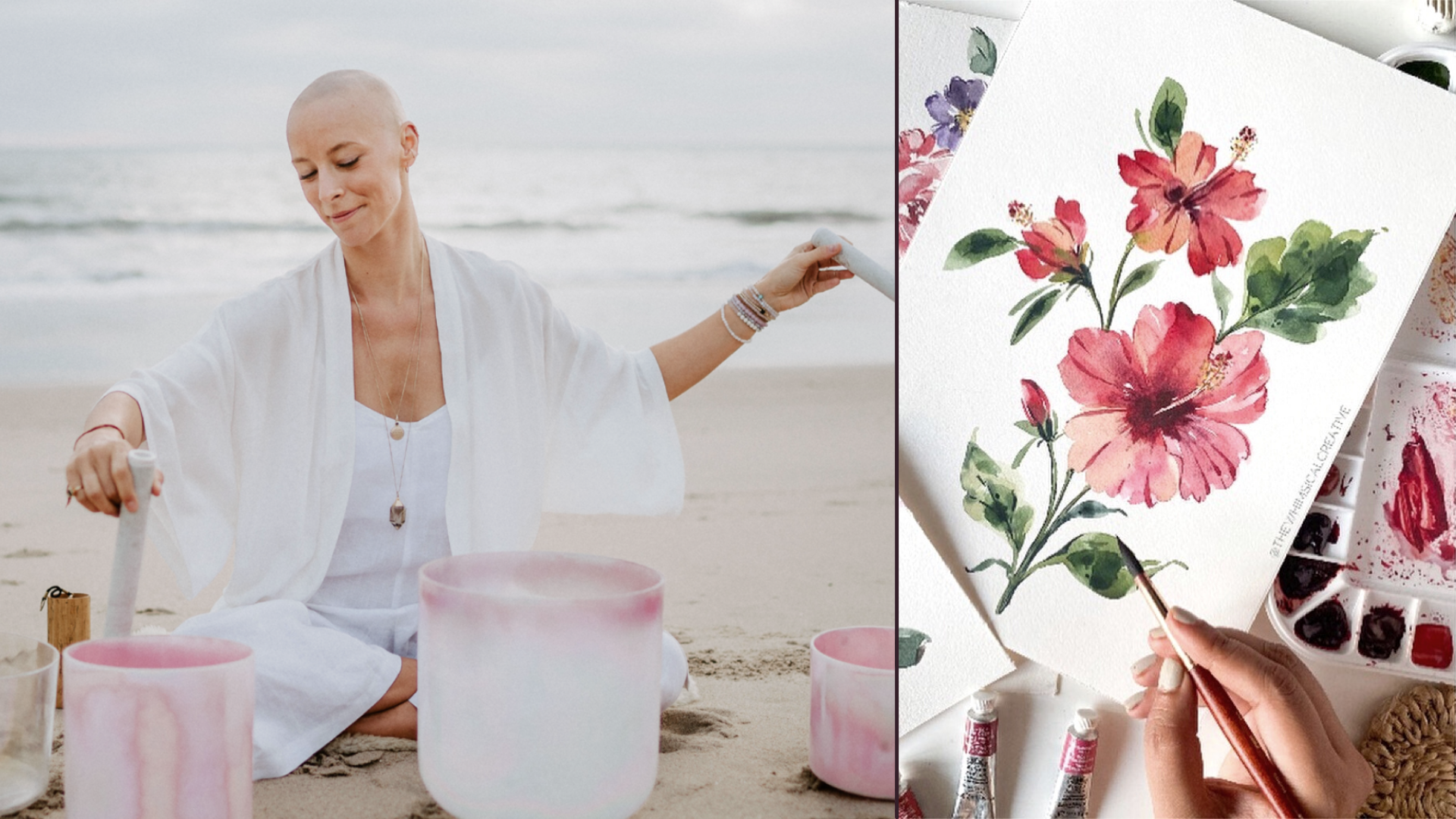
    This month, the Master Peace Box takes on watercolors and sound healing. You’ll get into a relaxing, soothing flow state with a sound healing practice, led by Susy Shieffelin, founder of The Copper Vessel and sound healing training guide. Then, you’ll dive into the painting lesson, creating a watercolor piece with The Whimsical Creative.

    The event goes live on March 28th, at 10am PST, but if you can’t make the live Zoom workshop, no worries! You’ll have three weeks to access a recording of the event, so you can find the perfect time to unwind and enjoy a little relaxation and imagination.

    Create More, Stress Less (in 3 Easy Steps)

    Want to give the Master Peace Box a try?

    1. Get the Box.

    After you sign up here, you’ll receive a box full of art supplies for the paired virtual workshop.

    2. Join the Workshop.

    Get access to live art classes from professional and renowned artists. If quarantine has made life feel a little grey, this is a great way to add some color!

    3. Feel Good.

    The Master Peace Box team holds space for you and your creative journey. Who knew feeling good was so easy? Art knew. Art knew all along.

    The Master Peace Box was created by life coach Michael Gallagher. His intention was to share the practices that helped him heal—meditation and self-expression—in one easy and approachable setting.

    To dive deeper into the worlds of creativity and spirituality, follow him on Clubhouse @masterpeacebox.

    Maybe you’re like me and you relish the opportunity to express yourself while feeling free and childlike, or maybe you’re new to art but love the idea of feeling alive, excited, and inspired. Either way, the Master Peace Box can take you on a journey to calm and creative bliss. I hope you enjoy the sound healing and workshop—and I’d love to see your painting if you want to email it to me after the event!

    **Though this is a sponsored post, you can trust I only promote products I love and can easily personally recommend!

  • Easing Anxiety: How Painting Helps Me Stop Worrying

    Easing Anxiety: How Painting Helps Me Stop Worrying

    “Our anxiety does not come from thinking about the future, but from wanting to control it.” ~Kahlil Gibran

    Anxiety has followed me around like a lost dog looking for a bone for years now.

    I feel it the most acutely when I’m worried about my health or my daughter’s health. I notice a strange rash or feel an unusual sensation and all of a sudden: panic!

    My worries are not limited to health concerns though, and my ruminations go in the direction of dread about the future of the world, worries about my finances, and fears that I’m not good enough.

    Is my anxiety warranted? My mind tells me it is.

    “Remember how you had that bad reaction to a medication? It could happen again!”

    “You know how your daughter had that febrile seizure two years ago? You never know what could happen next!”

    “Think back to that time you and your family had a slow winter and were extremely worried about money. That could be just around the corner!”

    And on and on my mind goes. I know I shouldn’t believe what it tells me, but sometimes I get sucked under and can’t help it.

    I don’t think I was anxious like this when I was a kid. I think these underpinnings of nervousness started when I was older, probably my late twenties. I suppose by then I’d lived enough life to know that things can and do go wrong.

    I don’t like feeling anxious. I don’t like the way my body feels jangly and my mind races. I don’t like it when I can’t focus on the thing I’m supposed to be doing.

    But this is not a sad story, it’s a story of tiny improvements and little steps forward. It’s a journey of finding peace in the middle of a storm.

    For me that peace began with painting.

    Let me go back a few decades, back to when anxiety wasn’t part of my life. When I was a child, I loved art. I drew, I colored, I took extra art classes on the weekends because that’s what I enjoyed.

    I went to college to become an art teacher, switching to a graphic design track later. When I finished school in May of 2001, I had a part-time design job, and after the events of September 2001, I knew I needed to travel, to get out of the safe life I was living in my hometown.

    That’s when my creative practices fell by the wayside. I would never give up those years of travel and camping and working random jobs, but when I look back, I see this is where I stopped making art.

    Luckily, after the birth of my daughter in 2014, the desire to create came roaring back. At first, I was using a tiny corner of a bedroom in our small mountaintop rental house to paint. Eventually we bought a house, and I had the space to spread out, to keep my supplies on top of my desk, ready to paint whenever the urge struck.

    That’s when I started noticing something important: Painting stilled me in a way that nothing else did. It eased my fears and anxieties in a way other practices (deep breathing, meditating) did not, at least not as consistently.

    Painting is my peaceful place. Painting brings me directly into the moment, quickly and easily. You know how you’re supposed to stay mindful and present? That’s what painting does for me, no tips or tricks or timers or mantras needed.

    Yes, I use other methods to quell my anxiety, but painting is my absolute favorite. I get to bring forth something new. I get to flow with wherever the brush takes me. I get to be still inside while the rest of the world drops away, all while allowing something beautiful to emerge.

    When anxious thoughts start to swirl, I know what to do. I head into my studio, grab some materials, and start creating. Soon enough, the spiraling worries are gone and instead my mind is quiet.

    Even if you aren’t artistic, even if you don’t have a creative bone in your body, I still think you can achieve the stillness I achieve when painting. You might not have a brush in your hand, though!

    First things first: If you struggle with anxiety, you should seek the help of a licensed professional. As helpful as painting is, I also see a counselor, and the tools she’s given me are absolutely priceless.

    Now that we’ve gotten that out of the way, here are the other ways I think stillness and peace can be found, even if you’re not meditating or breathing deeply while counting to ten.

    Think back to what brought you joy and the feeling of flow when you were a child. Maybe for you it was playing sports or a musical instrument; writing your own sketches or training your dog to roll over. Whatever it was, look for ways to add more of it back into your life now.

    Start paying attention to your life as an adult and what activities make you forget about the time. When are you fully immersed? When do you fully let go? Maybe it’s during a yoga or meditation class, but maybe it’s when you’re preparing a meal for your family or writing up a budget for work.

    Still your mind any time you remember. I do this now, especially when I’m not painting. I know that a still mind releases my anxiety, and I also know I can’t paint all hours of the day. Simply noticing the feeling of my body on the chair below me or listening to the sounds in the room around me helps my mind to quiet.

    I think the reason painting is so helpful for my anxiety is that, in order for me to be anxious, I have to be worrying about the future and what it holds. When I’m doing an activity that requires my full concentration, I have to be in the moment; there is no other choice.

    All of the practices that we can use to find calm, whether it’s changing our thoughts, following our breath, repeating a prayer or mantra, they all rely on the same thing: bringing our presence to the now.

    What activity brings you into the now? What makes you feel fully alive and entwined with the moment? It doesn’t matter if you’re artistic. It doesn’t matter if you like making things. The only thing that matters is finding a way to be here, in the now, instead of in the unknowable future.

    **Artwork by the author, Jen Picicci

  • Master Peace Box: Meditation-Infused Art Classes, Delivered Monthly

    Master Peace Box: Meditation-Infused Art Classes, Delivered Monthly

    Do you ever read about other people’s creative hobbies and think, “Man, that sounds like a lot of fun”? Do you ever look through creative Pinterest pages and think, “You know, I bet I could do that”?

    There’s something about art that instantly evokes a feeling of joy and relaxation—or at least it does for me. Maybe it’s memories of carefree childhood afternoons spent creating Lego houses and playdough sculptures. Or maybe it’s the fantasy of being an artsy kind of person—eccentric, free-spirited, and driven by passion and awe.

    Whatever your personal draw, there’s one thing we have in common, us aspiring amateur artists: We love the idea of being creatively zenned out, and we’re always excited for an opportunity to get lost in a state of fun and flow.

    If this sounds like you, you’re gonna love the Master Peace Box. I know I do! What is this box I speak of?

    The Master Peace Box

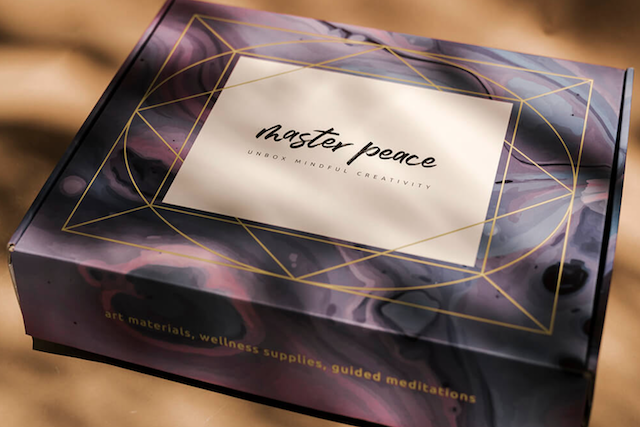
    Each month, you’ll receive a box of supplies that pairs with their monthly art and meditation classes. You’ll learn from expert artists, work with different curated mediums, and enjoy a moment of closing bliss from a renowned mediation guide. All skill levels are welcome! As a bonus, all boxes come with self-care products to enhance our holistic wellness and mindful living beyond the monthly event.

    “It’s like MasterClass and Headspace somehow gave birth to an art studio… l love it so much!” 

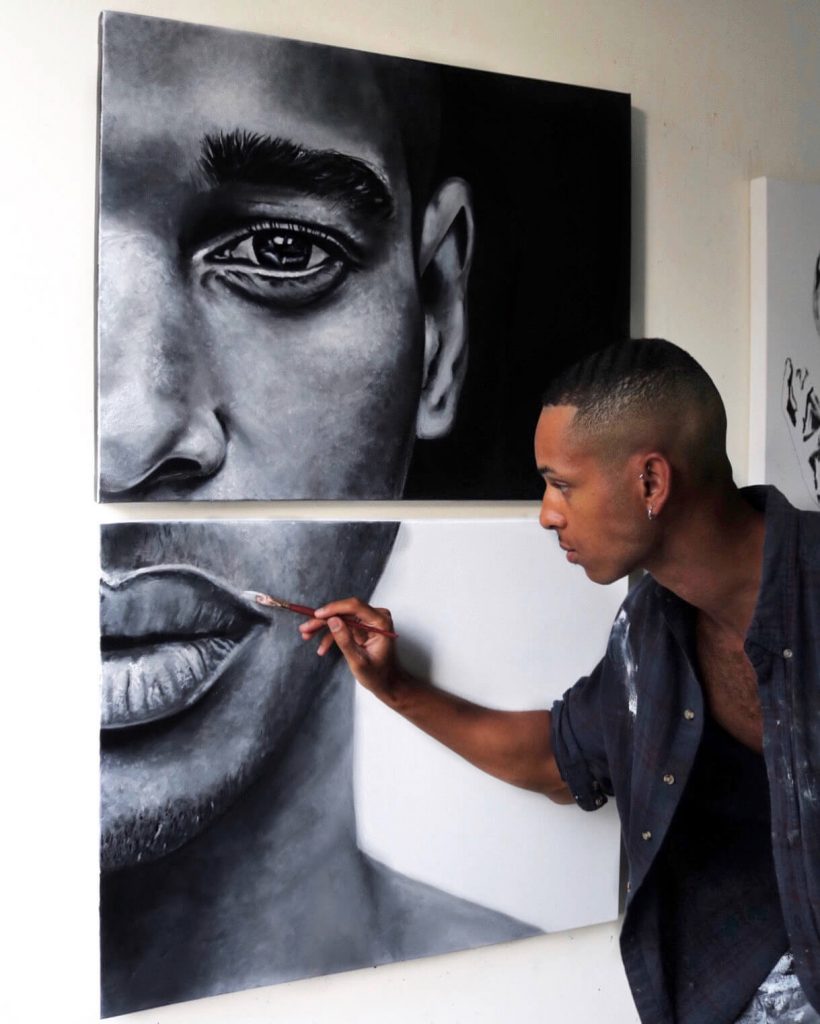
    Their August box launch event will be an acrylic class to teach you the fundamentals of painting a human eye, taught by LA portrait artist Devin Wesley.
    Devin works with black and white paint only, so you’ll learn shading techniques and more acrylic best practices without diving into color theory (great for any experience level).

    This class will incorporate a guided meditation on balancing energy/ yin & yang by certified meditation teacher Laurasia Mattingly. Bonus self-care products include: a gratitude journal, candle, palo santo, crystal infused bath bomb, and more.

    The Master Peace Box Mission

    Their mission is to inspire joy and peace through creativity, insight, and community.

    They connect like-minded conscious creatives to experts (via classes), themselves (via meditation), and others (via Zoom opportunities to meet, chat, or share creations with other attendees in a no-pressure environment).

    How Master Peace Box Came to Be

    Founder Michael Gallagher was always drawn to art and felt a strong pull to meditation, which particularly helped him through his deepest difficulties. He started to realize that when he created art, the chaos of the world and of his mind (his biggest challenge) always seemed to still, even if just a little bit. He wanted to create something to share this feel-good hack with others, all while learning to reconnect with his love of art in the process.

    “When we create, we can hear our inner critic a little more easily. We, therefore, can practice redirecting the judging or evaluating energy that pulls us out of the moment. When we do this, we start to come more fully into the now, and into a deeper experiential awareness that thoughts just come into our mind. This realization helps us to separate from our thinking in order to get to our deeper, more enduring self. The benefits extend beyond creating; we learn to appreciate our unique expressions and qualities, to detach from criticism (and praise), and to come to peace with what is.”

    I think that’s what we’re all looking for—a break from the constant chatter in our minds and a chance to feel fully present and alive. Creativity can be the path to that kind of bliss and peace, regardless of our skill level. And the beautiful thing is that we can create anywhere, at any time with a little guidance and the right supplies.

    How to Get the Master Peace Box

    You have multiple options to get started with Master Peace Box:

    1. Join for a monthly box
    2. Try a one-time class with all supplies and bonus products
    3. Try a class for two (date night)
    4. Drop-in to the Zoom class with your own art supplies (link access only)

    As an extra bonus, monthly subscribers get additional access to exclusive virtual wellness events and giveaways.

    The first 15 people to redeem this coupon code (good till August 7th) will get 15% off:

    TB15

    If you’re reading this after those codes have been redeemed, no worries! You can still get 10% off (also good till August 7th) using this unlimited coupon code:

    TB10

    I don’t know about you, but I’m happiest when I think less and do more—when I stop making excuses to keep doing what I’ve always done and say yes to the things I’ve always wanted to try.

    If you too want to get out of your head and get into your heart—and get a little paint on your hands in the process—I highly recommended giving Master Peace Box a try. You can sign up just for August or jump right in to the monthly membership. Either way, I have a feeling you’re gonna love it!


    *Learn more about this month’s instructors, Devin and Laurasia.

    **Though this is a sponsored post, you can trust I only promote products I love and can easily personally recommend!

  • As Artists It’s Our Job to Feel Our Feelings

    As Artists It’s Our Job to Feel Our Feelings

    From the first Next Creator Up podcast interview, with singer/songwriter Kelly McRae. It was chalk full of tips and insights to help you get back your creative blocks and bring your vision to life!

  • Create More, Consume Less: How to Feel More Excited About Life

    Create More, Consume Less: How to Feel More Excited About Life

    “Creating means living.” ~Dejan Stojanovic

    We live in a consumer culture. We love to eat, drink, and be merry—while binge watching whatever’s trending on Netflix and getting a dopamine hit for every item added to our cart on Amazon Prime.

    We love to take it all in—information, entertainment, status updates, news reports, substances, and an endless array of stuff. There’s never a shortage of things we can consume, often to keep our minds distracted and our feelings silenced.

    Now don’t get me wrong. I love a good meal, a Jim Beam or two, and an afternoon spent zoned out on my couch, Penn Badgley haunting me hour by hour as his stalking escalates from creepy to criminal.

    And I’m all for staying educated and updated, on issues both important and inane. I’ve spent hours obsessively researching all things health-related, and I’m embarrassed to admit that my search history reveals more than a healthy number of celebrity websites, if such a number exists.

    I also understand the instinct to shut down for a while. Our minds can get intolerably loud, and sometimes, external demands can be overwhelming. A little disengagement can be a good thing in a world that often requires us to be on.

    But there needs to be some kind of balance. If we spend our whole lives ingesting information and scarfing down an assortment of stuff meant to soothe us, we’ll never have the time or space to connect with ourselves and create the things we want to create.

    I’m not talking just about artistic expression, though I personally feel more alive when I’m bringing some type of creative vision to life. I’m talking about filling the void inside with our own curiosity, passion, and awe instead of constantly stuffing it with external pleasures.

    It may not seem like it in the moment when our shows, social media, or shopping carts beckon, but often the greatest pleasure stems from actively working toward a life that excites us.

    What are some things we can create?

    1. A mission statement

    Many of us go through our days without a sense of purpose. We have no idea what we value or what we stand for. We have no idea what we’re really doing with our lives, or why.

    Nothing feels exciting when nothing is fueled by passion or intention.

    In order to feel alive, we need to be connected to what matters to us most individually. I’m not talking about a specific career direction, though that could be a part of it. I’m talking about creating a blueprint for how you want to show up in the world so you can be the person you want to be and make decisions that feel right for you.

    For example, my current mission statement is:

    To live with wonder, courage, compassion, and integrity, prioritizing family, freedom, adventure, and creative expression.

    Knowing what I value, I’m better able to decide which opportunities to pursue and accept and which ones to politely decline.

    This doesn’t have to be set in stone. Mission statements change over time as we grow and evolve. So write, revisit, and revise, as often you deem necessary.

    2. Art

    This is the low-hanging fruit for this list. Yes, art is something you can create! Big shocker! But it clearly has a place here nonetheless.

    Especially if you’re tempted to consume to avoid your feelings, why not channel them into a creative project instead? Creativity is not only calming and healing, it’s a journey back to the simplistic joy of childhood—when you had countless Lego castles, doodle-filled pages, and chalk street art masterpieces to show for your time. And the possibilities are endless.

    You could color, sketch, paint, sculpt, sew, crochet, knit, make jewelry, build something, or write a poem, short story, or song. You could art journal, scrapbook, create a magazine collage, try origami, or make something with unconventional materials (duct tape, wine corks, doll parts from your childhood).

    If you tune into your feelings and curiosity, you’ll find endless inspiration, and if you look around, you’ll find endless materials to use and recycle.

    It’s worth noting that quite frequently, consumption fuels creation. I can’t tell you how many scripts I read and films I watched when preparing to write my first screenplay. Every movie helped me learn and sparked ideas for my own story and its execution.

    Though it’s also wonderful to enjoy art for the sake of it, there’s something thrilling about consuming with a purpose. Not just to be entertained but also to be inspired—so you can create something personally meaningful to you that will hopefully move and inspire other people to live and a love a little louder.

    Little feels more exciting than chiseling a piece of your heart into something beautiful that will endure, while simultaneously motivating other people wake up and live more fully.

    3. A medium for self-expression

    We live in an exciting time for self-expression. No longer do gatekeepers get to decide whose words deserve a platform. Anyone can start a blog, vlog, or podcast to share their thoughts and views with the world.

    The beautiful thing is, it’s not too hard to get started. You don’t need a fancy site or special equipment to get going—though those things are nice to have, and they’re things you could always acquire in time, if you like the medium you choose and decide to see how far you can take it.

    With a little googling you can easily find a way to get set up today, for free, so you can move out from the shadows and share what’s in your heart and on your mind.

    Not only will you give yourself an opportunity to express your feelings and feel truly seen, you’ll likely also help other people through your honesty and vulnerability. Yes, you.

    If you think your voice doesn’t matter, consider this: a blog can reach only one person, and yet be the one thing that saves or changes that person’s life. You never know who you’ll help or inspire by finding the courage to speak up.

    4. Memories

    At the end of it all, when we look back on our lives, we won’t take a mental inventory of the dollars we earned, followers we gained, or items we checked off our to-do list. What we’ll see is a mélange of moments—times when we loved, connected, got outside our comfort zone, and engaged with the world with wonder and enthusiasm.

    These moments generally don’t just fall into our laps. We have to actively create them. And sometimes that means stepping outside the realm of our routine and actually doing the type of things we daydream about.

    There’s a scene in the movie Stepmom (spoiler alert!) where Susan Sarandon’s character, Jackie, knows her cancer is getting worse and her time with her family is limited. So she does something out of character and beautifully touching: She wakes her daughter Anna in the middle of the night and takes her horseback riding, in the snow.

    Anna says she’ll never forget this moment, and how could she? She’s nestled close to her dying mother, on a horse, in nature—when the night’s at its most peaceful and she’s usually asleep and unable to see it. Together they feel completely present and alive in this magical moment of connection and awe.

    We can all create these kinds of moments. We can create magic for ourselves, someone else, or both, if we’re willing to prioritize it and put in the effort.

    5. Possibilities

    I suspect a lot of us feel pretty discontent with our lives. Perhaps Thoreau conveyed it best when he wrote “The mass of men lead lives of quiet desperation.”

    Most of us merely survive and think of thriving as a luxury unavailable to the majority. I’m not going to lie; it’s easier for some to thrive than others. Some of us are born into more ideal circumstances, and some get more advantages.

    But perhaps the problem isn’t just that not everyone gets the same chances, but also that not everyone takes the same chances.

    If we settle into a pit of discontentment and do the same things every day, nothing will ever change.

    The only way to make our lives any better is to find and seize opportunities instead of waiting for them to come to us.

    Make the call. Send the email. Sign up for the course. If you can’t afford it, research scholarships or free or cheap alternatives. Do something to create a new possibility for your life, whether it pertains to your work, your hobbies, or your relationships.

    Then the next purchase you make might be something you need for this exciting new path, not something you want because you’re miserably unhappy with the status quo of your unfulfilling life.

    6. New connections

    We live in an increasingly disconnected world. We spend more time holding devices than hands and look into more screens than eyes, as the Dulce Ruby quote suggests. This is such a lonely way to live. But it doesn’t have to be like this. Not if we prioritize forming and maintaining relationships.

    Of course this isn’t easy. It can be challenging to pull ourselves away from our usual indulgences, get outside our little bubble of comfort, and get present in the world beyond our own door. But it’s oh so worth it.

    One day last year I was a feeling a little down about my limited social circle where I live near LA. I’ve moved a lot, I travel a lot, and I work from home; and I haven’t done a great job prioritizing relationships where I live.

    As I was scrolling through my Facebook feed on this afternoon, trying to distract myself from the sadness in my heart, I decided to do something different; so I navigated to a group for Highly Sensitive People, that contributor Bryn Bamber had actually recommended in a post about sensitivity, and introduced myself, asking if anyone lived near LA.

    Several people responded, including one who’s become a great friend—someone I can relate to on a deep personal level. Someone who gets me, who I get back. And not only did I make a new soul connection, I also opened myself up to new possibilities: because of her, I began volunteering at a nearby community theater, where I hope to volunteer again in the future.

    It can feel awkward to initiate conversation with someone new. Or at least it feels that way for me. But as Frank told Don in The Green Book, “The world is full of lonely people afraid to make the first move.” Make the first move. You just might change two lives.

    In the words of Ferris Bueller, life goes by pretty quickly. Friendships evolve or fade, jobs run their course, kids grow up—and before you know it, we’re looking back at our years, either feeling proud of everything we created or wondering how and why we squandered our time.

    I don’t know about you, but I want to prioritize the things that truly matter to me and fill my hours with purposeful actions that fill my heart with peace, passion, and excitement.

    I want to make beautiful things, share empowering ideas, and collect more moments of awe than there are grains of sand on the beach.

    I also want balance.

    I want abundant movie marathons, occasional retail therapy sessions, and Sunday morning mimosas.

    I want trashy magazines in the tub, an endless rotation of used true crime books, and a full Netflix queue that seems to scream, “I know what you like, Lori. I get you.”

    But I want to consume those things intentionally. Not to avoid or escape anything, but just because they’re fun.

    I think that’s a reasonable goal for all of us. To be a little more intentional, a lot more engaged, and in the end, far more excited about the lives we’re living.

  • Soul Art by Stephanie Reigle

    This painting is titled “Self Healing.” I painted it with the intention and healing reiki energy to look within yourself for self-love, strength, and courage to heal.

    Everything we ever need in our lives is already within us. Using this painting in your daily meditation practice will help remind you to look within and trust that you are whole and everything you need is already within you. You just have to allow yourself to tap into the healing energy!

  • Peacock Feather by Sneha

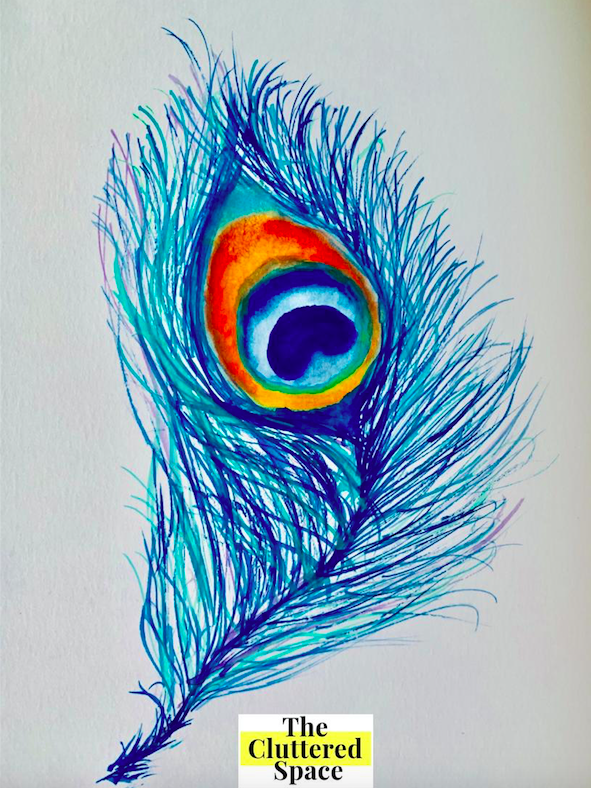
    Peacock Feather by Sneha

    I am very close to religion and nature. I feel that both of them are really interconnected. Both give me a sense of hope in days of distress. Whenever I feel upset or anxious, I pray or go out for a walk in the park to observe the trees, birds and lake. These things really help me feel lighter, thus my upset/anxious mood gets a lot better.

    I recently spotted a Peacock in the park and managed to save one of its feathers. It was the most beautiful feather I had seen, and it immediately lifted my creative spirits. I wanted to run home that very moment and capture it into my art book in my own imaginative ways.

    I also knew that in Hinduism, the peacock feather is associated with Saraswati, a deity representing benevolence, patience, kindness, compassion, and knowledge. These are the qualities that I would want to acquire to become a better version of myself, and I know my peacock feather artwork will remind me to work toward these things.

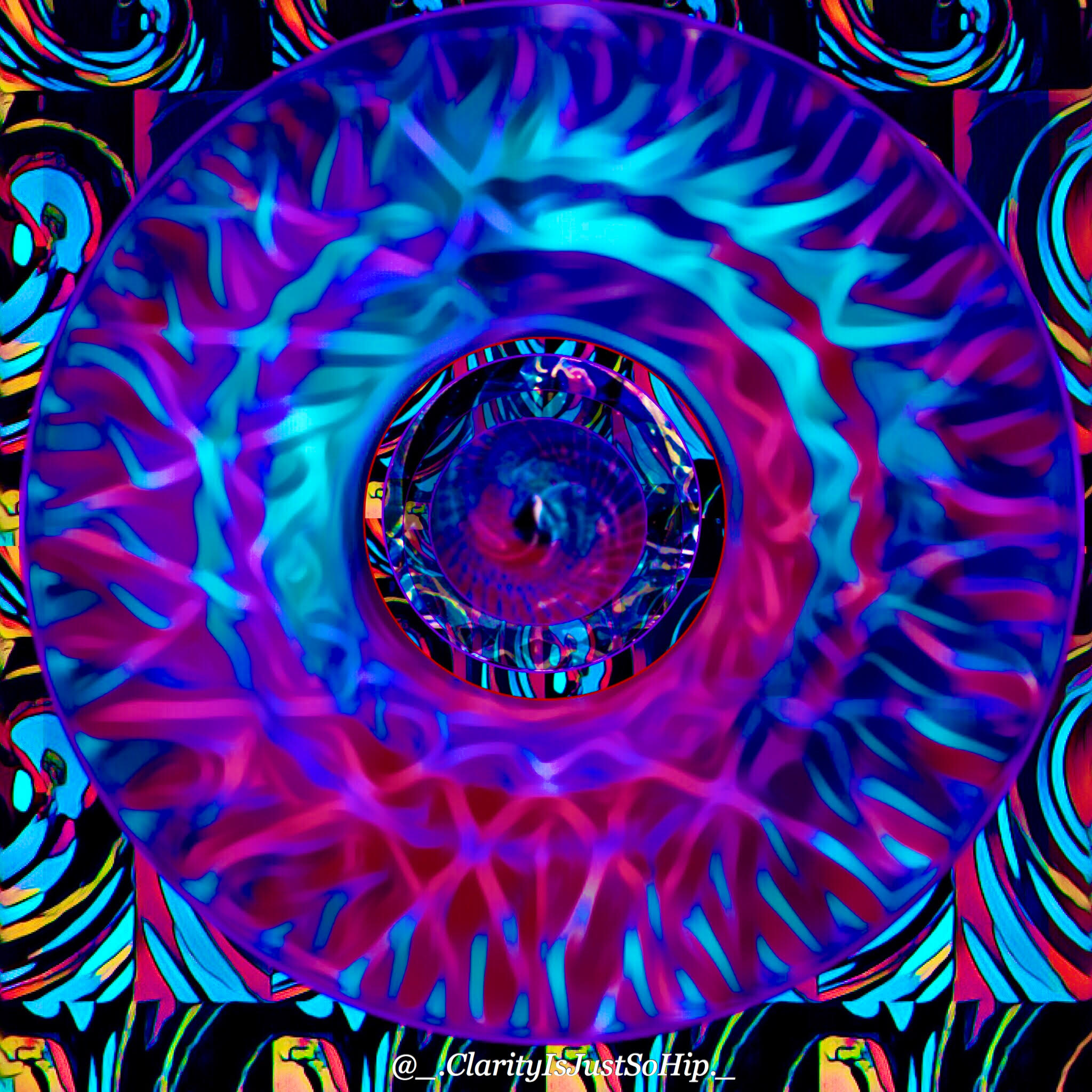
  • Karmic Eye by Claire Jones

    Karmic Eye by Claire Jones

    “Shallow men believe in luck or in circumstance. Strong men believe in cause and effect.” ~Ralph Waldo Emerson

    Understanding the workings of cause and effect allows one to make sense of life. If you understand and believe all your actions have consequences, then the common sense thing to do is to pay attention to those actions.

    This vibrant piece is my interpretation of how the invisible threads of cause and effect reverberate through the ether.

    A practicing Buddhist of twenty-five years, I adhere to the law of cause and effect or karma. I live my life grounded in awareness, clarity and presence because of this law. As practitioners of Buddhism we understand that our words, thoughts and actions will always have consequences. This perspective allows us to accept and to take responsibility for our lives and environment.

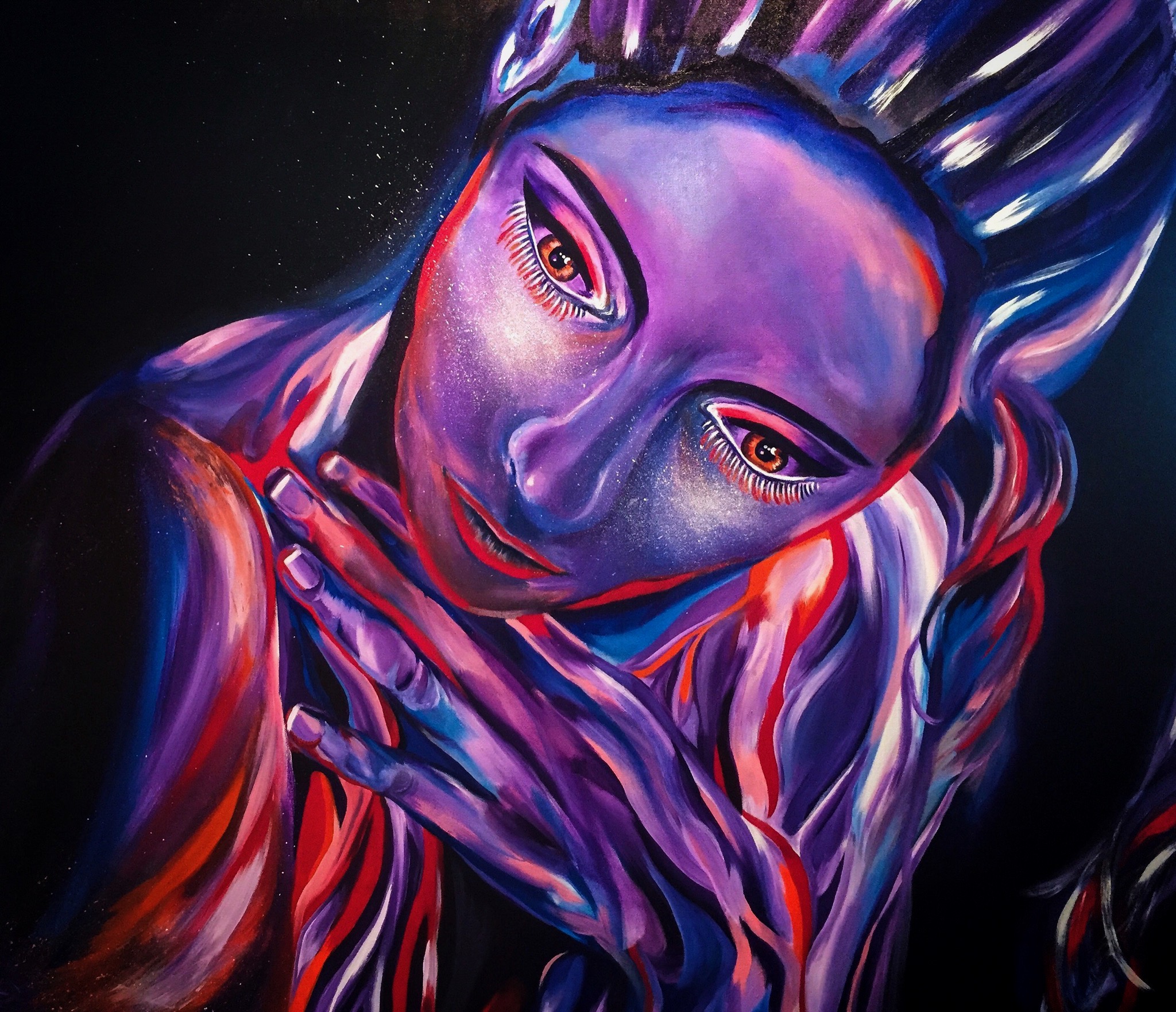
  • Lilac Sky by Jules Giancola

    (2017) acrylic on canvas, 36″ x 40″

    In my painting Lilac Sky, I use bold, vibrant colors to reflect the energy and feelings emitted by the body. In this work, color becomes a way to express an element of nature and visually creates a merge between human emotion and the natural environment.

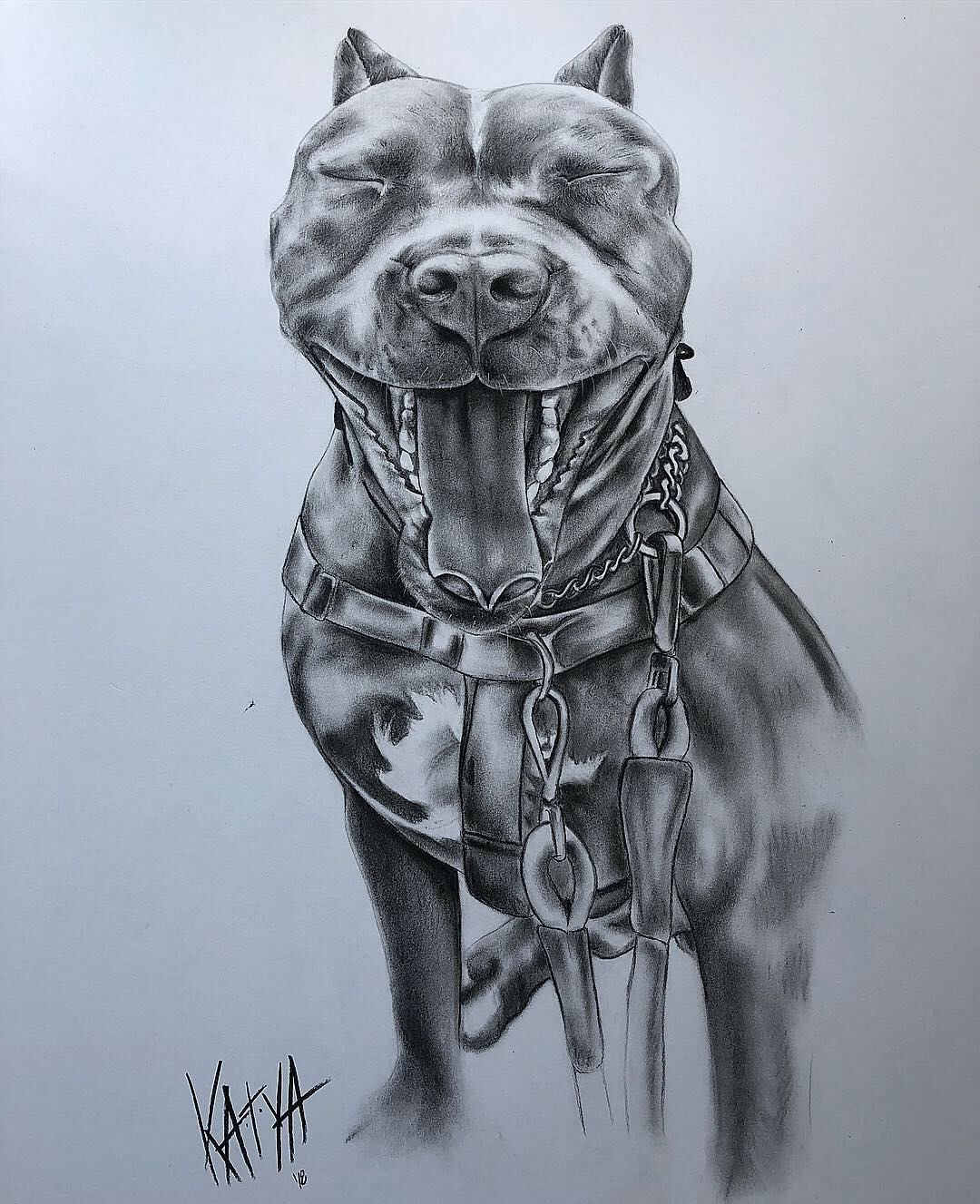
  • Happy Dog by Katya Buthker

    Happy Dog by Katya Buthker

    Created using charcoal. Was commissioned as a Christmas gift from a husband to his wife. Original size was quite large at 19in x 24in.

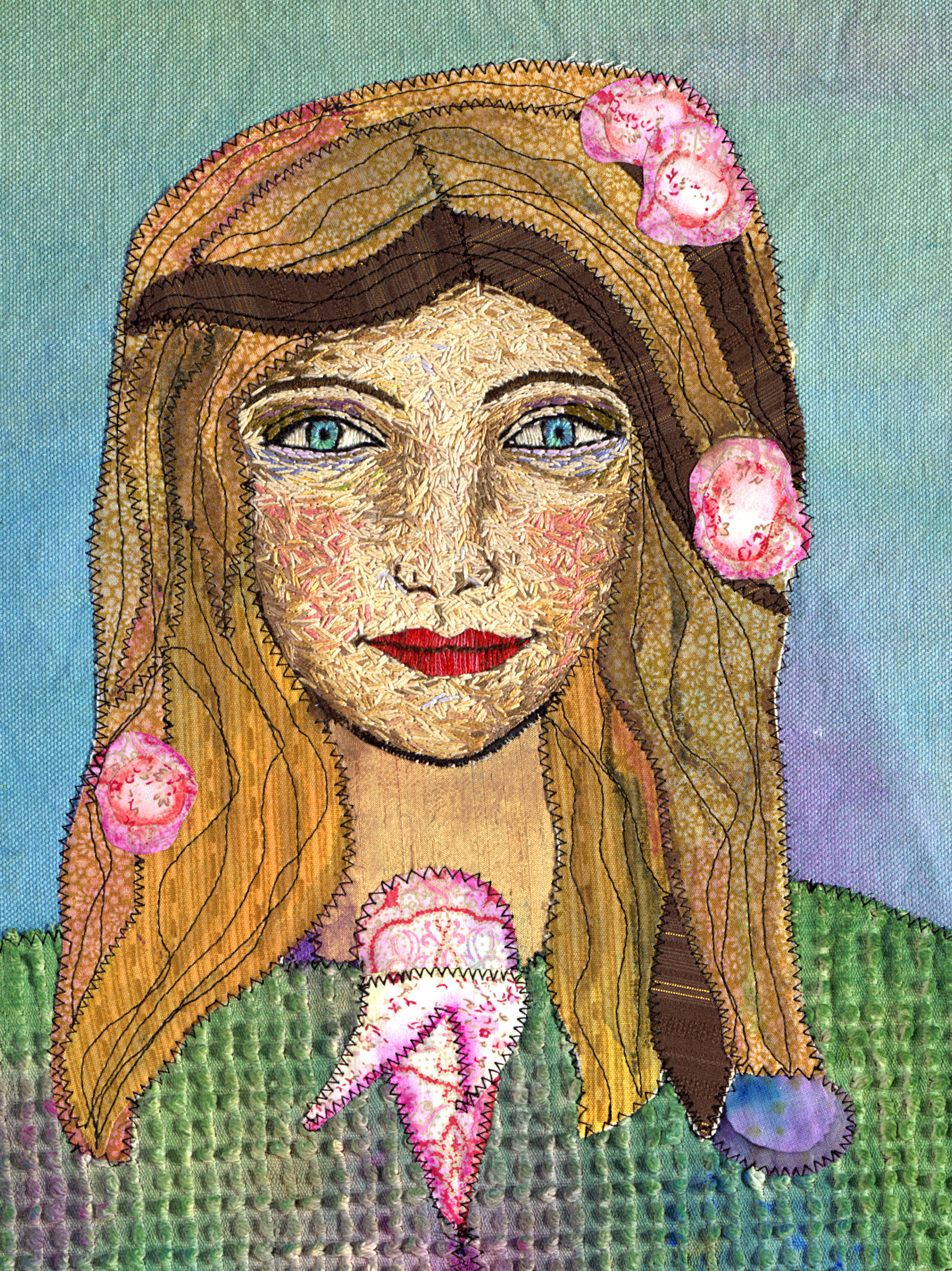
  • Lady Lullaby by Karen Payton

    Made from hand embroidery and applique
    “May lady lullaby sing plainly for you soft, strong, sweet and true” (from Crazy Fingers, Grateful Dead)


    A little about my process:

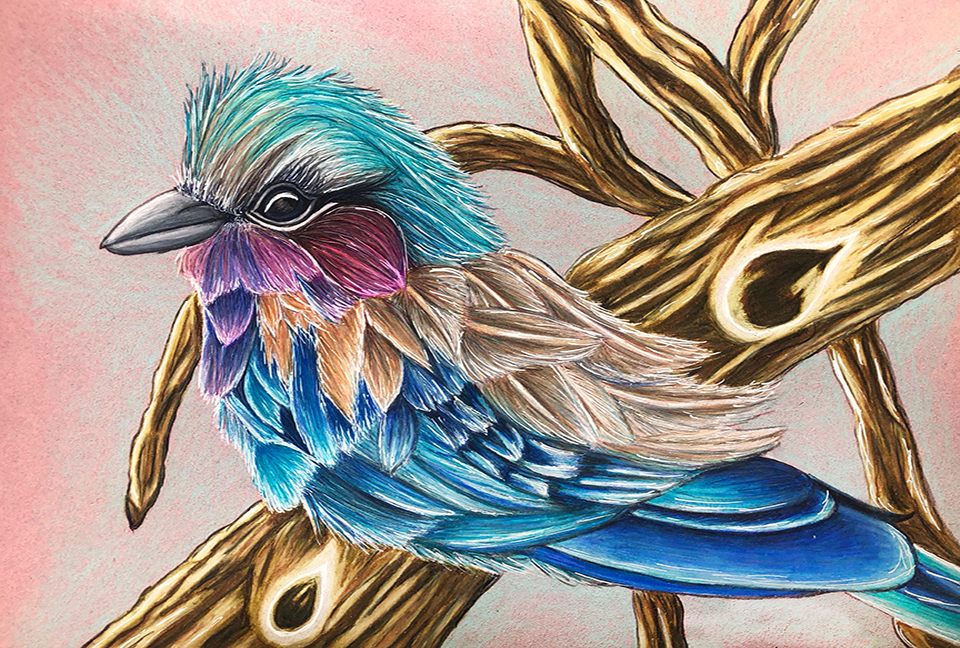
  • Lilac Breasted Roller by Sheri Norlund

    Lilac Breasted Roller by Sheri Norlund

    Medium: Colored Pencil and Acrylic Paint
    Size: 9 in. x 12 in.

  • How Creativity Heals Us and Why It’s a Gift to the World

    How Creativity Heals Us and Why It’s a Gift to the World

    “Creativity is the way I share my soul with the world.” ~Brené Brown

    I wrote a poem today for the woman I love(d).

    Just a few weeks ago, I fully believed she was the one I’d be with forever. Love forever. My heart was open so deep and wide to her. We talked about marriage and living together in the woods, making art, and being a family.

    Then things got tough. We talked, we tried, we read books, jetted our intention out into the universe. But we just couldn’t keep it together.

    There was so much pain. But also so much love. There were no lies; there was no betrayal. There was lots of kindness and understanding, attempts at consciousness and empathy. It was really hard, and my heart broke. But it’ll be okay. Just a very different road than I had anticipated.

    After a few weeks we’ve come together again as friends. Really good friends. As she said, “I want to be the best ex-girlfriend you’ve ever had.” And so far, she is. Truly.

    She challenged us to love each other as much as we can while not being together. It’s a big ask. A deeply spiritual question that pushes boundaries of everything we think we know about who we love, why we love, and what we expect in return.

    Tomorrow is the anniversary of the day we met.

    As you might imagine, my poet heart is full of love, hurt, conjecture, compassion, and the mystery of it all. And that brings me to my point…

    Creativity is not a luxury item.

    Writing her some verses about what we had, what we dreamed, and what we’ve become, helped me to clarify my thoughts and feelings. It helped me see into my own truth.

    For anyone who feels compelled in any way to activate and engage with their creativity, it really is so much bigger than it appears. Here’s why…

    Creativity helps us to be seen.

    There are something like seven billion people running around on this planet. Whether you’re driving down the freeway, walking the streets of your city, or tapping around online, it’s easy to feel lost. To feel invisible, inconsequential. It’s a big world.

    When we create something—whether it’s a one-woman show, a video animation, a poem, a song, whatever—we’re taking what’s inside of us and stepping it out. Now it can be shown or heard. Now it can be experienced, transmitted. Now it can be shared.

    When it’s shared, parts of us that were once invisible, hidden, obscured, become known.

    Perhaps you’ll get your fifteen minutes and become popular with the masses. More likely, it’ll be with your extended gang or just a few close people. And sometimes your creation will only be for yourself. Even if no one else checks out your work, it’ll still help you to see yourself. Become better known to yourself. Understand more deeply who you are.

    This is big.

    Creativity helps us express ourselves.

    To be expressed simply means moving from the potential to the actual. A dancer that sits in the corner is not expressed as a dancer in that moment. A chef that heats up a can of soup is not expressed as a chef. You get the idea.

    As my poetry teacher in college said, a poet is not someone with a book of poems on her desk. It’s not someone with a teaching gig or a fat resume. A poet is someone who writes poems.

    This may seem pretty obvious, but it goes deep. As humans, our true potential is nearly limitless. Based on the choices we make, the chances we take, and the efforts we put in, our lives move forward in whatever trajectory we choose. We will essentially be expressed in various ways as the result of our choices.

    Creativity, in whatever form we desire, helps us become who we are. Dancer, poet, entrepreneur, singer, artist, dad, friend, teacher, lover, whatever. It’s your choice. Your effort. Your path. However you choose to express becomes your life.

    This is big.

    Creativity helps us to heal.

    There are plenty of ways to heal. You can see a therapist, dig into some meditation, go on a solo voyage around the world, talk to your pals, hit up a sweat lodge, or go on a fantastic inner journey. It’s all good. Whatever’s right for you is right for you. But there’s at least one key difference in using creativity to heal.

    When we create something, it moves from the internal (an idea) to the external (the expression). Unlike a meditation or a visit with the therapist, our struggles and our catharsis can now be shared.

    I wrote a screenplay called PANACEA’S DREAM about a shaman and scientist who develop a pill that cures any illness. It works, but nobody really knows why.

    Thematically, it’s about the duality between faith and science. This is something I’ve grappled with my whole life. But now, these questions play out through my characters. I’m healed in ways by writing this narrative because I can now integrate the separate parts of myself. I can now see and have empathy for the skeptic within as well as the spiritualist who relies on faith alone.

    Anyone who reads my screenplay or sees the movie will get some kind of benefit from it. Perhaps stir up some questions. My expression can be shared. Unlike that trip to the therapist or the sweat in the lodge.

    So creativity helps us to be seen, expressed, and healed. This is fantastic! But I just recently had a bit of an epiphany and tapped into a deeper truth while talking with my old love.

    Being expressed, healed, and seen is actually a service to humanity. A gift to the world.

    When we are expressed, we become who we truly are.

    When we are healed, we become better versions of ourselves.

    When we are seen, our truth and goodness shine in the world.

    And when we express, heal, and shine, we help others to do the same. This is big. Really big.

    Tomorrow I’m going to take my own advice. I’m going to give my old love her poem. And love her with everything I’ve got in my heart (even though we’re not together). I’m going to express, heal, and be seen in ways I cannot speak.

    Creativity is not a luxury item.

  • 3 Steps to Rocket Your Creative Dreams into the Stratosphere

    3 Steps to Rocket Your Creative Dreams into the Stratosphere

    “Do your art every day, no matter how crappy your day is.” ~Ksenia Anske

    I was definitely the weird kid. The boy who played with invisible friends out there on the playground during recess. I had what you might call “a rich inner life.”

    I guess that’s expected when you’re in grade school. All cool. But as I got older the world began to get unkind. Like the day I realized the stories in my head weren’t really real. Or when that jock guy called me an “art fag” in front of everybody. Or when all the girls said I was weird.

    By junior high I did my best to hide my creative heart. It was far too vulnerable. So guess what. I was never really seen. Not in the hallways or the classrooms or the cafeteria. Not at home. Not anywhere. It was just too f’ing scary.

    During my college years I finally began to crawl out of my shell. It was always a struggle. I often dealt with it through poetry or lyrics to songs I was writing.

    Uptown

    by Electron Love Theory

    I go uptown, ‘cause there’s a fire in my head

    I do downtown, ‘cause there’s no one in my bed

    I go around town to try to find a friend

    I go inbound because I must defend myself

    Eventually I connected with plenty of other creative types—secret poets, guitar gods, heavenly painters, misfit photographers. I learned to embrace my weirdness. My creative flow. The strange and beautiful words, images, and music that poured from my soul. Over time I became less afraid. I practiced my crafts and began to shine my heart in the world.

    It took years and years of bloody battles (which still occasionally surface) before I could fully be who I knew I was. An artist. A musician. A writer. A filmmaker. A healer. A teacher.

    Since then I’ve won a major award for my music. I made a film about a wise and magical barista that got picked up for international distribution. Had nearly a million spins of my music on Pandora. Shot a zillion photos. Taught college students to rock. Practiced NLP. And wrote a book about how to get your creative dreams off the ground.

    Even with this considerable success my fragile heart has been battered with plenty of pain, loss, and disappointment along the way. I’ve bloodied my head from banging against a whole lot of walls (both real and imagined). Many times I’ve sweated oceans of effort without money or recognition as compensation. And that’s okay.

    I want to share what I’ve learned with you. Because through my own self-expression I’ve learned more and more about who I am. I’ve freed worlds of pain. I’ve healed shadow parts. These are the real successes.

    I know, without a doubt, that your creativity is a beacon of truth and healing. It needs to be known. It takes courage, but it’s worth it.

    Ready for the first few steps? Hell yeah!

    Step 1: Declare Your Dream

    It’s easy to spend half the day in your head. It’s kind of the default. Unless you’re really engaged in something, we tend to think. And that thinking tends to be in circles. You know what I’m talking about.

    When you’re contemplating your dream—whether it’s taking a watercolor class, building a sculpture out of gumdrops, or busting out a short film script about a vampire who loves disco dancing—it has a much better chance of making it to reality if you announce it loud and clear to your people.

    If your people are solid, they will get behind you. They will support you. They will want you to succeed. But the fact is that not everybody in the world is in the space to give you what you need. They may be lost in their own nonsense, negativity, or self-doubt. So choose your people carefully.

    What should you declare? Whatever it is, it needs to have these components.

    What exactly you’re going to do

    State your vision as clearly as possible. Make sure it’s under your control. It’s well within your control to write a movie script about a dancing vampire. It’s not in your control to sell it to Steven Speilberg. (Although it is in your control to try!)

    Why you’re going to do it

    There are always reasons why we do things. Check in to make sure you’re doing your thing for a reason that matters to you.

    Maybe you’re writing about the vampire because music and dancing saved your life (and you identify as goth). Expressing that gratitude is a big deal. Even if it’s in the form of a cheesy youtube video.

    When you’ll do it and when it’ll be done

    Important! Without a deadline your goal will quickly fall down the to-do list. So make a deadline. Better yet, make several short-term, smaller deadlines. Like having the script outline done in a month. The first draft done a month after that. And the final draft done by your birthday. So you can go out dancing to celebrate (while wearing fangs).

    How your people will know that it happened

    It is not your person or gang’s problem to reach out to you to find out if you did what you said you were going to do. It is your responsibility. This is key.

    You could announce your progress via email every Friday at 5:00. Or Sunday night. Or on the specific deadline dates. Just ask your pals to be receptive and to give you a thumbs up on your milestones. Or maybe they want to give you gold stars. Or buy you lattes.

    Declare your dream. Become accountable. Not just to yourself, but to the people who love you and want you to succeed.

    Step 2: Start Before You’re Ready

    Is anyone really ready? Hell no. I’m certainly not.

    Seven years ago I somehow landed a gig teaching college students to write songs. I don’t read music. I barely know theory. And although it’s true that I have tons of third party cred that I’m a pretty kick ass songwriter, I was freaked out and intimated by the job. But I put on my big boy pants, started sweating bullets, and walked in there that first day like I was king of the studio.

    There were some pretty huge missteps but soon enough I got a clue. Since then one of my students has won a national songwriting award. Another sang backup on a hit song. After struggling for weeks, one guy who was previously frozen with fear had a major breakthrough. He turned to me and said, “I finally remember why I love music so much.”

    We need to find the moxie to start before we’re ready. It’s good for us. And perhaps it’s even better for the people who we touch. The ones we empower with our creations. With our example of courage.

    Be bold. Start now. Before you’re ready.

    Step 3: Say “Yes, and ______.”

    Ever get the feeling that life is a bit like improv comedy? I do. Maybe it’s because I took an improv comedy class. (I wasn’t ready for this either;)

    One of the main tenets of improv comedy is to say “Yes, and ____.”

    This simply means that you need to accept reality—whether you like it or not— and then add something of value to the story.

    In an improv exercise the reality might be that we’re all waiting for the bus and it starts raining hundred dollar bills. Or the doctor comes in wearing a Homer Simpson costume. Or your lover suddenly grows six arms.

    Whatever it is, you just kind of have to deal with it. Then take the story somewhere. It’s fun. It’s an interactive game. It forces you to think fast.

    Life is improv. Sometimes it’s comedy. Sometimes it’s tragedy. But it’s always improv in one way or another.

    Accept whatever the world hands you. Then figure out how to add something interesting, funny, powerful, or helpful to it. Your life will open up. Guaranteed.

    Example:

    “Hey, friend. You’re not gonna believe this but my iPhone takes pretty good pictures.”

    “Cool! Wanna write lines of poetry on cardboard signs, ask strangers on the street to hold them up, and take photos of the whole thing?”

    It’s that easy. Say “Yes, and ____.”

    The Sweet and Tasty Wrap up

    These are simple ideas. But if you step up and into them, they’ll also become delicious. Although it may take a while to get to the good part. Like a tootsie pop.

    Yeah, it takes work, courage, and conviction. Of course it’s going to get challenging. I hope so, anyway. If you don’t feel like quitting once in awhile you probably haven’t picked a goal that’s worth doing.

    But please, please, please step into your creative dream. Whatever it is for you. It’s worth the effort.

    Expressing your truth frees your soul. Opens your heart. And heals your life. Whether it’s through story, images, performance or anything else, creativity is simply not a luxury item. It’s part of what makes us human. And part of what connects us to each other in joy, sorrow, pain and love.

    What have you started before you were ready?

    How has creativity healed you?

    What are you going to say “Yes, and ____” to?

  • The Zen of Coloring: 7 Lessons on Living a Happy, Mindful Life

    The Zen of Coloring: 7 Lessons on Living a Happy, Mindful Life

    Adult Coloring

    “The hand can never execute anything higher than the heart can imagine.” ~Ralph Waldo Emerson

    I’ve been into mindfulness for a long time but having never been much of an artist, the mindfulness coloring craze had bypassed me until recently.

    I brought a book and some colored pencils to keep me amused during a recent train trip but enjoyed it so much I’ve continued the habit—and to my surprise, the work I’ve done looks quite good!

    I’d heard that mindful coloring is good for reducing stress levels and being more present, but I found even more benefits. For example, after coloring I noticed that I had flashes of inspiration and ideas that seemed to come out of nowhere for someone not usually known for their creative genius.

    Coloring is less about passing time now and more about helping me connect to the present moment and activate the creative part of my brain. It has also taught me a few life lessons, which I’d like to share:

    1. We create what we envision.

    Life is a blank canvas; we make it what we want it to be.

    Like the pages of my coloring book, each new day is blank with potential and possibility, and I get to choose what colors I use, how, and when, and the attitude with which I approach the page or the day.

    I can spend the day creating amazing colors and fulfilling my potential, or I can complain about the blunt pencils, going out of the lines, and the many other things that may not be going right.

    2. We’re all capable of creating beauty.

    We are all capable of creating beauty, even if we think we can’t draw. I’ve spent many years believing I’m no good at art, but this has showed me I am still able to create pretty pictures, despite not being ‘an actual artist’!

    The same is true of other roles we might want to try in life. We might think we’re not writers, or chefs, or enterpreneurs—but we can do more than we think, if only we’re willing to try. We can create something beautiful if we’re willing to see ourselves in a new light.

    3. It doesn’t have to be perfect.

    Mindful coloring has taught me to let go of perfection and unrealistic expectations of myself. Like life, my drawings don’t have to be perfect. It’s okay if I go out of the lines; mistakes are just bends in the road, not the end of the road. And if I’ve really messed it up I turn the page and start again.

    On the flip side, when it goes right I’ve learned to take a moment to savor this and appreciate the beauty. Sometimes in life, whether it’s on the page and our own creation or out in the world and a natural phenomenon, it’s nice to stop for a moment and appreciate what we’ve done.

    4. Good maintenance increases effectiveness.

    The second investment I made after my coloring pencils was a sharpener. I realized you can’t draw nice pictures with blunt pencils, and keeping the implements in good shape is critical for effective results.

    The same is true for ourselves; looking after our bodies and minds and prioritizing self-care allows us to perform at our peak.

    Whatever you do in your personal or professional life, you’ll be far more effective if you exercise regularly, eat nutritious meals, recharge through contemplative practices like yoga and meditation, and get sufficient sleep.

     5. Doing things we love isn’t wasting time.

    Mindful coloring has taught me the importance of finding time to do what we love. Most people look at me funny when I say I’ve been coloring, almost as if I must have nothing better to do and am clearly not busy enough doing ‘important things’ like other grown ups.

    It’s important that we have downtime and make time not just to do the things we love, but to play and flex our creative muscles as well. For me, that’s coloring; for you, that might be dancing, playing in a band, or riding your bike.

    6. We’re never too old to play.

    The misguided belief that coloring is for kids or that there are much more pressing things to spend our time on made me realize the importance of play.

    I hadn’t colored since I was a kid. In our grown up world of busyness we have overlooked the importance of keeping in touch with our inner child, and this is how life can get dull and boring.

    Not only does play keeps this interesting, it also relieves stress, boosts creativity, and can even improve brain function.

     7. Less doing, more being.

    Most of all, mindful coloring has showed me the art of less doing and more being, which is crucial in a world of overstretched, exhausted adults.

    Mindfulness itself in any form is fabulous for returning us to the present and making us more aware. We can spend so much time going over the past or worrying about the future that we miss the present, and this is of course our lives—the moments we are in now.

    It’s too easy to let life pass us by. Mindful activities give us the opportunity to be more present.

    I would never have thought something as simple as coloring could have brought me so much insight and joy.

    Life is a lot like that—we never know what will enrich our lives until we give something a try. So go out there and create, and don’t worry about making it perfect. Just throw yourself into it and enjoy the process. And let yourself go out of the lines every now and then. Sometimes mistakes can be beautiful—and if not, you can always turn the page!

    Adult coloring image via Shutterstock

  • If You’re Scared to Share Yourself and Your Gifts

    If You’re Scared to Share Yourself and Your Gifts

    Hiding Woman

    “True happiness involves the full use of one’s power and talents.” ~John W. Gardner 

    If you’re afraid…

    …to launch your project,

    to share your voice,

    to sing in front of someone,

    to dance in public,

    to write a book,

    to show who you really are to the world,

    to ask someone out,

    to tell someone you love them,

    to try something new,

    of what other people will think of you…

    if you’re afraid of any of these things or more, I have three simple words for you:

    Do it anyway.

    Do it anyway! Isn’t that liberating? Come on, isn’t it kinda?

    You don’t actually have to overcome your fears to do any of the things you’re afraid of. Every single time you become conscious that you’re frozen from fear you get to make a choice. You get to choose to continue to be stuck or you get to choose to move through the fear.

    Moving through the fear does not mean that fear is going to go away. And let’s just be clear here: trying to be fearless is a waste of our time and energy.

    Trying to be fearless is an attempt to make it easy to do something that feels difficult. It could also be called avoidance. Instead of avoiding, you can choose to feel the fear right now and do what you need to do in spite of it. Yes, it’s going to feel scary. But so what?

    If we want to focus on how things feel for a minute, let’s think about this deep desire you have to share your art. (When I say art, I’m speaking about your gifts, your service, the thing that your soul is screaming to share.)

    So, you have this deep calling to share your art but there’s also this other part of you that is afraid. So you think about all of the reasons you’re scared and you analyze them and you go back to your art and you try to make it more perfect so you can squelch any potential haters.

    Then it’s time to share and you get scared again, and this cycle goes on.

    This might look a little differently for you.

    You might just be frozen in fear. You might be so scared you haven’t even started your art. You might be avoiding it. You might be perfecting it, so convinced that a true artist spends a lifetime perfecting something when you’re really just scurrrred. Yes, you are.

    And all of this that I’m describing, all of it spells out A.N.X.I.E.T.Y. So let’s take the power out of fear.

    So let’s take the power out of fear. If we do it anyway, if we launch the project, if we stop perfecting, if we take any kind of leap that feels risky, we’re telling fear that its voice doesn’t hold any weight.

    Isn’t that more fun than all of the anxiety around avoiding the leap? Just jump. It’s the most difficult and yet the simplest thing you can do. And the trick is that once you do it the first time, it gets a little bit easier to jump the next time.

    One of my favorite Paulo Coelho quotes is handwritten on a chalkboard in my kitchen. It says, “No matter how you are feeling, get up every morning and prepare to let your light shine forth.”

    I write a lot about the fleeting nature of feelings. They come and go. They’re not stable. They blow with the wind. So yeah, it would be lovely to be stoked to share your gifts with world. But the truth is that when it comes to being seen and heard, most of us are scared, and most of us are scared of what other people think.

    What other people think about your work is none of your business. Your business is listening to your soul and abiding by it.

    Your business is connecting with the depths of yourself and living a life so fulfilling that there could never be such a thing as regret.

    Your job is not to worry about someone else, change yourself for someone else, or stifle yourself out of fear of someone else.

    And let’s just shift our perspectives a bit. We spend so much energy worried about whether people will misunderstand us, dislike us, or mistreat us. The truth is that most people are supportive. Most of the people we fear will surprise us and say, “Hey what you’re doing is awesome. I admire it.”

    And the very few who don’t, the ones who want to critique you instead of looking at themselves, they’re the last people you should be worrying about. Judgment comes from fear. And when someone else projects their fear onto you, it’s not worth an ounce of your energy. Keep it movin’.

    No, it’s not easy to do things that feel scary. It can be painful to show the parts of yourself that are really you. It can be really hard to hear people say mean things about your art.

    The truth is that there are really unpleasant things about being alive, but there are also things that are more important than feeling good.

    When your soul is screaming loud enough you’ll have no choice but to listen and leap. But maybe do it before then. Maybe choose to move through the fear as soon as it shows its face. Maybe do it anyway.

    Hiding woman image via Shutterstock

  • The Art of Pain: Why the Dark Times Make Life Beautiful

    The Art of Pain: Why the Dark Times Make Life Beautiful

    Couple on the Beach Painting

    “In each of us lie good and bad, light and dark, art and pain, choice and regret, cruelty and sacrifice… No one can live in the light all the time.” ~Libba Bray

    Happiness, and the quest for it, is not all it’s cracked up to be. What I mean is that I think we’re making a mistake in reaching only for happiness, lightness, good days, and good moods.

    I think that we’re restricting ourselves.

    We’re fishing in an ocean of emotions, looking to only reel in one or two kinds, throwing back the ones we don’t want without even noticing how shockingly beautiful they can be in their strange, confusing way, much like the fascinatingly mysterious fish of the deep sea.

    There was a long time in my life when I wanted happiness, so I avoided pain. I wanted to call myself brave, so I didn’t admit I was afraid.

    In my search for joy, I pushed away the other emotions I didn’t like, thinking I’d be left with only happiness.

    But something was still wrong. I wasn’t full. By denying myself the plethora of emotions and feelings we, as human beings, are supposed to experience, I was only connecting with myself on a surface level.

    I spent many of my days trying to achieve a persistent state of peace and happiness, and I wasn’t being honest with myself.

    How could I just be happy when my heart was broken in two? When my own dad wouldn’t talk to me anymore? When I was uncertain and afraid of the future and the path I decided to take.

    Yet all I wanted was happiness, and I kept pushing away anything else I felt that wasn’t “good.”

    It took me a while to realize that I didn’t feel like myself anymore. And that was because I wasn’t. I was pretending to be a flat placard of peace and joy, which isn’t very real, is it?

    I realized I was robbing my soul of all the emotions and feelings and desires it should have.

    Every feeling and all the changes we go through become precious when we realize they are all necessary, and they create contrasting beauty in our lives.

    Would you rather be happy, or would you rather be full inside?

    Happiness is fleeting. It flits in and out of our days like a bird, singing a beautiful song that we want to revel in all our life, for one moment while the sky is blue, not to be found on the days with dark clouds, heavy winds, and gray skies.

    But fullness—that is deep in our soul. When we have that, it never leaves. Fullness encompasses everything. It’s what allows us to be fully human in all the raw, real ways.

    We need the contrasts that fullness, not just happiness, provides us. How else can we know true joy if we have never known sorrow? How can we feel and trust the deepest kind of love if we have never felt heartbreak?

    In art, this is called chiaroscuro. It’s the play of light and dark within a picture, the idea that you need dark shading on one side in order to notice where the light is supposed to hit on the other.

    I believe that art reflects life.

    I think that by suppressing emotions we don’t like, such as fear and uncertainty and pain, we are taking away the shading of our own image. We’re denying ourselves the beautiful picture that needs the contrasts and shadows in order to be complete.

    Sometimes, two seemingly conflicting emotions can fit together and coexist. Have you ever felt that? Maybe you have pain inside you that you suppressed, and suddenly another person finds a way to gently bring it to the surface.

    That person and their kind eyes bring warmth to your heart, even while the pain is being laid bare.

    Happiness can fill your chest and sadness can well in your eyes until they are entwined in a beautifully poignant harmony. This is chiaroscuro in its most desired form—the shadow contrasting with the brilliant light, creating a depth and fullness that couldn’t be reached any other way.

    Don’t ever think that being so paralyzed by fear you don’t know how to take a step, or feeling angry and betrayed, or sobbing while your heart is in shreds, or feeling lonely or confused or uncertain or whatever you feel, is wrong or not good.

    It’s your shading, your shadows, making up the complete, beautifully exquisite image of your soul and your life.

    Couple on the beach painting via Shutterstock