Tag: alcoholism

  • 10 Easy Responses to Use When People Ask Why You Aren’t Drinking

    10 Easy Responses to Use When People Ask Why You Aren’t Drinking

    Embracing the holiday season can sometimes mean embracing alcohol with gusto… or not. Fortunately for those who choose the former, “Dry January” has caught on over the years and it’s a fantastic concept. Going through a refresh is a perfect way to rid the toxins and melt the bloat away.

    I’d like to throw out a radical idea, or should I say a radical self-care opportunity!

    How would your holidays feel without alcohol?

    You might gasp looking for a chair to sit down as you frantically wonder how on earth you would get through the parties, relatives, house guests, and cooking without the comfort of your old friend Chardonnay or Mr. P (Pinot Noir!)

    Before you race to the fridge confirming you have enough Prosecco from the stress of the idea I just offered up, please stay with me! I’d like you to try an exercise my community members often call their favorite strategy in tweaking their relationship with alcohol.

    Imagine it’s Christmas Eve. What if you decided not to drink?

    How would you feel going to bed knowing you wouldn’t be waking up at 2am for water and aspirin?

    Would it feel inspiring to know the next morning would be one where perhaps you might see the sunrise or get up before everyone else to read or bake cinnamon rolls as a surprise?

    How marvelous would it be not to feel hung over, exhausted, and impatient with your loved ones? What would it mean for them to experience you as truly calm and present in conversations?

    I often say four hours of no-alcohol-infused sleep is far better than ten hours of drunk sleep. Yes, you may be tired in the morning even if you don’t drink, but oh my goodness, how good it feels not to layer on the fogginess and headache!

    Now, let’s flash forward to New Year’s Eve. Envision that instead of popping open another bottle of champagne at midnight, you created a sacred ritual for yourself and loved ones. A beautiful and energetically calm meditation space with candles, wishes written out for the new year, tea, treats, and cozy blankets.

    As the clock strikes midnight your wishes for the 2022 are released to everyone and everything in the universe as you breathe with eyes closed and smiles wide.

    You might be sighing with a sense of pleasure looking at this vision.

    The voices in your head, however, may be slowly speaking up the concern of “But what will everyone think if I’m not drinking? Will they put me on the spot in front of others, and what will I say? Will the events be boring or worse yet, will I be boring? How will I handle the overwhelm and/or social anxiety without my ever-faithful wingman called alcohol?”

    When someone in my community complains about certain friends or family being nosey about why they aren’t drinking, I smile and say, “it’s not about you… it’s about them.” It’s been my experience when people make the fact that you aren’t drinking “a thing,” it’s simply because something within them, consciously or subconsciously, is calling them to examine their own relationship with alcohol.

    I should know. Back when my drinking habit was a few glasses of wine every night in addition to a martini or two on the weekends, I was hyper aware of who was drinking, what they were drinking, and how many drinks they had had. It gave me anxiety when someone was still on their first glass of chardonnay while I had already gulped down a Manhattan and on to my second.

    When I decided to go on an extended break from alcohol during quarantine, it was easy peasy to sail through the weekends and happy hours pleasantly content in my nightgown with Netflix. It was not as simple, however, when the small outdoor picnic dinners with friends started that summer.

    I was thrown back into the “real world” for little bursts of time, and it was humbling. I experienced anxiety around the thought of people judging me, talking about me, wondering if I “had a problem,” and so on. I was worried life would be boring, or more importantly, that I would be boring.

    Little did I know the exact opposite would come to fruition. Life, and I, became more colorful, brighter, happier, calmer, and more present. Still, however, it helped to have a few scripts in my back pocket for when I was caught off guard with the out-of-the-blue question around my beverage of choice.

    Recently, I posted a list of responses for that awkward moment at a dinner party or event when someone says (oftentimes in front of others) “Why aren’t you drinking?” I thought my “Live More Drink Less” members would find them helpful for future use. Instead, I was happily surprised when the comments started rolling in about the responses they already use, which I must say are far better than the ones I created!

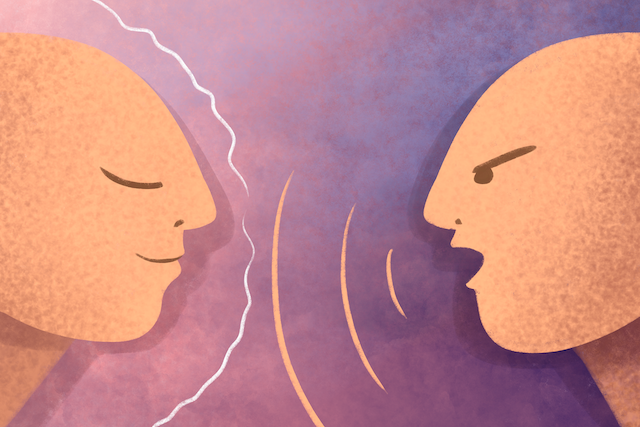
    The reality is, just because someone asks you a question does not mean you owe them a response. You do not need to explain anything you are doing for the well-being of your mind, body, and soul.

    However, if you are more into mocktails than mojitos and seriously dread the curious comments, here are some great comebacks that will end the discussion around your drinking, some that may bring a giggle to you and others in earshot.

    1. It makes me drowsy, and I don’t want to fall asleep in your arms right now.

    2. I’m driving.

    3. Alcohol is just not something I am attracted to at the moment because it wakes me up at 2am with a dry mouth and headache.

    4. I’m doing a self-care program and it includes the release of alcohol, and I don’t want a hangover stealing my joy tomorrow.

    5. It fuels my anxiety and steals my peace.

    6. I like to get up early to see the sunrise.

    7. It’s more fun for me to create alcohol-free memories.

    8. “Wine Face” is not my friend. (Otherwise known as dark circles under eyes, puffy face, bloodshot eyes, etc.)

    9. I make decisions for my Saturday nights based upon how I want to feel Sunday morning.

    10. Because… I… Am… Not… but thanks for asking, Nosey Posey 🙂

    If, at this moment, you are feeling inspired to do a hangover-free holiday, that’s your soul speaking to you. Are you ready to listen?

    Taking a break is not about taking anything away but instead putting so much more into your life. Even just a short break from alcohol can create a ripple effect of joy, success, and well-being throughout the year.
  • How I’m Healing from Codependency After Growing Up with an Alcoholic Parent

    How I’m Healing from Codependency After Growing Up with an Alcoholic Parent

    “The only person you can now or ever change is yourself. The only person that it is your business to control is yourself.” ~Melody Beattie

    In 2019, I decided to leave my marriage and start over. Although my relationship with my ex-husband brought deep pain and many months of suffering, I felt content with my decision.

    In a short time, I began to feel great. I developed a healthy routine, exercised regularly, began meditating every day, spent time in nature, maintained healthy and deep connections with people, and tried to focus on the positive.

    For a few months, it seemed to be working. Until I met a man and got emotionally involved with him. I realized then I’d really been living in denial.

    The moment I began dating or seeing someone more intimately, my life felt unmanageable. Suddenly, I would abandon my daily routine and spend days preoccupied with what this person was doing or why it would take them thirteen minutes to respond to my message. I’d become obsessed and wonder, “What’s wrong with me?”

    I was quick to throw a tantrum to create more drama and fights. In some twisted and weird way, it felt exciting. I had something to resolve and take care of. I was feeding off the extreme lows and highs with people I dated.

    As an adult child of an alcoholic, I didn’t understand what it meant to be addicted to excitement, as stated in the famous laundry list. Now I do.

    My need to control the other person, the fear of abandonment, my obsession over people’s feelings, and my desire to fix their problems while ignoring mine brought an unbearable pain I couldn’t ignore anymore.

    It all broke down this year. I met someone who once again triggered my codependency and challenged my trauma wounds. Shortly after we started talking, I began to feel crazy again. Constant anxiety, fear of loss, desire to control and manipulate situations, were coming to the surface until the relationship ended. Another failed attempt to be in a relationship.

    What followed was intolerable emotional pain. I never felt so lost in my entire life. I couldn’t function properly, I couldn’t eat, I couldn’t work, and I was paralyzed by desperation, hopelessness, and loneliness.

    Meanwhile, somewhere between my pain and inability to see my worth, I broke through. 

    For the very first time, I was forced to feel my emotions. Although it felt brutal at times, I was at least feeling. The pain cracked me open in my core and didn’t allow me to numb anymore. Anger, worthlessness, guilt, shame, fear of loss, the pain of believing I am hard to love—it all came pouring out full force.

    Who would have ever thought that a broken heart, or at least what I perceived as a broken heart, would uncover my codependency and lead to emotional healing and more authenticity?

    For the next couple of months, I would come home, lie on the floor in the middle of my bedroom in a fetal position, and brace myself for the emotional outburst that was about to come. I was processing and releasing my emotions, and there was no coming back.

    I would breathe heavily and cry uncontrollably for days and weeks to come. I would cry at work, at the store while picking avocados, when I was falling asleep, or watching a TikTok video. It didn’t matter. For the first time in my life, I was feeling my feelings and didn’t push them away.

    Honestly, I wasn’t quite sure what was happening. I had no logical explanation for this emotional rollercoaster until I talked to one of my good friends, Gaia. She mentioned a book she was reading, Codependent No More, and suggested I check it out.

    I never considered myself codependent. By definition, I was the opposite of it. I had my apartment, paid my bills, lived on my own, worked while building my business, and took care of myself.

    However, I decided to give it a shot and read it. What followed was epiphany after epiphany and a few A-ha moments. I began to understand why I felt crazy when entering any intimate relationship or a possibility of one. I began to see how the pain from my codependency allowed me to open up.

    As I was sitting in my studio apartment while contemplating everything I’d learned and now understood about codependency, I knew that this was about to significantly transform my life if I did the work and didn’t stop.

    Living with a person with chemical dependency shapes you into a control freak with unhealthy survival mechanisms. Codependency is one of them. The only way to change is to be willing to face the truth and commit to deep inner healing. 

    So, the question was, “What is the next best step I can take right now to heal and recover?”

    At first, I needed to take personal inventory and be honest with myself. Who am I? What are my toxic traits, and when does my codependency step in? When do I manipulate people? Am I trying to fix people’s problems to increase my value and prove my worth? How can I stop doing that and rely on myself for approval and validation?

    I remember the day when my mum called and let me know that our dog, Aida, had suddenly passed away. Shortly before her call, I’d had one of my emotional relapses and picked a fight with a person I was seeing at that time. I then used this disturbing news and my sadness as a tool to manipulate the other person. The victim façade I put on made them forget about my toxic behavior and feel sorry for me instead. What can I say? Manipulation at its best.

    Honestly, it was not easy, admitting to myself that I manipulated people, that I was emotionally dependent on them and wanted to control them. This was not the type of resume I would want to show around, but at least it was real.

    I was standing in my authenticity, and it felt incredible.

    Once I became aware of my behavior, it was time to forgive.

    The tricky part about growth and healing is that once you become aware of your shortcomings and trauma sabotaging techniques, it is easy to move from practical awareness to self-judgment. 

    So, I needed to forgive, forgive, and forgive some more. Therefore, I incorporate forgiveness into my meditation practice. I didn’t understand how utterly guilty I felt until I sat down to practice forgiveness through meditation for the first time.

    After I closed my eyes and said out loud, “I forgive myself,” I had to pause the recording. My emotions came pouring out. It felt as if I had been holding my breath and finally exhaled after many years of keeping things inside. The guilt and shame came washing over me, and I began to release them.

    I finally gave myself a break and instead of harsh judgment and criticism, I offered myself acceptance and empathy.

    One of the most common patterns of codependent people is that we constantly feel guilty and not enough, and we limit ourselves from anything good or loving since we don’t believe we deserve it. The only way through this madness is to use compassion and understanding toward what we have done or who we believe we are. It’s about empathizing with our past, becoming aware about what happened to us and the impact it had.

    No one is born to manipulate and control. It’s not who we are. It’s who we become as a survival mechanism. We adopt these toxic traits until we are brave enough to look in the mirror, admit to our mistakes, and break our patterns. And the only way is through self-forgiveness.

    I started to work the 12-step program for codependents. I also learned that recovering from codependency is a journey, not a destination. Healing codependency is about self-control, constant self-care, practicing detachment, surrendering, and developing a healthy relationship with power.

    As I learned from Melody Beattie, an author of numerous books on codependency, recovery is the only way to stop the pain.

    Growing up in a household with chemically dependent people or in a home that doesn’t provide safety and proper nurturing, you may develop an unhealthy relationship with power as a coping mechanism. You may believe that if you can control and predict everything and fix people’s problems, you’ll be fine. You’ll be in control. You’ll be loved and enough.

    But the only thing you can fully manage is yourself. Any time you try to control things or people, you’ll experience pain when they don’t meet your expectations. As you may already know, people do what they want, and many situations don’t play out the way we envision. 

    One of the biggest lessons I’ve learned this year is to find my power by looking into a mirror. Stopping the pain is about practicing detachment, letting go, working on my recovery to overcome the fear of loss and abandonment, and giving myself as much love as I possibly can.

    The need to control often results in desperation that brings suffering, while practicing detachment and caring for yourself brings peace and allows healing.

    Today, I say with confidence, “I am codependent.”

    I am aware that to live healthier, I must stay truthful to my recovery. Sometimes I win, and sometimes I fail. Over time, there will be fewer losses and more wins. It comes with practice. I am mindful of the emotional and mental relapse that comes with the process. I know that I will fall into my old patterns and then struggle to get back on track.

    However, I know I have the power to make different choices. When things seem to fall apart on the outside, it’s time to go inside, feel, process, and forgive. That’s my new way of life. Although it challenges and triggers wounds I need to heal, it gives me hope to believe those good things can happen for me too.

  • The Profound Joy That’s Possible on the Other Side of Addiction

    The Profound Joy That’s Possible on the Other Side of Addiction

    “When you do things from your soul, you feel a river moving in you, a joy.” ~Rumi

    As I stood on the doorstep of that rehab facility, I felt completely empty except for the overwhelming weight of anxiety and shame. In that moment, I wondered what all the normal people were doing today. How did they cope? And how was it that I couldn’t hack life and that things had spiraled so far down?

    It’s hard to admit you have a problem. To be honest with yourself when you’ve numbed everything out for so long seems ridiculous. To finally share it with the people around you is also daunting for so many reasons, not the least of which is actually having to give up your most trusted coping mechanism.

    At that doorstep, I felt at some strange in-between place. On one hand, I knew I had to leave the past behind me, and yet my future was something I couldn’t even begin to imagine. I had no wish for the future. No agenda. I was just desperate.

    What had led me here was a brutal struggle with alcohol that had consumed my entire life. I had spent years trying to meet everyone else’s expectations and maintain the illusion of perfection in order to feel loved and accepted. I had never learned to feel my feelings or cope with tough situations in healthy ways, so when faced with uncomfortable emotions and circumstances, I numbed myself out. But this came at a huge price.

    My job hung in the balance as did my closest relationships. And I couldn’t remember what it felt like to experience joy because you can’t selectively numb emotions. When you numb any, you numb all.

    The other thing that had led me to this threshold was a very small and almost inaudible voice. I had this message that I needed to “come home” and that “I needed to do this by myself, for myself.” While I didn’t understand this message at the time, there was an odd comfort and something that got enough of my attention to get me here.

    What struck me most as I found my sea legs there was that in this setting, I could finally be honest. I could say out loud that I had a real problem with alcohol, that my life was in shambles, that I was scared and that I felt hopeless. To be seen and understood is quite possibly the greatest gift that any person can receive.

    That facility was filled with a cast of characters, but I was in no position to judge. I just saw the raw, authentic beauty of people owning up to their life thus far and genuinely trying to create some meaningful change. This was humanity laid bare. It was full of trauma and distress, and also humor, knowing, and compassion.

    We were on a tight schedule with regular urine tests, limited exposure to the outside world, and no access to sharp objects. While I physically felt incredibly confined, my heart and my mind were gaining a freedom they hadn’t had in a long time. It’s funny how that happens.

    I was beginning to feel things. I felt a lot of anger, shame, resentment, and fear. I learned that I was angry about a lot of things, including all the times I’d compromised myself to please other people. I was deeply ashamed, embarrassed, and sad that my life had spiraled so far out of control. I was also full of fear because my future was not something I could begin to imagine.

    But I also started to feel freedom and hope, and we had some seriously good laughs. (Addicts do really ridiculous things!) I began to understand that feelings are big, and I’d only ever managed them by drowning them out.

    I began to learn that when I feel these big uncomfortable feelings, I can let them move through me.  And, when I make room to feel the crap, I also make room for joy, bliss, and a lot of gratitude.

    I never thought I’d say it, but my recovery has, hands down, been my greatest teacher. When I removed alcohol, I was able to come home to a deep place within myself. I was able to make peace with her and even start to love her.

    Self-love came slowly. It felt foreign to me. But, the prospect of it had a gentle quality to it. It felt inviting and hopeful. I could look at myself in the mirror and see past the puffiness and sadness into a part of me I knew more deeply. I felt like it was possible to reclaim the parts of me that made me feel alive. I started to ask myself questions like: What do I like about myself? What activities and people would bring me joy? How do I want to show up in my life?

    I began to see that I’d put so much energy into avoiding my life, numbing out, and trying desperately to hide my addiction. I wondered what I might be able to do if I used that energy to create a life that I actually enjoyed. I also decided that if I was going to go to all of this trouble to turn my life around, I wanted to be deeply happy and create a life that brought me a deep amount of joy.

    I began to make the tiniest daily choices to be on my own side. I started to take care of myself. That body that I had ravaged, I started to treat with compassion by nourishing it, hydrating it, moving it, and letting it rest. I came to understand that it was actually wise, and not only should I listen to it, I could trust it.

    I sought out the help of doctors, therapists, energy healers, spiritual leaders, and anyone who could help me excavate everything I wanted to numb out—feelings of inadequacy, unhappy relationships, anxiety, and a deep sense of disconnection from myself—and release me to a future full of possibility. I just decided to be on my own side, love myself a little harder, and show up as my messy authentic self. That felt good, freeing and often, amusing.

    Going to rehab was one of the best/worst things I’ve ever had to do. It was the worst because it felt like a last stop. It was the best because it absolutely saved me and was a gateway to a future I never could have remotely imagined. Recovering from addiction has been an incredible gift.

    If you think going to rehab sucks, entering the real world sober isn’t a whole lot better. There are many times I remember why I wanted to numb this place out. We live an intense world that thrives on numbing out. Choosing to be mindful, conscious, and authentically happy is not for the faint of heart.

    The difference now is that I am in charge of my choices. The voice in my head is a lot more like that whisper—gentle, encouraging, and compassionate. I reminds me that I am in the driver’s seat and that the simple, mindful choices I make in every moment have a profound and transformative impact over time. How I take care of myself, how I show up in the world, and all of my intentional actions can make a very big difference.

    I realized that when I was saying “no” to alcohol, I was saying “yes” to me. I was saying “yes” to my health and vitality. I was saying “yes” to my mental health, my joy, and my peace of mind. I was also saying “yes” to the people that I loved and the kind of life I wanted to create. I was now living from a place of reverence for this human experience. Now, I wanted to celebrate it, savor it, and enjoy it.

    We all have raw material in our lives, and it’s what we choose to do with it that matters. We can let the past torment us or we can meet it, acknowledge it, and choose to create a different future. We can breathe life into this new way of being.

    Today, I make my well-being my top priority. I try to infuse my moments with joy. For me, this means simple things like listening to music I enjoy, getting outside, wearing my favourite color. It also means doing things that bring my mind, body and spirit joy—these things include yoga, meditation, journaling, getting a good night’s sleep, and drinking lots of water. I’m also sure to surround myself with good people. I believe that joy is a choice, and we need to open our hearts and our minds to let it in.

    Recovery is possible, and so is joy.

  • 10 Reasons Why I Ditched the Drink & What Happened When I Quit Alcohol

    10 Reasons Why I Ditched the Drink & What Happened When I Quit Alcohol

    “When I got sober, I thought giving up was saying goodbye to all the fun and all the sparkle, and it turned out to be just the opposite. That’s when the sparkle started for me.” ~Mary Karr

    Growing up I thought alcohol meant adulthood. As a child I eagerly watched the cacophony of advertisements, commercials, TV shows, and movies swirling, mixing, swigging, sipping, and smelling those delicious drinks that the beautiful and the sexy preferred.

    Alcohol was literally the forbidden fruit—a mystery and an abomination that not my parents, nor anyone in my family—really had anything to do with. I assumed this was due to my family’s lack of class or sophistication. Wine, beer, and spirits meant pairing with palates and inclusion in the upper reaches of society. It was beyond us, and it seemed foreign and fun. I couldn’t wait to try it.

    I remember my first full beer at around twelve or thirteen. I snuck away with my best friend Mimi to guzzle a couple of Coronas in the woods behind my house. It made my head spin and we giggled, but it left me feeling confused and dirty.

    Even as a teenager, alcohol failed to prove its glory. The glamour that I’d read about in Hemingway, Fitzgerald, and Dorothy Parker’s Jazz Age novels never manifested in the desperate high school parties or back seat sessions I had available to me, so I gave it up, opting for other types of drugs like marijuana and LSD.

    Fill the Void

    I stayed busy striving academically during my years at university, so alcohol never played a starring role. I drank a few glasses of red wine on a Friday night when I cleaned my apartment and learned how to chug an Irish Car Bomb with my friends at our local pub, but it never disrupted my flow.

    It wasn’t until I graduated and started working in the “real” world that alcohol became my dearest friend. And looking back, I realize that I only get chummy with alcohol when I’m not feeling fulfilled or satisfied with life.

    I finished my degree in 2002, a year after September 11, 2001. The US economy was in a downward spiral, and I had serious doubts about my place in the world. It was hard enough being twenty-two, but twenty-two trying to find a decent-paying job with a BA in Historic Preservation was almost impossible. I landed a paying internship and then a part-time gig as an assistant archivist and filled in my extra hours working as a paralegal at my friend’s dad’s law firm.

    After a lifetime of school and four years of university, I couldn’t believe the adult life and the freedom I was promised consisted of desk work for eight hours a day that didn’t pay enough for me to move out of my parents’ house. The prestige and the career I assumed was waiting for me failed to be a possibility. My life was nothing but a rebooted version of monotony from my school age years, so I started drinking to escape it.

    I remember needing to go out during my early twenties—like needing it so bad. Staying home alone on a Friday night was akin to suicide. I had my weekend planned and sorted by Wednesday, my friends assembled, outfits purchased, and possible bars and clubs all picked out.

    I needed the release. I needed to ring out the chaos and the comfort and the elation those sixty hours away from work could bring me. I needed to dress up, go out, get as drunk and insane and wild as I possibly could to get all that balled up energy and anger out of me so I could stuff down my disappointment at life from Monday to Friday. Even when I worked a Saturday shift at a clothing boutique, I was either still drunk or hungover.

    I remember how being drunk made me feel. It made me feel alive, energetic, magnetic, magical, powerful, fun, charismatic, fearless, hilarious, untouchable, and sexy. Alcohol gave me what I could not seem to muster at all during the weekdays sober, but what I so desperately craved.

    Looking back, I see now that what alcohol gave me was an undiluted, raw version of myself. What was happening after two or three drinks was what should have been happening sober—I felt like myself.

    But years of child abuse and learning to people-please and put others first had forced my authentic self into the backroom. Alcohol was the only way I could feel like myself. But I didn’t know that then and I never stopped at three drinks. I stopped at stumbling, mumbling, passing out at 4am drunk.

    Alcohol was an escape from a life and a person I didn’t like, but nonetheless, both I had created.

    Finding Freedom

    At twenty-six, I did something radical. I cancelled my wedding to a lovely man and decided to leave the US and travel to Australia. After four years of steady alcoholism, I finally realized that the life I was living was a prison not a life.

    As soon as I made the decision to leave, I stopped drinking. I started working more and saving money. I had somewhere to go and someone to be. I wanted a future.

    By the time I was twenty-eight, I was married, in love, and pregnant with my first child. Happy and healthy, alcohol had no room in my life. It didn’t come to stay again until after my second child was born, and I realized my husband wasn’t happy. Then, alcohol settled in while I drank myself into ignorance as a mother, wife, homeowner, and business-owner who didn’t want to admit that she had again constructed a prison instead of a life.

    Alcohol kept me alive during my subsequent divorce. The pain was so severe that, looking back, I’m grateful I had something to numb it. But two years after my divorce I realized that I was thirty-eight and totally free.

    It was time to finally live the life I knew I wanted. I was old enough to know myself and know what I needed to feel creative, alive, and happy. So, on 1 April 2019, I made a list of all the things that were not actively contributing to my life. Alcohol was number one on that list.

    Now, two years after giving alcohol (and all other drugs and addictions) up, I can easily say that I am so much happier and healthier without alcohol in my life. I don’t miss it at all. In fact, I wish more people would jump on the sober bandwagon.

    If you think you might be keen to join me, consider these ten ways giving up alcohol changed my life for the better. I hope these reasons are enough to convince you to ditch the drink.

    1. I learned how to feel my emotions.

    Instead of numbing myself, I had to learn how to feel all the feels. This led to learning how to feel and clear emotions as well as deal with my childhood trauma head on. Healing my trauma was the best thing I ever did.

    When hiding my true self, I had invited alcohol into my life in an attempt to numb the pain I was carrying around in my body, but it also allowed me to be my authentic self without fear. Healing trauma allows you to present your true self to the world.

    2. I learned how to play.

    Not drinking alcohol leaves more space for you to be a kid again. Instead of sitting at the bar complaining about your problems, you are free to ride a bike, swim at the beach, splash in the pool, run, jump, explore, and learn because life becomes a wonderland again. Living alcohol-free just invites in more of those rare, beautiful, and innocent moments.

    3. I lost weight.

    Alcohol is pure sugar, people. There ain’t nothing good about it. Bad for your liver, bad for your insulin levels, and bad for your brain. Not one good thing. At forty, I am thinner than I was during my twenties when I was binging all weekend long.

    4. I balanced my hormones.

    As a female, I can attest to having very disrupted hormone levels. After quitting alcohol, my PMS symptoms drastically improved. Alcohol is sugar, which disrupts your insulin. Because it disrupts sleep, it also throws off your cortisol. Studies have also proven that increased alcohol intake increases your estrogen levels. If you want balanced hormones, say goodbye to alcohol.

    5. I slept better.

    Alcohol massively disrupts REM sleep. Take a few nights off from your evening wine and see how well you hit the sack. While we mistakenly believe alcohol relaxes us and eases stress, it actually has the opposite effect. Not getting proper deep sleep leaves you feeling worse and worse.

    6. I saved money.

    Alcohol is expensive, and when you’re drunk you want more and will stupidly spend it. Saving money creates the actual freedom you seek. Not going out to bars and sipping on fancy cocktails is one of the easiest ways to save money.

    7. I developed hobbies.

    Instead of using alcohol as a hobby, I started to play tennis, learned sailing, and started up a side hustle. As a result of not drinking, I’m much more interesting.

    Quitting alcohol sadly means losing a few friends. You’ll instantly notice which friends do have alcohol hobbies. But that’s okay. Having actual friends and real hobbies is much more rewarding.

    8. I’m happier.

    I’m not as stressed, tired, worried, or angry. Alcohol seems to take away the pain of life momentarily, but it comes back to bite you tenfold the next day. Alcohol is like a health and wellness credit card. You don’t have to pay now, but you will have to pay later, plus interest.

    Not needing alcohol to numb or feel comfortable in scary situations is such a relief. My mind is clear and calm, and that brings me immense pleasure and joy.

    9. I don’t need alcohol to talk to people.

    Instead of running straight for the wine at networking events, I just sip on water and make casual conversation. I am who I am. I also try to make sure that I ask interesting questions.

    No more “So what do you do?” I want to know who you are, what you’re about, and I dig around and see what interesting facts about you I can unearth. People become much more fascinating sober.

    10. I’m leading by example.

    My kids are witnessing firsthand that their mother does not need alcohol, so neither do they. I’m sure they remember when I drank, but I also want them to see me sober.

    While I don’t villainize alcohol and I know that they will most likely experiment with it, I want to be sure that they know that they can live a happy and fulfilling life without it.

    Bottom Line and Disclaimer

    I’m not advocating for the abolition of alcohol by any means. What I am advocating for is more responsible representations of alcohol in advertising, movies, and film. Being exposed to such blatant subconscious programming at a young age gave me the belief that alcohol would add something to my life that I felt it was missing.

    And while I know that I used alcohol as medication to treat my unhealed childhood trauma, I know that teaching kids why people use drugs and alcohol would be more effective. If someone told me during my teenage years that people abuse drugs and alcohol to cover up the pain they are in, that could have changed everything for me.

    I never sought out treatment from AA because I believed my consumption of alcohol was not irregular or excessive by society’s standards. Looking back, this greatly disturbs me. I needed help. What I really needed was to heal my trauma much sooner. It took many, many years to find the right help to heal.

    If you are consuming more than two glasses of alcohol on more than two subsequent nights per week, then you most likely have a problem.

    If you need alcohol or any drugs just to get by, then you have a problem.

    Drugs and alcohol are ways for us to cope with pain. The best advice I can offer you is to seek help for the underlying issue and heal the reason why you need to drink. I wish you all the best and know that you are more interesting, powerful, and fun sober.

  • The Fascinating Reason We Sabotage Ourselves and Hold Ourselves Back

    The Fascinating Reason We Sabotage Ourselves and Hold Ourselves Back

    Sometimes we self-sabotage just when things seem to be going smoothly. Perhaps this is a way to express our fear about whether it is okay for us to have a better life.” ~Maureen Brady

    Have you ever decided to try something new—like getting into a new relationship or doing something that would help you experience success in your career/mission or offer you more vibrant health and well-being—and you were able to follow through for a bit, but then you stopped? Was this self-sabotage? Was it procrastination?

    Did you know that self-sabotage and procrastination can be survival mechanisms, and they’re actually our friends? They’re meeting some type of need, and it happens to all of us to a certain degree.

    Every behavior we do serves us in one way or another. We self-sabotage and procrastinate for many reasons, and it’s different for everybody; most often it’s coming from a part of us that just wants to feel safe.

    The key is working with these parts, not against them, and not trying to get rid of them. When we work with them and integrate them, we experience more energy, and they become a source of great strength and wisdom.

    The “symptoms” of self-sabotage and procrastination carry important messages; most often they’re a cry out from our inner child.

    Sometimes what we think we want isn’t what we truly want. Self-sabotage and procrastination may be our inner guidance saying, “Hey, I have another way.”

    Sometimes we’ve had many disappointments in the past, so our subconscious puts the brakes on and says, “What’s the use? I never win; I always lose.”

    If we’re overindulging in alcohol and food, using distracting activities, and not doing what we say we want to do, then there’s a reason. The key to healing and shifting that energy patterning is discovering the reasons and what that part of us needs.

    We often experience self-sabotage and procrastination when our unconscious needs aren’t being acknowledged or met.

    Trying to change the outer and/or push through with positive thinking takes a lot of efforting, and it often wears us out. Why? Because we’re fighting against our own biology, which creates self-doubt, self-judgment, inner conflict, fear, and insecurity. They all play together “on the same team” in that same energy.

    Most of our programming was created before we turned seven. This was when we formed our beliefs about who we are, what we deserve and don’t deserve, and how life works.

    When we want to experience something new, our subconscious goes into its “memory files” to see if what we want is “safe.” Safety can mean many things—maybe familiarity, or not speaking our truth or sharing our creativity, or using substances, like food, cigarettes, drugs, or alcohol, to numb our feelings and/or keep pain away.

    If we’ve had painful experiences in the past that were similar to what we want now, that may be the reason a part of us is procrastinating and/or self-sabotaging. Why? We have a built-in survival system, and when we’ve had a negative/painful experience, our protector part will keep that from happening again.

    We learn through the law of association, and this gets stored in our subconscious. If, as a child, we put our hand on the stove and got burned, our brain then created neurons that associated a stove with pain, so the next time we got close to a stove, we’d remember that pain and we’d be more careful.

    Our brain operates the same with physical or emotional pain. The problem is the brain may misinterpret the amount of danger we’re really in by operating on a neuro pattern that’s outdated.

    If the experience we want brought us pain in the past or we don’t feel good enough to experience it, we’ll either sabotage it or our brain will provide us with a list of reasons why it won’t happen. (But keep in mind it may not be in your best interest anyway.)

    If we found a way to soothe ourselves or find relief through addictions in the past, then we’ll automatically go back to those substances when things seem challenging if we haven’t learned how to comfort ourselves and feel, process, and express our emotions in healthy ways.

    When I was a child, my dad constantly told me, “If you don’t do it right, don’t do it at all.” The problem was, in his eyes, I never did anything right. He also told me that I wasn’t good enough or smart enough, I would never amount to anything, and I was a selfish human being.

    He blamed me for everything that happened, even if it wasn’t my fault, and if I “talked back” or shared how I felt, he either punished me or gave me the silent treatment.

    These experiences became my blueprint; I became fearful of myself, everyone, and everything, and this affected me greatly. I ended up disconnecting from my authenticity, and I became a very lost and confused being.

    The fear became so strong that if I had a thought about buying myself anything, asking for what I wanted or needed, expressing what I was thinking or feeling, or doing anything self-loving or self-nurturing, I’d self-sabotage, procrastinate, and feel anxiety and a sick feeling in my stomach.

    I wasn’t doing this consciously; my subconscious was signaling to me that wanting anything wasn’t safe because I may be punished, abandoned, or even hurt if I did any of these things I mentioned.

    As a child, I used food for my comfort and safety until age thirteen, when I was told to go on a diet and lose weight. At age fifteen I became a full-blown anorexic. Then my new comfort and safety became starving myself and exercising all day.

    From that point on, whenever I was faced with new choices or ways of being, I would push them away. I thought I was dealing with the fear of failure or not doing it right, but it went even deeper; I recognized it was really the fear of being punished, rejected, not loved, and abandoned, and to a child that’s the worst experience.

    I was stuck in an internal prison, thinking, “What’s the use of living? If I can’t be me or do anything, why even be in this reality?” This led to almost twenty-three years of self-abuse, suppression, anorexia, anxiety, and depression.

    My mom used to say to me, “Debra, you always climb halfway up the mountain, then you stop and climb back down.”

    This is what many people do: They stop before they even start, or they start something new and don’t continue to follow through, and this is because of our “emotional glue.” What’s emotional glue? Unresolved issues “buried” in us; it’s where our energy patterning is frozen in time, and it’s from where we’re filtering and dictating our lives. 

    Most often we don’t even know it’s there; we’re just living in the energy of “I can’t,” “beware,” or “it’s just not fair.” And/or we become judgmental of ourselves because we’re not able to do what we say we want to do.

    None of our symptoms are bad or wrong, and neither are we if we’re having them. In fact, “creating them” makes us pretty damn smart human beings; it’s our inner guidance asking for our attention, to notice what’s really going on inside that’s asking for compassion, love, healing, understanding, resolving, integrating, and revising.

    When I was struggling with anorexia, self-harming, depression, and anxiety, going to traditional therapy and spending time in numerous hospitals and treatment centers, nothing changed. Why? They were more focused on symptom relief than understanding what was going on inside of me.

    I was afraid, I was hurting, I didn’t feel safe in my body, and I didn’t feel safe in this reality. I didn’t need to be forced to eat and put on weight; that only triggered my traumas of being teased for being fat and unlovable when I was a child.

    I would gain weight in treatment centers and then lose it when I left; some may have called it self-sabotage; I call it survival.

    My deep-rooted fear about gaining weight, which meant “If I’m fat, I’ll be abandoned, and no one will love me,” was the driver for most of my life journey. All my focus was on controlling my food and weight.

    I was numbing and suppressing; I was existing but not living; I was depressed and anxious. I was running away from life and myself. I didn’t want to feel hurt by those negative things that were said to me, so I stayed away from other human beings.

    I didn’t want to face the hurt and pain I was feeling internally, especially the fear of being punished and abandoned again; but really, I was doing this to myself. I was punishing and abandoning myself, but I couldn’t stop the cycle with my conscious thinking.

    Self-sabotaging, procrastination, and the anorexia, anxiety, and depression, well, they were my friends; they were keeping me from being punished and abandoned. They were keeping me safe in kind of a backwards way.

    I wish I knew then what I know now—that in order to help someone, we can’t force them to change their unhealthy behaviors; we need to be kind and gentle and notice how the symptoms of self-sabotage, procrastination, eating disorders, anxiety, addictions, and depression are serving them. 

    What’s the underlying cause that’s creating them?

    What needs healing/loving, resolving, and revising?

    What do we need that we never got from our parents when we were little beings? How can we give this to ourselves today?

    When we see our symptoms as catalysts to understanding ourselves better and we integrate internally by giving ourselves what we truly need, we’re able to heal and overcome self-sabotage.

    All parts of us are valuable and need to be heard, seen, loved, and accepted unconditionally. Each part has an important message for us.

    If you’re experiencing any of the symptoms I mentioned, please be kind and gentle with yourself. Instead of feeling down on yourself for sabotaging yourself, dig below the surface to understand what you’re really afraid of and how your behavior may feel like safety. When you understand why you’re hurting yourself and holding yourself back, you’ll finally be able to let go of what doesn’t serve you and get what you want and need.

  • He Broke My Heart But Taught Me These 5 Things About Love

    He Broke My Heart But Taught Me These 5 Things About Love

    “Sometimes the only closure you need is the understanding that you deserve better.” ~Trent Shelton 

    I’ll never forget the day we met.

    It was a classic San Francisco day. The sky was a perfect cerulean blue. The sun sparkled brightly.

    I ventured from my apartment in the Haight to Duboce Park to enjoy the Saturday. Dogs chased balls in the dog park. Friends congregated on the little hill. They giggled, listened to music, and ate picnic food. Kites flew high in the breeze. Adults tossed Frisbees in their t-shirts and bare feet.

    And I sat, bundled up in my scarf, zippered fall jacket, warm wool socks, and cable-knit sweater.

    This was summer in San Francisco. I had recently moved to the city at the end of May from the east coast with steamy eighty-degree weather, and now in July I sat on a hill and shivered. The famous saying fit perfectly, “The coldest winter I ever spent was the summer I spent in San Francisco.”

    I decided to venture to a nearby café, a French café called Café du Soleil (The Café of the Sun) and warm up with a hot beverage. I loved their outdoor seating.

    When I arrived, the café was packed. Every seat in the patio and the whole place was taken, except for one free stool at the bar next to a tall, handsome man.

    I sat down next to him with my hot chocolate and commented on how crowded the café was. He smiled and agreed, no longer interested in his salad or his glass of white wine. He was interested in me instead. His eyes sparkled.

    Fireworks!

    He was an artist, a photographer. He was a creative like me. Recently, he purchased his first house in Oakland, which included a lovely garden and was close to his work at a fine Japanese restaurant. Our conversation flowed easily, but from the moment I met him, I noticed a dark cloud over his head.

    “Are you married?” I asked.

    He jiggled his left fingers to show an empty hand.

    “No. No ring,” he said.

    “Kids?” I asked.

    “No,” he said, “but I would like some.”

    Our eyes locked. He sighed.

    “But… I’ll never have kids,” he said.

    I pressed my lips.

    “Oh, I think you’ll have kids one day,” I said in a lulling voice, looking sweetly into his eyes.

    He melted.  He really saw me. His eyes were full of adoration, love, and awe.

    We started dating immediately. It was fun and easy. He came to see me perform in Berkeley and I visited him in Oakland (in Fruitvale where he lived), where it was warmer and sunnier. He cooked me meals at his home with fresh fish and vegetables from his garden.

    Hummingbirds danced in the air when we were together. We drove to romantic rendezvous, danced, and he introduced me to the important people in his life: his best friend and his boss.

    The more time we spent together the sunnier and brighter he became, the happier we both were.

    Later, he admitted that he actually made most of his money selling drugs, followed by bartending, and that photography was only a hobby, not a profession. Also, he confessed that he had an alcohol and drug addiction. This was the reason his previous relationship ended even though they were both in love.

    I became sober before I moved to California. I overlooked the red flags because of our remarkable chemistry. Since I didn’t drink, he only drank one glass of wine with me at dinner and didn’t seem to want another. Because I didn’t do drugs, he never did drugs around me and he never talked about missing them.

    Everything was going perfectly, or so I thought. We never fought. Then Malik took his annual vacation to an event called Burning Man in Nevada while I stayed in San Francisco looking for a new apartment. Burning Man was very popular among the San Francisco locals and I was intrigued, but my sublet was up and I had to find a new place fast.

    Described as the “biggest party on earth” or “the only place where you can truly be yourself without judgment,” Burning Man was where people could party all day and night, dress up in outrageous costumes, see fantastic art and performances, and be completely uninhibited.

    When Malik returned from Burning Man, the storm cloud over his head reconvened above him and overshadowed him. He was jittery and paranoid. In fact, I didn’t recognize him; he became distorted and ugly. His eyes were glassy and darted back and forth like Gollum in The Hobbit. Hunched over, he tapped his fingers incessantly.

    “Everything happened too fast,” he blurted. “I told you, I don’t want to fall. I just wanted to have fun. I didn’t want to fall. I can’t sustain a relationship longer than two years. You want more than that. You should have kids. You’re getting older. You’d be a great mother. You need to have kids while you still can. You deserve that. You’re beautiful. There are plenty of handsome men in San Francisco. Why would you pick me? Pick one of them!”

    “Malik… we are having fun. I won’t let you fall. Let’s glide. Why are you talking about marriage and kids?”

    “You want more. I know it. I see it.”

    “We’ve never talked about the future.”

    “It’s not going to work. It’s over.”

    “Why are you breaking up with me? It makes no sense. Things were good before you left. We never fought. You were only gone a week. You mentioned having fun with a girl. Did you meet someone else?”

    His jaw hung open; his eyes bugged, and he took a large melodramatic step backward and gasped. He was shocked by my directness and accusation. But perhaps he was also stunned by my keen intuition.

    Sure enough, over the magical week, he met a beautiful redhead from Arizona, a single mother, who was interested in doing drugs with him in the desert, to escape her demons.

    They had so much fun together, isolated in a made-up city, laughing in the temptress of the sweltering heat. They experimented with Molly on the floor of his tent and “died together.”  Like Romeo and Juliet.

    I was devastated. Malik was no longer the person I thought he was. I had envisioned a life together. I had imagined traveling the world together.

    He told me he didn’t want me to text him any longer, and I didn’t. But the pain seared inside of me. and I held on for hope that he would see his faults and come back to me. How would he maintain a long-distance relationship with someone he did drugs with in the desert for a week? It made no sense. But that was how much he valued drugs over me.

    I never felt closure. I never felt that I was able to express all of my feelings. I wondered if I had been more vulnerable with him, if he knew how much I cared, if he would have had second thoughts and returned to me. He never came back. He never texted. It took me a long time to let him go. He was a big love for me.

    Looking back today (years later), I learned:

    1. Trust a soulmate connection.

    I felt it deep in my heart. I had met a soulmate. There was no denying it. Even though it didn’t work out, he opened my heart to love.

    2. See the red flags.

    I didn’t understand it at the time, but now I know that you can’t help anyone get over drug addiction. They have to want it for themselves.

    3. Don’t cling to love.

    Don’t cling in a relationship and don’t cling once it’s over for it to return. This was a hard lesson for me because when I love, I love hard.

    I have learned if you love someone and they cannot commit, do not hold on. If you love someone and they don’t want to be in a relationship with you, don’t think that in time, they will come to their senses and see how great you were and regret it and come back apologetically. People sometimes move on fast. Set them free. Holding on only hurts you. Allow yourself some peace too.

    4. Value honesty.

    A relationship without honesty is not a deep relationship. One shouldn’t have to drag it out of someone that they are dating someone else or that they have a drug addiction.

    5. Be with someone who has the same vision of the future.

    If you don’t have the same vision of the future, it’s not going to work. It shouldn’t be assumed that you know their wishes or that you have the same vision. It must be communicated.

    Meeting Malik opened my heart. Even though our time together was brief, it changed me forever. After overcoming the grief of losing a soulmate, it taught me not to settle, that I deserve better, and to trust that I will experience an even greater love next time.

  • What Happened When I Stopped Drinking Alcohol Every Night

    What Happened When I Stopped Drinking Alcohol Every Night

    “First you take a drink, then the drink takes a drink, then the drink takes you.” ~F. Scott Fitzgerald

    I love Sophia Loren. There’s a picture of her in my home looking eternally youthful and refreshed. From what I’ve been told, it’s due to her nine to ten hours of sleep each night.

    When I look at this picture, I see someone who revels in the delights of life. Food, laughter, sex, work, motherhood, and self-care. Not long ago I stared at that picture thinking, “How could I admire someone so much and live my life in such a different way from hers?”

    Have you heard of the halo effect? It’s when you do the things you know are right for your body, mind, and spirit, and in doing so you begin to exude this powerfully beautiful and enticing energy others can’t get enough of. I now realize my relationship with the daily habit of alcohol was actually diminishing the glow of my halo. It was essentially stealing my joy, time, money, looks, well-being, and especially my slumber.

    Who knew that for so long my beauty sleep was being hijacked by alcohol!

    Puffy face, dark circles, dry mouth, red eyes, weight gain, and not to mention the headache, elevated heartbeat, anxiety… these are just a few of the lovely side effects I experienced with overindulging in the bottle.

    In trying to reduce overwhelm, I inadvertently was fueling it through interrupted sleep and the fuzzy feeling the following day. 

    Do I think alcohol is bad or that drinking is off-limits? No.

    I do know for myself that the daily two, sometimes three, glasses of wine took a toll. It stole any type of focus and motivation the next day to follow through on all the things I said I would accomplish the night before, basking in the embrace of my main squeeze, Mr. P (Pinot Noir, that is.)

    My relationship with alcohol was stealing my ability to step into the life I claimed to desire.

    I wanted to release weight.

    I wanted to make more money.

    I wanted to write my book.

    Until I released the hold Mr. P had on me, I knew deep down I would never come close to achieving any of those dreams.

    Every morning I wake up and ask myself three things:

    1. How do I want to feel today?
    2. What is one thing I can do to love myself today?
    3. What can I give to others today?

    My answer to #2 was often…

    “Drink more water.”

    “Start weight training.”

    “Let go of gluten.”

    The truth was the one true voice within was quietly and patiently saying day after day, “Take a break from alcohol.”

    I just wasn’t ready to listen.

    A phone call eventually prompted an experiment in courage.

    For ninety days I promised a friend I would join her on an alcohol reset. After I hung up that fateful Sunday, I went to the calendar to mark the ninetieth day. Immediately fear crept in with thoughts like “You’ve tried this before, and it didn’t work” and “You won’t even make it through tonight.”

    Fortunately, in that moment, something other than myself took over. It was as if I was whisked into something beyond my own comprehension, because the next 120 days flew by. In fact, after day twenty-one I stopped counting. I no longer was ticking off the calendar to when I could finally have a drink. Why? Probably because I knew in my heart the steady drip of wine each night was simply not serving me, my purpose, my body, or my pocketbook.

    Why was this time different? Because I looked at it as something I “got” to do rather than “had” to do. I viewed it as a gift rather than a cleanse.

    What is on the other side of a toxic relationship with alcohol? More than I could imagine. Every morning I wake up and think, “I am so lucky.” It’s as though I’ve captured more time in my day, and each moment holds a sense of sacredness.

    I’ve seen sunrises by candlelight, baked banana bread before bed, and gotten more done by 8am than I ever did after 5pm.

    I’ve finished a Netflix show without falling asleep… and actually remembered what I watched.

    I’ve released twenty pounds.

    I wake up hydrated.

    My skin seems to have reversed in time a la Benjamin Button.

    The list goes on and on.

    The other day my mother gave me a compliment that made me cry… in a good way.

    She said, “You know, it’s like your skin, your hair… you look like you used to look when you were younger.”

    For so long I was using wine to push down the unwanted feelings of anxiety and overwhelm. While I thought I was “taking the edge off,” I was actually making myself edgy!

    These days, I plan my fun based on how I want to feel the next morning. What I’ve discovered is that taking a break from happy hour can literally transform not only the other twenty-four hours of your day but your life as well.

    When you have enough energy and vitality to embrace the day, you start to find little miracles everywhere in the form of simple pleasures, a pleasant conversation with a friend, or a moment that might have sent you into a tailspin… but now you breathe through it with patience and grace.

    People often ask me, “Do you ever have a glass of wine… ever?”

    Probably every two weeks or so if I am being social (and socially distancing) with family or friends. Do I enjoy it? Yes and no. In fact, the few times I have had a glass or two, it no longer held any energy for me. It’s now a “take it or leave it” kind of thing.

    In fact, it’s as if moderation moves you toward abstinence.

    Why? Because I am no longer willing to sacrifice how good I feel the next morning for alcohol.

    I also revel in the reduction of anxiety! Why would I want to go back to something that was creating the exact experience that was causing me to emotionally suffer?

    Yes, there are people who can drink daily and function fine, and there are those who can’t drink at all. And then there are people like me who know alcohol isn’t the kind of friend they want to hang out with every day but perhaps in very small doses every so often.

    Drinking is marketed as sexy, elegant, and unifying.

    Is slurring your words sexy? Is stumbling out of a restaurant elegant? Is not remembering the conversation you had with a friend unifying?

    The reality for me was alcohol made me feel drained, grumpy, and even a wee bit nauseous. How you feel is creating your day and, in essence, your life. So, if you feel cluttered and haphazard waking up, you are creating a cluttered and haphazard day. 

    I used to wake up and run to the kitchen. Waiting for me was the one thing that would decide if I needed to beat myself up or pat myself on the back. Like the scale, the opened bottle of wine oftentimes determined if I was “good” or “bad” the previous day.

    Only one-fourth of the bottle left? Bad girl!

    Three-quarters left? Good girl!

    So much time, energy, and thinking put into the act of drinking!

    In the end, bedtime is the best of all.

    Four hours of alcohol-free sleep is WAY more rejuvenating than nine hours of alcohol-infused sleep. Waking up feeling your body buzzing (in a good way!) is the best high of all.

    If your inner voice is asking for a break, maybe it’s time to listen.

    Sweet dreams.

  • How to End the Cycle of Addiction in Your Family

    How to End the Cycle of Addiction in Your Family

    “You could have grown cold, but you grew courageous instead. You could have given up, but you kept on going. You could have seen obstacles, but you called them adventures. You could have called them weeds, but instead you called them wildflower. You could have died a caterpillar, but you fought on to be a butterfly. You could have denied yourself goodness, but instead you chose to show yourself some self-love. You could have defined yourself by the dark days, but instead through them you realized your light.” ~S.C. Lourie

    I recently read a message written by Kirk Franklin: “Two twin boys were raised by an alcoholic father. One grew up to be an alcoholic and when asked what happened, he said, ‘I watched my father.’ The other grew up and never drank in his life. When he was asked what happened, he said, ‘I watched my father.’ Two boys, same dad, two different perspectives. Your perspective in life will determine your destiny.”

    In a study, it was reported that a child of an alcoholic is eight times more likely to develop an addiction than a child who doesn’t grow up with an alcoholic parent.

    I have spoken with various people who have said something along the lines of “My grandpa struggled with an addiction, my dad struggled with an addiction, so it was inevitable that I would too.”

    Let me stop you right there and tell you that you absolutely have the power to stop the cycle.

    I grew up with a dad who battled substance abuse, and I learned at an early age that I had a choice when it came to how I was going to live my own life.

    Would I step into the same habits and live with a victim mentality believing that I had no other options? Or, would I step forward knowing I have the power to create my life for myself?

    I don’t know who needs to hear this today, but it needs to be known that the struggle you have seen in your family does not need to be your own.

    For many families across the country, the struggle of addiction is a difficult cycle to break, but it’s not impossible.

    Don’t allow the world to make you believe that just because your parent, grandparent, uncle/aunt struggled that means you have to live out your days struggling too. It doesn’t need to define who you are and what you do. You have the power to break the cycle and start a new beginning for your family. Here’s how.

    Focus on the things you can control.

    Each day we have a choice. We can take steps to move forward with purpose or stay rooted in past hurt. We may not have control over everything that happens in our life, but we do have control over how we respond.

    You may not be able to control the person you love who struggles with the addiction, but you are in charge of yourself—and how you allow it to impact you.

    No matter how much you want to, you cannot change the people around you. You can only control your own thoughts, actions, and reactions.

    Recognize that you can choose to respond to the pain of living with an addict by continuing the cycle of addiction—or you can be the one who ends it. You can learn from their mistakes, find healthier ways to cope with your feelings, and live a life of your own choosing.

    Let other people in.

    Seeing a loved one struggle with an addiction can leave a lasting impression and impact your life in many ways you may not realize. You may even attempt to sweep your feelings under the rug. Instead of trying to erase painful memories, seek professional guidance from an individual or group who can relay to you that you’re not alone and you have support.

    For many years, I felt as though I was the only person I knew who had a parent struggling with an addiction. When I finally garnered up the courage, I decided to attend a community event for families impacted by addiction.

    It was incredibly eye-opening to better understand my dad’s battle with substance abuse. It also allowed me to connect and learn from other people my age on a deeper level, while releasing the belief that I was alone in what I had experienced.

    Turn your pain into purpose.

    Your family’s history of addiction can cause embarrassment, pain, and confusion. Witnessing someone you love fall victim to substance abuse can fuel an array of emotions—from anger to disbelief and disappointment. If you don’t address your feelings head on, you’re likely to look for ways to suppress them.

    So, instead of numbing your pain, turn it into purpose.

    It takes a lot of strength to stop the cycle of addiction and start fresh. Sharing your experience with others can help inspire those standing in your shoes. Your story has a message of courage and hope that can make a difference in many lives.

    It took me nearly thirty years to get to a place where I knew it was time to share my story about my dad’s struggle with substance abuse. I held it inside because of shame, guilt, and a fear that others would judge me because of the stigma of addiction.

    When I found myself in a space of being able to share my story, many people began openly sharing their experience with it too. We never know what someone else is struggling with. and we never know how our story might help or inspire them. Those words “me too” offer others peace of mind, reminding them they aren’t alone.

    Let go to set yourself free.

    One of the greatest traits a person can have is the ability to forgive themselves and others. Unfortunately, what happens all too often is a person will go through life carrying extra baggage that has been weighing on them for years, and at times, even decades.

    I have spoken with many people who battle addiction, and they often talk about how much hurt they feel someone inflicted on them and how they turned to their addiction to numb the pain.

    Resentment and unwillingness to forgive will keep you locked in the past and prevent you from moving forward with your life. Remember: When you forgive, you aren’t doing it for the other person; you’re doing it to set yourself free.

    I know what you are thinking: “But you don’t know what they’ve done to me.”

    Forgiveness does not mean that you are excusing their behavior; it means you quit replaying it in your mind and giving it time and emotional energy.

    You can carry unforgiveness, but it will cost you joy.

    You can carry bitterness, but it will cost you peace.

    You may think they don’t deserve to be forgiven, maybe not, but you deserve relief.

    As Carl Jung said, “I am not what happened to me. I am what I choose to become.”

  • Don’t Let Anyone or Anything Dim Your Inner Light

    Don’t Let Anyone or Anything Dim Your Inner Light

    Find Your Inner Light

    “The more light you allow within you, the brighter the world you live in will be.” ~Shakti Gawain

    I was born with it. I know I was. There was a light within me that showed in my smile, my dancing around the house, my love for life, for friends, for family, and my bright future.

    I don’t remember the exact day it happened, I don’t remember the last event that did it, but my inner light went out. I was no longer the happy-go-lucky girl I once was; I became lost in an abyss of darkness and sadness. Happiness and joy were thing of the past.

    Was it heartbreak over the guy I was supposed to marry who broke my heart? Was it the fact that my parents got divorced and I was suddenly in the middle of it? Was it because I never stuck up for myself or spoke my truth? Did I do anything so horrible that my “karma” was kicking in?

    I couldn’t figure it out. I was suddenly paralyzed in fear and my world became a place where I no longer wanted to be; I wanted out.

    I was diagnosed with stage three melanoma at the age of twenty-one. The doctor who performed the biopsy called the house to let me know the results and left a message. I deleted the message.

    About an hour later my parents asked me if the doctor had called. I told them yes and that I had deleted the message. They immediately called the doctor’s office in the other room.

    A few minutes later they came into my room crying and told me I had stage three melanoma and needed to have it removed immediately. I wasn’t scared. In fact, I was relieved in a sense that there may be something that removed me from this world of pain I now lived in. I was numb.

    I no longer had the ability to form friendships; I lost that knack which used to come so easily to me. I didn’t allow anyone to get close to me. My walls came up so high and I swore no one would ever get in.

    The shame, the guilt, the embarrassment of the girl I had become began to eat me up alive. Why was I even here anymore? What was the point?

    From the tender age of eighteen I suffered daily with pain and fear, and constantly had to tell myself out loud, “I can do this, I can do this,” whether it was showing up for work or any other area in my life.

    In order to deal with all this emptiness and fear, I felt the only way out was to drink, do drugs, and self-destruct in any way I could.

    I drank to the point where I would black out because that is where I found peace, a total escape from my reality. It didn’t matter to me if I was putting myself in harm’s way or ruining the relationships with those close to me, I had to do it. I didn’t care anymore.

    The last straw was on New Year’s Eve 2001 when I went out and went into my usual blacked out state. I ended up telling my friend I wanted to kill myself. The next morning, my mom, who I had a strained relationship with because of her inability to watch me self-destruct, called me and was in tears.

    She told me my friend called her and told her I said I wanted to take my life. My mom pleaded with me to get help as soon as possible.

    I thought about it for a minute and pondered what she said. Live this miserable life of self-hatred and addiction, or get help. The decision I made was to get help because I had reached my bottom emotionally, physically, and spiritually and had a tiny grain of hope that I had a chance.

    Attending my first rehab at the age of twenty-seven was the beginning of my road to recovery and freedom. I wish I could say I got it my first time around, but that’s not my story. Two rehabs, countless relapses and lost relationships, and continuous fear and anxiety consumed me until the age of thirty-eight, when I finally surrendered and saw that I could not do this life thing on my own.

    Fear ruled my life. It was the gripping anxiety I felt on a daily basis in my stomach and in my heart. I have heard the acronym for fear, which is “Future Events Already Ruined.” I expected the worst to happen in any situation of my life.

    It wasn’t until I realized I wasn’t in charge and my self-will had taken me to these dark places that I felt a load off of my jaded soul.

    I began to see spirituality as a solace to my pain. I had hope (“hang on, pain ends”) that there was a light beyond my darkness.

    I heard you gain strength through trials and emotional bottoms. The fact that I saw others who had suffered and found a way out made me feel like I could do it too. I wasn’t the only one who wasn’t able to cope with life.

    I started to see meditation as a way to find the answers to life’s challenges and struggles. This came as such a relief, because I used to think I had to come up with the answers in my head, which was a dangerous place to be since it had led me to this place where I no longer wanted to live.

    I began attending twelve-step meetings specific to my struggles, which helped me learn skills on how to live my life in a healthy way. I related to people and their pain, and was able to share mine.

    Finally my pain was paying off. It allowed me to help others so that maybe they would not have to suffer as long as I did. I was no longer a victim of my life. I had appreciation and gratitude for my dark past.

    I began to pray to a higher power. I learned for the first time in my life to let go. Let go of the outcomes, the fear, reactions or actions of other people, my career, my job, and my relationships—all of it.

    Am I practicing letting go on a daily basis? No, but the key thing is that I have a willingness to try. Just knowing I have the option to try to let go gives me a peace of mind that I have not had for a very long time.

    I had allowed people and situations that hurt me to burn out my inner light. No one turned off my light; I did. Knowing this gave me the freedom to find it again.

    Everyone is born with an inner light. Some of us can hold on to it and others lose it and have to work extremely hard to get it back. My road back to my light has been painful, scary, exciting, and fulfilling. I would not change any of it. I am a stronger woman because of it and for that I am eternally grateful.

    Photo by Stacy Kathryn Holst