Tag: addictions

  • Liberate Yourself: 5 Reasons to Share Your Truth

    Liberate Yourself: 5 Reasons to Share Your Truth

    “When we deny our stories, they define us. When we own our stories, we get to write the ending.” ~ Brené Brown

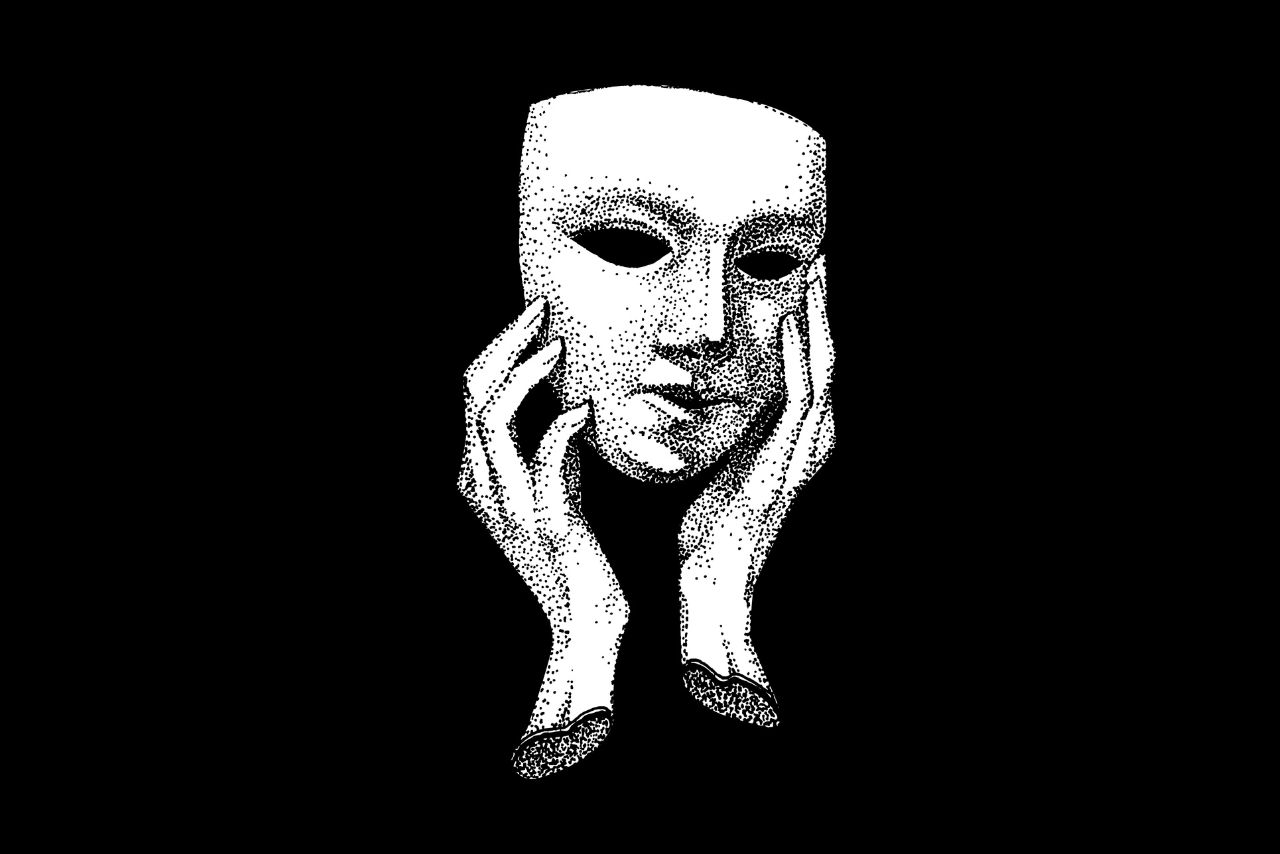
    Do you ever feel like a character in someone else’s play? More so, a victim in your own story?

    I spent many years of my life this way. I was so consumed with what others thought about me, I didn’t even know how to be myself. I would put on a show I thought everyone else wanted to see. I’ve learned we don’t have to perform in life; we just need to be ourselves. Speaking with openness and honesty from the heart is our most valuable tool for living an authentic life.

    Growing up, I was a ‘sensitive’ kid. I was ridiculed often for simply having feelings. I learned pretty quickly to shut down, numb, and medicate.

    I began to have struggles with anxiety and depression. I didn’t really know this was what it was until it progressed into something much more unmanageable. I tried to talk about my feelings and was often questioned and shunned for them. Eventually, these feelings manifested into a pretty significant eating disorder.

    No one recognized my eating disorder because being thin was ‘in.’ However, to put it into perspective, I was tracking 500 calories a day, working out one to two hours a day, and purging anything I put in my body.

    I was confronted about this by two friends in college. I remember feeling relieved but also ‘found out.’ From my perspective at the time, I thought I was functioning well in life. I was going to school and working full-time while maintaining friendships and a new relationship.

    Even during this intervention, I found myself justifying the behaviors. Keep in mind, they were only confronting me about the eating disorder, not the daily binge drinking I was also engaging in.

    Fast-forward five years. I found myself married and divorced in under a year. Prior to the divorce, I was hiding my drinking of one bottle of wine a night. I was functioning in one area of my life but falling apart in all the others.

    Surprisingly, my addictive patterns never impacted my career. I was living a dual life, providing therapy to others while hardly treading water personally.

    In 2010, I found myself with my first DUI. I never did anything real to rehabilitate from this. And I concealed it to the best of my ability, hoping it would just go away. However, experiences tend to repeat themselves until we learn what we are supposed to learn. I got a second DUI in 2013. After that, I did a bit of rehabilitating but still didn’t stop the drinking. I was just no longer driving after the drinking.

    I paid $10,000 in legal fees simply trying to plead my case of being not guilty when clearly, I was guilty. This was such a moral conflict for me.

    I applied for my therapy license in 2016 and was denied approval. While I was being honest with the board about my recent DUI, they learned I was dishonest with my current employer about my initial one. My integrity was completely destroyed. I was looked at as a liar. I was living a double life, and I was exhausted.

    When the board exposed the truth, I felt shame and liberation at the same time. They showed me that my insides were not matching my outsides.

    I made a commitment to myself then to never hide the truth again. That day, I got sober from alcohol and have been sober for eight years now.

    Recovery taught me to be honest and to focus on doing the next right thing. So I became brutally honest in all areas of my life. More so, I learned if people are uncomfortable about my story, it’s not my problem. I started to see everyone had problems. I also saw a blessing in being open and honest because it created space for others to do the same.

    I’ve been told often that I am “courageous and brave,” but I was simply tired of being ingenuine. I was healing out loud because I nearly died in silence.

    When I decided to be honest, my life became better. I didn’t have to remember my story anymore. All the shame dissipated, and I was able to start making better life choices. People around me respected me more for owning my story. If you tell the truth, no one can hold it against you. The power was lost. The best part of it all was that I began attracting beautiful, like-minded people.

    Many people struggle with authenticity and truth-telling because they are holding onto the fear of judgment. However, sharing your truth also unlocks the potential for self-growth, discovery, and connection. This could lead to profound personal transformation and the development of more meaningful relationships with others.

    This is a game changer. It allows you to say what you want, ask for what you need, express your emotions, and celebrate your achievements. Every time you do, you expand that sense of confidence, growth, and joy. Soon, you’ll see vulnerability as a strength, not a weakness.

    You have the power to change your life, one step at a time. Here’s what will come from you being brutally honest:

    Self-acceptance/Authenticity

    You will learn to no longer run from the painful parts of your story. Your story may be the hope someone else needs. You don’t have to live a double life where you keep changing hats depending on who you are around. You can simply be you.

    Empowerment

    You’ll be able to use your experience to gain autonomy and self-determination. You will be able to give others the tools and resources to do the same.

    Resilience/Growth

    You will continue to strengthen your internal muscle to adapt and recover from challenging life experiences. You can’t gain resilience without walking through hardships.

    Connection

    Your relationships will shift from surface level to a deeper emotional connection. You will take the lead by sharing feelings and being vulnerable, and you will gain a stronger sense of understanding with others.

    Inspiring Others

    You will lead by example. You will be able to impact and create a positive environment. This can be contagious and encouraging to others. You may become a catalyst for positive change.

    Life is a collection of stories, a unique narrative that each of us creates with our experiences, challenges, and choices. Your story is a reflection of your journey. This implies your wins, losses, and everything in-between.

    Owning your story can be daunting because it does require that vulnerability. You will have to look back at your past, which may be uncomfortable or painful. You will have to look at your mistakes, choices, and imperfections. This goes against a culture that often emphasizes perfection and success. Moreover, sharing your story means the possibility of judgment or rejection from others.

    However, embracing your own past allows you to shape your own narrative. You are able to turn adversity into strength. You can recognize your self-worth by forgiving yourself and being more forgiving of others. You learn to love yourself and appreciate your mistakes for what they taught.

    Offer the most precious gift of all—your authentic self—rather than trying to be all things to all people.

    “Owning our story and loving ourselves throughout that process is the bravest thing that we will ever do.” ~ Brené Brown
  • The Unconscious Vows We Make to Ourselves So the World Can’t Hurt Us

    The Unconscious Vows We Make to Ourselves So the World Can’t Hurt Us

    “You cannot protect yourself from sadness without protecting yourself from happiness.” ~Jonathan Safron Foer

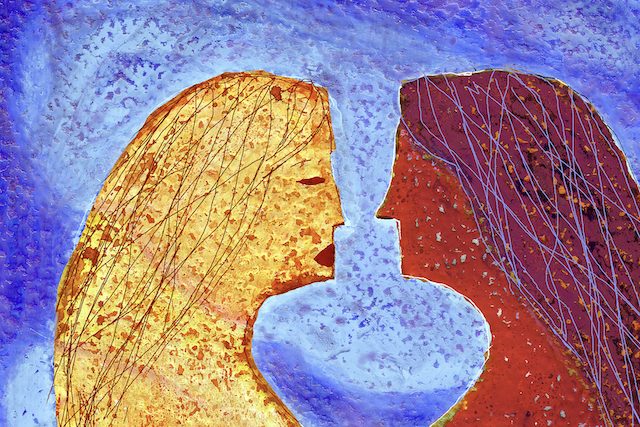
    Are you aware that we all make unconscious vows early on, and they become our internal blueprint for life? These vows dictate who we can be and are often deeply engrained.

    Our vows are attached to a deeper need we’re trying to meet—the need for love, acceptance, safety, connection, and security. They’re not bad or wrong, and neither are we for having them; they come from a smart part of us that’s trying to help us feel safe.

    Vows are more than a belief; vows are a “never again” thing or “this is the only way to be because my survival is at stake.” 

    What is a vow, you may ask? Well, let me paint a picture for you.

    When I was a little girl, I was teased for being fat, stupid, and ugly. Soon enough, I started blaming my body for being hurt and teased. I thought that because I was “fat, stupid, and ugly” there was something wrong with me, and that was why I didn’t have any friends.

    At age thirteen my doctor told me to go on a diet, and that’s when I started to believe that I was a “defect” because I was fat. At that point I made a vow: “I will never be fat again.”

    I started cutting back on my food, I became a maniac exerciser, and being thin became the only thing that mattered

    Then, at age fifteen, I entered my first hospital for anorexia, and for over twenty-three years I was in therapy and numerous hospitals and treatment centers. No matter how much weight I gained in these programs, when I left, I went right back to losing weight by limiting my food intake and exercising excessively because I’d vowed to myself “I’ll never be fat again.”

    The process of gaining weight only added to the trauma and fears I was already experiencing. Instead of being compassionate and understanding and helping me offer love to the parts of myself that were hurting, staffers “punished” me when I didn’t eat my whole tray of food by taking away my privileges and upping my meds.

    When we experience trauma like I did as a child, it’s not what happened to us that stays with us; it’s the vows we made and what we concluded it meant about ourselves, others, and life in general that stay.

    We concluded who we needed to be in order to be loved and accepted by our family, and that became our unconscious blueprint that started dictating our thoughts, feelings, and actions.

    “I will never be fat again because if I am I won’t be loved and accepted” was a trauma response, which turned into a vow that carried a lot of fear and anxiety. I used undereating and compulsive exercising as survival tools, and I would not let go of this pattern no matter how much anyone told me I needed to.

    If I couldn’t exercise, especially after I ate, my heart would race and I would panic, sweat, and shake. Those symptoms were my body signaling to me that I needed to exercise so I wouldn’t get fat

    This was the only way I knew how to be. I was living in a trance, an automatic conditioned response. And no matter how much conscious effort I exerted to change my habitual ways, something inside would bring me back to limiting my food intake and exercising excessively.

    When we’re forced to let go of our survival mechanisms without healing the inner affliction, it feels like jumping out of an airplane with no parachute; it’s scary and overwhelming. This was why I became suicidal, too, especially when I perceived I was getting fat again; I would rather leave my body than be traumatized and teased.

    Eating disorders, addictions, depression, anxiety, pain, or illness are often symptoms showing us where our energy is frozen in time, where we’re carrying deep wounds and holding onto vows we made from traumatic or painful experiences.

    When someone is anxious or depressed, it may be because they’re not living their truth, and this may be because they feel they’re not allowed to. They may think they need to meet everyone else’s expectations, because if they don’t, they may be punished and/or abandoned. 

    They may use food, drugs, smoking, or drinking as a way to find ease with what they’re feeling and experiencing. They may be using a substance to numb the pain stemming from traumatic experiences or from the idea of not being “perfect” or not feeling “good enough.”

    Why is it hard for some people to love themselves and ask for what they want and need? Because, if you’re like me, you may have been screamed at or called selfish for doing these things when you were a child, so you may have made the unconscious vow “I’m not allowed to ask for anything or take care of or love myself.”

    The habits and behaviors we can’t stop engaging in, no matter how hard we try and how destructive or limiting they may be, are meeting a need. The goal isn’t to override our impulses and change the behavior; instead, a better approach is to understand why they exist in the first place and help that part of ourselves feel loved and safe.

    No matter how many affirmations we say or how much mindset work we do, our survival mechanisms and vows are more powerful, so a part of us will resist change even if it’s healthy.

    Often, when I’m working with a client who struggles with addiction, anxiety, depression, and/or loving themselves and allowing themselves to have fun, when we go inside and find the root cause, it’s because of a vow they made when they were little, when they were either being screamed at, teased, left alone, or punished.

    They concluded that they were bad or wrong for being true to themselves, asking for things, or wanting to be held and loved. They learned that having needs and acting naturally wasn’t okay, so they started suppressing that energy, which created their symptoms as adults.

    “I don’t need anyone; I’m fine alone” may be a vow and a way to protect ourselves from being hurt again. The challenge with this is that, as humans, we need approval and validation; we need love and caring. This is healthy and what helps us thrive and survive as human beings.

    When trauma gets stored in our body, we feel unsafe. Until we resolve it and reconnect with a feeling of safety in the area(s) where we were traumatized, we’ll remain in a constant state of fight/flight/freeze, be hypersensitive and overreactive, take everything personally, and seek potential threats, which makes it difficult to move on from the initial occurrence.

    So, how do we see what vows are dictating our life journey?

    We can notice our unconscious vows by being with the parts of ourselves that are afraid. They often come as feelings or symptoms in the body. For instance, I would panic, sweat, and shake if I couldn’t exercise, especially after I ate.

    When I sat with this part of myself with unconditional love and acceptance and a desire to understand where it originated, instead of using exercise to run away, it communicated to me why it was afraid. It brought me back to where it all began and said, “If I’m fat I’ll be teased, abandoned, and rejected, and I want to be loved and accepted.”

    Healing is about releasing that pent up energy that’s stored in the body and making peace with ourselves and our traumas.

    Healing is about reminding our bodies that the painful/traumatic event(s) are no longer happening; it’s learning how to comfort ourselves when we’re afraid and learning emotional regulation.

    Healing is about getting clear about where the hurt is coming from; otherwise, we’ll spend our time going over the details and continuously get triggered because we never get to the real source.

    Healing is not about forcing; it’s about accepting what’s happening. It’s a kind, gentle, and loving approach. We’re working with tender parts that have been traumatized and hurt. These parts don’t need to be pushed or told how to be. They need compassion; they need to be seen, heard, loved, and accepted; they need our loving attention so they can feel safe and at ease.

    They’ve been hiding; in a sense they’ve been disconnected. When we acknowledge them and bring them into our hearts, we experience a loving integration. When we experience a loving integration we experience a true homecoming, and in that we experience a sense of inner peace. Then we more naturally start taking loving care of ourselves and making healthy choices.