Author: Lori Deschene

  • An Inspiring Message from Wounded Veterans to Boston Marathon Survivors

    An Inspiring Message from Wounded Veterans to Boston Marathon Survivors

    As someone who’s from Boston and has been visiting this past month, I’m proud. I’m proud of the way the community has come together, offering their hearts, homes, and hospitality to others in need.

    I’m proud of the way survivors are channeling gratitude for living through the tragedy, even while they begin the process of healing physically and emotionally.

    And I’m proud of the many efforts people are taking around the country to help those directly affected as they adjust to their new realities and learn how to not just survive, but thrive.

    “We stand with you.” That’s the message we’re sending as a collective, and it’s the heart of this inspiring video with words of wisdom from wounded veterans. Despite their injuries, they still live bold, passionate, engaged lives, and they want anyone who fears that might not be an option to know just how much is possible.

    The video comes from Shoulder-to-Shoulder, a Virginia-based Service Disabled Veteran Owned Small Business. Visit The One Fund to help those affected by the Boston Marathon bombings.

  • 4 Crucial Steps to Make Your Dream Come True

    4 Crucial Steps to Make Your Dream Come True

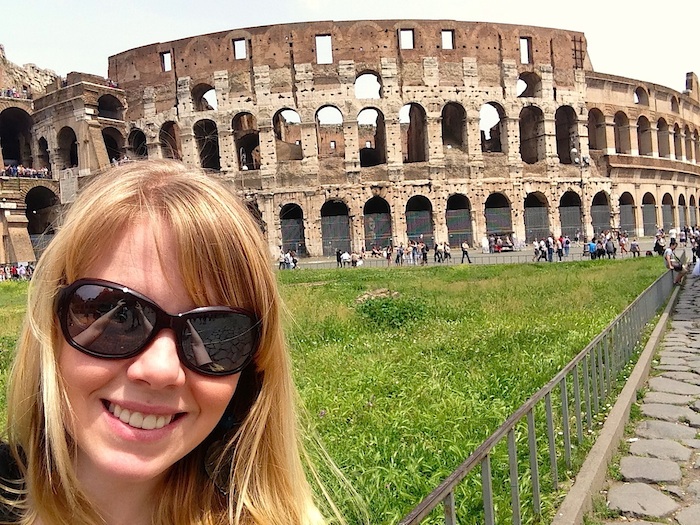
    Lori Deschene at the Colosseum

    “Don’t be pushed by your problems; be led by your dreams.” ~Unknown

    A little over forty-eight hours from now, I’ll be on a plane to Europe where I plan to spend three months traveling (and working) with my boyfriend.

    Saturday is the first day of a dream I’ve held for well over a decade.

    It was my second year in college when I did my semester abroad, staying in a castle my school owns in The Netherlands.

    I was one of less than seventy students there, part of an intimate group that traveled together on three weekend trips to Paris, Amsterdam, and Koln.

    Aside from those group excursions, we all had three-day weekends and two full weeks off to travel.

    I visited Italy and Spain during my weeks off, but spent most weekends on site, largely due to financial constraints. Still, a weekend doing nothing at a castle in Europe is, in itself, an adventure.

    After returning home, I spent the next year working 40+ hour weeks as a hostess at an upscale Boston restaurant (while also studying full-time) to pay off my charged travel expenses.

    My schedule was tight and my job, not all that exciting, but the experience felt worth every uncomfortable moment in that itchy polyester blazer.

    I had started seeing the world. I had gotten a chance to experience dorm life—something I didn’t know much about, being a commuter—and I did it in a castle with a moat, a tower, and historical significance.

    It wasn’t the most emotionally stable time in my life, so I brought a healthy dose of drama overseas, but now, fourteen years later, what I remember most are the excitement of possibility and the pride I felt in working to provide that for myself.

    And it’s those same two things that most energize me now. I’ve dreamed of this. I’ve planned for it. I’ve worked for it. And now it’s happening.

    If you have a dream, something that excites you, inspires you, and maybe even keeps you up at night, I have some advice for you:

    1. Believe that it’s possible.

    So often we think of dreams as things most people don’t get to do—luxuries reserved for people who are privileged, wealthy, or well connected.

    It’s true that some people have more advantages than others. What takes one person five years of planning and saving may require another to do little more than sell a stock and make a call.

    It’s also true that the second person may have worked incredibly hard for said stock. The point is: We’re all starting from different places, for different reasons, with different levels of work required to get from A to B.

    If your dream is something you’re physically incapable of doing, it may be improbable (but not impossible—we’ve come a long way with technology!) And there’s no denying that certain dreams are more difficult to achieve than others.

    But most of the things we dream about are things we could do if we were willing to work toward it, align our choices to support it, and stay flexible in terms of fulfilling it.

    You don’t need to believe it will be easy, or it will happen quickly, or it will look exactly like you visualized it. You just need to believe in the possibility, which really means you need to believe in yourself.

    2. Take tiny steps to work toward it.

    Working toward it entails aligning with the right people, disregarding discouragement from people who don’t support your growth, and taking tiny steps each day to move toward your vision.

    “The right people” are those who help you, support you, encourage you, believe in you, and guide you on your way to this dream. It may include people who’ve done what you want to do, people who also want to do it, and even people who just plain find it cool.

    Share your enthusiasm and progress with them. They’ll keep you excited and help you stick to your plan.

    As for those people who don’t support your growth, there will be many of them, and they most likely won’t be malicious. They’ll be well-meaning people who aren’t able to do step one for themselves, and, therefore, think they’re doing you a favor by discouraging you. Politely decline that favor.

    Their words may seem to keep you down, but it’s how you internalize them that holds you back.

    And as for taking consistent steps, they really can be tiny. It may not seem like much to make a call, bookmark a site, or send an email, but the little things add up over time—and because they’re easily doable, each one may inspire you to do more.

    3. Make choices that support it.

    Much of our experience stems from our choices. Not all of it; there are some things that we can’t control.

    This isn’t a suggestion that if we make all the “right” choices, everything will line up and magically work out. It’s just that we have more power than we often realize—and our power lies in our choices.

    Whatever your dream, the first choice is to prioritize it. As you’re able, dedicate time to it, money to it, attention to it, love to it. Give what you can, as you can, and back that giving with belief, passion, and enthusiasm.

    The other side of this coin is realizing which choices don’t support your dream—when you’re doing too much or pursuing other dreams that conflict, for example.

    For me, that’s meant pushing off some other equally exciting milestones with my boyfriend, like buying a house.

    4. Stay flexible about how you’ll fulfill it.

    It’s tempting to be rigid about a dream—when it needs to happen, how it needs to happen, and who it needs to include. But sometimes when we’re too busy clinging to a specific vision, we miss an opportunity to experience it in different shades.

    This isn’t meant to discourage you from reaching for the stars. It’s just a reminder that there are a lot more of them than you may realize, some far closer than others.

    Being a singer may include a jazz club, not a fan-packed stadium. Writing a book may entail self-publishing, not a six-figure advance. And traveling may include teaching abroad or a string of budget bed-and-breakfasts—I know because this time around, I’ve booked several!

    They may not be the ultimate dream, but they are, in fact, reflections of it.

    And in that moment when you’re doing something inspired, passionate, and in line with your deepest intentions, you’ll feel two things that you may not have realized weren’t exclusive to one specific vision:

    You’ll feel alive. And proud.

    And now, two final thoughts on making dreams come true: know that no dream is better than any other, and stay open to the possibility that your dream may change.

    Regarding the first part, your dream may not seem big or romantic. It doesn’t need to be. It’s an extension of your unique values and priorities, and all that matters is that it matters to you.

    As for the second part, sometimes we attach to dreams simply because we’ve held them for so long. It’s the sunk-cost principle: After you’ve invested a lot of time, energy, or money, it’s hard to consider walking away.

    But if your priorities have changed, you may no longer want it. Accepting this isn’t a sign of weakness or defeat. It’s growth, and the wisdom to enable it.

    Of course, there’s also the possibility that your dream may have changed in a smaller way.

    This weekend when I leave for Rome, my parents, my siblings, and my boyfriend’s parents will also be en route for a short family trip.

    My dream wasn’t just to go back. It was to go with the people I love. And after much conceptualizing, convincing, and coordinating, it’s now coming true.

    What’s your dream, do you believe you can fulfill it, and what tiny step can you take today to start (or continue) working toward it?

    *Update: That’s a picture of me at the Colosseum. I would have shared a picture of me with my family, but they’re all very private people!

  • Signs: A Simple Short Film on Communication

    Signs: A Simple Short Film on Communication

    Signs is a simple short film about reaching out, connecting, and feeling less alone. We are never alone.

  • Validation: A Short Film About Being Great

    Validation: A Short Film About Being Great

    Some people look for the best in people, and in doing so bring it out. Validation is a short film about what it means to see light and acknowledge it. Watch it and remember: You are awesome!

  • The Power of Vulnerability

    The Power of Vulnerability

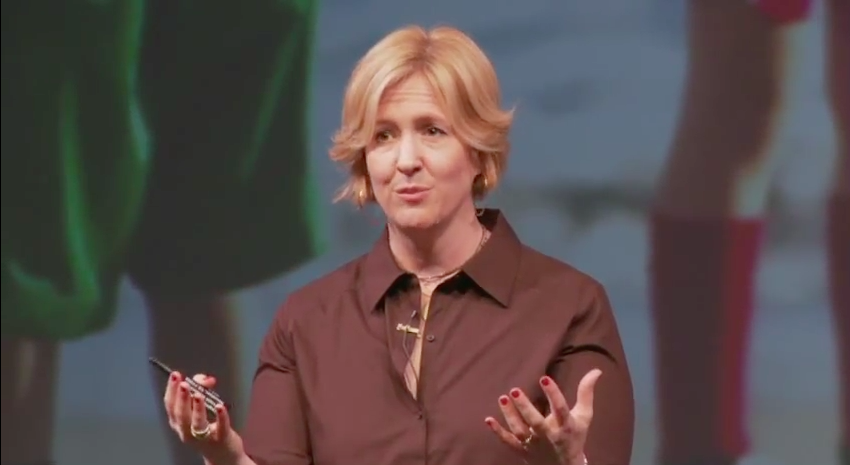
    There’s a good reason this is one of the most-watched TED talks ever—it’s insightful, profound, and potentially life-changing.

  • Get Up

    Get Up

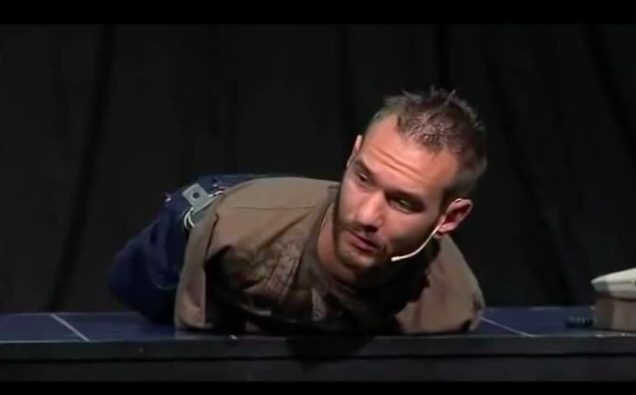
    Feel like you can’t get up and keep going? You can do more than you think. In this powerful speech, Nick Vujicic, who was born without limbs, shares an empowering reminder about what’s possible.

  • 4 Conscious Choices to Stay Balanced and Happy When You’re Busy

    4 Conscious Choices to Stay Balanced and Happy When You’re Busy

    “Happiness is not a matter of intensity, but of balance, order, rhythm, and harmony.” ~Thomas Merton

    I’m not someone who enjoys busyness or sees it as a sign of importance. In fact, I’ve often sacrificed money and opportunities to have more time to watch movies, roam around my neighborhood, and generally live life at a slow pace.

    This is the way I most enjoy experiencing my days—by creating space to just be. And I find this supports my passion as a writer, since it allows me abundant opportunities to play, explore, and expand my understanding of the world and my place within it.

    But I’ve also noticed that I formerly limited myself in response to underlying fears and limiting beliefs, and then justified it with my fondness for free time.

    Whenever I received an opportunity to do something that would stretch my comfort zone, I reminded myself how hectic my schedule would be if I said yes.

    Whenever I considered doing something new that I feared might fail (or might succeed, giving me more responsibility), I reminded myself that I was already meeting my needs, so it would probably be best to just keep doing what I was doing.

    Essentially, I allowed myself to believe I had only one healthy motivation for not growing in new directions; and while this did support my priorities and preferences, it also created a sense of stagnation.

    So this year I decided to challenge those limiting beliefs and fears. I started redefining myself beyond the safe roles of writer and free spirit, and recognized that I could actually be happier for trying new things and taking more risks.

    While I know the choice was ultimately positive for me, I’ve struggled a little in the execution.

    I’ve overwhelmed my schedule with projects—including the recent redesign/forum launch, a new book on self-love, and my first ever eCourse.

    I’ve tried to do more on my own than I feasibly can—from reading and editing an ever-growing number of monthly blog submissions, to mentoring new writers, to handling all aspects of the site’s daily operations, to maintaining a freelance job writing for ‘tween girls.

    And in the process, I’ve sacrificed some of my needs and priorities, including exercise and relaxation.

    I’ve swung the pendulum from calm to chaos, and I’ve left myself little time and space to discover the middle ground between holding myself back and pushing myself.

    I’m now in the process of adjusting to this decision to do new things, and I’ve realized it requires four conscious choices:

    • Recognizing my non-negotiable needs and prioritizing them
    • Setting realistic expectations about what I can do and what I can’t
    • Regularly checking in with myself to ensure my choices support my intentions
    • Learning from my emotions instead of reacting to them

    If you’re also adjusting to a busier lifestyle—whether you’re working toward a dream or taking on new responsibilities at work or at home—these tips may help:

    1. Recognize your non-negotiable needs.

    Write down the top two or three things you need to do daily for your emotional well-being, your physical health, and your sense of balance. Include the bare minimum you could do to meet these, and ideal times. For me, that includes:

    Emotional well-being

    • Daily meditation and/or deep breathing (five minutes after waking up)
    • Journaling (five minutes before going to sleep)

    Physical health

    • Daily exercise, even if just a walk outside (ten minutes around lunch time)
    • Consistent sleep (eight hours—doable if I’m more efficient instead of wasting time online)

    Sense of balance

    • Time to relax and unwind (a half-hour bath at night)
    • Time to play (a half-hour of something fun at night, preferably with someone else)

    You’ve now established the bare minimum for your needs and created a plan to meet them. Even meeting the minimum might be hard. It might require you to ask for help or say no to certain requests. Think of it as saying yes to your happiness.

    2. Set realistic expectations about what you can and can’t do.

    I have a habit of making a schedule based on what I want to accomplish and then feeling disappointed in myself if I don’t meet that.

    My schedule doesn’t often leave room for the unexpected, which could encompass tasks taking longer than I anticipated they would, or new opportunities coming up, personally or professionally.

    If you’re striving to meet your boss’s expectations, you may have less leeway in being flexible. But when it comes to the arbitrary deadlines we set for ourselves, we have the power to release the pressure.

    I often worry that deviations from my plan mean I’m losing control and decreasing the odds of doing what I set out to do. This actually sets me up for failure.

    When I worry about what I’m not doing, I’m not focused on what I am. And that’s what’s enabled me to do things well in the past: not perfect adherence to a schedule, but focus and immersion in the process.

    A better approach is to set a plan, do what we can, and then adjust as we go. Whatever we can’t comfortably fit in a day will just have to wait.

    3. Regularly check in with yourself to ensure your choices are supporting your intentions.

    I’ve found some contradictions in my recent mode of operating, including:

    • I try to do everything myself because this site means so much to me, and I fear delegating responsibility to someone who may not care quite as much. The consequence: I’m sometimes stretched too thin to give everything the care it deserves.
    • I’m taking on new projects because I know I’ll be happier for stretching myself, but I’ve deprioritized a lot of the other things that make me happy.

    In recognizing these contradictions, I’m able to adjust accordingly.

    I can challenge the belief that tells me I need to do everything myself, and seek help (which I’ve recently done). I can create a better balance between working toward future joy and creating joy in the process.

    Take the time to check in what you really want—not just some day down the road, but in your everyday experience in the world. If you recognize you’re not enabling that, make tiny adjustments where you can.

    4. Learn from your emotions instead of reacting to them.

    When we’re doing something new, our emotions run the full gamut, from excitement to fear, eagerness to anxiety, and countless shades in between.

    Some of these feelings are natural consequences of stretching our comfort zone, but other times they’re indicators about what’s not working and what we need to change.

    I’ve learned to stop whenever I’m feeling something overwhelming and ask myself these four questions:

    • What led up to this?
    • Is this feeling a response to ignoring a need, pushing myself too hard, expecting too much of myself, or somehow treating myself without kindness and compassion?
    • Is this a feeling I could release by coming back to the present moment (like worry about the future) or is it something with a lesson for me (like feeling overwhelmed because I need help, or anxious because I need a break)?
    • If there’s a lesson, what can I do or change to apply it?

    When we learn from our emotions, they become less overpowering and we become more present, more balanced, and more effective.

    A while back, I wondered if the days of leisurely strolls were over, now that I’ve chosen to do a lot more. Then I realized that’s up to me. There is a grey area between underachieving and overachieving where growth and presence are both possible.

    Finding that space is about making conscious choices. I know what those are for me. What are the choices that help you?

  • 10 Ways to Deal with Negative or Difficult People

    10 Ways to Deal with Negative or Difficult People

    “Dwelling on the negative simply contributes to its power.” ~Shirley MacLaine

    I love her to death, but it’s draining to talk to her.

    Every time I call this friend of mine, I know what I’m in for: a half-hour rant about everything that’s difficult, miserable, or unfair.

    Sometimes she focuses on the people she feels have wronged her, and other times she explores the general hopelessness of life. She never calls to see how I’m doing, and she rarely listens to what’s going on in my life for more than a minute before shifting the focus back to herself.

    I tell myself I call because I care, but sometimes I wonder if I have ulterior motives–to pump up my ego offering good advice or even to feel better about my own reality.

    I’m no saint, and if there’s one thing I know well, it’s that we only do things repeatedly if we believe there’s something in it for us. Even if that something is just to feel needed.

    I thought about this the other day when a reader wrote to me with an interesting question: “How do you offer compassion to someone who doesn’t seem to deserve it?”

    While I believe everyone deserves compassion, I understand what she meant after reading more. She went on to describe her offensive, sexist, racist boss who emotionally exhausts everyone around him. He sounds a lot more hateful than my friend, who is, sadly, just terribly depressed.

    But these people have one thing in common: boundless negative energy that ends up affecting everyone around them.

    So today I started thinking about how we interact with negative or difficult people. People who seem chronically critical, belligerent, indignant, angry, or just plain rude.

    When someone repeatedly drains everyone around them, how do you maintain a sense of compassion without getting sucked into their doom? And how do you act in a way that doesn’t reinforce their negativity–and maybe even helps them?

    Here’s what I’ve come up with:

    1. Resist the urge to judge or assume.

    It’s hard to offer someone compassion when you assume you have them pegged. He’s a jerk. She’s a malcontent. He’s an–insert other choice noun. Even if it seems unlikely someone will wake up one day and act differently, we have to remember it is possible.

    When you think negative thoughts, it comes out in your body language. Someone prone to negativity may feel all too tempted to mirror that. Try coming at them with the positive mindset you wish they had. Expect the best in them. You never know when you might be pleasantly surprised.

    2. Dig deeper, but stay out of the hole.

    It’s always easier to offer someone compassion if you try to understand where they’re coming from. But that can’t completely justify bad behavior. If you show negative people you support their choice to behave badly, you give them no real incentive to make a change (which they may actually want deep down).

    It may help to repeat this in your head when you deal with them: “I understand your pain. But I’m most helpful if I don’t feed into it.” This might help you approach them with both kindness and firmness so they don’t bring you down with them.

    3.Maintain a positive boundary.

    Some people might tell you to visualize a bright white light around you to maintain a positive space when other people enter it with negativity. This doesn’t actually work for me because I respond better to ideas in words than visualizations. So I tell myself this, “I can only control the positive space I create around myself.”

    Then when I interact with this person, I try to do two things, in this order of importance:

    • Protect the positive space around me. When their negativity is too strong to protect it, I need to walk away.
    • Help them feel more positive, not act more positive–which is more likely to create the desired result.

    4. Disarm their negativity, even if just for now.

    This goes back to the ideas I mentioned above. I know my depressed friend will rant about life’s injustices as long as I let her. Part of me feels tempted to play amateur psychiatrist–get her talking, and then try to help her reframe situations into a more positive light.

    Then I remind myself that I can’t change her whole way of being in one phone call. She has to want that. I also can’t listen for hours on end, as I’ve done in the past. But I can listen compassionately for a short while and then help her focus on something positive right now, in this moment. I can ask about her upcoming birthday. I can remind her it’s a beautiful day for a walk.

    Don’t try to solve or fix them. Just aim to help them now.

    5. Temper your emotional response.

    Negative people often gravitate toward others who react strongly–people who easily offer compassion or get outraged or offended. I suspect this gives them a little light in the darkness of their inner world–a sense that they’re not floating alone in their own anger or sadness.

    People remember and learn from what you do more than what you say. If you feed into the situation with emotions, you’ll teach them they can depend on you for a reaction. It’s tough not to react because we’re human, but it’s worth practicing.

    Once you’ve offered a compassionate ear for as long as you can, respond as calmly as possible with a simple line of fact. If you’re dealing with a rude or angry person, you may want to change the subject to something unrelated: “Dancing with the Stars is on tonight. Planning to watch it?”

    6. Question what you’re getting out of it.

    Like I mentioned above, we often get something out of relationships with negative people. Get real honest with yourself: have you fallen into a caretaker role because it makes you feel needed? Have you maintained the relationship so you can gossip about this person in a holier-than-thou way with others? Do you have some sort of stake in keeping the things the way they are?

    Questioning yourself helps you change the way you respond–which is really all you can control. You can’t make someone think, feel, or act differently. You can be as kind as possible or as combative as possible, and still not change reality for someone else. All you can control is what you think and do–and then do your best to help them without hurting yourself.

    7. Remember the numbers.

    Research shows that people with negative attitudes have significantly higher rates of stress and disease. Someone’s mental state plays a huge role in their physical health. If someone’s making life difficult for people around them, you can be sure they’re doing worse for themselves.

    What a sad reality, that someone has so much pain inside them they have to act out just to feel some sense of relief–even if that relief comes from getting a rise out of people. When you remember how much a difficult person is suffering, it’s easier to stay focused on minimizing negativity, as opposed to defending yourself.

    8. Don’t take it personally, but know that sometimes it is personal.

    Conventional wisdom suggests that you should never take things personally when you deal with a negative person. I think it’s a little more complicated than that. You can’t write off everything someone says about you just because the person is insensitive or tactless. Even an abrasive person may have a valid point. Try to weigh their comments with a willingness to learn.

    Accept that you don’t deserve the excessive emotions in someone’s tone, but weigh their ideas with a willingness to learn. Some of the most useful lessons I’ve learned came from people I wished weren’t right.

    9. Act instead of just reacting.

    Oftentimes we wait until someone gets angry or depressed before we try to buoy their spirits. If you know someone who seems to deal with difficult thoughts or feelings often (as demonstrated in their behavior), don’t wait for a situation to help them create positive feelings.

    Give them a compliment for something they did well. Remind them of a moment when they were happy–as in “Remember when you scored that touchdown during the company picnic? That was awesome!” You’re more apt to want to boost them up when they haven’t brought you down. This may help mitigate that later and also give them a little relief from their pain.

    10. Maintain the right relationship based on reality as it is.

    With my friend, I’m always wishing she could be more positive. I consistently put myself in situations where I feel bad because I want to help, because I want her to be happy. I’ve recently realized the best I can do is accept her as she is, let her know I believe in her ability to be happy, and then give her space to make the choice.

    That means gently bringing our conversation to a close after I’ve made an effort to help. Or cutting short a night out if I’ve done all I can and it’s draining me. Hopefully she’ll want to change some day. Until then, all I can do is love her, while loving myself enough to take care of my needs. That often means putting them first.

    I’ve learned you can’t always save the world, but you can make the world a better place by working on yourself–by becoming self-aware, tapping into your compassion, and protecting your positive space. You may even help negative people by fostering a sense of peace within yourself that their negativity can’t pierce.

  • Introducing Tiny Buddha’s Community Forums!

    Introducing Tiny Buddha’s Community Forums!

    Tiny Buddha 2

    After much time and planning with Joshua Denney of Think Web Strategy, I’m thrilled to announce that Tiny Buddha now has a new responsive design and community forums!

    The new design enables for a better reading experience on mobile devices, and also gives you access to forum-related information right on the homepage.

    Why Join The Tiny Buddha Community Forums?

    The forums are a place to connect with the community, to share ideas, and to give and receive support. You’ll find topics related to:

    • Art
    • Crafts
    • Emotional Mastery
    • Fun
    • Health & Fitness
    • Parenting
    • Purpose
    • Relationships
    • Spirituality
    • Tough Times
    • Work

    Since site authors officially started using the forums two days ago, there are already quite a few conversations going on over there. I hope you’ll set up a free account to join one or start your own!

    To Set a Free Account on the Tiny Buddha Forums

    1. Click on the “Join the Forums” link at the top right-hand corner of the site.

    2. On the register page, enter a username, your name, your email address, and your password, and then hit “complete sign up.”

    3. You will receive a confirmation email to verify your account. Once you’ve done that…

    4. Login at http://www.tinybuddha.com/login

    Once you’re logged in, you can use the forum link in the main menu, at the top of the site, or check out on some of the popular forum conversations listed on the new homepage.

    Since this is a new site feature, there may be some bugs. If you notice any issues, please let us know in the technical support section, here: http://dev.tinybuddha.com/forum/site-feedback-support/technical-support/

    Thank you for being part of the Tiny Buddha community! 🙂

  • How to Deal with Uncomfortable Feelings & Create Positive Ones

    How to Deal with Uncomfortable Feelings & Create Positive Ones

    “Hope is the feeling that the feeling you have isn’t permanent.” ~Jean Kerr

    For most of my life, I was a fugitive from my feelings.

    Psychologists suggest that we are driven by two connected motivations: to feel pleasure and avoid pain. Most of us devote more energy to the latter than the former.

    Instead of being proactive and making choices for our happiness, we react to things that happen in our lives and fight or flee to minimize our pain.

    Instead of deciding to end an unhealthy relationship and open up to a better one, we may stay and either avoid confrontation or initiate one to feel a sense of control. Instead of leaving a horrible job to find one we love, we may stay and complain about it all the time, trying to minimize the pain of accepting the situation as real—and enduring until we change it.

    From a very young age, I felt overwhelmed by pain. As a pre-teen, I ate my feelings. As a teen, I starved them away. In college, I drank and smoked them numb. And in my twenties, I felt and cried my eyes red and raw.

    I sobbed. I wailed. I shook and convulsed. And I wished I’d never chosen to feel them, but rather kept pushing them down, pretending everything was fine.

    Except when I did that, they didn’t just go away—they compounded on top of each other and built up until eventually I exploded, with no idea why I felt so bad. (more…)

  • 10 Happiness Tips for People Who Have Been Hurt

    10 Happiness Tips for People Who Have Been Hurt

    “Pain is inevitable. Suffering is optional.” ~Unknown

    Maybe someone hurt you physically or emotionally. Maybe you’ve survived something else traumatic—a natural disaster, a fire, an armed robbery. Or maybe you’ve just come out of a trying situation, and though you know you’ll eventually recover, you still feel pain that seems unbearable.

    Whatever the case may be, you’ve been scarred and you carry it with you through many of your days.

    Most of us can relate on some level to that feeling. Even people who excel at taking personal responsibility have at least one story of having been hurt. Though some of us have endured more serious situations, you really can’t quantify or compare emotional pain.

    To a teenager who just had her heart broken, the pain really seems like the end of the world. In fact, Livestrong estimates that every 100 minutes, a teenager takes their life—and that the number of suicides in high-income families is the same as in poor families.

    Presumably, not all of those teens have suffered incomprehensible tragedies. What they have in common is pain, born from different adversities and circumstances.

    When you’re hurting some people might tell you to “let it go,” as if that’s a valid solution. They may say “it’s all in your head” and assume that reasons away the pain. But none of that will help you heal and find happiness from moment to moment.

    Like everyone, I’ve been hurt, in both profound and trivial ways. I’ve had to to acknowledge my feelings, process them, and then find ways to work through them so I could let go and move on. Here’s what helped me do just that.

    1. Define your pain.

    It’s not always easy to identify and understand what’s hurting you. Some people even stay in abusive relationships because it’s safer than acknowledging their many layers of pain: the low self-esteem that convinces them they deserve abuse, the shame over being treated with such cruelty, and the feeling of desperation that convinces them there’s no real way out.

    The first step toward finding happiness after having been hurt is to understand why you were hurt, to get to the root of everything that makes the memories hard.

    2. Feel and express that pain.

    There’s no guarantee that you’ll be able to communicate how you feel to the person who hurt you, and if you can, there’s no guarantee they’ll respond how you want them to. Say what you need to say anyway. Write in your journal. Write a letter and burn it. Get it all out.

    This will help you understand why you’re hurting and what you’ll do in the future to avoid similar pain, so you can feel empowered instead of victimized.

    Research has actually proven that people who focus on lessons learned while journaling find the experience more helpful than people who don’t.

    3. Try to stay in the present.

    Reliving the past can be addictive. It gives you the opportunity to do it again and respond differently—to fight back instead of submitting, to speak your mind instead of silencing yourself. It also allows you to possibly understand better. What happened? Where did you go wrong? What should you have done?

    Regardless of what you think you should have done, you can’t do it now. If you have post-traumatic stress disorder, you may need professional help to avoid revisiting the incident. If you don’t, you need sustained effort. Fight the urge to relive the pain over and over. You can’t go back and find happiness there. You can only experience that now.

    4. Stop rehashing the story.

    Sometimes we tell a sad story over and over again as a way to avoid moving on from the past.

    It may seem like another way to understand what happened, or maybe it feels helpful to hear someone say you didn’t do anything wrong and you don’t deserve to hurt. And it’s okay if you need that for a while.

    But if you do this for years it keeps you stuck living your life around a memory and giving it power to control you.

    No amount of reassurance will change what happened. You can’t find happiness by holding onto a painful story and letting it control your life. You can only find happiness when you let it go and make room for something better.

    If telling your story empowers you and helps other people, then by all means share! Only you know where you are mentally and emotionally and whether telling your story is hurting or helping you.

    5. Forgive yourself.

    Maybe you didn’t do anything wrong but you blame yourself. Or maybe you played a role in creating your current situation. Regardless of what happened, you need to realize that what you did is not who you are. And even if you feel immense regret, you deserve to start today without carrying that weight. You deserve a break.

    You can either punish yourself and submit to misery, or forgive yourself and create the possibility of happiness. It comes down to whether you decide to dwell or move on. Which do you choose: anger with yourself and prolonged pain, or forgiveness and the potential for peace?

    6. Stop playing the blame/victim game.

    Maybe you were a victim. Maybe someone did horrible things to you, or you fell into an unfortunate set of circumstances through no fault of your own. It still doesn’t serve you to sit around feeling bad for yourself, blaming other people. In fact, it only holds you back. You can’t feel good if you use this moment to feel bad about another person’s actions.

    The only way to experience happiness is to take responsibility for creating it, whether other people made it easy for you or not. You’re not responsible for what happened to you in the past but you’re responsible for your attitude now. Why let someone who hurt you in the past have power over your present?

    7. Don’t let the pain become your identity.

    If everything you do and all your relationships center around something that hurt you, it will be harder to move on. You may even come to appreciate what that identity gives you: attention, the illusion of understanding, or the warmth of compassion, for example.

    You have to consider the possibility there’s a greater sense of happiness in completely releasing your story. That you’d feel better than you can even imagine if you’d stop letting your pain define you. You can have a sad story in your past without building your present around it.

    8. Reconnect with who you were before the pain.

    It’s not easy to release a pain identity, particularly if you’ve carried it around for a long time. It may help to remember who you were before that experience—or to consider who you might have become if it hadn’t happened.You can still be that person, someone who doesn’t feel bitter or angry so frequently.

    If you want to feel  peaceful and happy, start by identifying what that looks like—what you think about, what you do, how you interact with people. Odds are this process will remind you both how you want to be and how you don’t want to be.

    9. Focus on things that bring you joy in the moment.

    You don’t have to focus on completely letting go of your pain forever; you just have to make room for joy right now. Start simple. What’s something you can enjoy in this moment, regardless of what pain you’ve experienced? Would sitting in the sun bring you joy? Would calling your sister bring you joy?

    Don’t think about the totality of the rest of your days. That’s a massive burden to carry—haven’t you hurt enough? Just focus on now, and allow yourself a little peace. You’ll be surprised how easily “nows” can add up when you focus on them as they come.

    10. Share that joy with other people.

    We often isolate ourselves when we’re hurting because it feels safer than showing people our vulnerability. What we fail to realize is that we don’t have to feel vulnerable all the time. We can choose certain people for support, and then allow ourselves time with others without involving our painful stories.

    You can share a meal, a movie, a moment and give yourself a break from your anger or sadness. You don’t have to carry it through every moment of your day. Don’t worry—if you feel you need to remember it, you’ll still be able to recall it later. But as you allow yourself pockets of peace, shared with people you love, you may find you need that story a lot less.

    ***

    To be clear, you have a right to feel whatever you feel. And you don’t have to rush through your sadness or anger. We all need time to process our feelings. But there comes a time when we need to consciously choose to heal, let go, and move on. It’s a process, and it won’t be easy. But you deserve it.

    Everyone deserves to feel happy. Everyone deserves a little peace. One more thing we all have in common: we can only provide those things for ourselves.

    Photo here.

    **This post has been expanded to clarify a few crucial points.

  • 10 Ways to Be the Person You Wanted to Be as a Kid

    10 Ways to Be the Person You Wanted to Be as a Kid

    Lori Swinging

    “While we try to teach our children all about life, our children teach us what life is all about.” ~Angela Schwindt

    When you’re young, anything seems possible. Whether you want to become a school teacher, a ballerina, or an astronaut, it all feels within your reach.

    And you so easily get excited by it.

    You can visualize in vivid detail what it would be like to hold your roses at curtain call, or how proud you’ll feel when you save the day—as a fireman, a soldier, or maybe even a superhero. You pretend your way through different roles and stay open to different ideas of who you are.

    You might know what you like and don’t, and you probably aren’t afraid to vocalize it, but you haven’t yet learned how to get stuck in your ways. You’re too curious for that. That would be boring.

    Though you knew back then that sticks and stones might break your bones but names could never hurt you, you did get hurt sometimes. You cried when a bully teased you, or you couldn’t get something you wanted.

    But the next day you were back swinging and giving underdogs at the playground, smiling and dreaming new dreams again.

    Then life happened. Maybe time and experience taught you to worry, fear, and limit yourself, and you slowly became a person younger you wouldn’t want to play with. You started playing by rules that no one even gave you. You stopped imagining possibilities and believing that you could meet them.

    And worst of all, you started thinking that it’s something the world did to you—not something you choose, moment to moment. (more…)

  • Free Downloadable Bookmark from Tiny Buddha and Buddha Doodles

    Free Downloadable Bookmark from Tiny Buddha and Buddha Doodles

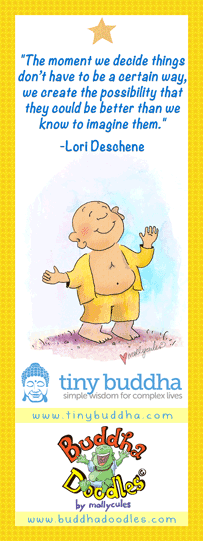
    Tiny Buddha. Buddha Doodles Bookmark

    I’ve recently fallen in love with a company called Buddha Doodles, run by cartoonist and illustrator Molly Hahn.

    Buddha Doodles are whimsically illustrated affirmations. Molly’s mission is to inspire others to lead more mindful and positive lives, while shedding light on the inherent wisdom and joy that is available to each and every one of us at any moment.

    I found her joyful, colorful Buddha images on Facebook and just knew I had to reach out to her about collaborating on some projects!

    To start out with, Molly designed a fun bookmark using one of the quotes from my book, Tiny Buddha: Simple Wisdom for Life’s Hard Questions.

    You can download the bookmark here, and see more from Molly at BuddhaDoodles.com and on her Facebook page.

    We’d love to hear what you think about a Tiny Buddha/Buddha Doodles collaboration! One idea we’ve discussed is a calendar for 2014. Take the poll below, or share your thoughts/ideas in the comments!

    UPDATE: There seems to be something wrong with the poll plugin, so I removed it from the post until I can identify the problem!

  • You’ll Always Have This Day, No Matter Where It Leads

    You’ll Always Have This Day, No Matter Where It Leads

    Walking

    “If you surrender completely to the moment as they pass, you live more richly those moments.” ~ Anne Morrow Lindbergh

    Last week on Valentine’s Day, my boyfriend Ehren and I had a meeting we’d both spent months working toward.

    After writing and rewriting a romantic comedy screenplay for over a year, and consulting with a screenwriter friend to improve it, we’d finally secured a meeting with an agent—her agent. At one of the largest agencies in Hollywood. Presumably to represent us.

    We couldn’t have been more thrilled to know our project might have a real future, and the timing of it, on Valentine’s Day, seemed serendipitous and made it even more exciting.

    The opportunity felt even more gratifying because we’d both been in need of some good news since Ehren’s brother’s sudden passing in December.

    We’d just moved out of our Los Angeles apartment with plans to spend time with his parents in the Bay Area and work on various creative projects together. Yet there were, mere days after our move, heading back to the home we’d just left.

    Though we’d lived in LA for over two years, the city looked different through the lens of magnified possibility.

    We spent the whole drive discussing our next screenplay and planning what we’d say in the meeting. I spent each moment of silence fantasizing about casting, filming, and premieres—a whole new life on the other side of this day.

    We ate at a classic Hollywood deli and ran into one of my favorite comedic actresses. One day we’d write a role for her, I thought.

    We then walked around the neighborhood for a good thirty minutes before arriving early but not too early for what seemed like the most important meeting of our creative partnership.

    I jittered and rambled while sitting in the waiting room. I wanted to be sure that when we walked in, I said enough but not too much, and generally put my best foot forward for the best possible outcome.

    So much had led to this one moment, and I felt that our whole future was wrapped up in it. (more…)

  • Book Giveaway – Random Acts of Kindness: Then and Now

    Book Giveaway – Random Acts of Kindness: Then and Now

    Random Acts of Kindness

    Note: The winners for this giveaway have already been chosen. Subscribe to Tiny Buddha to receive free daily or weekly emails and to learn about future giveaways!

    The Winners:

    “Practice random acts of kindness and senseless acts of love.” ~Ann Herbert

    An unsolicited financial donation right when you need it. Roadside assistance from a stranger after your car breaks down.  An anonymous gift when you’re struggling and in desperate need of a smile.

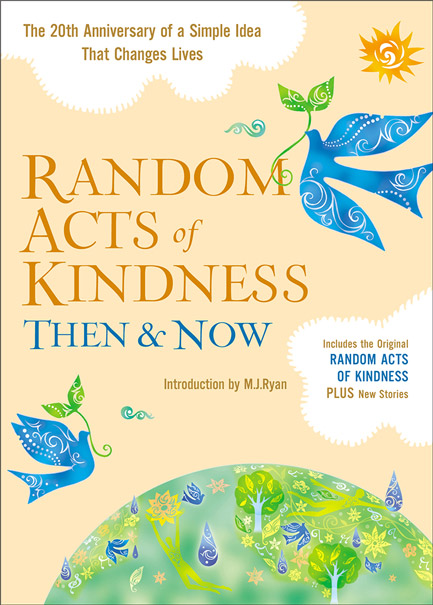
    These are just a few random acts of kindness that can transform your day and renew your faith in people, and just a small sampling of the type of stories you’ll find in Random Acts of Kindness: Then and Now.

    Twenty years back, Conari Press published the first Random Acts of Kindness book, highlighting stories of people looking out for one another in their daily lives.

    As the book inspired a movement, Conari started the Random Acts of Kindness Foundation, which works with schools and communities to spread kindness.

    Every February for the past two decades, the foundation has spearheaded Kindness week, which runs from the 11th through the 17th.

    To celebrate the week and the book’s anniversary, Conari has offered five copies of the updated book for Tiny Buddha readers.

    Including the original book and new stories sourced through social media, Random Acts of Kindness: Then and Now is an inspiring, feel-good compilation that encourages a more generous, caring, compassionate world.

    The Giveaway 

    To enter to win 1 of 5 free copies of Random Acts of Kindness: Then And Now

    • Leave a comment below, sharing an act of kindness you’ve recently offered or received
    • For an extra entry, tweet: RT @tinybuddha Book Giveaway – Random Acts of Kindness: Then and Now http://bit.ly/Y7Oo9p

    You can enter until midnight PST on Monday, February 18th.

    Learn more about Random Acts of Kindness: Then and Now on Amazon.

  • Wanting to Feel Good and Look Good: Why Do We Do What We Do?

    Wanting to Feel Good and Look Good: Why Do We Do What We Do?

    Sun Goddess

    “Nothing is either good or bad, but thinking makes it so.” ~Shakespeare

    Have you ever stopped to question why you do what you do? Or how it looks to other people?

    I’ve done this pretty much all through my life. In fact, an outsider might say that I’ve spent more time analyzing my place in the world than experiencing it.

    In some ways, this is true, and not uncommon for someone who’s chosen to be a writer.

    As a young child I used to silently mouth the words of what I’d just said after every sentence I uttered.

    Even as a kid, I felt this need to rethink my thoughts after speaking them, and because I was too young to realize it looked strange, I did this while moving my lips.

    I wondered why I’d said what I’d said, and how others might have heard it.

    This followed me through life, and later manifested in a desire to not only say the “right” thing, but also to do it.

    Never was this more important to me than in my mid-twenties, after I’d spent the majority of my adolescent and young adult life self-destructing and unintentionally hurting others—something that, I feared, confirmed that I was a bad, selfish person (ironically, the same fears that led me to self-destruct).

    I wanted so badly to be good. To do good. To look good. I imagined and hoped that this was the key to feeling good.

    I didn’t want to be selfish—that was bad. So I concluded that I needed to be selfless.

    I didn’t want to crave so much attention—that was bad. So I concluded that I needed to be humble.

    I didn’t want to be or be seen as manipulative—that was bad. So I concluded that I needed to prove that I had good intentions.

    In retrospect, I can see that these realizations and conclusions sparked my initial interest in the personal development industry six years back, and they informed how I did what I did. (more…)

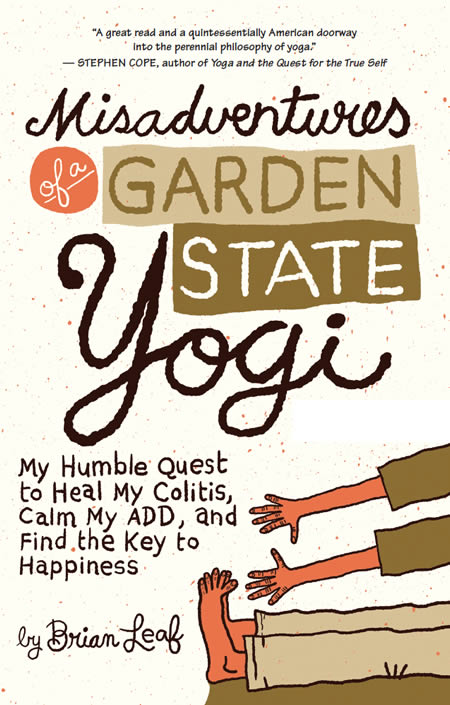
  • Interview & Book Giveaway: Misadventures of a Garden State Yogi

    Interview & Book Giveaway: Misadventures of a Garden State Yogi

    Misadventures of a Garden State Yogi

    Note: The winners for this giveaway have already been chosen. Subscribe to Tiny Buddha for free daily or weekly emails and to learn about future giveaways!

    The Winners:

    Yoga, road trips, and personal stories that border on TMI—these are all things I enjoy, which might explain why I was drawn to Misadventures of a Garden State Yogi.

    In this engaging self-help memoir, author and yoga teacher Brian Leaf shares his experiences healing Colitis and ADD through yoga.

    Including anecdotes from a cross-country journey during which he tried many different studios, Brian provides a window into his spiritual journey and shares how he established his own personal formula for happiness.

    Honest, entertaining, and insightful, Misadventures of a Garden State Yogi shares how one man healed himself from within and inspires us to access our own personal power.

    I’m grateful that Brian took the time to answer some questions about himself and his book, and that he’s provided three copies for Tiny Buddha readers.

    The Giveaway

    To Enter:

    • Leave a comment on this post sharing one thing that made you smile today.
    • For an extra entry, tweet: RT @tinybuddha Book Giveaway: Misadventures of a Garden State Yogi – Comment and RT to win! http://bit.ly/XMFo9t

    You can enter until midnight PST on Monday, February 4th. (more…)

  • We Have to Let Go of Who We Are to Discover Who We Can Become

    We Have to Let Go of Who We Are to Discover Who We Can Become

    “When I let go of who I am, I become what I might be.” ~Lau Tzu

    In the spring of last year, a number of events challenged my sense of self and my sense of direction.

    In March I realized my tax liability would be much larger than I’d anticipated, effectively depleting my entire savings account. The next month I had my first major surgery, something that terrified me and further burdened me financially.

    Less than a month later, while my boyfriend was on a vacation I had to miss because I was recovering, a burglar broke into my apartment and stole everything of significant financial value that I owned.

    One month later my grandmother passed away, surrounded by her closest family members. I’d missed the majority of the last decade of her life, but still, I was there.

    Never before in my life had I experienced so much loss in one season. It was an overwhelming, emotionally challenging time.

    And then, without really understanding my intentions, I tossed another loss onto the heap: I stopped writing every day for this blog, as I’d done previously for almost three years.

    A part of me felt this urge to write about the same things over and over. So many times I started blog posts about how I felt uncertain, scared, lost, and sometimes, empty.

    I’d write about my inner conflict over living 3,000 miles away from my family, with my boyfriend who’s from California, and how badly I wanted to move home after my grandmother’s death.

    I’d write about how directionless I felt, with no desire to make any of the professional choices other bloggers often make—mentoring, coaching, or leading workshops.

    I’d write about how ironic it was that so many people emailed me for advice about their lives, when in that moment in time, I had so little clarity about my own.

    And then I’d stop. Three or four paragraphs in, I’d shut my computer, realizing I had no endings for those posts, and considering that maybe that was okay. (more…)

  • 30 Accomplishments to Be Proud Of

    30 Accomplishments to Be Proud Of

    Facing the Sun

    “Do something now that will make the person you’ll be tomorrow proud.” ~Unknown

    A while back someone asked me to list my greatest accomplishments for 2012.

    As I racked my brain, I thought of a few professional achievements that made me feel proud, but as for the top accomplishment, I kept coming back to the same thing: my sister’s wedding.

    I wasn’t the planner, and I didn’t pay for the whole thing, but I was a big part of it.

    Even though I live 3,000 miles away, I acted as her Maid of Honor, helped plan her bridal shower, planned a fun two-day Bachelorette party that meshed with her unique personality and interests, and traveled to Massachusetts on numerous occasions to be part of it all.

    I felt excited to recognize this as my top accomplishment for a couple of reasons. First, it reminded me of how much I appreciate my family.

    Particularly as someone who spent a lot of time isolated, I now believe my relationships are priorities—and I’m proud that I show it in action.

    But also, it reminded me that accomplishments don’t necessarily need to entail productivity, promotion, sales, or profits. Sometimes the most fulfilling things we do in this world bring little recognition, yield no monetary results, and come without fanfare.

    And yet, they still can mean so much and feel so completely satisfying.

    I’d by lying if I said I don’t enjoy growing and expanding through my work, but I’ve finally realized that what I have to offer—to others and myself—far exceeds the fruits of my paid labor.

    In a fast-paced, competitive world, where it’s easy to feel we’re never doing enough, it’s gratifying to recognize just how much we do to honor the people and things that matter to us.

    With that in mind, I decided to create a short list of accomplishments that we may sometimes overlook.

    If you’re looking to do something that will make you feel proud—or perhaps looking for a reminder that you already do so much—one of these ideas may resonate with you: (more…)

  • 10 Ways to Have Peaceful, Loving Relationships

    10 Ways to Have Peaceful, Loving Relationships

    “Love and compassion are necessities, not luxuries. Without them, humanity cannot survive.” ~Dalai Lama

    Though Valentine’s Day is coming up next month, this is not a post about romance. It’s about any relationship—with your brother, your mother, your coworker, or your friend.

    And I admit I am not an expert.

    I’ve made a million and one mistakes in relationships. I’ve expected too much. Or not asked for what I needed in fear of rocking the boat. I’ve been competitive. I’ve been suspicious. I’ve been dependent. I’d like to think what redeems me from all these mistakes is that I’ve also been honest.

    Being self-aware, in my opinion, is far more valuable than being perfect—mostly because the former is attainable and helpful, while the latter is neither.

    Relationships are not easy. They mirror everything we feel about ourselves. When you’ve had a bad day, the people around you seem difficult. When you’re not happy with yourself, your relationships seem to be lacking.

    If you’ve ever gotten in a fight only to find yourself wondering what you were really upset about, this post may help you. If you’ve ever been disappointed because someone didn’t meet your expectations, this post may help you, too. Feel walked on and unheard? You guessed it—there’s likely something in here that will help you change that.

    We don’t live in a vacuum. We have thoughts and feelings that can be confusing. Other people do too. And just like in the movie Crash, they don’t always collide smoothly.

    When I apply these ideas, I feel confident, strong, compassionate, and peaceful in my interactions. I hope they can do the same for you.

    1. Do what you need to do for you.

    Everyone has personal needs, whether it’s going to the gym after work or taking some alone time on Saturday morning. If someone asks you to do something and your instinct is to honor your own need, do that. I’m not saying you can’t make sacrifices sometimes, but it’s important to make a habit of taking care of yourself.

    Someone once told me people are like glasses of water. If we don’t do what we have to do to keep our glass full, we’ll need to take it from someone else—which leaves them half full. Fill your own glass so you can feel whole and complete in your relationships.

    2. Give people the benefit of the doubt.

    It’s tempting to doubt people—to assume your boyfriend meant to hurt you by not inviting you out with his friends, or your friend meant to make you feel inadequate by flaunting her money. People who care about you want you to feel happy, even if sometimes they get too wrapped up in their own problems to show it well.

    Sometimes they may be hurtful and mean it—let’s not pretend we’re all angels. But that won’t be the norm. It will likely be when they’re hurting and don’t know what to do with it. Odds are they’ll feel bad and apologize later. If you want to get good will, share it by seeing the best in the people you love. When we assume the best, we often inspire it.

    3. Look at yourself for the problem first.

    When you feel unhappy with yourself, it’s easy to find something wrong in a relationship. If you blame another person for what you’re feeling, the solution is on them. But this is actually faulty logic. For starters, it gives them all the control. And secondly, it usually doesn’t solve the problem, since you didn’t actually address the root cause.

    Next time you feel the need to blame someone for your feelings—something they did or should have done—ask yourself if there’s something else going on. You may find there’s something underlying: something you did or should have done for yourself. Take responsibility for the problem and you have power to create a solution.

    4. Be mindful of projecting.

    In psychology, projecting refers to denying your own traits and then ascribing them to the outside world or other people. For example, if you’re not a loyal and trusting friend, you may assume your friends are all out to get you. It’s a defense mechanism that allows you to avoid the discomfort of acknowledging your weaknesses. There’s no faster way to put a rift in your relationships.

    This comes back to down to self-awareness, and it’s hard work. Acknowledging your flaws isn’t fun, but if you don’t, you’ll continue seeing them in everyone around you. And you’ll continue to hurt. Next time you see something negative in someone else, ask yourself if it’s true for you. It might not be, but if it is, identifying it can help create peace in that relationship.

    5. Choose your battles.

    Everyone knows someone who makes everything a fight. If you question them about something, you can expect an argument. If you comment on something they did, you’ll probably get yelled at. Even a compliment could create a confrontation. Some people just like to fight—maybe to channel negativity they’re carrying around about the world or themselves.

    On the one hand, you have to tell people when there’s something bothering you. That’s the only way to address problems. On the other hand, you don’t have to let everything bother you. When I’m not sure if I need to bring something up, I ask myself these few questions:

    • Does this happen often and leave me feeling bad?
    • Does this really matter in the grand scheme of things?
    • Can I empathize with their feelings instead of dwelling on my insecurity?

    6. Confront compassionately and clearly.

    When you attack someone, their natural instinct is to get defensive, which gets you nowhere. You end up having a loud conversation where two people do their best to prove they’re right and the other one is wrong. It’s rarely that black and white. It’s more likely you both have points, but you’re both too stubborn to meet in the middle.

    If you approach someone with compassion, you will likely open their heart and mind. Show them you understand where they’re coming from, and they may be more willing to see your side. That gives you a chance to express yourself and your expectations clearly. And when you let people know what you need at the right time in the right way, they’re more likely to give that to you.

    7. Don’t be afraid to be vulnerable.

    There are all kinds of ways you can feel vulnerable in relationships: When you express your feelings for someone else. When you’re honest about yourself or your past. When you admit you made a mistake. We don’t always do these things because we want to maintain a sense of power.

    Power allows us a superficial sense of control, whereas true, vulnerable being allows us a sense of authenticity. That’s love: being your true self and allowing someone else to do the same without letting fear and judgment tear it down. It’s like Jimi Hendrix said, “When the power of love overcomes the love of power the world will know peace.”

    8. Think before acting on emotion.

    This one is the hardest for me. As soon as I feel hurt, frustrated, or angry, I want to do something with it—which is always a bad idea. I’ve realized my initial emotional reaction does not always reflect how I really feel about something. Initially, I might feel scared or angry, but once I calm down and think things through, I often realize I overreacted.

    When you feel a strong emotion, try to sit it for a while. Don’t use it or run from it—just feel it. When you learn to observe your feelings before acting on them, you minimize the negativity you create in two ways: you process, analyze, and deal with feelings before putting them on someone else; and you communicate in a way that inspires them to stay open instead of shutting down.

    9. Maintain boundaries.

    When people get close, boundaries can get fuzzy. In a relationship without boundaries, you let the other person manipulate you into doing things you don’t want to do. You act out of guilt instead of honoring your needs. You let someone offend you without telling them how you feel about it. The best way to ensure people treat you how you want to be treated is to teach them.

    That means you have to love and respect yourself enough to acknowledge what you need and speak up. The only way to truly have loving relationships is to start with a loving relationship with yourself.

    10. Enjoy their company more than their approval.

    When you desperately need someone’s approval, your relationship becomes all about what they do for you—how often they stroke your ego, how well they bring you up when you feel down, how well they mitigate your negative feelings. This is draining for another person, and it creates an unbalanced relationship.

    If you notice yourself dwelling on pleasing someone else or getting their approval, realize you’re creating that need. (Unless you’re in an abusive relationship, in which case I highly recommend getting help.) Instead of focusing on what you can get from that person, focus on enjoying yourselves together. Oftentimes the best thing you can do for yourself and someone else is let go and give yourself permission to smile.

    What do you do to create peaceful, loving relationships?