Author: Lori Deschene

  • Breakable

    Breakable

    You wouldn’t think a song that repeatedly references our fragility could be uplifting, but I find myself returning to Breakable, and this video in particular, again and again.

    Maybe it’s the clever use of evocative images. Maybe it’s the innocence behind those joyful smiles. Or maybe it’s that even the broken images seem somehow beautiful.

    We are fragile. We are vulnerable. Every one of us. Every now and then, we all fall into broken hopes, broken dreams, and broken hearts. And while it’s hard and sometimes painful, we push ourselves again and again, willing to hurt, heal, and repeat.

    It’s not because we’re masochists. It’s because somewhere between the leap and the stumble, we find new pieces of ourselves and learn how they fit into the puzzle of the whole. We find new pieces of each other and realize we’re better together than apart. And with every landing, we break a little less and become a whole lot stronger.

    But it’s not the kind of strength that prevents us from breaking ever again. It’s the strength that allows us to live and love fully, knowing it’s worth the risk.

  • 50-Year-Old Paraplegic Woman Surfs with Her Sons

    50-Year-Old Paraplegic Woman Surfs with Her Sons

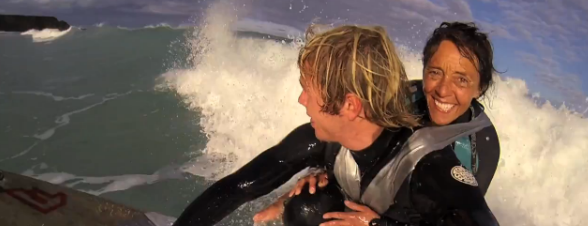
    Pascale Honore has lived without the use of her legs for the last eighteen years, but that hasn’t stopped her from taking risks and trying new things.

    After commenting that she wished she could join her sons surfing, a family friend offered an interesting solution: duct taping her to his back so she could ride the waves with him. And though others thought the idea was crazy, Pascale agreed–after, of course, the friend trained with a forty-five-pound backpack.

    Where there’s a will, there’s a way, and seeing the sheer joy and exhilaration on her face, it’s clear it was well worth it!

    *While I deeply admire her spirit and the ingenuity, I have to add: kids, don’t try this at home!

  • The Time You Have (in Jelly Beans)

    The Time You Have (in Jelly Beans)

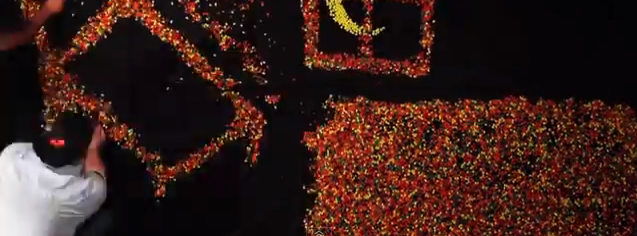
    The average life spans 28,835 days. It’s easy to go from one to the next without thinking of how you’re spending them. Artist Ze Frank broke it all down–in candy–to put things in perspective. What if you had just one left? How would you want to use it?

  • The Sole to Persevere: Lessons from the World’s First Armless Pilot

    The Sole to Persevere: Lessons from the World’s First Armless Pilot

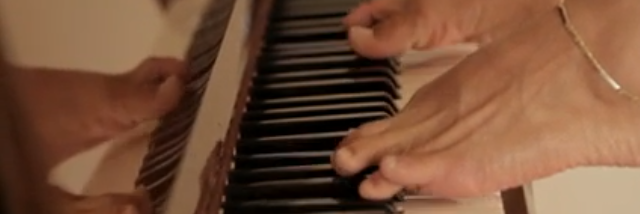
    She was born without arms, but she’s never seen herself as a victim—and she’s beyond inspiring. In this short video, Jessica Cox shares a little about the mindset that has helped her overcome obstacles to live a bold, empowered life.

  • Make the Difference: An Inspiring Video about Overcoming Obstacles

    Make the Difference: An Inspiring Video about Overcoming Obstacles

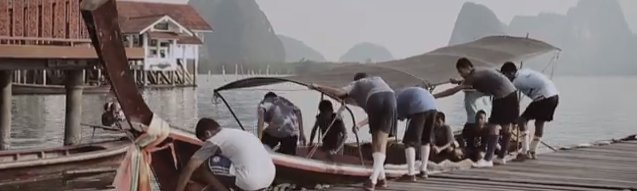
    This is the true story of a group of boys in Thailand who formed a football team in a small floating village without even a tiny bit of dry land. Even though they had nowhere to practice, they found a way to make it happen and became an inspiration to everyone around them.

    What’s the dry land you’ve been looking for, and how can you make the difference you want to make now, whether you find it or not?

  • A Short, Inspiring Video with Lessons from Dogs

    A Short, Inspiring Video with Lessons from Dogs

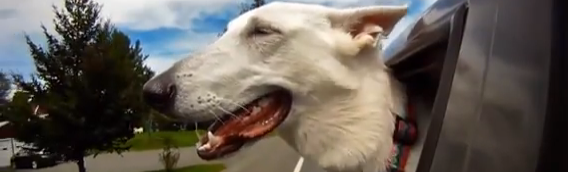
    I’ve published a few posts sharing lessons from dogs before, but this is the first video I’ve found that illustrates some of those same concepts–and what an awesome video it is! Which lesson do you need the most today?

    In case you’d like to check them out, you can find those posts I mentioned here:

  • Charity Water: How Your Birthday Can Bring Clean Water to the World

    Charity Water: How Your Birthday Can Bring Clean Water to the World

    Scott Harrison started the non-profit Charity Water on his 31st birthday to help bring clean, safe drinking water to developing countries (where 800 million people live without it). If you’re looking to make a major difference, consider pledging your birthday. I know what I’m doing on mine!

  • Mr. Happy Man: Reminding Us That Life Is Beautiful

    Mr. Happy Man: Reminding Us That Life Is Beautiful

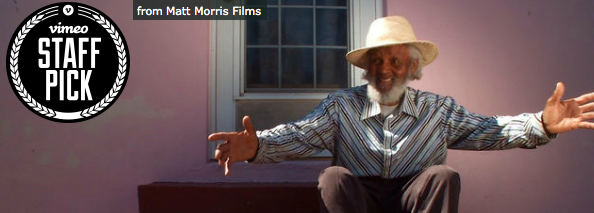
    Eighty-eight-year-old Johnny Barnes spends six hours every day telling people on the side of the road “I love you!” and “Have a great day!” Rain or shine, he makes it his mission to share joy and kindness with everyone who passes.

    Following Johnny’s lead: Happy Monday, I love you, and have a great day! Now go and pass it on. 🙂

  • Street Compliments: Sharing Love on the Side of the Road

    Street Compliments: Sharing Love on the Side of the Road

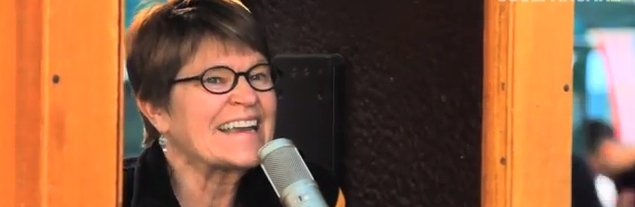
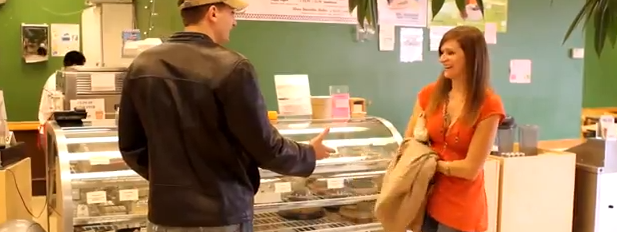
    Soul Pancake (the site started by Rainn Wilson, from The Office) set up a compliment station on the side of the road, and the exchanges they captured on film are both beautiful and touching.

    When was the last time you told someone how you feel?

  • We Live Unbound: An Inspiring Video About What’s Possible

    We Live Unbound: An Inspiring Video About What’s Possible

    So much is possible, if we’re willing to believe it.

    That doesn’t mean we have no limitations beyond the ones we set in our mind; simply believing that something is possible doesn’t guarantee it will happen. But it does create the possibility that it could.

    That’s what makes us feel alive: taking bold action toward possibility, knowing that the goal isn’t to control what will happen tomorrow. It’s to create a sense of freedom as we choose what will happen today.

    Are you living unbound?

  • Flash Mob of Cancer Survivors: Closer to Free

    Flash Mob of Cancer Survivors: Closer to Free

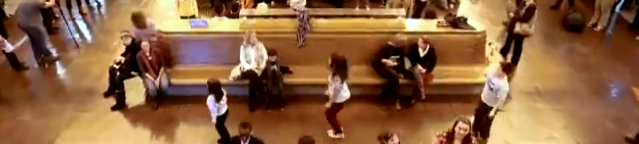
    I’m a huge fan of flash mobs. There’s something about a seemingly random, slow-building display of mass creativity and joy that never fails to make me smile. This one, featuring a group of cancer survivors and a children’s choir, gave me goosebumps. Beautiful voices. Beautiful spirit. Beautiful message of hope.

  • Improv Everywhere: Seeing Eye People

    Improv Everywhere: Seeing Eye People

    What a concept…”Seeing Eye People” for texting and walking. Makes you think: Are you paying attention?

  • Perfection: A Short Film About the Pressure to Achieve

    Perfection: A Short Film About the Pressure to Achieve

    We push, and strive, and struggle, and succeed, and then want more of that. More of people approving of us. More of people expecting things from us, and us proving that we can deliver. We consent to play the game, to be our best or die trying. What would happen, though, if we decided to stop playing?

  • People We Don’t Like: When Others Push Our Buttons

    People We Don’t Like: When Others Push Our Buttons

    I have a confession to make: there’s someone I know who I really don’t like.

    I know this isn’t exactly front-page news. It’s not like I’m the first person to ever dislike someone else. But this situation has brought me face to face with all my strongest relationship triggers.

    I find it incredibly difficult to do all the things I’ve written about when it comes to this person. Let’s call him Harry. (I’ve never in my life met a single person named Harry, but let’s just roll with it.)

    I regularly find myself wanting to judge Harry before giving him the benefit of the doubt—even though I know I’d want that courtesy if I did the things he did. But that line of thought brings me back to judgment, because I remind myself, “I would never do the things he does.”

    I find it easy to suspect him of poor intentions and conclude that maybe “he’s just a jerk,” even though I know that I get to decide what meaning to give his actions, and I also know that things are rarely black and white.

    In dealing with Harry—and perhaps more importantly, my reactions to him—I’ve found myself considering three important questions:

    • We’re always talking about letting go of judgments; is it possible that sometimes, someone is just a jerk?
    • Is it judgmental to decide someone’s actions are “wrong” when you feel strongly opposed to them?
    • Just because we know there are emotional triggers influencing our response to someone, does that mean they shouldn’t be accountable for their actions?

    I’ve decided to break these down, one by one, to see what there is to learn in this situation.

    We’re always talking about letting go of judgments; is it possible that sometimes, someone is just a jerk?

    I’ve wanted to use this label for Harry because of assumptions I’ve formed about his behavior: that he thinks he’s better than other people; that he’s really selfish, despite pretending to be caring and well-intentioned; and that all of this amounts to unfairness.

    When I break this down, I realize the “he thinks he’s better than me” assumption goes back to my childhood experiences with being bullied, when I felt inferior to most of my peers—and their actions seemed to reinforce that.

    The “he’s selfish” belief is a projection of my own fear that I’m actually a selfish person (something I’ve wrestled with all my life, no matter how giving I try to be).

    And the conclusion about “unfairness” relates to my life-long aversion to all things unjust—both a response to my childhood and a natural human reaction.

    When I pull it all apart like this, I realize I’m having a strong emotional reaction based on lots of things that aren’t solely related to him.

    So my desire to sum my feelings up with one harsh label isn’t only about his actions. It’s also about my past experience.

    And when I really think about it, whenever I’ve wanted to label anyone as a “jerk” (or something stronger), I’ve dealt with these same (and other related) triggers.

    That doesn’t mean no one has ever done anything to justify my anger. It’s just that usually, when I feel unable to access even a shred of understanding or compassion, it’s because there are strong layers of resistance, reinforced by years of my own pain, in the way.

    I suspect that’s true for most of us: the more tempting it feels to give someone one reductionist label, the deeper and more complex the triggers.

    This brings me to the next question…

    Is it judgmental to decide someone’s actions are “wrong” when you feel strongly opposed to them?

    While I realize there’s a lot more contributing to my feelings than his actions, that doesn’t change that I don’t agree with everything he says and does.

    Once I peel away the layers of my complex response to him, I can then objectively ask myself, “Which of the choices he makes don’t feel right for me?”

    This isn’t judgment—it’s discernment. It’s forming an assessment without the emotional weight behind it. And it’s essential to maintaining my own moral compass and forming boundaries within my relationships.

    That means I don’t need to label him anymore. Instead I can say, “I wouldn’t make the choices as he makes, and I don’t want someone in my life who makes them.”

    It’s not about me deciding he’s a “bad person” and, therefore, feeling better than him; it’s about me realizing he’s a bad match for a friendship and then feeling better about the situation.

    The positive consequence: I give him far less power over me and my emotions. He’s not wrong—just wrong for me.

    And then that brings me to the last question…

    Just because we know that someone’s actions trigger us, does that mean they shouldn’t be accountable for their actions?

    Now that I’ve accepted responsibility for my reaction to him, and acknowledged that his choices can make him “wrong” for a friendship with me without making him universally “wrong,” I no longer need to “hold him accountable.”

    But if I were to want to maintain a friendship with him, I’d have two choices: accept him as he is, or share my reactions to his choices and let him into my process.

    I know from past experience that people rarely respond well when they feel judged or attacked.

    But people sometimes surprise us when we explain how we feel in response to the things they do—not because they’re responsible for our feelings, but because they care about them.

    And if they don’t care, well, this brings us back to the first two parts: It doesn’t make them jerks. It just gives us a reason to be discerning about whether or not we want to care about them.

    So where has all this left me? I’m going to continue peeling away the layers of my issues around others “being better than me” and my fears of “being selfish.” And I’m going to silently thank Harry for reminding me to continue doing this work.

    Then I’m going to stop communicating with him. Because as much as I value the gifts he’s given me, I value myself enough to realize he’s given a lot more that I don’t want to receive.

    Have you ever felt a strong reaction to someone else and realized it had a lot to do with your own triggers?

  • Jujitsuing Reality: Scott Lew Shares His Gift Without Speaking or Moving

    Jujitsuing Reality: Scott Lew Shares His Gift Without Speaking or Moving

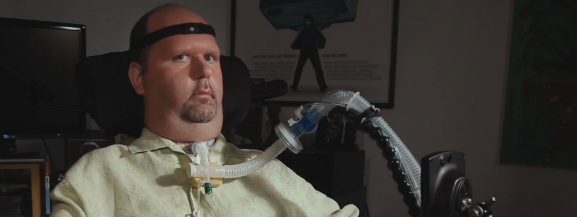
    He has ALS with severely limited mobility and expression, but screenwriter Scott Lew still does what he loves, creating stories and bringing them to life. He may have lost the use of most his muscles, but he can still access the most powerful one: his heart.

  • Seconds: A Video About the Power of Each Tiny Choice

    Seconds: A Video About the Power of Each Tiny Choice

    Each day consists of 86,400 seconds, each one containing countless options, possibilities, and decisions, of which only one can emerge. 86,400 seconds. This is one of them.

  • 50 Ways to Open Your World to New Possibilities

    50 Ways to Open Your World to New Possibilities

    “To get something you never had, you have to do something you’ve never done.” ~Unknown

    Maybe you feel stuck. Or bored. Or frustrated. It’s not that you don’t like the life you live, it’s just that you suspect there’s something more. Some greater sense of meaning or excitement. New connections. New adventures. New possibilities.

    The truth is those possibilities are always within your reach. You may not be able to quit your job or develop new skills by osmosis, but every day contains within it countless opportunities, all dictated by the choices you make.

    Some of those choices may seem inconsequential when you face them. They’re the little things, after all. Why not do it how you usually do? Why not stay in your comfort zone when it’s just so comfortable there?

    Do it for the possibility. The possibility that if you make one minor change you may set the stage for major fulfillment. Sometimes even the smallest shift in thinking or doing can create the biggest opportunity. Here’s how to get started.

    Get Out of Your Head

    1. Challenge your beliefs about what you can and can’t do. Maybe you are a good leader. Maybe you can do hard things. Maybe you can change careers at your age.

    2. Challenge your ideas about how things should work. Sometimes when you decide how things should be you limit your ability to be effective in the world as it actually is.

    3. Have a vision session. Write in a journal, create a video, sketch—anything that lets you explore what excites you most.

    4. Look for opportunities in a tough situation. Avoid a victim mentality and opt instead for a “ready for new beginnings” attitude.

    5. Remove something from your life that doesn’t serve you to make room for something better and new. You never know what you might let in when you let something go.

    6. Commit to something you always say you’ll do but always fail to start—and then take the first step right now.

    7. Turn your focus from something don’t want to something you do want. This allows you to shift your energy from complaining to taking action.

    8. Replace negative thoughts with positive ones. Positive energy creates positive results.

    9. Identify the blocks that keep you from breaking a bad habit. Anytime you improve your habits, you pave the path for personal excellence.

    10. Forgive someone if you’ve been holding a grudge. Removing that block will open you up where previously you’d shut down.

    Get Out in the Open

    11. Walk to work and open your eyes. You may find a gym you want to join or an organization where you’d like to volunteer.

    12. Talk to someone while waiting in line and ask what they do. You don’t need to wait for a specified event to network.

    13. Make an effort to connect with people you pass—smile and make eye contact for a little longer than usual. Being even slightly more open can open up your world.

    14. Learn a new skill. Start taking piano lessons or karate classes.

    15. Say yes to something you always talk yourself out of—sing karaoke or take a kickboxing class, even if you’re afraid of you’ll feel embarrassed.

    16. Take a walking lunch. Walk around your neighborhood for a half-hour with no destination in mind, and then eat at your desk when you return. You never know what will happen when you get out without a plan.

    17. Volunteer at your local animal shelter or ASPCA chapter.

    18. Start something you always assumed it was too late to do. Take gymnastics, learn guitar. If it moves you, get started today. It’s never too late.

    19. Take up urban foraging—the act of foraging for “free” fruits and vegetables around your city (where harvesting is sanctioned). According to worldchanging.com, “It saves money (free food!), it reduces waste (all that fruit isn’t rotting on the ground) and it builds community (…by forcing interaction between strangers…).”

    20. Join an adventure club to try new activities, like white water rafting and rock climbing, and meet new people at the same time.

    Get in with People

    21. Offer to help someone else. Sometimes it’s the best way to help yourself, and not just for the warm fuzzy feeling it provides. You never know what you’ll learn through the process.

    22. Carpool to work. This gives you a chance to get to know coworkers better—good for socialization, and possibly good for your career.

    23. Compliment a stranger on something you notice. Everyone likes to be appreciated, and it’s a great way to start a conversation.

    24. Take pictures of things you find interesting that other people might not notice. When you’re trying to frame the smiley face of leftover food on your plate, people will naturally want to ask what you’re doing. (I know this from experience).

    25. Do something you enjoy alone. Go to a museum or read a book in the park. You’re more accessible when you’re not engulfed in a crowd, making it easier for new people to approach you.

    26. Wear an interesting T-shirt, something funny or nostalgic. You likely won’t get through a day wearing a Gem or Alf shirt with at least one conversation with someone new!

    27. Move one of your friends into a new pool. Take one from the “we keep things light and casual” pool into the “we share our dreams and confide each other” pool. Research shows people who have five or more close friends describe themselves as happy.

    28. Bring enough lunch to share with other people at work—particularly childhood favorites. Nothing bonds like shared nostalgia.

    29. Pay attention to other people’s body language and expressions so you can offer assistance when they seem to need it.

    30. Help someone else get out of their comfort zone. You just may set the precedent that you challenge each other in your friendship.

    Get Into Your Work

    31. Show up a half-hour early or leave thirty minutes late. You’ll get more done, you may impress your boss, and you might open yourself up to opportunities for growth, particularly if your coworkers aren’t around.

    32. Speak up in a meeting, even if you don’t feel confident or you’re afraid you’ll be embarrassed. Your ideas can only take shape if you put them out there.

    33. Hold your meeting outside. People work and engage differently in new environments, particularly when they can feel sunlight on their faces.

    34. Hold a meeting standing up. This will most likely make it shorter, meaning you’ll be more efficient and create more time to work on something else.

    35. Create a business card that speaks to what really matters to you, like Meng Tan’s “jolly good fellow” card.

    36. Start learning a new language. The more people you can communicate with, the more valuable you become, particularly for work that involves traveling abroad.

    37. If you don’t work in your dream industry, volunteer within it. This allows you to be your purpose now, even though you don’t have the job; gain experience; and make valuable connections.

    38. Find a mentor. Ask someone who does what you’d like to do for tips.

    39. Attend a networking event or conference that’s big in your industry. Collect at least ten business cards, and follow up with emails the next day.

    40. Consider one of these creative ways to turn everyday situations into opportunities.

    Get Caught in the Web

    41. Check the Craigslist Community section for activities, events, and classes—and then send at least three emails today. Don’t wait.

    42. Start a group at Meetup.com to connect with like-minded people, or join one that already exists.

    43. Ask on Twitter if anyone can offer you tips to move forward with your dream.

    44. Learn to cook one tweet at a time. @cookbook tweets entire recipes and instructions in 140 characters each.

    45. Learn how to do anything that interests you on eHow, Instructables, or wikiHow.

    46. Have a “friend trade” day on Facebook. Introduce your friends to one of yours, and ask them to do the same.

    47. If you blog, find other bloggers in your niche and email them to introduce yourself.

    48. Search WeFollow.com to find the most influential people in your niche, then initiate contact them through Twitter or email.

    49. Become a host on Airbnb if you have a room to rent; it’s a great way to meet new people and earn a little extra cash!

    50. Join the TinyBuddha forums to seek help and help others who need it. (Or subscribe to tinybuddha.com for more tips to live out loud!)

    There’s a lot of information here—way more than you can tackle all at once. But it’s more about quality than quantity. Even just one small change can have a ripple effect into every area of your life. Of course it’s up to you to decide what’s possible.

    How do you open your world to new possibilities?
  • The Butterfly Circus: An Inspiring Film about Struggle and Transformation

    The Butterfly Circus: An Inspiring Film about Struggle and Transformation

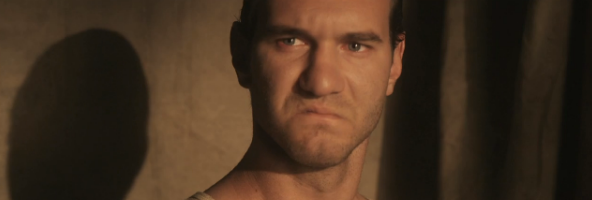
    What do you believe about yourself, how does it keep you stuck, and how high could you fly if you finally let it go? Poignant, beautiful, and moving, this short film brought me to tears. It’s a story that reminds us that anything is possible, if only we believe it.

  • Inspiring Video from a 93-Year-Old Yoga Master

    Inspiring Video from a 93-Year-Old Yoga Master

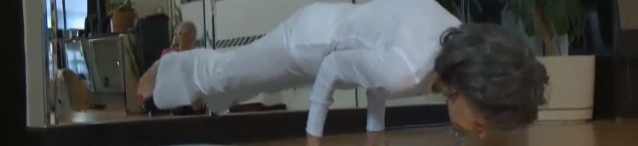
    Sixty-one. That’s how long Porchon Lynch has been teaching yoga. And now in her nineties, she’s still at it, still inspiring others to live healthy, happy lives. If you’ve ever wondered whether you’re too old to get up and make this day count, this short video may change your perception of what’s possible for you.

  • Daylight: Fun Music Video To Start the Morning with a Smile

    Daylight: Fun Music Video To Start the Morning with a Smile

    I’ve lost count of how many times I’ve watched this video. It’s impossible to watch this and not smile!